

Pickets and metal fences
Buying metal fence pickets: what to check beyond colour and price
Fence durability starts with specifics. What matters is the material, the profile section, the coating and the method of fixing. The term “metal pickets” alone says too little to assess an offer. Two similar fences may have different surface protection and different installation requirements. It is therefore worth examining the components closely. Well-chosen sheet-metal pickets allow an even, attractive fence without regularly painting the entire surface. First establish what the fence is meant to do. The front of a small house has different needs from the side boundary of a large plot. In the first case, the appearance of both sides is usually important. In the second, easy access for cleaning and the ability to replace a damaged component may matter. Sheet-metal pickets offer freedom in choosing lengths and spacings, but they do not by themselves solve every fencing task.
In this article
The picket is part of the whole fence
Posts, rails, fixings and foundations must work together with the infill. A rigid picket will not fix a wobbly post. A denser arrangement of elements changes how the bay performs under wind load. The question of durability should therefore concern the whole assembly, not just the strip visible from the street.
The section says more than a photograph
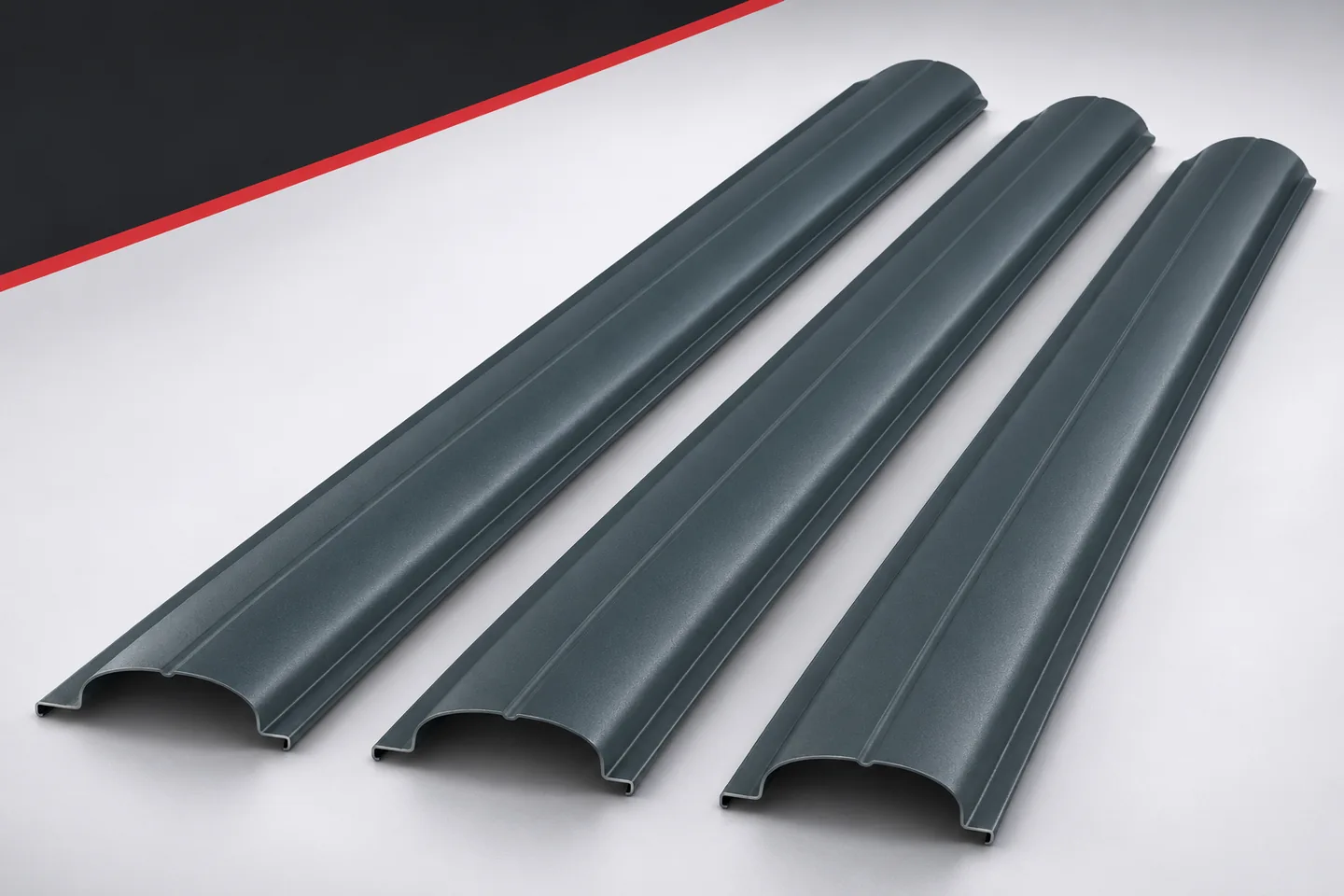
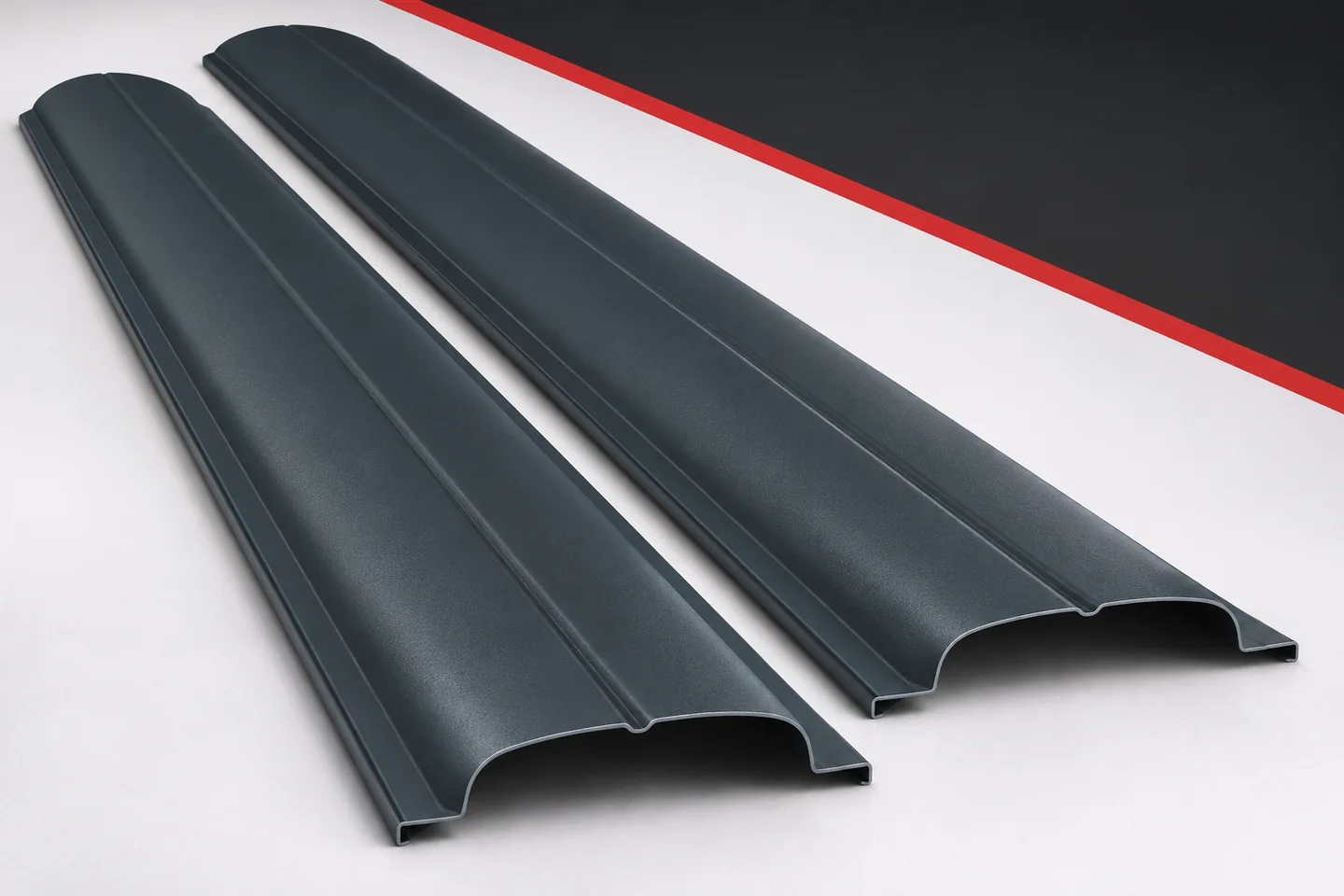
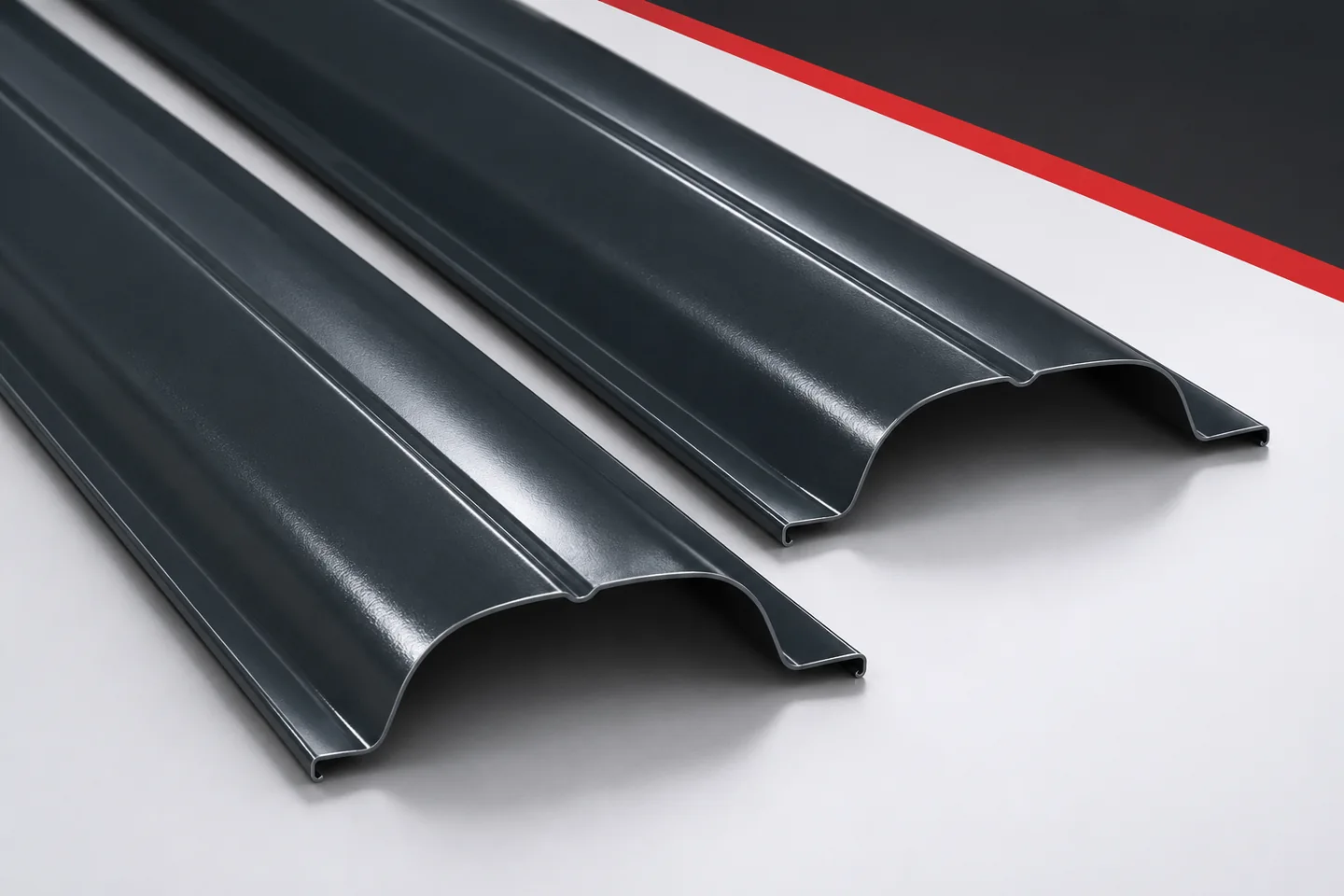
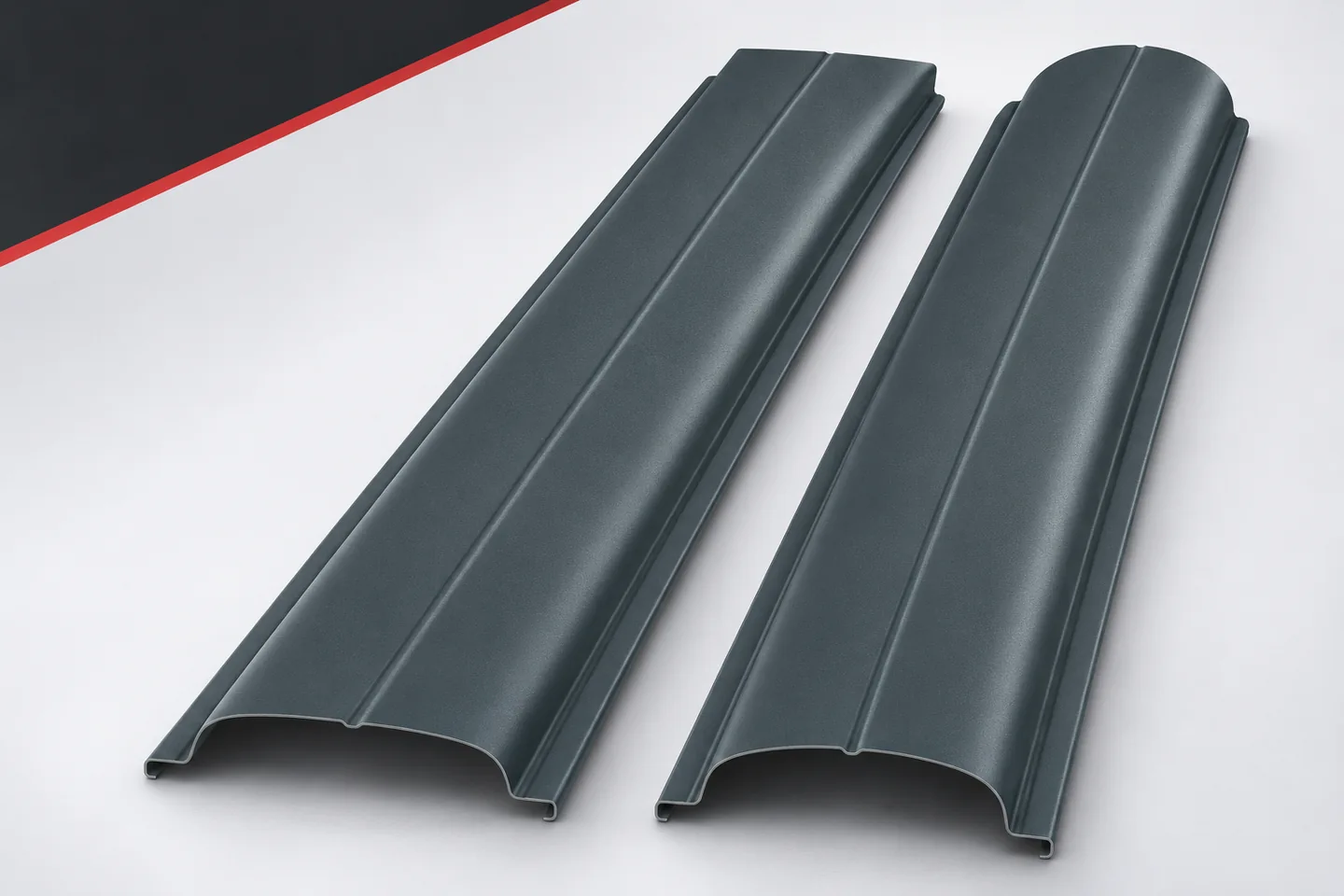
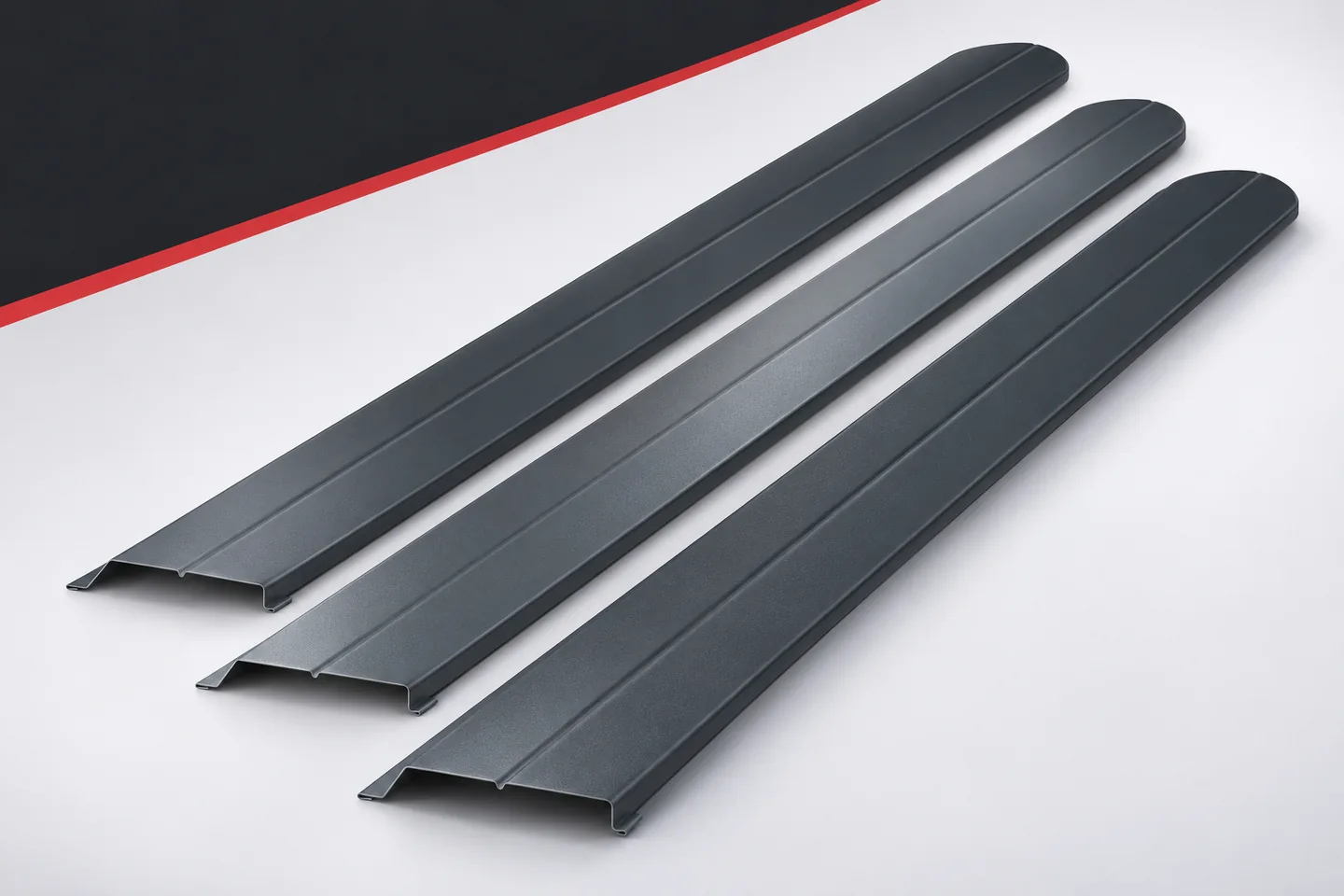
Sheet-metal pickets are made by profiling thin sheet steel. Longitudinal embossings and folded edges affect the rigidity of the component. They are not merely decorative. On a technical drawing you can check the width of the finished picket, the profile height and the arrangement of the folds. Only this data allows similar-looking proposals to be compared.
The section height is not the length of the picket. It is the depth of its profiling. Nor should the width of the finished component be confused with the width of the sheet strip used in production. Some of the material is in the folds. Calculating the number of pickets requires the dimension after the profile has been formed.
Surface protection has several layers
Galvanised steel and the coloured coating perform different tasks. The metallic layer helps protect the steel against corrosion. The organic coating forms an additional barrier and provides the colour. The result depends on the entire material system, its preparation and the conditions of use. An anthracite appearance alone does not confirm the type or quality of the protection.
In the offer description, look for information about the material and the coating. Also ask about the reverse side. The protective lacquer on the underside need not have the same appearance or purpose as the decorative layer. Metal pickets with colour on both sides are worth considering separately from products with one-sided decoration.
Not every location makes the same demands
A fence by a quiet garden works under different conditions from one exposed to road salt. Long-lasting moisture, dirt and the absence of natural rinsing by rain also matter. The term “for outdoor use” should not be taken as confirmation of resistance to every environment.
Give the seller information about the installation location. Mention a nearby road, an irrigation system or contact with fertilisers. In a demanding environment, ask for written confirmation of the suitability of the chosen coating. That is more useful than a general declaration of many years of picket durability.


Good installation protects what you paid for
The coating can be damaged even before the fence is erected. Dragging pickets over concrete, components rubbing against each other and left-over swarf create unnecessary problems. Equally important is matching the fasteners to the substructure. Their lengths and drilling capability are not chosen solely on the basis of the head colour.
Sheet-metal pickets should be fixed according to the instructions for the particular system. Excessive pressure can deform a thin profile. Too weak a connection allows it to move. Before completing the whole run, it is worth assembling a test section. It shows how the fixings behave and how the bays actually look.
Durability requires simple actions
The factory coating limits the scope of care but does not exempt you from inspection. Removing dirt and checking for minor damage helps keep the fence in good condition. Particular attention is needed at cut edges, around fasteners and at the lower ends of the pickets. These are precisely the places where dirt often accumulates or traces of contact with tools appear.
Choose the cleaning method to suit the coating. Start with water and a soft sponge, and check the cleaning agent in the supplier’s recommendations. Repairing a small scratch does not mean randomly painting over a large area. The right material and a small touch-up area help preserve the appearance of the factory finish.
How to compare two offers
Place the material data sheet, the profile drawing and the conditions of use side by side. Also compare what is included in the set. Establish whether the price refers to a single piece, a metre of picket length or a finished section of fence. Without a common unit, a seemingly cheaper offer may cover considerably fewer components.
A small reserve for possible repairs is also useful. Ordered together with the fence, it reduces the risk of later searching for an identical coating and shade. The final choice should combine appearance, the possibility of correct installation and access to service. Only then do the advantages of metal pickets have real significance in everyday use.
Keep the means to identify the material
Once the project is complete, do not throw away the order description. The profile name, the lengths and the coating designation will help in choosing accessories and the method of repair. If you later need to order more, a photograph of the fence alone may not be enough. It is also worth keeping a small, labelled sample of the material. Such documentation takes up little space and makes it easier to discuss the actual properties of the fence after several seasons.
7 branches. Materials closer to your project.

Free quote
Materials for your project

You may also find useful…
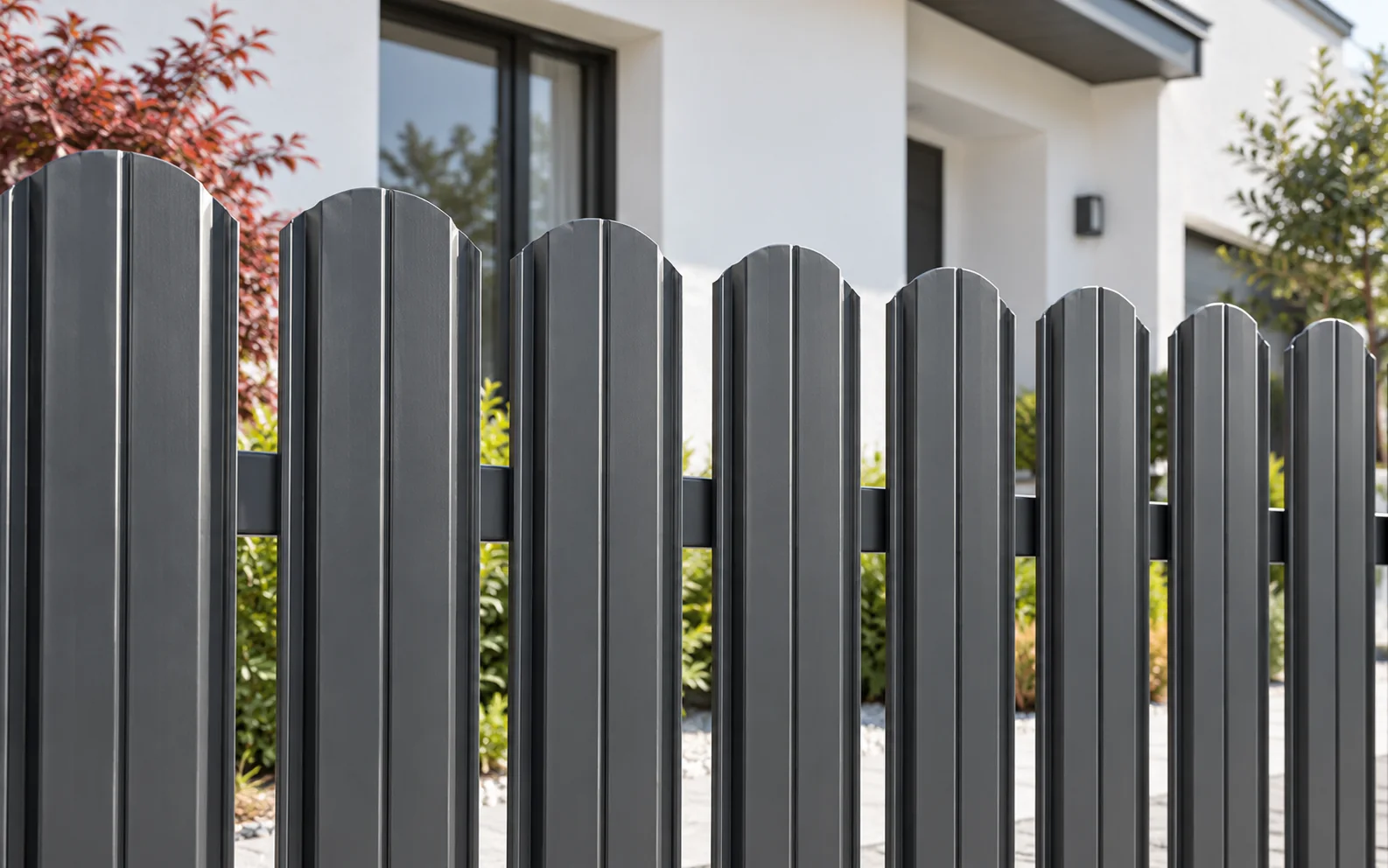
Metal pickets allow the appearance, gap width and height of the fence to be matched to the property. A factory-applied coating limits…
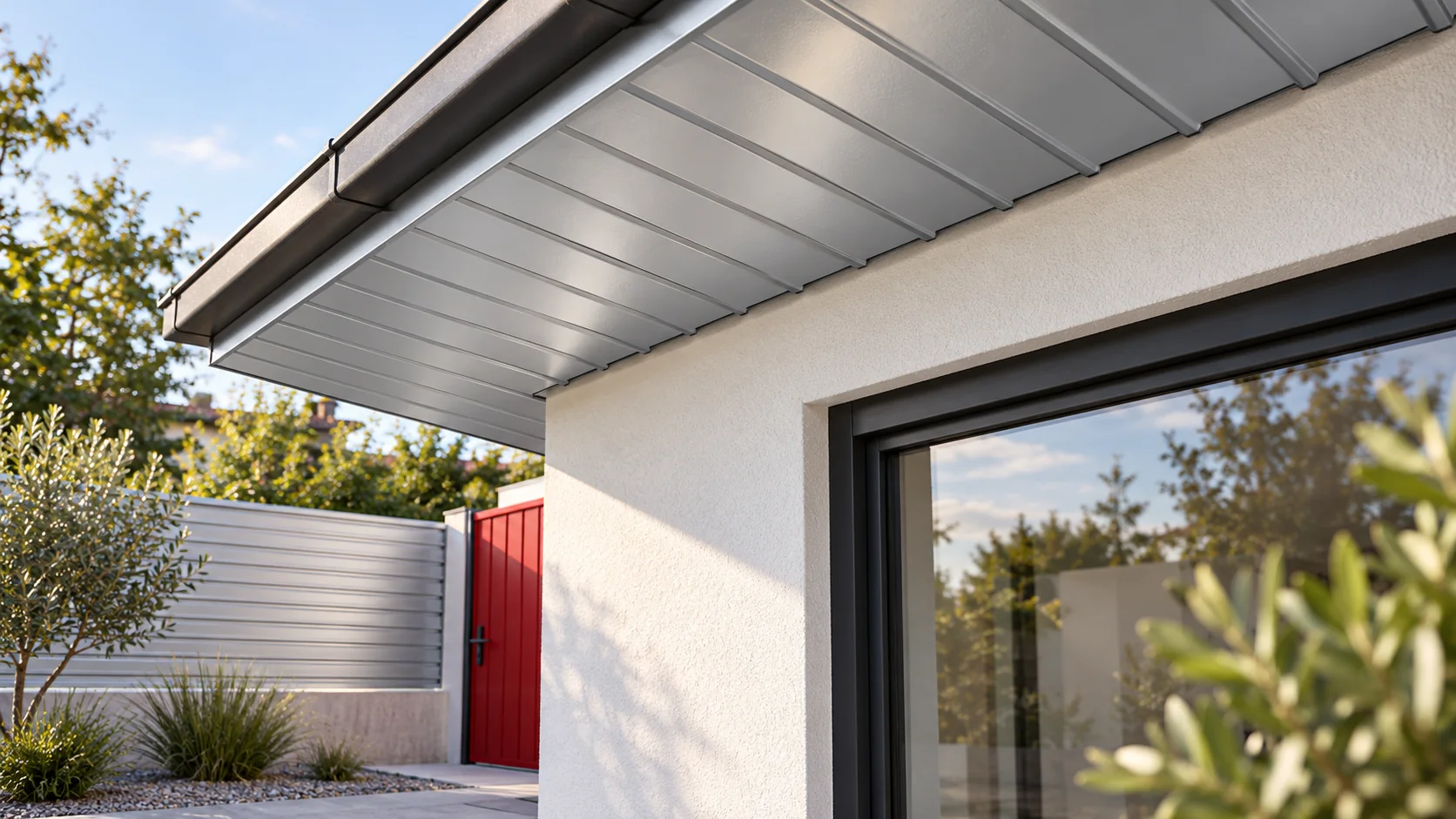
T7 is a shallow trapezoidal profile with closely spaced ribs that can suit a soffit, gate infill or lightweight wall lining. Its…
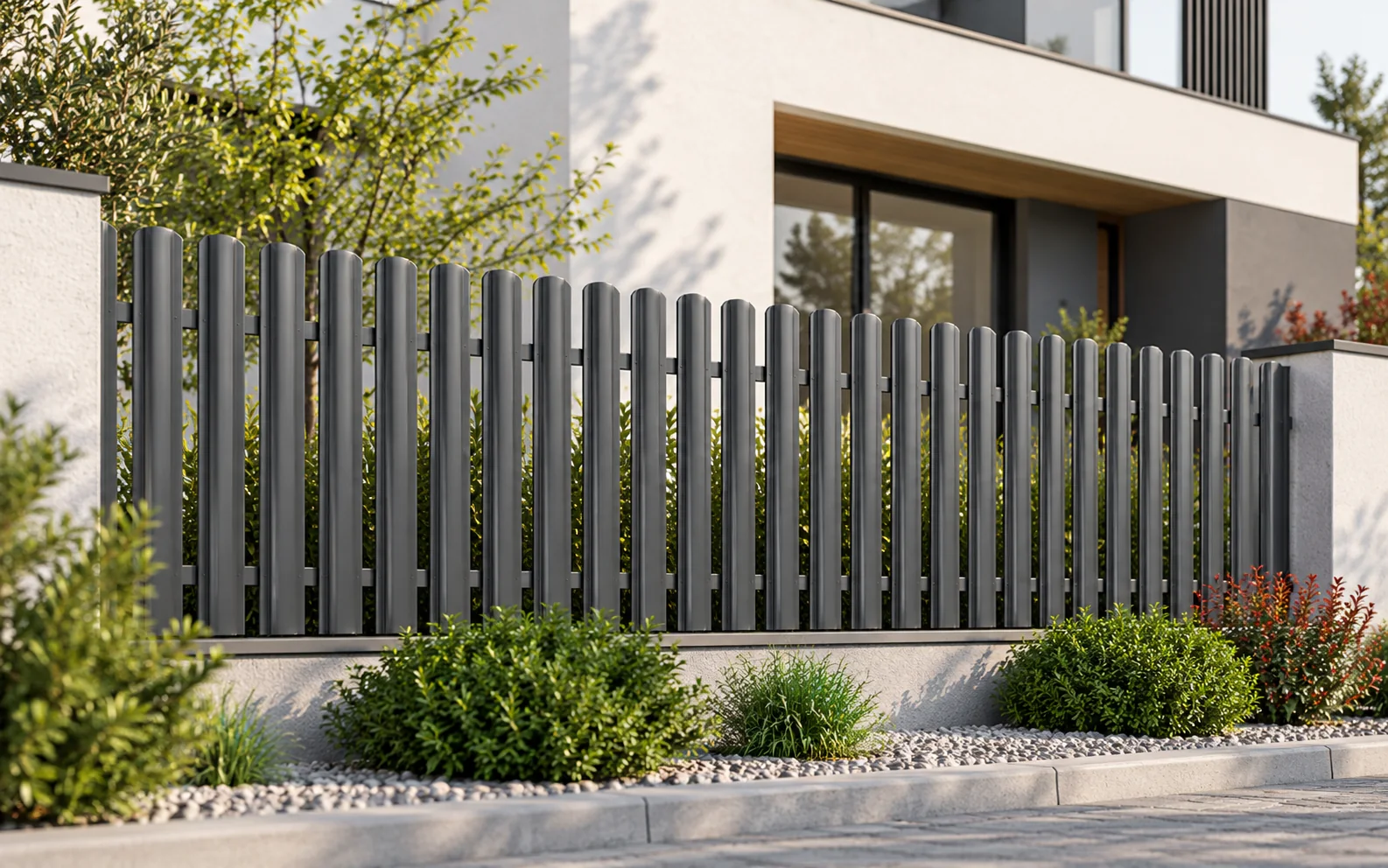
A sheet-metal fence can be a good choice if you want a consistent look and limited maintenance. However, the degree of screening…
The first season shows how the fence behaves under the real conditions of the property. Places where dirt accumulates are already visible,…
The price of a picket is easy to compare. It is harder to compare two quotes when one covers only the slats…
A correctly manufactured picket can still be damaged before installation. All it takes is improper handling, friction within the bundle or storage…

A passive house design needs an explicit decision about which rooms belong within the heated envelope and which remain outside it. That…
Slim metal pickets can give a fence a light appearance. Thin sheet metal and open gaps do not, however, mean that the…