

Slats and metal fences
Wood-effect metal fence pickets or timber: what homeowners should compare
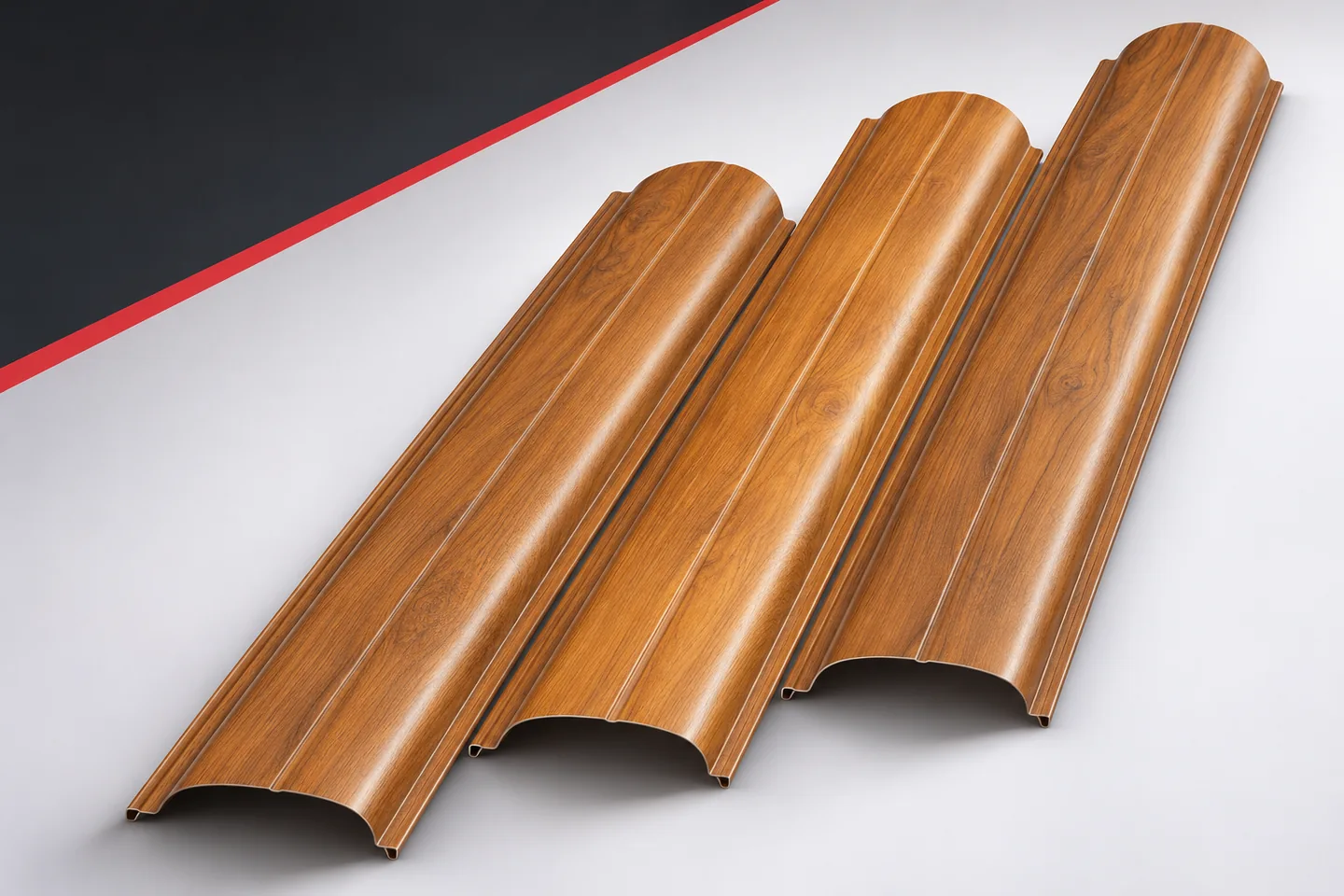
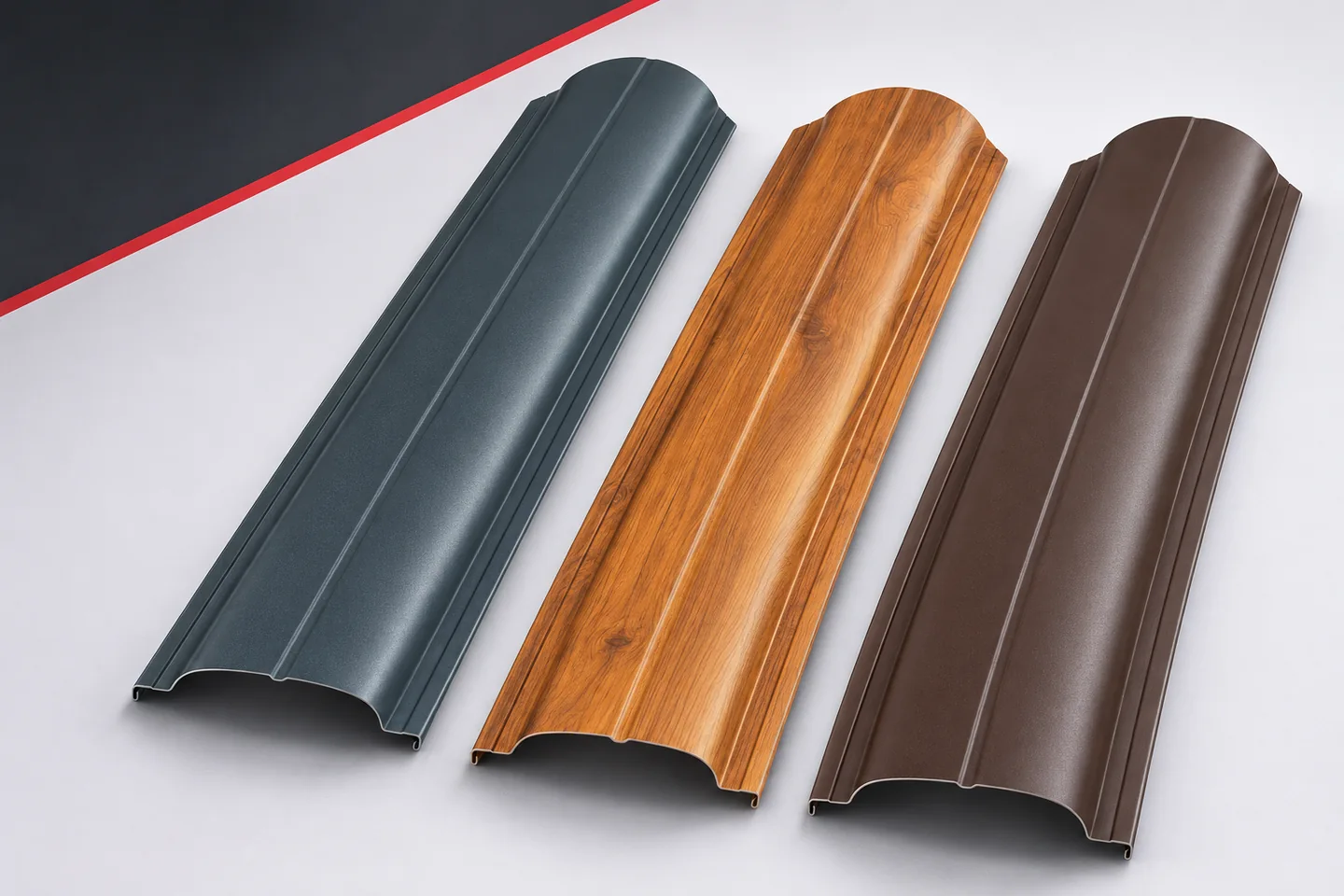
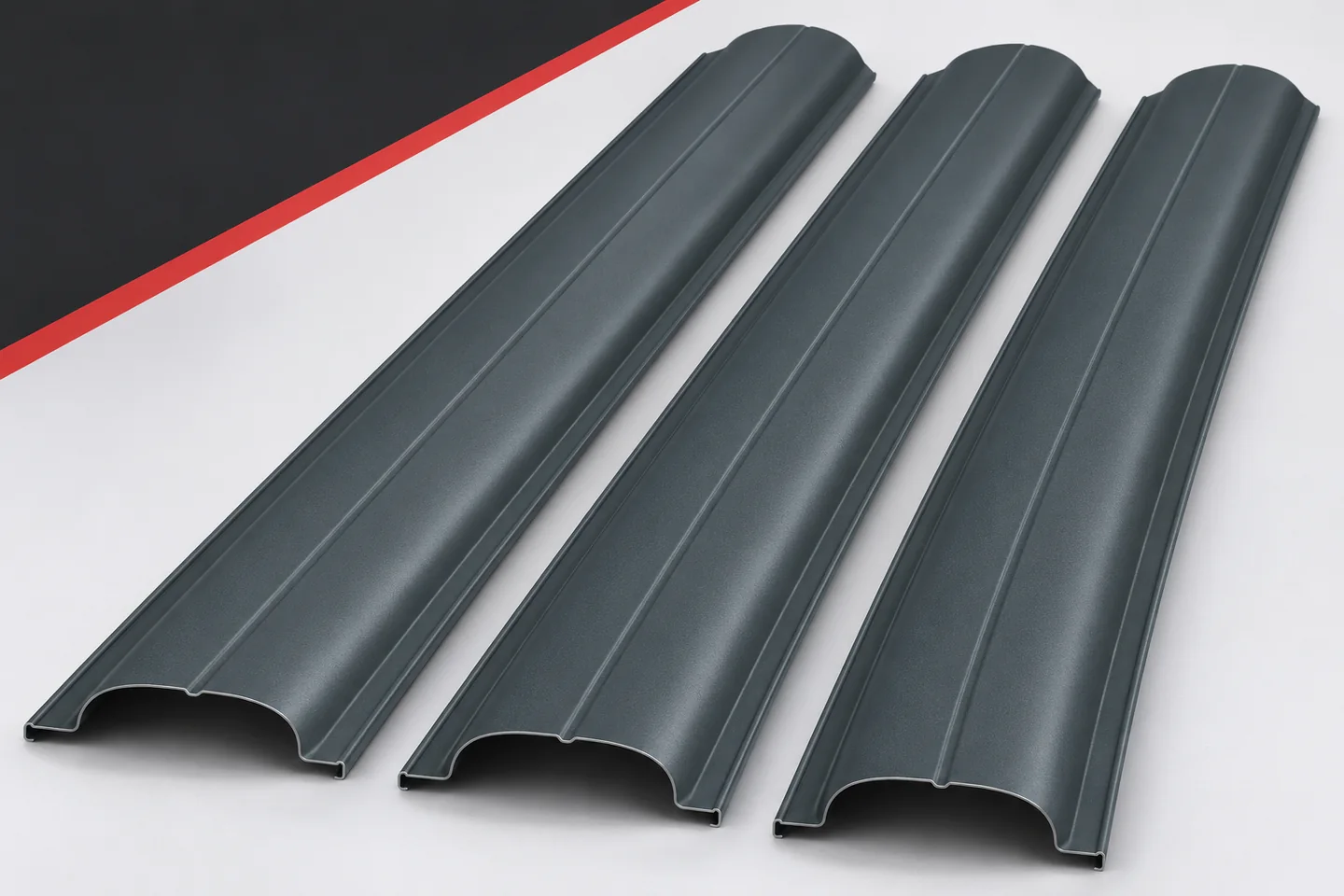
A warm fence colour can be achieved without using timber boards. Metal slats with a wood-effect finish combine a steel profile with a factory-applied surface pattern. They should, however, be assessed as a material in their own right. They are not timber and do not have all of its characteristics. The comparison should cover appearance, maintenance, repair and the way the fence is used. Only then will the choice meet the real needs of the property. On a wood-effect slat, the grain pattern is part of the decorative coating. Beneath it lie a metal substrate and protective layers. A timber board has a natural structure throughout its cross-section. The difference is particularly visible at the ends of the components, from underneath and on closer inspection of the surface.
In this article
A similar shade does not make the same material
Metal slats can work well with the timber details of a house. There is no need, however, to expect a perfect imitation of every board. A better criterion is colour harmony with the façade and the joinery. It is worth comparing a sample on site, from the distance typical of everyday use of the garden.
The factory finish makes it easier to start using the fence
Sheet-metal slats arrive with a ready-made colour. Once correctly installed, they do not require additional painting of the entire surface. This is convenient when the fence is being built alongside other work around the house. It reduces the amount of finishing work carried out on site.
This is not, however, grounds for promising an identical appearance for an unlimited time. The coating is exposed to the weather and may suffer mechanical damage. Timber also requires the right species and method of protection. An honest comparison covers specific variants, not the best features of one material and the weakest of the other.
It is worth examining the wood grain on several slats
A small piece of the pattern card does not show the whole bay. Over a long run, the repetition of the decor, the width of the profile and the gaps all matter. A dark pattern may look calm on a single sample but dominate much more strongly in a dense fence. Several slats placed side by side help to assess this.
Also check the reverse side. The wood-effect finish may be available in a single-sided or double-sided version. The choice depends on the particular product’s range. If the fence is visible from the terrace, a back without the same decor can make a big difference to the final effect.
Maintenance differs between the two solutions
Metal slats are cleaned with care for the coating. Sharp brushes should not be used, and the whole surface should not be treated like bare steel. With timber, the maintenance method depends on the finish used. It may involve renewing the protective layer in line with its condition and the recommendations.
When choosing a material, consider who will carry out these tasks. Access to the back of the fence may be limited by a hedge or a building. Well-planned space for cleaning and inspection helps regardless of the type of infill. It is not worth sacrificing it solely for the densest possible planting.


Repairing the decor will not always be invisible
A deep scratch on a patterned coating is harder to reproduce with a single colour. A touch-up may protect the damaged spot but will not recreate the factory grain pattern. In the case of more serious damage, replacing a single slat remains an option. This depends on the fixing method and the condition of the substructure.
For this reason, it is worth keeping a description of the decor and a small stock of components. A later batch may differ in shade. The stock should not, however, be stored just anywhere. It must be kept in dry conditions, in line with the requirements of the coating and the packaging. Material kept for the future can also be ruined by improper storage.
Do not compare the price of a single slat alone
A finished fence involves more than the visible slats. Posts, rails, connectors and installation work are needed. When comparing timber with steel, also include the initial finishing and the expected scope of later maintenance. Costs should relate to a similar height and a similar fence density.
Sheet-metal slats may reduce the number of painting jobs, but they do not guarantee the lowest cost in every situation. The existing structure, the length of the runs and the condition of the ground all matter. A quote based on these data is more useful than a general claim that one material is always cheaper.
The choice should suit your way of life
Timber may suit someone who values a natural material and accepts its changes. Wood-effect metal slats are an option for someone who wants a ready-made decor on a steel profile. Their advantage is repeatable geometry and the ability to match dimensions to the design of the bay.
It is best to compare real samples, maintenance conditions and the full cost of installation. Also look at the ends, the fixings and the appearance from the garden. Such a test allows an informed choice. The fence should look good once installed, but also match the amount of time you want to spend maintaining it.
Touch the sample and look at its end
The differences between materials are best seen in the detail. Look at how the slat is finished and what its reverse side looks like. Check whether you accept the visible geometry of the profiled sheet beneath the wood-effect pattern. Do not, however, judge the product by bending the sample sharply or scratching the paint. Such a random test does not replace technical data. The sample is for an informed assessment of appearance and finish, and the documentation for confirming the parameters.
7 branches. Materials closer to your project.

Free quote
Materials for your project
You may also find useful…
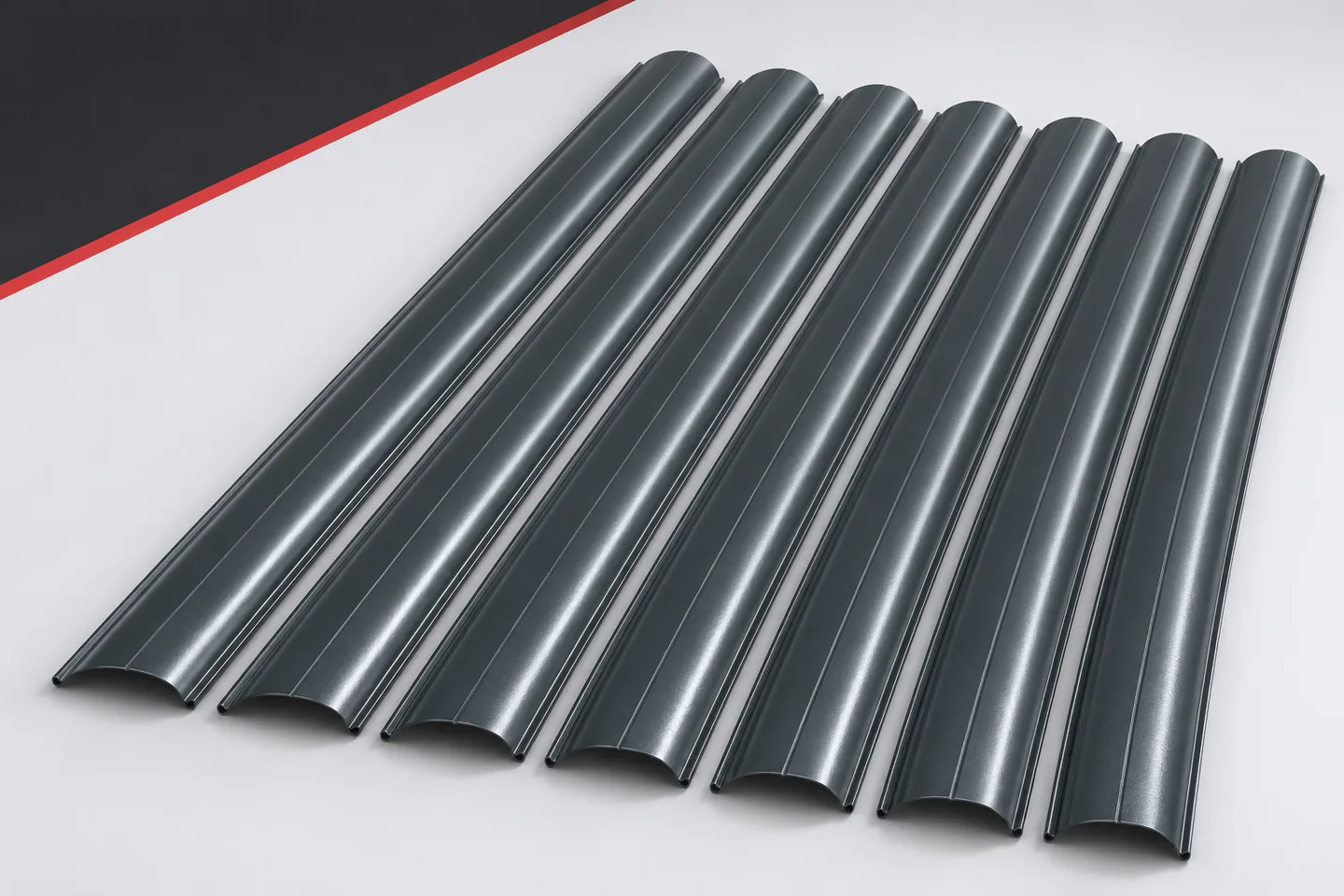
Privacy with a slatted fence depends on geometry. The width of the slats, the size of the gaps, the number of rows…
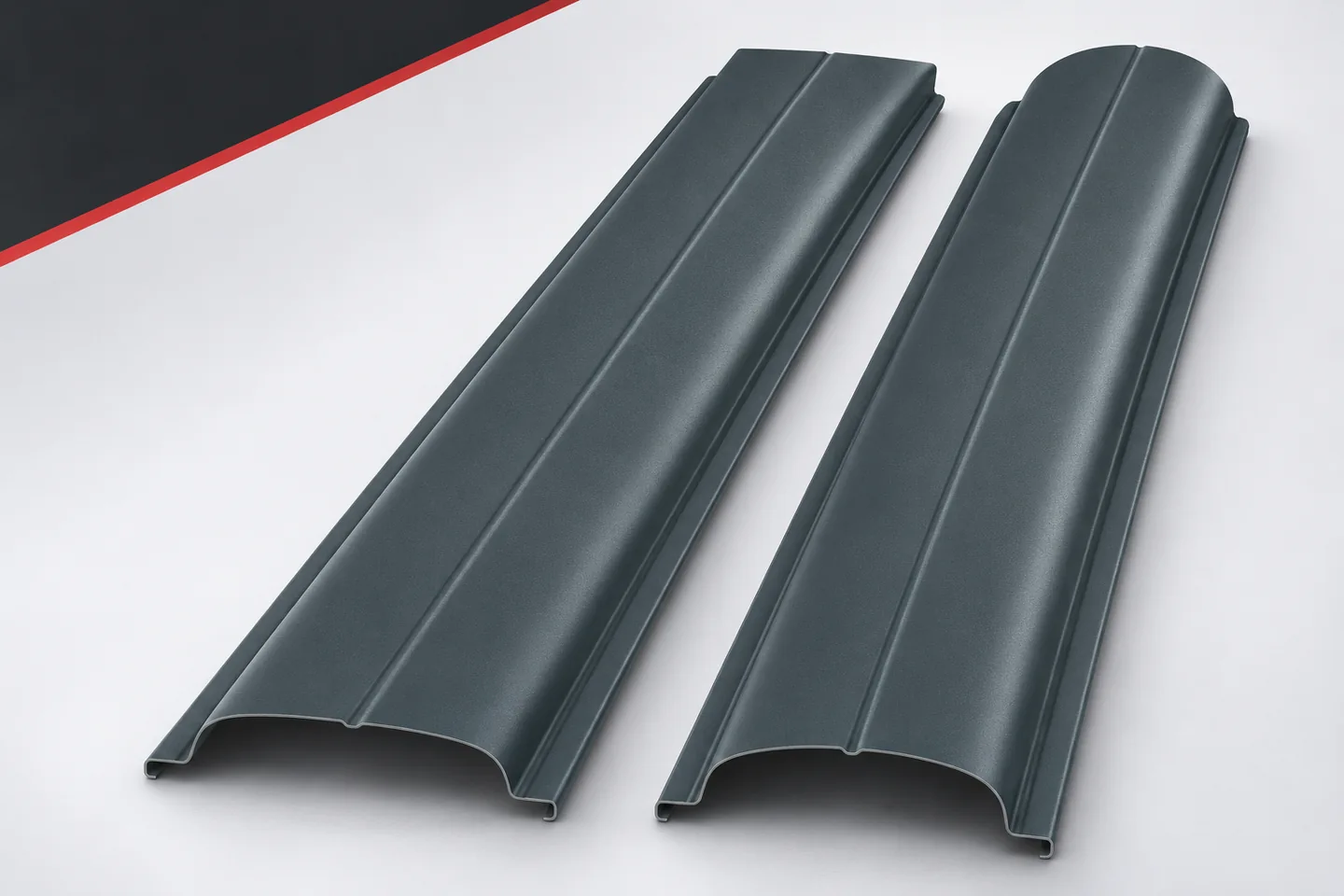
A correctly manufactured picket can still be damaged before installation. All it takes is improper handling, friction within the bundle or storage…
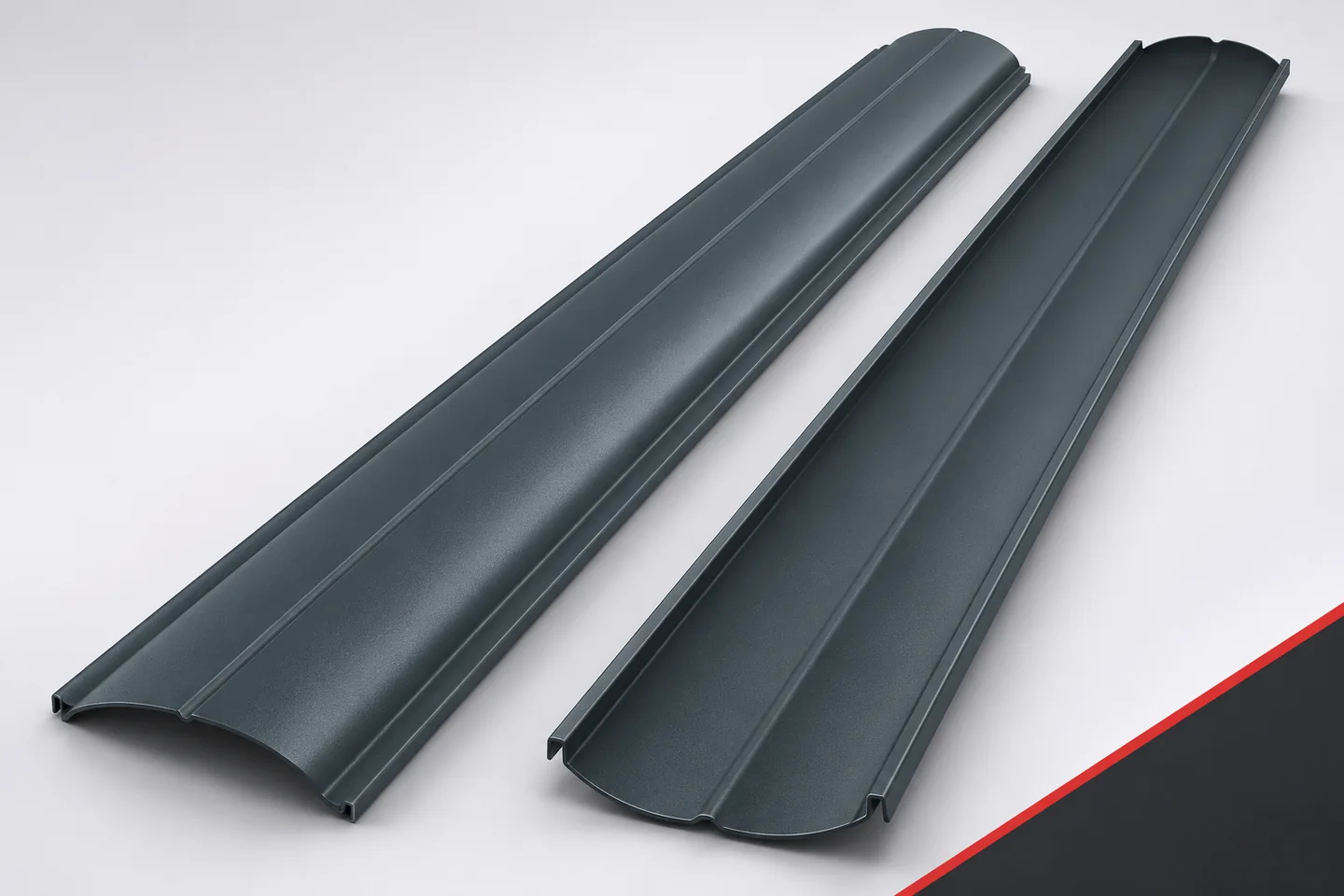
A fence is viewed from the street, the driveway and the terrace. For this reason, the appearance of the back of a…
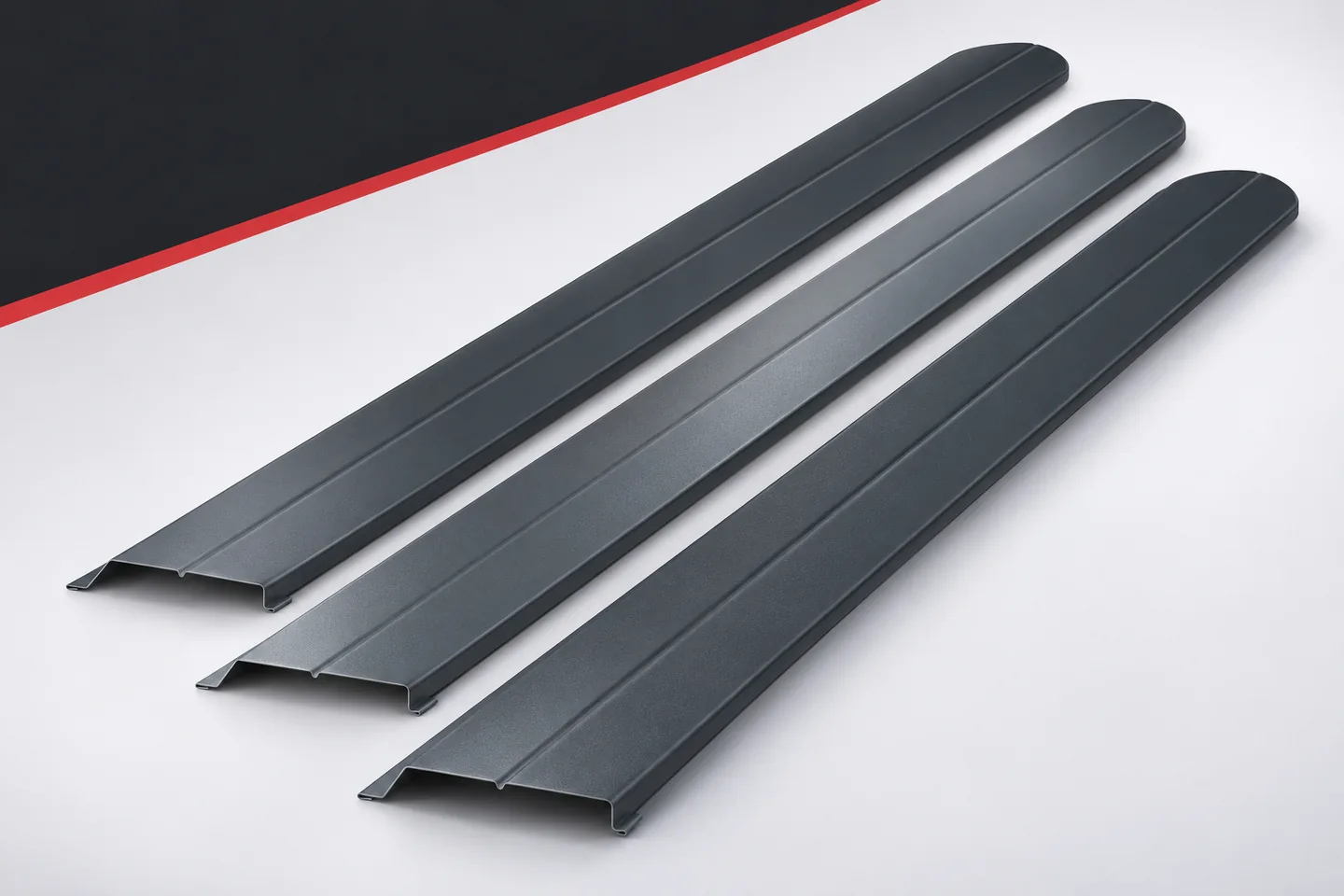
Slim metal pickets can give a fence a light appearance. Thin sheet metal and open gaps do not, however, mean that the…
On screen, several shades of anthracite can look almost identical. On a fence, the difference in gloss, texture and lighting can be…
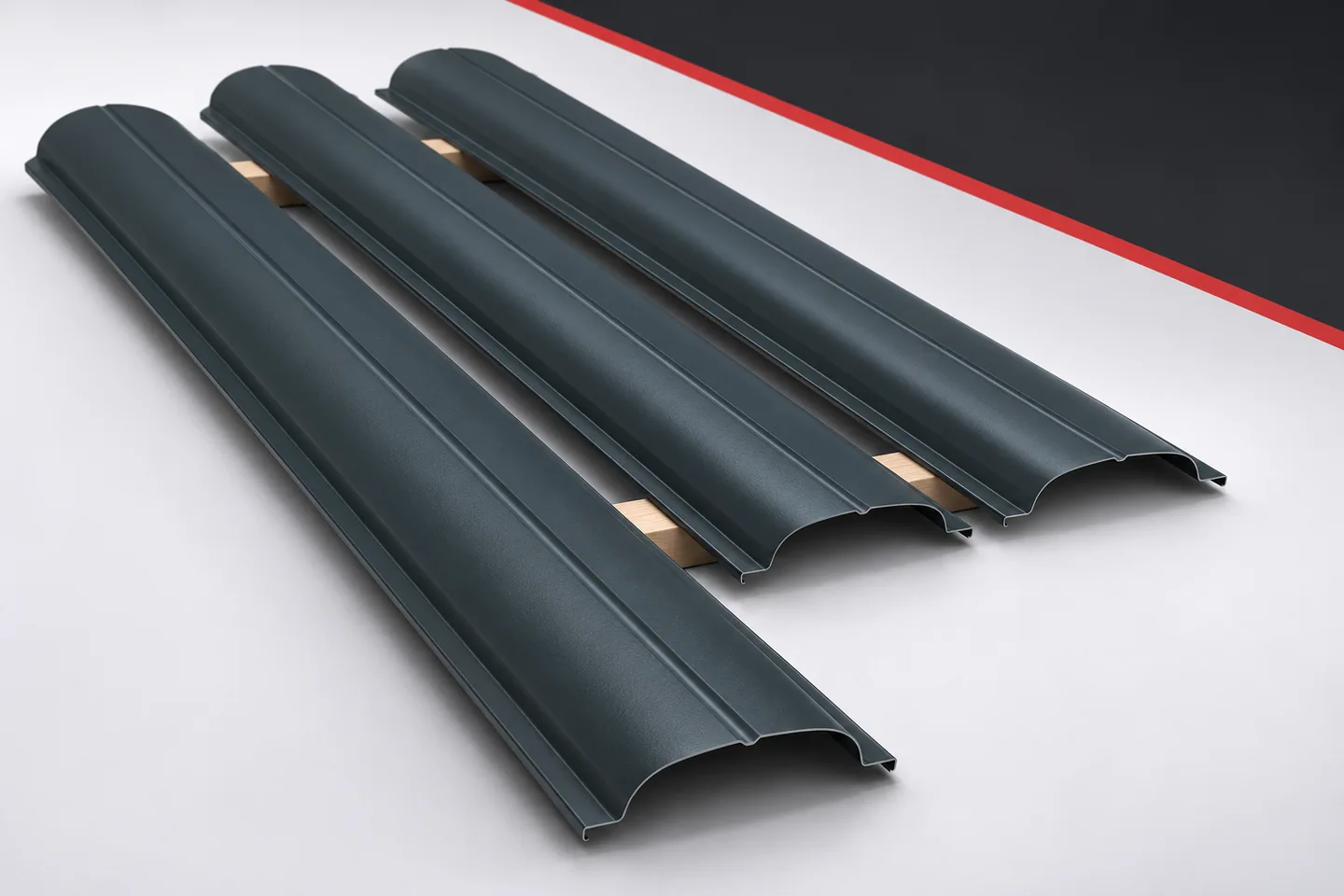
Changing the layout of a plot does not always mean the whole fence has to be thrown away. Some slats can be…
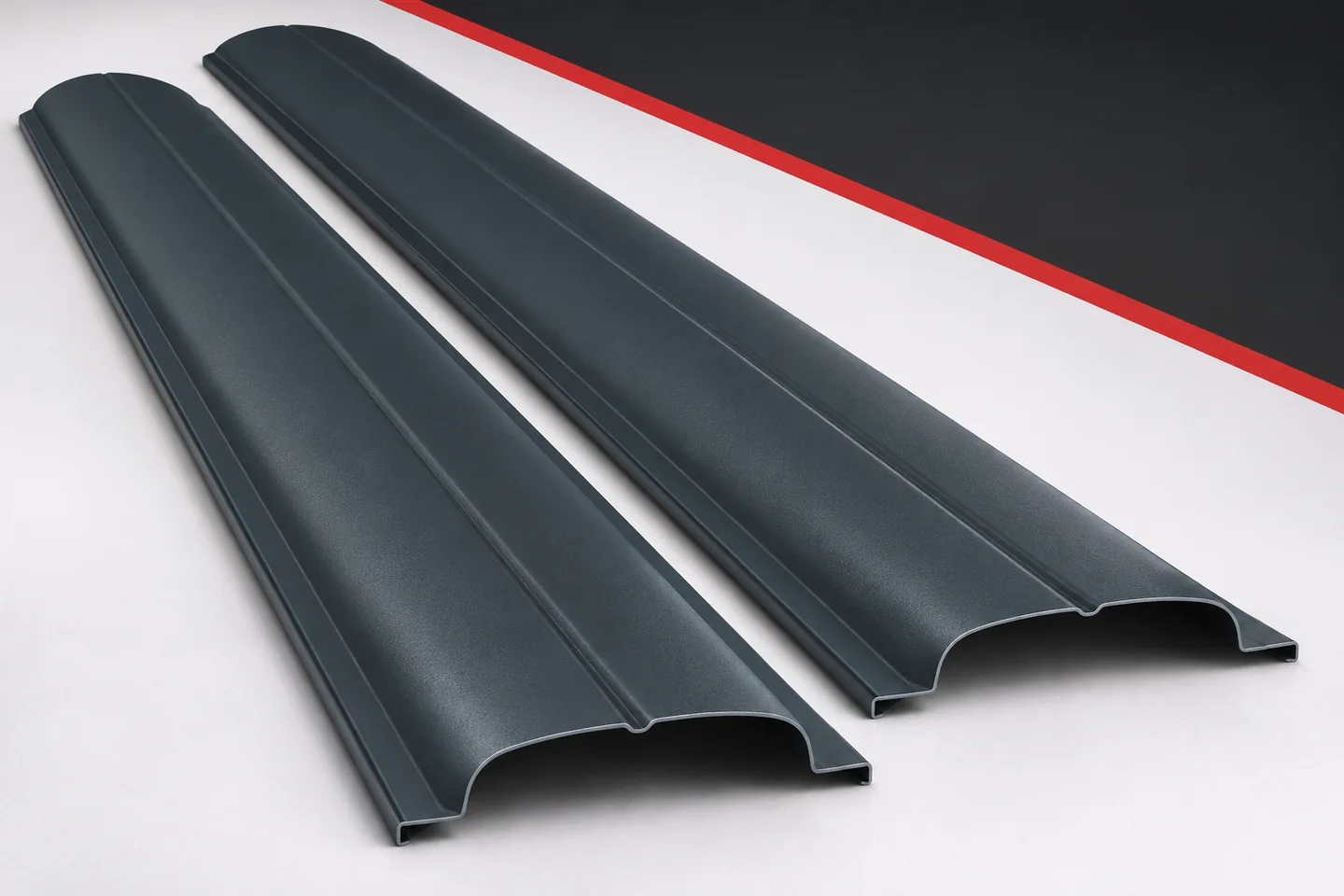
The first season shows how the fence behaves under the real conditions of the property. Places where dirt accumulates are already visible,…
One practical advantage of pickets made from coated sheet steel is that they come with a factory finish. There is no need…