

Facades and fences
What goes into a sheet-metal panel fence?
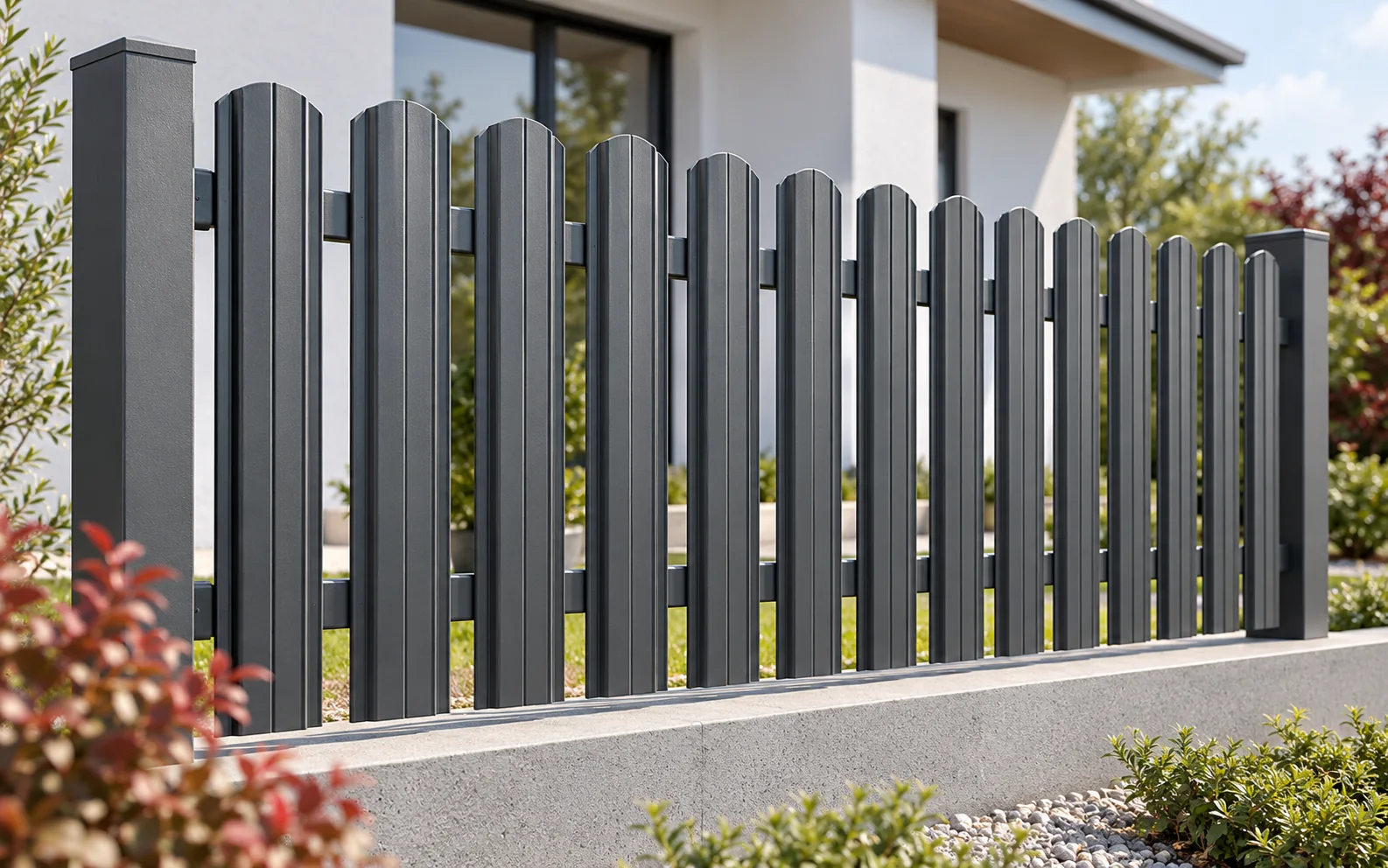
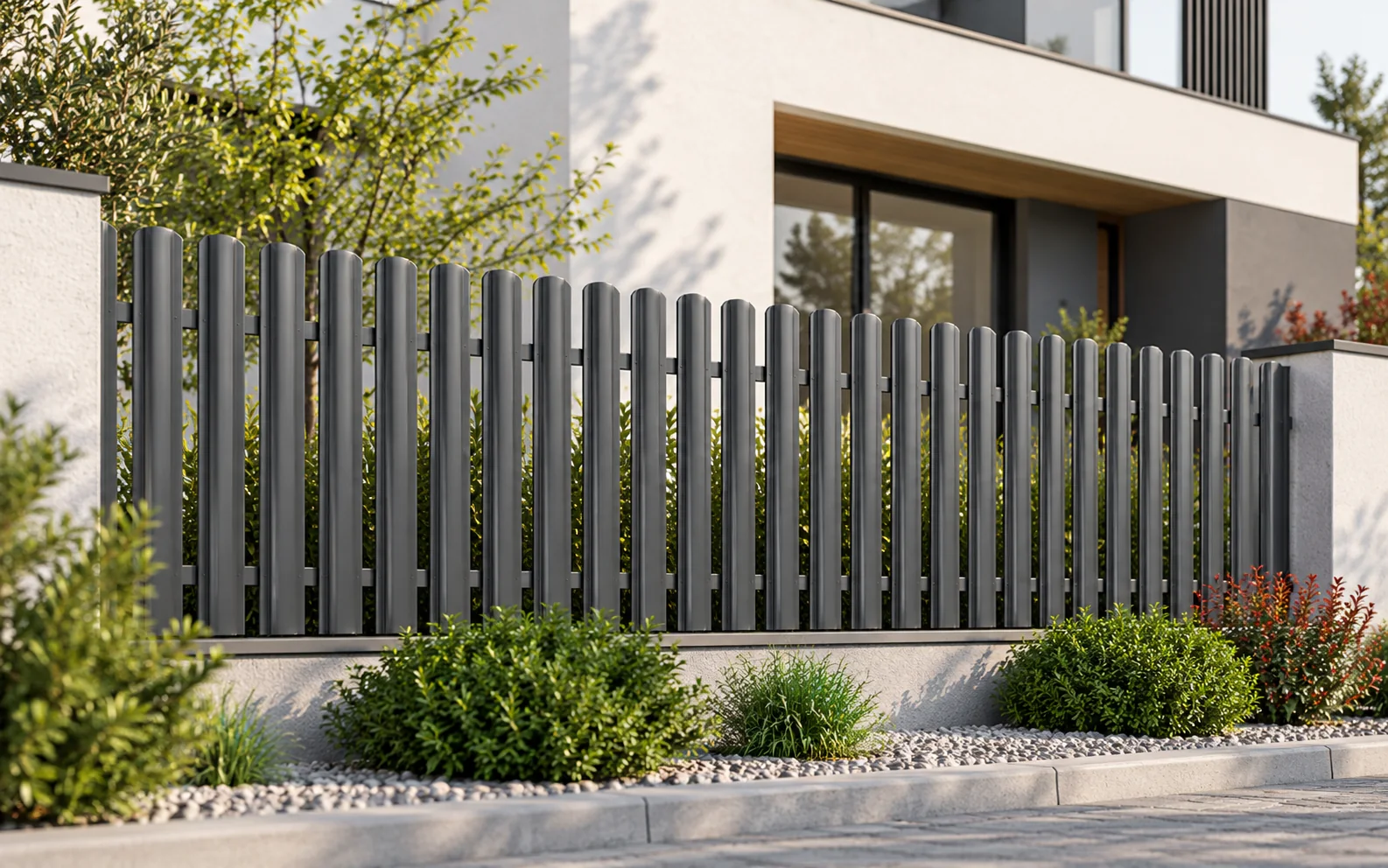
A sheet-metal panel fence may have a solid infill or bays made of metal pickets. Its properties are determined by the construction, the gaps and the method of fixing. The panel is part of an overall system with posts and foundations. Before buying, it is necessary to establish whether the priority is screening, wind permeability or ease of repair. The word panel is sometimes used for several different solutions. It may mean a ready-made bay made of narrow elements or a frame filled with a sheet. It should not be confused with welded mesh or with sandwich panels for building walls. A similar name does not mean the same purpose. With metal pickets, the panel is made up of infill elements and rails, sometimes enclosed in a frame.
In this article
What does panel mean in a sheet-metal fence?
The word panel is sometimes used for several different solutions. It may mean a ready-made bay made of narrow elements or a frame filled with a sheet. It should not be confused with welded mesh or with sandwich panels for building walls. A similar name does not mean the same purpose.
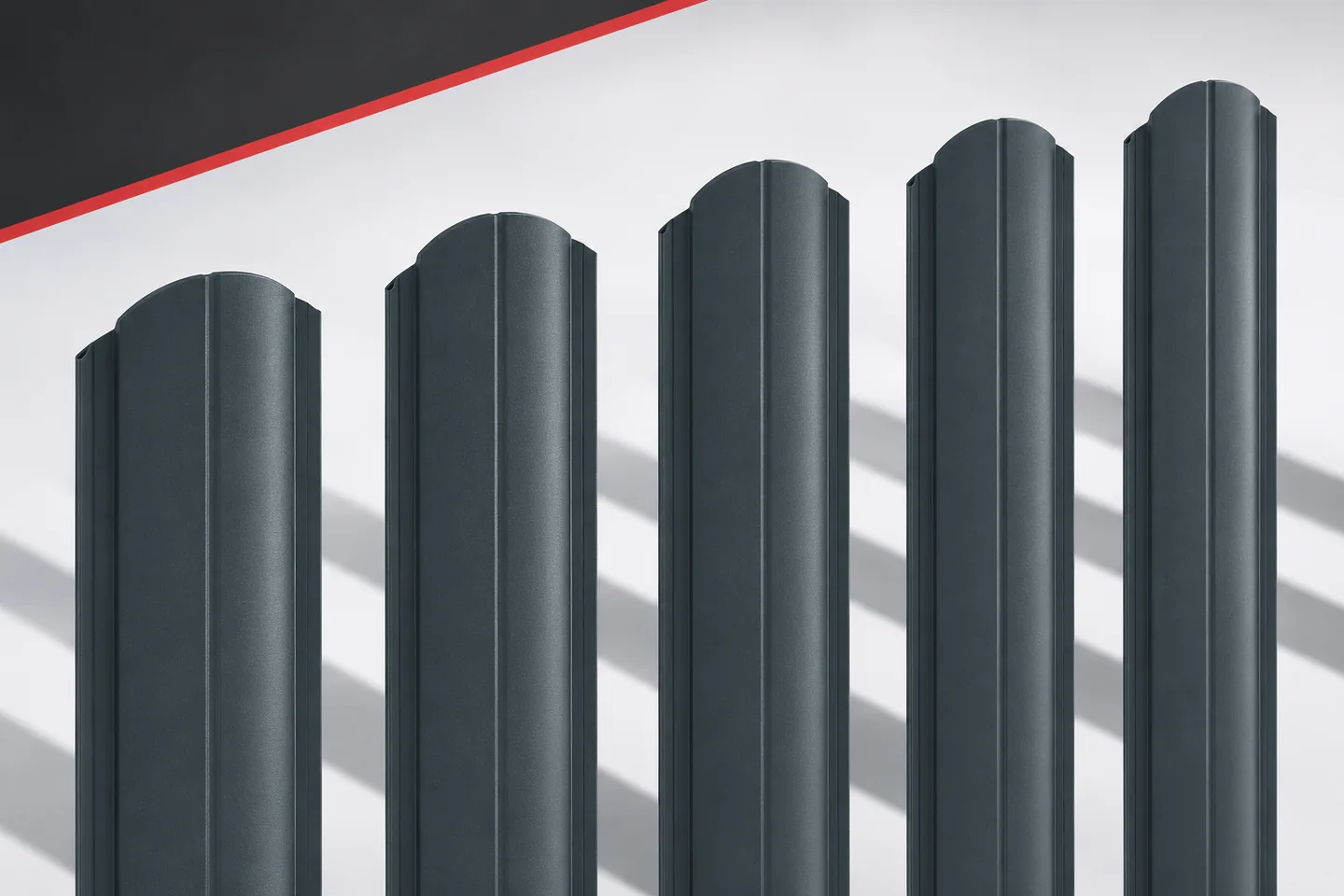
With metal pickets, the panel is made up of infill elements and rails, sometimes enclosed in a frame. Some systems are assembled on site. The scope of supply must therefore be checked before comparing prices. A ready-made bay and a kit of pickets alone require a different amount of installation work.
How does the fence structure perform?
Wind loads the infill, and the forces pass through the fixings to the rails and posts. They are then transferred further by the foundation or other intended anchorage. Every element along this path must be suited to the conditions on the property. A rigid picket does not replace a suitable post.
A fuller panel may be subject to a greater wind load than an open arrangement with a similar outline. Height, support spacing and terrain shape also have an influence. It is not advisable to assume one foundation solution for every location. Assessment of sections in open terrain is particularly important.
How should the gaps in a bay be planned?
First, the available width between the elements limiting the infill is established. Then the number of pickets, the spacings and the side clearances are selected. Preliminary division of the fence length by the element width is too imprecise. It ignores posts, the gate and differences between bays.
For example, 14 pickets 118 mm wide occupy 1652 mm. In a clear width of 2000 mm, 348 mm remains for all the gaps. If 15 equal gaps are assumed, each will be 23.2 mm. This is a geometric example, not a ready-made installation recommendation. The arrangement must comply with the specific system.
When should a single-sided or alternating arrangement be chosen?
Pickets on one side of the rails give a simple arrangement with a clear gap. On the other side the structure is visible, so both views need to be assessed. For a front fence, the view from the street matters, but household members more often see the garden side.
An alternating arrangement on both sides may screen the interior of the property better. It increases material consumption and changes the wind conditions. It does not have to provide full opacity from every angle. It is worth checking a mock-up of one section with the actual spacing of rails and pickets.

Is horizontal installation always possible?
Horizontal elements create a different rhythm for the fence, but they need a proper load path. The permissible length and arrangement of fixings depend on the system. A long vertical picket cannot simply be turned and assumed to perform in the same way.
On sloping terrain, the course of the panels must be established. Stepping may leave larger gaps at the ground. Conversely, following the slope requires suitable connection geometry. Before production, height measurements are needed, not just the total fence length.
Which details determine durability?
The coating should be suited to the surroundings and protected during installation. Fasteners must be compatible with the materials they contact. After drilling, swarf is removed, and damage is protected in the recommended way. A small scratch at every fixing can become a visible problem over time.
Access for cleaning the lower edge and the connections is also important. The pickets should not be buried in soil, nor should wet garden waste be leant against them. The infill must be kept in the conditions intended for the coating. The plinth should be a separately designed element, not an accidental support for the sheet metal.
What should a complete quotation include?
Ask for a drawing of the bay, a description of the profile and finish, and a list of installation components. The quotation should cover posts, rails, foundations or anchorage, transport and labour. The gate and pedestrian gate should be described separately. This will make it possible to spot differences between apparently similar offers.
Also establish the possibility of replacing an individual picket and the method of care. It is worth keeping a record of the colour and the material batch. At acceptance, the lines of the bays, the fixings and the condition of the coating are checked. An attractive panel should also be part of an efficient, stable fence.
Tip before ordering
First draw the bay next to the gate and the last bay of the section. That is where a lack of space or an uneven gap most often becomes apparent, which is not visible in a simplified calculation per metre of fence.
What is worth remembering?
A panel fence made of sheet metal allows the appearance of the property and the scope of installation to be organised. Most important, however, is the complete system of infill, supports and anchorages. Trial planning of the pickets and accurate measurement of the terrain help to avoid cut-offs and accidental gaps.
7 branches. Materials closer to your project.

Free quote
Materials for your project

You may also find useful…
A sheet-metal fence can be a good choice if you want a consistent look and limited maintenance. However, the degree of screening…
The cost of a passive house is best assessed by comparing two versions of the same building and recording what each change…
Poland’s simplified procedure for a house up to 70 m² applies to a defined project category, not any small catalogue building. It…
In a small garden, the fence takes up a large part of the field of view. It can organise the space, but…
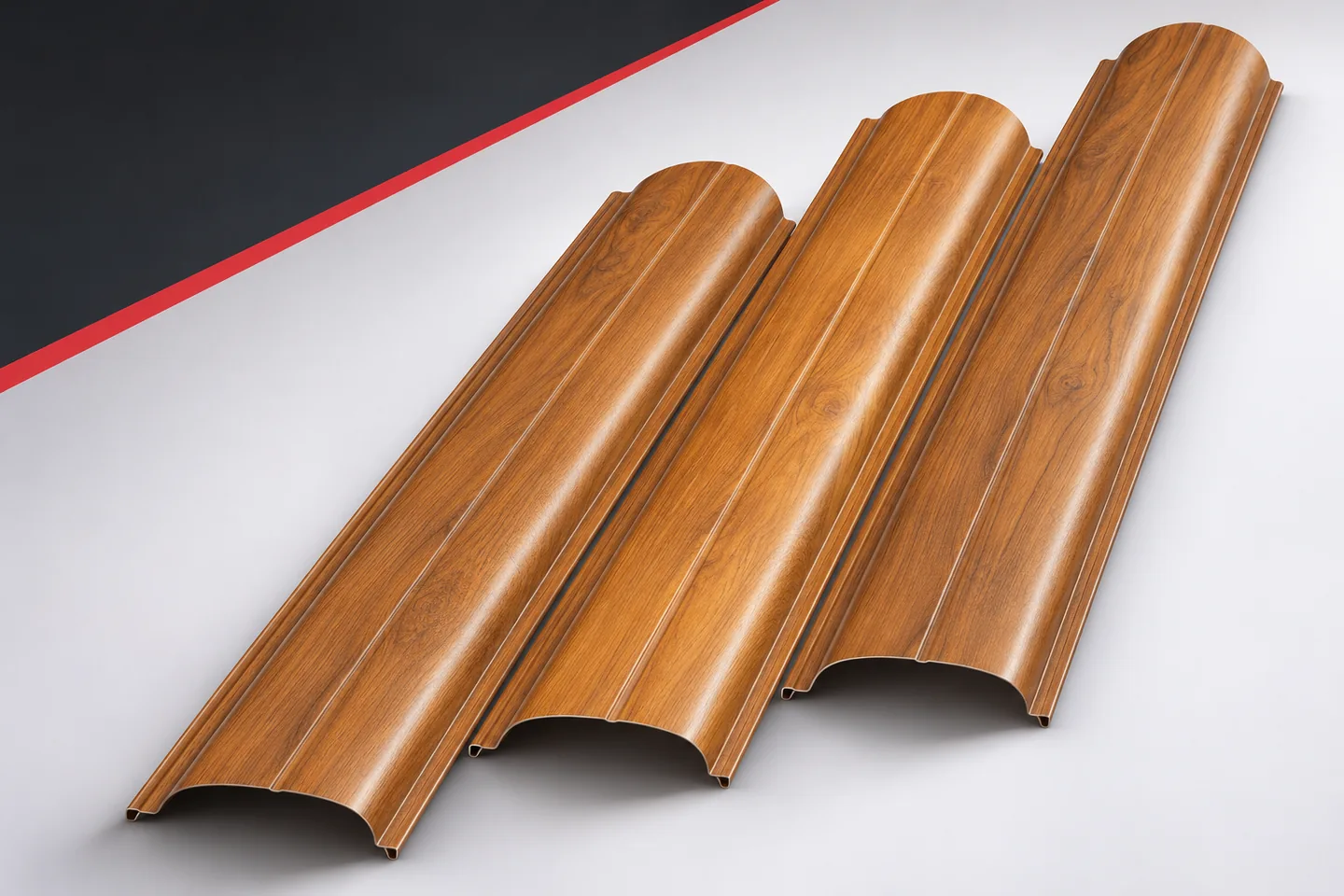
A warm fence colour can be achieved without using timber boards. Metal slats with a wood-effect finish combine a steel profile with…
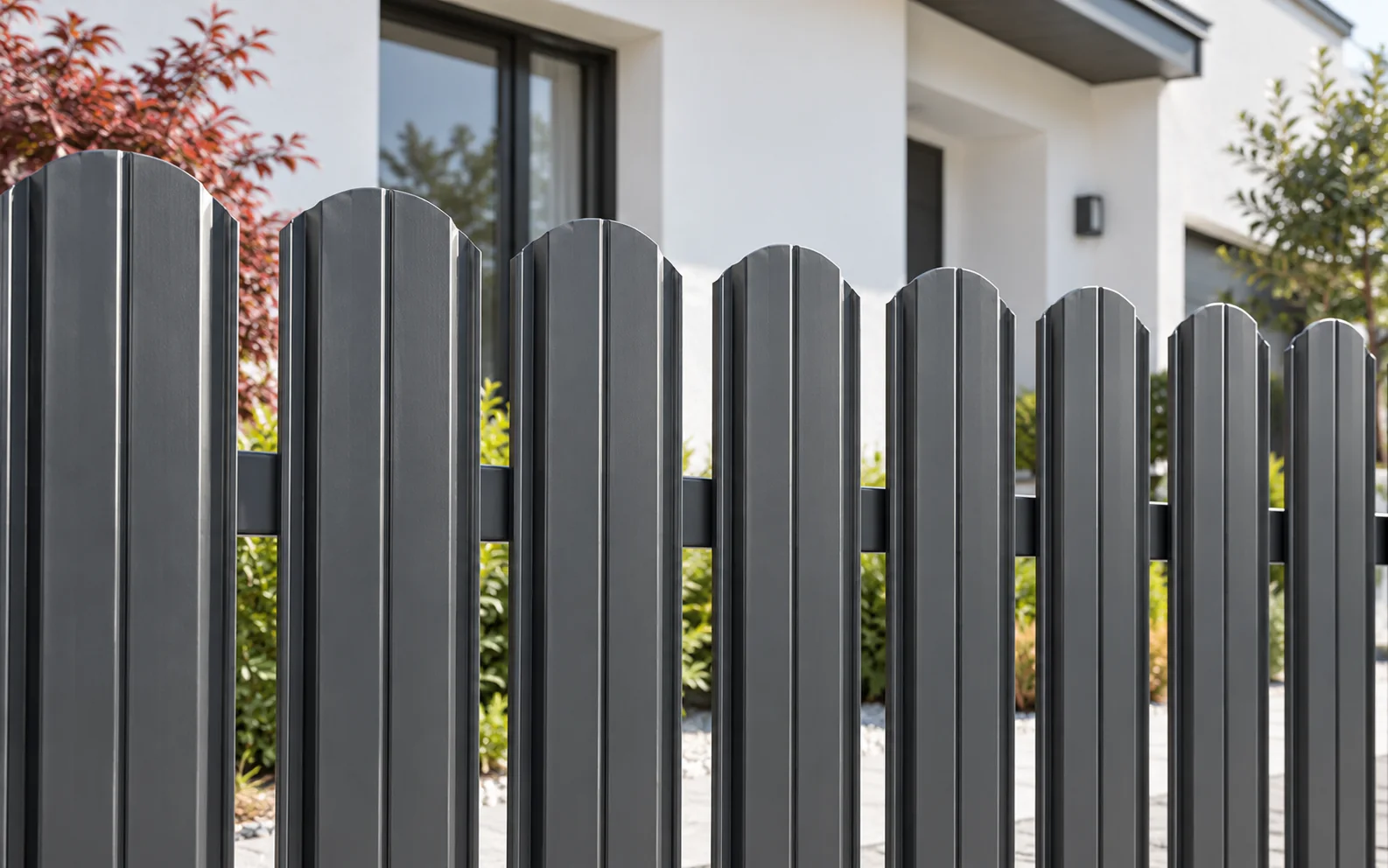
Metal pickets allow the appearance, gap width and height of the fence to be matched to the property. A factory-applied coating limits…
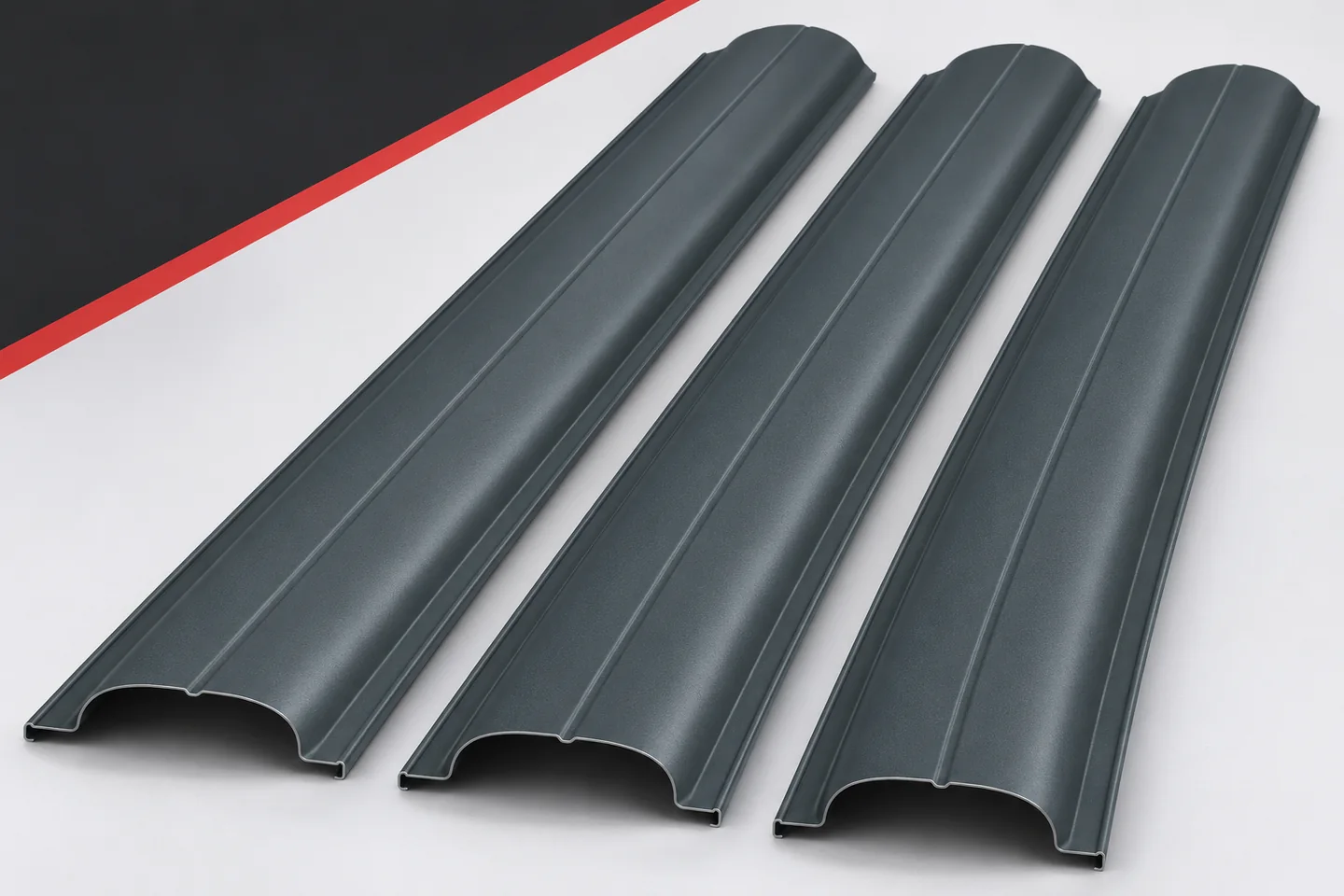
One practical advantage of pickets made from coated sheet steel is that they come with a factory finish. There is no need…
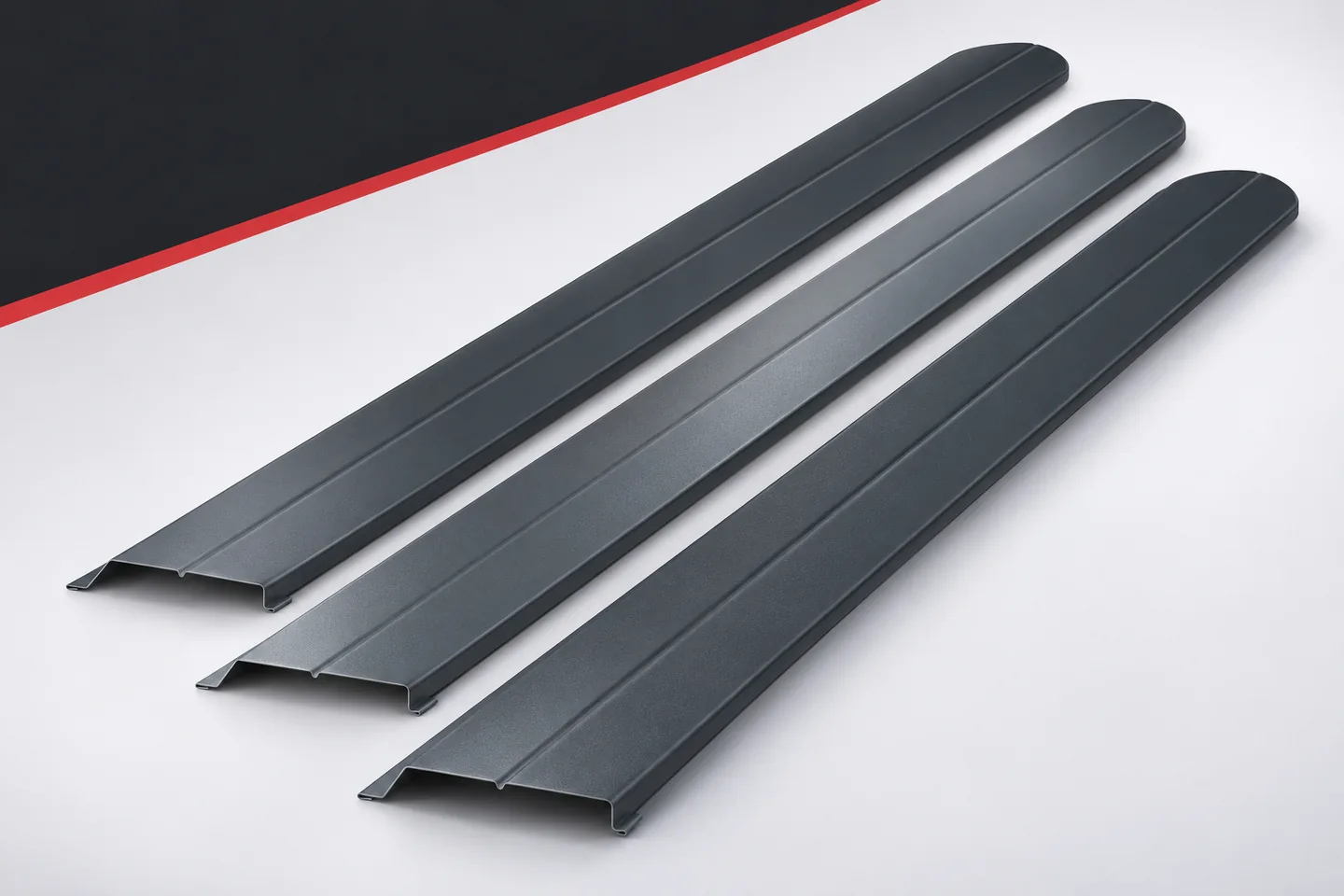
Slim metal pickets can give a fence a light appearance. Thin sheet metal and open gaps do not, however, mean that the…