

Metal pickets and fences
Choosing a metal fence colour: why a physical sample matters
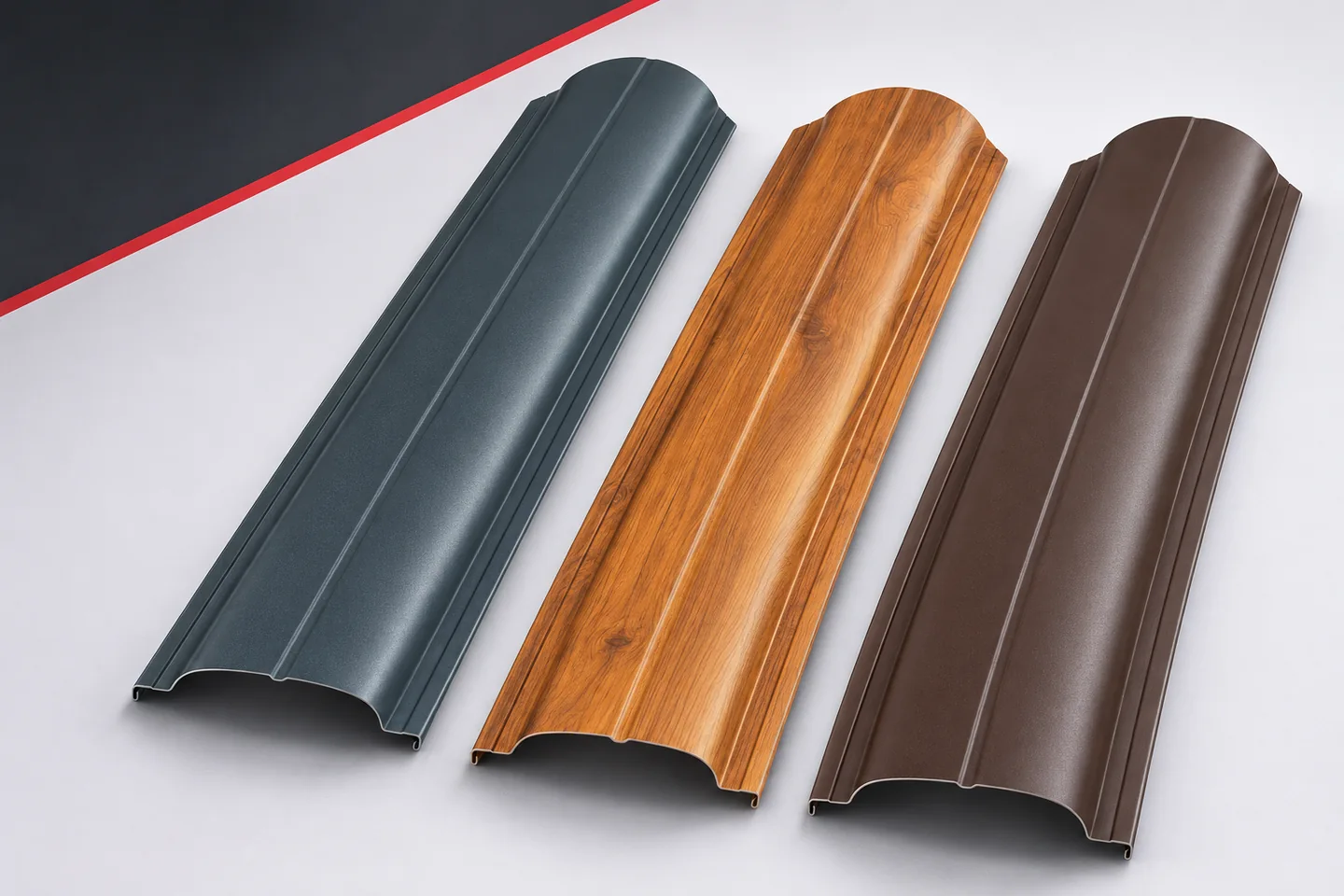
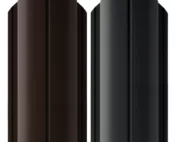
On screen, several shades of anthracite can look almost identical. On a fence, the difference in gloss, texture and lighting can be obvious. Metal pickets should therefore be chosen on the basis of a real sample, especially when they are to match windows, a roof or a gate. A well-run trial helps avoid a situation in which all elements have a similar colour description but do not form a coherent whole. A colour code makes communication easier, but it does not describe all the surface characteristics. Two coatings in a similar colour can reflect light differently. One will be smooth and glossy, the other matt or textured. The differences are particularly visible on large surfaces or when elements are placed directly next to one another.
In this article
The colour code is only the start of the arrangements
Therefore, when ordering sheet-metal pickets, the type of finish must also be specified. Do not replace it with the word ‘graphite’ alone. If the fence is to match an existing gate, supply a sample or a full description of its coating. A photograph taken with a phone can help, but it is not an accurate colour reference.
View the sample at the installation site
Place the finished picket next to the façade, then set it vertically in the planned fence line. Compare the view in sun and shade. A light wall, greenery and paving create different backgrounds. A colour that looked calm in the shop may contrast more strongly on the property.
It is also worth stepping back a few metres. Up close, attention is drawn to the structure of the lacquer; from a greater distance, the rhythm and overall surface of the fence dominate. Both perspectives are important. Sheet-metal pickets will be viewed both when opening the gate and from a window of the house.
Compare finished elements, not just swatches
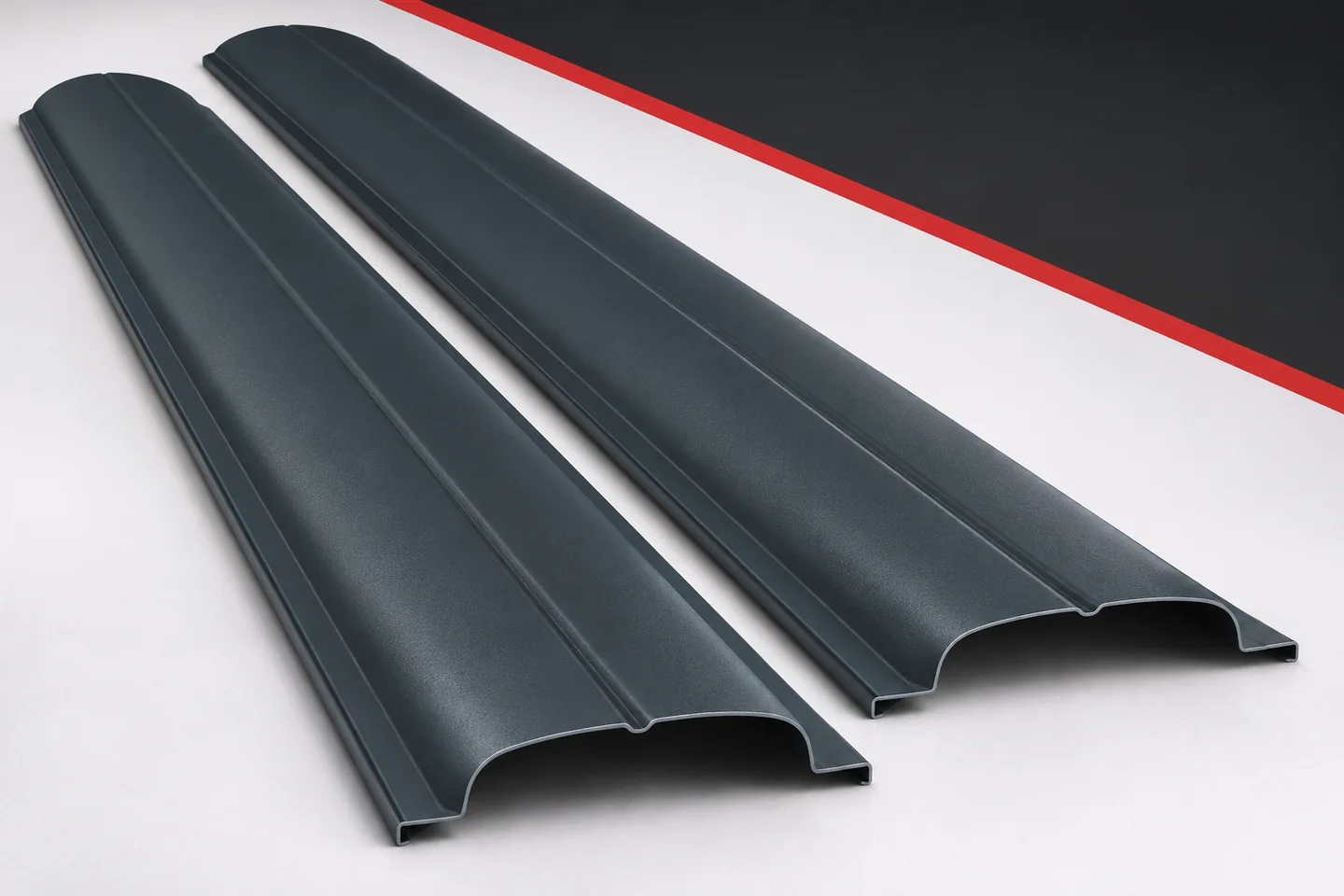
Embossings create shadows and reflections. As a result, a profiled picket may look different from a flat piece of the same sheet metal. A deeper section differentiates light and dark areas more strongly. A sample of the finished element shows this characteristic immediately.
Pay attention to the end and the side folds. On a small fragment of the decor, you will not see how the upper rhythm of the fence will look. If you are considering horizontal installation, assess the sample in that position as well. First, however, make sure that the chosen profile is intended for such an arrangement.
A limited palette can make selection easier
Not all elements of a property need to have an identical shade. The fence can deliberately be tied to one detail, for example the joinery, rather than to every material at once. What matters is that the combination looks intentional. Trying to match the fence to the roof, wood and paving all at once often produces too many competing tones.
Metal pickets in a calm colour can provide a background for plants. A wood-effect decor brings a different character and usually requires separate checking against natural wood. It is worth comparing the colour temperature and the contrast of the pattern. A similar decor name does not guarantee an identical composition.


One batch reduces the risk of differences
Suppliers may reserve the right to shade deviations on later orders. This matters when successive stages of the fence are to form one continuous surface. If the construction conditions allow, it is worth agreeing a common material batch for the visible sections.
This does not mean buying a huge stock without a plan. First prepare a list of the required lengths and the number of elements. Then determine the delivery method and any service reserve. Keep the batch markings. They will make it easier to discuss colour when an additional picket is needed after some time.
The reverse side and accessories are also part of the palette
The chosen colour of the front does not determine the appearance of the reverse side. Check whether you are ordering a version with single- or double-sided decoration. Also inspect the posts, crossbars, caps and connectors. The coatings on these elements may have a different gloss from the sheet-metal pickets.
Small differences are acceptable if they have been assessed beforehand. The problem is only a surprise after the entire fence has been assembled. A complete sample section should therefore contain at least the main materials visible in the finished fence. This makes it easier to make an informed decision instead of comparing names alone.
Record the accepted variant
After making your choice, keep the coating description and the sample marking. The order should include the colour, texture, gloss and finish of both sides. On delivery, check that the markings and the appearance of the elements match before installing them. If anything raises doubts, clarify it at this stage.
Visualisations are useful for assessing the composition, but they will not replace the real material. Choosing metal pickets on the basis of a sample requires little effort and brings order to many later decisions. As a result, the colour is the outcome of an agreement rather than an accident caused by monitor settings.
Ensure a consistent direction of exposure for samples
Samples viewed separately are easily judged too hastily. Place them next to one another and turn them in the same direction. In a wood-effect decor, also maintain the direction of the pattern. Only then assess the difference in shade and gloss. If the colour is to match an element that already stands on the property, remember its age and soiling. A new sample compared with an unwashed gate may give a misleading result. Do not expect an identical colour from materials that had different coatings from the outset. A deliberately chosen contrast can be easier to maintain than an apparent match based solely on a colour name.
Also compare a picket standing vertically with a sample placed vertically. Turning one element can change the reflection of light. Such a difference in orientation should not be mistaken for a batch difference.
7 branches. Materials closer to your project.

Free quote
Materials for your project
You may also find useful…
Fence durability starts with specifics. What matters is the material, the profile section, the coating and the method of fixing. The term…
Metal fence slats made of profiled sheet create a fence with a light appearance and a regular rhythm, but choosing them is…
Privacy with a slatted fence depends on geometry. The width of the slats, the size of the gaps, the number of rows…
The price of a picket is easy to compare. It is harder to compare two quotes when one covers only the slats…
Metal pickets allow the appearance, gap width and height of the fence to be matched to the property. A factory-applied coating limits…
Changing the layout of a plot does not always mean the whole fence has to be thrown away. Some slats can be…
A fence is viewed from the street, the driveway and the terrace. For this reason, the appearance of the back of a…
The first season shows how the fence behaves under the real conditions of the property. Places where dirt accumulates are already visible,…