

Metal fence slats and fences
When is it worth removing and reusing metal fence pickets?
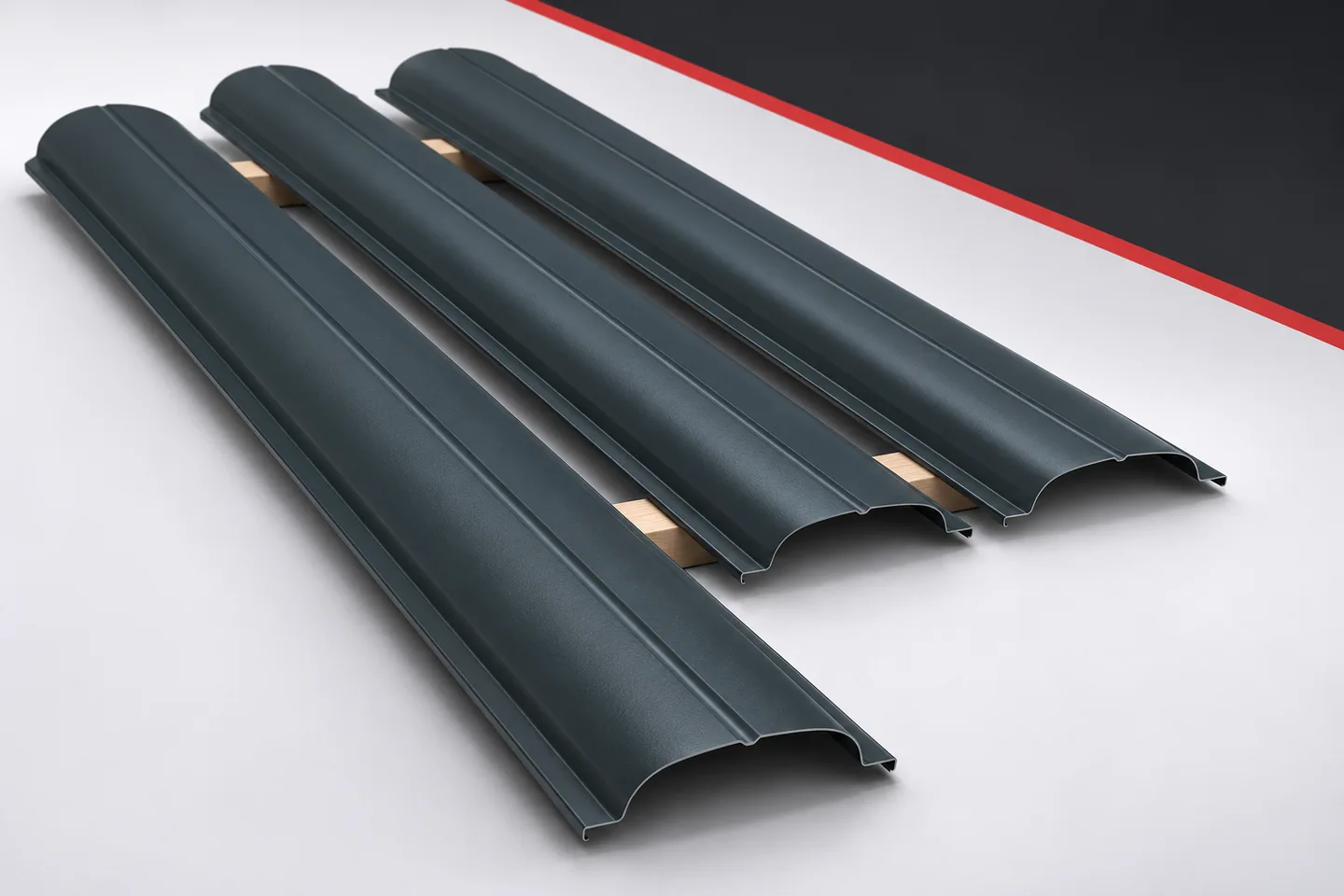
Changing the layout of a plot does not always mean the whole fence has to be thrown away. Some slats can be reused if their condition and the way they are fixed allow it. However, recovering a component must be distinguished from safely using it in a new location. Sheet-metal slats require inspection of the coating, edges and holes. The decision should follow from that assessment, not solely from a wish to limit expenditure. A component screwed with an accessible fastener is easier to dismantle than a hidden or permanently crimped fixing. That does not mean every screw will come out without difficulty. The condition of the head, corrosion and access from the rear can make the work harder. Dismantling should be planned before force is used that will deform thin sheet metal.
In this article
First check the type of connection
Rivets may require a different procedure from screws. Enlarging the hole and damaging the decor around the fixing must be avoided. If the system has its own dismantling rules, they should be followed. Metal slats are recovered together with information about how they were installed.
The condition of the coating determines how to proceed
Inspect both sides of the component after cleaning off loose dirt. Look for deep scratches, chips, blisters and traces of corrosion. The areas previously covered by a rail are especially important. From the front a slat may look good even though the back needs repair.
Not every discolouration means the same thing. Deposits that can be removed by gentle washing differ from a loss of coating. Where a change is unclear, it is worth seeking information about the material. Aggressive trial sanding can destroy a finish that was still fit for use.
The fixing hole does not disappear when the slat is moved
In a new location the rails may be at a different height. The old holes will then remain visible and additional ones will be needed. This affects the appearance and the way the component performs. Holes should not be arbitrarily concentrated in a thin profile without assessing the consequences.
Before dismantling, measure the position of the fixings and compare them with the planned structure. If a matching layout can be retained, reuse may be simpler. If not, it must be assessed whether repair and new connections are justified. Sometimes moving a whole sound bay is more practical than taking it apart into individual slats.
The geometry must suit the new task
A bent or heavily dented slat does not regain its factory properties just because it has been straightened by hand. Straightening can additionally damage the paint at the bends. Assess not only the length but also the cross-section and straightness of the component.
Nor should it be assumed that vertical slats can be laid horizontally without checking. The new orientation and spacing of supports change the operating conditions. The permissible installation depends on the model. Recovered material is still subject to structural requirements, even if it no longer involves a new purchase.


Dismantle in an order that limits damage
Prepare a clean, softly protected place for setting down the components. Do not throw them on the ground or drag them over one another. It is worth keeping the order and marking the lengths. Sheet-metal slats from different bays may be similar but have different dimensions or hole positions.
Assess fasteners separately. Not every fixing component is suitable for reuse. A damaged coating, a worn tip or the wrong dimension may mean replacement. The cost of new fixings must be included in the comparison of whether recovery pays.
Count the labour, transport and repairs
Reuse may reduce the purchase of new slats. However, it requires dismantling, sorting, cleaning and possibly adjustment. Transport and preparation of the substructure are added to this. If most components need repair, material savings do not always mean money savings.
It is worth carrying out a trial on a few slats. It shows the actual dismantling time and the condition of the holes. It also allows the visual result after reinstallation to be checked. On this basis the whole batch is easier to assess than from a general impression that the fence is still good.
Keep to the appropriate scope of use
Sound sheet-metal slats can again serve as fence infill. However, they should not be used without a design to form a balustrade, a platform or a fall-protection element. Moving material does not give it new properties or a confirmed purpose.
A good candidate for recovery has preserved geometry, an identifiable material and a method of installation that can be reproduced. In that case reuse is a reasonable option to examine. When the condition of the slats raises significant doubts, it is better to send them for proper disposal than to hide the problem in a new bay.
Move the material while keeping batch information
After the fence has been taken apart it is easy to lose track of which components worked next to each other. They may differ in exposure, shade and degree of soiling. Mark the groups before dismantling and take photographs. If the new layout is to form an even surface, first set it out as a trial. It is also worth separating slats that have been repaired from components with their factory coating preserved. The point is not to reject the first group automatically but to use it deliberately in a suitable place. Such selection saves time that would otherwise have to be spent repeatedly moving the material.
After the assessment, set aside separately the components approved for reuse. Clear marking reduces the risk that a slat intended for rejection accidentally returns to installation together with the sound batch.
7 branches. Materials closer to your project.

Free quote
Materials for your project



You may also find useful…
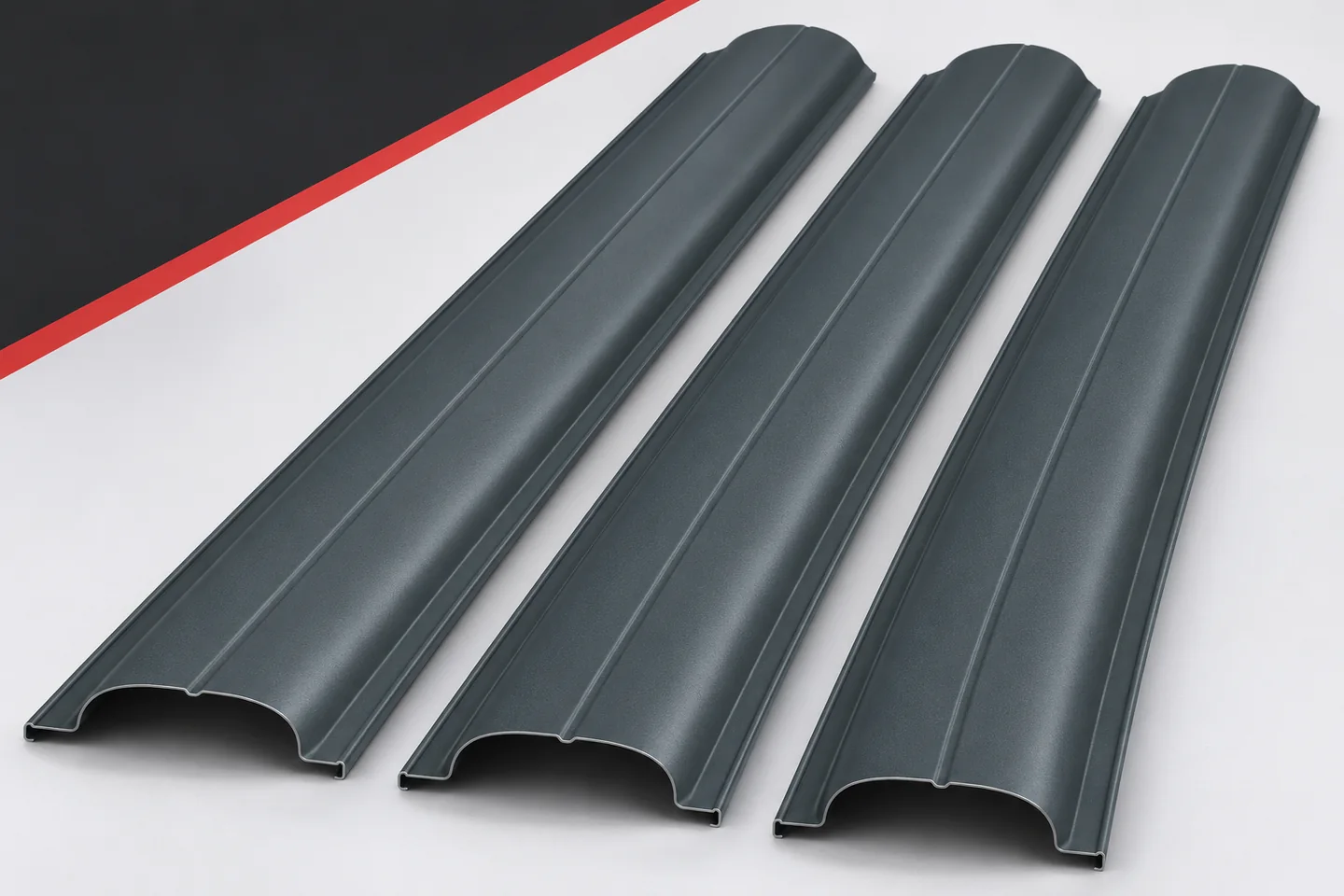
One practical advantage of pickets made from coated sheet steel is that they come with a factory finish. There is no need…
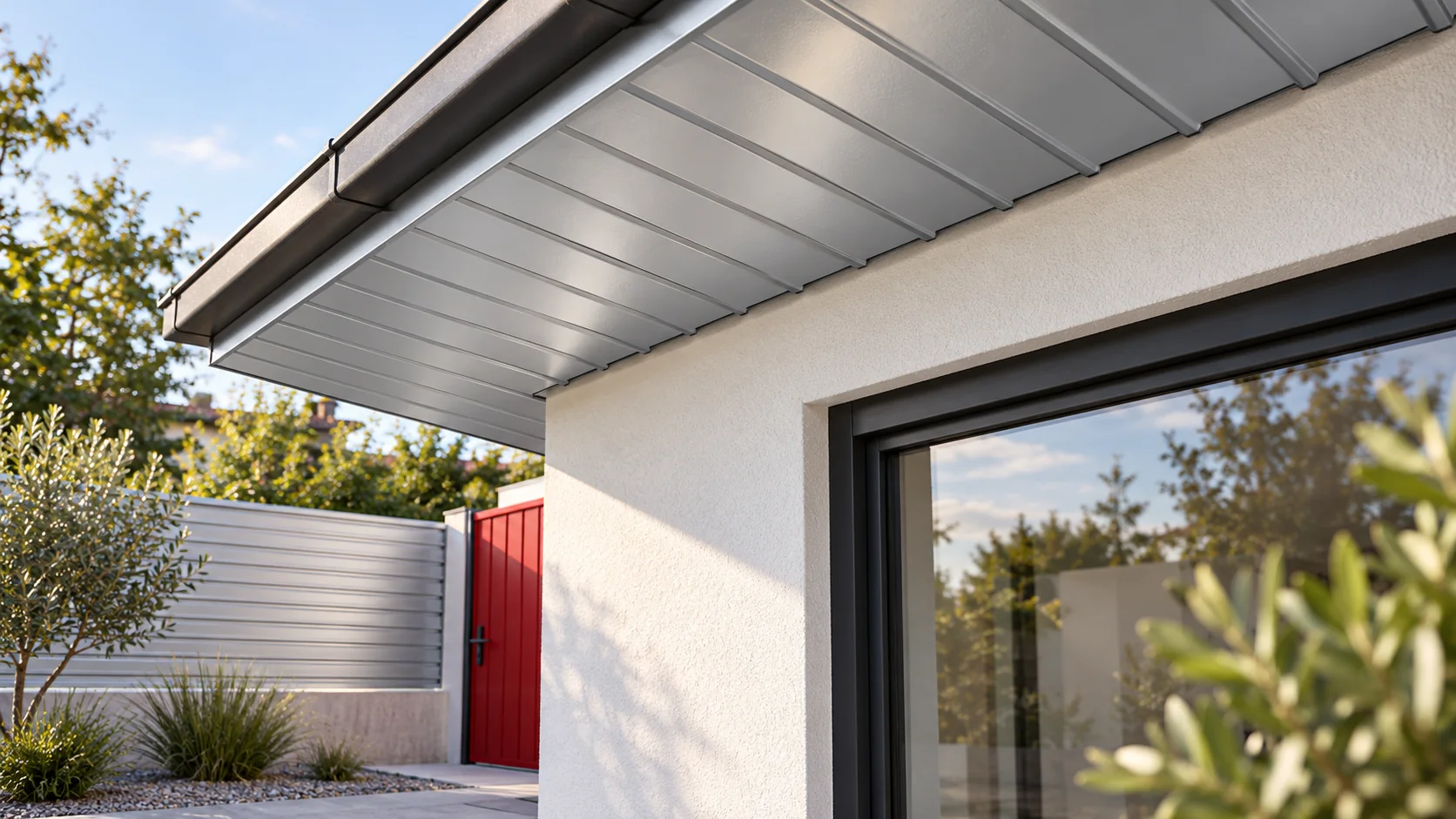
T7 is a shallow trapezoidal profile with closely spaced ribs that can suit a soffit, gate infill or lightweight wall lining. Its…
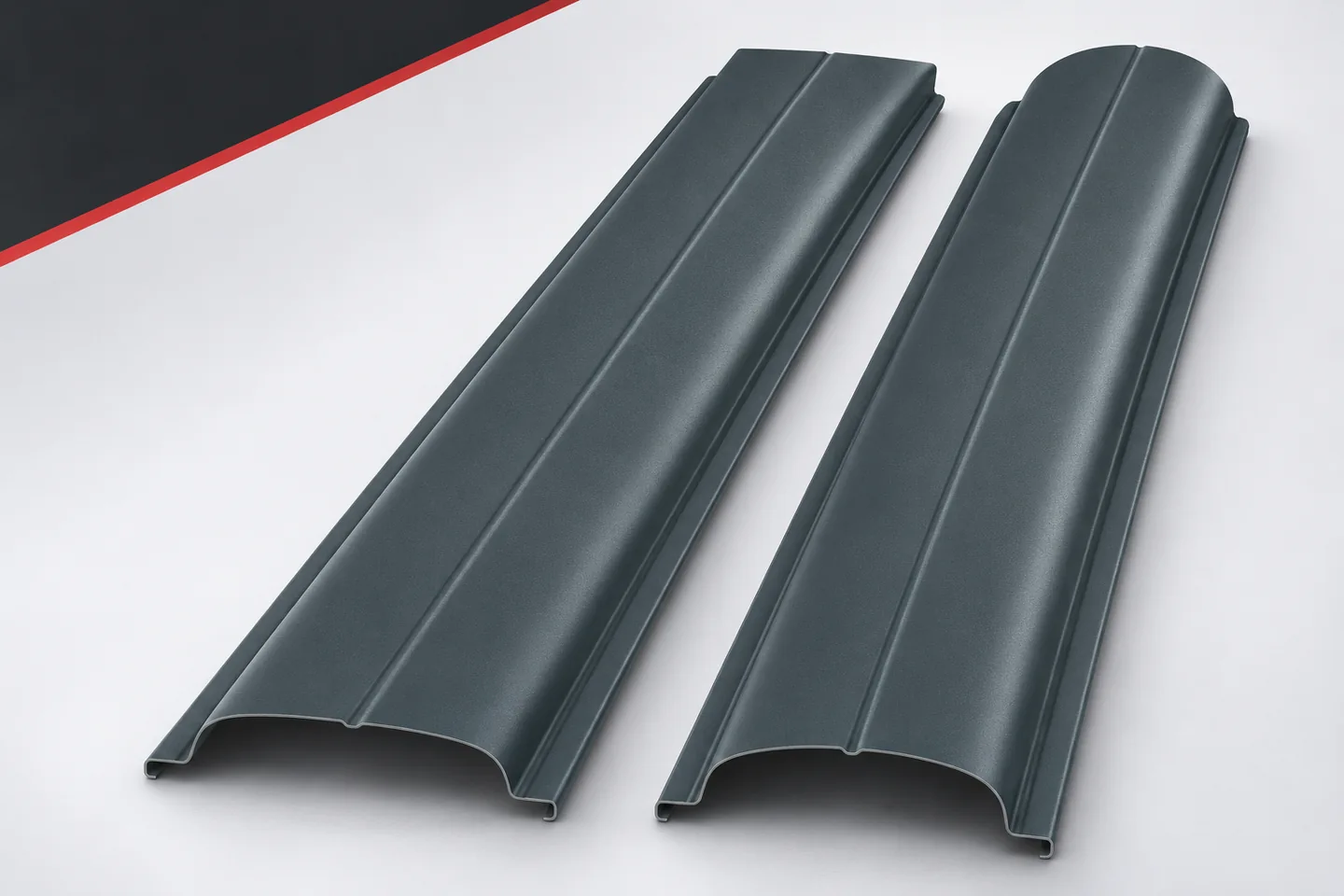
A correctly manufactured picket can still be damaged before installation. All it takes is improper handling, friction within the bundle or storage…
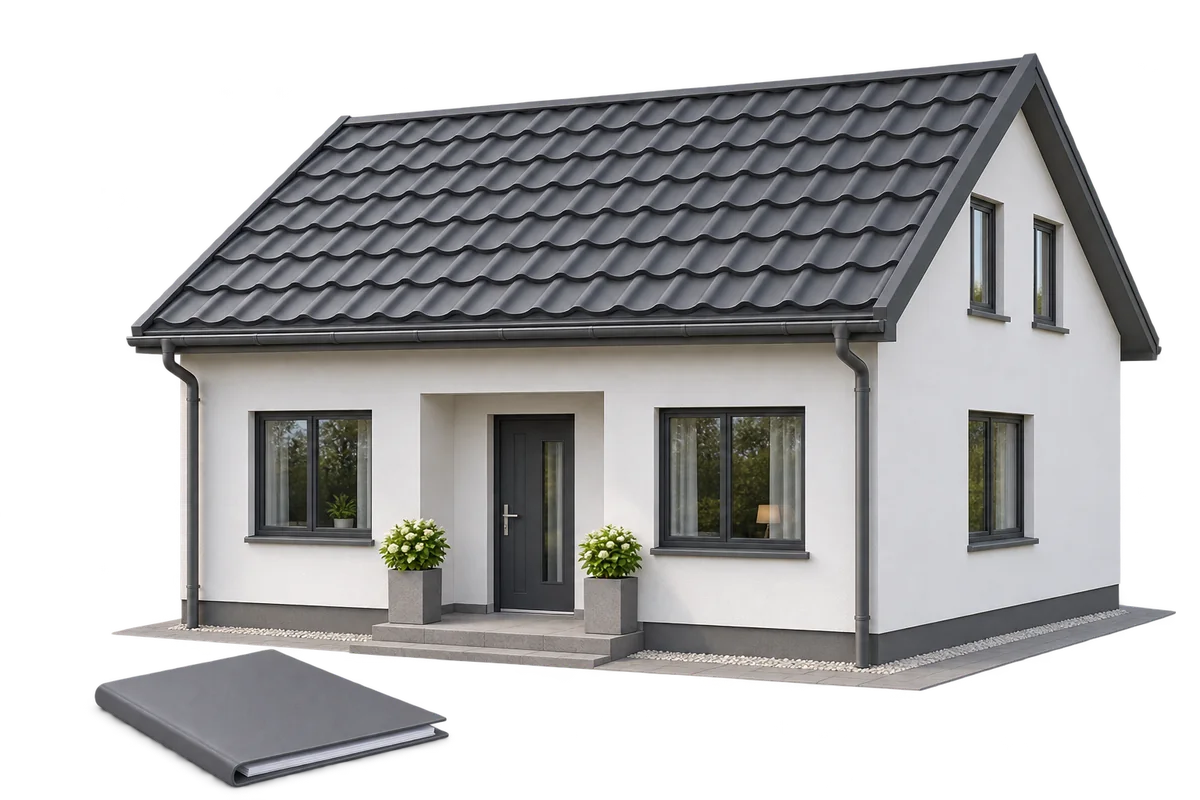
Poland’s simplified procedure for a house up to 70 m² applies to a defined project category, not any small catalogue building. It…
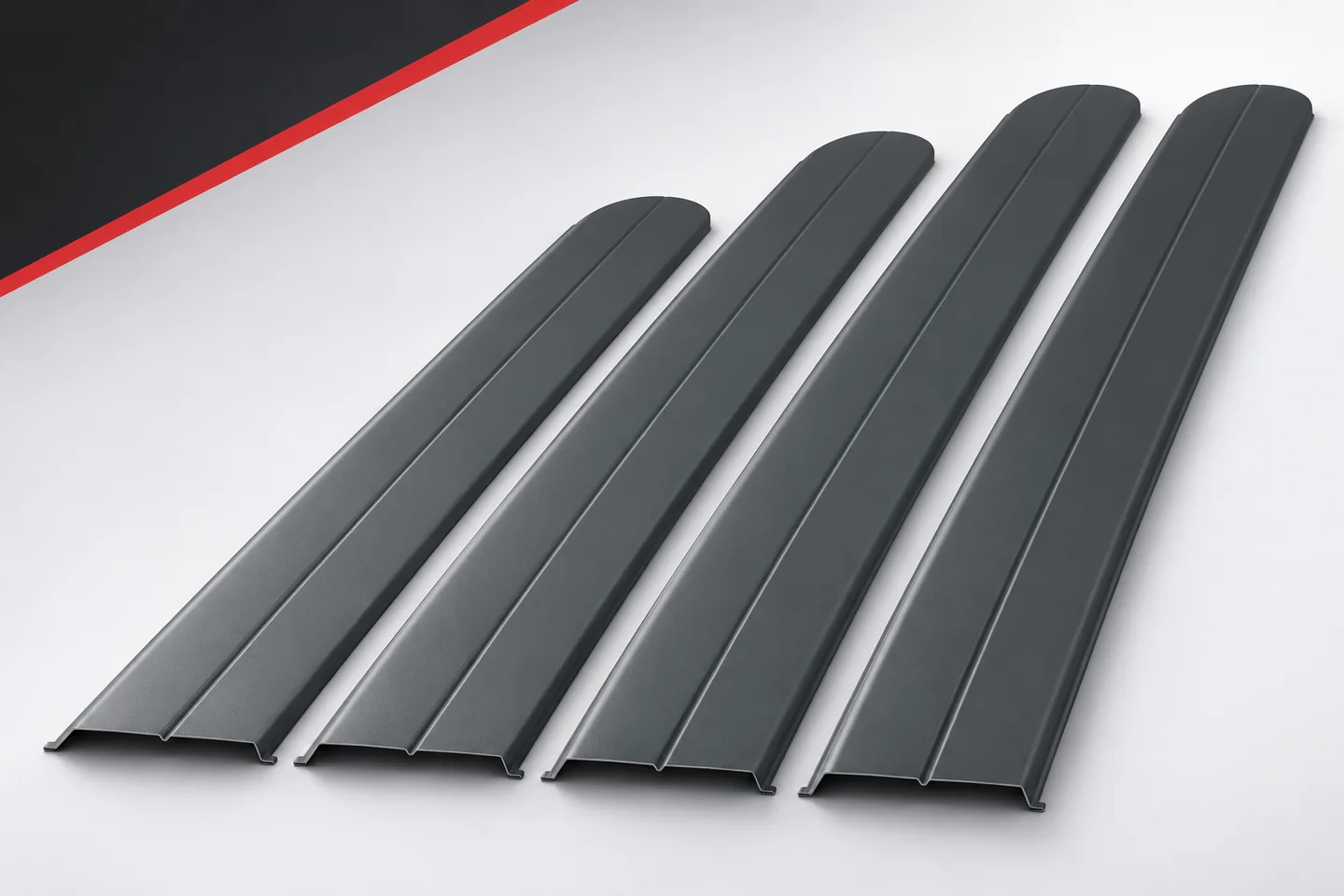
The least troublesome waste is the waste that never has to be created on site. Made-to-measure metal fence pickets help match the…
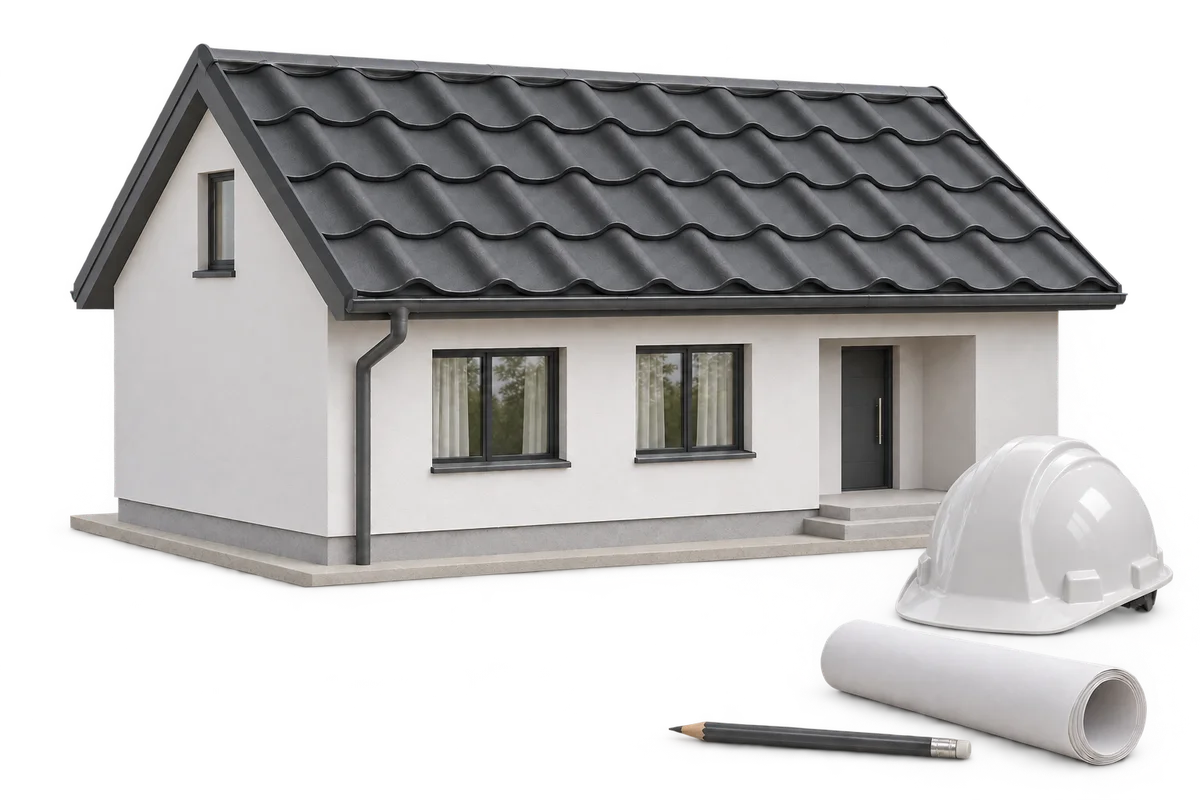
Start with the plot, the way you want to live and the budget for the whole project. These guide your choice of…
A warm fence colour can be achieved without using timber boards. Metal slats with a wood-effect finish combine a steel profile with…
A stock house design is worth assessing by how much of it can be used on your particular plot without redesign. The…