

Metal fences
Choosing metal fence pickets and planning a fence that lasts
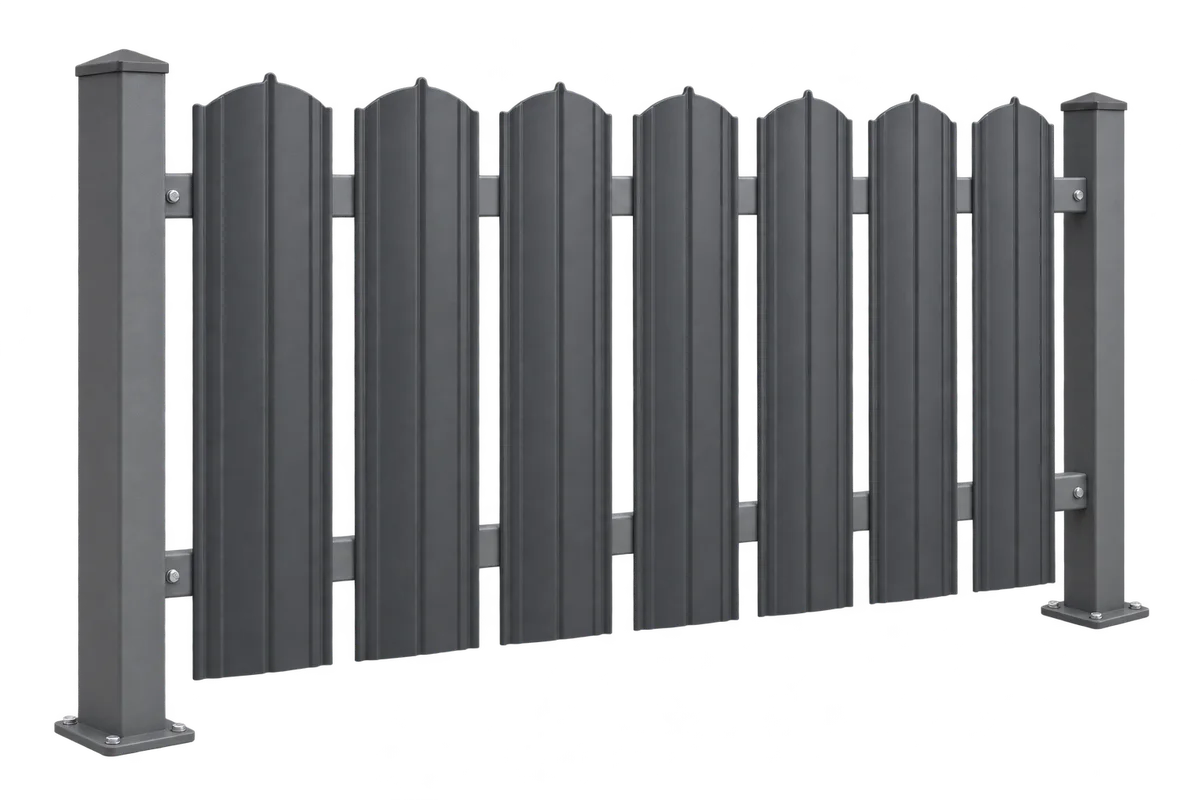
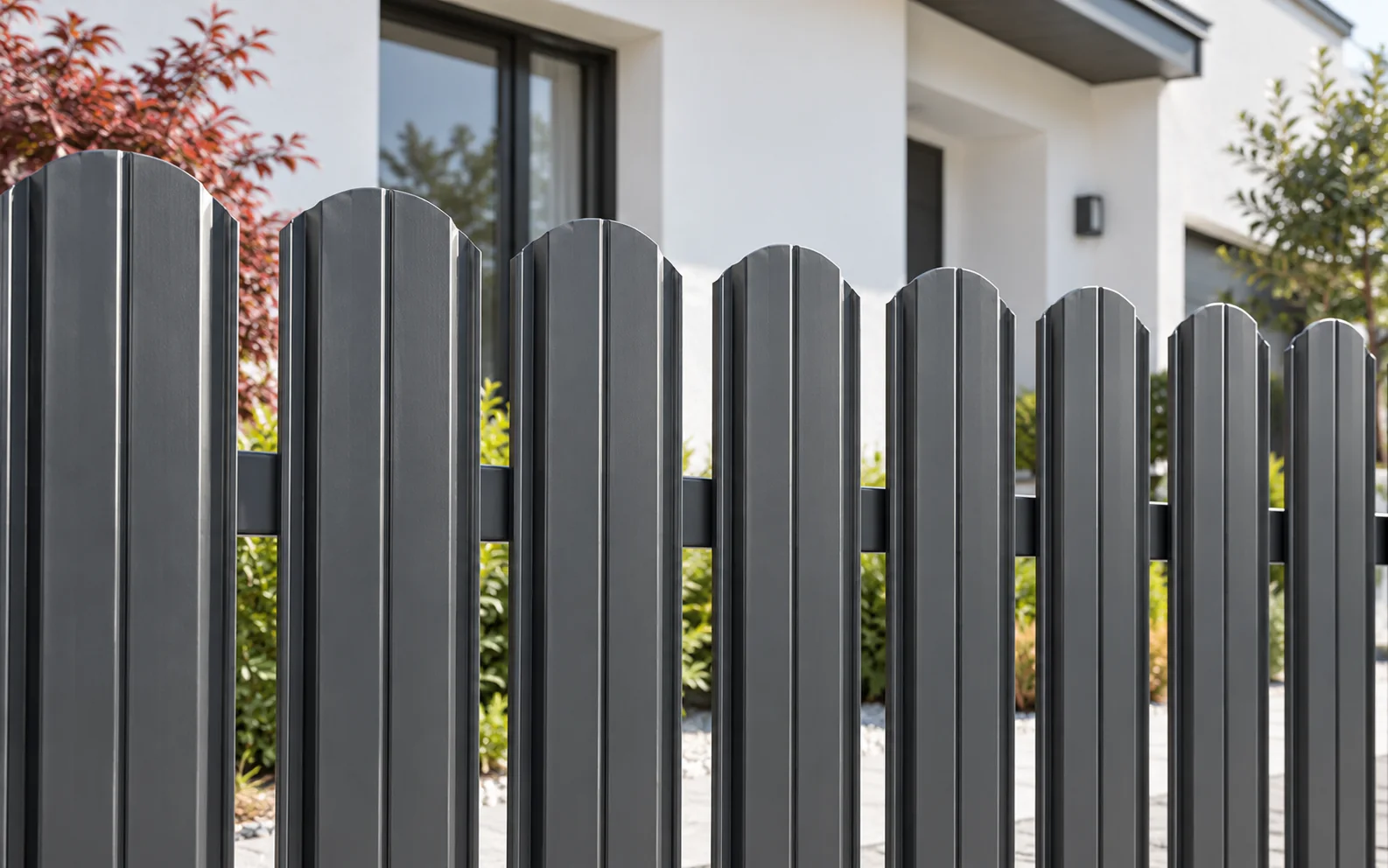
Metal fence slats made of profiled sheet create a fence with a light appearance and a regular rhythm, but choosing them is not just a matter of picking a shape. You need to establish the width and depth of the profile, the number of embossments, how the top edge is finished, and whether vertical or horizontal orientation is permitted. The clearances, the spacing of supports and the fixings depend on the specific system, not on the thickness of the material. The coating must be confirmed on both sides if the fence is to look the same from the street and from the garden. The low mass of a single slat does not exempt you from assessing the wind load on the whole bay, especially on uneven ground and where it is exposed to contamination.
In this article
How to recognise the right type of slat?
Ask for a section sample and examine its edges up close.
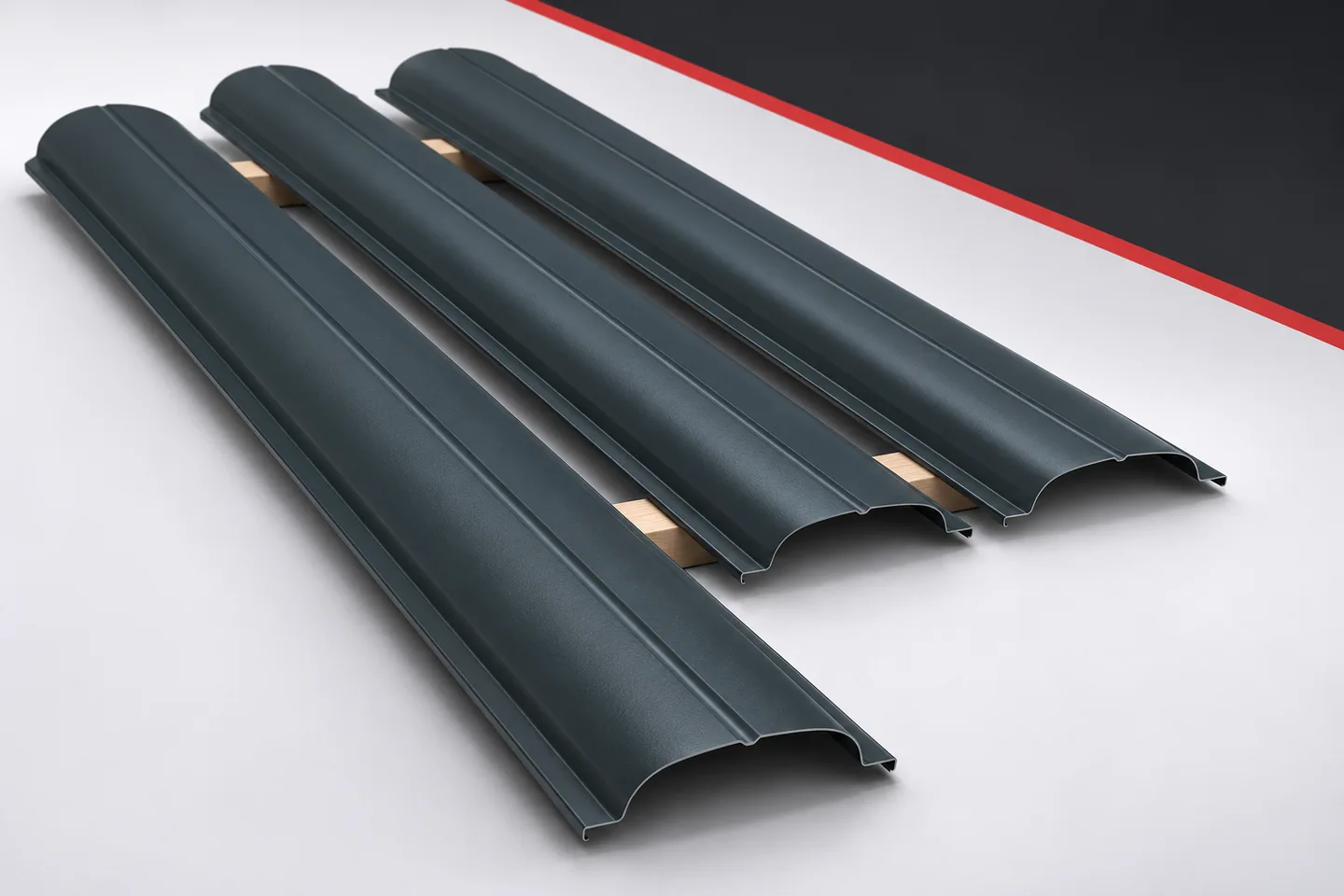
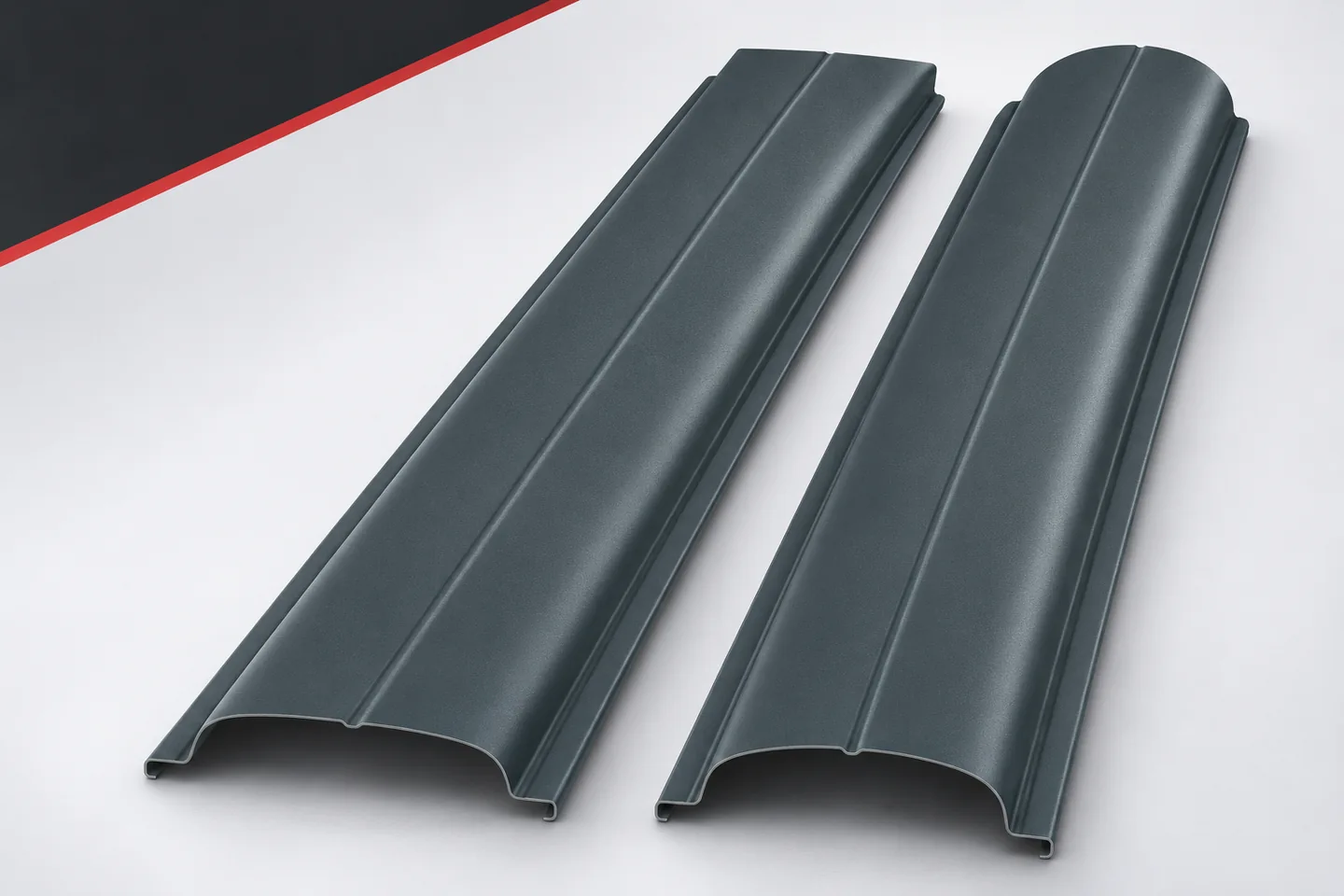
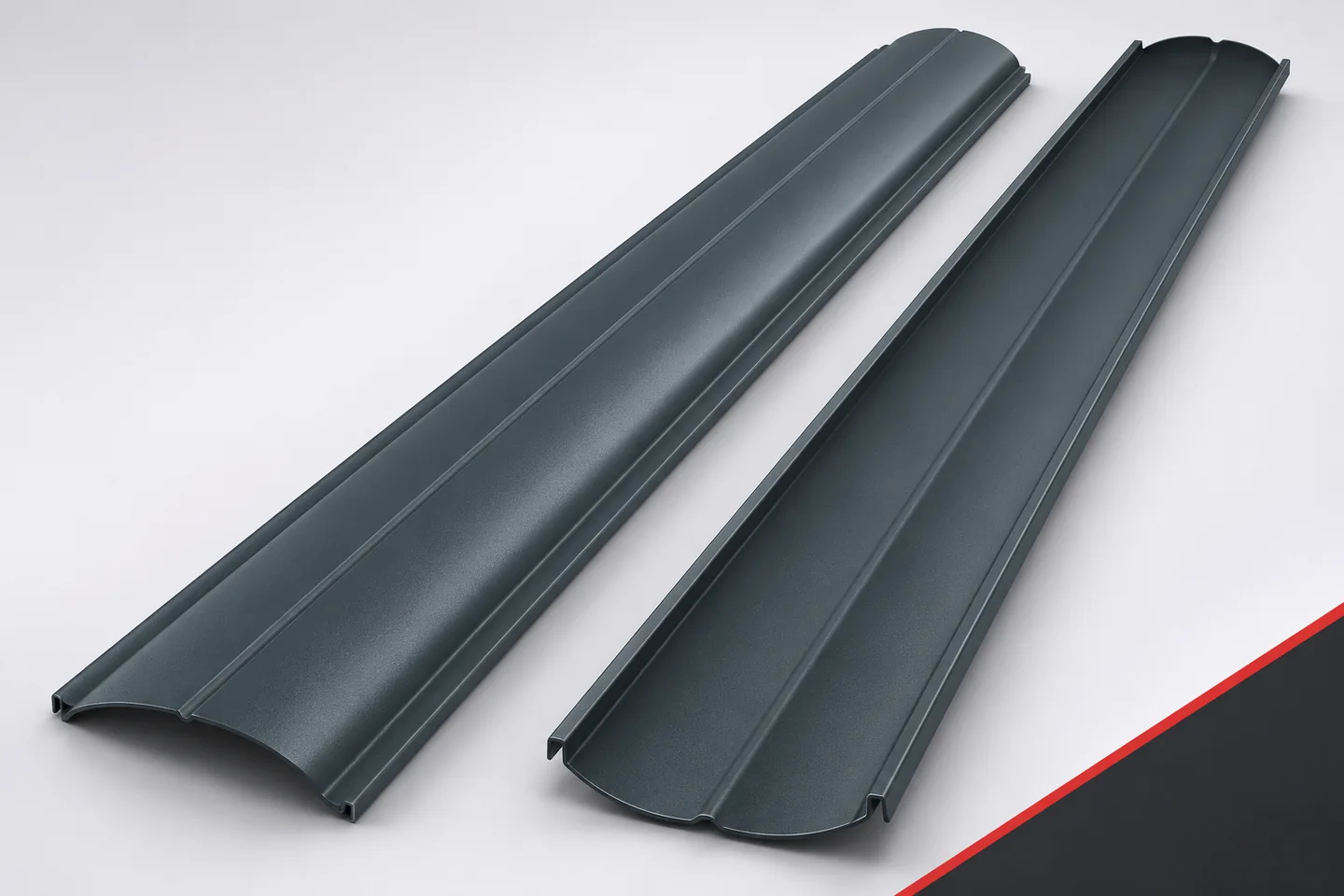
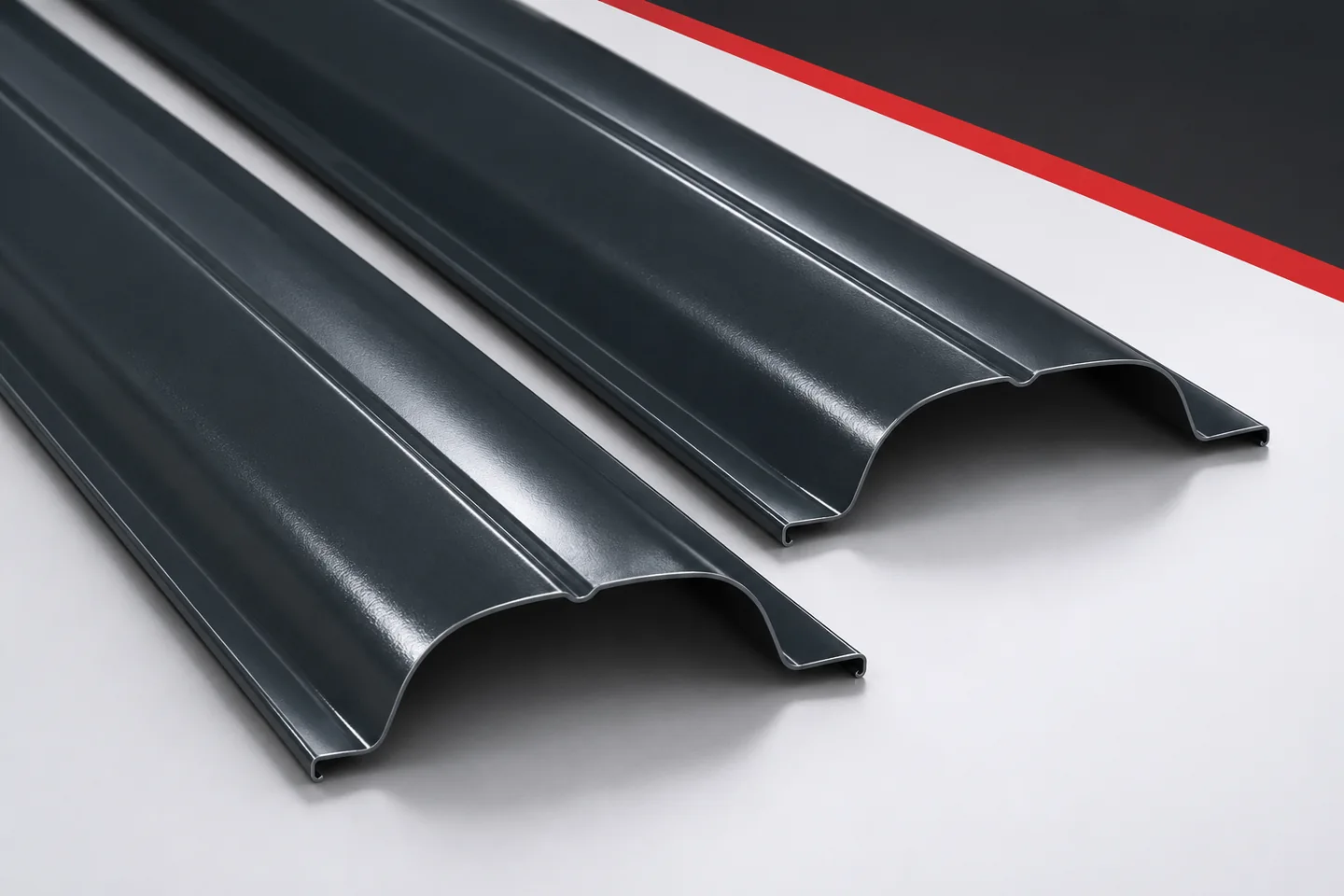
The cross-section shows the difference between a folded sheet metal picket and a heavy hollow section. They respond differently to fastener pressure, cutting and point loads. Specify the length and, where the model allows it, a flat or rounded top. Ordering the right end detail saves cutting every picket on site.
Vertical or horizontal, and with what clearance?
For an upright pattern, choose a profile and supports intended for vertical installation. If you prefer horizontal pickets, check the end details and support spacing in the documentation. On sloping ground, sketch both stepped bays and a fence following the gradient. The choice affects the required lengths.
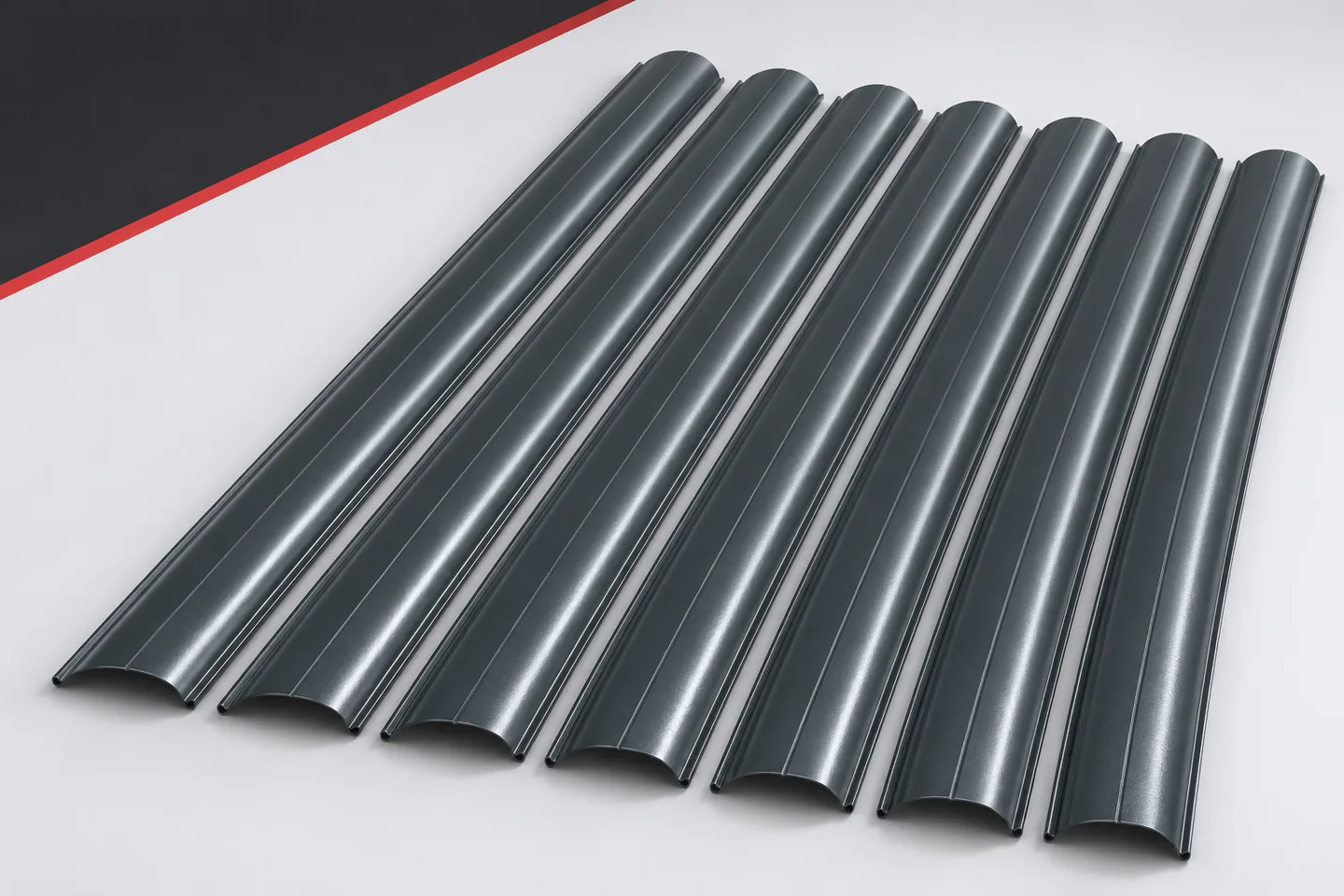
Judge the spacing on a drawing of a complete bay, including the gaps next to both posts. Closer pickets improve privacy but change the wind load on the fence. Check the capacity of the whole assembly before adding a second row or a screen.
How to choose colour and coating on both sides?
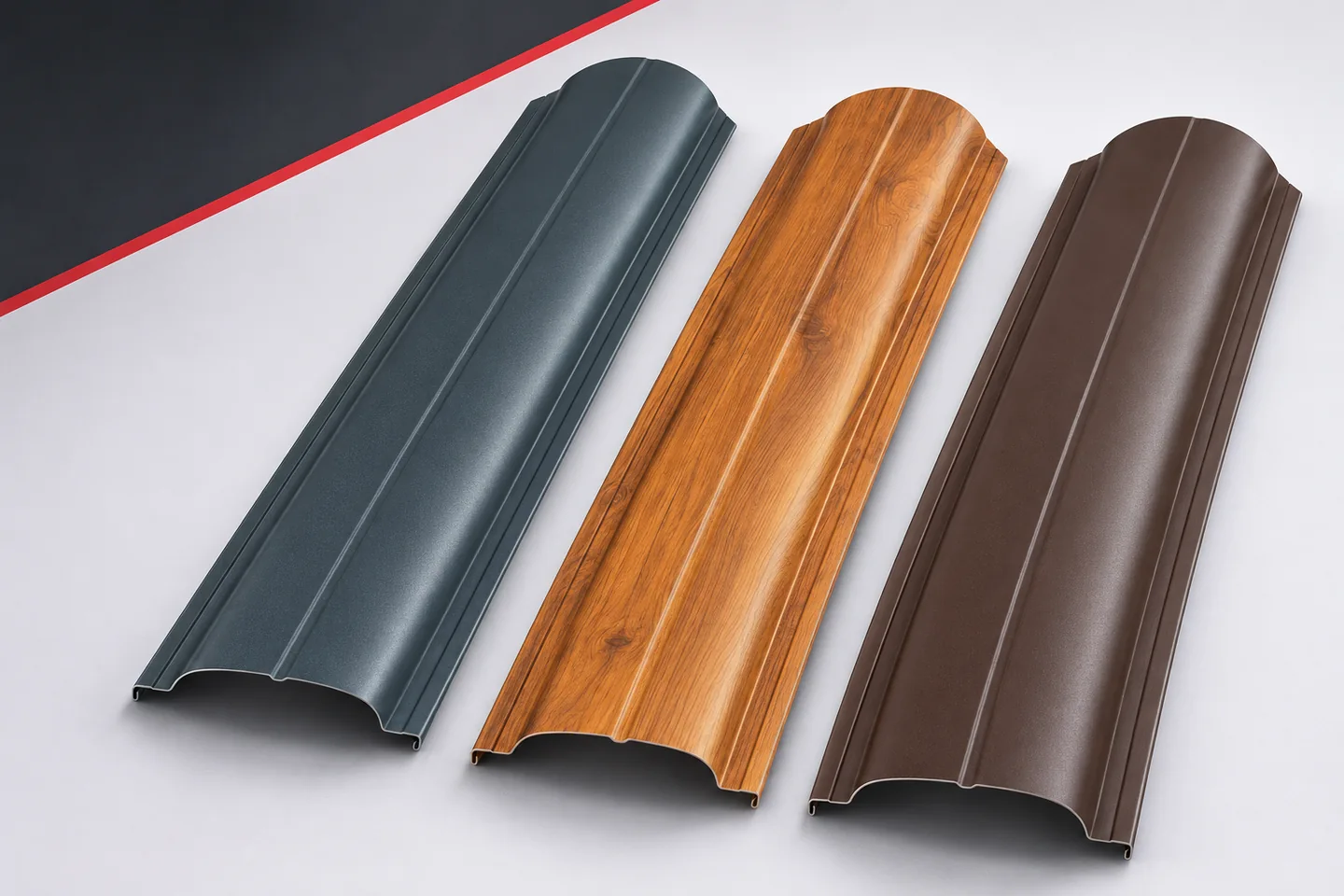
Turn the sample over and compare both faces under the same light. The decorative street-facing colour may differ from the finish seen from the patio. If both faces must match, state that in the order and check it against the model specification.
Hold the picket sample against the gate or a roofing swatch in daylight. A matching colour code does not guarantee the same texture or gloss. Consider exposure as well: road salt and vegetation that stays damp can affect the coating specification.
What must the whole bay support?
Trace wind loads from the pickets through the rails to the posts and foundations. A light picket tells you little about the load on a complete bay. Dimensions, gaps and exposure all matter. The same layout may face different conditions beside an open field and in the lee of a building.
Use the chosen system’s documentation to determine rail layout and picket fixings. Do not copy the screw count from a neighbouring fence without checking the profile and bay dimensions. Assess the pedestrian and vehicle gates separately: their frames and hinges also take loads as they move.
How to avoid damage during installation?
Set the top line and lay out the entire bay between the posts before installing the first fixing. A spacer repeats a gap but cannot correct an incorrectly measured bay. Match fixings to the coating and supporting structure. Watch the metal while tightening: a local dent indicates excessive pressure.
Where cutting is necessary, use cold-cutting tools and protect the edge as instructed. Hot swarf can embed itself in nearby coatings. Remove metal particles after installation and inspect any scratches. Keep soil and wet leaves away from the bottom edges.
How to calculate material and plan maintenance?
Cost a measured fence run using the actual profile widths and gaps. Add posts, rails, fixings, foundation preparation and fabrication to the picket price. You can then compare the same finished fence even if the individual pickets differ in length or width.
Keep the cleaning instructions for the specified coating. At inspections, examine the bottom and cut edges, fixings and impact marks. Steel needs different care from timber. The back face and supporting frame also affect service life, so inspect the fence from both street and garden.
7 branches. Materials closer to your project.

Free quote
Materials for your project


You may also find useful…
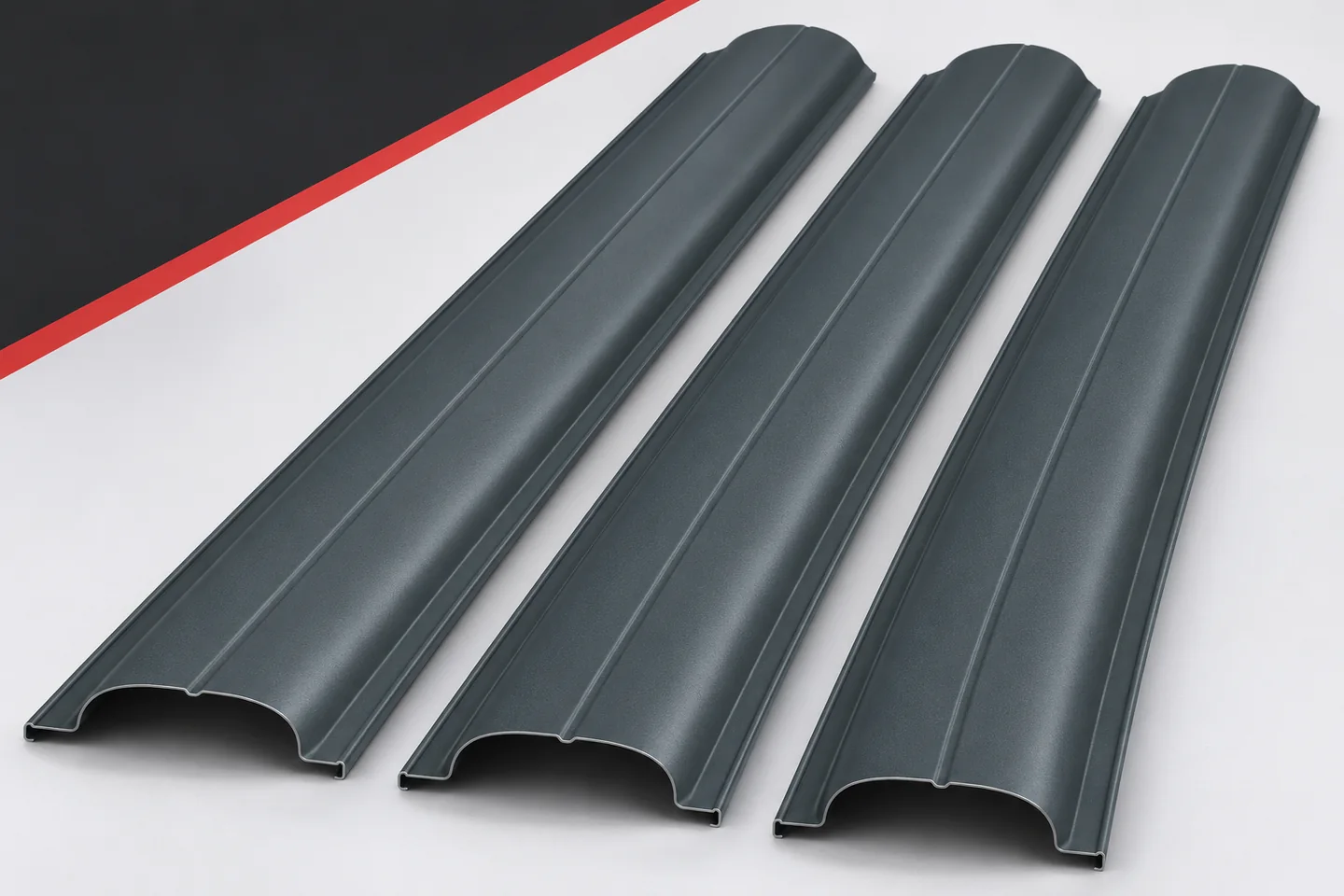
One practical advantage of pickets made from coated sheet steel is that they come with a factory finish. There is no need…
Metal pickets allow the appearance, gap width and height of the fence to be matched to the property. A factory-applied coating limits…
Changing the layout of a plot does not always mean the whole fence has to be thrown away. Some slats can be…
On screen, several shades of anthracite can look almost identical. On a fence, the difference in gloss, texture and lighting can be…
Privacy with a slatted fence depends on geometry. The width of the slats, the size of the gaps, the number of rows…
A correctly manufactured picket can still be damaged before installation. All it takes is improper handling, friction within the bundle or storage…
A fence is viewed from the street, the driveway and the terrace. For this reason, the appearance of the back of a…
The price of a picket is easy to compare. It is harder to compare two quotes when one covers only the slats…