

Roof coverings
Coatings for tile-effect metal roofing: what they protect and how they differ
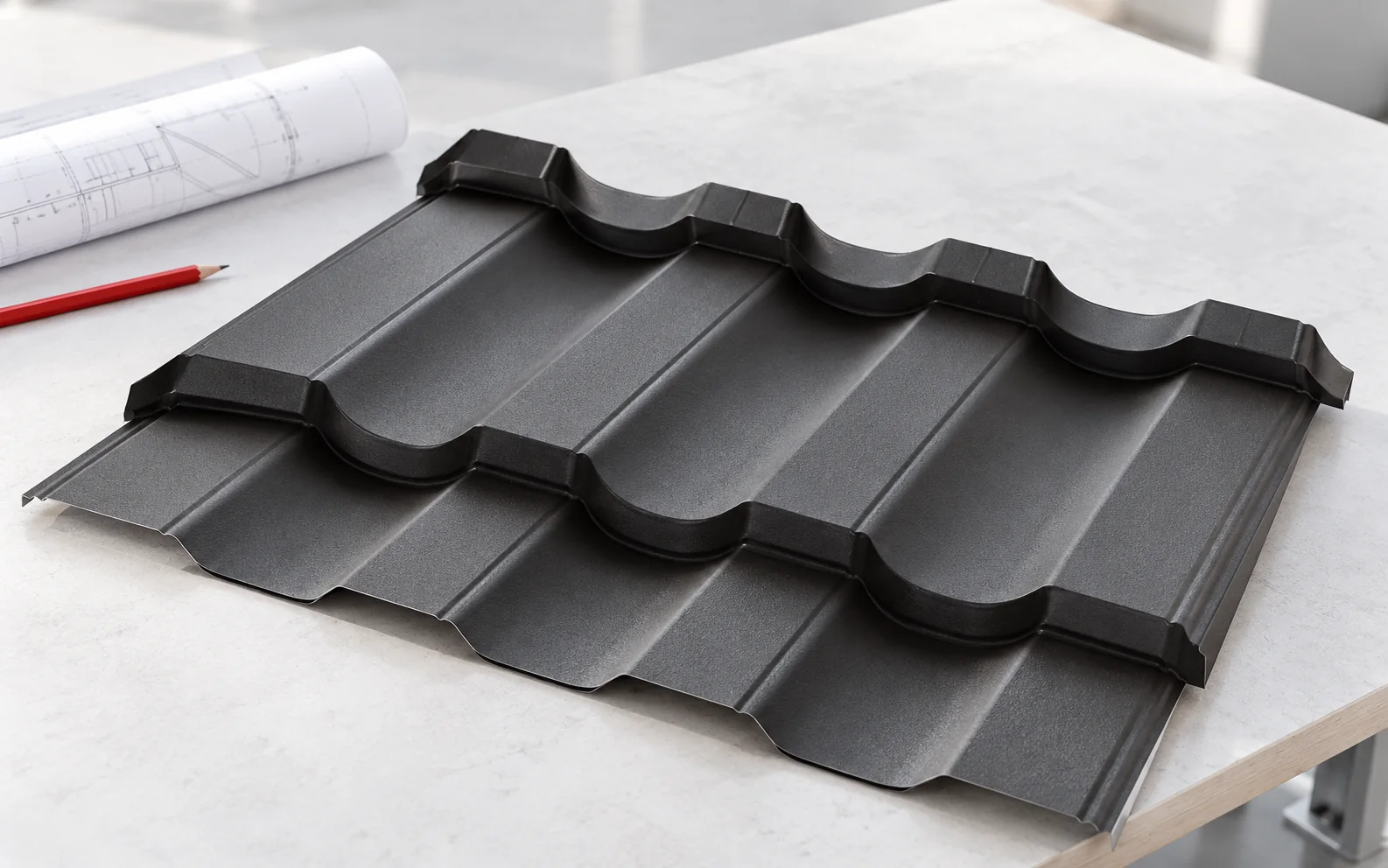
The coating of a tile-effect metal roof determines its corrosion protection, how long its appearance lasts and how resistant its surface is. It is not just a colour. A distinction must be made between the steel core, the metallic protection and the organic layers. A reliable assessment can only be made from the full set of parameters for a specific product, related to the conditions on the roof. Tile-effect metal roofing is made from profiled steel protected by suitable layers. The core is responsible for the mechanical properties, while the metallic coating helps to limit corrosion. On the outside there is a system of organic layers that provides the appearance and additional protection. The exact build-up depends on the material used in production. The underside is also protected, but not always in the same way as the outer face.
In this article
What lies beneath the visible colour?
Tile-effect metal roofing is made from profiled steel protected by appropriate layers. The core is responsible for mechanical properties, while the metallic coating helps to limit corrosion. On the outside there is a system of organic layers that gives the appearance and additional protection. The exact construction depends on the material used for production.
The underside is also protected, but not always in the same way as the outer face. It may operate under different conditions, related to condensation and ventilation. The whole product should not be judged on the basis of the thickness of the paint visible from above. The complete protective system on both sides of the sheet is what matters.
What does a polyester coating provide?
Polyester coatings come in various types, structures and thicknesses. They can be an economical choice for appropriately selected service conditions. However, the family name alone does not describe all parameters. Two polyester variants do not have to have identical resistance to solar radiation, corrosion or damage.
Matt and gloss primarily affect the perception of the surface. A matt sheet should not automatically be regarded as more durable. Data for the specific product and its range of application are needed. When buying, it is worth comparing the appearance with the documentation, rather than choosing a material solely on the basis of the effect of a sample under a lamp.
When should a polyurethane or special coating be considered?
Selected polyurethane coatings offer enhanced protective parameters and may be intended for more demanding conditions. Their suitability must be confirmed in the documentation. Not every product in this family has the same composition, thickness and warranty. Any additional cost should follow from the specific needs of the roof.
In an industrial, coastal or particularly exposed environment, special solutions may be needed. This does not mean that the most expensive coating suits every type of contamination. Limitations of use and requirements for the underside also matter. In difficult conditions, it is worth obtaining written confirmation of the material selection.
How should resistance to corrosion and sunlight be compared?
Resistance to corrosion and the behaviour of the appearance under solar radiation are different characteristics. A roof may still be watertight even though its colour has changed over time. It may also look good over a large area while corroding locally at a damaged edge. A single figure does not describe both phenomena.
Compare the declared classes and test methods for the specific material. Do not mix environmental categories with the product’s resistance class. Also beware of descriptions of the highest class without stating the standard and its version. Clear data are more useful than a general promise of resistance to everything.

Why is coating thickness alone not enough?
The thickness of the organic layer is important, but it works together with its composition and the preparation of the substrate. Two coatings of similar thickness may behave differently. Nor should paint thickness be added to steel thickness in order to compare the load-bearing capacity of sheets. These are separate properties of the product.
Likewise, the mass of the metallic coating does not explain everything without information about its type. Different metallic systems may have different protection mechanisms. A reliable comparison requires documentation and the conditions of use. A slogan about a greater number of layers does not in itself prove superiority in real use.
How can installation weaken a good coating?
Dragging sheets, incorrect cutting and leaving swarf can damage the surface. Corrosion of foreign particles creates marks sometimes mistaken for a material defect. The coating must be protected already during unloading. Careful handling and removal of contamination are part of correct roof installation.
Touch-up repairs are carried out according to the material recommendations. Applying paint does not automatically recreate the entire factory protective system. Extensive damage may require a different method of repair or replacement of the element. It is worth assessing the extent of the problem before covering it with a preparation of coincidentally similar colour.
What follows from the warranty conditions?
The technical and aesthetic warranties may cover different phenomena and periods. A long wording does not mean an unchanging colour or the absence of a need for inspections. Check the conditions of installation, cleaning and environment. What also matters is how the notification and the scope of service after a defect is recognised are described.
Keep the documentation with the coating designation and the material batch. When assessing damage, it helps to identify which layer has been affected. Information that the roof is graphite is not enough. A well-chosen coating works most effectively together with correct installation, water drainage and periodic inspection of the surface condition.
Advice before ordering
When comparing two tile-effect metal roofing products, write down side by side the type of coating, its protective parameters, the range of application and the separate conditions of the aesthetic warranty. Colour and the length of a single warranty period do not show the full difference.
What is worth remembering?
The coating is an important part of the durability of tile-effect metal roofing, but the whole material must be assessed. The core, the metallic protection and the organic layers have different tasks. A choice based on documentation and environment gives more than being guided solely by paint thickness or the name of the finish.
7 branches. Materials closer to your project.

Free quote
Materials for your project
You may also find useful…
Preparing a roof for winter covers three areas: drainage, the safety of components and moisture control beneath the covering. The response to…
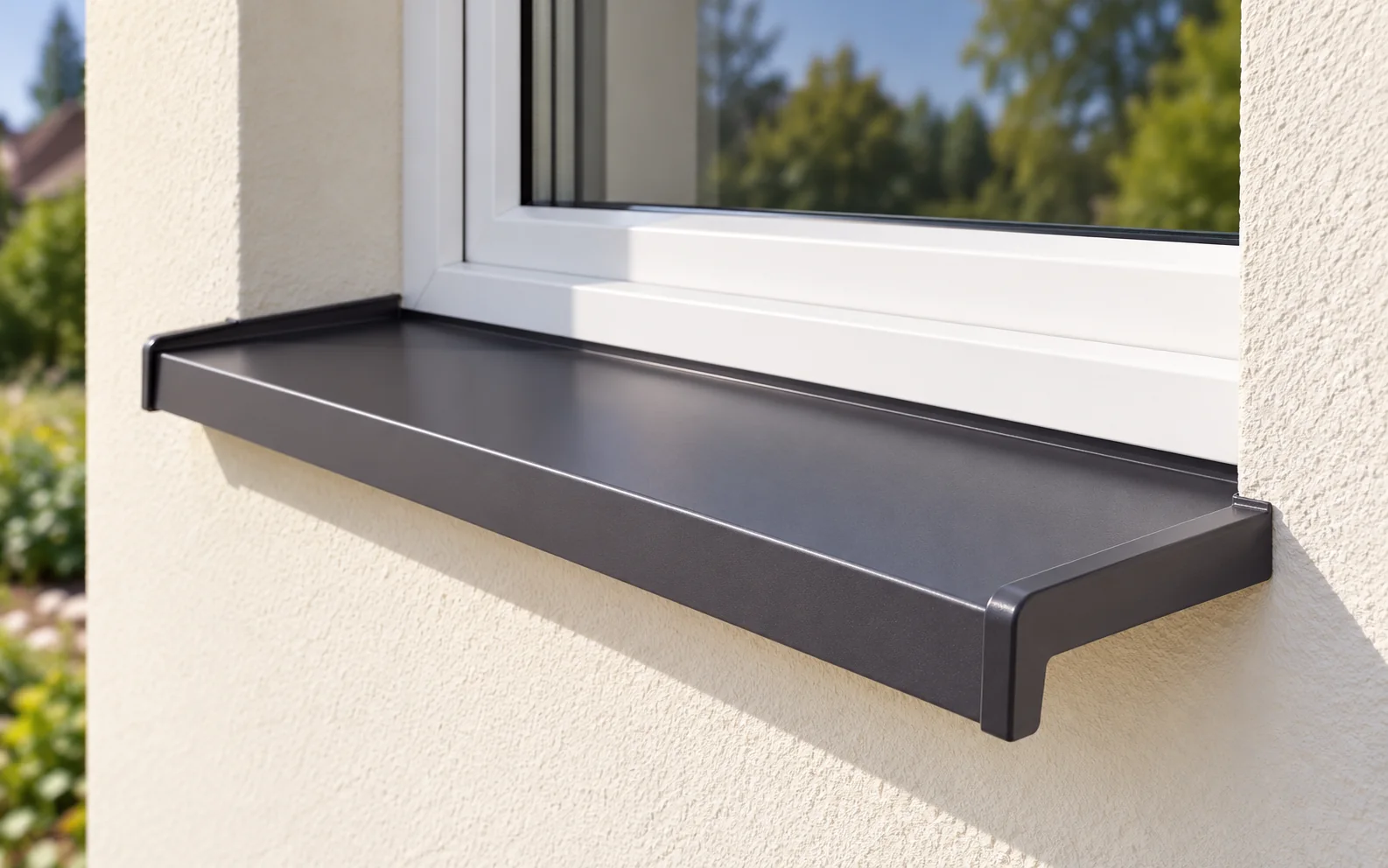
A steel external window sill can be lightweight, easy to adjust in size and colour-matched to a metal roof. Its most important…
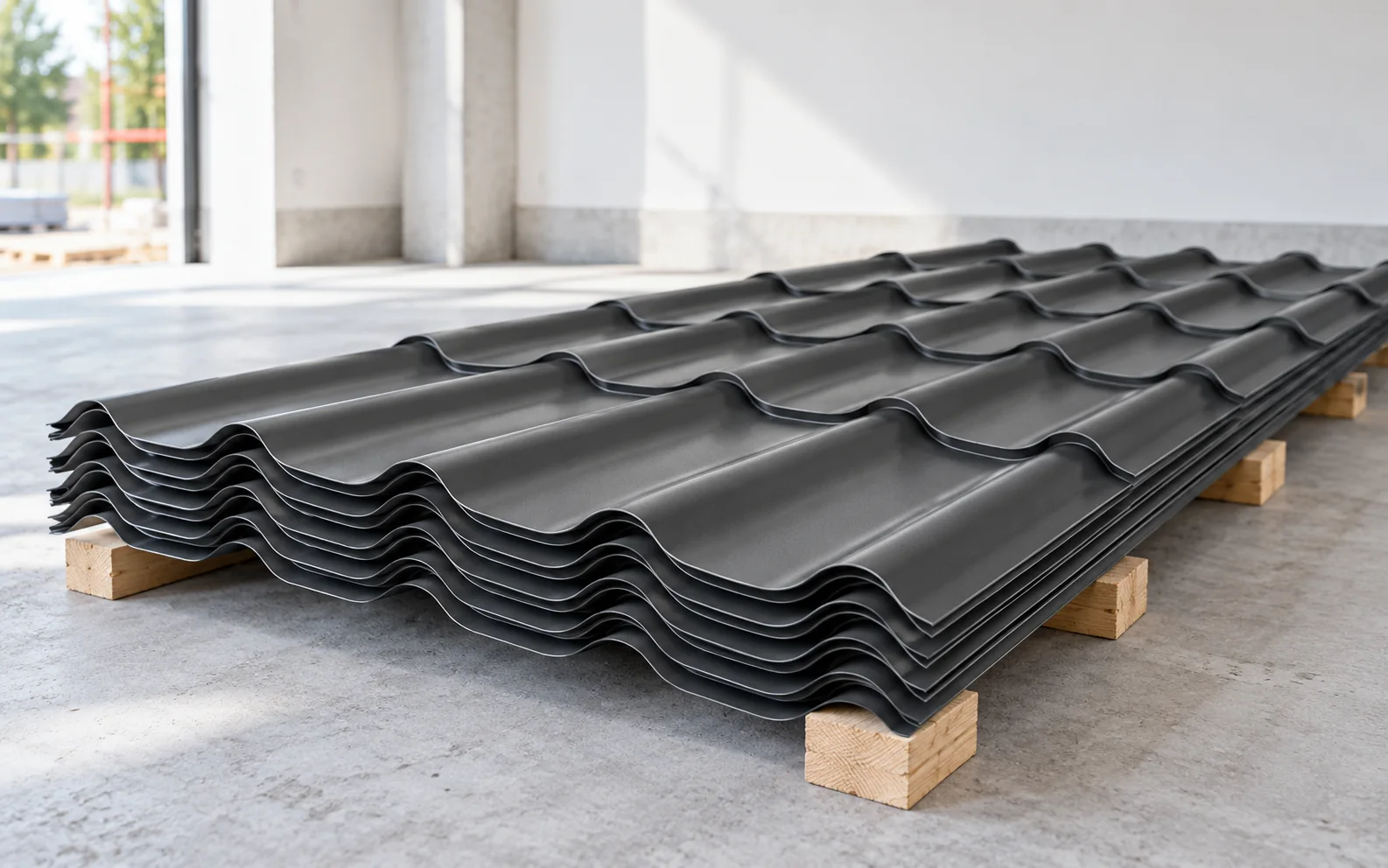
Tile-effect metal roofing must be protected from water trapped between the sheets, from scratching and from deformation. The transport packaging is no…
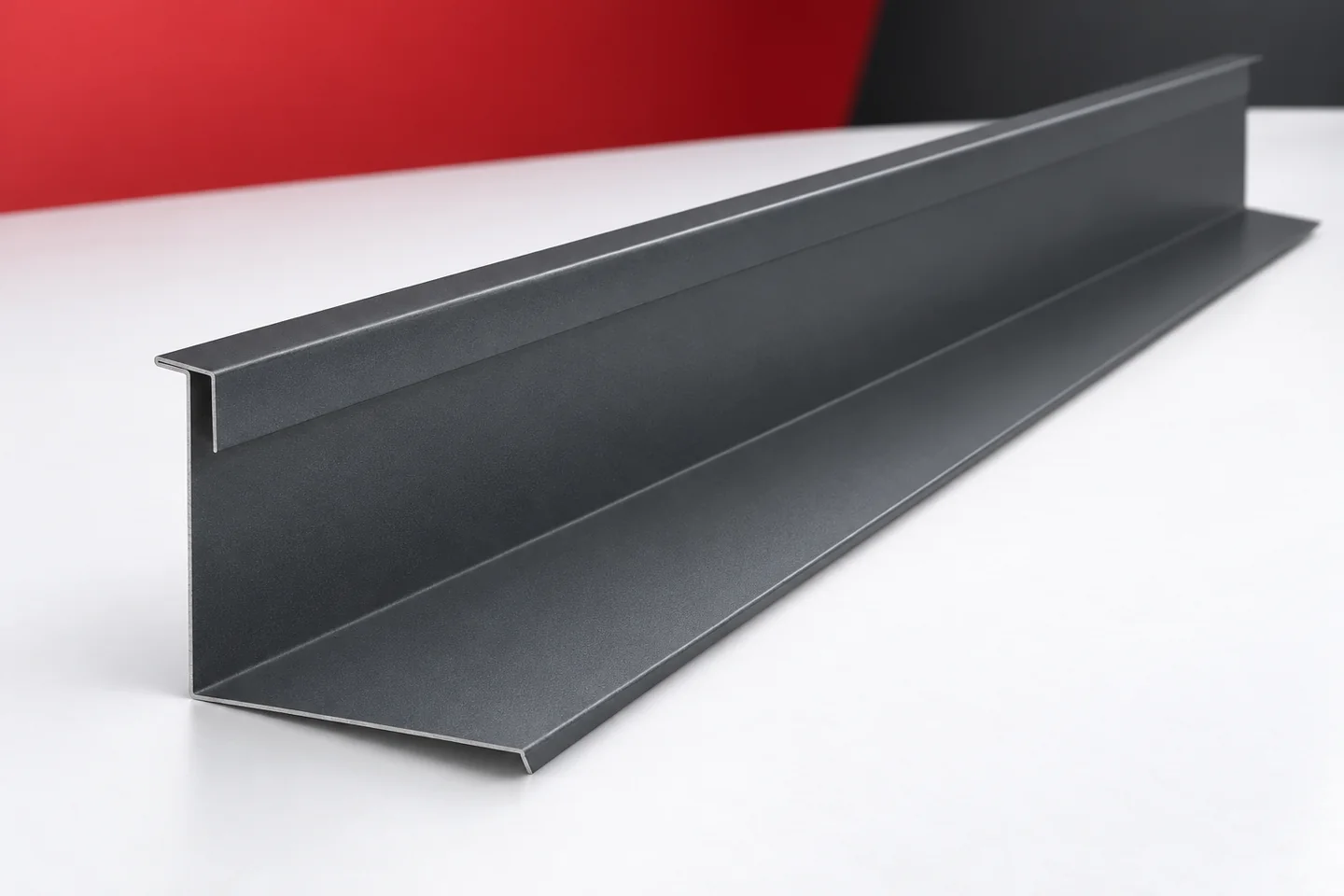
Chimney flashings are ordered for a specific roof penetration. The dimensions of the chimney, the pitch of the roof slope, the profile…
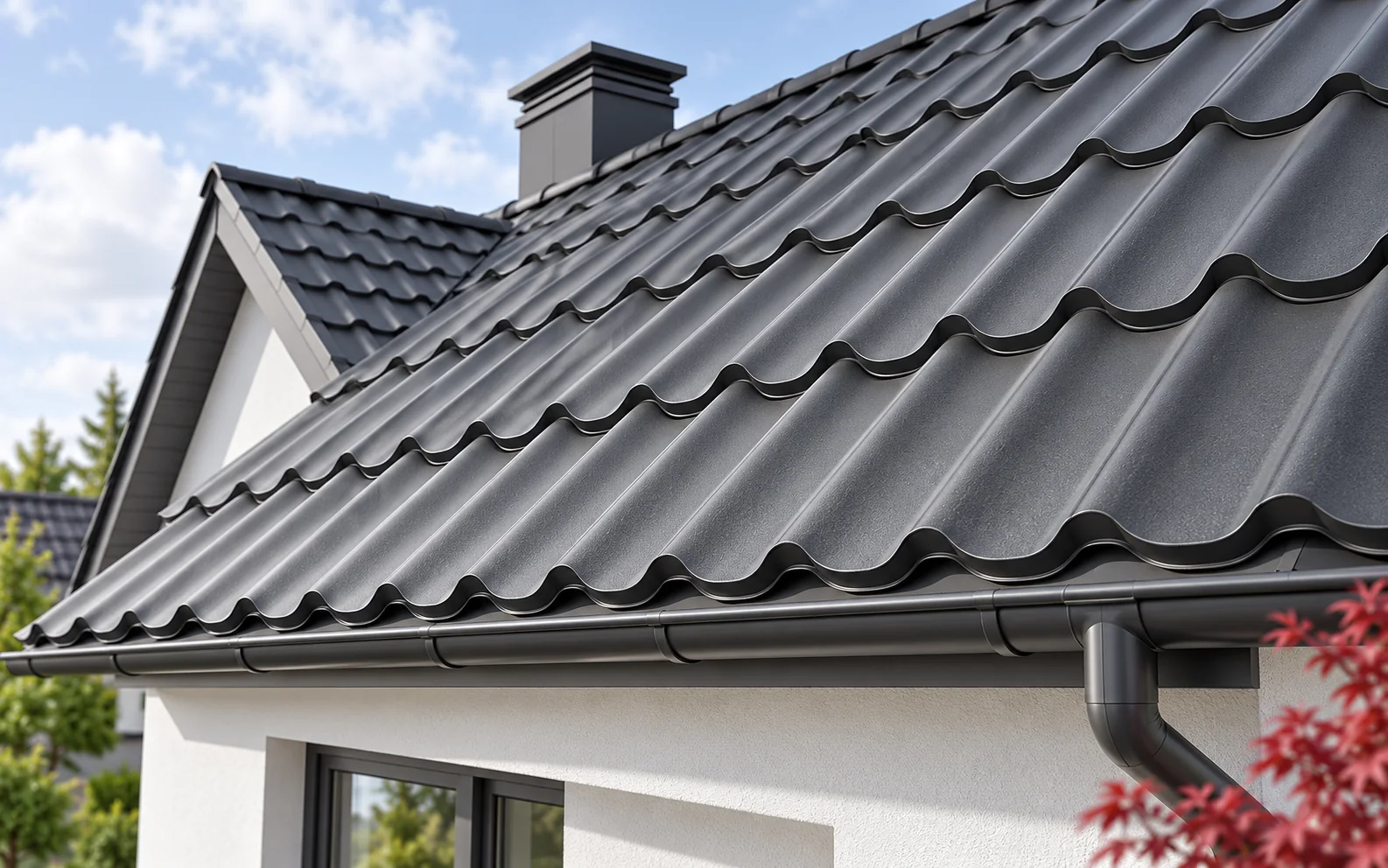
A coherent roof results from proportion, colour and detail, not from a seasonal trend label. Modular tile-effect metal roofing, cut sheets and…
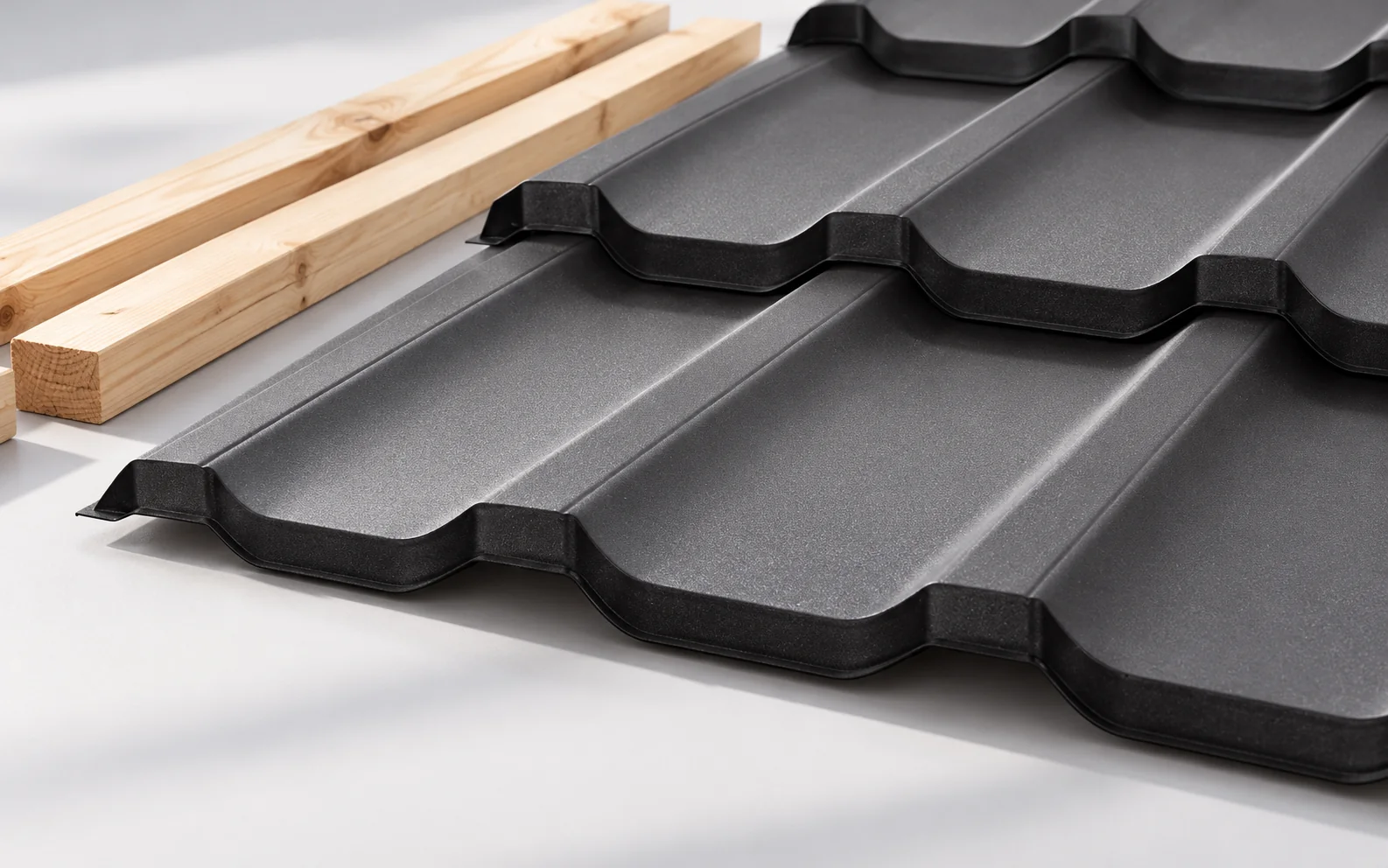
Choose the roof covering before setting out the battens. For tile-effect steel sheets, the module length and the manufacturer's fixing positions determine…
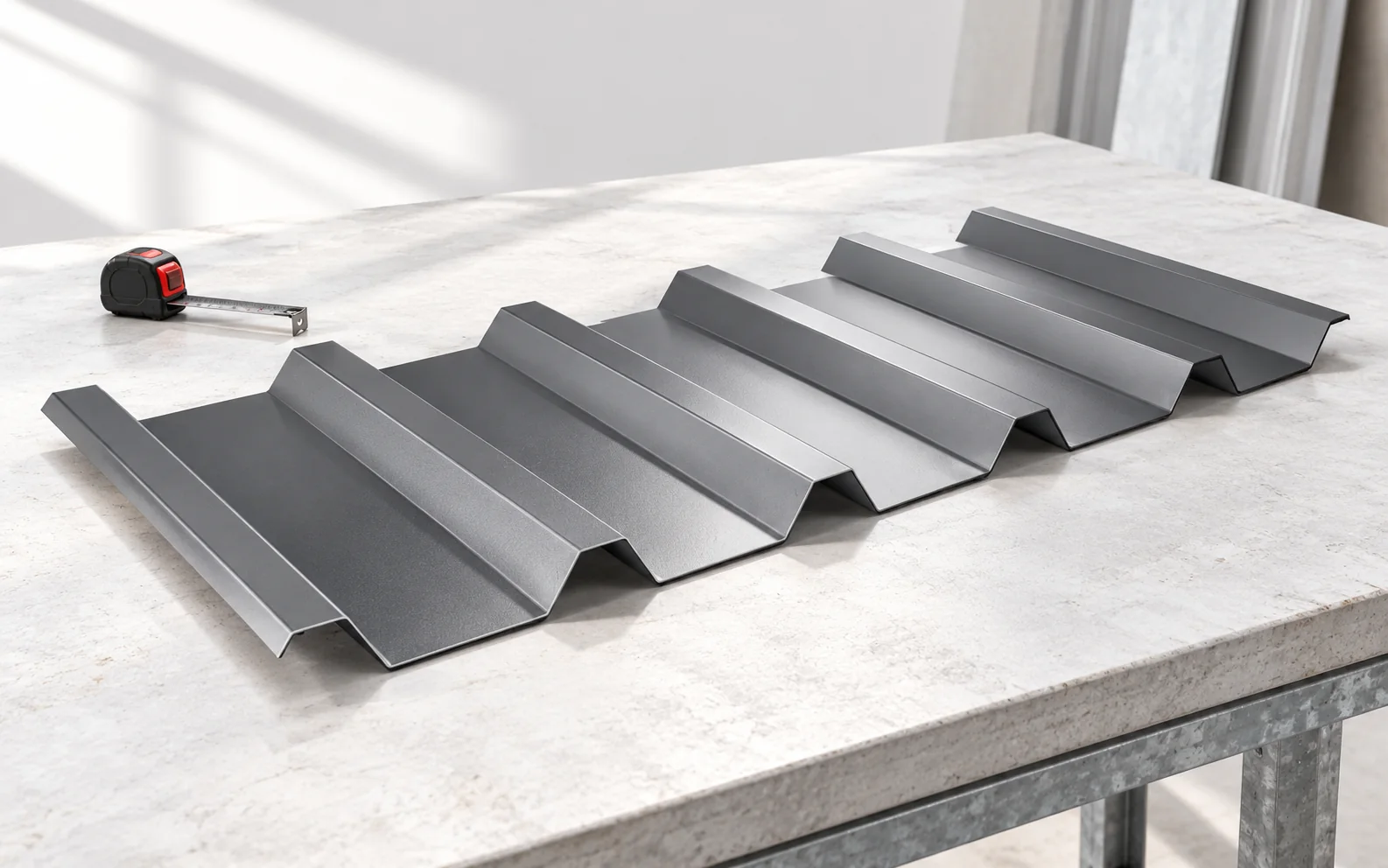
Tile-effect metal roofing and trapezoidal steel sheet can both protect a roof well, but they suit different expectations and roof layouts. The…
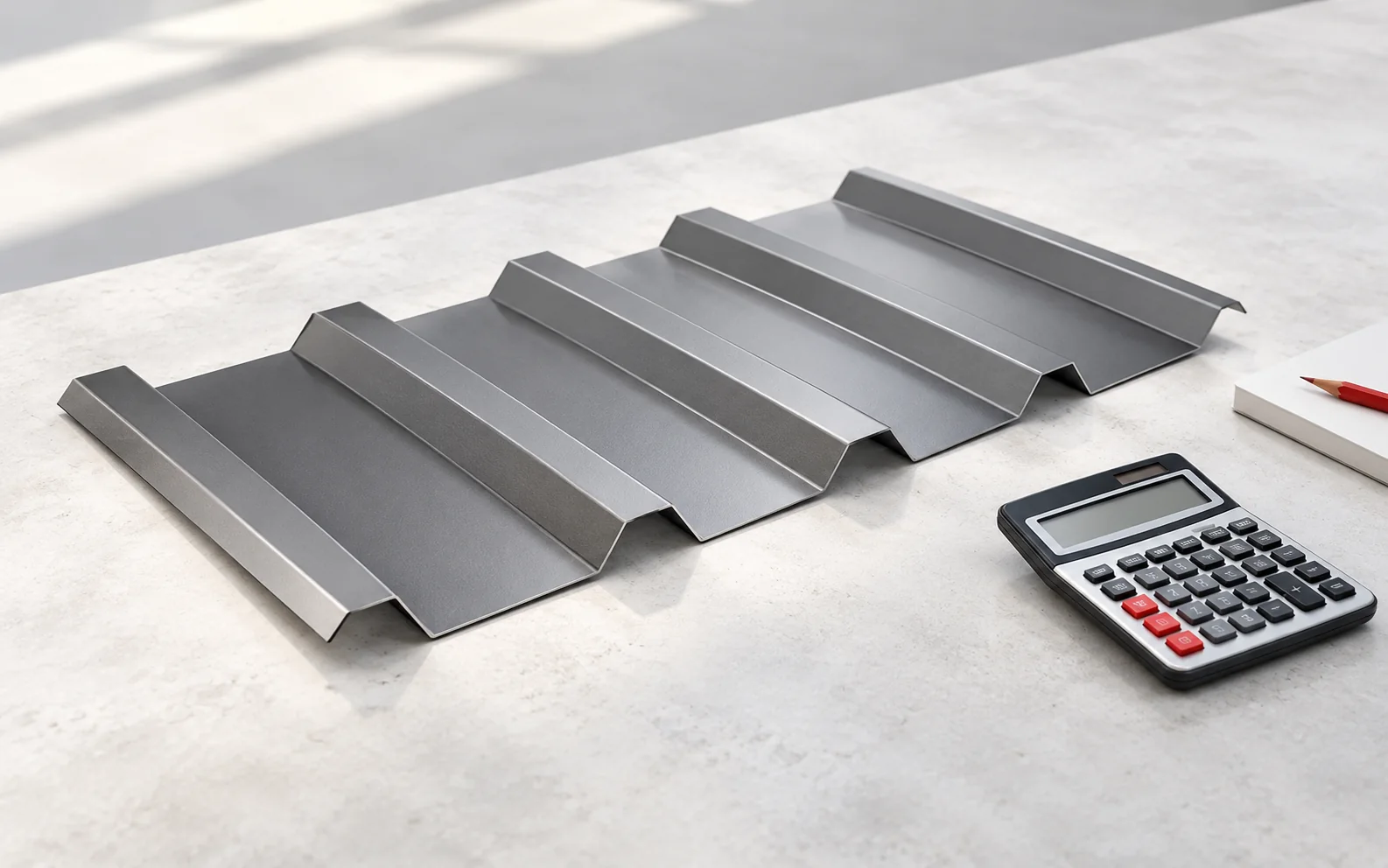
To compare T18 and T35 trapezoidal steel sheets, prepare a sheet schedule for the same roof slope. Check the effective width of…