

Installation and details
Five practical benefits of external steel window sills
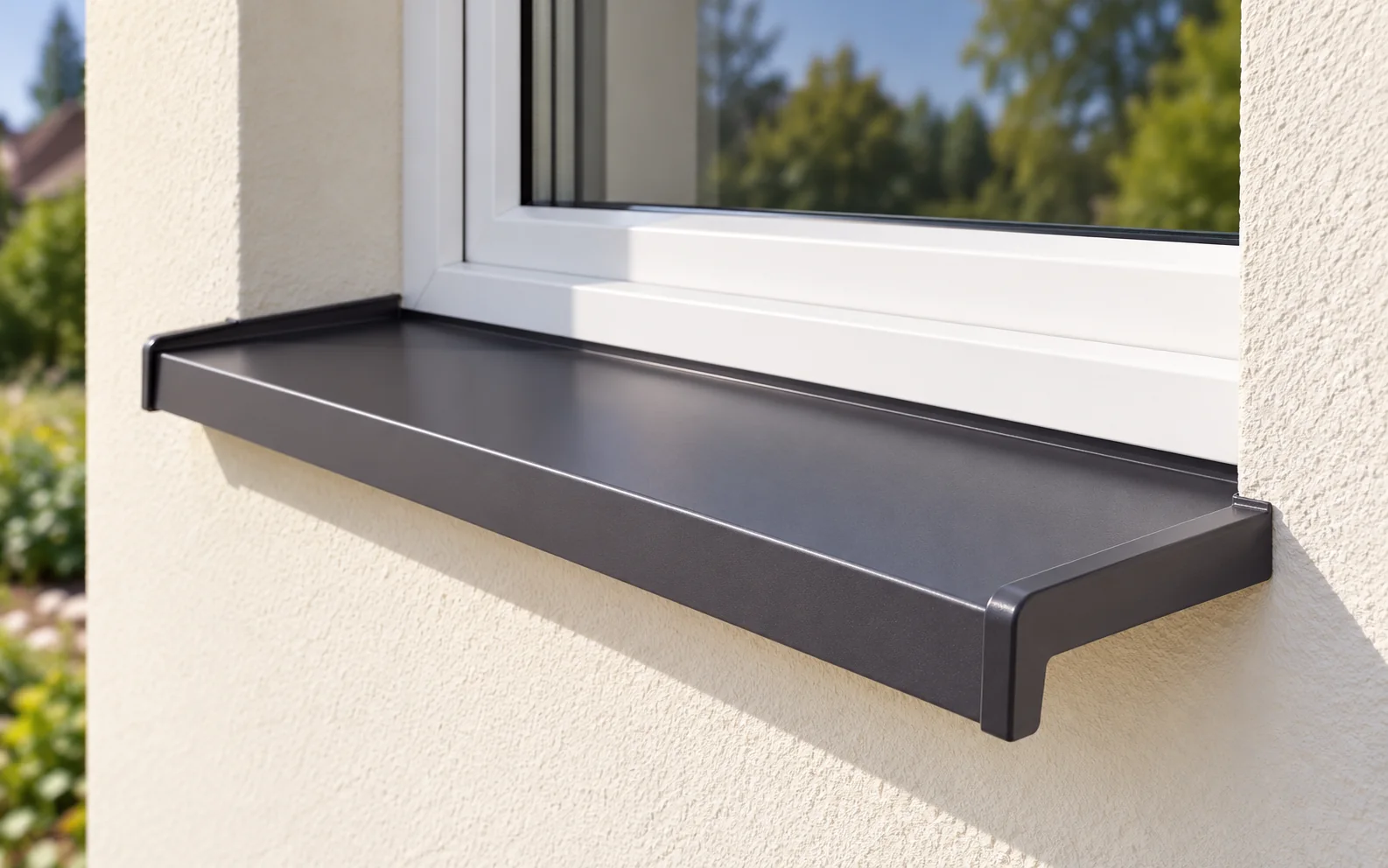
A steel external window sill can be lightweight, easy to adjust in size and colour-matched to a metal roof. Its most important job, however, remains draining water away from the façade. The material’s advantages only come into their own when the sill has the right geometry, adequate support and a watertight connection to the window. A thin-walled steel sill has a low mass compared with many solid solutions. This makes it easier to transport and handle during installation. It does not mean, however, that it can be left without adequate support. Wind, its own projection and everyday use place specific demands on the connection to the wall. The length of the element is also worth considering. A long sill can bend more easily when being carried, even though it is not heavy.
In this article
First advantage: low mass
A thin-walled steel sill has a low mass compared with many solid solutions. This makes it easier to transport and handle during installation. It does not mean, however, that it can be left without adequate support. Wind, its own projection and use place specific demands on the connection to the wall.
The length of the element is worth considering. A long sill can bend more easily when being carried, even though it is not heavy. The way it is lifted should protect the profile and the coating. Low mass is an organisational advantage, but it does not justify random fixing solely in the finishing layer.
Second advantage: the ability to adapt the shape
The sheet can be formed into the required profile with a rear upstand and a front drip edge. This allows the sill to be adapted to the thickness of the wall and the insulation. However, the finished layer build-up must be measured. The dimension of the masonry alone is not enough if the façade is still to receive insulation and render.
The drawing should take into account the projection beyond the face and the side terminations. The sill must not drain water behind the cladding. Nor should it be ordered butt-jointed without resolving thermal movement. The ability to bend to size only helps when the measurement and the detail are correct.
Third advantage: protected surface
A steel sill can have metallic protection and an organic coating. Their task is to limit corrosion and give it its appearance. The choice should match the environment, and the cleaning method should match the type of coating. Not every steel and not every finish have identical properties.
When cutting, the edges must be protected and overheating of the material avoided. Damage to the paint should not be covered with mortar without assessment. Correctly executed protection does not mean full resistance to all chemical agents. After façade work, soiling should be removed in a manner permitted for the surface.
Fourth advantage: consistency with other details of the house
The colour and degree of gloss can be matched to roof flashings, gutters or windows and doors. A steel sill can therefore help to bring the appearance of the whole façade into order. The choice does not have to be identical to the colour of the window. Sometimes a calm contrast gives a better effect than trying to combine different materials of almost the same shade.
View samples together in daylight. The same colour number on two substrates does not always look identical. Texture and light reflection matter. With many windows, it is worth ordering a consistent set. Later additions may differ in appearance despite a correct colour designation.

Fifth advantage: a clear quotation scope
A sheet-metal sill can be priced according to a specific profile, length, width and coating. This makes it easier to compare variants, provided they have the same scope. The price should also include the terminations and installation components. A rate per linear metre alone, without width, does not say what you will receive.
The cost of the whole solution includes preparation of the substrate, tight connections and finishing of the sides. In a renovation, dismantling and repair of the reveal may be added. A lower-priced material does not always mean the lowest final bill. So compare the complete package, not the shortest item shown in the price list.
What must correct installation ensure?
The sill should have a fall to the outside, stable support and a drip edge that keeps water away from the façade. The dimensions are not chosen at random. The rear and side connections must work together with the window and the wall layers. The frame’s drainage must not be obscured, nor should reliance be placed solely on a visible bead of silicone.
Metal changes length with temperature, so the detail should take into account the intended clearances and terminations. Insulation of the area below the window is also important. A thermal bridge or a leak from the inside will not disappear once an aesthetically pleasing sheet is fitted. In the event of rain, the sound also depends on the support and the permitted method of damping.
What limitations must be honestly taken into account?
The sill can be dented, scratched or soiled during subsequent work. It does not serve as a step or a place to set down heavy materials. Damage should be assessed before final acceptance. The protective film is removed within the period intended for the product, rather than being left on for many months.
With long elements, it is particularly worth checking expansion and support carefully. Alternative materials may better meet other aesthetic or functional expectations. Steel is a sensible choice when its advantages suit the project and its limitations have been taken into account in the installation detail.
A tip before ordering
When measuring, record the thickness of the finished façade, not just the existing masonry. Determine the projection of the drip edge and the method of side termination separately. Omitting this information is a more common problem than choosing the colour of the sill itself.
What is worth remembering?
The advantages of a steel sill are low mass, the ability to adjust it and a consistent appearance with a clear quote. Its effectiveness, however, is decided by water drainage and the connection to the window and wall. Even a good material requires a correct detail.
7 branches. Materials closer to your project.

Free quote
Materials for your project

You may also find useful…
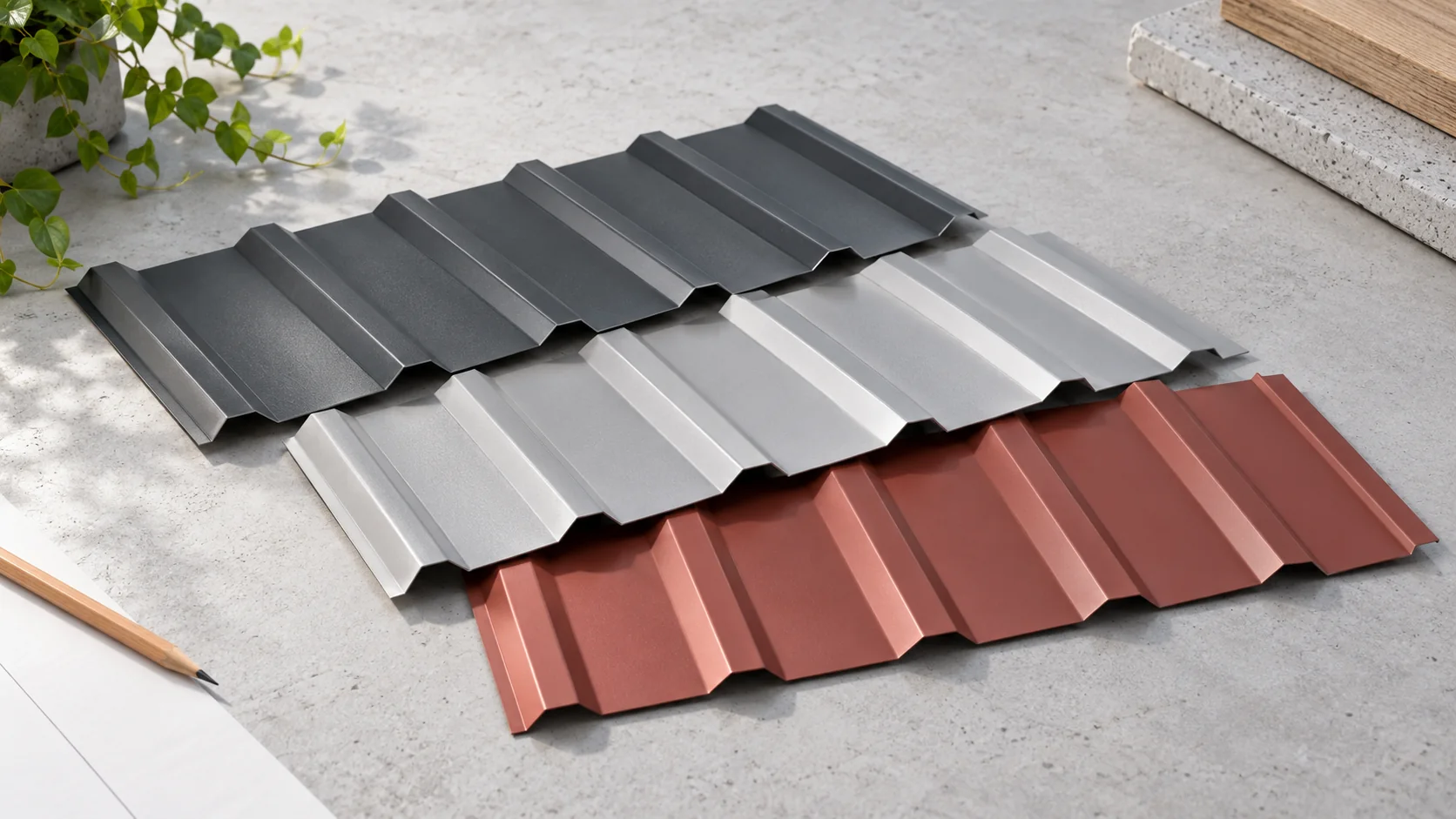
The colour of trapezoidal steel sheet changes how the whole building looks. When choosing it, consider how much sun the roof gets,…
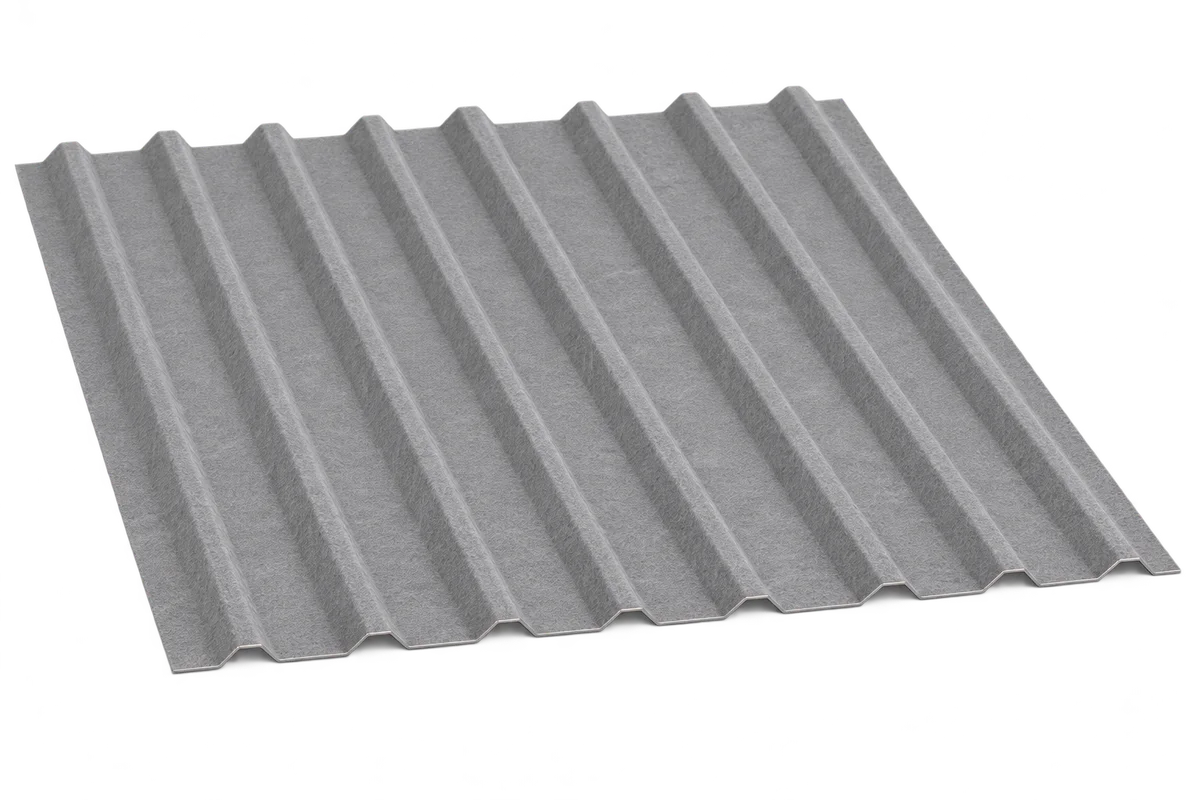
Trapezoidal steel roofing with anti-condensation fleece can retain some condensate beneath the sheet and later release moisture to the air when drying…
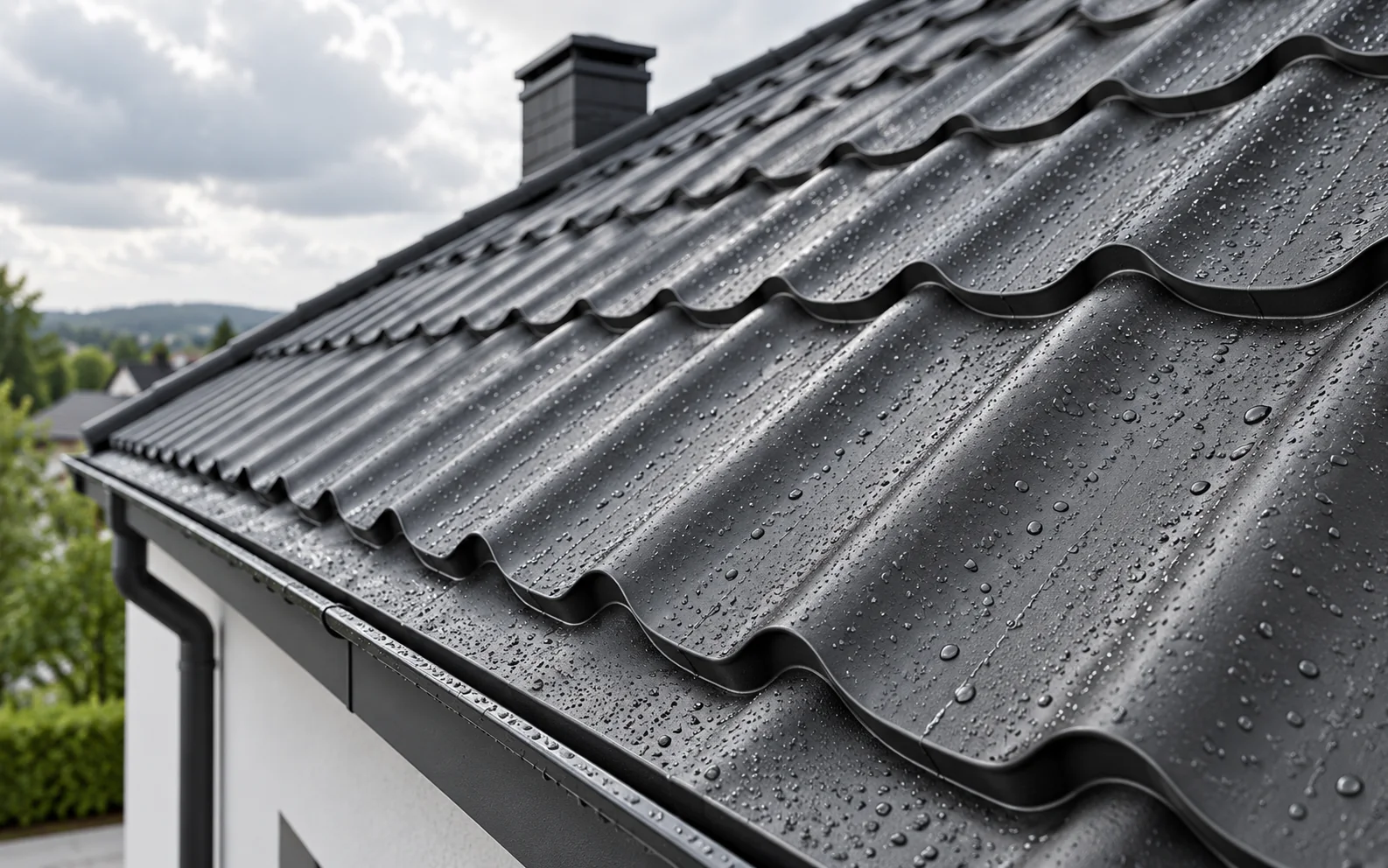
A watertight roof requires the correct pitch, correct laps and carefully executed flashings. Fixings, drainage and the layers beneath the covering are…
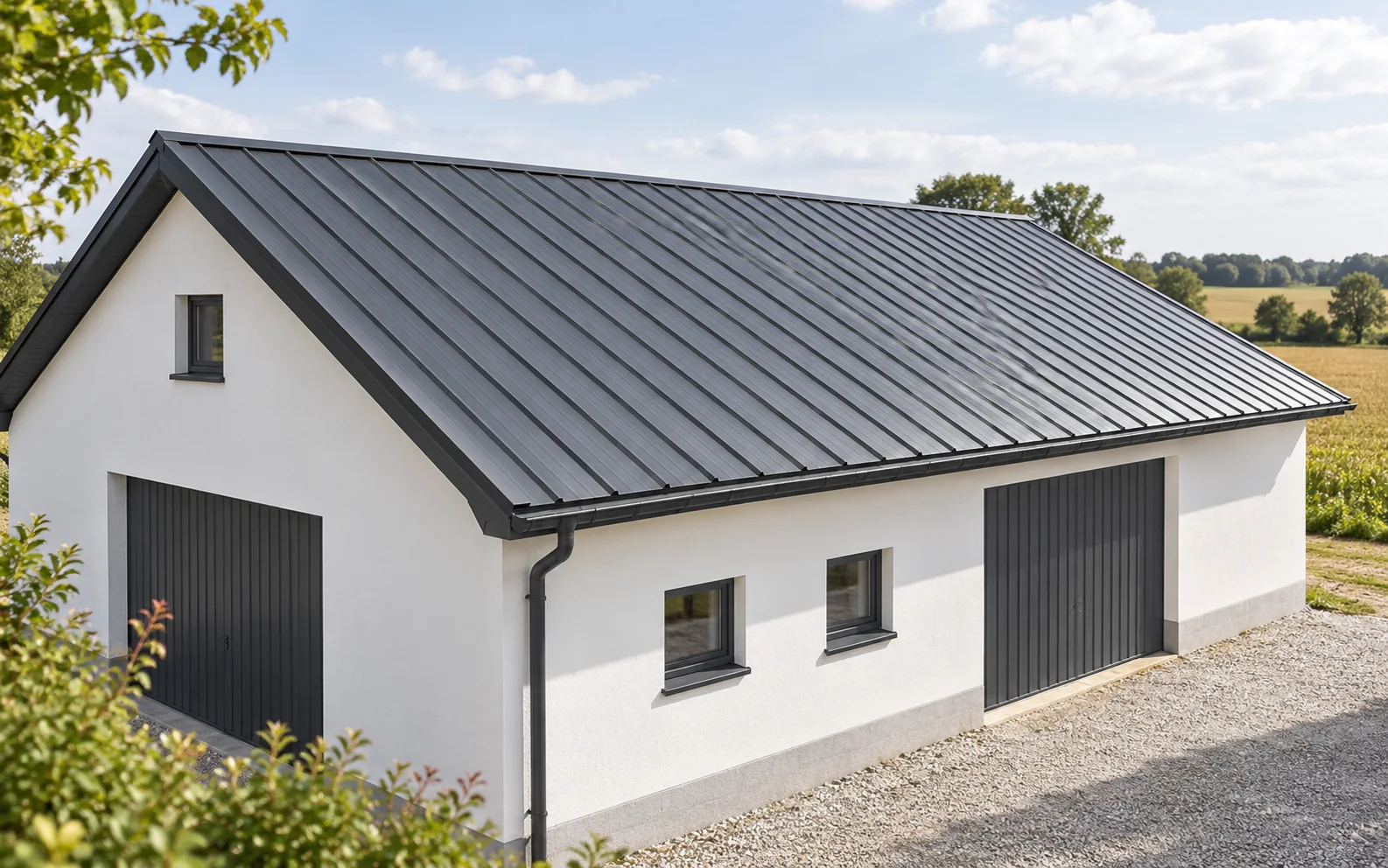
Trapezoidal steel sheet can look good on a traditional house if its profile, colour and details match the building's proportions. Not every…
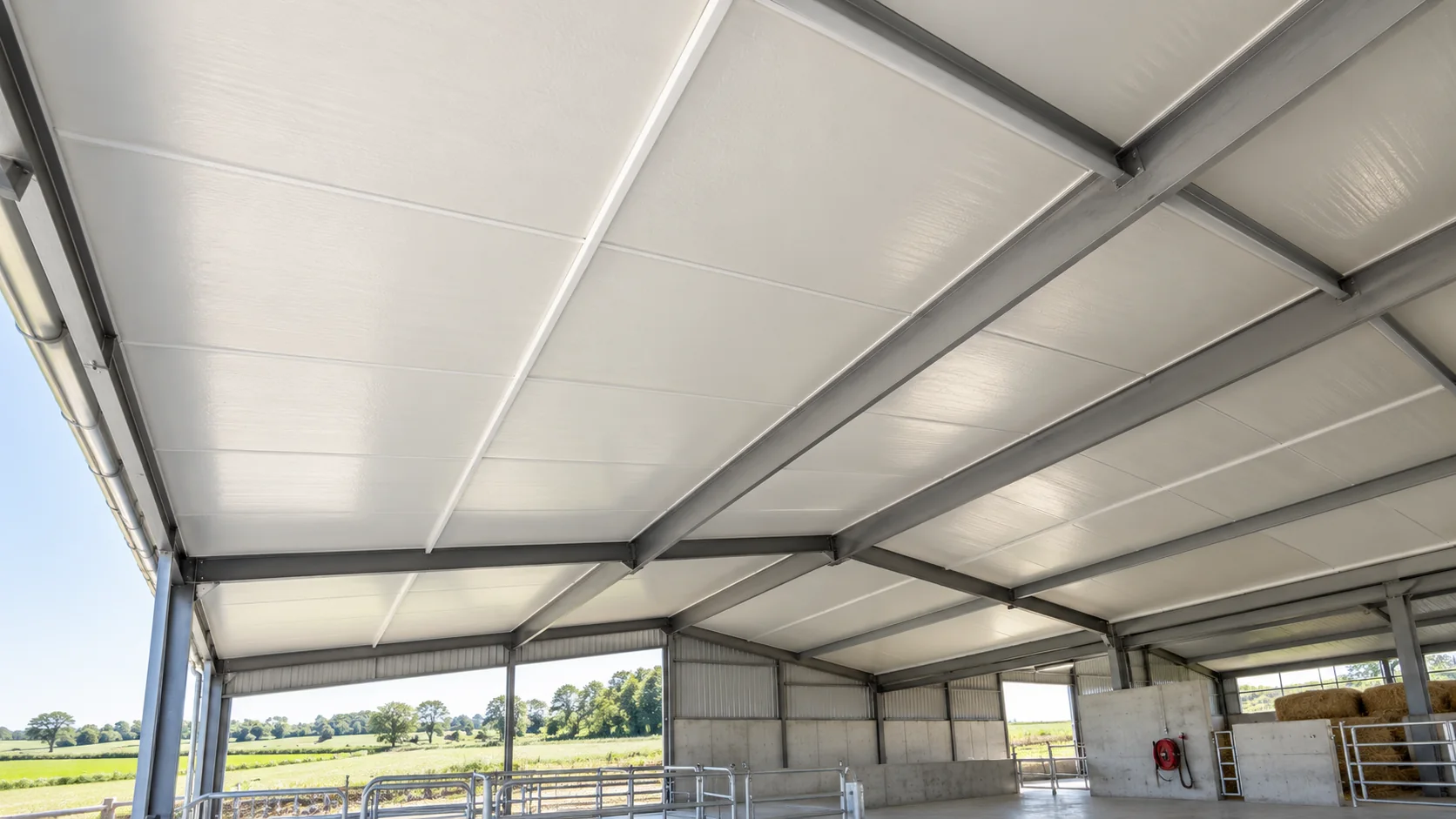
In a roof sandwich panel, “fibreglass” can refer to an inner facing made from glass-reinforced plastic (GRP). A panel of this type…
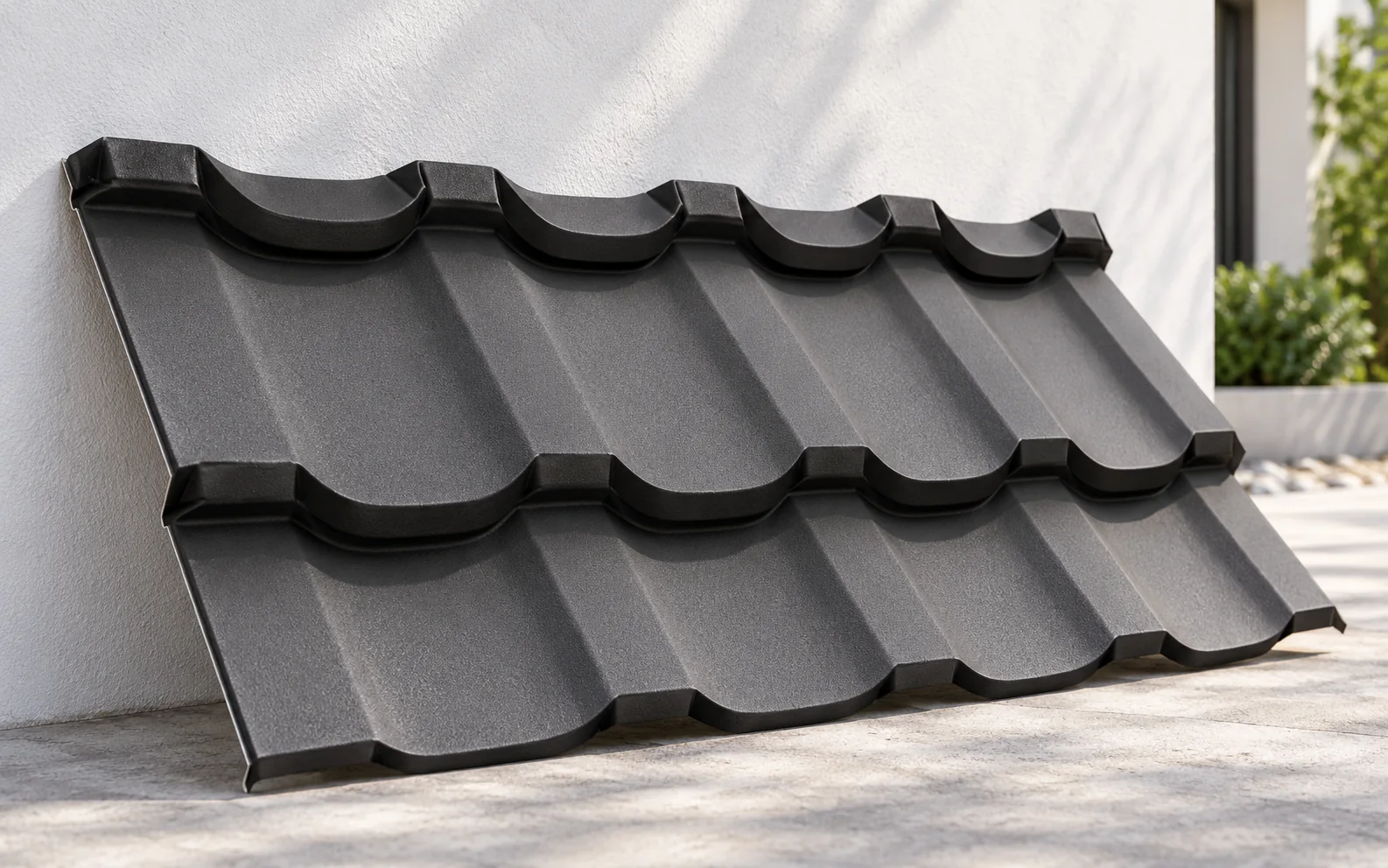
Concrete tiles and tile-effect steel place different loads on the same roof and call for different delivery arrangements. Compare their weight per…
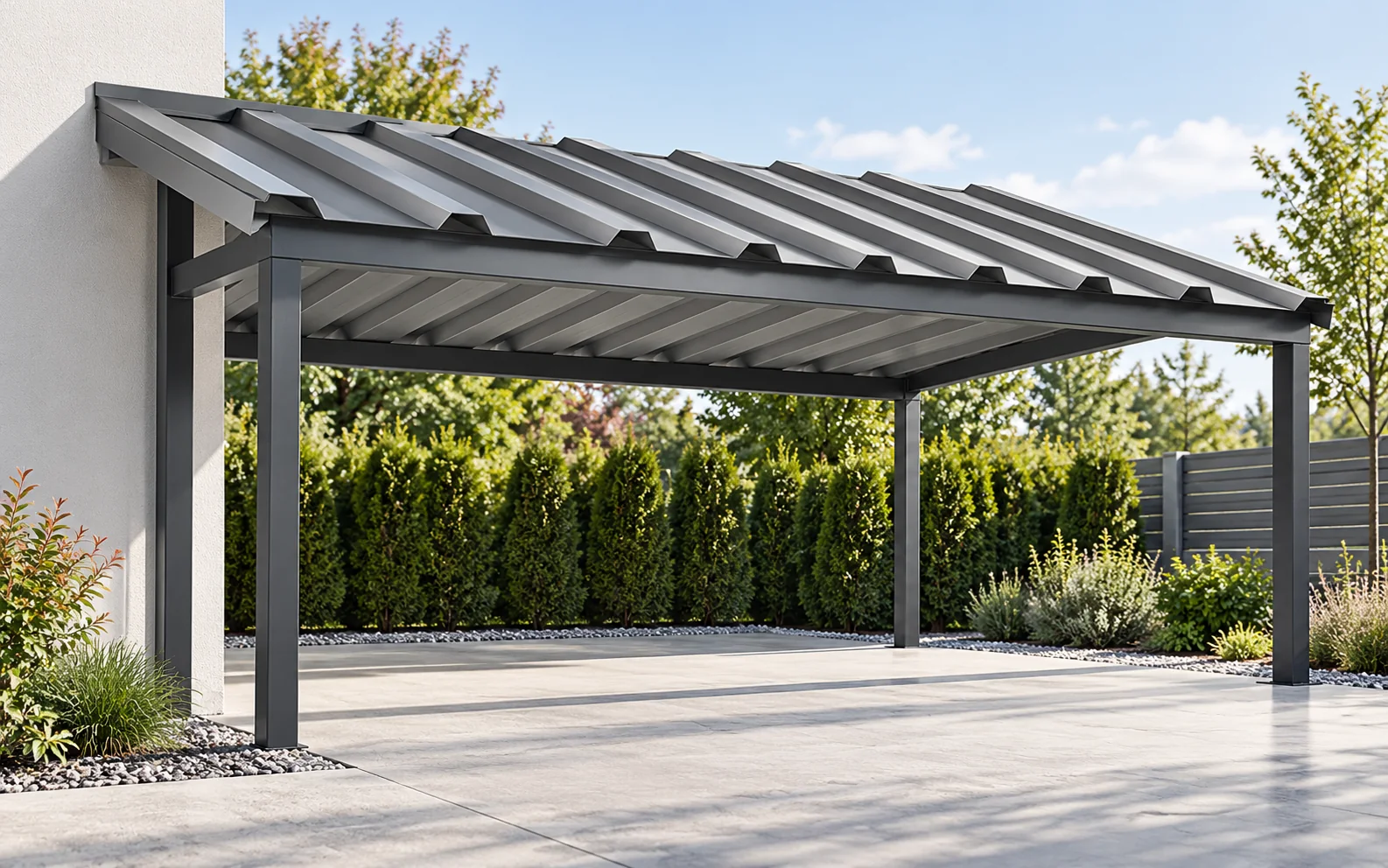
For a carport roof, T18 or T35 can be considered, but the choice is determined by the support spacing, pitch and loads.…
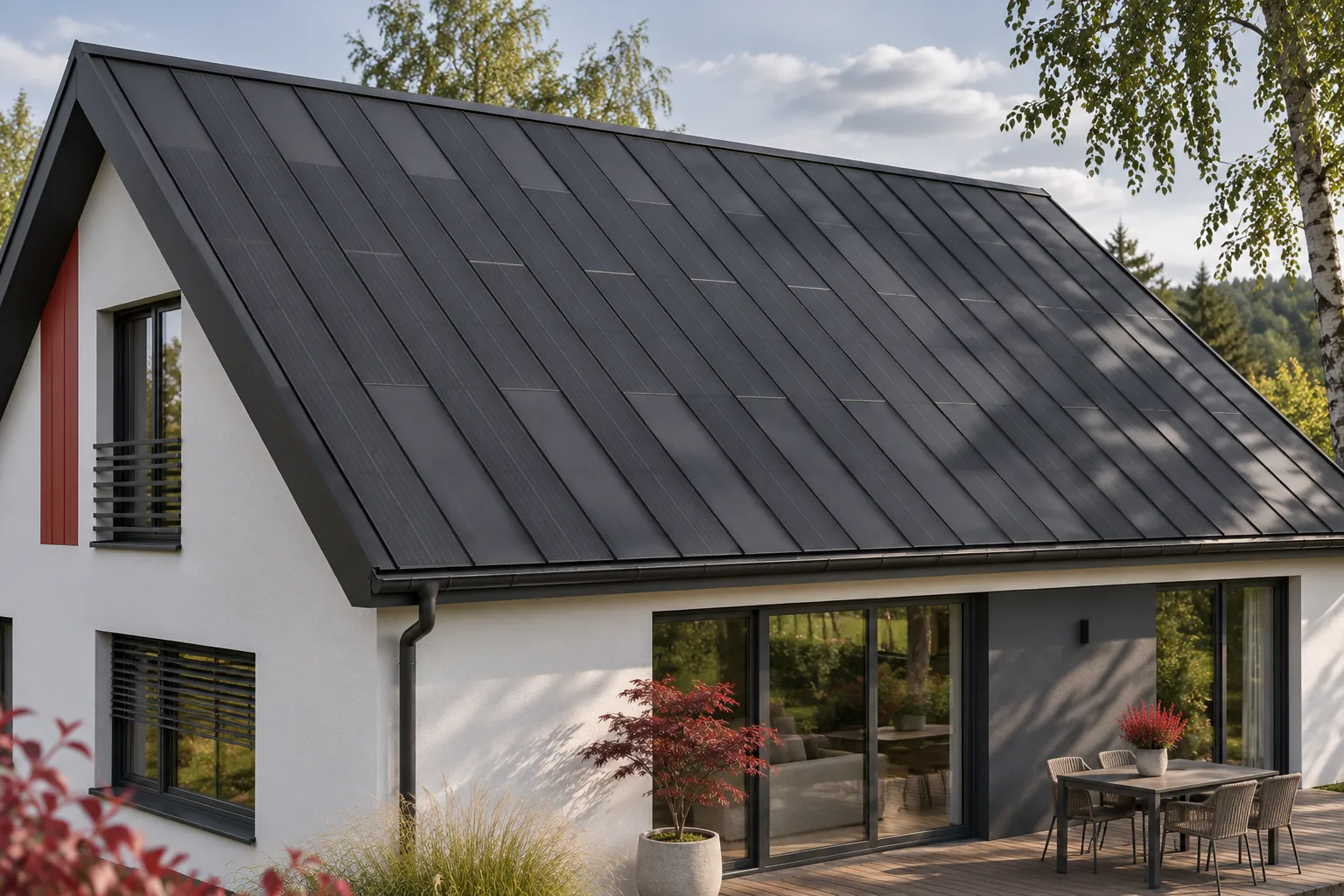
The price of one square metre of a solar roof does not answer the question of profitability. That figure may include both…