

Metal fence pickets and fences
How galvanising and colour coatings protect steel fence pickets
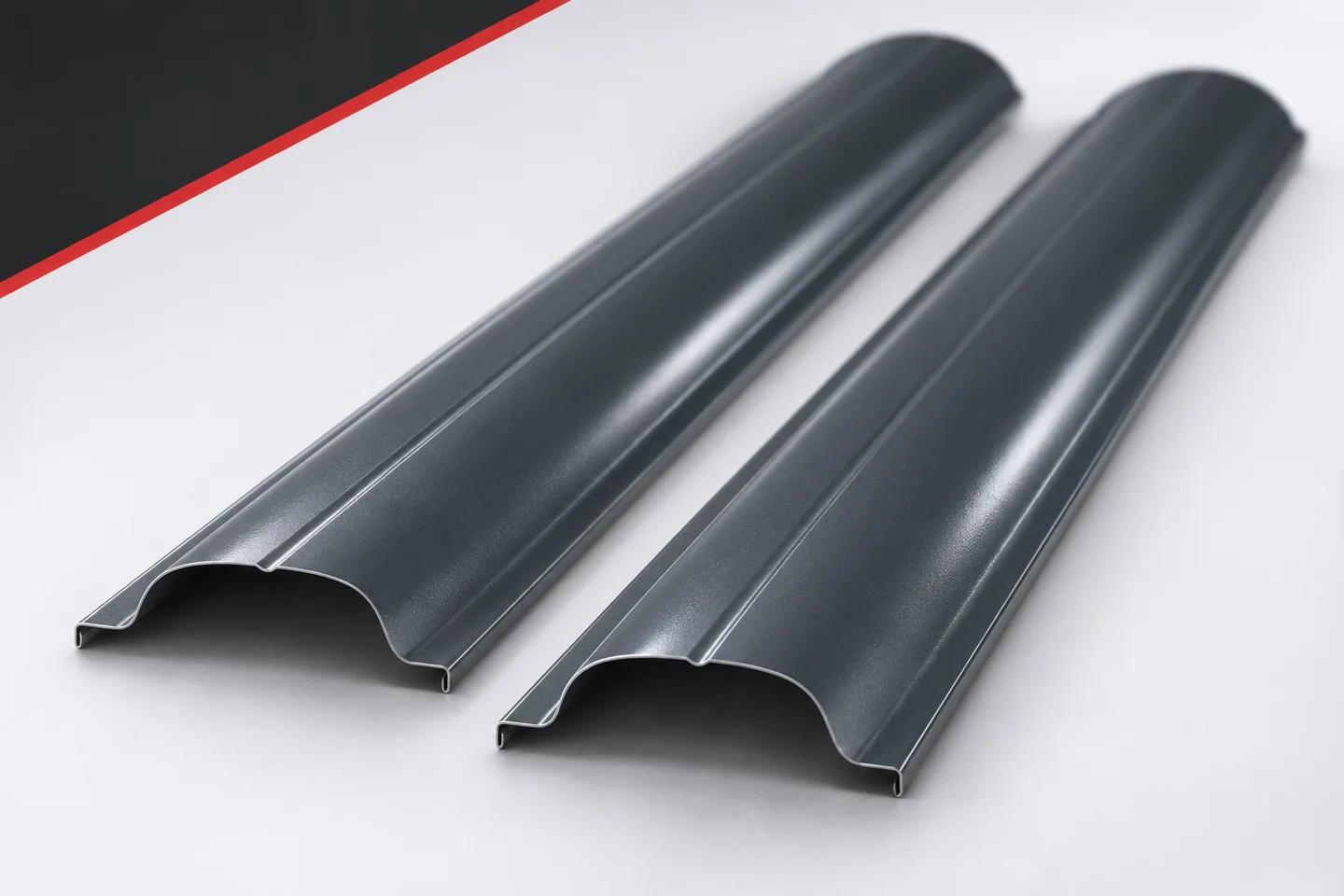
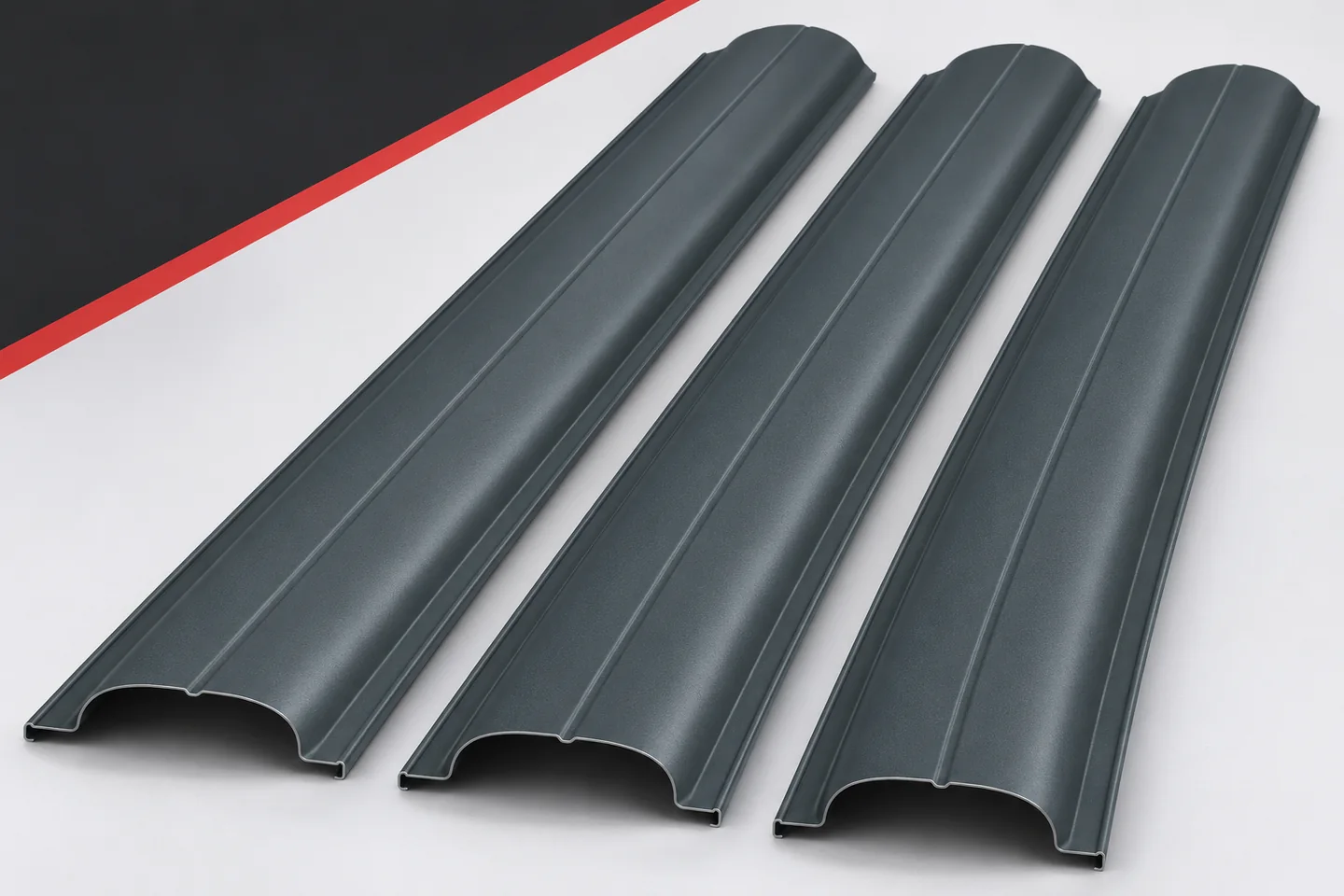
Colour is the last visible part of a picket’s protection. Beneath it lies a layer system that helps protect the steel. That is why, when choosing pickets made of coated sheet, it is worth knowing the difference between the core, the galvanising and the paint. This makes it easier to discuss material quality. It also helps avoid the mistake of treating two products in the same shade as technically identical. The steel core forms the basis of the picket. During production the sheet strip receives longitudinal folds and pressings. Thanks to them, thin material can form a stiffer profile than a flat strip of similar dimensions. Metal pickets nevertheless remain the infill of a fence. Their properties do not replace the correct choice of posts and rails.
In this article
Steel gives the element its shape and load-bearing capacity
When comparing thicknesses, check how the figure is stated. A document may describe the steel core or the finished product with coatings. These are not always the same quantity. Conversely, a greater depth of pressing does not automatically prove thicker sheet. It is worth reading these parameters separately.
Zinc is not a coloured paint
The zinc layer is primarily of protective importance. It separates the steel from its surroundings and provides electrochemical protection. This does not mean, however, that every surface defect will remain without consequences. Environmental conditions, the size of the damage and the duration of contact with moisture still matter.
At the purchasing stage, you can ask about the type and parameters of the metallic coating. Do not guess them from the word ‘galvanised’ alone. Comparing the mass of zinc with the thickness of the paint is equally misleading. The first quantity is usually stated as mass per unit area. The second is given as layer thickness.
The primer prepares the surface for the colour
Between the metallic layer and the decorative finish there are surface-preparation and primer layers. They help achieve adhesion of the subsequent coatings and protection against corrosion. The finished picket does not show them from the outside. That is why assessing quality by sight alone has natural limitations.
A sample will allow you to compare colour, texture and geometry. It will not replace material documentation. If an offer is based on coating durability, it should specify its type and intended use. A general phrase about several layers does not yet say what resistance a particular variant of sheet-metal picket has.
The organic coating provides colour and finish
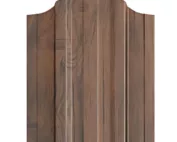
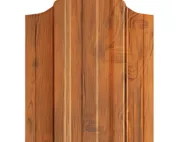
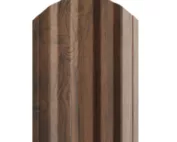
The outer layer is responsible for appearance and additional surface protection. Offers include metal pickets with matt, glossy and wood-effect finishes. The visual effect alone, however, is not a scale of durability. Matt is not automatically better than gloss, and a wood pattern does not determine scratch resistance.
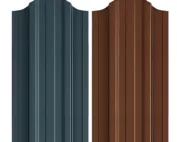
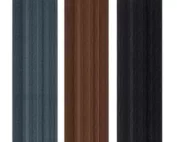
Two products in an anthracite colour may have a different paint structure. They then differ in light reflection and colour perception. Before buying, compare actual samples under the same lighting. A screen and a printed colour card are aids to selection, but they do not guarantee an identical effect on the fence.


The reverse side requires a separate question
Sheet-metal pickets may have a decorative coating on one or both sides. In the first case, the underside is sometimes protected with a different paint. It should not be called a raw surface without checking the product. Nor should it be assumed that it will look the same as the front.
On a fence visible from the terrace and the street, this choice is particularly important. Ask about the colour, type of coating and appearance of both surfaces. If both are to be presentable, a clearly described double-sided variant is needed. Information that the steel is protected on both sides alone does not confirm identical decoration.
Cut edges require proper handling
The edge after cutting has different protection conditions from the intact surface of the sheet. That is why pickets should not be shortened arbitrarily with a tool that heats the sheet strongly. Instructions for coated pickets sometimes recommend using shears and prohibit an angle grinder. The method specified for the purchased product should be used.
Swarf is removed immediately after drilling. If left on the paint, it can rust and cause marks around the working area. If a touch-up is needed, its type is matched to the coating. There is no single paint or single repair technique suitable for all metal pickets.
Documentation brings order to the decision
In the purchasing specification, record the material, the thickness according to the supplier’s definition, the profile and the finish of both sides. Add the colour and texture. Keep the installation instructions and warranty conditions separately. A description prepared in this way allows the delivery to be checked and the correct method of care to be established later.
You do not need to know the chemistry of every paint component to choose a fence sensibly. It is enough to understand the tasks of the individual layers and to ask about missing data. This allows sheet-metal pickets to be chosen as a complete product for specific conditions. Colour remains important, but it does not obscure the question of durability.
Do not confuse coating application technologies
The phrase ‘coloured steel’ does not indicate whether the decoration was applied to the finished element or whether the profile was made from sheet coated beforehand. These processes should not be equated. If the method of manufacture matters for comparing offers, ask for it to be confirmed in the documentation. The mere presence of the word ‘polyester’ does not describe the entire production process. Assess the final product together with its declared properties and recommendations. You will then avoid attributing to it the characteristics of another system simply because both have a similar colour.
7 branches. Materials closer to your project.

Free quote
Materials for your project

You may also find useful…
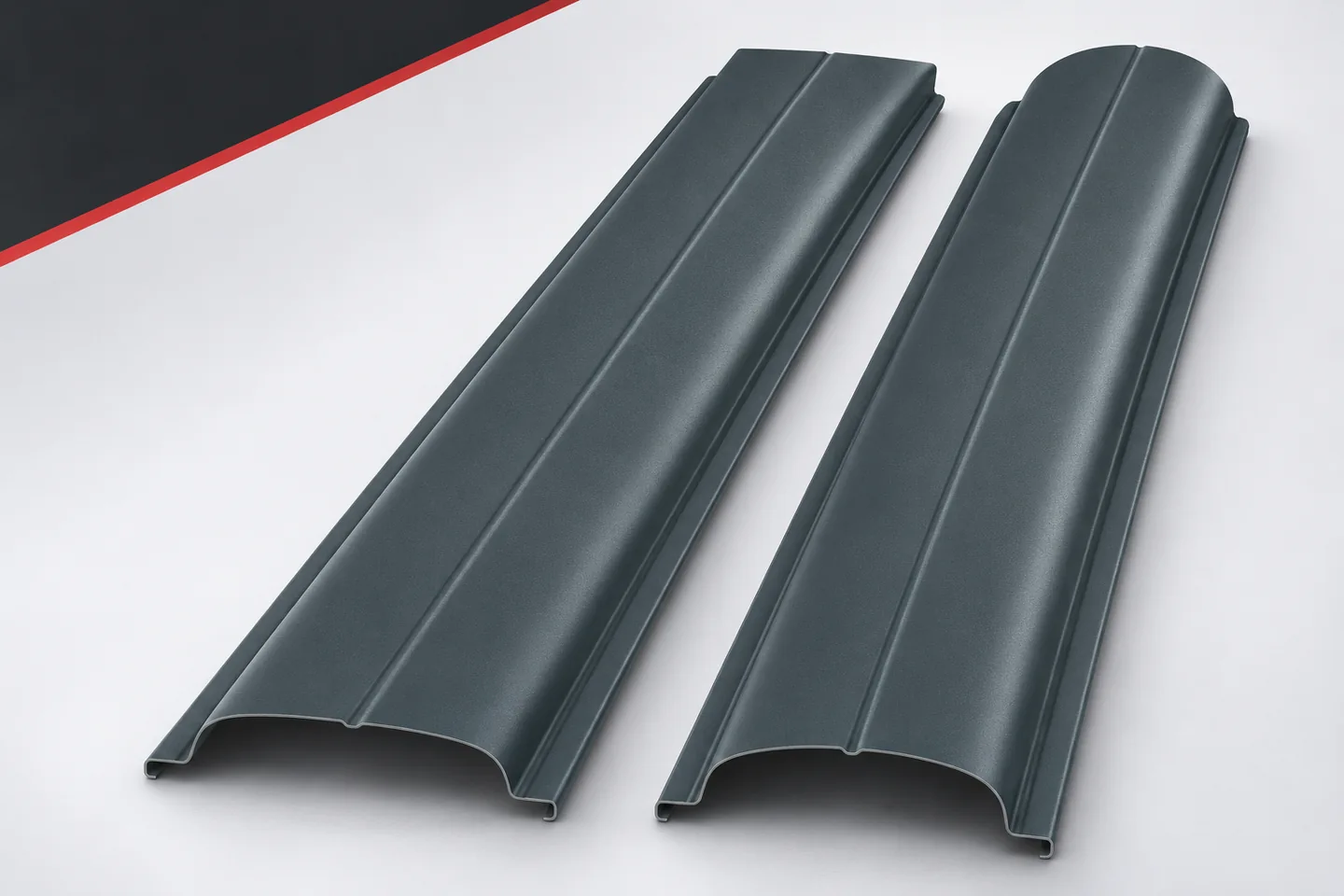
A correctly manufactured picket can still be damaged before installation. All it takes is improper handling, friction within the bundle or storage…
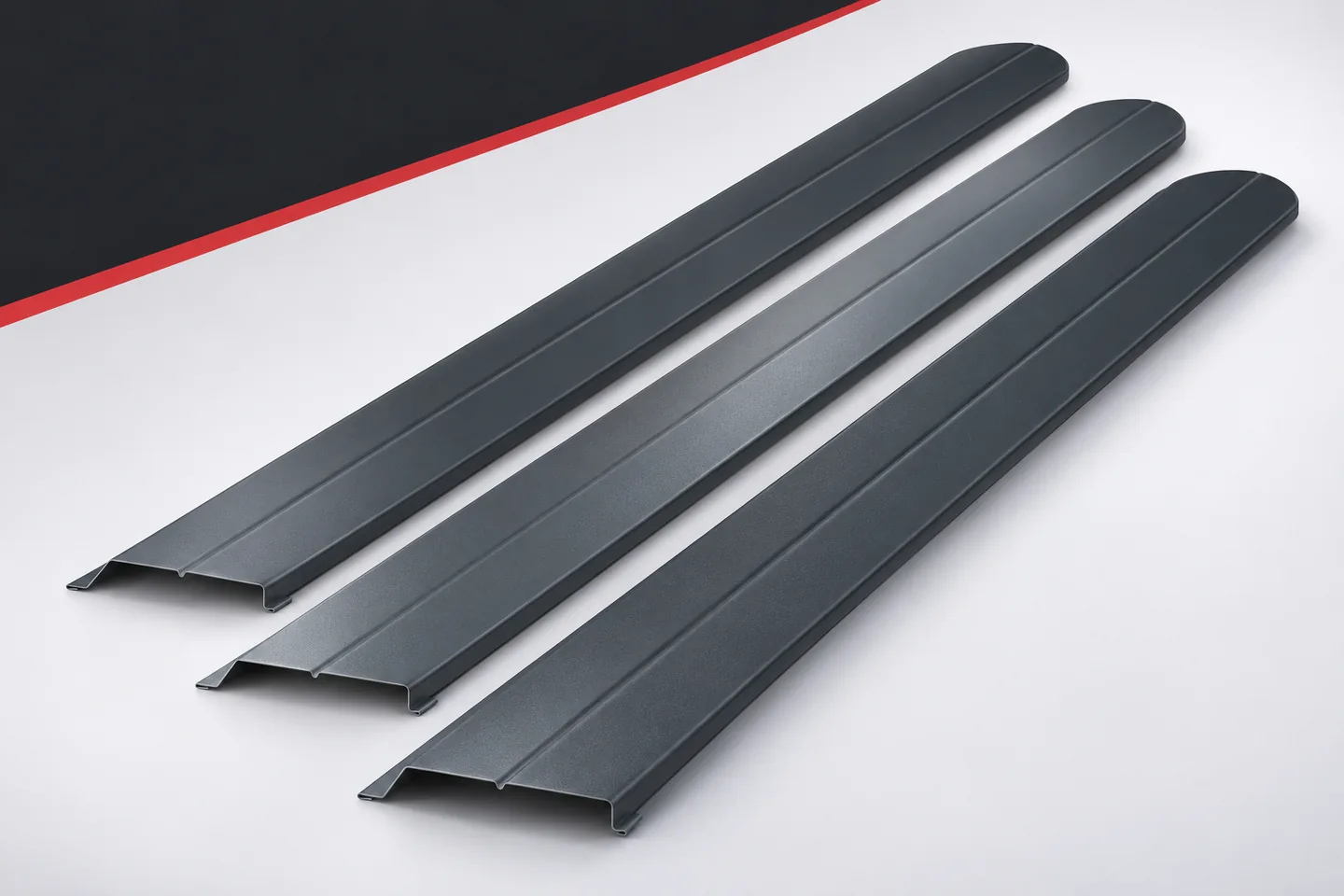
Slim metal pickets can give a fence a light appearance. Thin sheet metal and open gaps do not, however, mean that the…
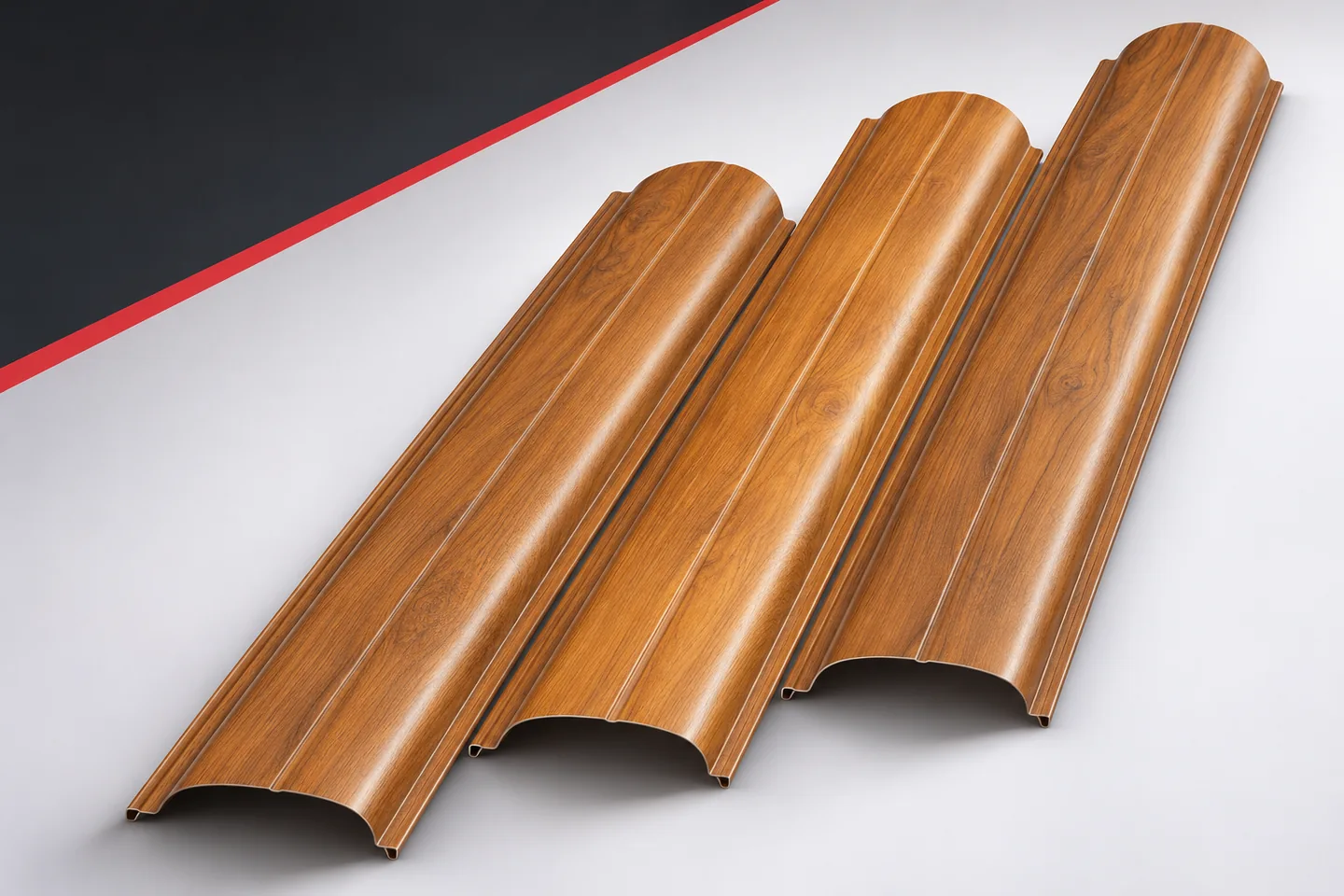
A warm fence colour can be achieved without using timber boards. Metal slats with a wood-effect finish combine a steel profile with…
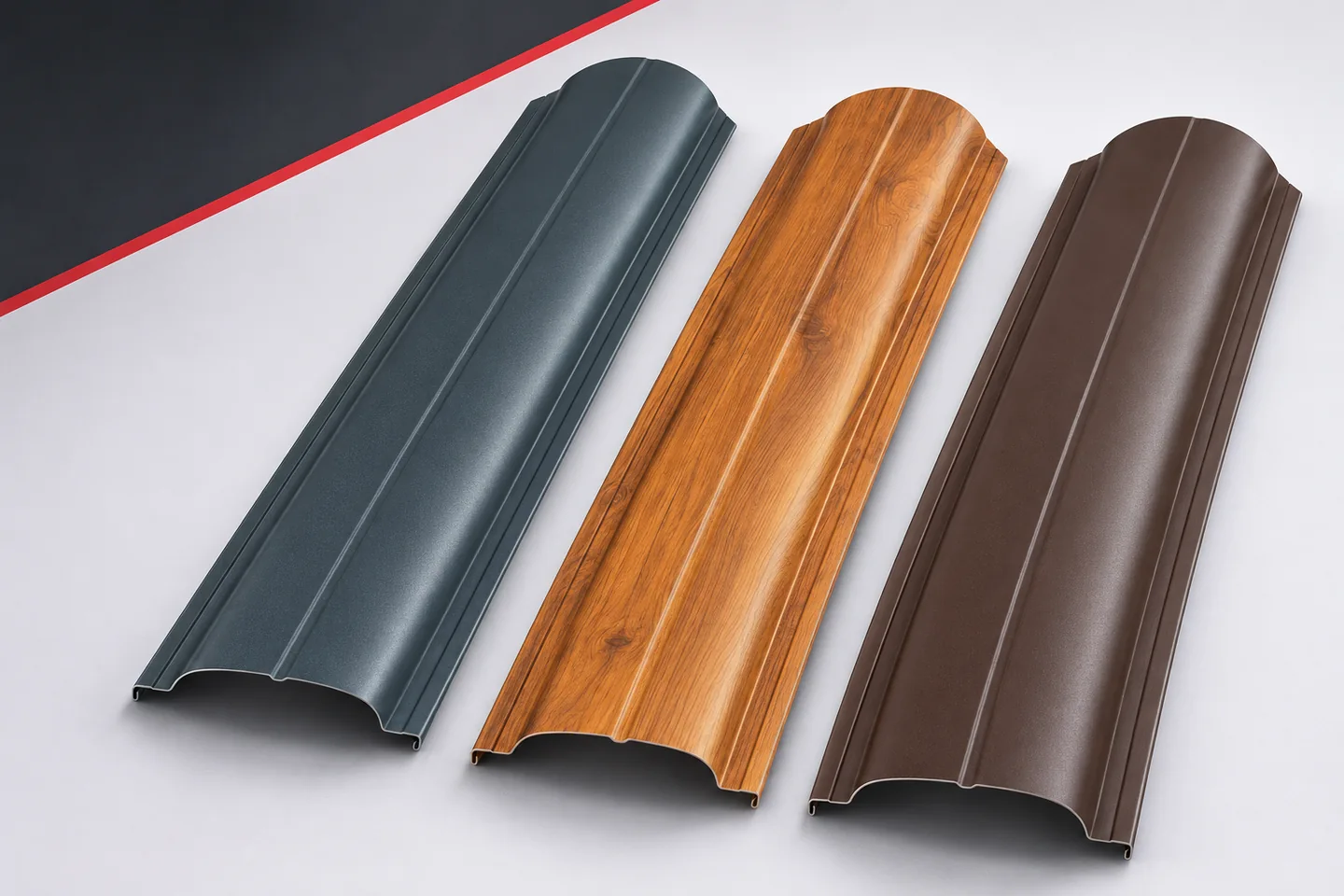
On screen, several shades of anthracite can look almost identical. On a fence, the difference in gloss, texture and lighting can be…
One practical advantage of pickets made from coated sheet steel is that they come with a factory finish. There is no need…
Metal pickets allow the appearance, gap width and height of the fence to be matched to the property. A factory-applied coating limits…
Changing the layout of a plot does not always mean the whole fence has to be thrown away. Some slats can be…
The purchase price does not reflect the full cost of using a fence. Washing, minor repairs, replacement of components and the time…