

Metal sheets and roofing
Is anti-condensation fleece under a metal roof enough when humidity varies?
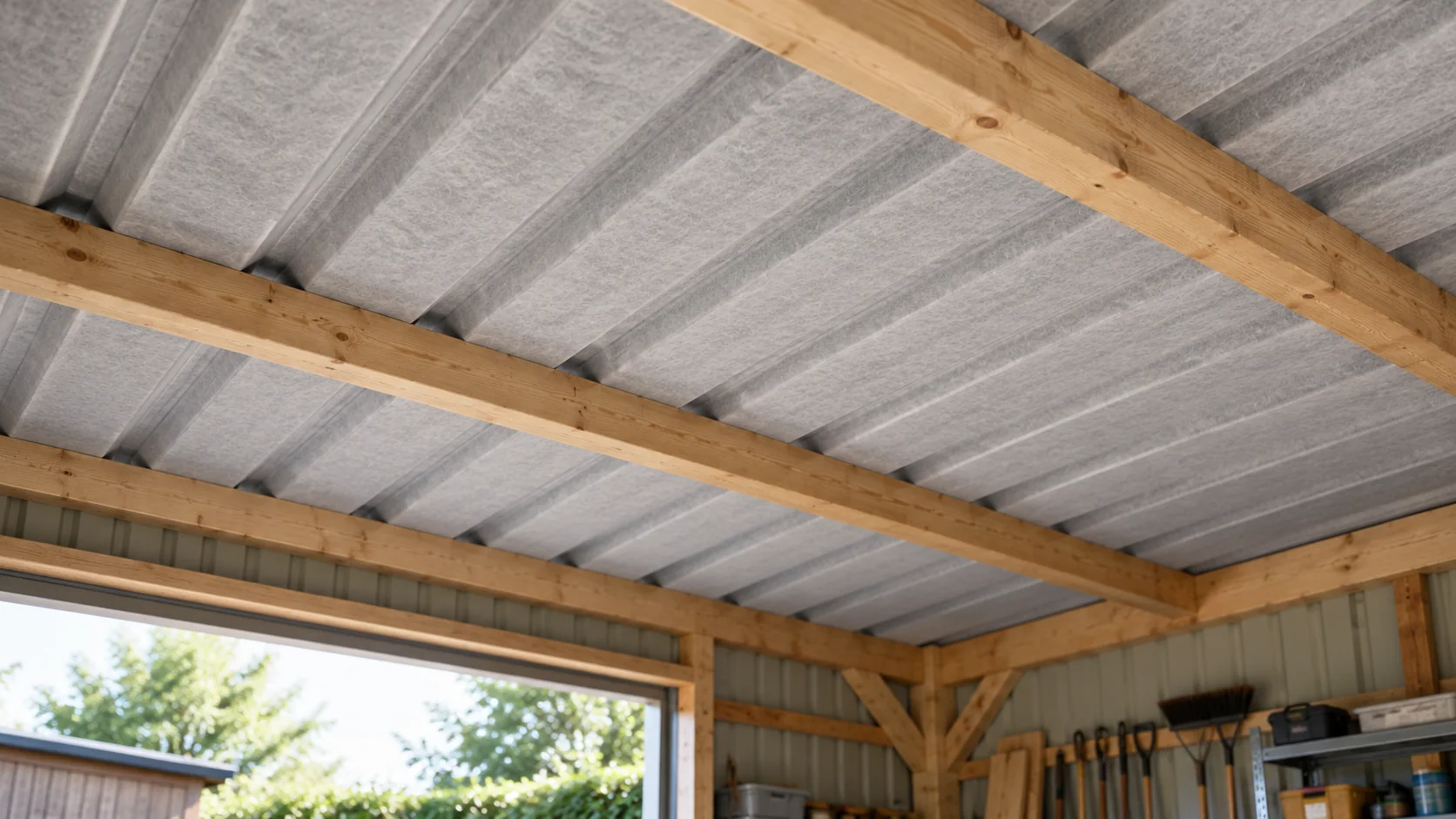
Anti-condensation fleece can reduce dripping from the underside of an uninsulated metal roof if it has time to dry between periods of high humidity. A rain-soaked car, a newly laid floor or the enclosure of a previously open shelter can change that balance. Before ordering sheets with a fleece backing, identify where moisture comes from and how it leaves the building. When humid air meets a sufficiently cold surface, water vapour condenses. Metal roofing responds quickly to changes in temperature, so droplets can form underneath an intact roof even after a dry night, especially when the indoor air is humid.
In this guide
Why does water form under a watertight roof?
A car brought into a garage after rain or snow carries water inside. In a new building, wet construction materials release moisture as they dry. In a workshop, the work itself can generate water vapour. Record when droplets appear and how long they last. This helps distinguish a brief episode of condensation from a persistent problem with air exchange.
How does the fleece on the underside of the sheet work?
The fleece holds some of the condensate as it forms, delaying the point at which water drips. When conditions allow evaporation, the moisture passes back into the air and the fleece dries. Its storage capacity is limited. If more water collects than it can hold or the fleece stays wet between cycles, the roof can still drip.
For absorbency figures, consult the data for the actual fleece and the conditions under which it was tested. Values vary by product. A fleece backing provides neither roof insulation nor a seal for leaking laps. On a residential roof, check the requirements for the complete underlay and roof build-up separately.
How can you tell whether the fleece has enough time to dry?
If the fleece stays wet for days, trace the sources of water vapour and check the path air takes through the building. A log of temperature and relative humidity helps you distinguish moisture left by a particular activity from a persistent high level. A more absorbent fleece can store more water, but the source and the drying conditions still need attention.
Consider a shelter whose open sides are clad in autumn. Air used to flow freely across it. Now wet vehicles park inside and the door stays shut. The roof covering is the same, but it has less opportunity to dry. Assess both the ventilation and the way the enclosed space is used.
Why do the edges and laps need special attention?
Where fleece comes into contact with rainwater, it can draw water in by capillary action. Eaves and laps may need specially prepared zones to limit this effect. Follow the details specified for the sheet and fleece you are using. Burning, peeling or painting the fleece requires a method expressly specified for that product.
Check that the delivered sheets have the specified edge preparation and that the installer knows where each prepared area belongs. Confirm the cutting layout before turning sheets round or swapping ends. Water should follow the intended drainage path. If the fleece is wet at an edge, investigate both condensation and rainwater entering at that detail.

What changes when you start heating the garage?
When heating is added and people work in the garage more often, reassess the whole roof assembly. Thermal insulation, airtightness and the sequence of layers become important. Before covering the fleece with insulation, inspect the existing roofing and establish how the areas concealed by the conversion will dry.
Regular washing or a process that generates large amounts of water vapour calls for the same assessment. The fleece may still help control drips, while ventilation must carry the moisture out of the building. Some uses call for a different roof assembly. Compare options against those conditions as well as the extra cost per square metre of sheet.
How should you look after the sheets before and after installation?
Follow the product’s storage instructions and keep the fleece side from remaining wet. A damp pack of sheets left closed has little chance to dry. Keep the fleece clean and protect it from damage during handling. Check product compatibility before bonding anything else to it, as extra layers can affect both its function and the roof assembly.
Once the building is in use, inspect the roof and keep the ventilation openings clear. Moving stock or shelving can block openings or obstruct airflow. If dripping starts, record the circumstances and check the roof for leaks as well. Knowing where the water comes from helps you choose between repairing a junction, drying the material and changing the operating conditions.
Questions and answers
Does the fleece remove moisture from the building?
The fleece stores some water temporarily and releases it again as it dries. Effective air exchange is still needed to carry that moisture outside.
Can you judge the effectiveness of a fleece by its thickness alone?
Check the documented properties of the specific fleece and how readily it can dry in the building. Appearance or thickness alone gives too little information to judge suitability for the intended use.
7 branches. Materials closer to your project.

Free quote
Materials for your project


You may also find useful…
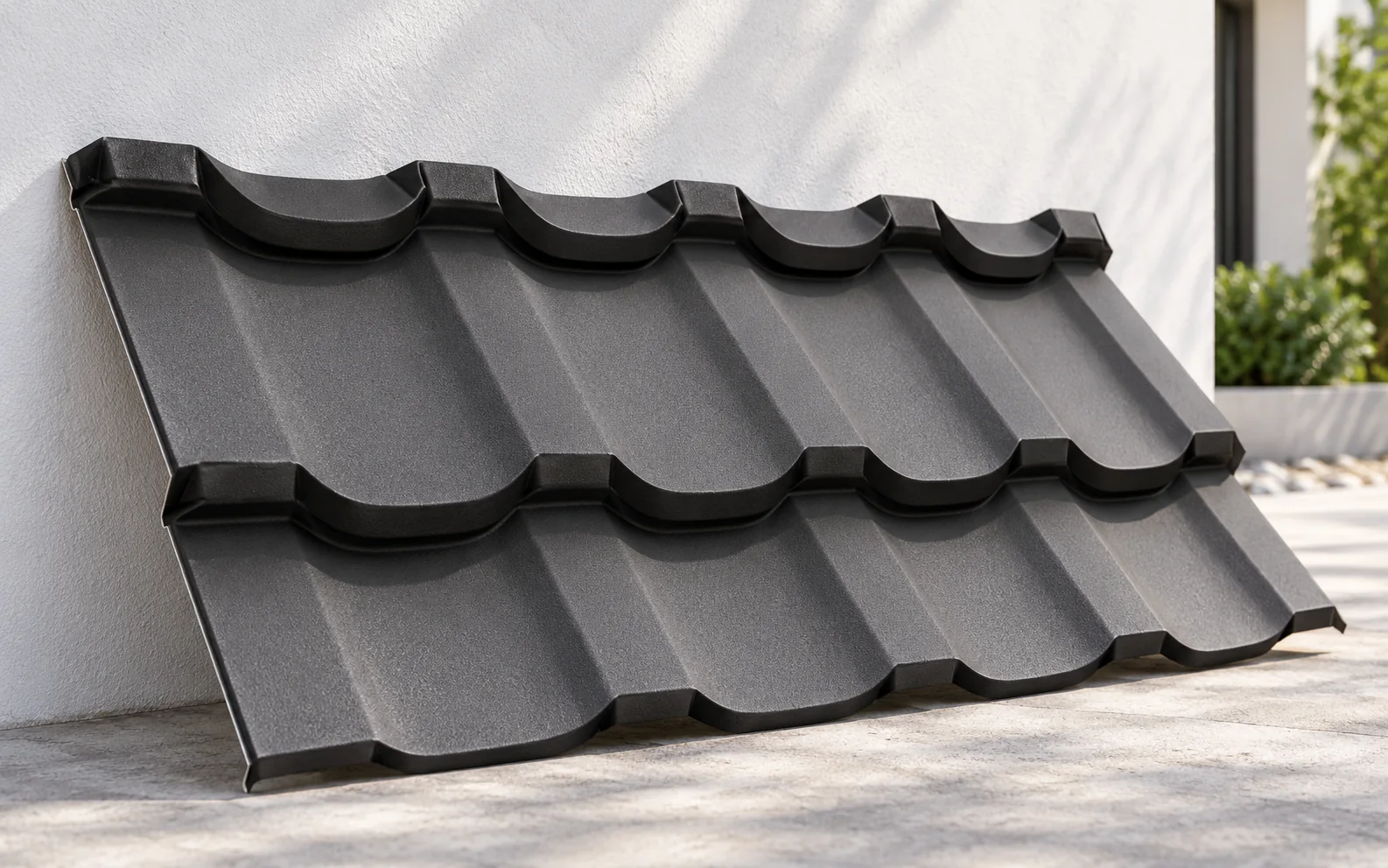
Concrete tiles and tile-effect steel place different loads on the same roof and call for different delivery arrangements. Compare their weight per…
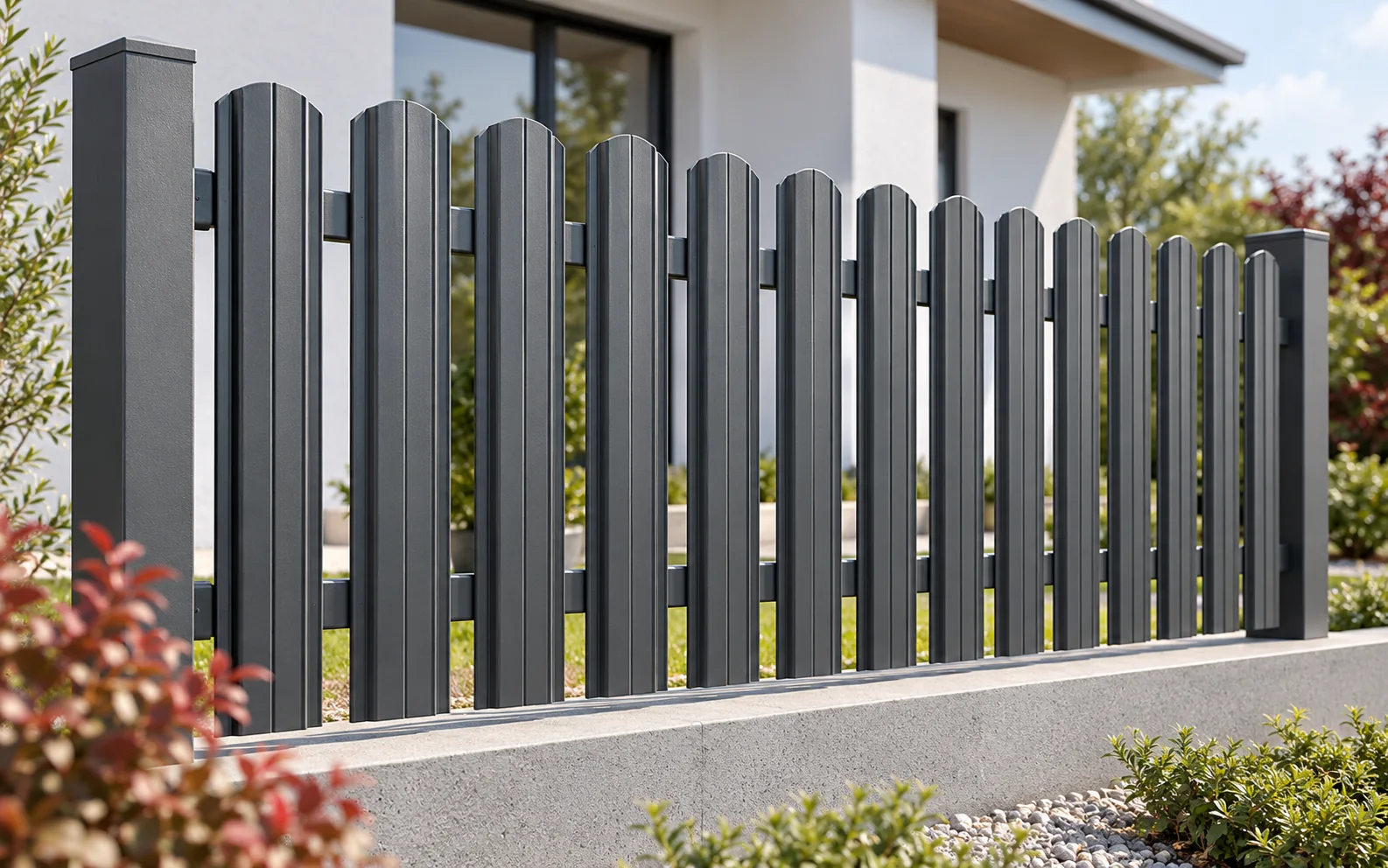
A sheet-metal panel fence may have a solid infill or bays made of metal pickets. Its properties are determined by the construction,…
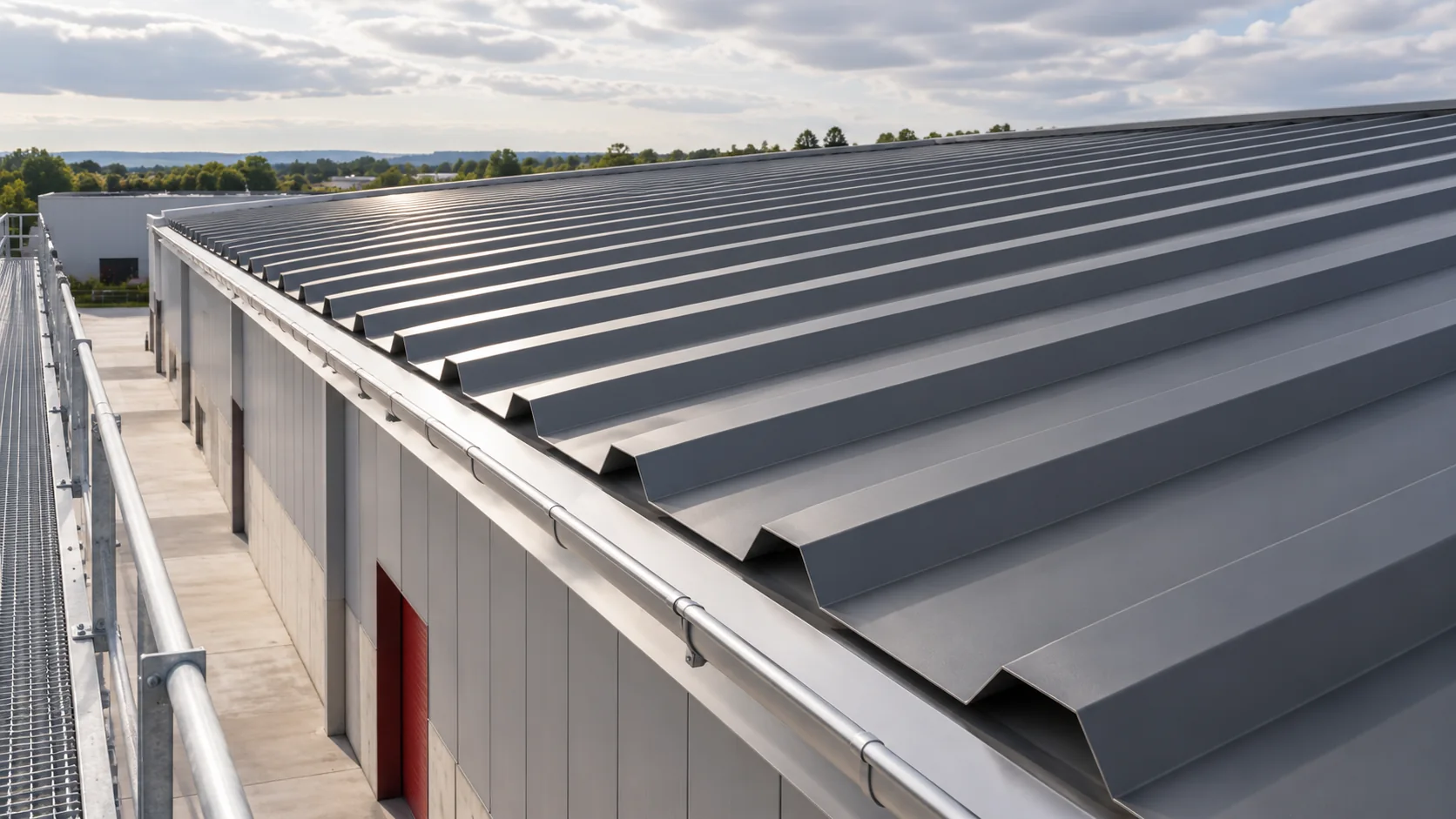
Switching from T18 to a deeper profile changes the stiffness, appearance and layout of a roof. Check the existing supports, the number…
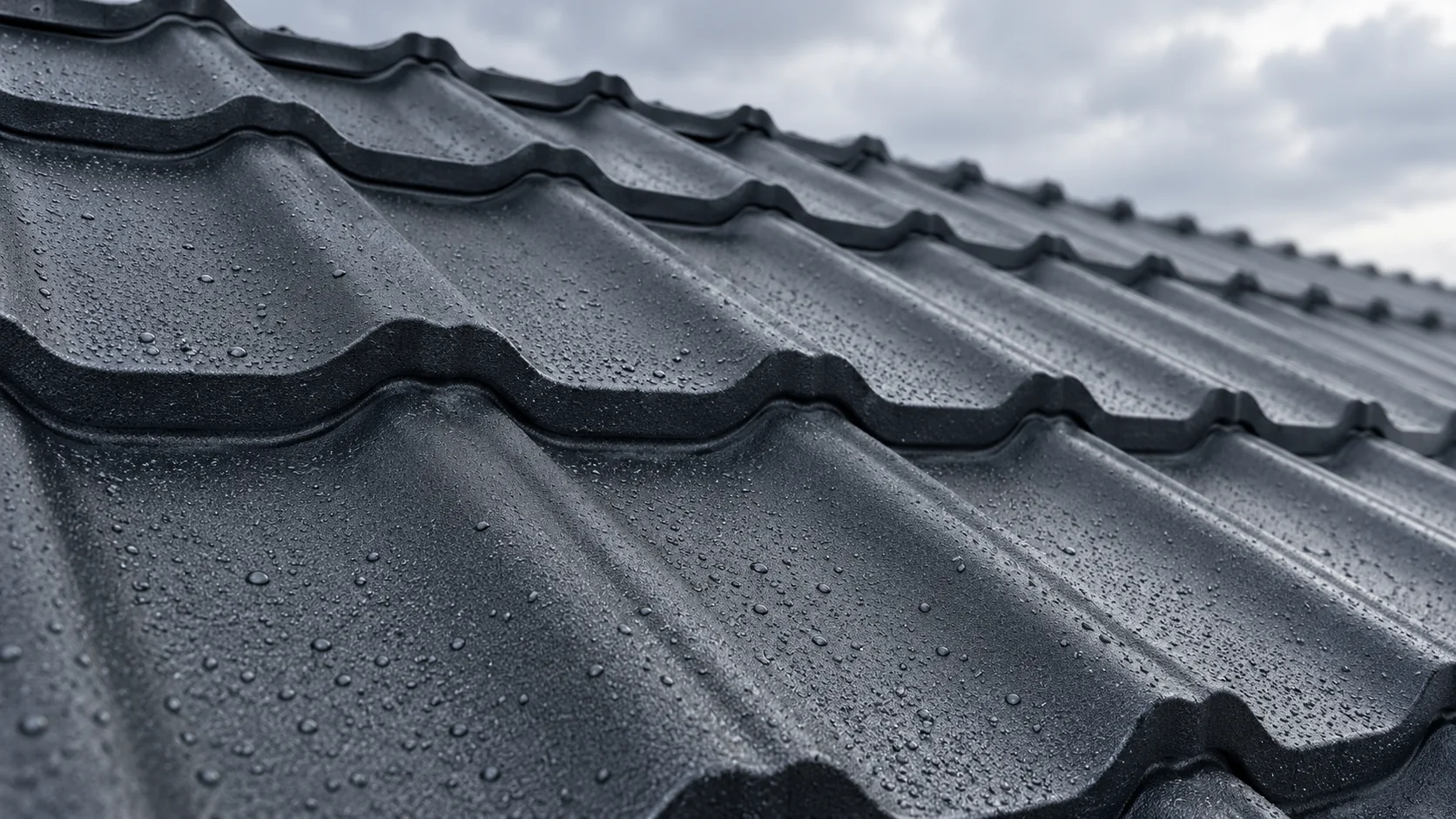
Two tile-effect steel sheets can look identical from the road yet differ in steel grade, core thickness, metallic coating and surface finish.…
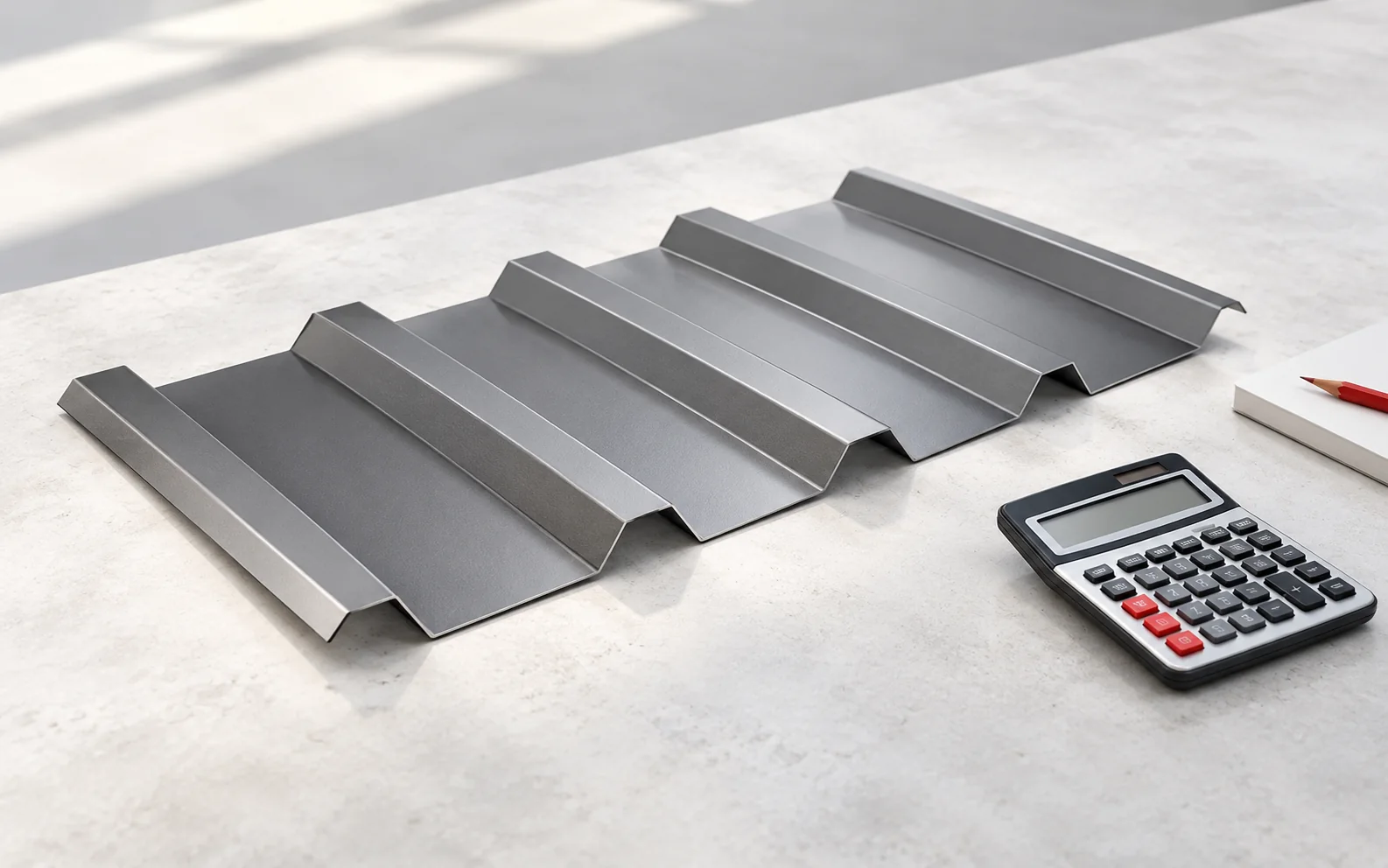
To compare T18 and T35 trapezoidal steel sheets, prepare a sheet schedule for the same roof slope. Check the effective width of…
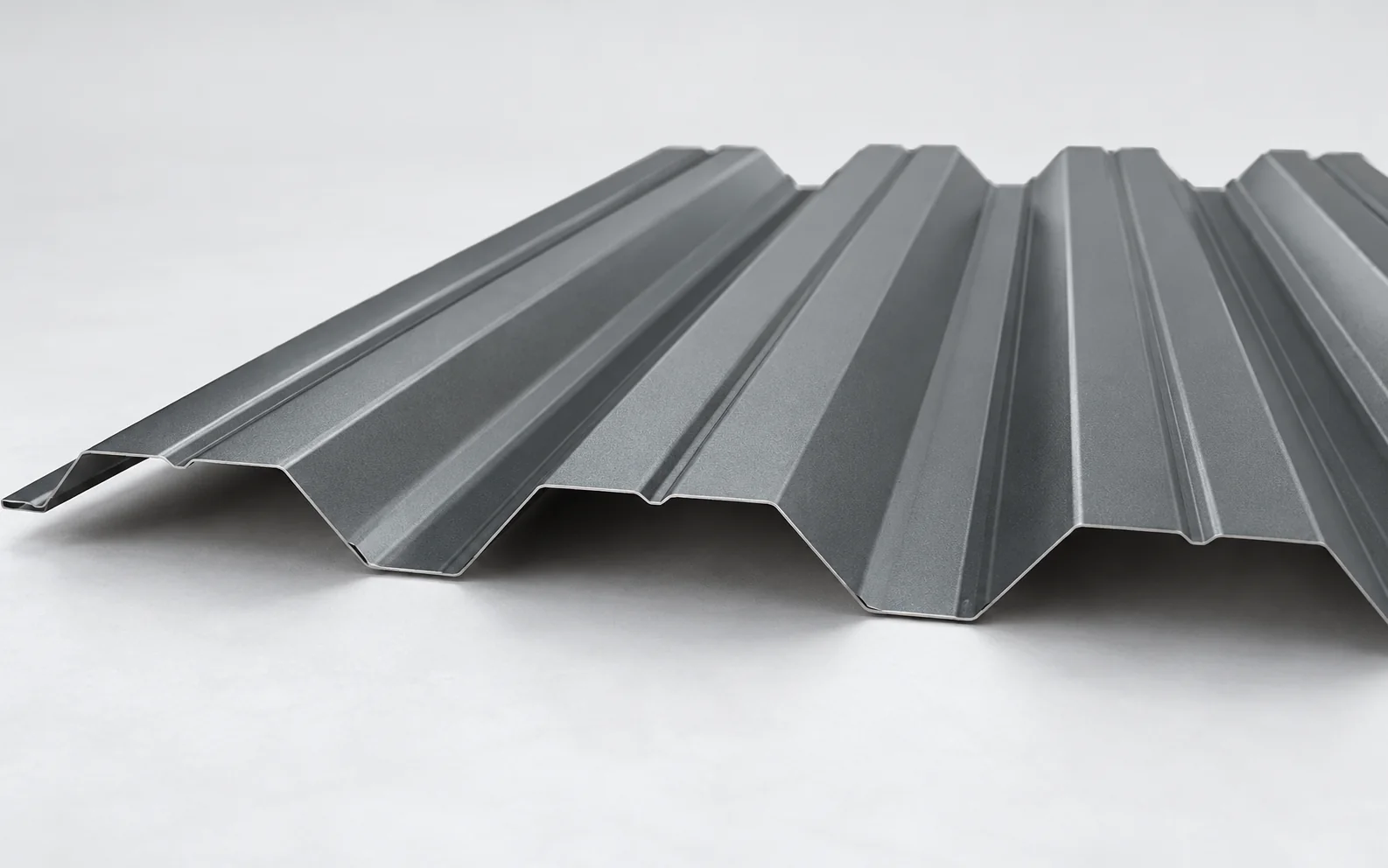
A cladding sheet closes a roof or façade and transfers its loads to the supports. A structural sheet is selected for a…
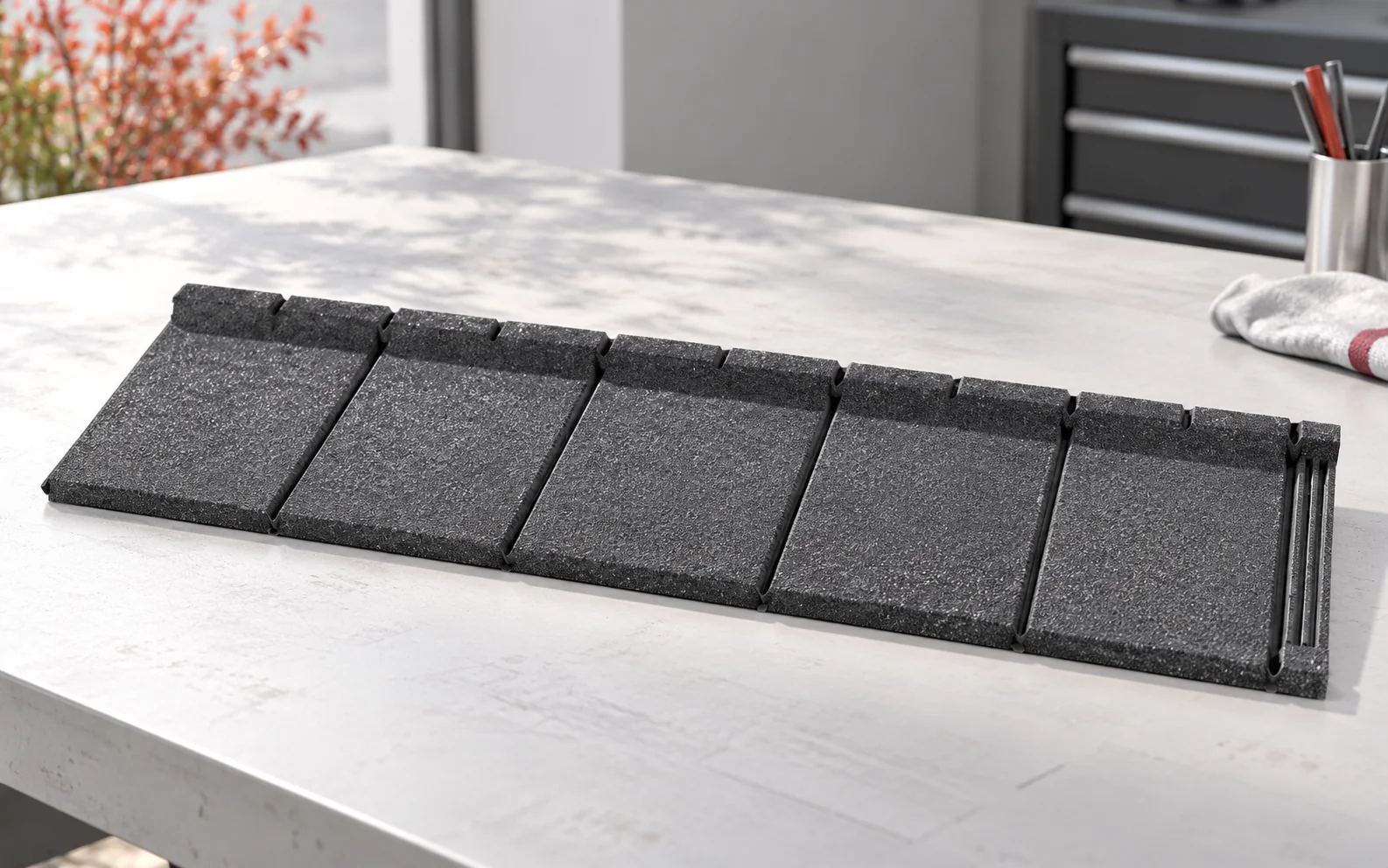
A granular-coated tile-effect metal roof has a steel core and an outer layer of fine mineral aggregate held by a suitable binder.…
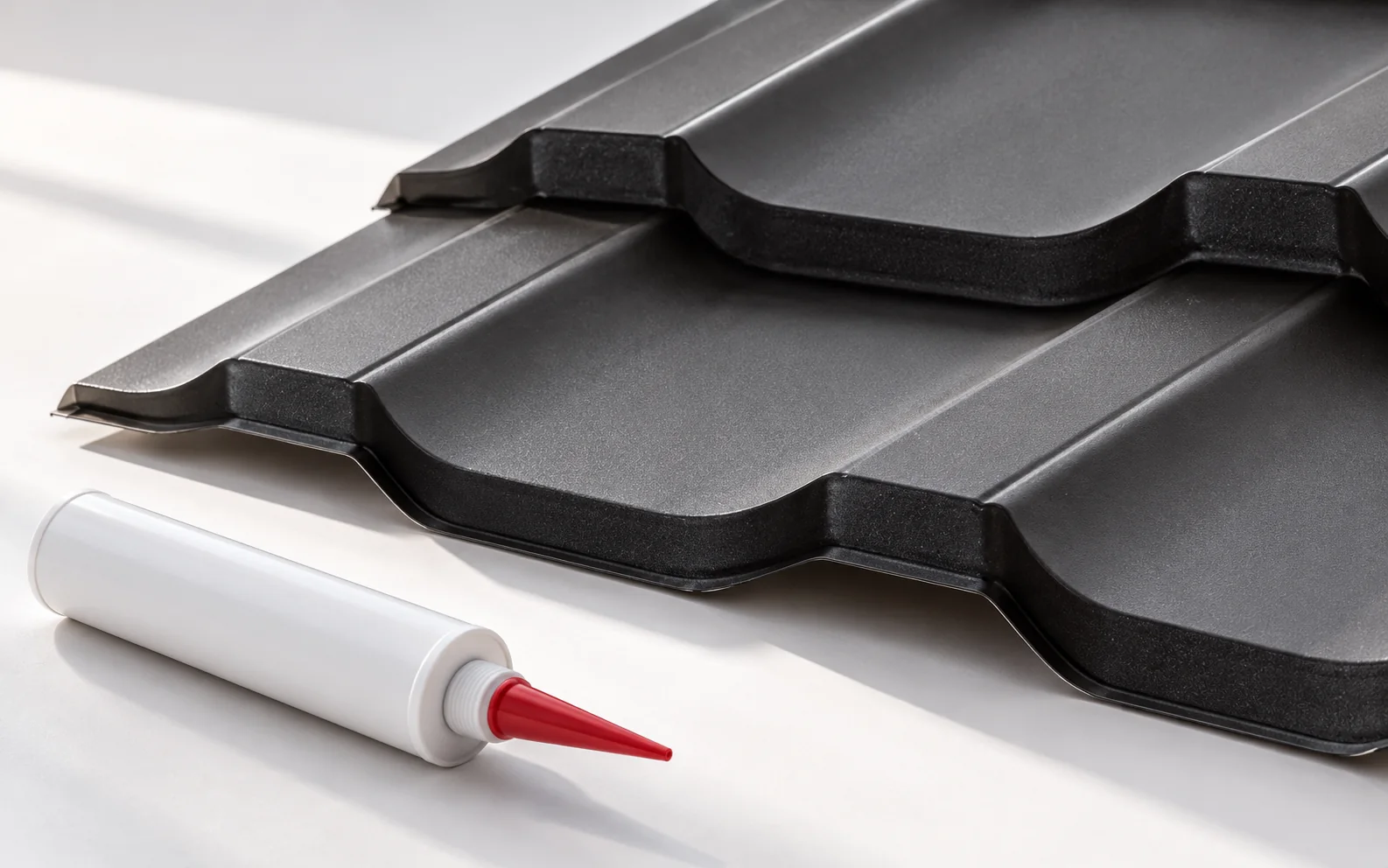
A leak in a metal roof requires determining the location and cause of the leak before reaching for a repair product. Tape,…