

Construction and design
How does stone-coated metal roofing differ from a smooth finish?
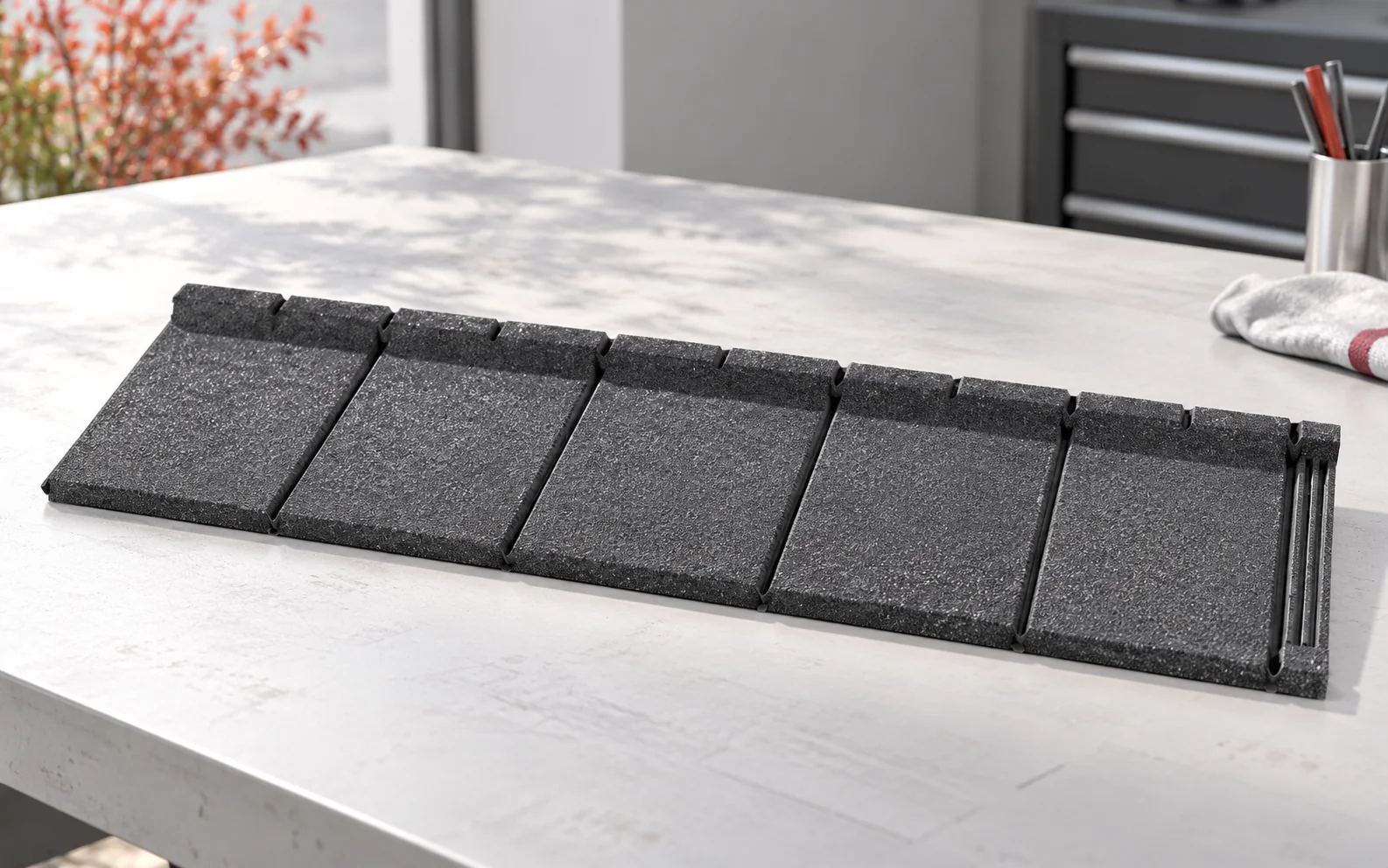
A granular-coated tile-effect metal roof has a steel core and an outer layer of fine mineral aggregate held by a suitable binder. It gives a rougher, matt surface than typical smooth metal. When choosing, it is worth comparing appearance, format, method of fixing and maintenance. The granulate alone does not replace insulation or correct installation. The layers that form the mineral-granulate surface are applied to a protected steel component. The exact arrangement of the protective layers and binder depends on the product. It is therefore not ordinary smooth metal loosely sprinkled with stone. The outer layer is part of the product and should be assessed together with its core and protection. The granulate diffuses light and creates a fine texture.
In this article
How is the characteristic surface created?
The layers that form the mineral-granulate surface are applied to a protected steel component. The exact arrangement of the protective layers and binder depends on the product. It is therefore not ordinary smooth metal loosely sprinkled with stone. The outer layer is part of the product and should be assessed together with its core and protection.
The granulate diffuses light and creates a fine texture. As a result, the roof can resemble other materials, although it remains a metal covering. When choosing, look at a larger sample. A photograph of a small fragment easily exaggerates the roughness, while a picture of the whole house may barely show it.
How does it compare with smooth tile-effect metal roofing?
Smooth tile-effect metal roofing, whether cut or modular, has a surface finished with a specific organic coating. It may be matt or more glossy, but it does not create the same structure as granulate. This is a visual and practical difference, not an automatic ranking of quality. Both groups have various material variants.
Compare specific systems with known parameters. Price and warranty depend on the type of steel, protection and workmanship. A more expensive surface does not mean that details can be neglected. Conversely, a smooth module is not worse merely because it has no granulate. What matters is the fit with the building and the desired appearance.
Does the granulate provide a quieter loft?
The additional layer may influence the acoustic behaviour of the element, but it does not give one universal sound-reduction value for every roof. If quietness matters, comparable test data for complete assemblies are needed. A claim about a quiet covering does not yet describe the conditions in a bedroom beneath the roof slope.
Insulation, loft lining, airtightness and the method of fixing are of great importance. The granulate does not replace these layers. Nor should a reduction in the sound of rain be confused with insulation against street noise. These are different situations, assessed on the basis of the relevant parameters of the building element.
What difference do the weight and format of the element make?
A covering with granulate remains a relatively light solution, but its weight must be checked for the specific product. Additional layers may increase the weight compared with smooth metal. There is no basis for omitting an assessment of the old roof structure on this ground. The condition of the structure still requires checking.
Many such coverings come as small panels. This makes transport and handling easier, but does not eliminate waste at valleys and hips. The cutting plan should take account of the direction of the laps. A smaller panel is not automatically cheaper to lay, especially when it requires an installer familiar with a different method of fixing.

Can it be installed like an ordinary module?
Do not copy the layout from smooth tile-effect metal roofing. Systems with granulate may have different fixing points, fasteners and laying sequence. The batten spacing also depends on the chosen profile. The details are determined by the instructions, not by the mere fact that both materials are made on a steel core.
The minimum pitch and the details at the eaves, chimney and ridge require separate checking. Accessories should match the geometry and the intended technology. Improvising on the basis of a similar shape is not permitted. Correct connections must drain water and hold the covering under wind action.
How should snow, dirt and inspections be handled?
The rough surface influences how snow behaves, but does not replace designed safeguards where they are needed. The roof load and safety below the eaves must be taken into account. It should not be assumed that snow will always stay in place simply because of the mineral texture.
The surface is cleaned by the method permitted for the specific product. A strong jet of water or a hard brush may damage the outer layer. The inspection covers the condition of the covering, flashings and drainage. Loose dirt in the valley or gutter must be removed regardless of the type of metal finish.
When is it worth choosing this variant?
Granulate makes sense when you value its texture and have an installer who knows the system. Before deciding, compare the complete cost with smooth modular and cut tile-effect metal roofing. Include accessories, labour and the availability of matching components. The price of the panel alone does not show the difference between finished roofs.
Also check the rules for matching colour batches and keep the labels. Natural aggregate may show slight differences in shade. On a larger roof slope, the delivery plan matters for visual consistency. The choice should take account of both the initial effect and later inspections and any repairs.
A tip before ordering
For comparison, place a sample of smooth matt finish next to a sample with granulate in a similar colour. Look at them from a few metres away. You will gain a realistic picture of the difference in texture, instead of judging it solely from a heavily magnified photograph.
What is worth remembering?
Granulate primarily changes the surface and the way a metal roof is perceived. It can be a good aesthetic choice, but it requires the right installation system and maintenance. Comfort, durability and safety still result from the entire building element.
7 branches. Materials closer to your project.

Free quote
Materials for your project
You may also find useful…
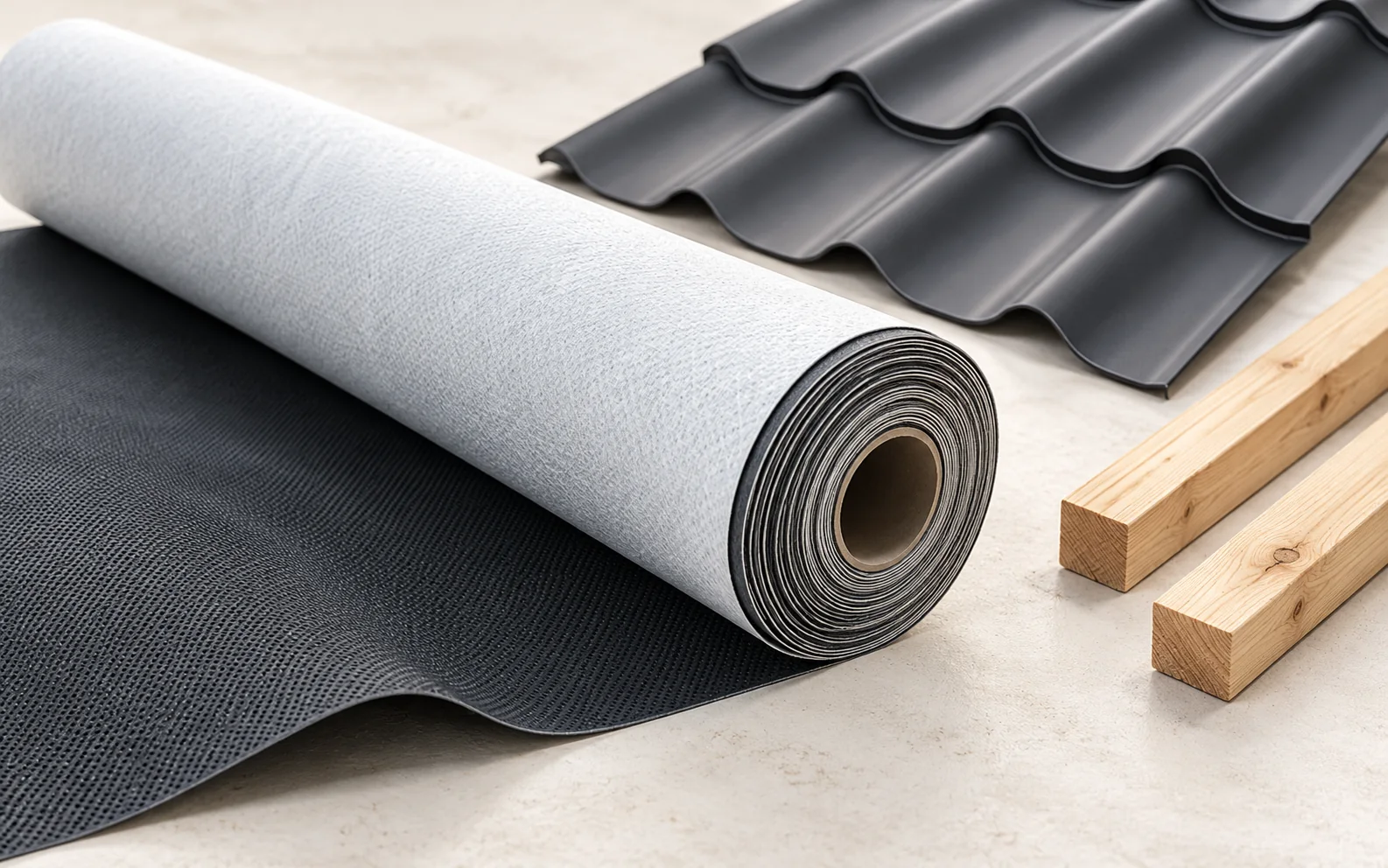
Roofing film is too broad a term to use when buying the right material. The membrane under the covering has a different…
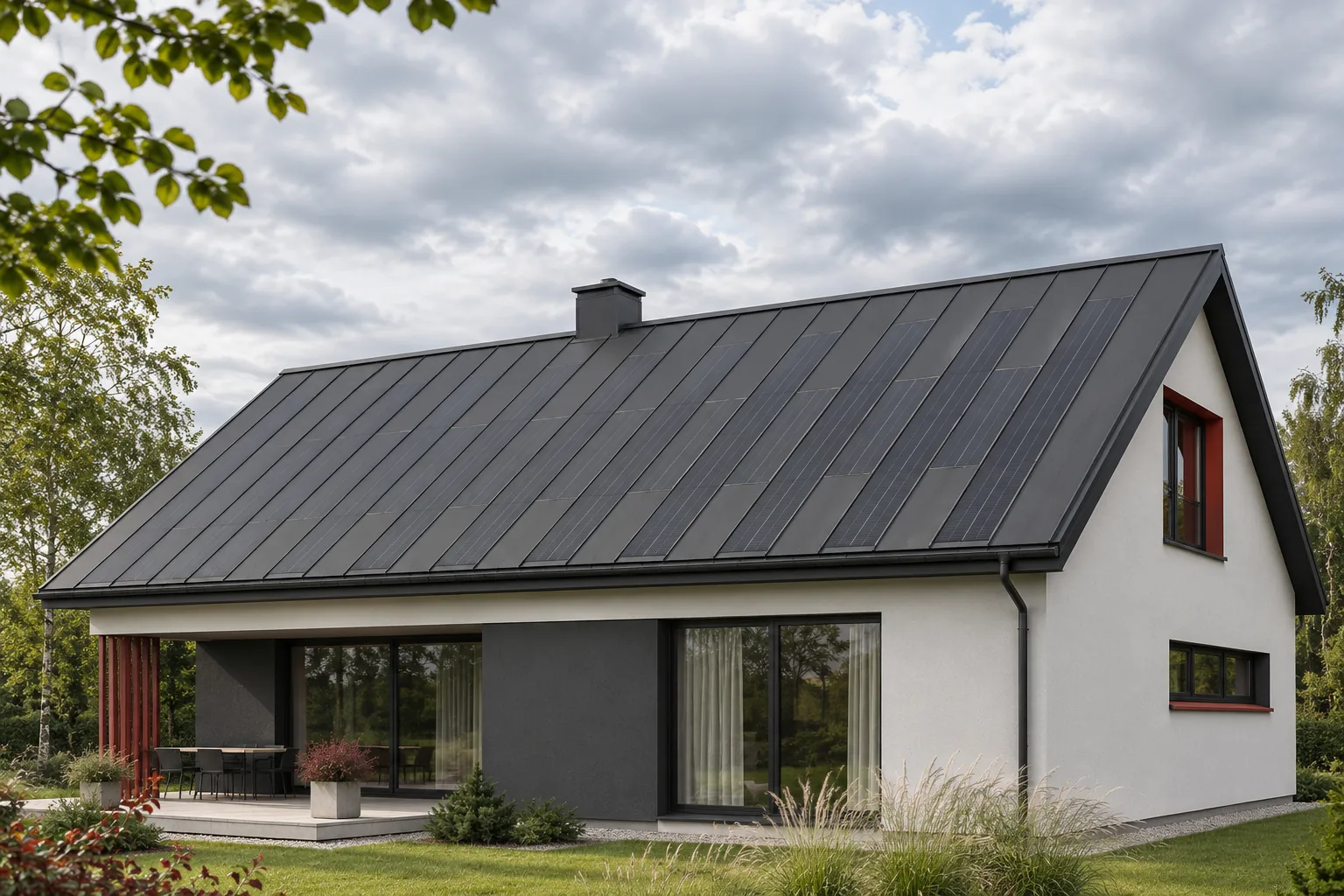
Photovoltaics can generate energy even under a cloudy sky, because it also uses diffuse light. Production will, however, depend on the amount…
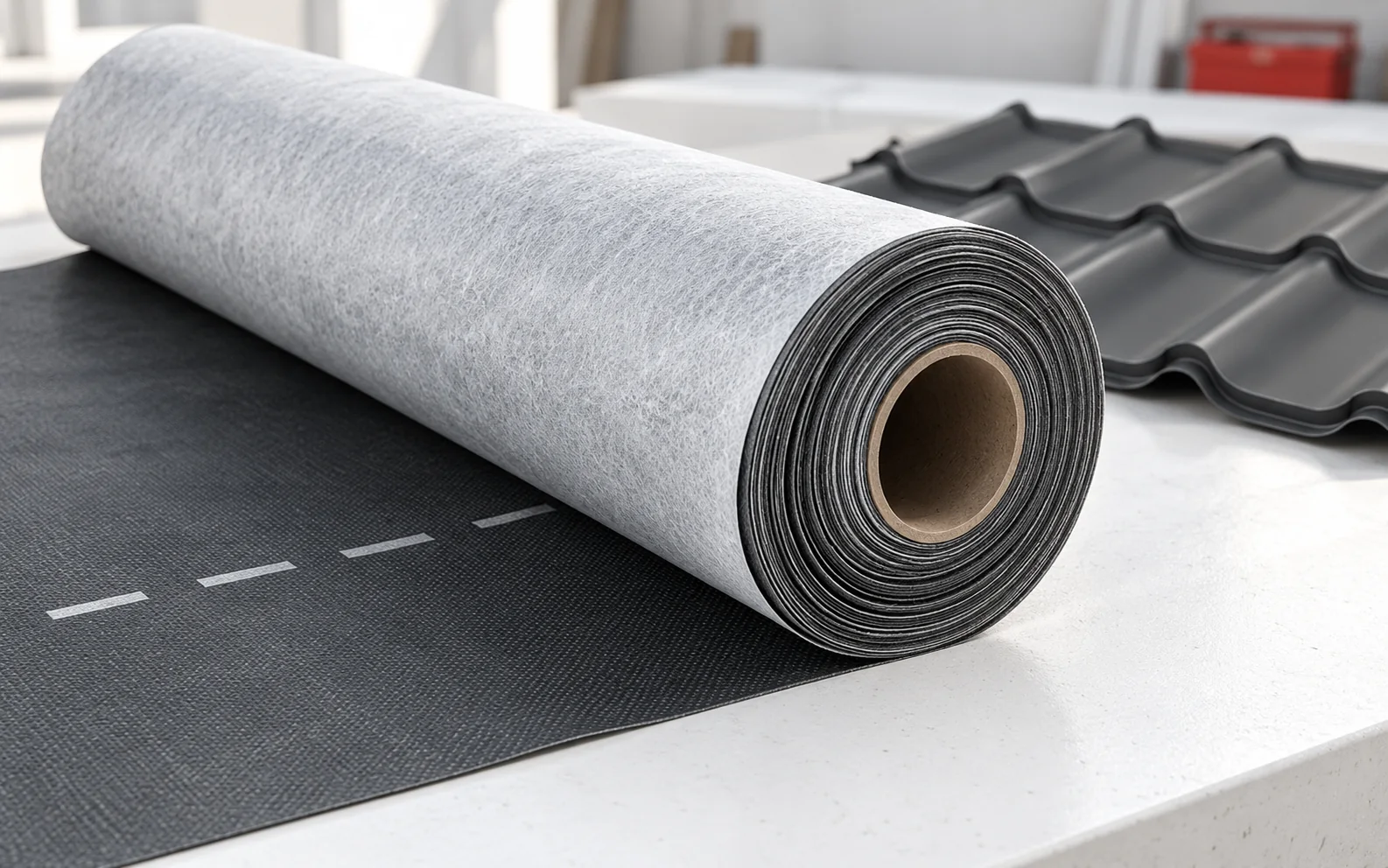
The roof membrane is the second line of protection against moisture that penetrates beneath the outer covering. It is also responsible for…
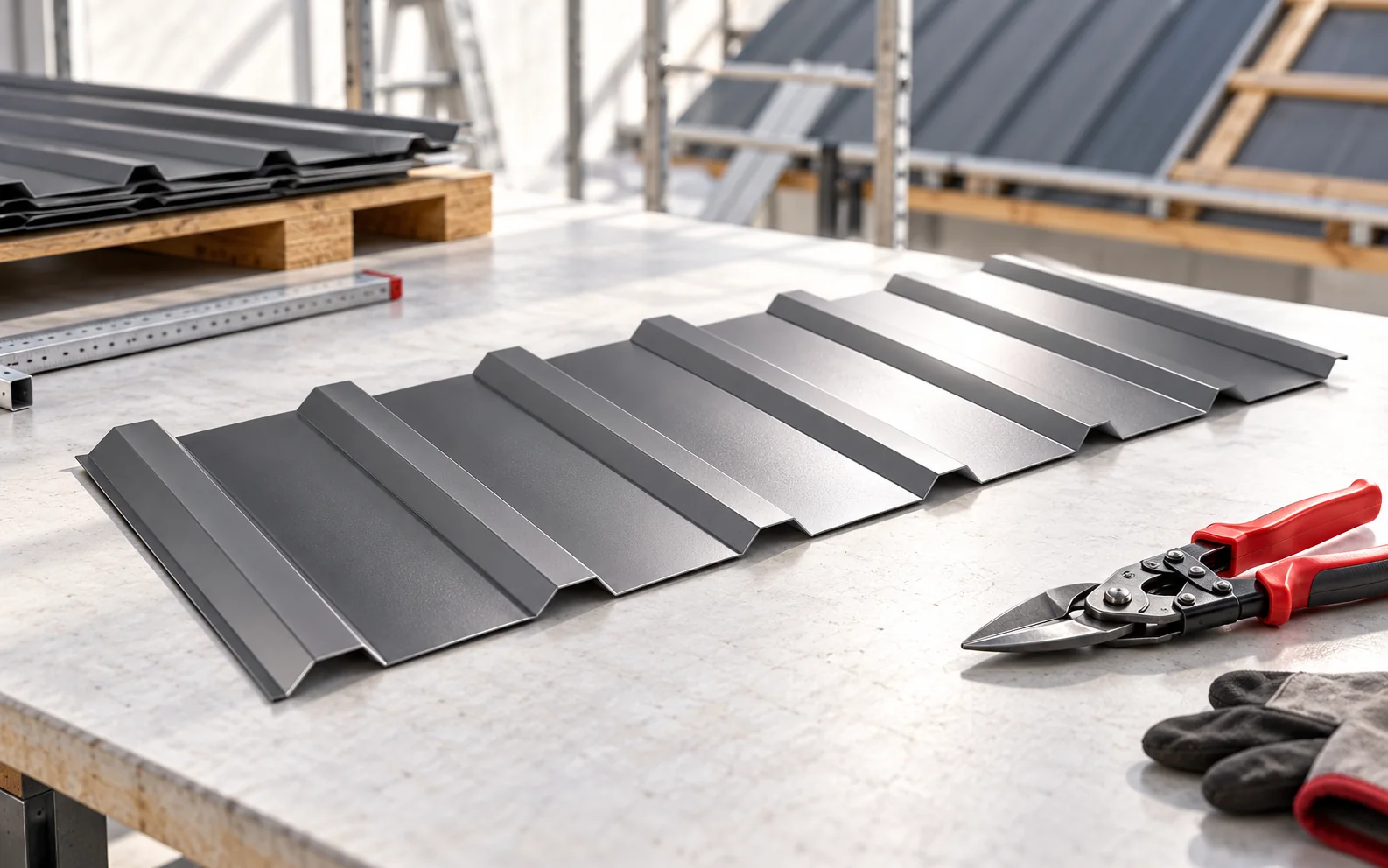
Roofing training is worthwhile when it matches the work you do every day, not just the list of products in the programme.…
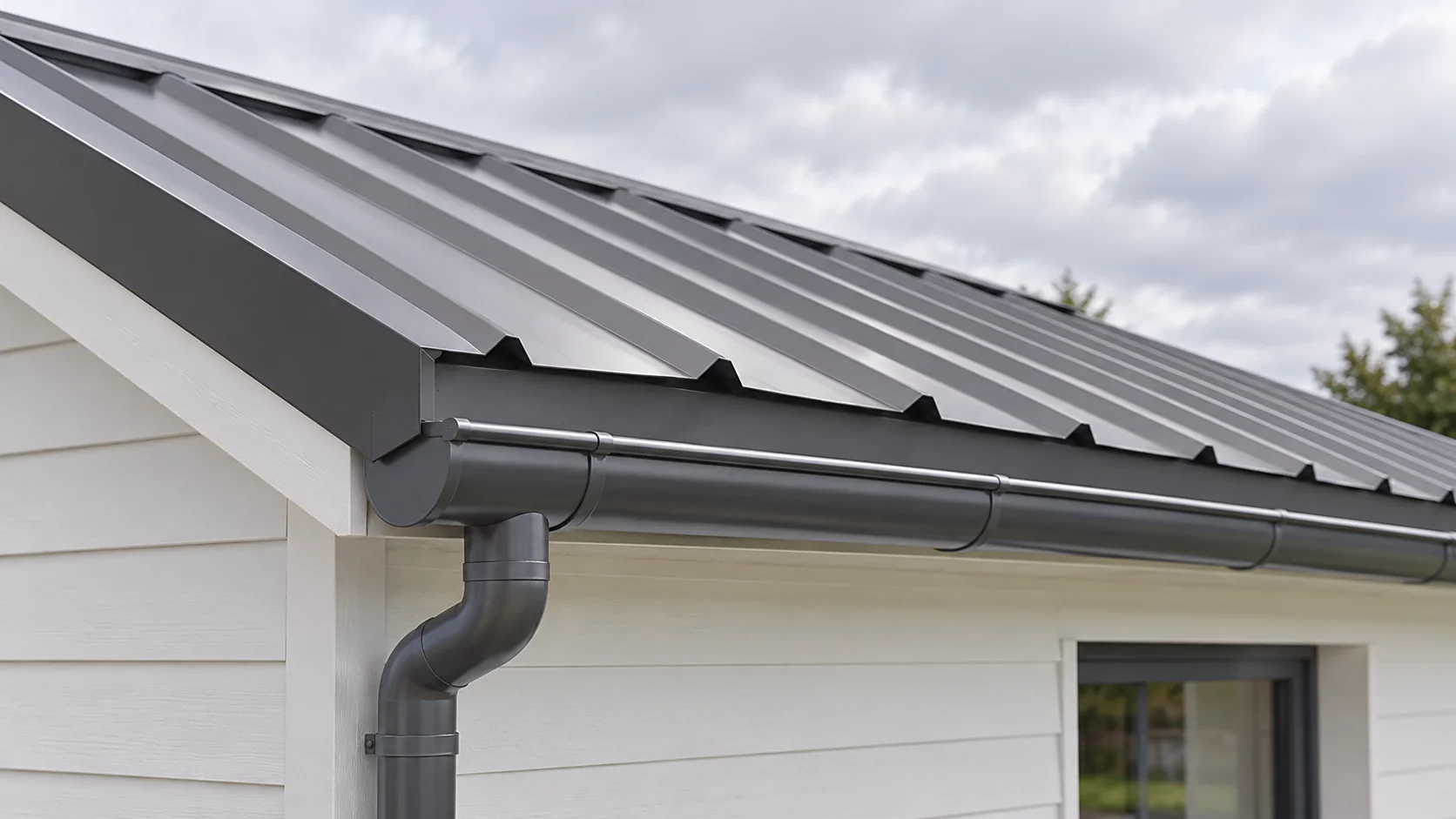
Flashings guide water where a roof sheet meets an edge, a wall or another slope. At the eaves, one flashing directs runoff…
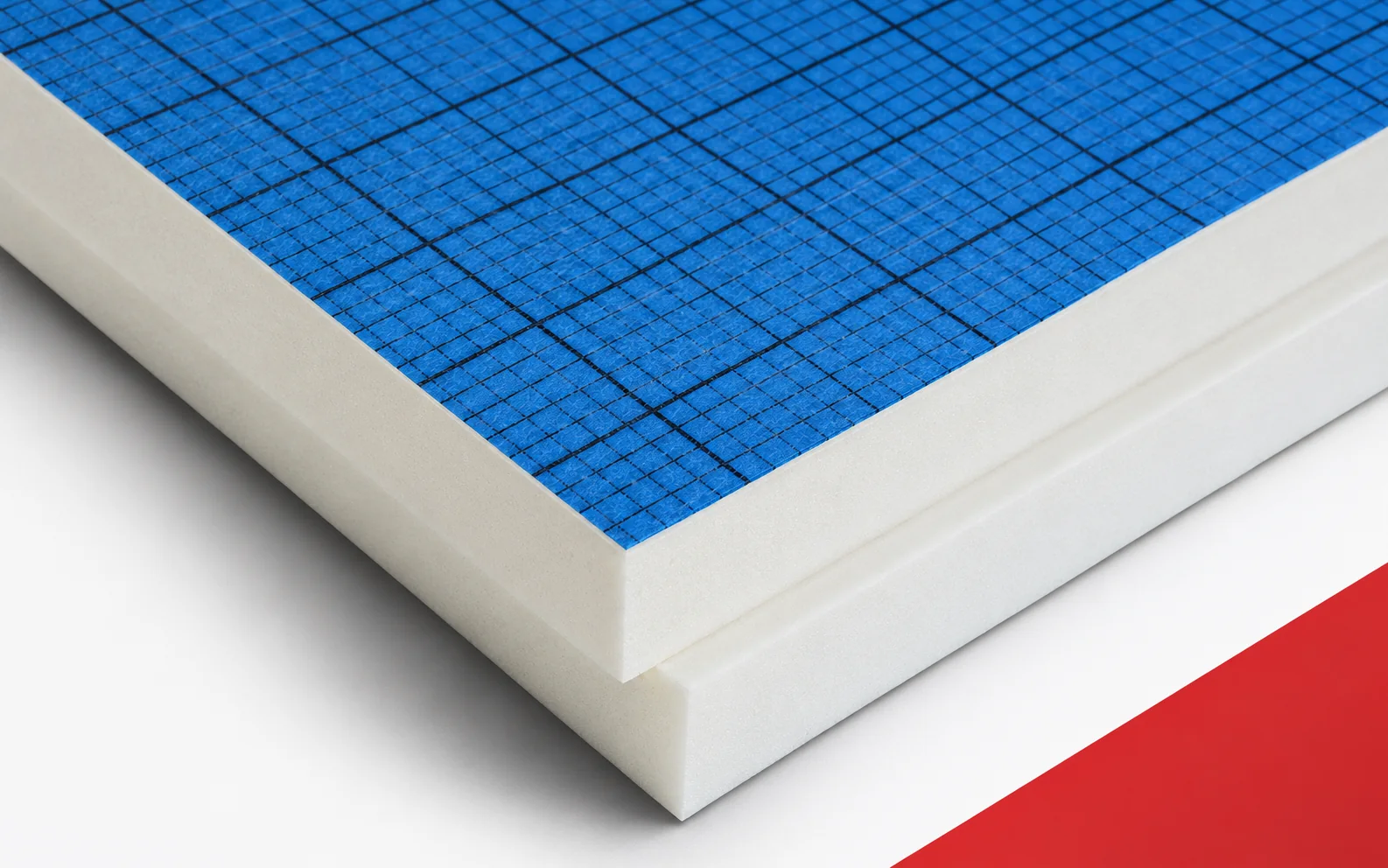
In the example roof, EFYOS BLUE A has already been installed at the correct thickness, but the vapour control layer has been…
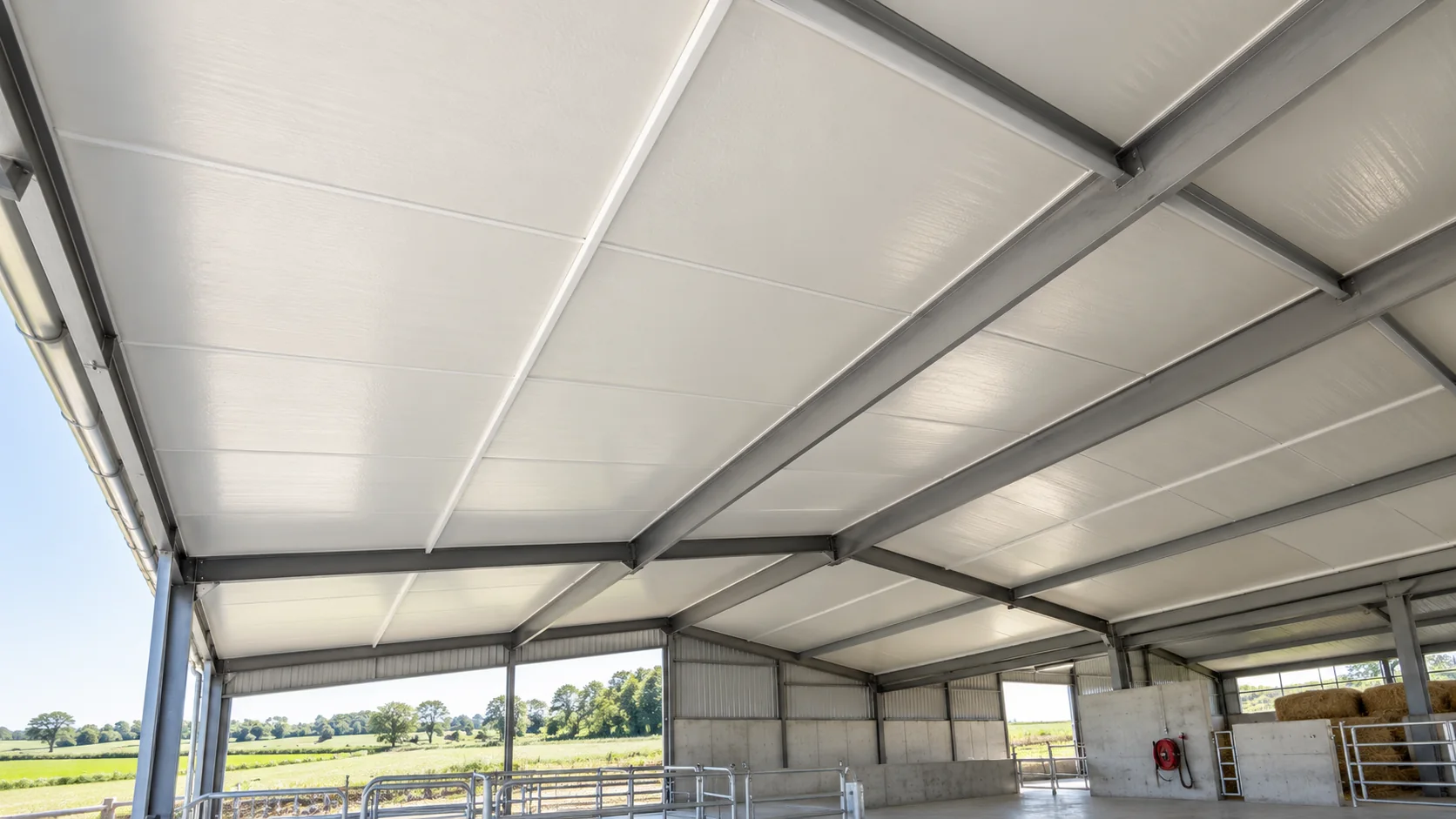
In a roof sandwich panel, “fibreglass” can refer to an inner facing made from glass-reinforced plastic (GRP). A panel of this type…
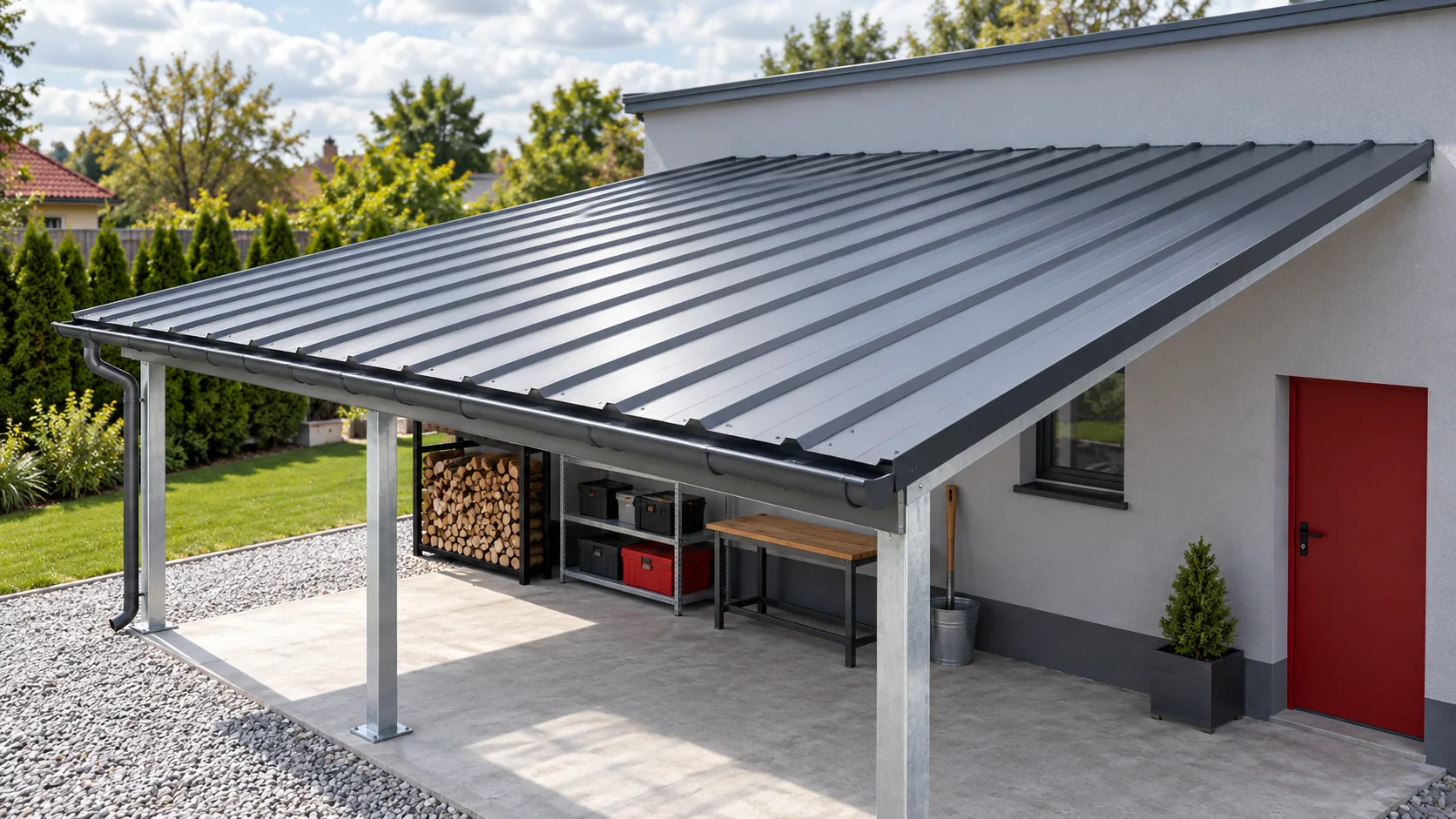
T14 profiled steel sheet can be an option for a small replacement roof or lightweight cladding. Before choosing a sheet thickness or…