

Sheet metal and roofing
Which steel roof is easier to maintain: trapezoidal or tile-effect sheets?
Trapezoidal and tile-effect roofing can use similar steel cores and coatings. The main difference is the shape: trapezoidal ribs run straight down the slope, while tile-effect sheets also have transverse steps. Neither shape alone determines how often a roof needs cleaning or how much a repair will cost. Consider the valleys and junctions where debris collects, the size of sheet that would need replacing and how the roofer can reach it. Straight ribs can suit a simple house and tile-effect sheets a more traditional one. There is no technical rule that rules out trapezoidal roofing for a home.
In this article
How does the profile change the appearance of a house?
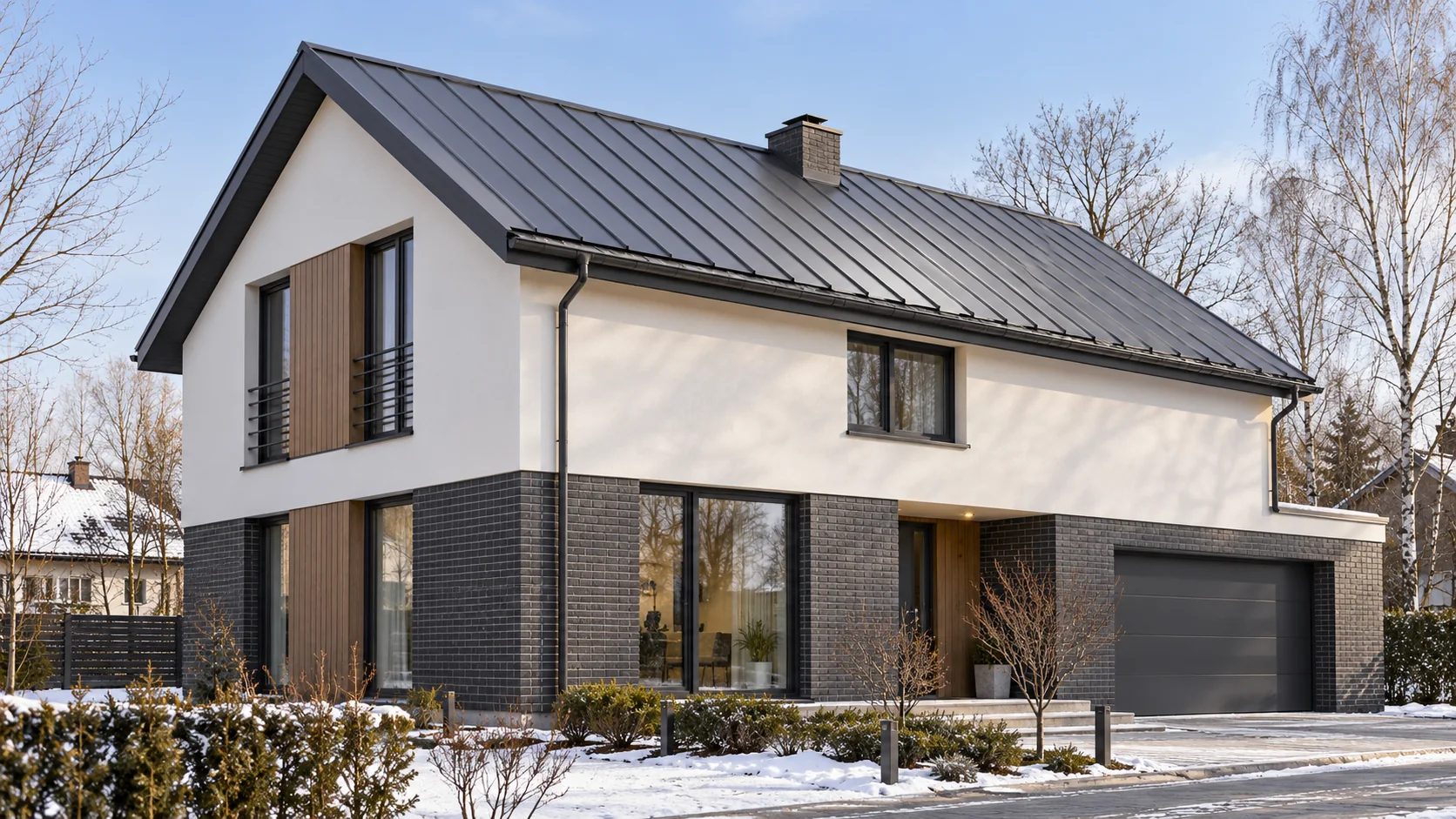
View a sample in daylight at roughly the angle of the finished roof. Deep ribs cast a different shadow from shallow ones. Colour, gloss and matt finishes change how the same profile looks. Compare the sample with the guttering and flashings: a mismatch between finishes can stand out more than the choice of profile.
Does a simpler profile mean fewer drainage problems?
The channels in a trapezoidal sheet form a continuous drainage path. A tile-effect sheet also has transverse steps. Both can drain rainwater properly at a suitable pitch when laid as specified. Straight channels do not mean that every trapezoidal profile is suitable for a nearly flat roof.
At chimneys, valleys and walls, water needs a clear way out. On shallow slopes, lap design and seals become particularly important. Assess the profile together with those junctions. Changing the sheet will not correct a poorly shaped flashing.
What matters when cleaning and inspecting the roof?
Leaves and dirt collect at obstructions, in valleys and in gutters, even on a simple profile. Deposits hold moisture and may cause uneven weathering. Set the inspection interval to suit the surroundings and coating requirements. Under overhanging branches, shade and deposits can keep a patch of roof damp for longer.
Use cleaners and tools suitable for the coating. A stiff, abrasive brush or aggressive cleaner can damage either roof. Do not spray water beneath laps. Check fixings and look for scratches after other trades have worked on the roof, particularly after an aerial, service line or ventilation outlet has been installed.
Which covering is easier to repair locally?
Sheet size matters as much as profile. Modular tile-effect sheets are short, whereas trapezoidal sheets are often ordered in long strips; both types are available in different lengths. To replace a piece in the middle of the slope, adjacent laps may have to be exposed. A small patch is not always a sound repair.
Keep the section drawing and coating specification. Two trapezoidal sheets of the same nominal rib height may not fit together. For tile-effect sheets, the spacing of the transverse steps matters too. Years later the original pattern may be unavailable, and a new sheet may not match the weathered colour.

How can you compare the cost of the two roofs?
Draw a layout for each material on the same roof. Count full sheets or modules, cuts and flashings. Check whether a change of profile requires changes to the supports. Include transport, fitting and safe access for maintenance. A lower price per square metre of sheet does not guarantee a lower installed price.
For a 140 m² slope, suppose two comparable installed coverings cost about €5,671 and €6,481 excluding VAT. The difference is about €810, or €5.79 per square metre of roof. These are illustrative sums converted from PLN on 13 November 2026, not market quotations. Trace the difference to specific materials or work in each estimate.
What matters more than the shape of the sheet?
For a house with rooms in the roof, thermal, moisture and acoustic performance depend on the complete build-up. Thin steel is not a substitute for insulation. Rain noise also depends on support, fixings and the interior lining. No single sound insulation figure applies to all roofs of either profile type.
When both coverings meet the technical requirements, appearance and total cost can guide the choice. Allow for well-designed junctions and maintenance access in the budget. A roof is easier to look after when water drains freely, materials can be identified and inspection points can be reached. A colour sample shows none of that.
Questions and answers
Will trapezoidal sheets make a house look industrial?
Not necessarily. Rib height, colour, gloss and the building’s shape all affect the result. Hold a large sample against the façade before judging the material.
Is tile-effect metal roofing warmer than trapezoidal roofing?
The shape of a thin metal sheet makes little contribution to insulation. Indoor comfort depends on the full roof assembly, its insulation and the airtightness of its junctions.
7 branches. Materials closer to your project.

Free quote
Materials for your project
You may also find useful…
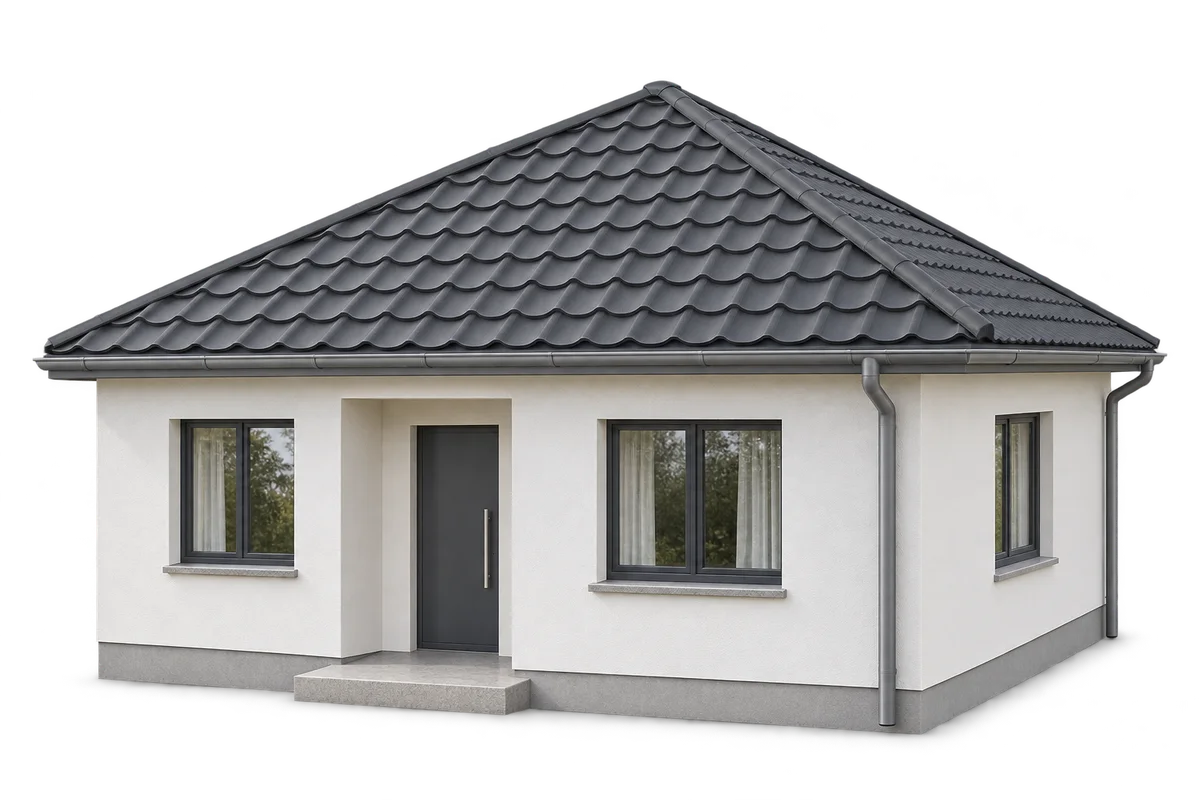
A cost estimate for a hipped roof should list the areas of the roof slopes, the lengths of the edges, the flashings…
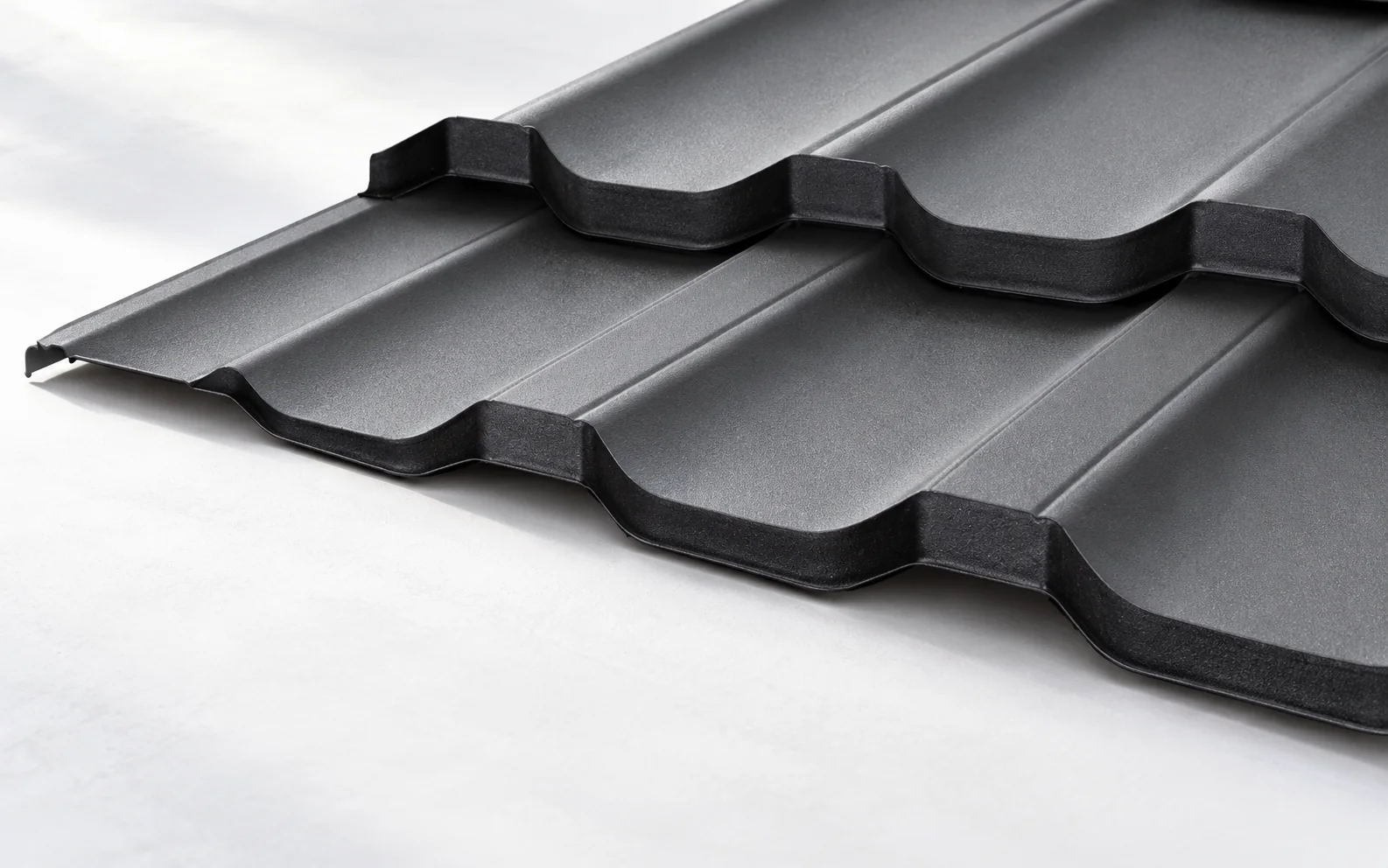
Lightweight coverings include, among others, tile-effect metal roofing and trapezoidal steel sheet. The roof membrane alone may also have a low weight,…
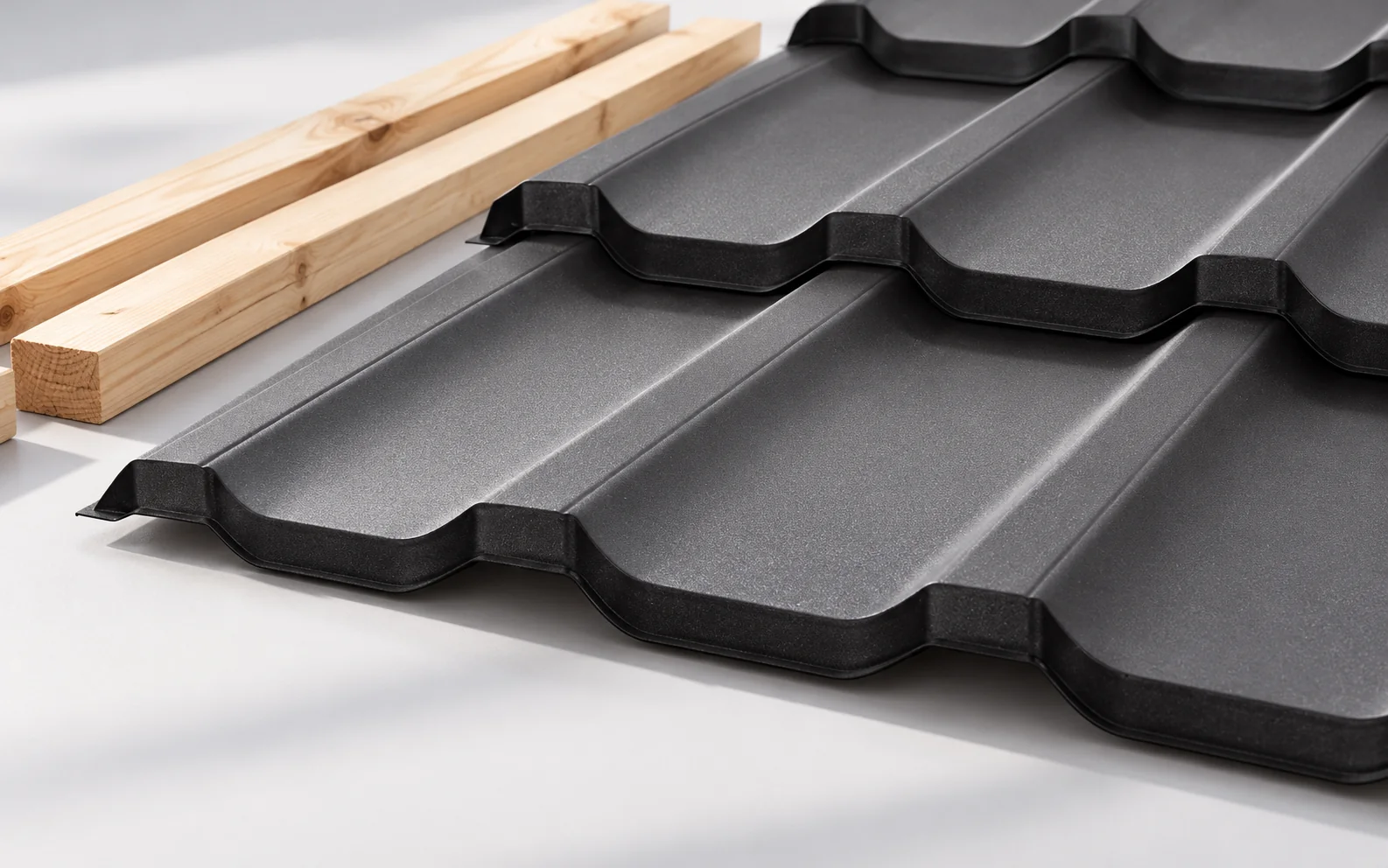
Choose the roof covering before setting out the battens. For tile-effect steel sheets, the module length and the manufacturer's fixing positions determine…
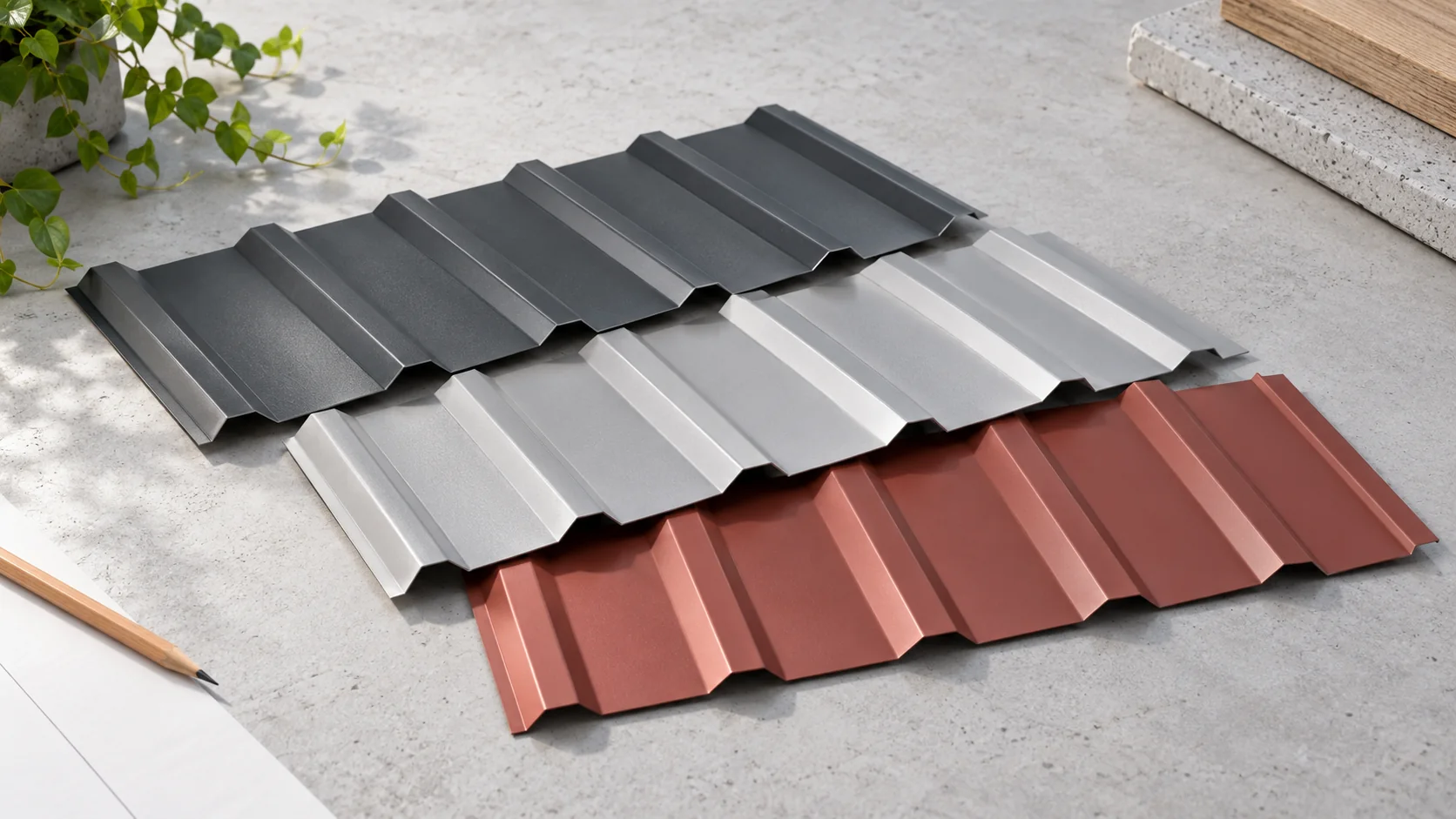
The colour of trapezoidal steel sheet changes how the whole building looks. When choosing it, consider how much sun the roof gets,…
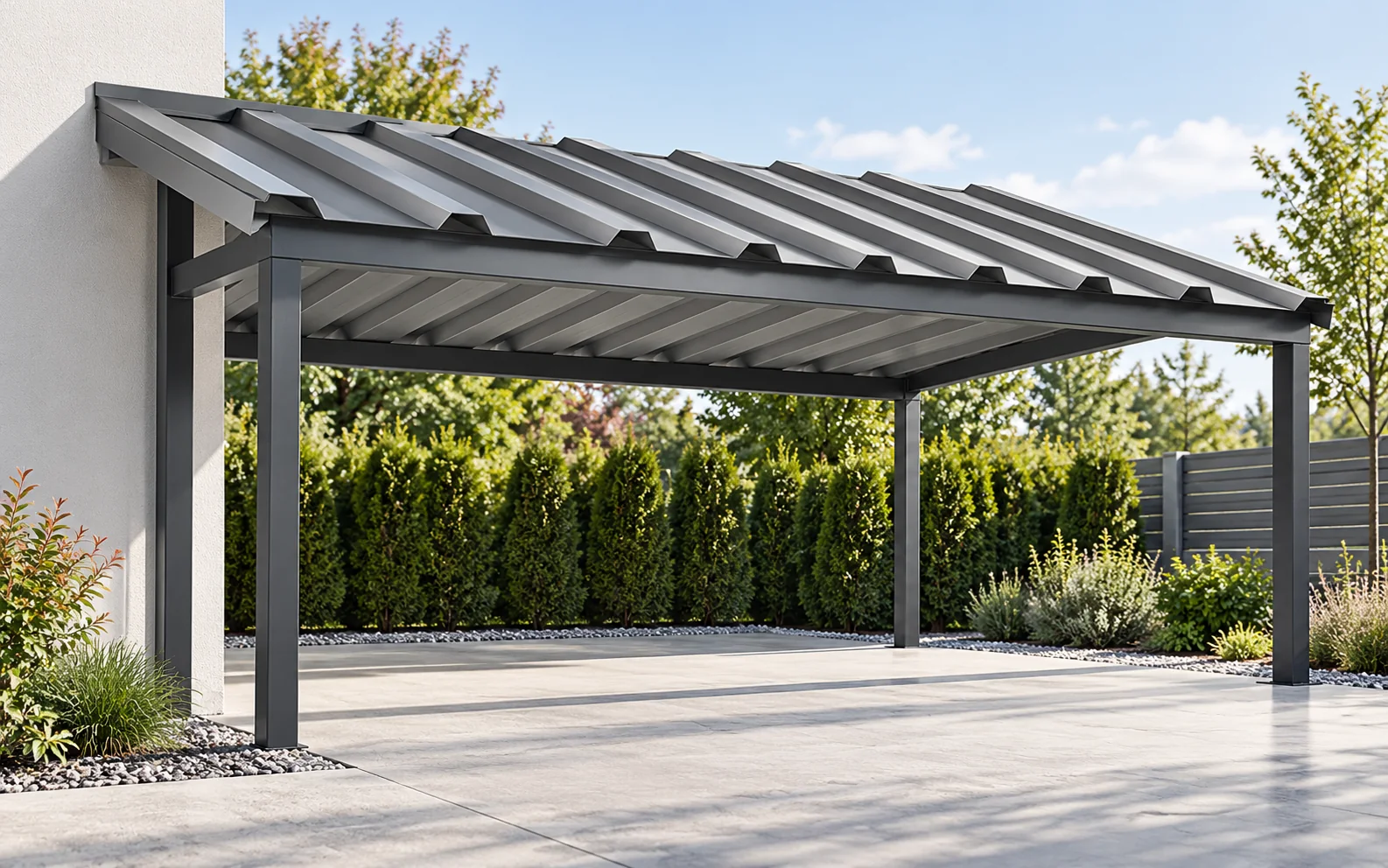
For a carport roof, T18 or T35 can be considered, but the choice is determined by the support spacing, pitch and loads.…
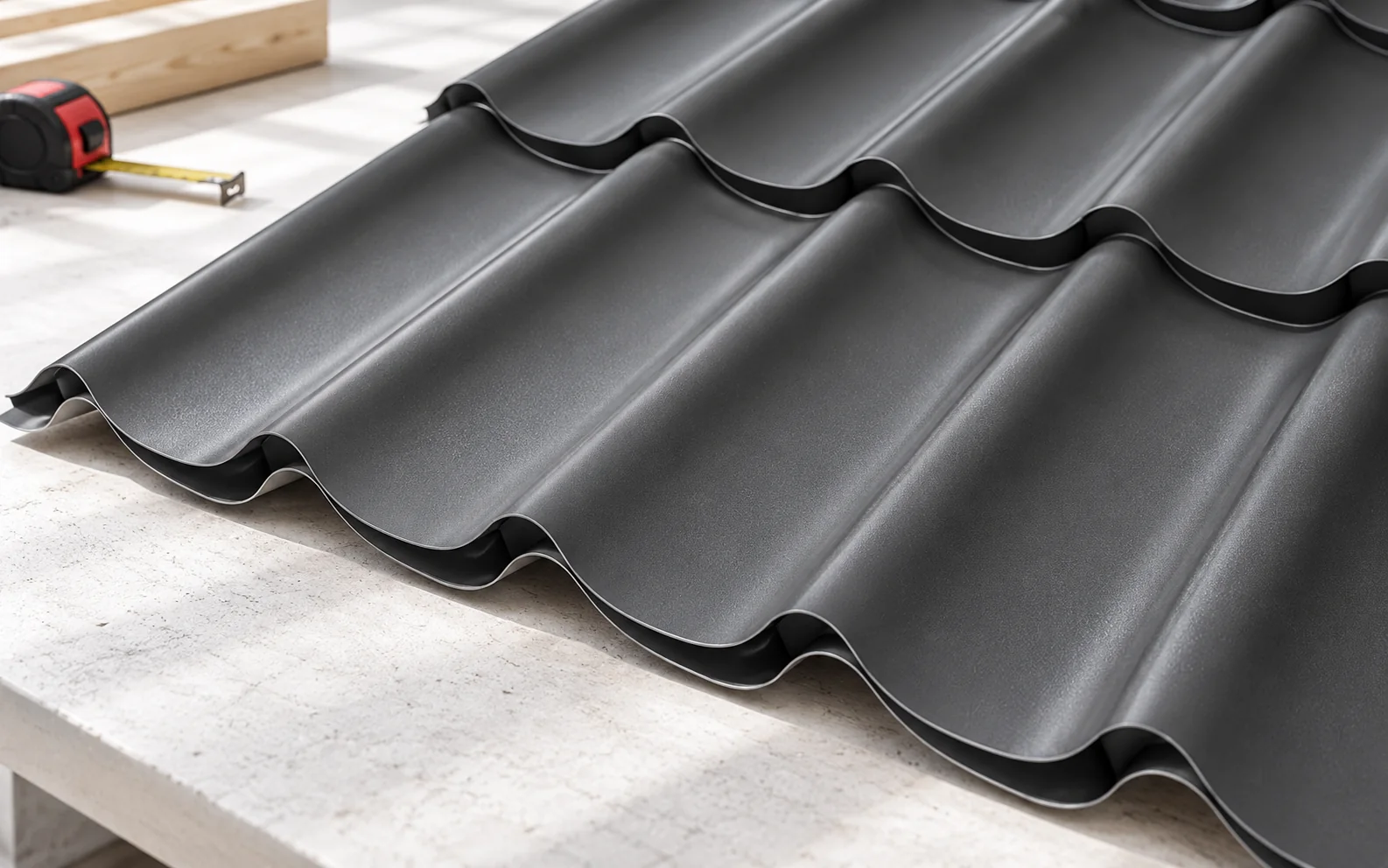
The roof pitch is a value that must be established before choosing a covering, because water run-off, the requirements for laps and…
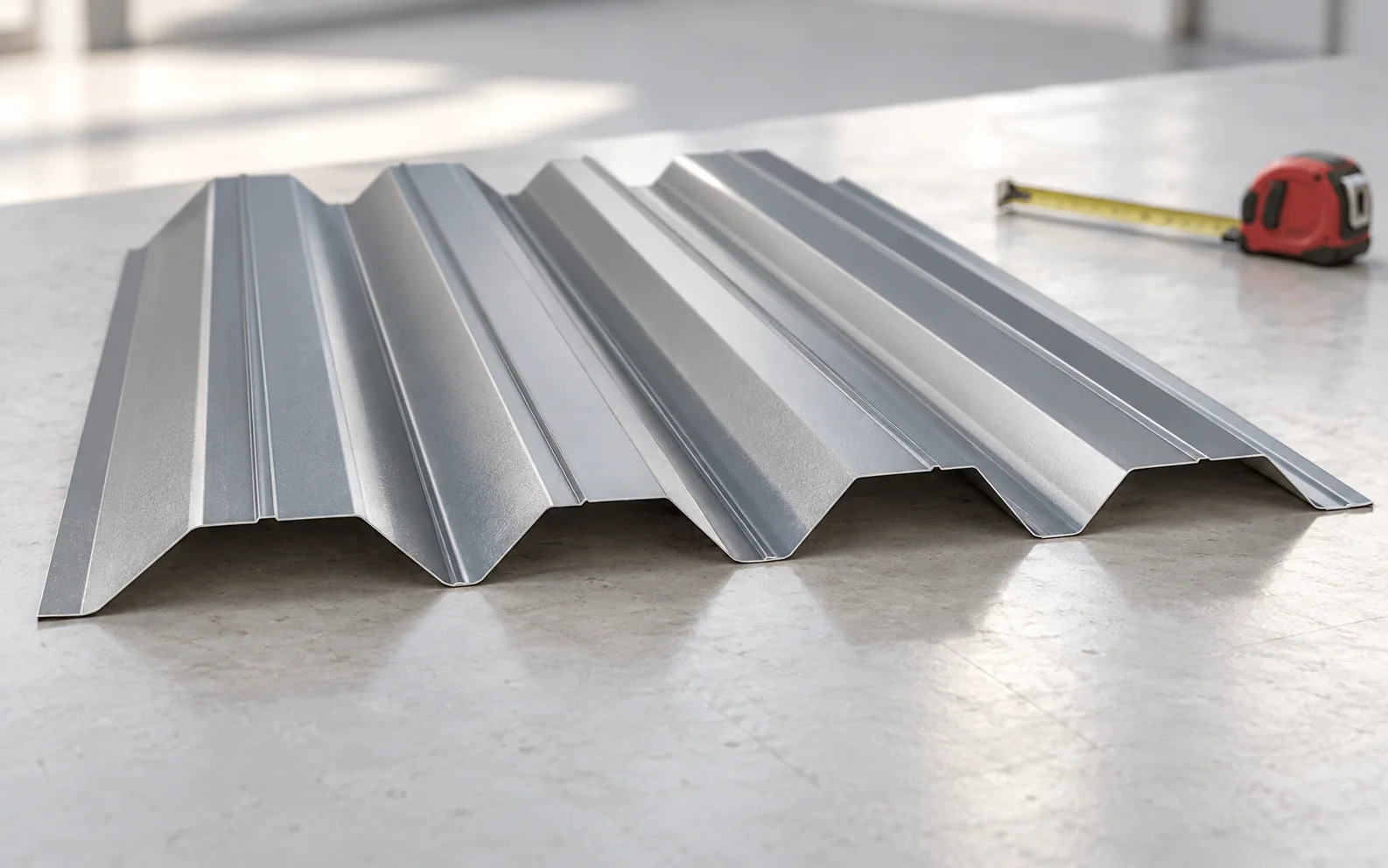
A structural trapezoidal steel sheet transfers loads between supports and can serve as a substrate for subsequent roof layers. Its selection requires…
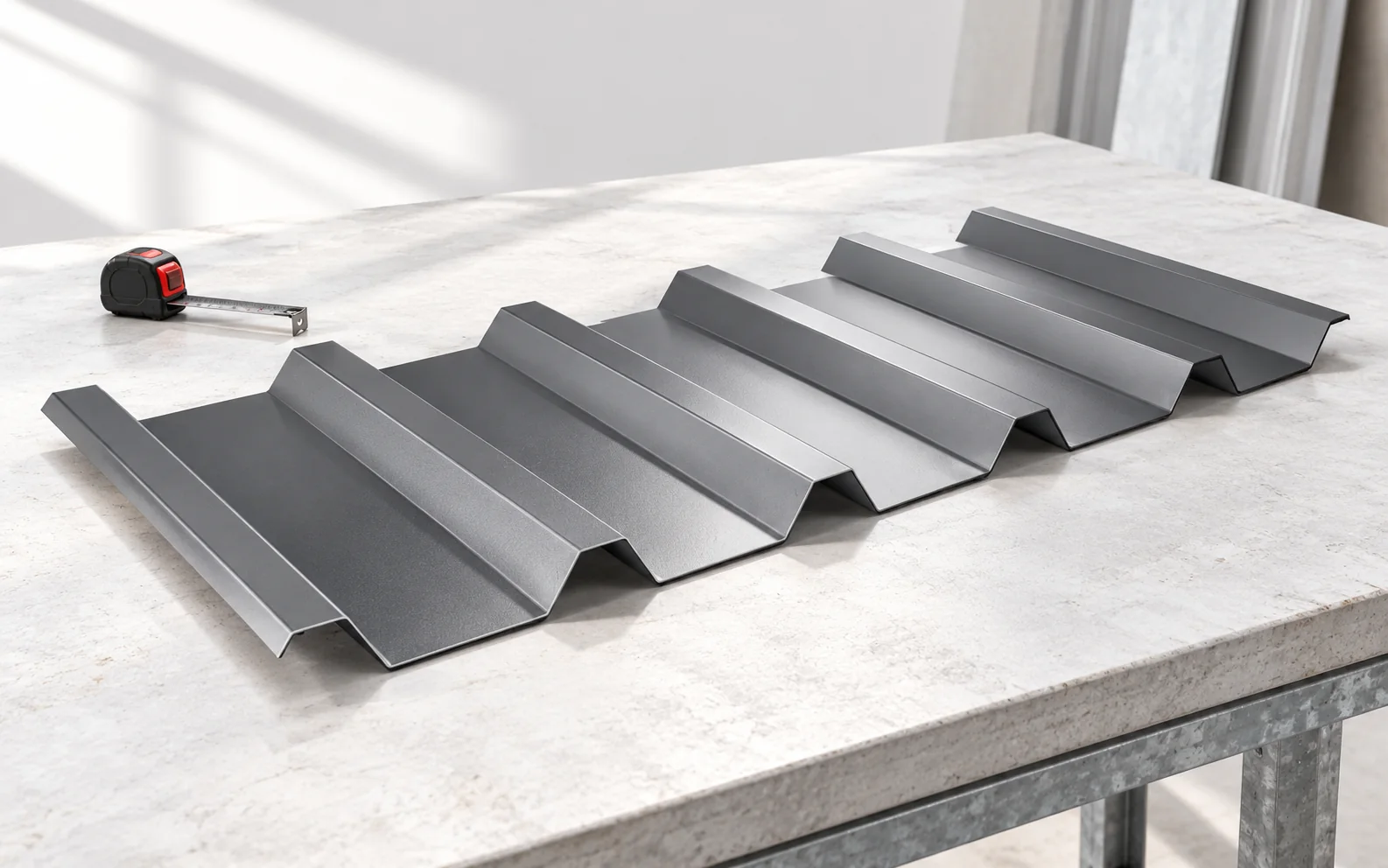
Tile-effect metal roofing and trapezoidal steel sheet can both protect a roof well, but they suit different expectations and roof layouts. The…