

Installation and details
What does practical roofing training offer and how do you choose a worthwhile programme?
Roofing training is worthwhile when it matches the work you do every day, not just the list of products in the programme. Modular tile-effect metal roofing, trapezoidal steel sheet and sandwich panels each require different skills, so it is worth starting with the details that cause the most problems on site. The programme should clearly specify the material, the scope of the exercises and the number of hours of independent practice. A certificate confirms attendance or a defined scope of learning, but it does not replace experience or the qualifications that the course does not confer.
In this article
How do you match training to the work you do?
Start with the problems you encounter most often on site. Installing modular tile-effect metal roofing, trapezoidal steel sheet and sandwich panels requires different skills. A general product demonstration is no substitute for practising a specific detail. The programme should clearly state the material and the scope of the activities performed.
Someone starting work needs different sessions from an experienced roofer changing systems. For the former, the basics of preparing the roof slope and working with tools are important. For the latter, unusual penetrations, installation limits and failure analysis will be useful. It is worth confirming the course level before enrolling.
Why is practice more important than a presentation?
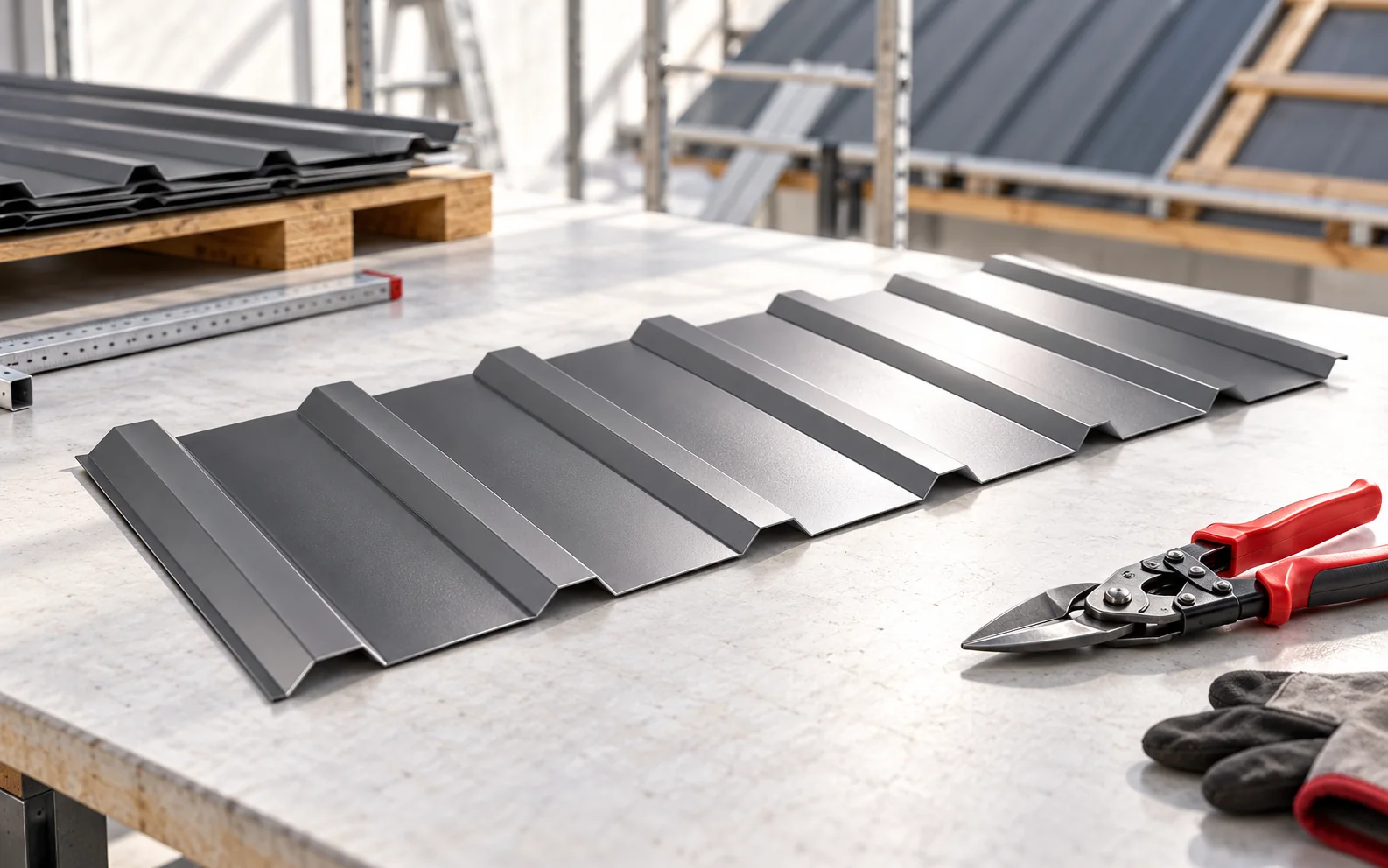
At the assembly table you can see how the sheet behaves and where stress occurs. You can practise the sequence of assembly and the positioning of fasteners. This is information that is difficult to absorb from a photograph alone. This applies in particular to interlocking seams that look similar but behave differently.
Check whether the participant performs the detail themselves or only observes the instructor. The number of workstations and the size of the group matter. The instructor should have time to assess the work and explain corrections. A few connections made independently are often more useful than a long list of products viewed.
Which details are worth practising?
With tile-effect metal roofing, the eaves, ridge, roof valley and wall junction are useful. With trapezoidal steel sheet, overlaps, choice of fastenings and support are important. With sandwich panels, joints and core flashings are added. Each of these areas affects the weathertightness and durability of the building envelope.
A good programme shows not only the correct pattern but also typical mistakes. The participant should understand where water drains and what incorrect laying changes. They can then assess an unusual situation on site. Mechanically reproducing one example does not give such independence.
Why learn to read documentation?
Instructions change along with products. A parameter known from a previous model may not fit the next one. Training should teach how to read support spacing, the fastener layout and application limits. This also includes distinguishing overall dimensions from coverage.
It is worth learning to recognise data that require the involvement of a designer. A load-bearing table is not a simple list of recommended spans for every structure. It depends on loads and the structural scheme. The ability to notice missing information is as valuable as efficiently driving fasteners.

What role should safety play?
A practical programme must take account of a safe workstation, sharp edges and tool handling. Working on a mock-up at ground level is not full preparation for work at height. Proper training and organisation arising from the type of work and the contractor’s duties are also needed.
A product certificate should not be equated with a complete set of professional qualifications or health and safety requirements. Ask what exactly the document issued after the session confirms. A reliable organiser will clearly explain its scope. They do not have to promise authorisations that the course does not confer.
How do you assess a new technology independently?
Manufacturer training explains a specific system well, but it also has a commercial purpose. It is worth separating parameters confirmed by documentation from promotional language. Ask about limitations, permitted substrates and situations in which the product will not perform. A good answer should be specific.
Examples of repairs and discussion of real mistakes are useful. The participant should learn when a detail can be corrected and when it requires dismantling. Knowledge of the limits of a solution helps reduce complaints. Without it, a new product may be installed according to old habits.
How do you use the knowledge back on site?
Keep the instructions, photos of your own exercises and a list of technical findings. For your first job with a new system, prepare a short inspection plan. Mark the places that require particular accuracy. Do not rely solely on your memory of a demonstration carried out several months earlier.
Discuss the differences from the previous technology in the team. One trained person is not enough if the others apply conflicting rules. It is good to carry out a joint trial detail before working on the roof slope. Then the training translates into consistent quality of workmanship, not just another document.
A tip before booking
Before choosing a course, ask for a plan with the number of hours of independent practice and a list of the details performed. Also ask whether the instructor will assess your work. These are better criteria than the number of product names in the programme.
What is worth remembering?
Valuable training gives you the ability to perform and assess a specific connection. It also helps you recognise the limits of a system and the need for design consultation. The certificate is an addition to knowledge that can be applied and checked on site.
7 branches. Materials closer to your project.

Free quote
Materials for your project








You may also find useful…
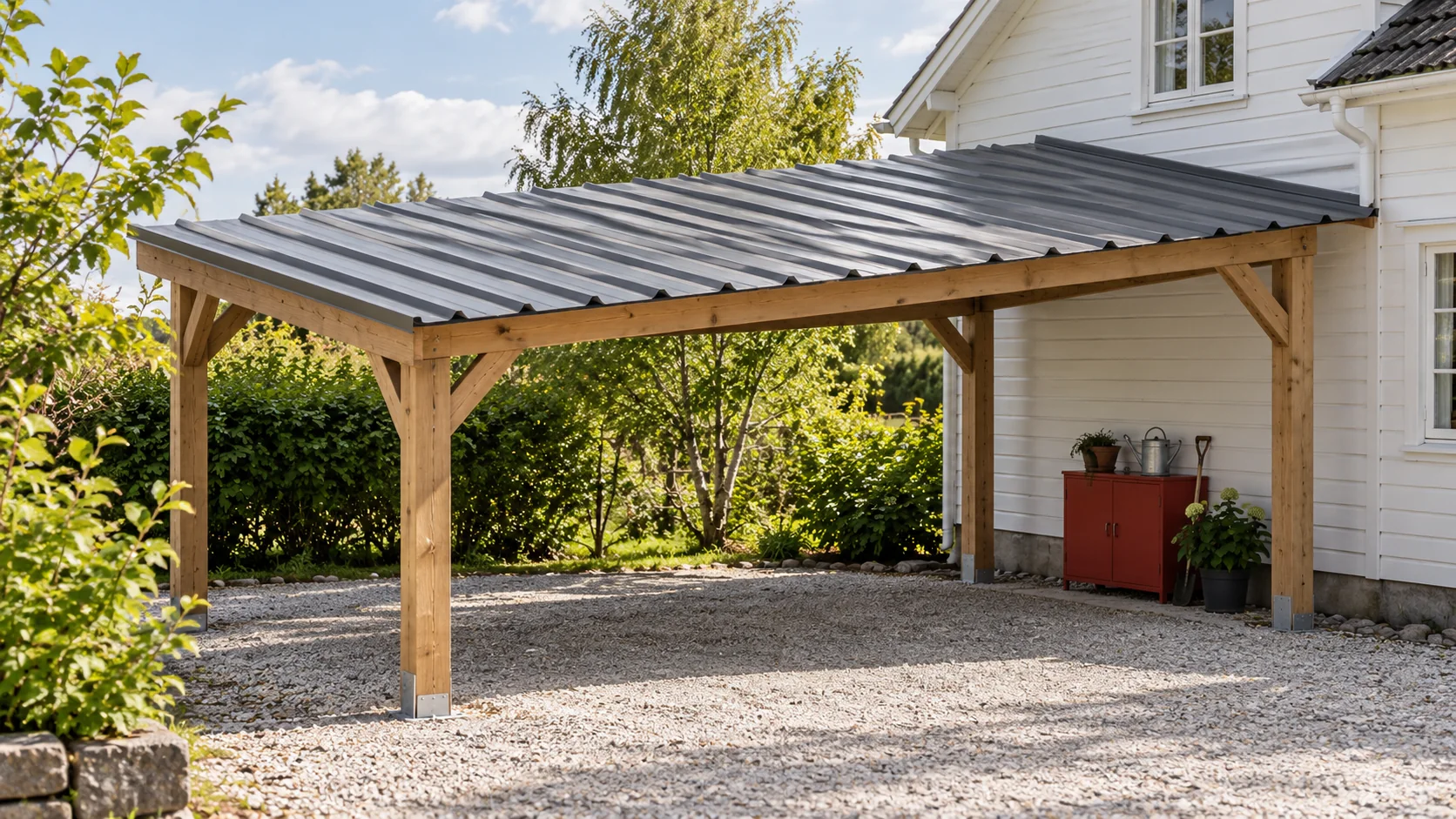
An affordable roof is one that suits the building and its expected service life. The least expensive covering for an open shelter…

The fine roof pattern depends on the geometry of the pressings, not just on the sheet size. Modular tile-effect metal roofing can…
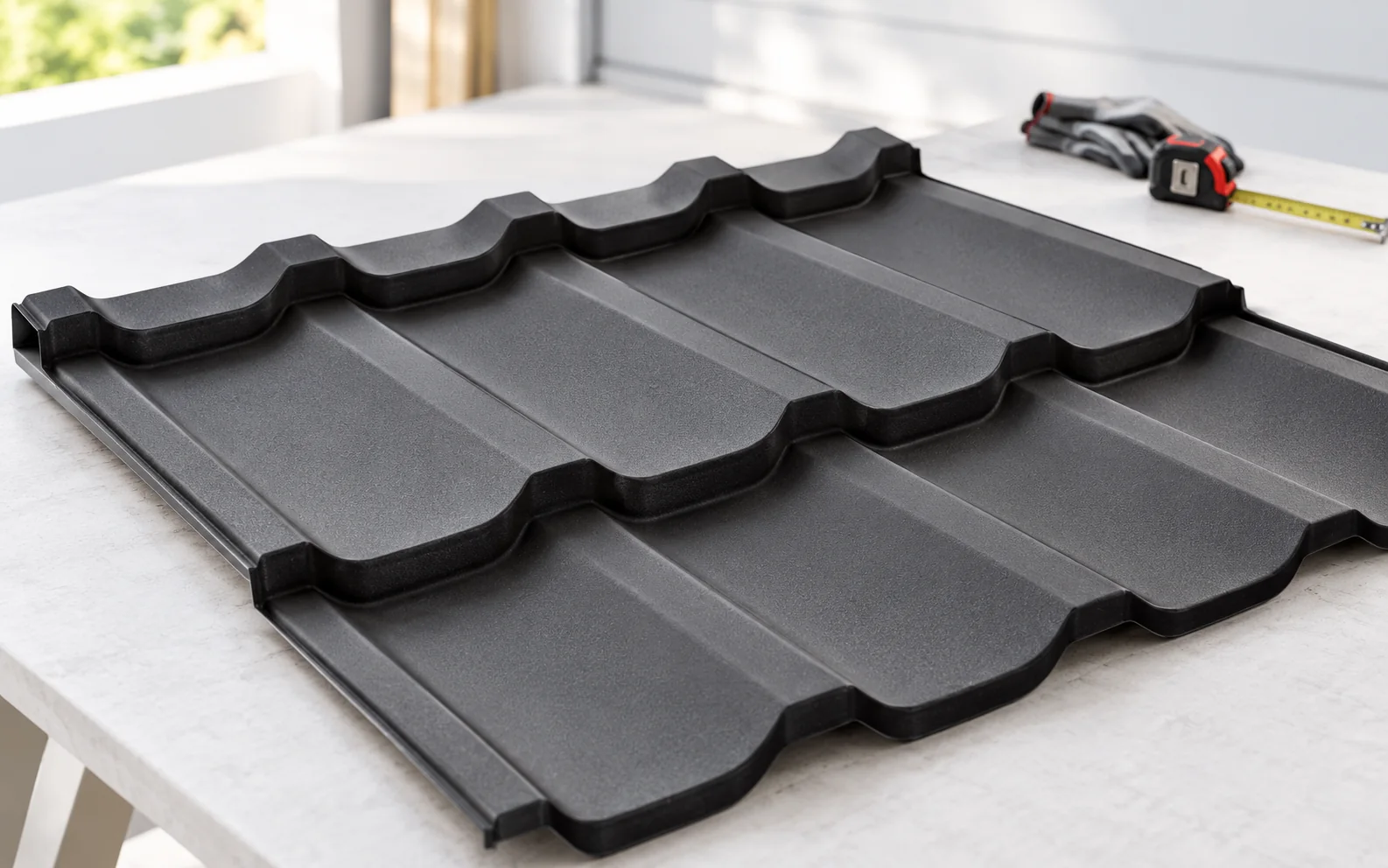
Modular tile-effect metal roofing combines a tile profile with a smaller, repeatable panel format. It can make transport and the organisation of…
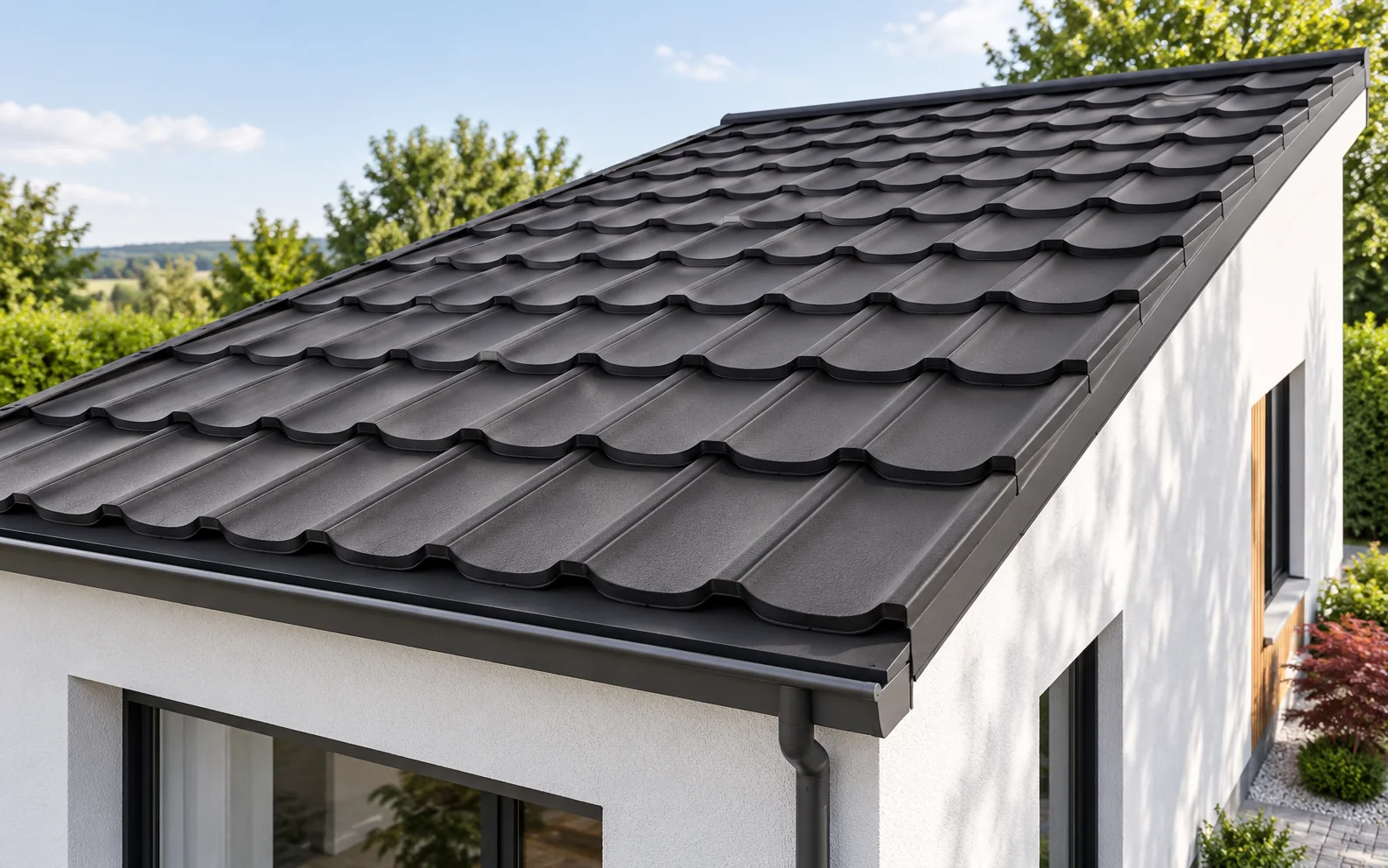
A mono-pitch roof has a single main roof slope that directs water towards the lower edge. The simple geometry makes cutting to…
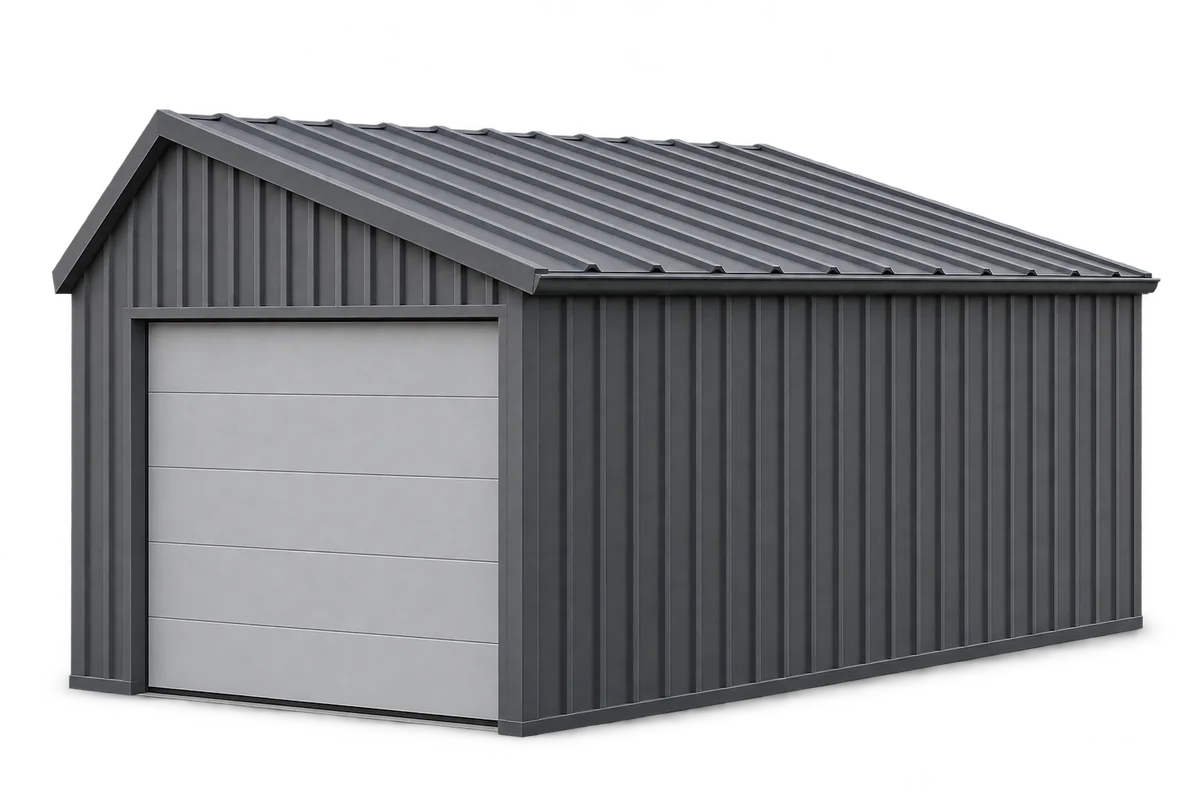
An order for trapezoidal steel sheets for a garage should start with a drawing of each wall and roof slope, showing rib…
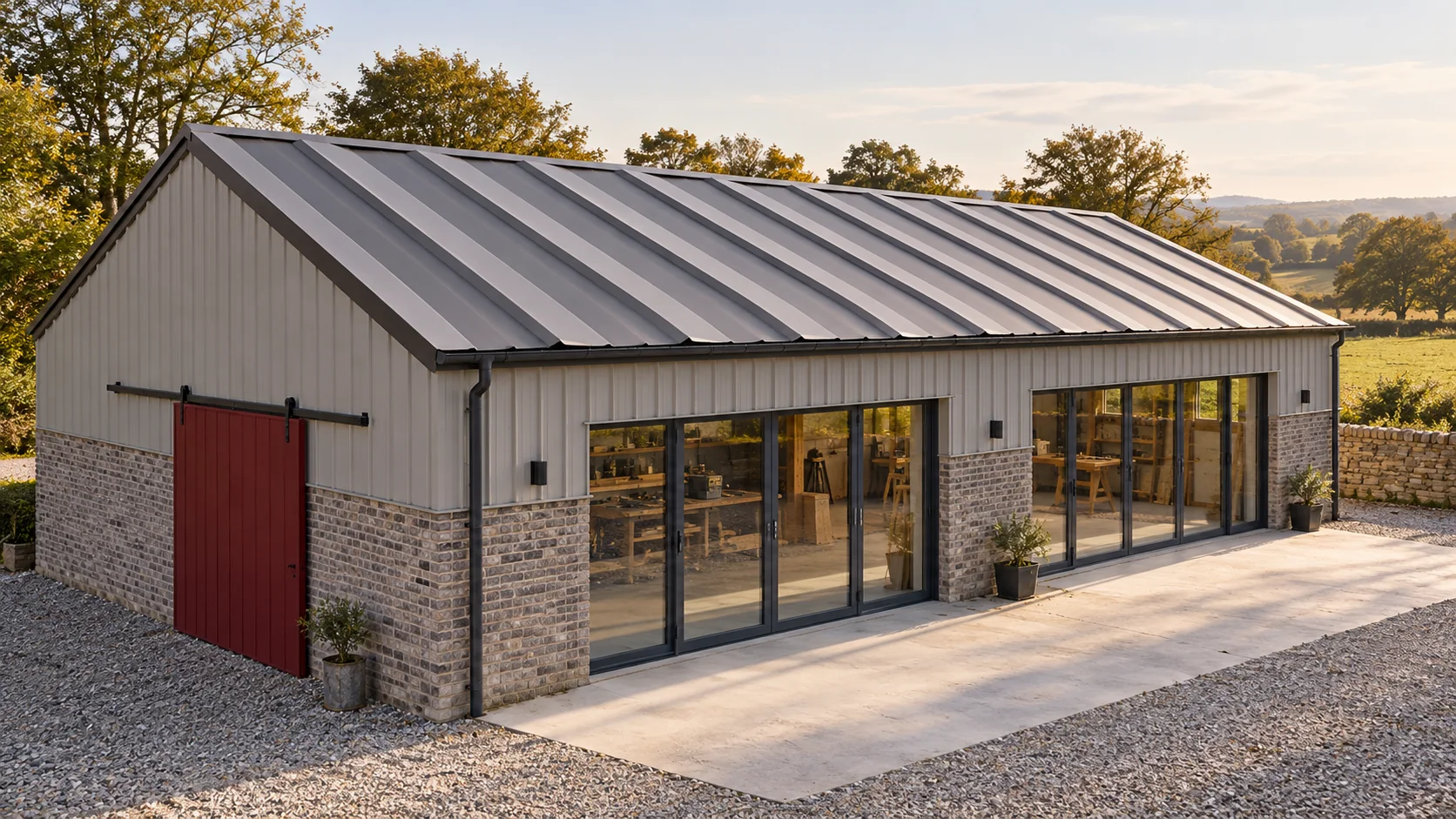
Start with how the building will be used. An open shelter and a heated workshop place different demands on a roof. Match…
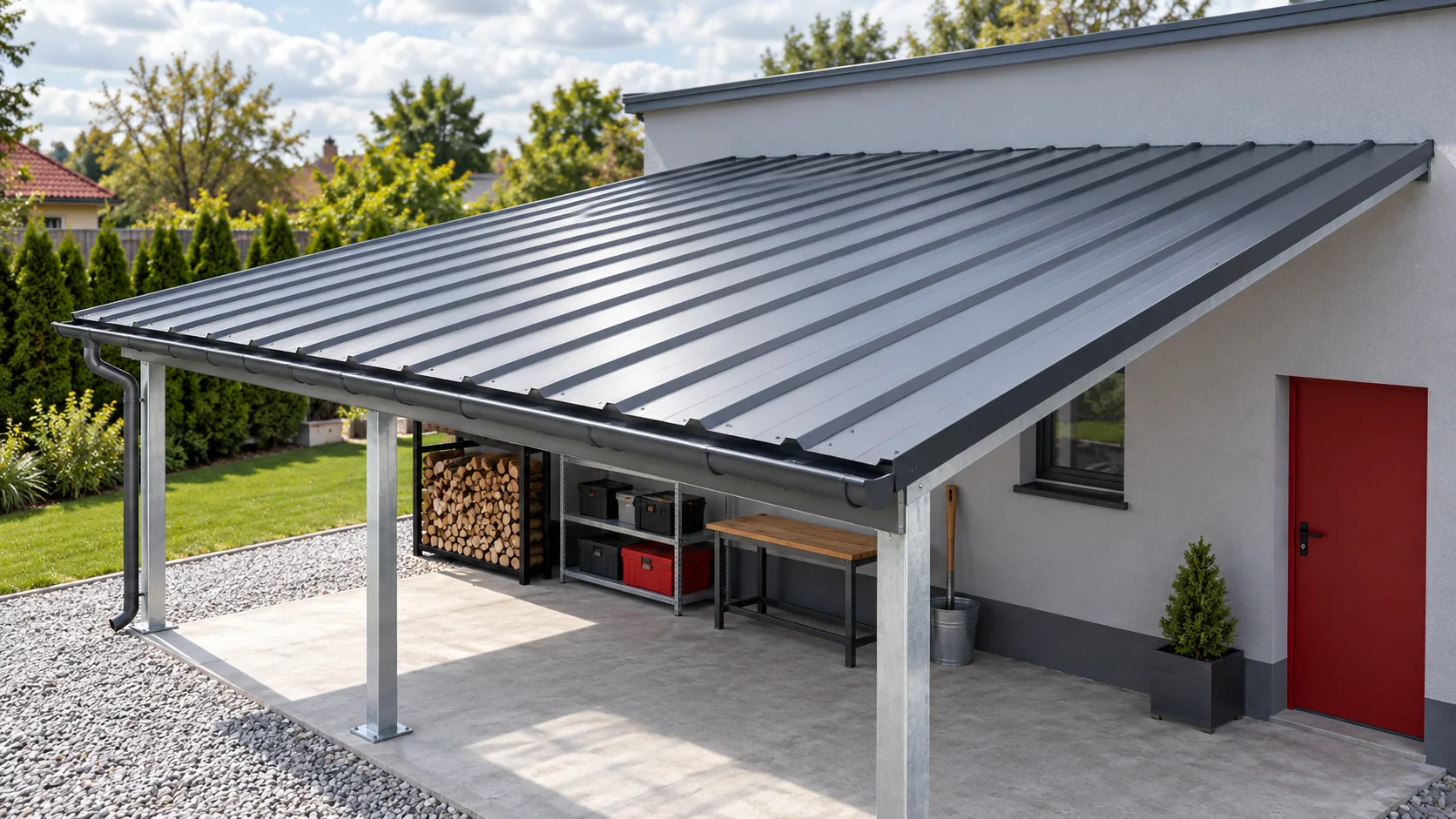
T14 profiled steel sheet can be an option for a small replacement roof or lightweight cladding. Before choosing a sheet thickness or…
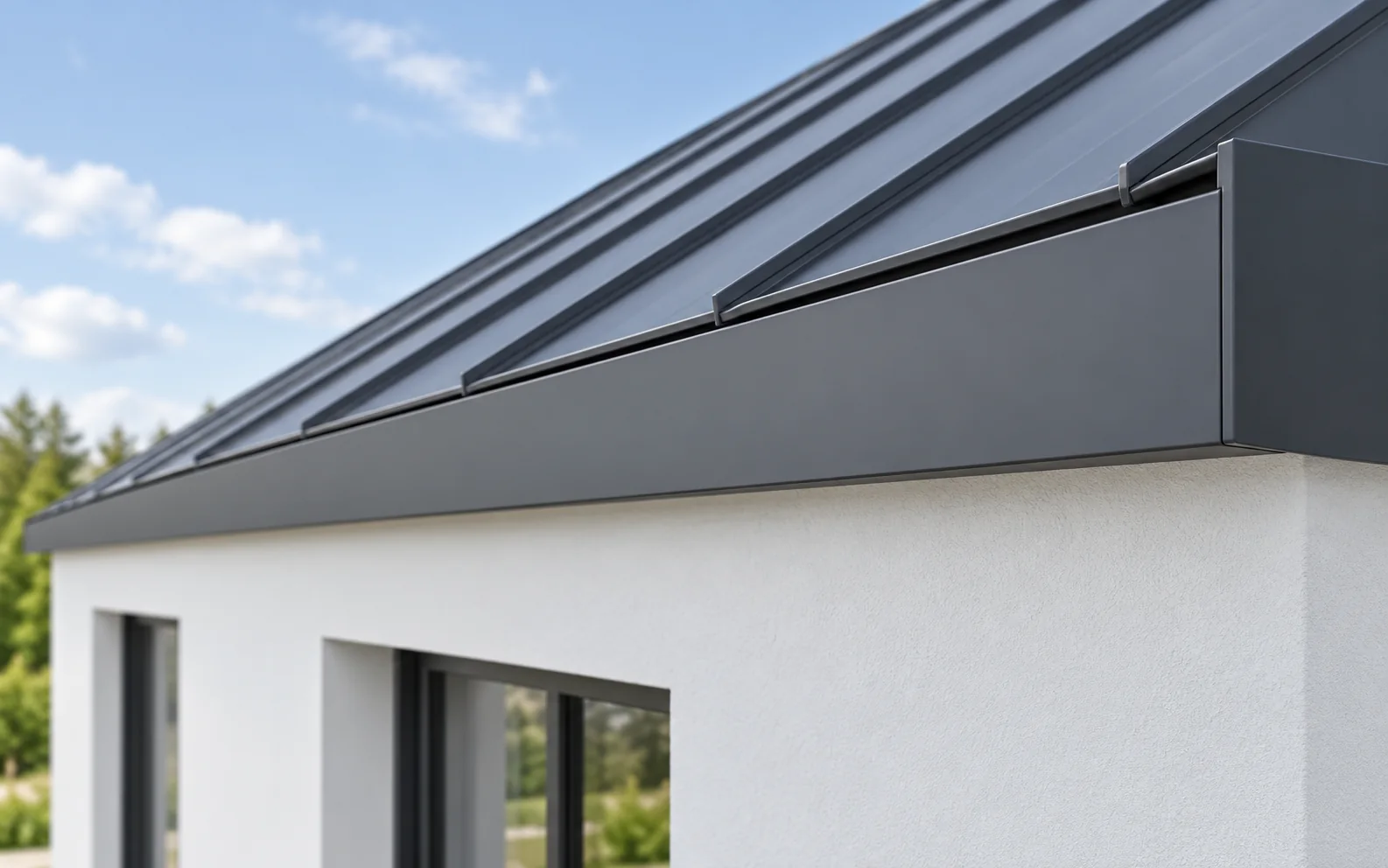
Concealed gutters can be combined with a metal roof if the entire eaves have been designed for such drainage. The right flashings…