

Renovation and maintenance
Autumn roof checks before the first frost
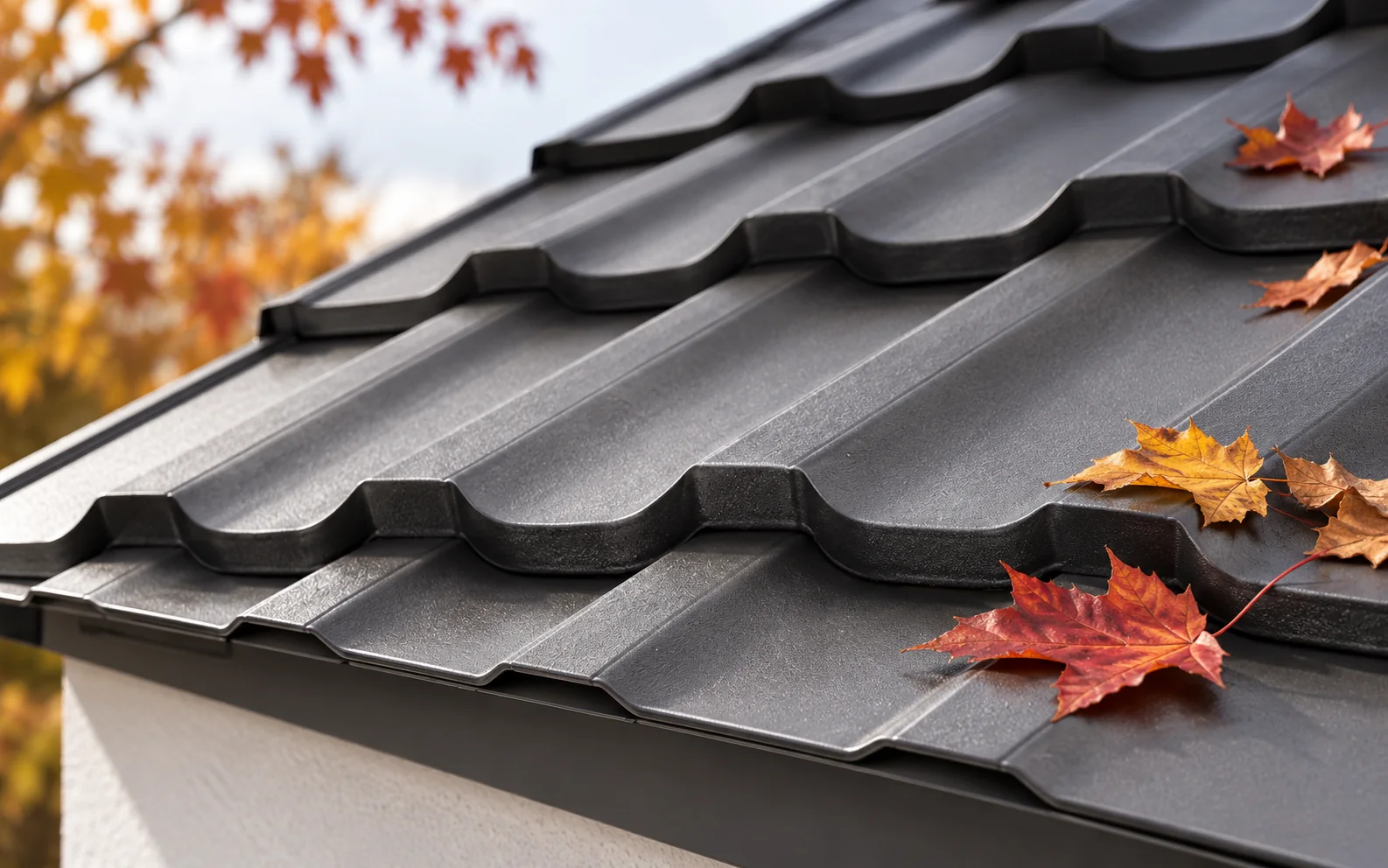
An autumn inspection should prepare the roof for prolonged moisture, wind and snow. First, check the drainage of water, loose components and places where leaks have occurred before. Repairs should be planned before low temperatures make it difficult to use materials. It is worth repeating the drainage check after the leaves have fallen. At the beginning of autumn it is easier to find a dry period for repairing the covering or a connection. Some materials require a specific temperature and drying time. Postponing a minor defect until the first frosts can restrict the choice of a correct repair method. At the same time, cleaning the gutters too early does not complete the task at a house surrounded by trees. After a few weeks they can fill with leaves again.
In this article
Why does the timing of autumn work matter?
At the beginning of autumn it is easier to find a dry period for repairing the covering or a connection. Some materials require a specific temperature and drying time. Postponing a minor defect until the first frosts can restrict the choice of a correct repair method.
At the same time, cleaning the gutters too early does not complete the task at a house surrounded by trees. After a few weeks they can fill with leaves again. In such a place, two short stages are useful: assessment and repairs earlier, then a check of flow after the main leaf fall.
Where must water drain away without obstruction?
Gutters, outlets, downpipes and the downstream water discharge must be checked. On roofs with a parapet, there are also inlets and emergency overflows. It is not enough to see a clean gutter. Water can collect lower down, at a bend in the pipe or where the discharge is blocked.
It is also worth inspecting the roof valleys and the areas around obstacles. Leaves lying at the chimney retain moisture and hinder runoff. Dirt is removed without scratching the sheet metal. At the same time, it can be checked whether edges and connections were disturbed during earlier work.
Which components can wind loosen?
Attention should be paid to barge boards, the ridge, eaves strips and flashings at walls. A loose section may not leak in ordinary rain, but a strong gust increases the risk of it being torn off. A roofer should check the fixing and the substrate instead of limiting the work to an extra application of sealant.
Gutter brackets and equipment mounted on the roof also require inspection. A cable rubbing against the covering can cause damage. However, additions should not be fixed with an arbitrary screw to a random pressing. Loads must be transferred to components intended for that purpose.
How can readiness for snow be assessed?
Check the condition of snow guards, supports and other snow-retention safety devices. Their arrangement should correspond to the roof design. The mere fact that a metal component is still on the roof slope does not confirm that the connection is sound. The substrate and the complete set of fixings are important.
The owner of a larger building should also have a plan for checking snow load. The access route, the location of skylights and the organisation of snow clearing must be known. A snow guard limits snow sliding but does not automatically increase the roof’s load-bearing capacity. Retained snow still loads the structure.

What should be inspected in the attic before the heating season?
Check for traces of moisture at chimneys, roof windows and the junction of the roof slope with the wall. It is worth returning to places repaired in the previous season. Dry timber on a sunny day does not rule out a leak during wind-driven rain. Recorded dates of when stains appeared are helpful.
Also assess the available connections of the layer limiting the flow of vapour and air from the interior. A new cable or installation could have damaged it. In winter, a greater temperature difference reveals such faults. Roof ventilation gaps should not be blocked in the belief that this alone will improve insulation.
Which repairs should be carried out before winter?
Active leaks, loose components above walkways and ineffective drainage are urgent. Next, damage to the covering and incorrect connections are addressed. The repair material must be compatible with the covering and the application conditions. A temporary compound on wet sheet metal rarely gives a predictable result.
If a permanent repair requires larger works, safe temporary protection and a completion date are needed. It should not block drainage or ventilation. In sandwich roof panels, areas where damage can lead to moisture penetration of the core must also be protected.
How can it be checked whether the roof is ready?
After the work is completed, inspect the repaired areas, the flow of the outlets and the surroundings of the building. Remove leftover waste and metal filings. Record in the documentation what was done, which materials were used and what remains to be observed. This way, winter servicing does not begin with searching for the history of the problem.
Keep the contractor’s contact details and access to the roof documentation. After a strong gale or unusual precipitation, an additional inspection may be necessary. An autumn inspection reduces the risk of failure but does not replace responding to the changing condition of the building.
Advice before ordering
Do not tie the final gutter cleaning to an arbitrary date in the calendar. Where there are deciduous trees, check them again after most of the leaves have fallen and before a forecast longer period of frost.
What is worth remembering?
In autumn, the greatest benefits come from effective drainage, secure connections and closed paths for leaks. Early identification of defects leaves time for proper repair. Roof readiness is worth confirming with a short report and photographs rather than relying solely on an impression from the ground.
7 branches. Materials closer to your project.

Free quote
Materials for your project





You may also find useful…
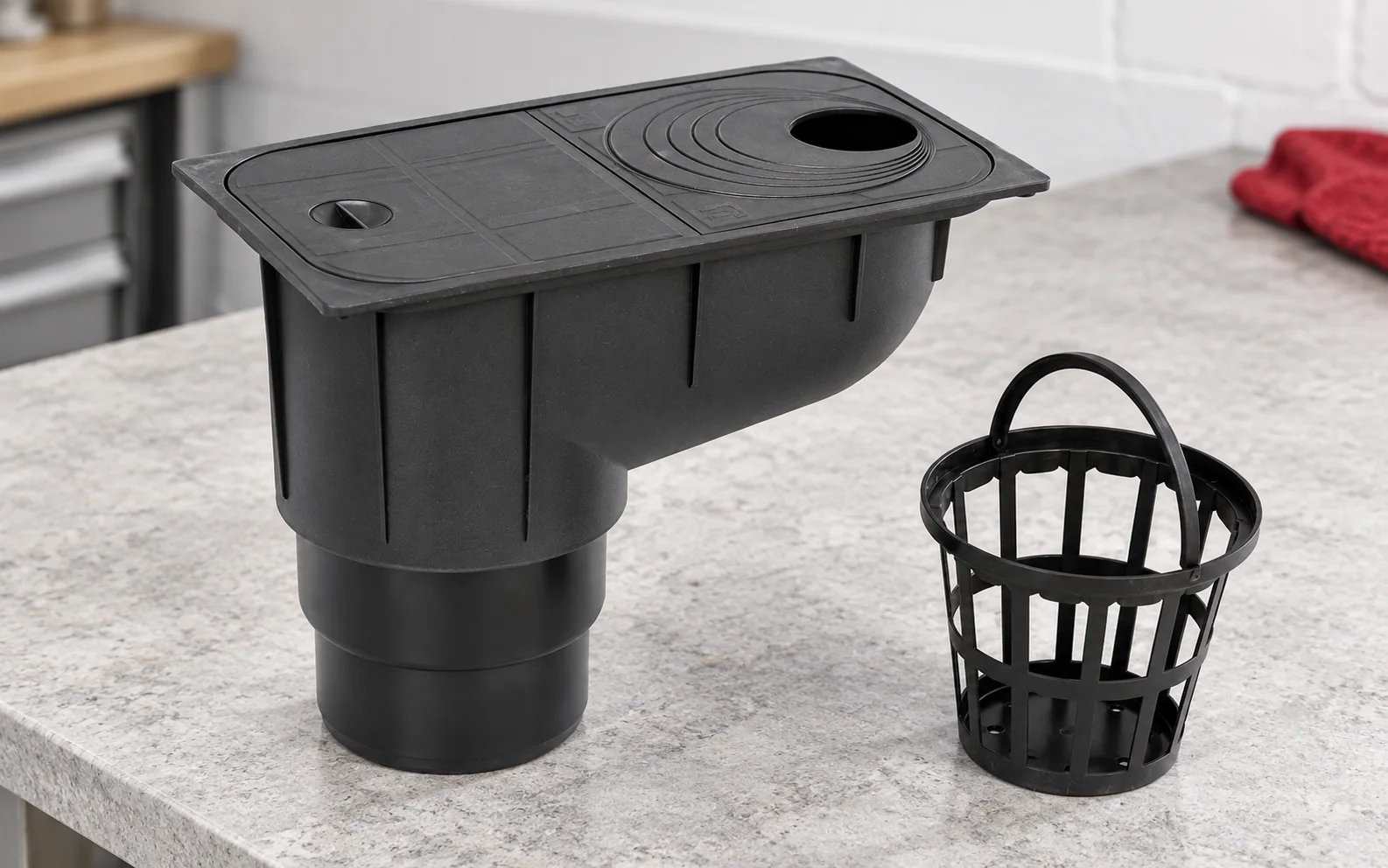
A rainwater gully (downpipe leaf catcher) is usually installed at the lower end of the downpipe so that its basket captures leaves…
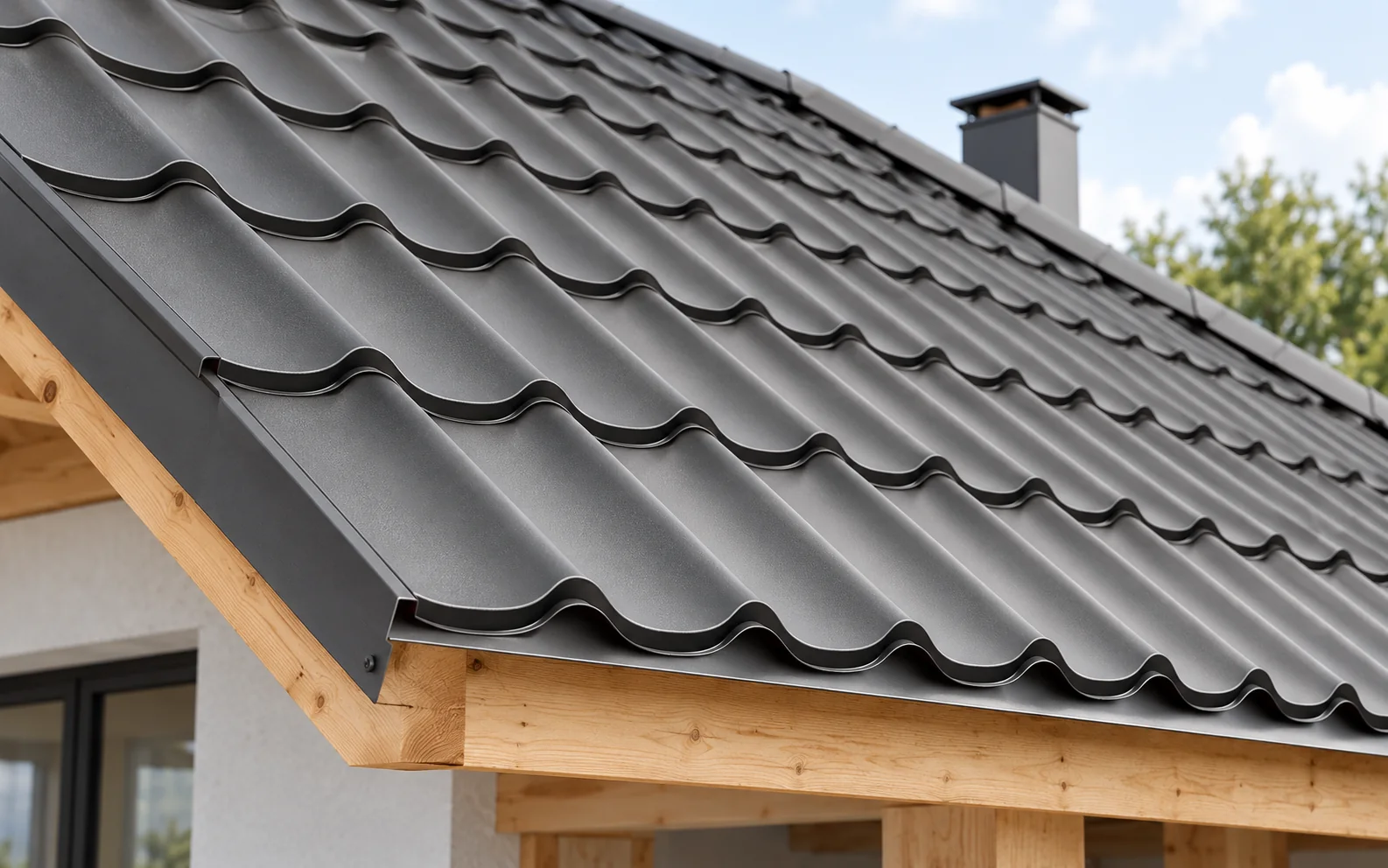
Replacing a roof from measurement to handover requires decisions on material, construction and details before dismantling begins. A survey of the finished…
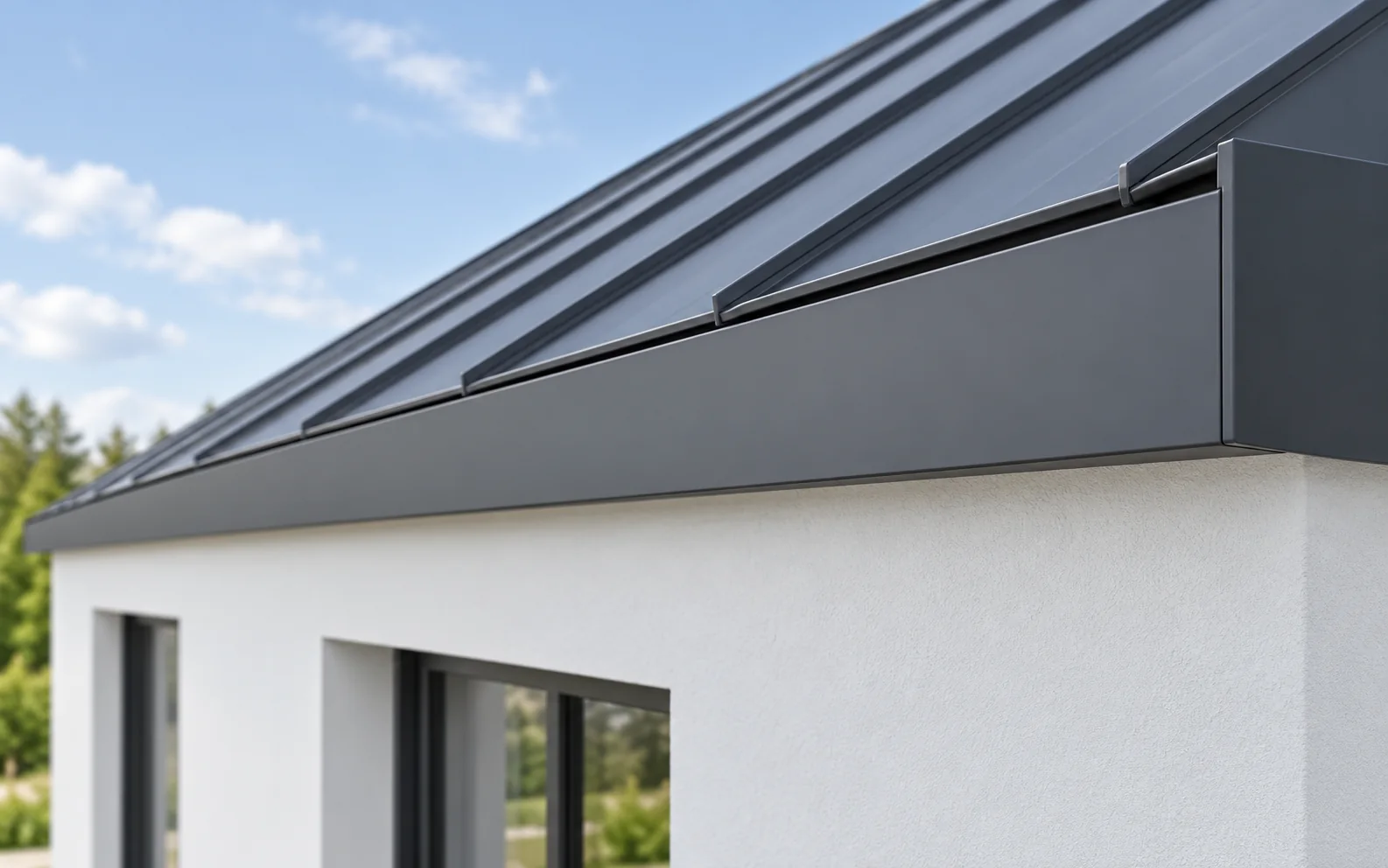
Concealed gutters can be combined with a metal roof if the entire eaves have been designed for such drainage. The right flashings…

Preparing a roof for winter covers three areas: drainage, the safety of components and moisture control beneath the covering. The response to…

Snow guards and snow fences serve different purposes. Point elements help to distribute and slow down the sliding mass, while linear barriers…
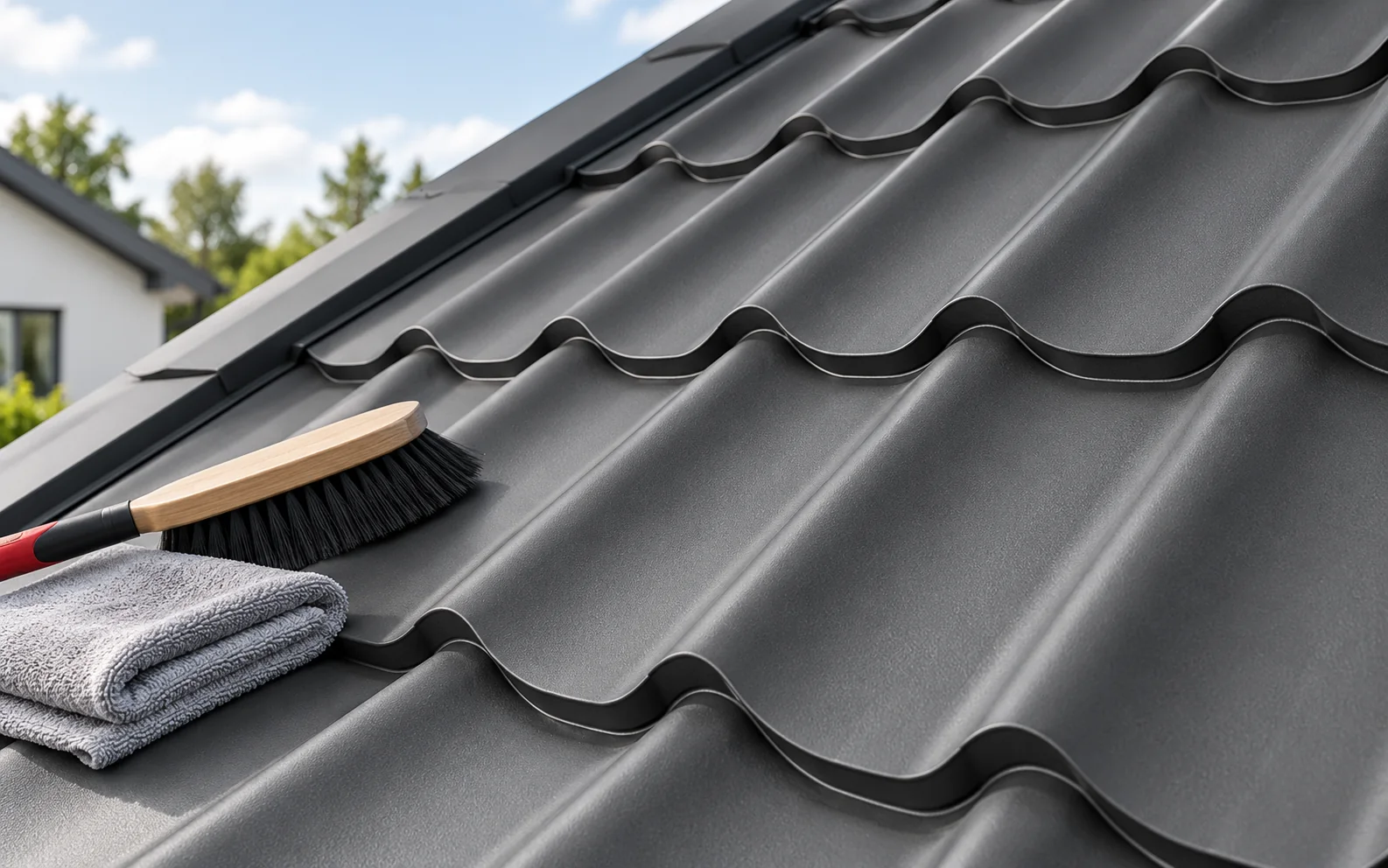
Roof maintenance involves removing dirt, checking joints and repairing minor damage. It does not mean painting the entire roof slope every year.…

Dark growth in a corner can be caused by a cold surface, high indoor humidity or water entering from outside. Several causes…
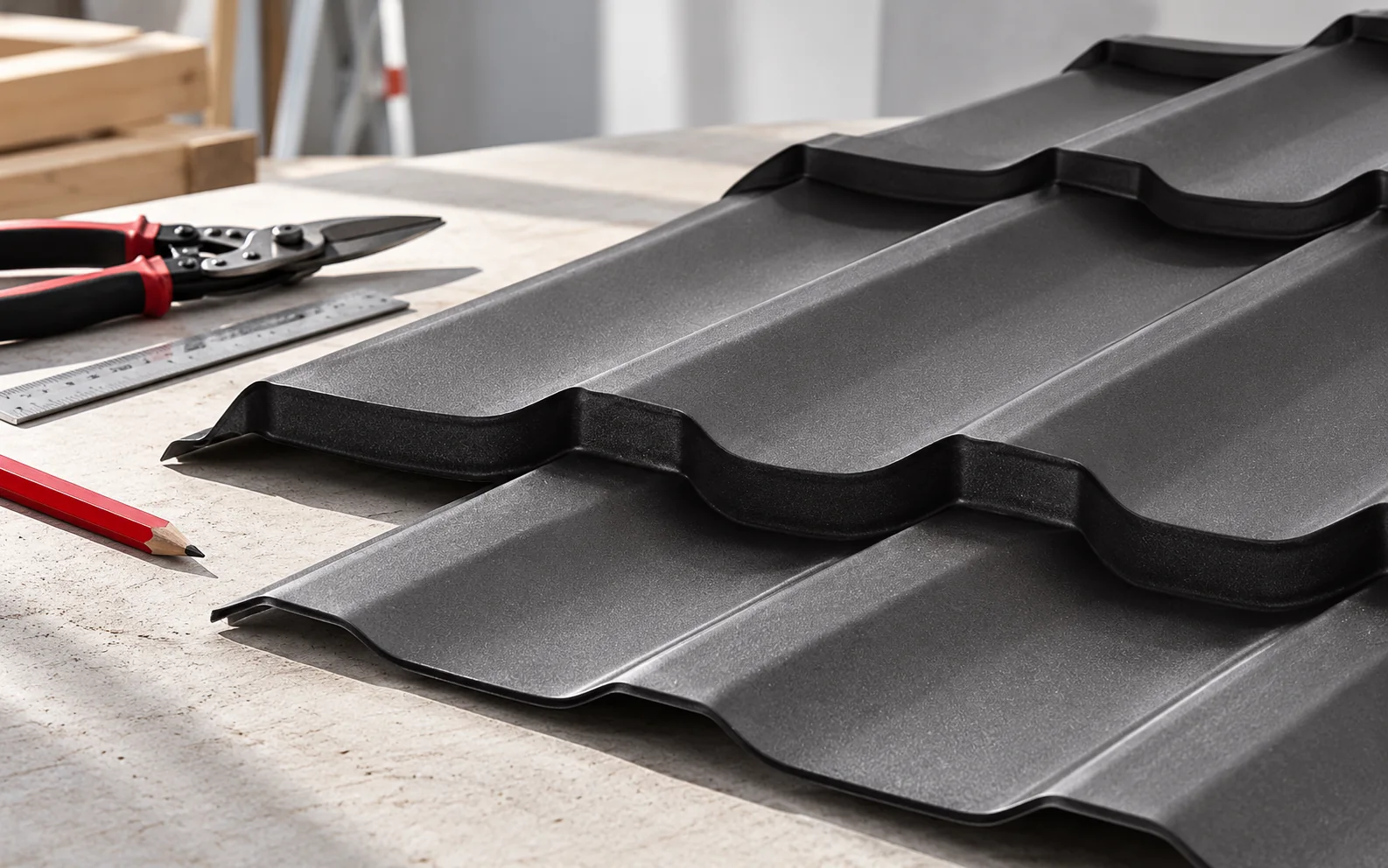
A good roofer can explain how a detail will be executed, check the substrate and work in accordance with the roof covering…