

Roof coverings
How to install a rainwater gully and ensure access for cleaning?
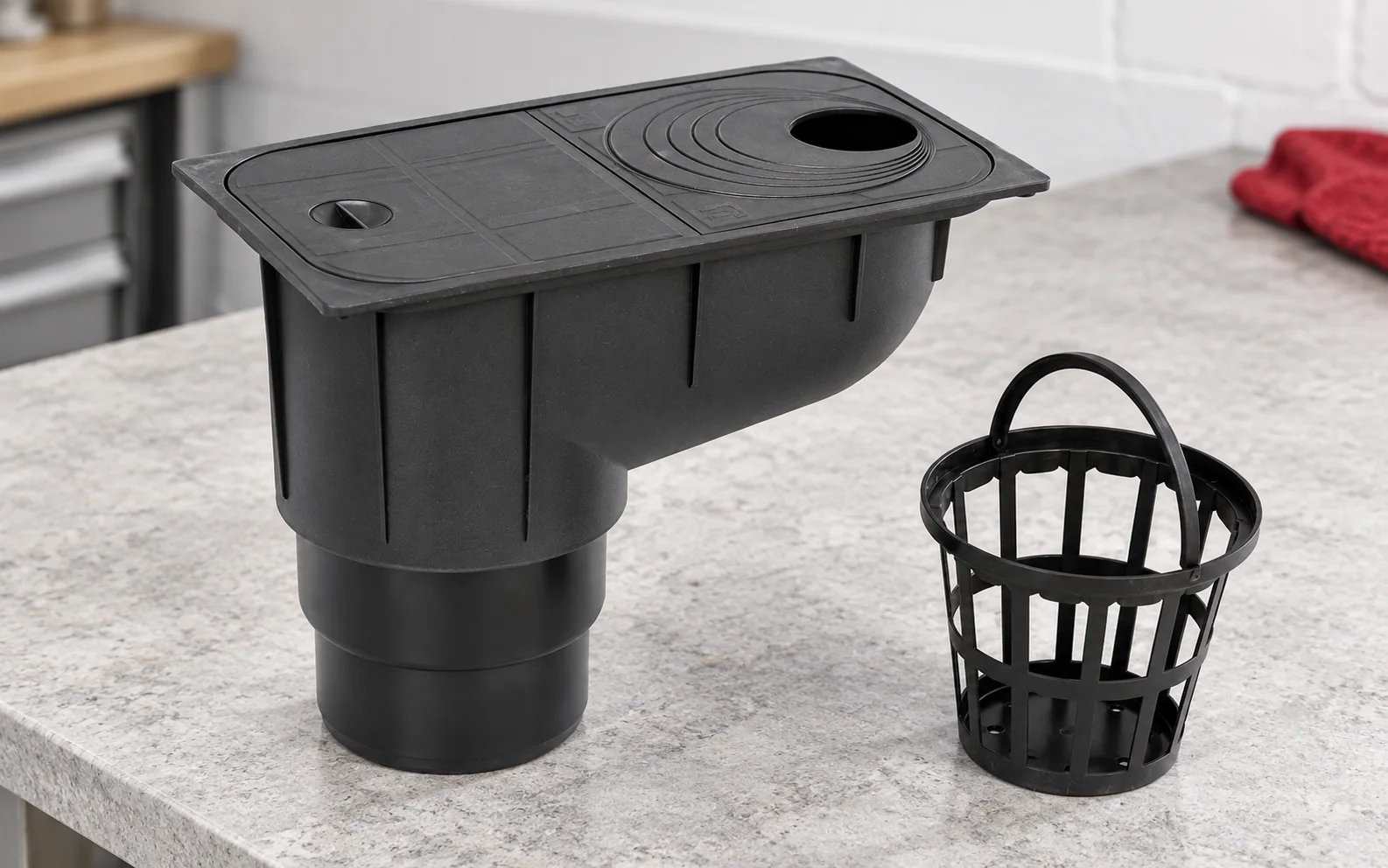
A rainwater gully (downpipe leaf catcher) is usually installed at the lower end of the downpipe so that its basket captures leaves and larger debris, protecting the downstream sections of the system from blockage. Before buying, compare the inlet and outlet dimensions with the pipe used and the underground drainage, and check the outlet direction and adjustment options. The cover level is matched to the final surface and the installation instructions, taking into account the opening direction and the space needed to remove the basket. The unit requires stable support in accordance with the product documentation and the system design; it is not a filter that removes all fine particles from rainwater. The basket must be emptied regularly, and how often it is checked depends on the surroundings, the number of trees and the amount of debris.
In this article
What function does the rainwater gully serve?
The rainwater gully is usually located at the lower end of the downpipe. Its basket can capture leaves and some other larger debris. This helps to protect the downstream sections of the system from blockage. However, it is not a filter that automatically removes all fine particles from rainwater.
The unit also provides an access point for checking the drain. The openable cover allows the condition of the basket to be checked without dismantling the façade. This function only makes sense with convenient access. A rainwater gully hidden under permanent structures or buried under a surface loses its most important advantage during later servicing.
What should be checked before purchase?
Compare the inlet and outlet dimensions with the pipe used and the underground installation. Pay attention to the outlet direction and adjustment options. A similar appearance of the housing does not confirm compatibility. Data for the specific model are needed, including the permitted installation and cover loading conditions.
Check how the basket is removed and how the cover is closed. In a narrow place next to the wall, not every variant will be convenient. Also determine whether the unit has a suitable solution to limit escaping odours, if this is required in the given system. Not every rainwater gully has identical equipment.
Where should the collected water go?
Before making the connection, the further discharge route must be known. It may lead to a tank, a designed infiltration system or a suitable receiving installation. The solution must correspond to the site conditions and the permitted rules for water discharge. It must not be assumed that every available sewer pipe is the correct receiver.
The rainwater gully will not remedy insufficient capacity or an incorrect fall in the downstream pipe. If water backs up during rain, the cause may be far from the basket. It is worth providing for the possibility of inspecting the system. An accessible cleaning point makes it easier to determine whether the problem lies with the gully or the downstream drain.
How to determine the position and height?
The cover level must be matched to the final surface and the installation instructions. It is best to determine it before laying the paving or edging. Take into account the opening direction and the space for removing the basket. The rainwater gully should not create an accidental obstacle on the access route next to the building.
Also check the relationship to the plinth and the foundation insulation. Installation must not damage these layers or direct water towards the wall. The downpipe should lead into a suitably prepared inlet. Forced deflection or stress on the connection can lead to leakage and make later dismantling difficult.

How to prepare the support and connections?
The substrate and bedding are executed according to the product documentation and the system design. The housing requires stable support, without accidental point loads. Ground settlement can change the position of the spigots. Therefore it is not enough to place the unit in loose soil and cover it with a surface.
The connections must be compatible with the pipe material and dimensions. Seals should be clean, correctly seated and undamaged. A large mismatch in diameters should not be compensated with sealing compound. A suitable adapter or a suitable variant of the device intended for such a combination is required.
How to check operation before backfilling?
Before covering the connections, check the direction of the pipe, its laying and the stability of the unit. A controlled flow of water helps to detect a leak or a lack of patency. Also observe the discharge from the downstream part of the system, if it is accessible. The mere rapid disappearance of water from the inlet does not confirm the tightness of all connections.
Take photos of the pipe routing and connection points. Record the dimensions and position relative to fixed points of the building. The documentation is useful for repairing the surface and for later earthworks. It also allows the location of a problem to be determined more quickly, without accidentally digging up the entire edging.
How often to clean the basket and what to observe?
The frequency depends on the surroundings, the number of trees and the amount of contaminants. The basket should be checked after heavy leaf fall and after strong wind. There is no need to wait for water to overflow. A full insert can restrict discharge despite correctly selected gutters and downpipes.
If the unit fills up quickly, check the patency of the entire water path. Pay attention to settlement of the housing, cracks and difficulty in closing the cover. In winter, do not use random chemical de-icing agents. The procedure should correspond to the material and the recommendations of the rainwater gully manufacturer.
Tip before ordering
Before laying the surface, remove the basket at the planned installation location. Check whether it can be lifted and emptied freely without collision with the wall, pipe or step. A few centimetres of positioning can decide the convenience of cleaning.
What is worth remembering?
A rainwater gully is a useful drainage inspection point if it has been correctly supported and connected to a free-flowing drain. Its effectiveness is also determined by easy access to the basket. Careful installation and regular cleaning reduce the risk of blockages next to the building.
7 branches. Materials closer to your project.

Free quote
Materials for your project


You may also find useful…
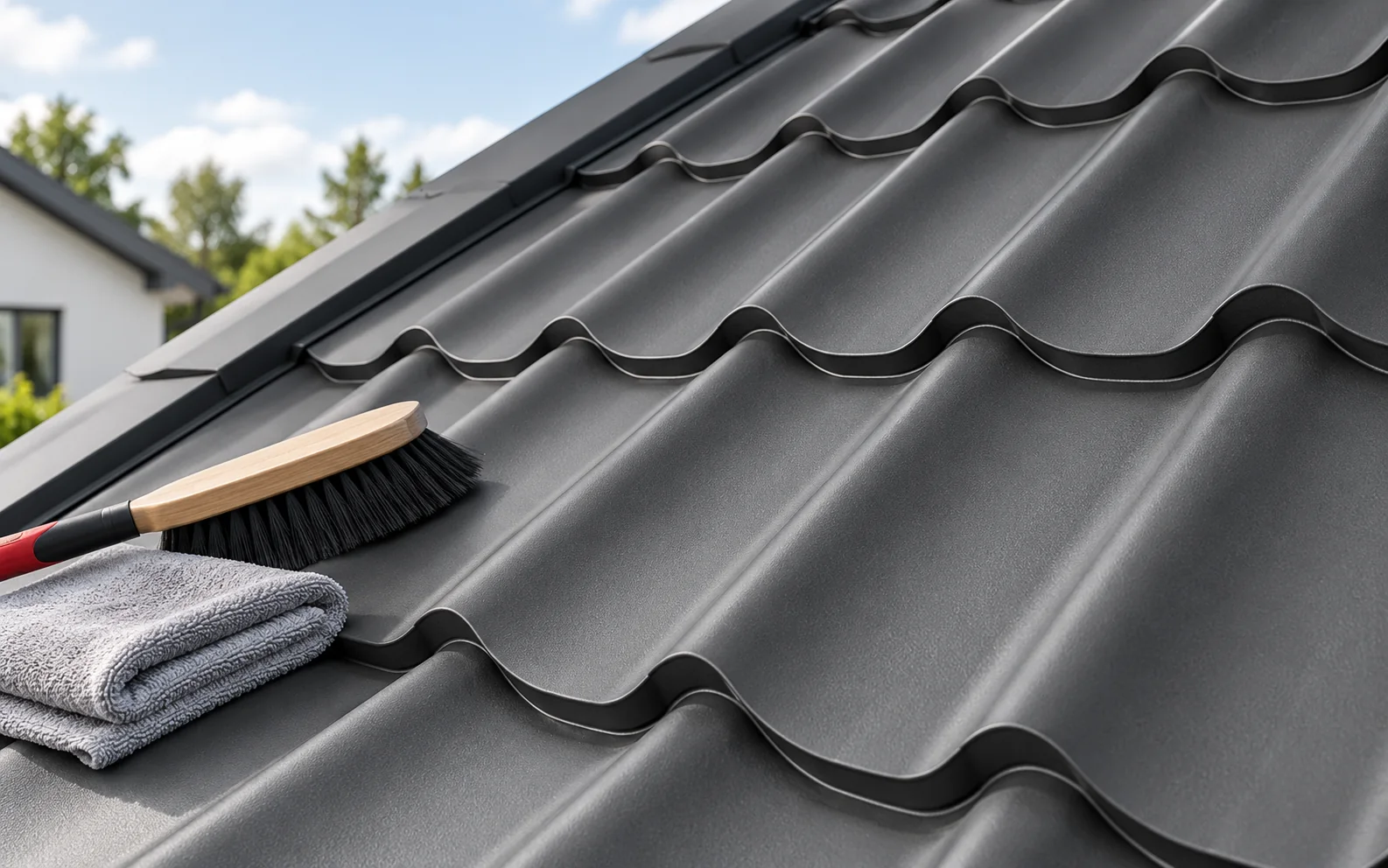
Roof maintenance involves removing dirt, checking joints and repairing minor damage. It does not mean painting the entire roof slope every year.…
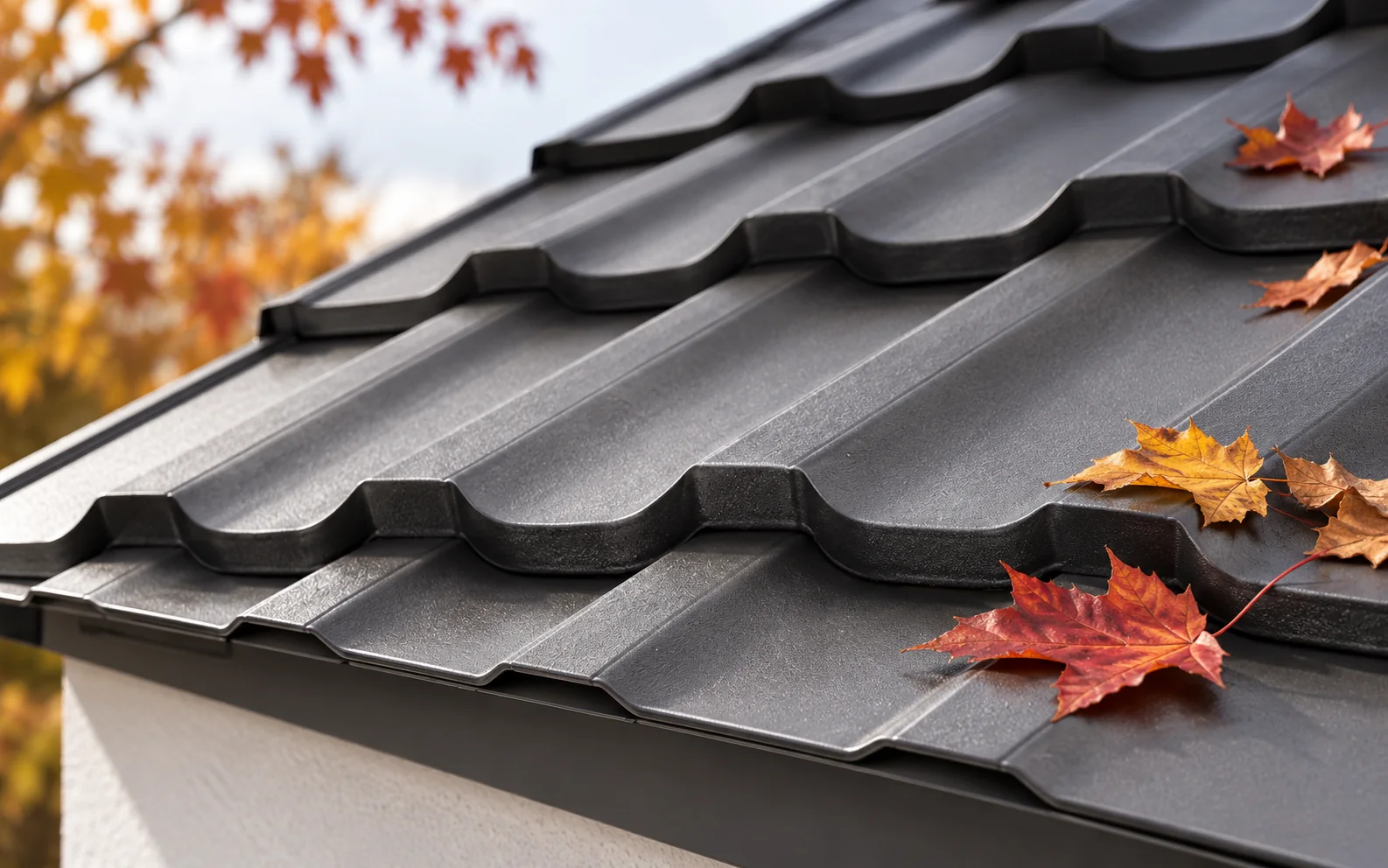
An autumn inspection should prepare the roof for prolonged moisture, wind and snow. First, check the drainage of water, loose components and…
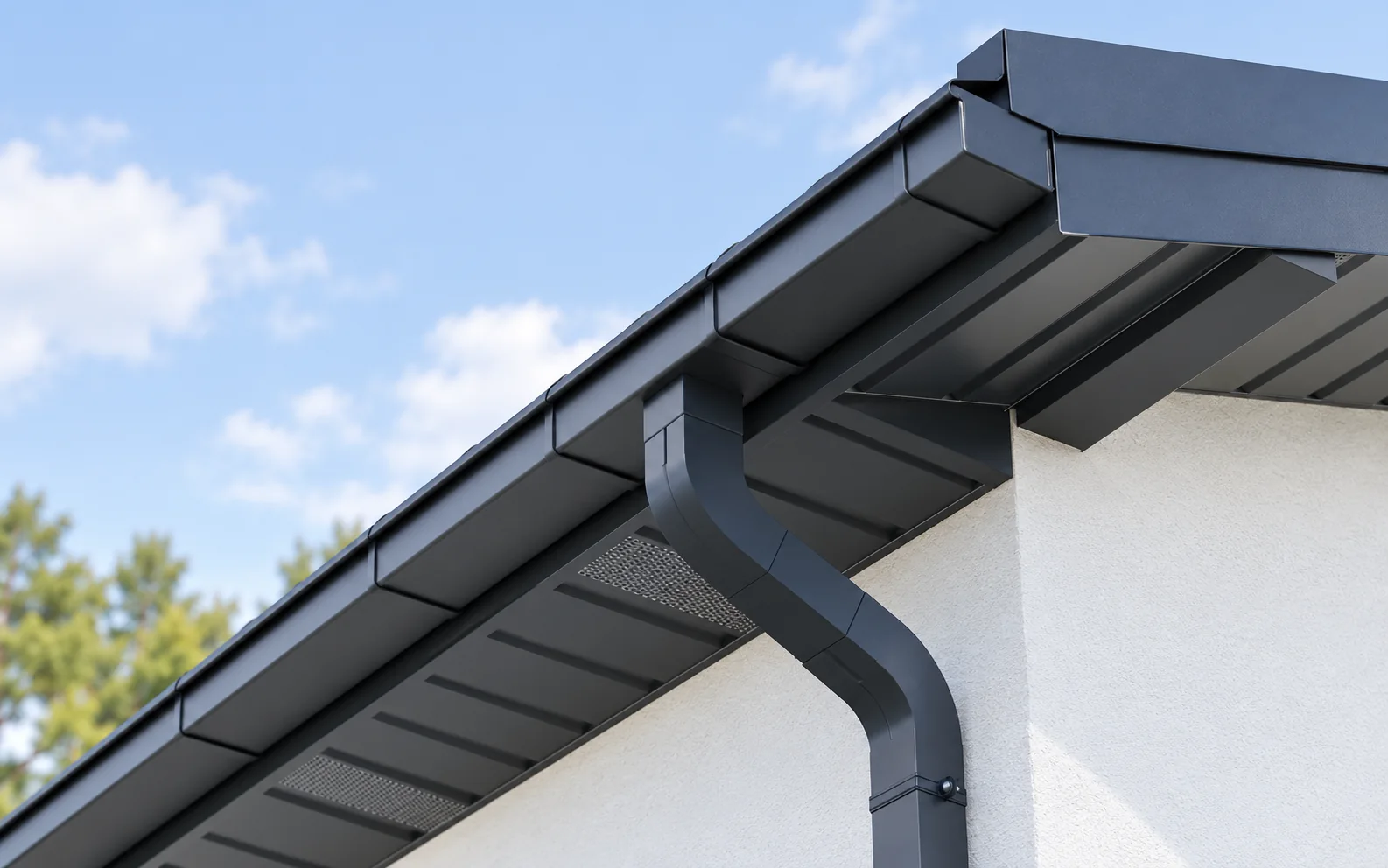
Square gutters give the eaves a clear, straight line and can suit metal roofing well. Their shape does not, however, guarantee greater…

Concealed gutters can be combined with a metal roof if the entire eaves have been designed for such drainage. The right flashings…
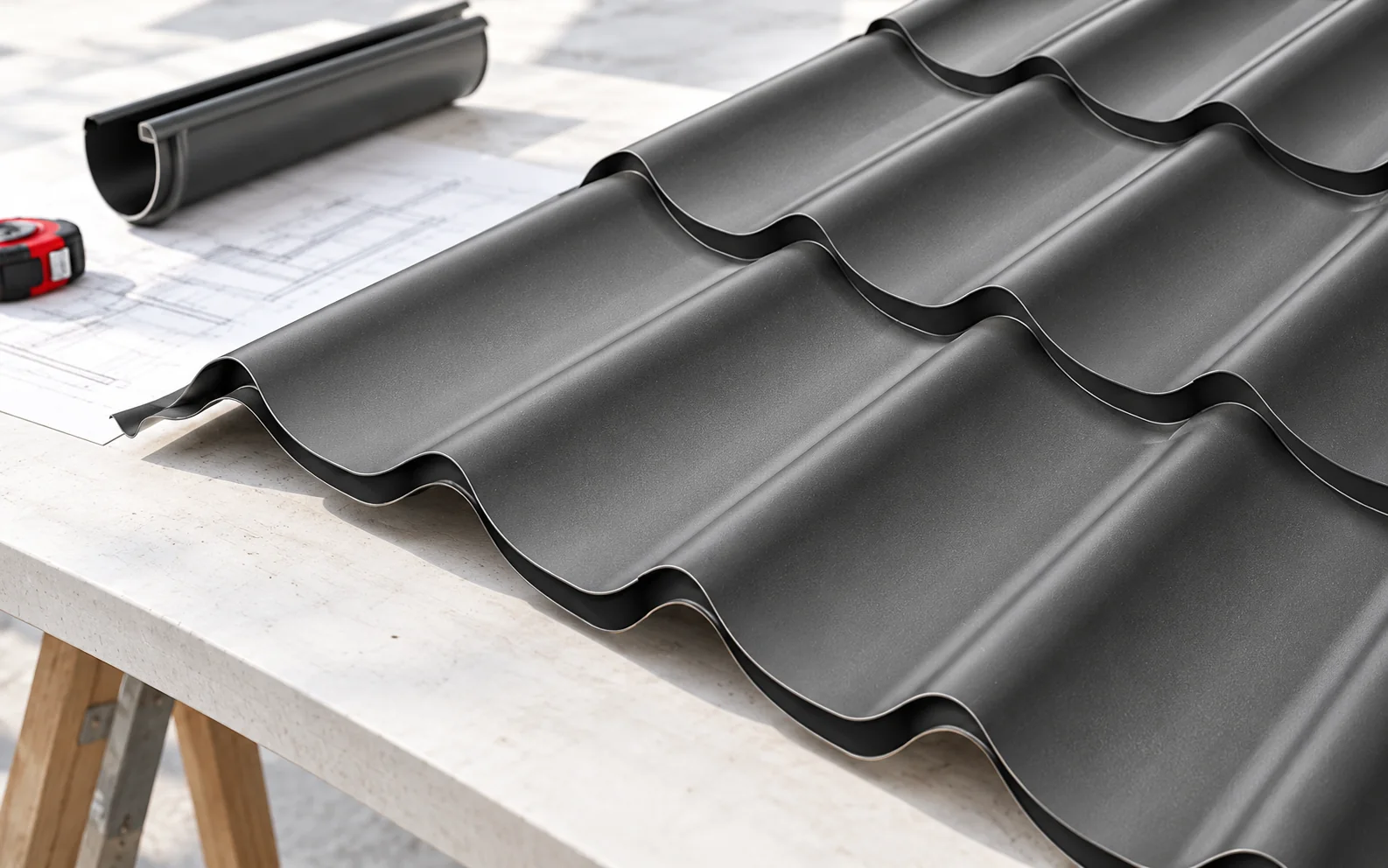
Effective roof drainage starts with identifying which roof slopes, valleys and dormers will deliver water to each gutter run, not with the…
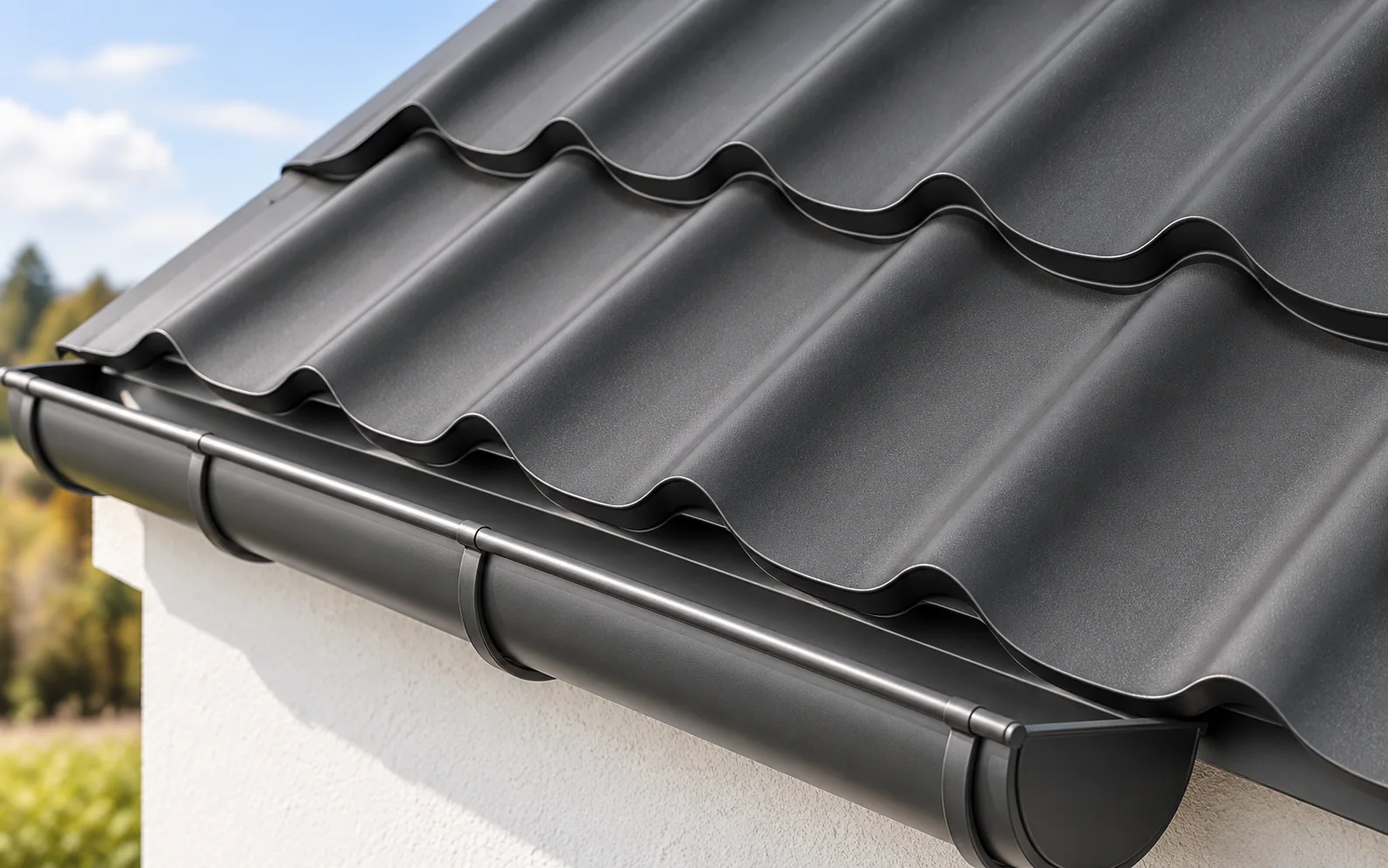
Vacuuming can effectively remove leaves, but it does not confirm that the entire drainage system is clear. Before winter, the connections, brackets,…
Before choosing a roofer, ask to see a completed job with the same covering and a similar detail, such as a valley…

A roof without eaves creates a compact volume but places greater demands on the detail at the wall. Drainage, insulation and any…