

Renovation and maintenance
Roof maintenance: how often to inspect a roof and what to do
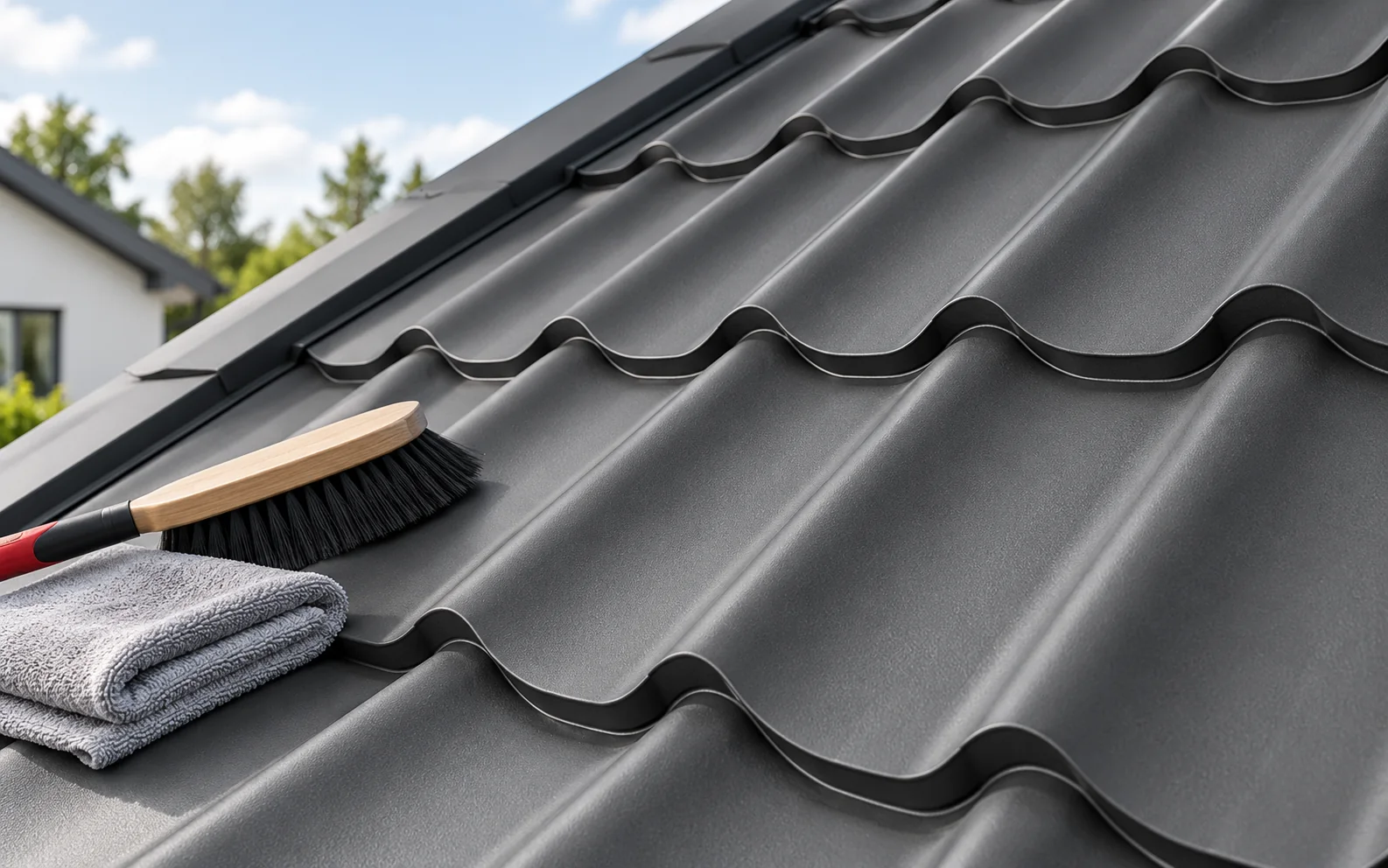
Roof maintenance involves removing dirt, checking joints and repairing minor damage. It does not mean painting the entire roof slope every year. The maintenance plan should take account of the roofing manufacturer’s instructions, the building’s surroundings and events such as hail or storms. This ensures that servicing reflects the actual condition of the roof. Rain washes away some dust but does not remove all deposits. Leaves may remain in the gutter, and dust can accumulate at the profiling. Damp dirt impairs the working conditions of the coating. Blocked drainage directs water to places where it should not collect. A minor defect also tends to grow. A loose flashing may damage the adjacent section during the next wind.
In this article
Why does a roof need regular care?
Rain washes away some dust but does not remove all deposits. Leaves may remain in the gutter, and dust can accumulate at the profiling. Damp dirt impairs the working conditions of the coating. Blocked drainage directs water to places where it should not collect.
A minor defect also tends to grow. A loose flashing may damage the adjacent section during the next wind. A leaking joint gradually dampens the layers beneath the sheet metal. Regular inspections help to find a problem before interior renovation becomes necessary.
Is one inspection a year enough?
An annual inspection is a sensible starting point, and many instructions also require regular cleaning. The exact schedule should be established on the basis of the documentation for the specific coating. A roof near tall trees or in a dusty environment may need more frequent cleaning.
A separate inspection is needed after an event that could have caused damage. This applies to severe storms, hail, snow clearing and work on equipment on the roof. A product care plan does not replace the technical inspections required for a given building. Those obligations must be considered separately.
What does routine coating maintenance involve?
The basis is removing debris, checking that gutters are clear and assessing the coating. The roofer inspects the fastenings, laps, ridge, roof valleys and flashings at obstructions. They also check the roof access equipment and snow guards. Their condition affects safety in use.
Not all tasks have to end in replacement parts. A functioning seal does not need to be tightened more just in case. Nor should a correct lap be covered with an arbitrary sealant. Servicing should leave the roof in a configuration consistent with the system documentation.
How do you clean sheet metal without damaging the coating?
First, loose dirt is removed with a tool that does not scratch the surface. The cleaning agent must be approved for the specific finish. Instructions for different products may specify different limits for pressure, temperature and pH. One recipe should not be applied to all roofs.
Water is directed so that it is not forced under the joints. Residues of the cleaning agent must be rinsed off, and dirt should also be removed from the gutters. A strong solvent or a rough brush can damage the protective layer. Safe access to the wet roof slope is just as important as the choice of detergent.

When is a small repair sufficient?
A scratch down to the metal or a localised corrosion spot requires assessment and protection. The repair is carried out in accordance with the type of coating. The source of the damage must first be removed, for example a metal filing or an element rubbing against the sheet. Merely painting over the symptom does not produce a lasting result.
A larger area of corrosion, a cracked fastening or deformation of the roof slope may require replacement parts. With modular tile-effect metal roofing, a matching panel is selected. With T18 and T35, the actual profile cross-section is needed. The name of the profiling height alone does not guarantee a match.
What changes with sandwich panels?
A roof sandwich panel combines the outer facing with insulation and the inner facing. Maintenance therefore also covers the tightness of joints, edge flashings and the condition of the surface on the interior side. Damage to the facing can open a path for water into the core zone.
The way the building is used matters. Moisture, process vapours and frequent cleaning may require a different coating and different care. Conditions in a warehouse for dry goods differ from those in a room with high humidity. The maintenance plan should match these loads.
How do you keep a simple roof history?
Keep the instructions, the roofing documents and the service records in one place. After each inspection, record the date, the scope of work and the materials used. Photographs of the same details will show whether the corrosion is spreading and whether the sealing remains in good condition.
When ordering a service, ask for a description of the defects, not just information that the roof has been cleaned. This makes it possible to establish the order of expenditure. Well-kept documentation also helps with warranties and the sale of the building. However, it is not a promise of a specific number of years without renovation.
A tip before ordering
Set one fixed reminder date for the inspection and a separate reminder after the leaves have fallen. If the roof is not surrounded by trees, the autumn inspection may be less extensive than full servicing.
What is worth remembering?
A roof does not need constant treatment, but it does need regular attention. A schedule based on the product instructions and the surrounding conditions helps to limit unnecessary work. The greatest value comes from quickly removing the cause of a defect and recording what was actually done.
7 branches. Materials closer to your project.

Free quote
Materials for your project





You may also find useful…
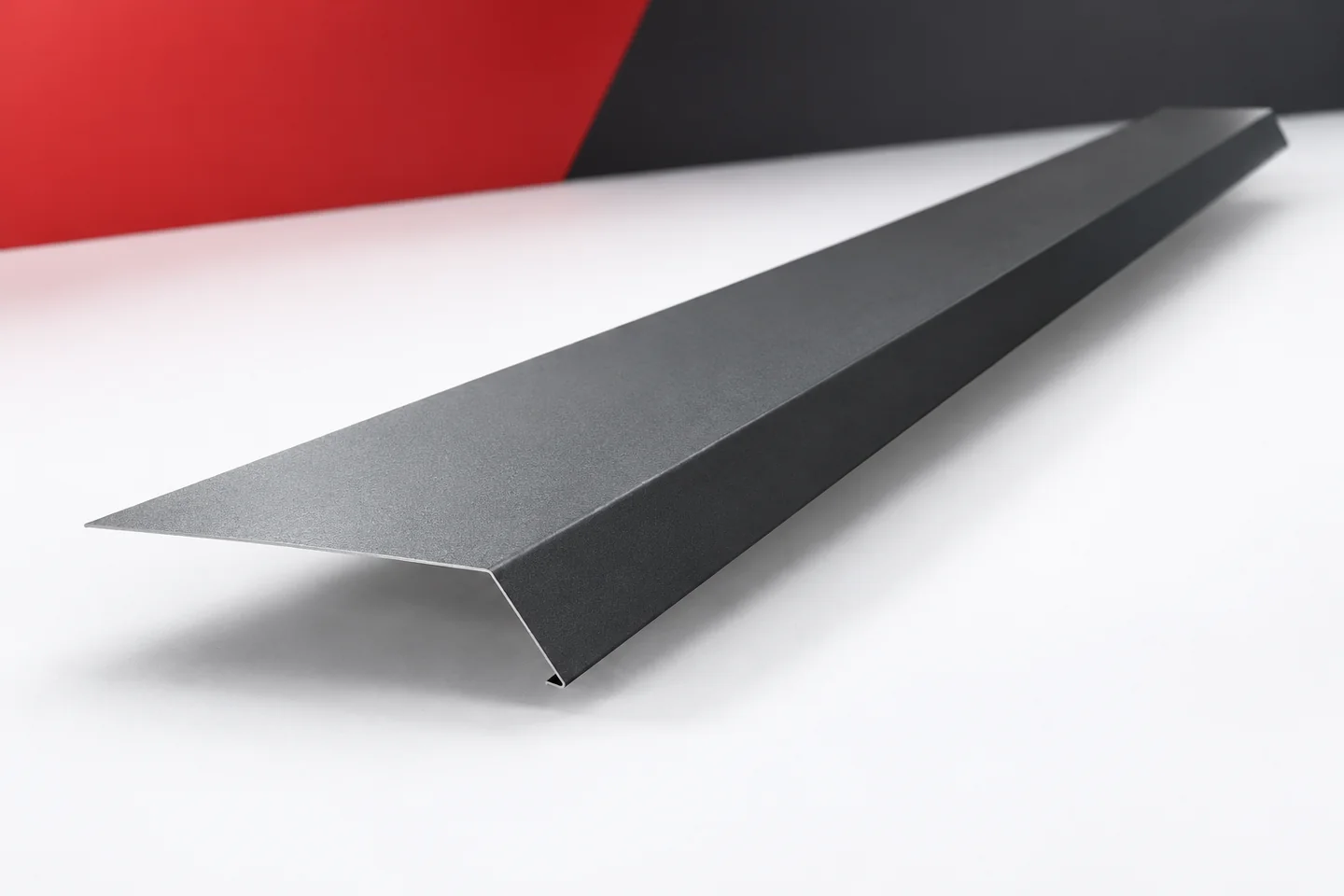
The eaves flashing is a small part of the roof, but it is responsible for an important stretch of the water's path.…
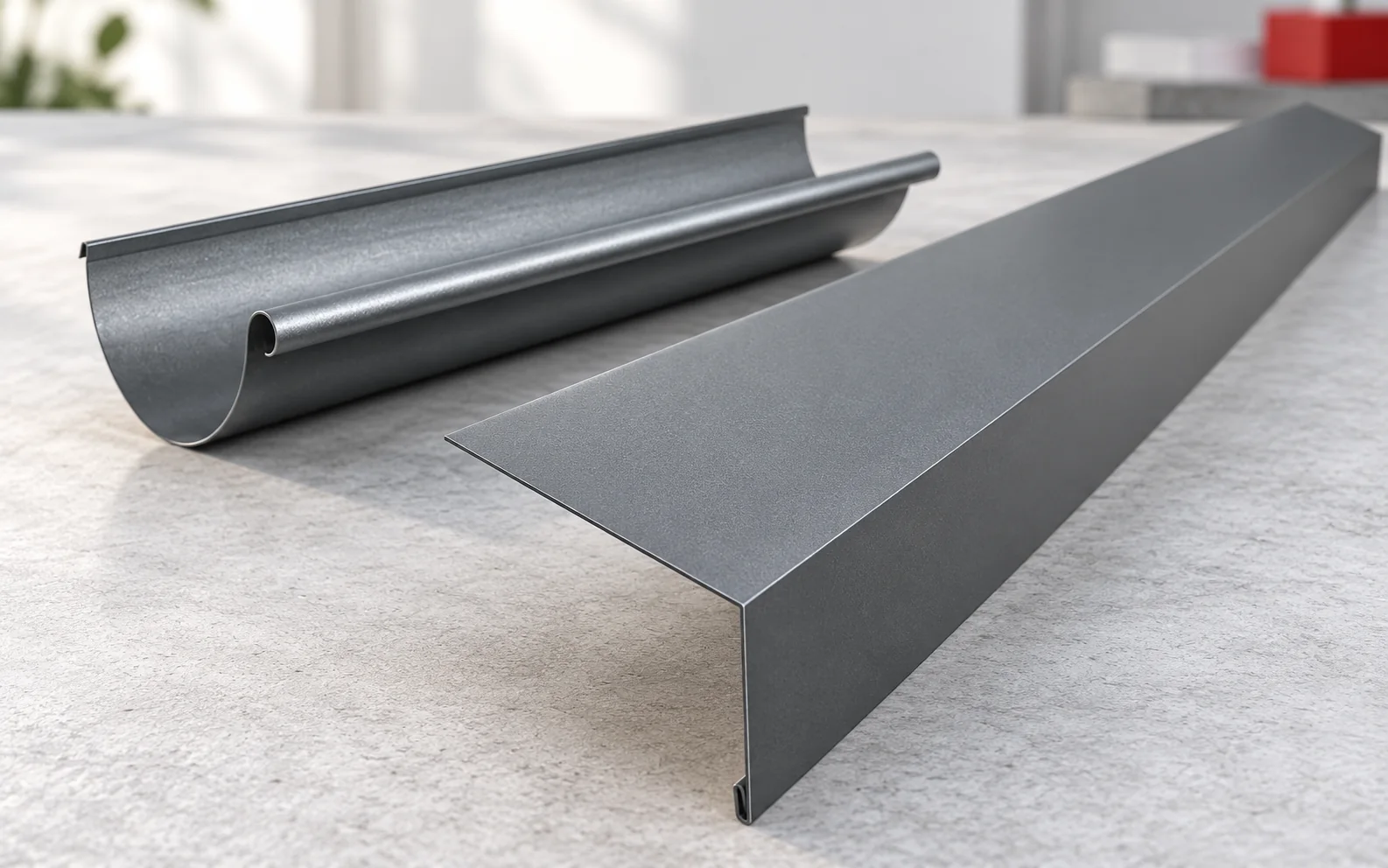
The gutter apron collects water in the eaves zone and shields the vulnerable end of the roof slope, so its shape must…
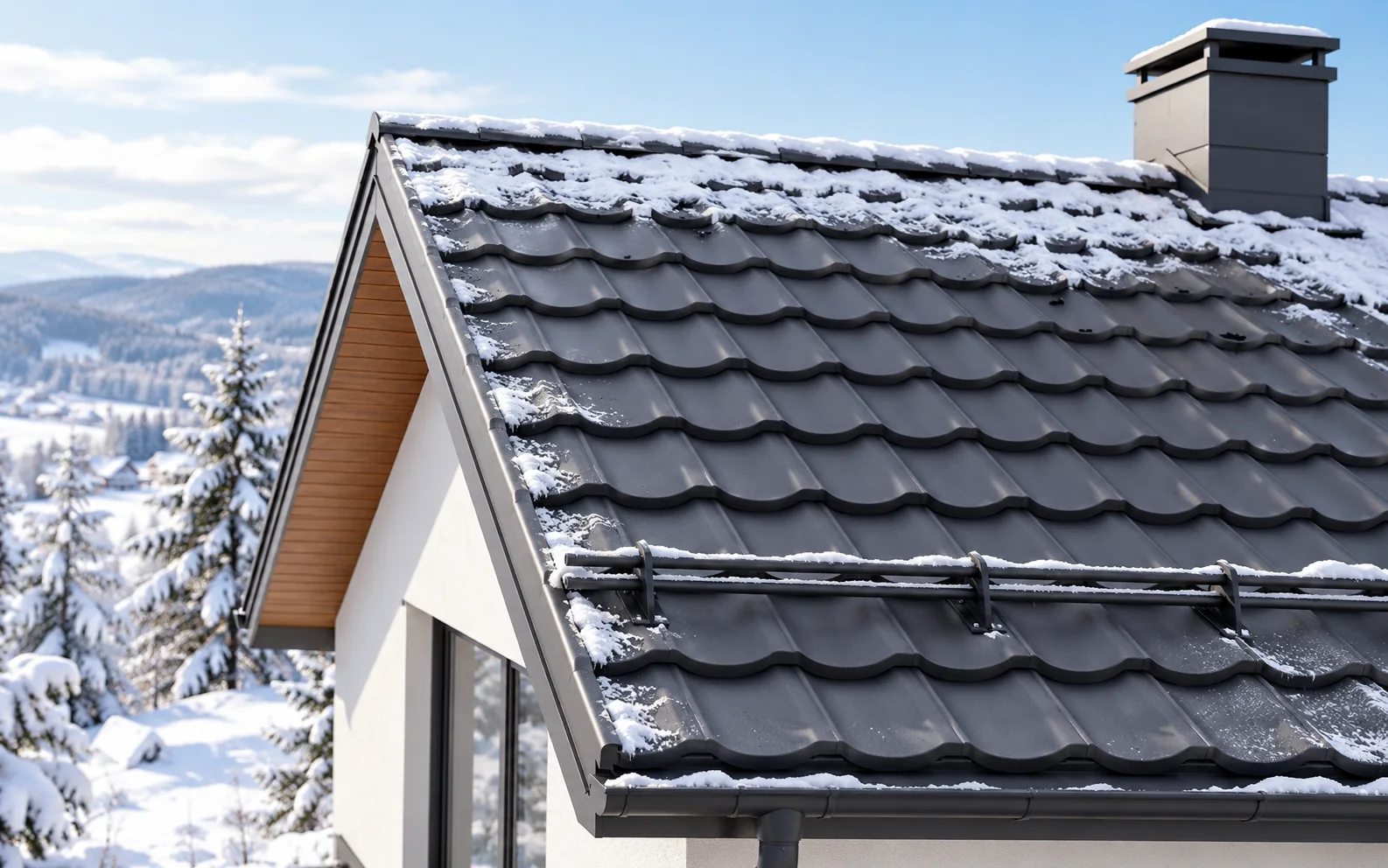
Snow guards and snow fences serve different purposes. Point elements help to distribute and slow down the sliding mass, while linear barriers…
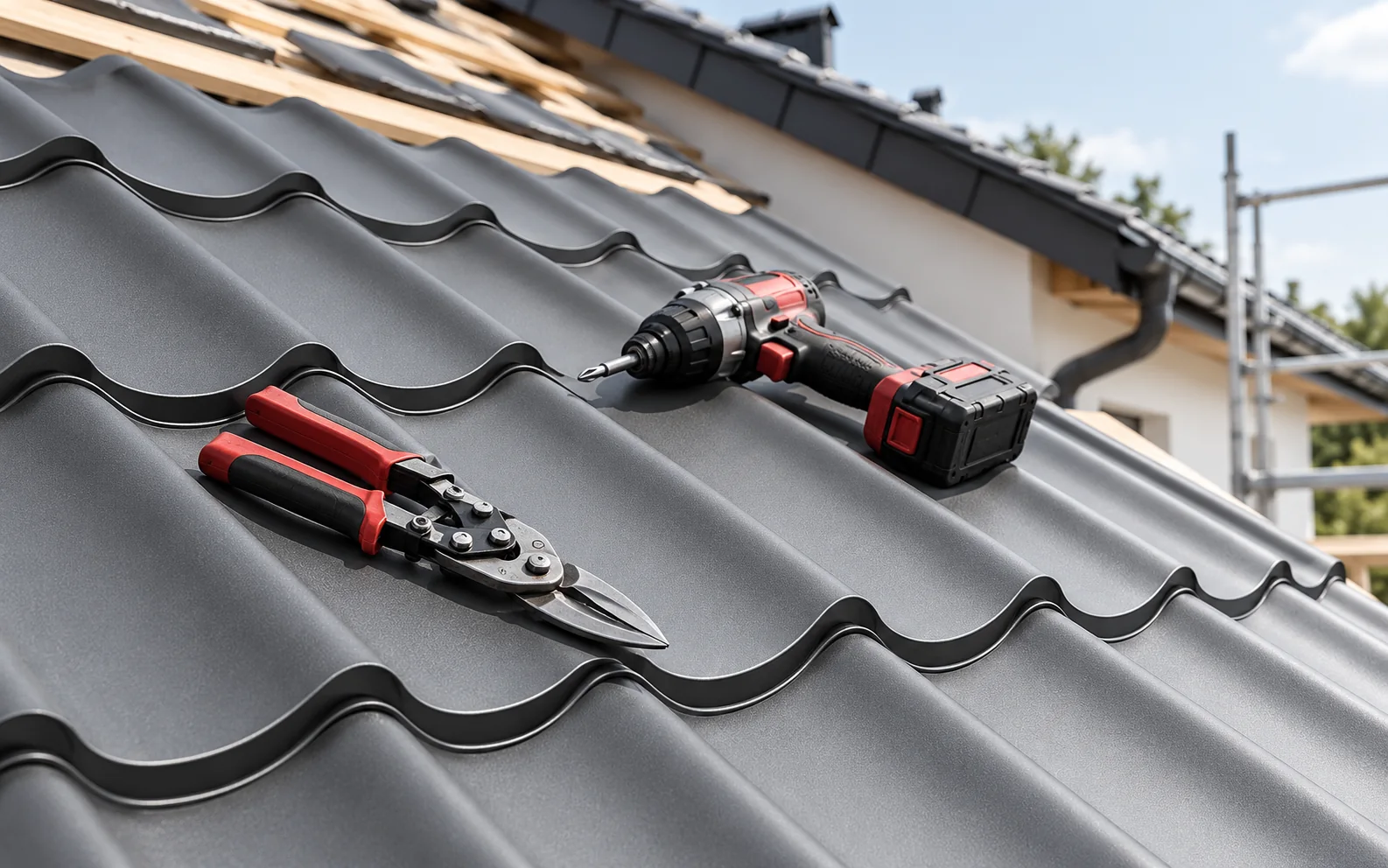
Before choosing a roofer, ask to see a completed job with the same covering and a similar detail, such as a valley…

A concealed gutter system reduces the visibility of the drainage, but it must still collect water efficiently and remain serviceable. It is…
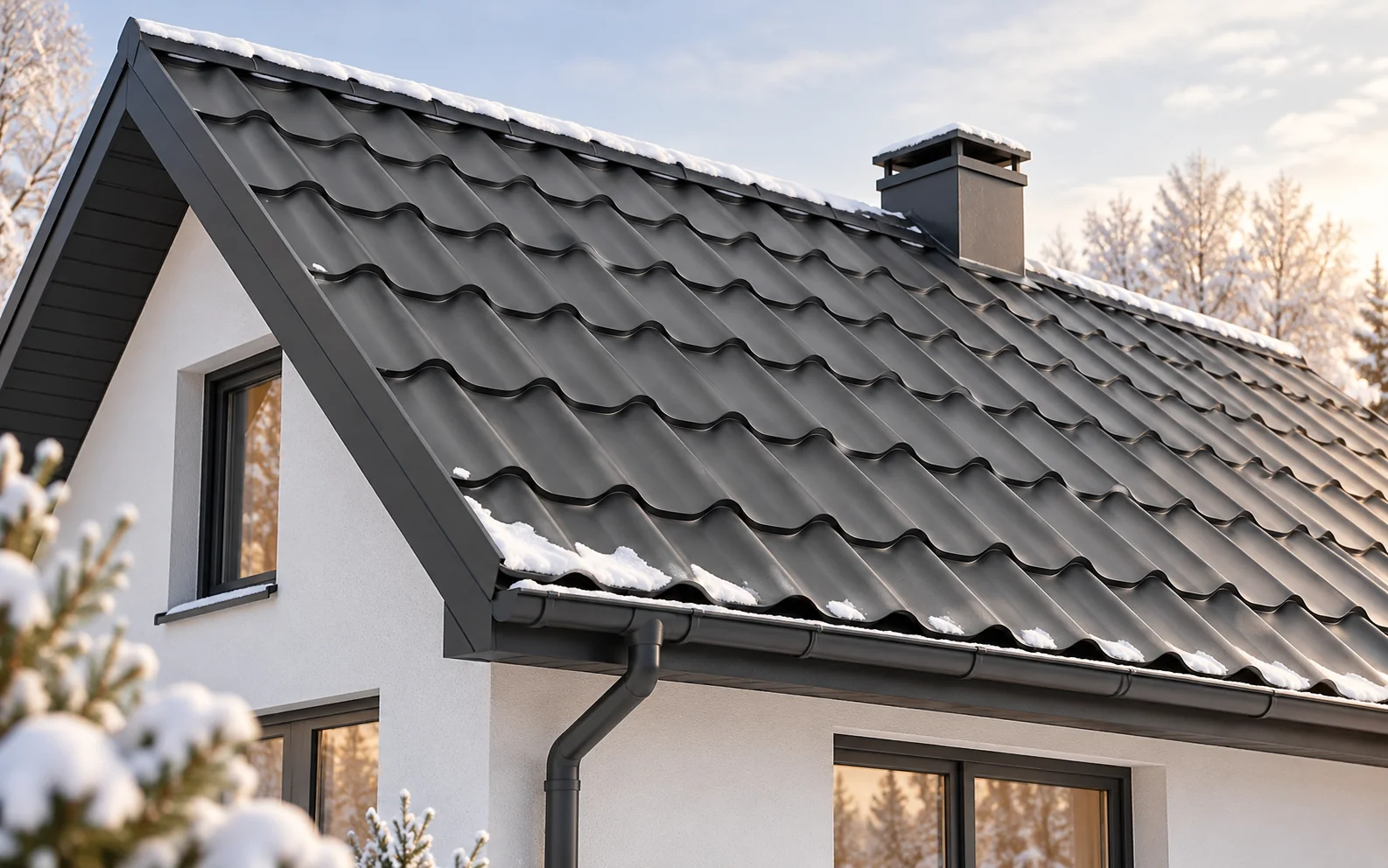
Preparing a roof for winter covers three areas: drainage, the safety of components and moisture control beneath the covering. The response to…
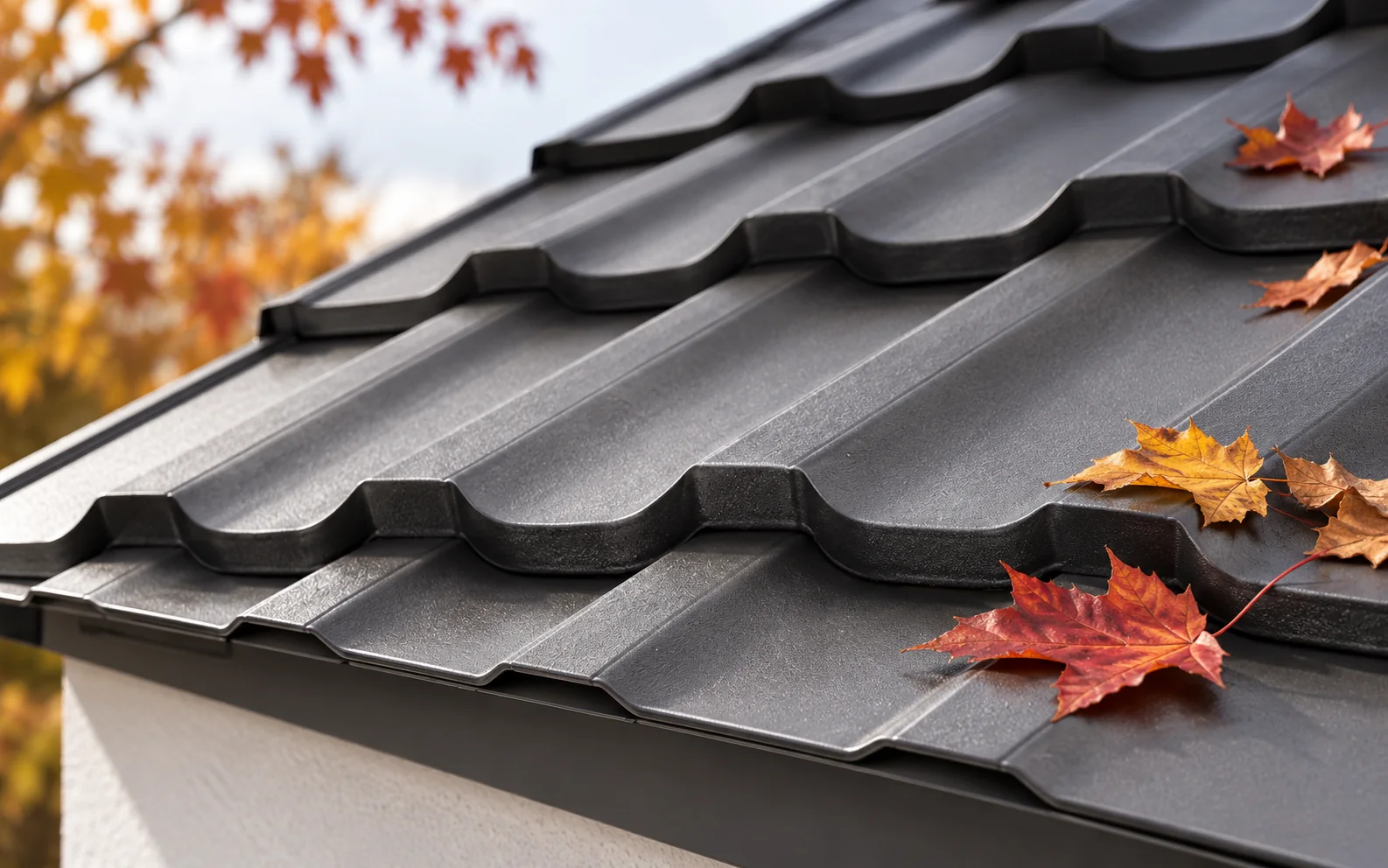
An autumn inspection should prepare the roof for prolonged moisture, wind and snow. First, check the drainage of water, loose components and…
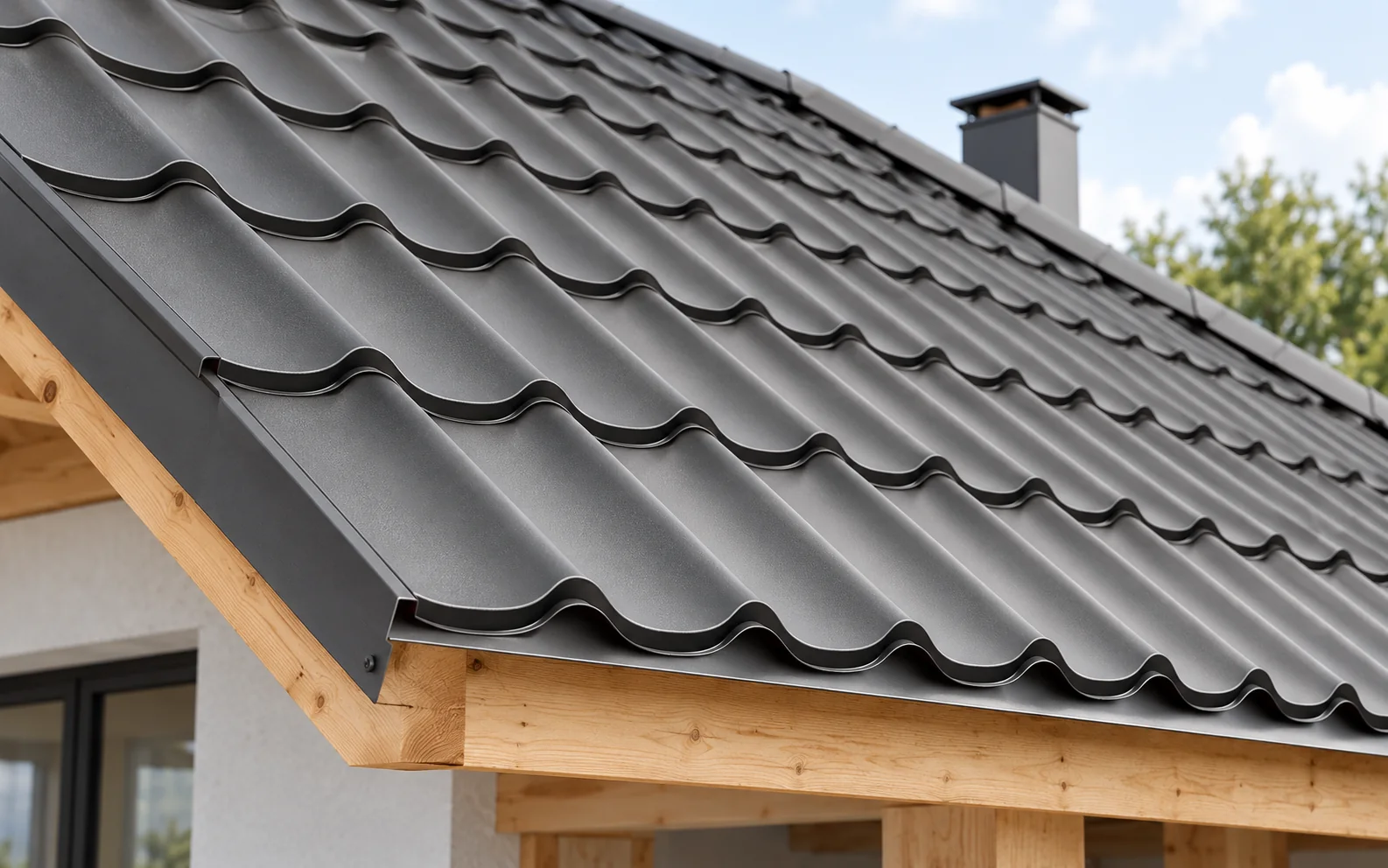
Replacing a roof from measurement to handover requires decisions on material, construction and details before dismantling begins. A survey of the finished…