

Fence pickets and metal fences
How to care for metal fence pickets without repainting them every year
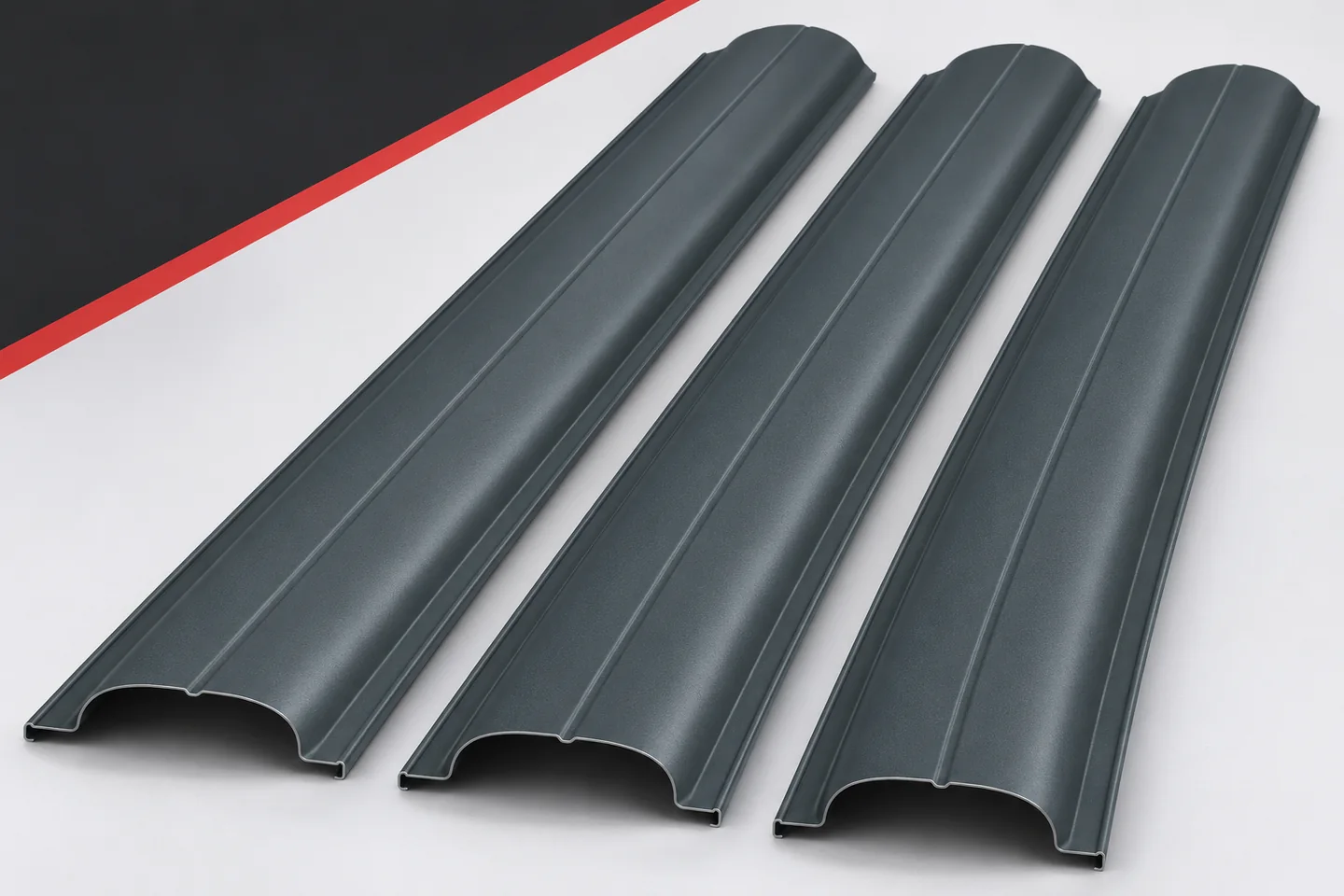
One practical advantage of pickets made from coated sheet steel is that they come with a factory finish. There is no need to start using the fence by painting the whole thing. That does not mean, however, that the fence can be left without inspection. Metal pickets need to be kept clean and any damage dealt with. This work is usually simpler than a full renovation, especially when it is taken care of from the outset. The factory colour gives a finished component a uniform surface. Some of the work of finishing raw material on site is eliminated. Nor is there any need to schedule repainting of the whole fence for every season in advance. This matters for long runs of fencing and in places where access is difficult.
In this article
What less work on the fence really means
It is not worth turning this advantage into a promise of eternal freedom from maintenance, however. Salt, soil, scratches and damage from tools can affect the condition of the surface. Metal pickets are still a component used outdoors. A simple inspection makes it possible to spot a problem before it spreads over a larger part of the finish.
The first cleaning begins after installation
Small offcuts, dust and drilling swarf may remain on a new fence. They are not part of the coating. They should be removed by a method that is safe for the paint. It is also worth looking at the rear faces of the pickets and the points where they meet the crossbars. There, dirt is often less visible than at the front.
If the components have a protective film, the deadline for removing it is set out in the instructions. The film should not be treated as a permanent service layer. Leaving wrapped pickets exposed to sun and moisture for a long time can make the film harder to remove or damage the surface. At handover, therefore, it is necessary to check not only the colour of the fence but also the condition of the entire finish.
Water and a soft sponge are a good start
Remove loose dust without vigorous rubbing, using the method specified in the coating instructions. Use a soft sponge or an additional agent only where these are permitted for the given material. If the instructions specify water only, do not add detergent. After washing, remove residues as recommended so that no preparation or smeared dirt is left on the picket.
A wire brush and a coarse scouring pad are not tools for ordinary washing of the paint. They can leave scratches. Likewise, it should not be assumed that every metal cleaner is suitable for coated steel sheet. A preparation intended to remove rust from bare steel has a different job from a liquid for gently cleaning a finished fence.
The inspection should cover several points
Look at the ends of the pickets and the areas around the fixings. Check whether abrasion from garden equipment has appeared. Pay attention to surfaces permanently screened by vegetation. Rain does not always wash deposits off them. It is also useful to inspect the lower part of the fence once groundworks are finished.
Match the inspection intervals to the instructions and the conditions on the property. An annual inspection is a common manufacturer recommendation, but after an impact or heavy soiling it is not worth waiting for the appointed month. Sheet-metal pickets are easier to keep in good condition when the cause of a problem is removed straight away.

A small scratch needs a small and appropriate repair
First assess what has been damaged. A mark on the top coat, a deep scratch and a deformation of the profile are not the same thing. The choice of procedure depends on the scale of the damage. If in doubt, it is worth sending the supplier a photo and the product identification. This makes it easier to identify the right repair material.
Touch-up work should not cover a large area unnecessarily. Repair paint may have a different gloss and may change shade over time differently from the factory coating. Not every system permits the same preparations. Instead of experimenting with a random spray, check the instructions for the specific picket variant.
There are situations that call for faster washing
After contact with road salt, pay attention to deposits on the lower part of the bays. After garden work, it is worth removing soil and plant residues. Dirt can hold moisture against the surface. This is a simple reason why tidying the area around the fence also helps the pickets themselves.
Do not direct a sprinkler constantly at the same section of fence. Water that leaves deposits can worsen the appearance of the surface. Plant protection products and fertilisers should also not land on sheet-metal pickets. If accidental soiling occurs, choose the removal method according to the substance and the recommendations for the coating.
The care plan can be very short
Keep the material data sheet, the instructions and the colour description. After installation, take a few photos of the finished fence. On subsequent inspections it will be easier to compare the condition of critical points. A record of the repair and the preparation used will also be useful when someone else takes over the maintenance.
The greatest convenience comes from a fence that can be reached freely from both sides. It is worth planning for this access while laying out the garden. Metal pickets with a well-chosen coating make it possible to reduce burdensome finishing work. In return they need a brief inspection, gentle cleaning and sensible handling of the surface.
Prepare access before you start washing
Move objects that hinder safe access away from the fence. Check that dirty water will not reach surfaces sensitive to the agent used. Choose conditions that allow you to work without haste and to rinse the preparation off thoroughly. Do not test a new method straight away on the most visible part of the front. If the instructions permit a cleaning trial, start with a less exposed spot. A change in gloss after aggressive washing can be harder to remove than the original deposit.
7 branches. Materials closer to your project.
Free quote
Materials for your project




You may also find useful…
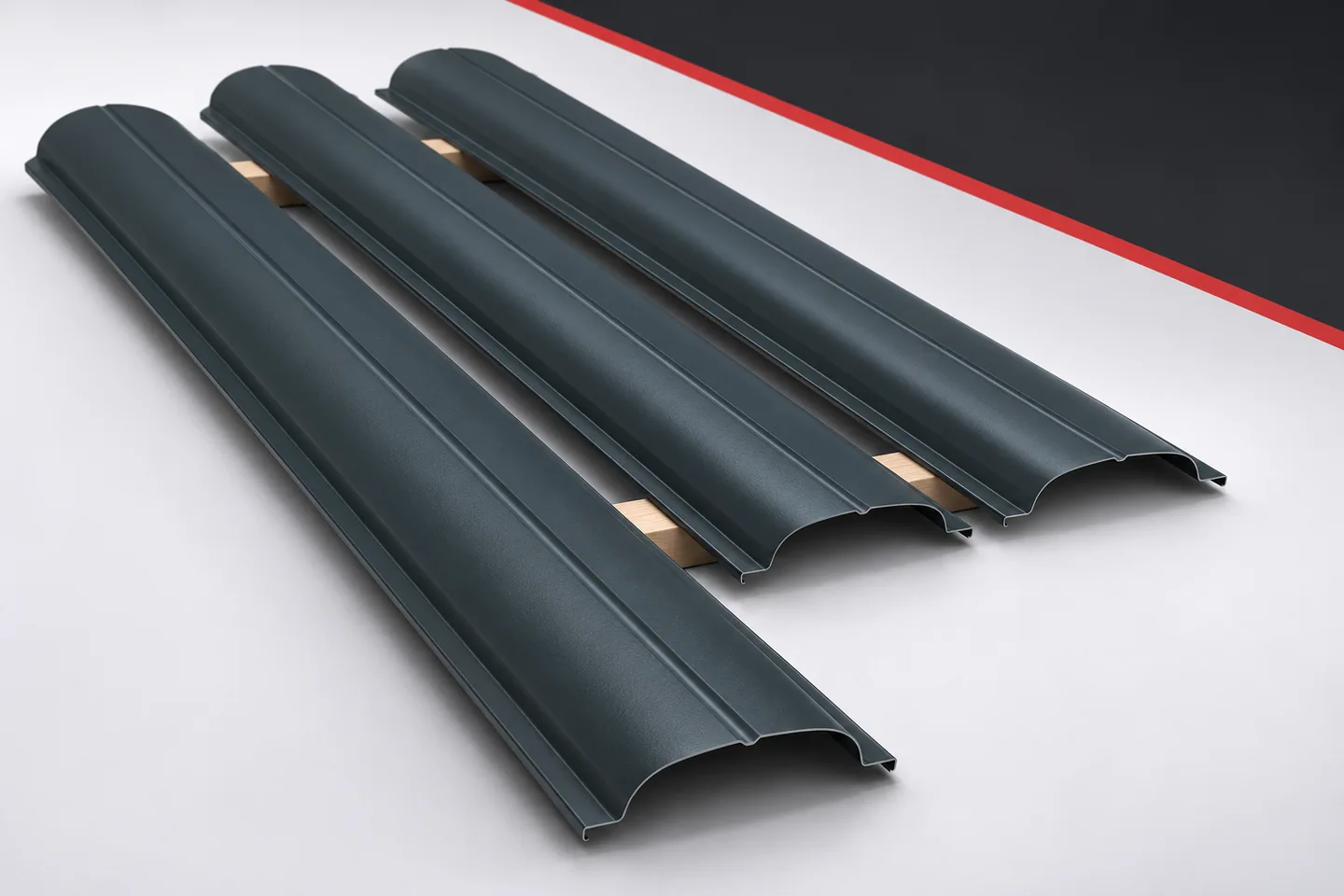
Changing the layout of a plot does not always mean the whole fence has to be thrown away. Some slats can be…
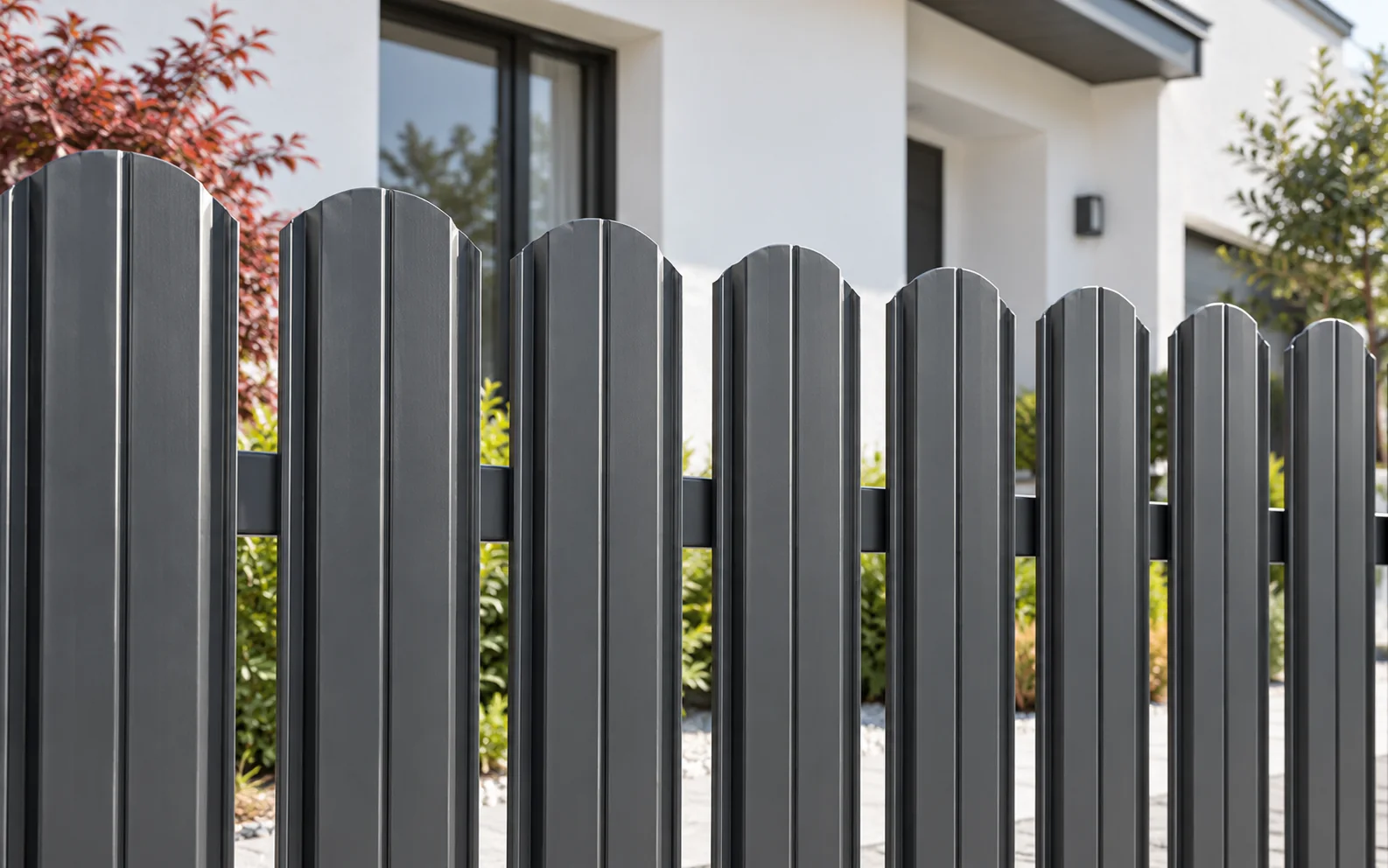
Metal pickets allow the appearance, gap width and height of the fence to be matched to the property. A factory-applied coating limits…
The price of a picket is easy to compare. It is harder to compare two quotes when one covers only the slats…
Slim metal pickets can give a fence a light appearance. Thin sheet metal and open gaps do not, however, mean that the…
Colour is the last visible part of a picket's protection. Beneath it lies a layer system that helps protect the steel. That…
The first season shows how the fence behaves under the real conditions of the property. Places where dirt accumulates are already visible,…
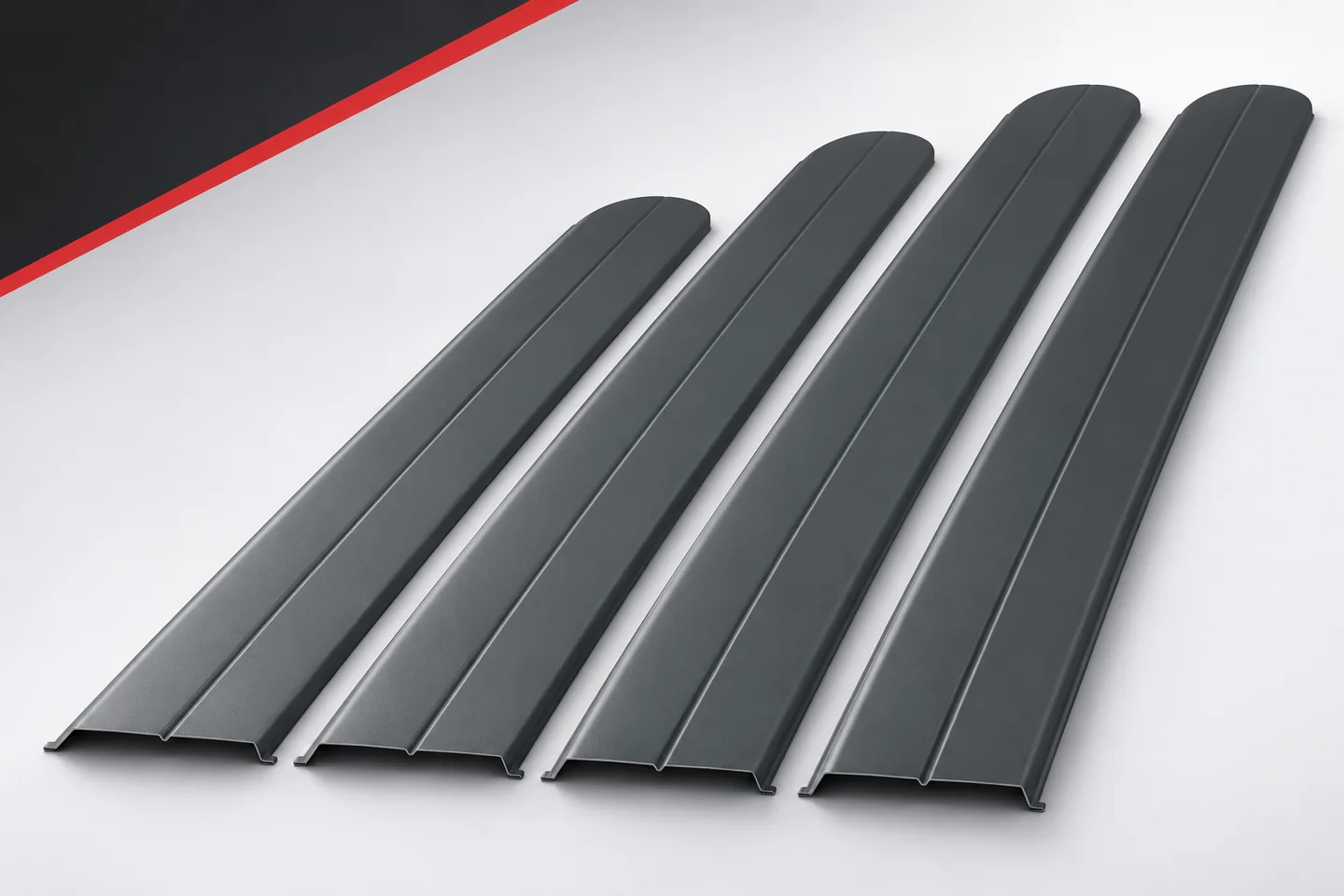
The least troublesome waste is the waste that never has to be created on site. Made-to-measure metal fence pickets help match the…
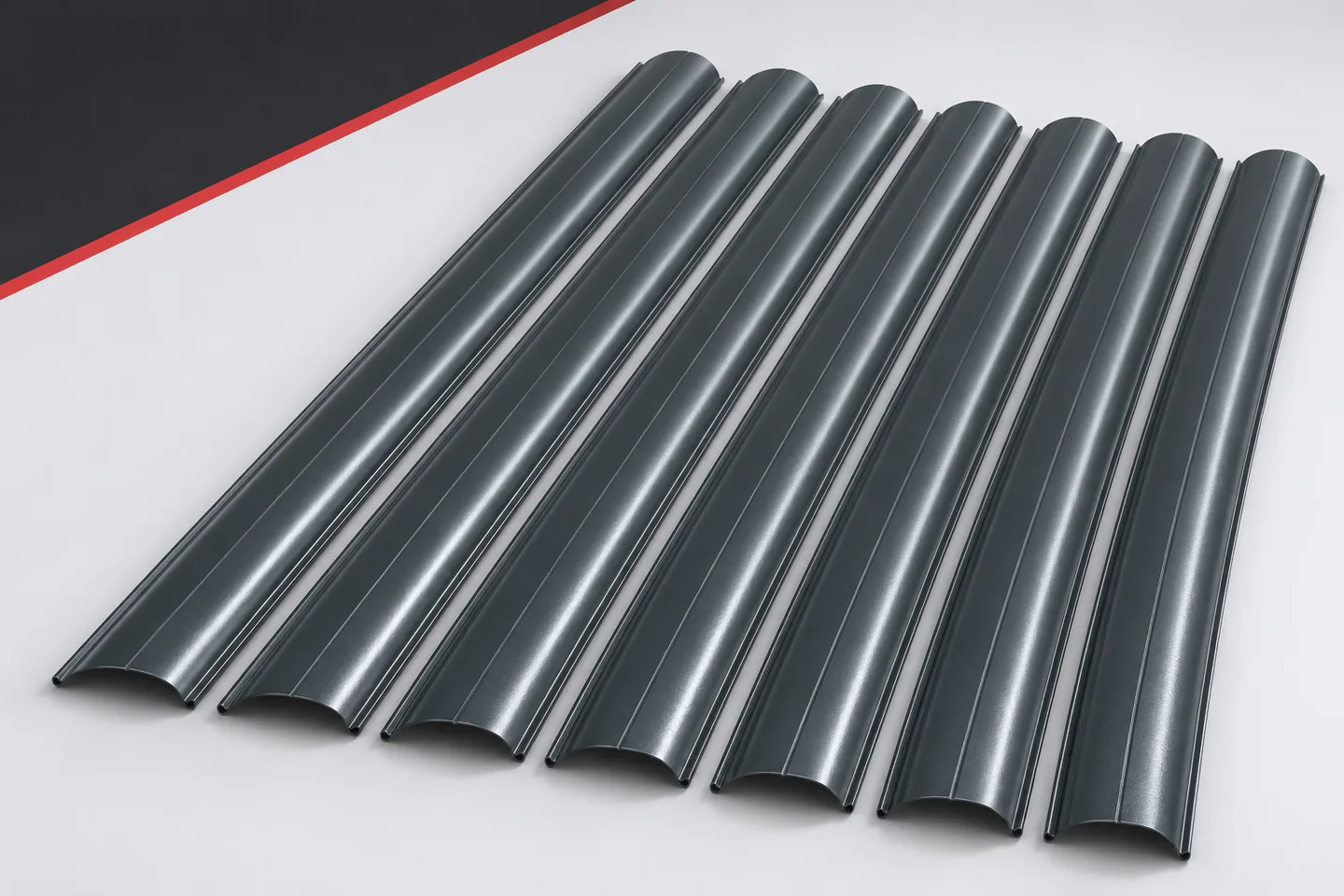
Privacy with a slatted fence depends on geometry. The width of the slats, the size of the gaps, the number of rows…