

Slats and metal fences
Metal picket fencing for a small garden: keeping the light and the view
In a small garden, the fence takes up a large part of the field of view. It can organise the space, but it can also visually close it off. Metal slats allow the width of the elements and the gaps to be matched to a specific location. It is worth using this freedom consciously. The effect depends not only on colour, but also on the height of the fence, the rhythm of the slats and the direction of view from the house. Start with the place where you most often relax. Sit on the terrace or stand at a window overlooking the garden. Check which section of the plot boundary is constantly visible. In a small space, even a short stretch can dominate the view. Its appearance from inside the plot deserves as much attention as the front facing the street.
In this article
First look at the garden from the inside
Also mark what you want to keep in the background. This may be a tree crown or further greenery. Openwork sheet-metal slats can leave part of this view visible. This does not mean, however, that they will be invisible. The repetitive rhythm of the elements still creates a clear boundary.
The gap affects how the space is perceived
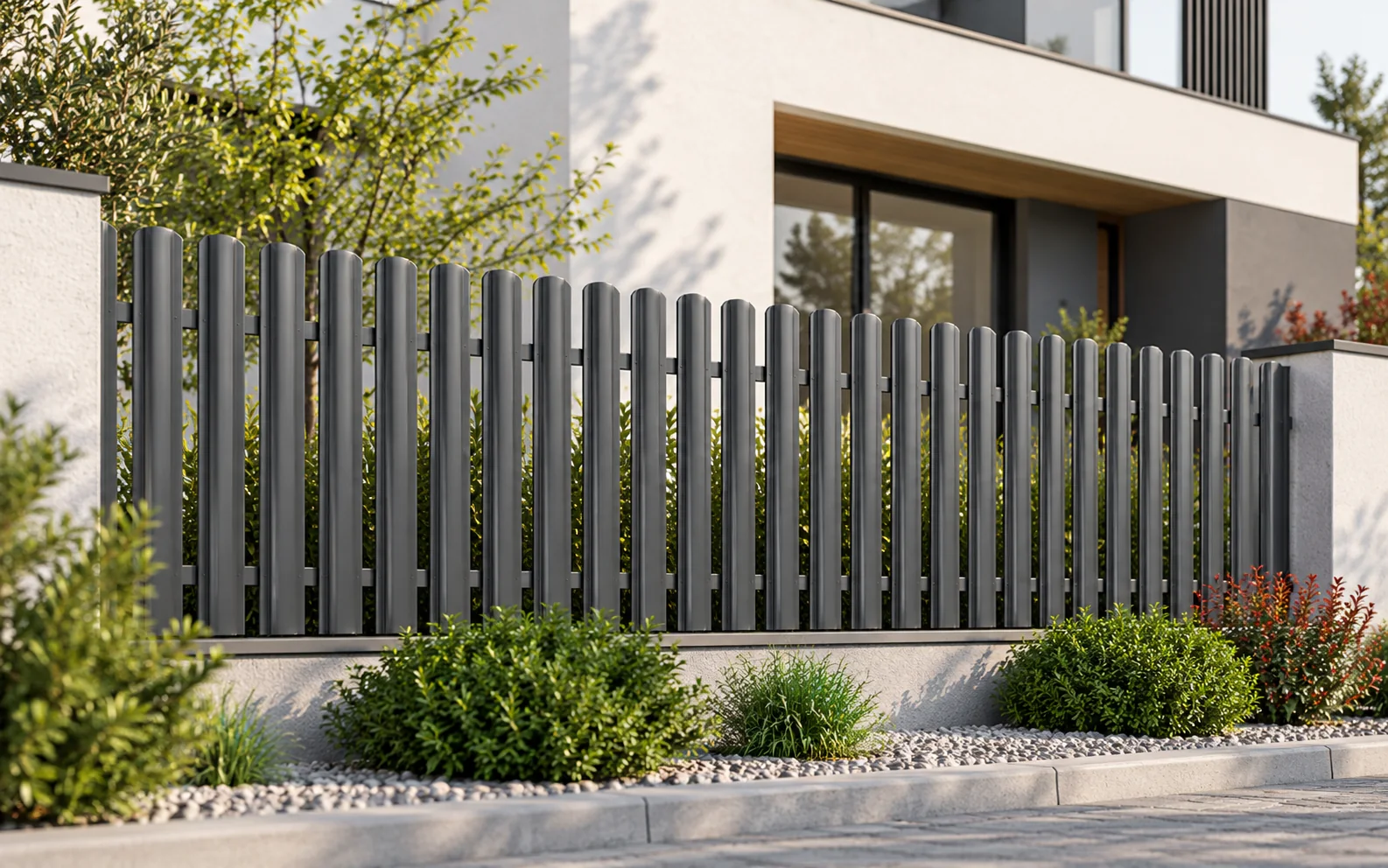
Wider gaps reveal more of the background between the slats. Narrower ones increase the visual continuity of the fence. The difference can be significant even without changing the height of the fence. That is why the choice of gap is worth checking on a sample section. A catalogue photo alone may show a bay from a different distance and at a different angle.
There is no universal spacing that will guarantee a bright garden. The orientation of the fence, the time of day, the surroundings and the length of the shadow all matter. It is safer to assess a specific location than to attribute a fixed effect to any given arrangement of slats. The design can adopt different degrees of openness for sections with different tasks.
The height of the fence should not be a reflex choice
A section that is too high right by the terrace can strongly close off the view. A lower fence, in turn, will not provide screening where the windows of a neighbouring building are higher up. Made-to-measure slats help to match the line of the fence, but the choice of height should follow from the layout of the space.
It is useful to mark the top edge temporarily. This allows the proportions to be seen without ordering the whole batch. Only then is it worth deciding on a straight, stepped or other arrangement. The shape of the line should not hinder the correct fixing of the elements to the substructure.
A dark colour can calm the background
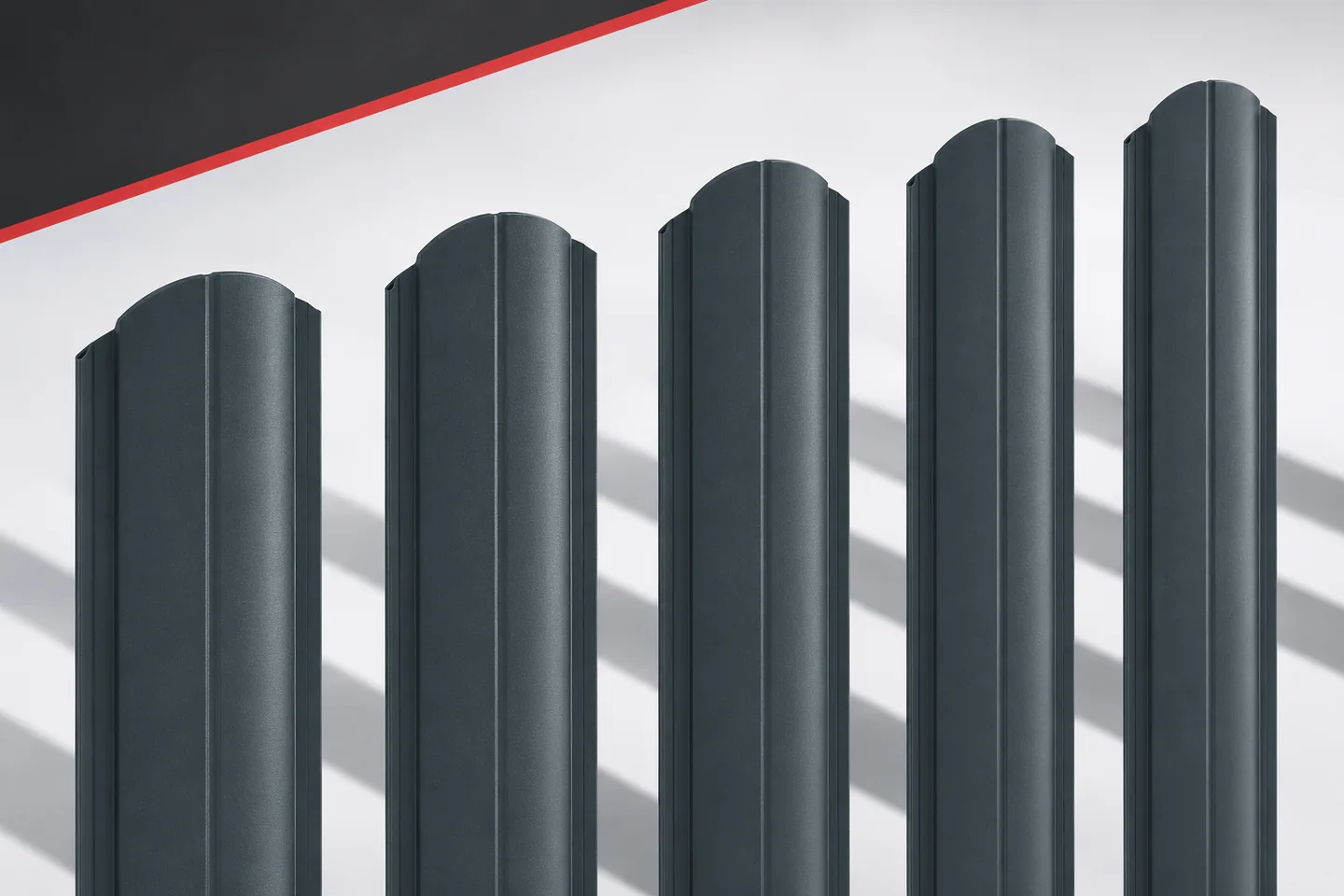
Anthracite and black sheet-metal slats are often chosen for modern gardens. Against a calm background they can create a clear, even rhythm. It is not true, however, that a dark fence always visually disappears. Against a light wall or the sky it will be clearly visible. The contrast depends on the surroundings.
A matt finish reduces sharp reflections compared with a high-gloss finish, but the perception of a specific coating should be checked on a sample. In a small garden it is worth matching the colour of the fence with the terrace, window frames and planters. Too many different shades can make it harder to achieve a calm view.


The profile remains visible up close
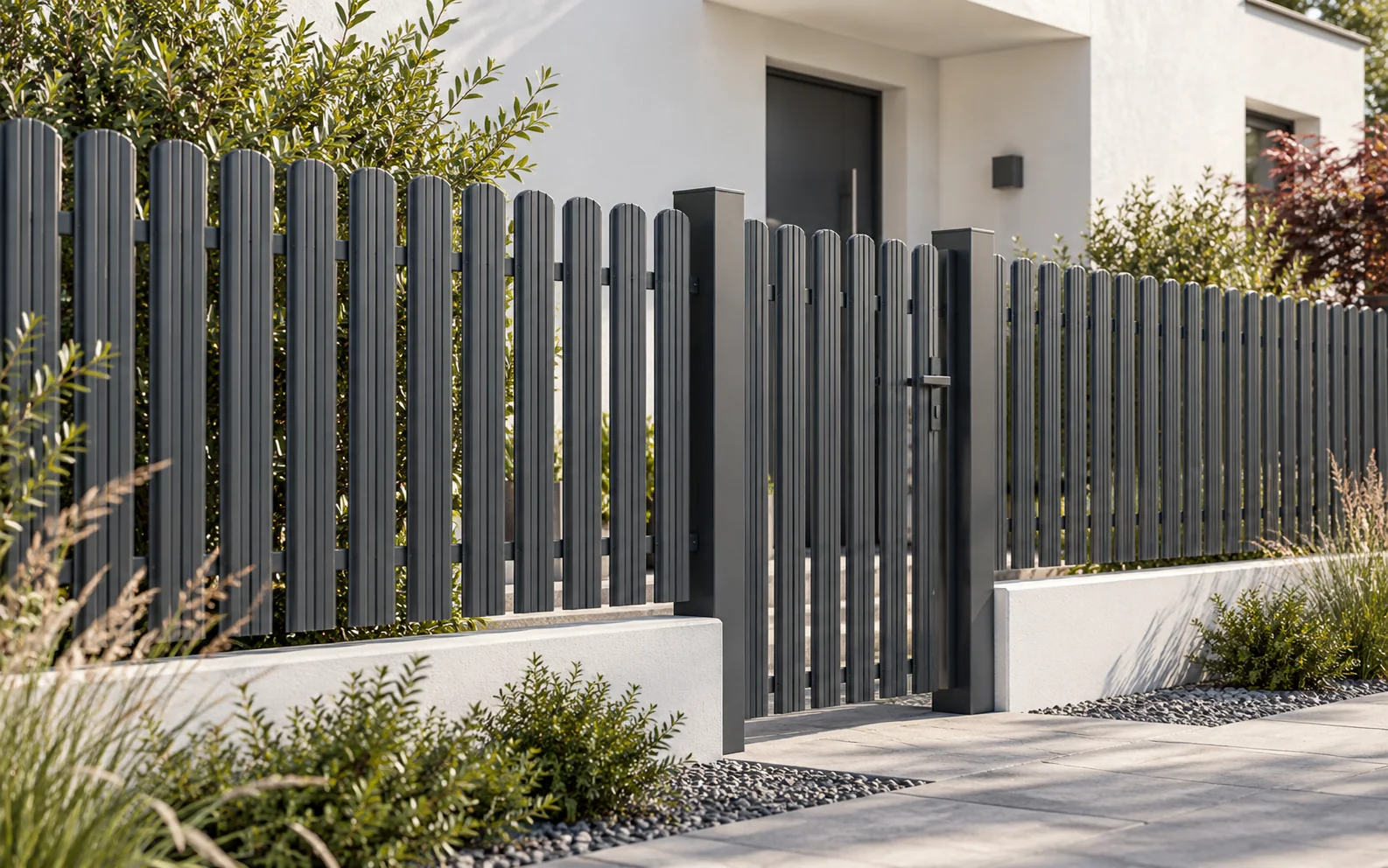
When the fence is only a few steps away, the embossed patterns and the ends of the slats are clearly visible. A narrow profile can produce a finer rhythm than a wide strip. The depth of the folds also affects the shadow on the surface. These features are not shown by a sample of flat sheet metal in the chosen colour.
Look at a sample of a finished slat, including from the back. If both sides of the fence are to be attractive, check the finish of the reverse surface. Metal slats with a two-sided colour can be a beneficial choice by the terrace. Even so, the visible crossbars and the method of fixing must still be taken into account.
Plants should not completely block access
The fence is often a backdrop for greenery. It is worth leaving the possibility of inspecting and washing its surface. A dense shrub right by the fence can hinder access to the back and the lower ends. The planting design should take these simple tasks into account, especially in narrow passages.
Do not fix heavy planters or climbing-plant structures to a random slat. The fence infill is not automatically a support for additional loads. If such a function is needed, a suitable structure must be provided for. This allows the light appearance to be preserved without burdening thin profiles with tasks beyond their purpose.
Check one section before the whole installation
Set up a few slats at the intended spacing. Look at them in the morning, at midday and from the terrace side. Check how much of the view remains between the elements. Such a trial does not replace a structural design, but it greatly helps in choosing the appearance. In a small space, differences are easier to notice than on a large plot.
Well-planned sheet-metal slats can create a clear boundary without the impression of a random, heavy wall. Proportions and the conscious use of gaps are key. There is no need to close off the entire perimeter in the same way. The best effect comes from matching individual sections to the light, the view and the way the garden is used.
Separate the terrace screen from the boundary of the whole plot
If privacy is needed only for the seating area, analyse that section separately. A uniform density across the whole fence may unnecessarily restrict the view in the rest of the garden. The same colour and profile can be kept, with the difference introduced through the spacing of the elements. This requires consistent setting out of the bays and checking of the structure. The transition between arrangements should look like an intended division of function. In this way the fence responds to specific needs instead of creating a uniform screen regardless of its surroundings.
7 branches. Materials closer to your project.

Free quote
Materials for your project

You may also find useful…
A sheet-metal fence can be a good choice if you want a consistent look and limited maintenance. However, the degree of screening…
When choosing a fence, start with its function, the layout of the plot and the budget for the whole system. Only then…
Start with the plot, the way you want to live and the budget for the whole project. These guide your choice of…
The cost of a passive house is best assessed by comparing two versions of the same building and recording what each change…
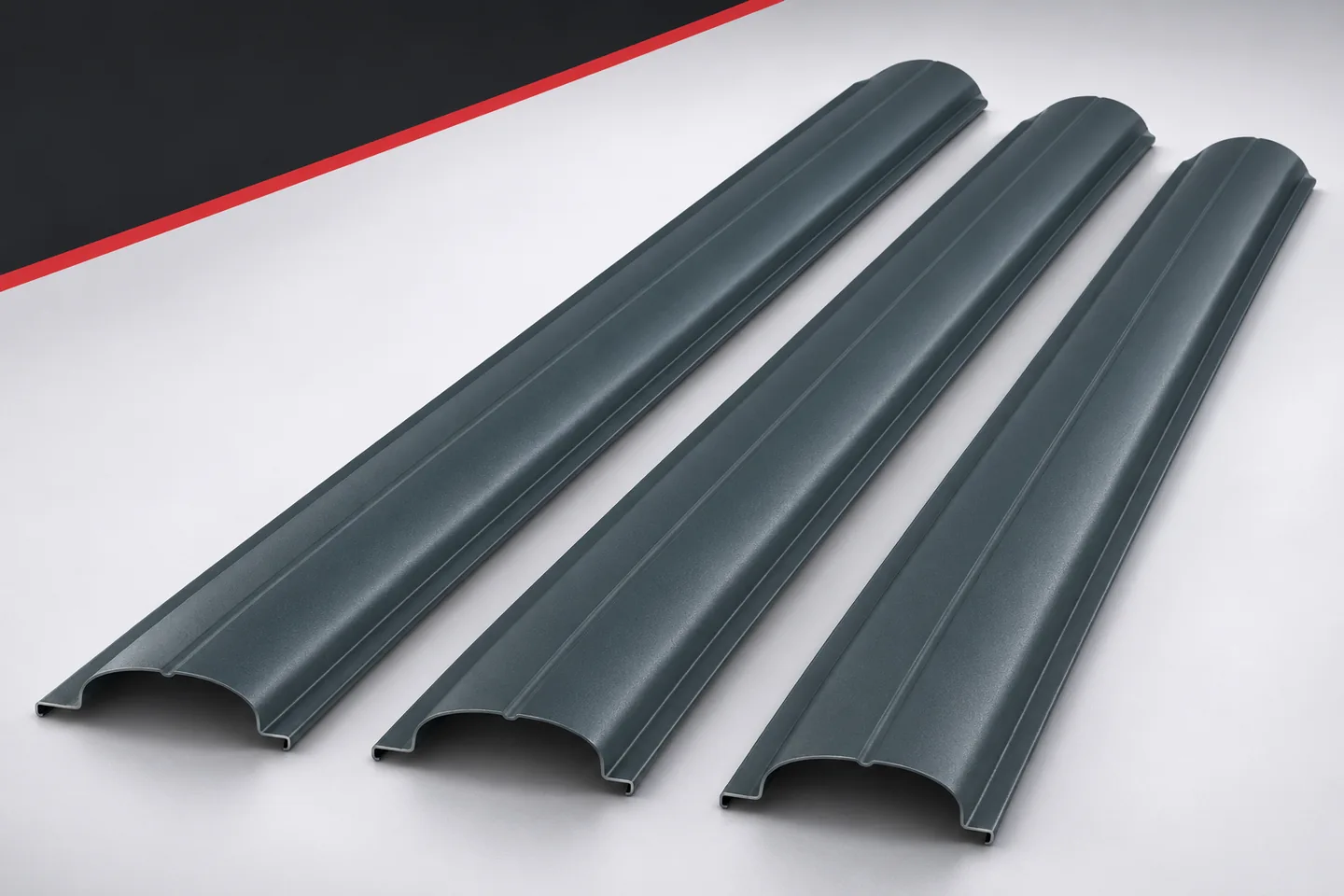
Fence durability starts with specifics. What matters is the material, the profile section, the coating and the method of fixing. The term…
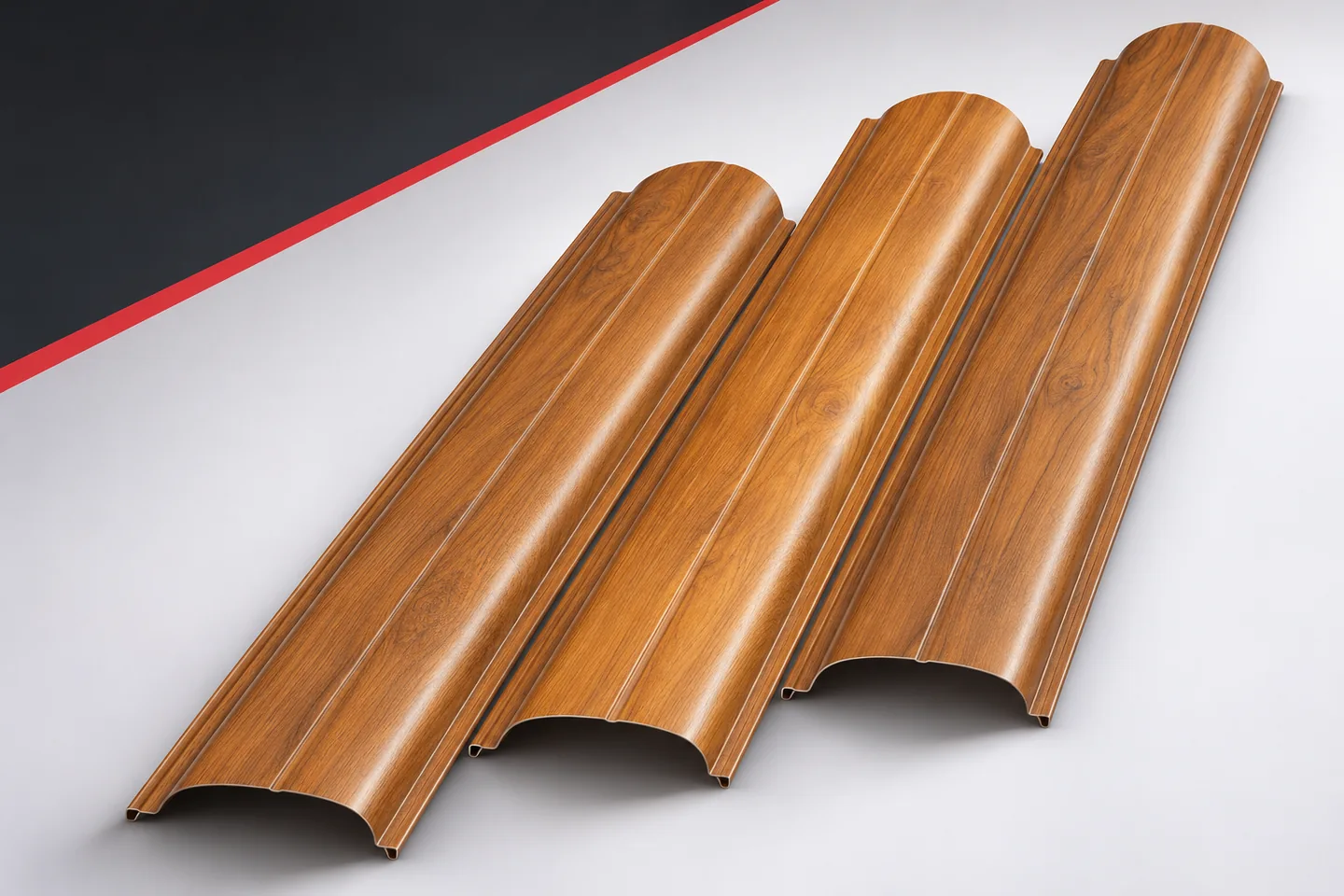
A warm fence colour can be achieved without using timber boards. Metal slats with a wood-effect finish combine a steel profile with…
A stock house design is worth assessing by how much of it can be used on your particular plot without redesign. The…
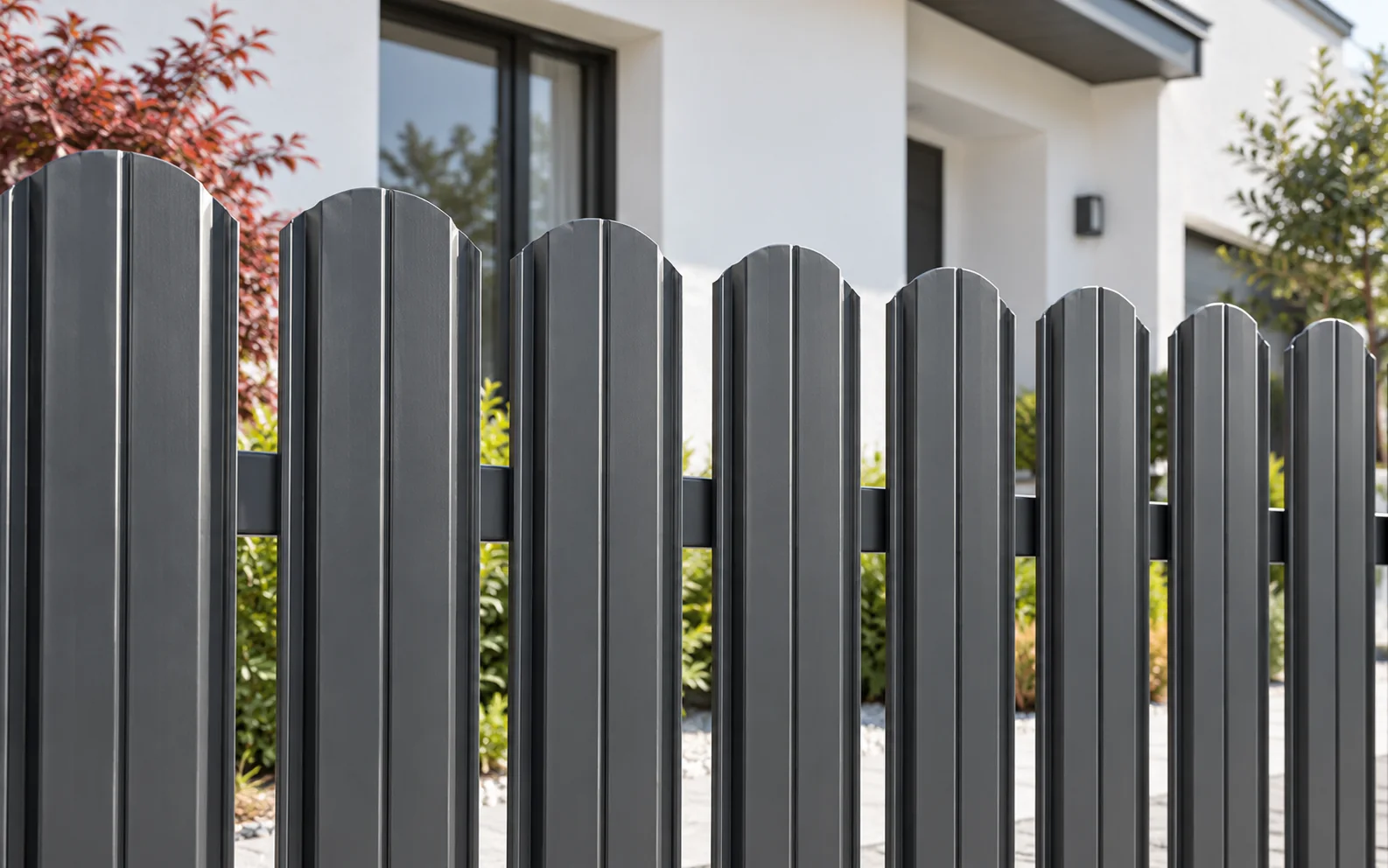
Metal pickets allow the appearance, gap width and height of the fence to be matched to the property. A factory-applied coating limits…