

Fence slats and metal fences
Spacing fence pickets for privacy: how close should they be?
Privacy with a slatted fence depends on geometry. The width of the slats, the size of the gaps, the number of rows and the direction of view all matter. Height alone does not settle the whole question. Metal slats make it possible to shape these features, but not every arrangement will be equally effective. It is worth checking the screening exactly where it is needed. A terrace may require a different solution from a long side boundary. Someone walking along the pavement looks at the garden from a different height than a neighbour at a first-floor window. A fence that screens well from the street may change very little in the second case. Before choosing sheet-metal slats, mark the most important directions of observation. This helps avoid costly densification of the fence without achieving the aim.
In this article
Determine what view the fence is to protect against
At a terrace, the position of the seating and the distance from the boundary also matter. Sometimes greater screening is needed only over a short section. The rest of the fence can remain more open. Such a division can be beneficial for the view and the amount of material, provided it preserves the coherent character of the whole line.
A single row gives a simple, clear rhythm
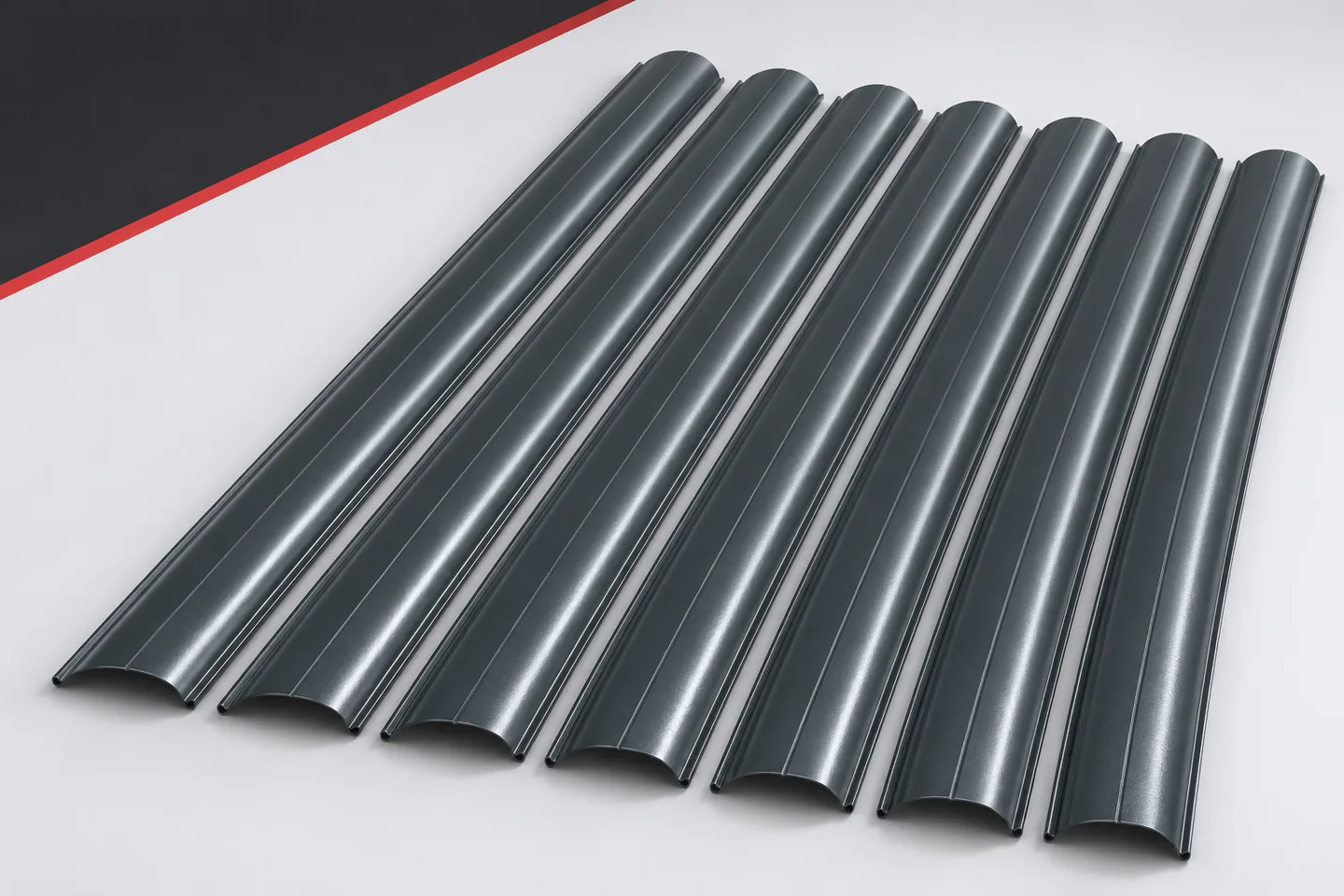
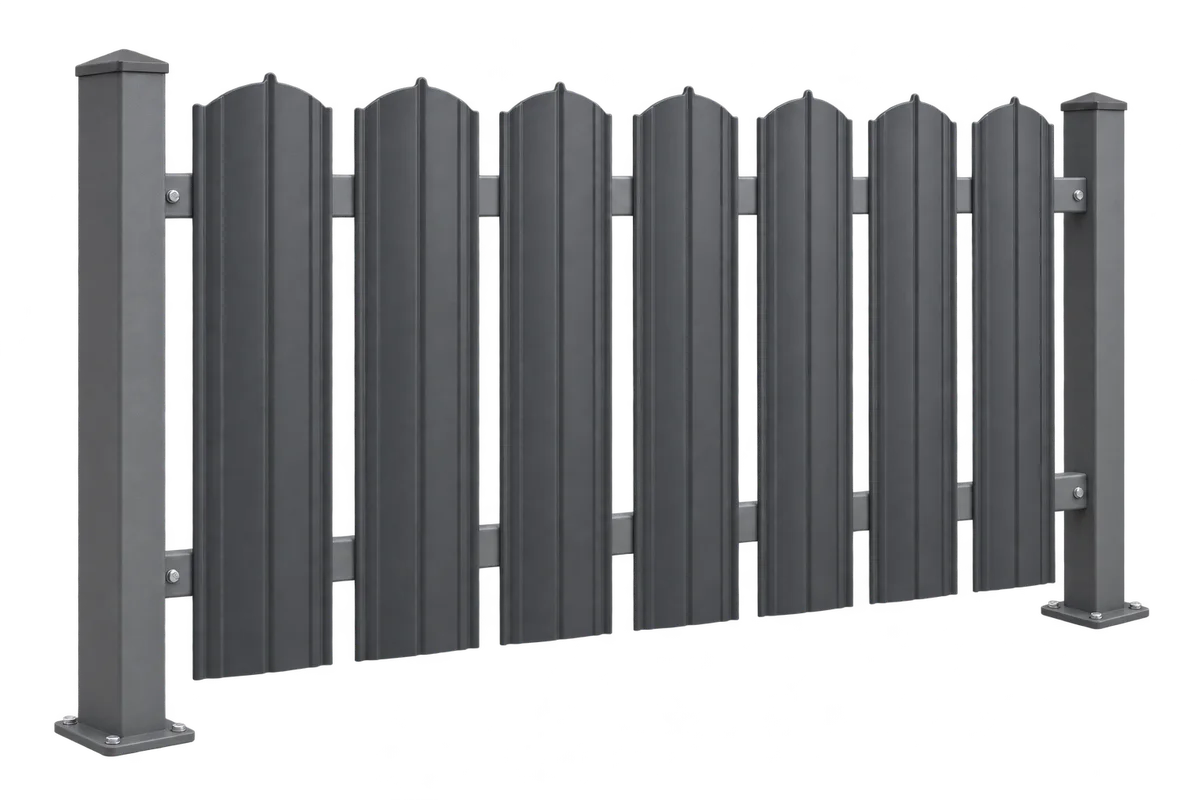
In the classic arrangement, the slats stand side by side on the same crossbars. Seen straight on, the gap is then easy to determine. Smaller spacings restrict visibility between the elements. However, they do not eliminate all possible directions of view, particularly at an angle and from a different height.
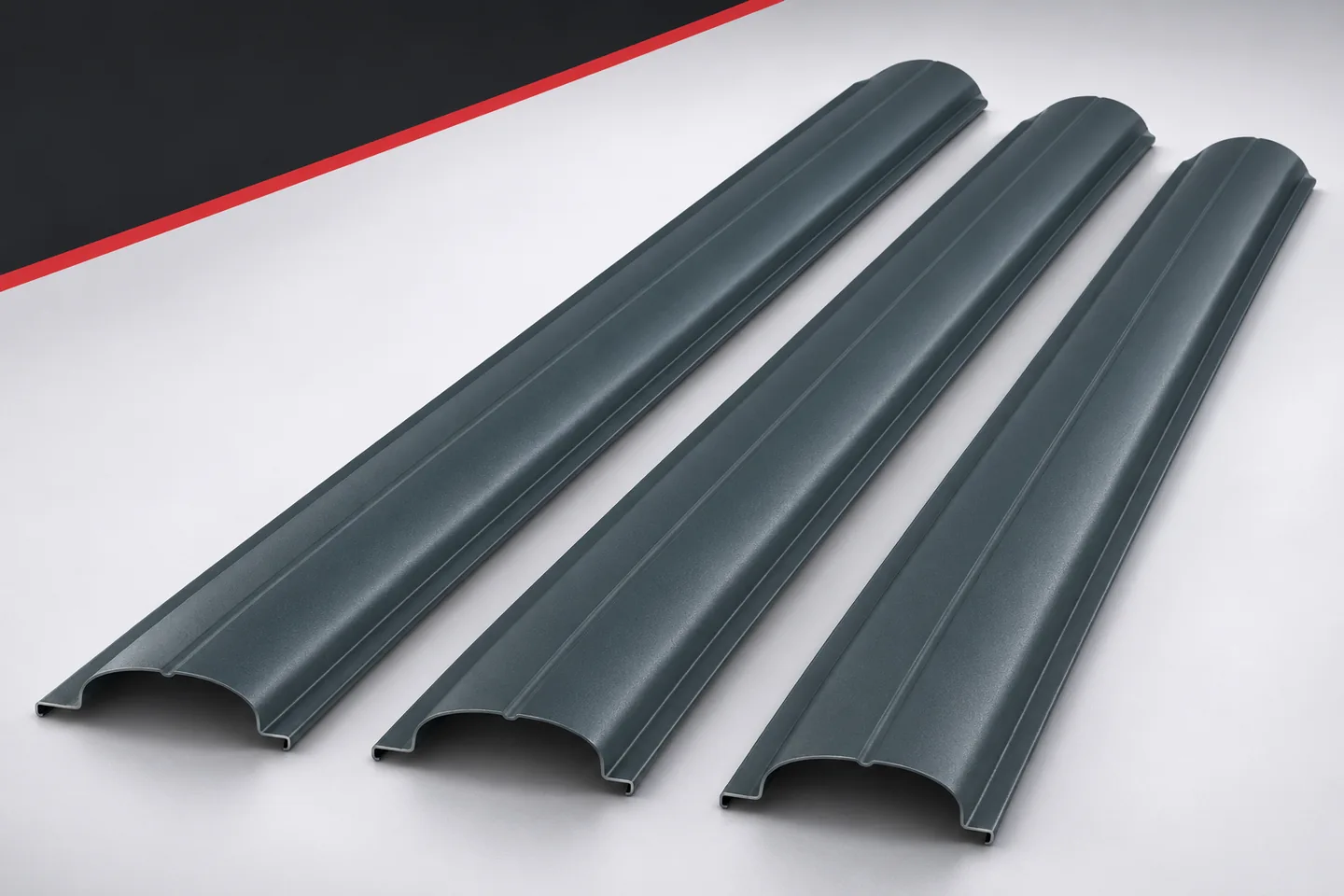
The width of the finished profile is directly relevant here. Two slats set with an identical gap can produce a different proportion of solid surface if they have different widths. Therefore, a description of “three-centimetre spacing” without the slat dimension is not enough to compare the effect.
A staggered arrangement must be viewed in space
The second row can be arranged so that its slats cover the gaps of the first. Such an arrangement restricts the view straight on and gives the two sides of the bay a different appearance. Its effectiveness depends, however, on the offset of the rows and the distance between them. It should not automatically be described as completely opaque.
At an angle, viewing gaps may appear. It is worth assembling a short section and walking along it. Also check the view from the seating area. Sheet-metal slats in two rows require appropriate positioning of the fixings. Access to the screws and the possibility of later cleaning must be taken into account.
Greater screening means a change in how the bay works
By densifying the fence, you increase the filled area exposed to wind. It cannot be assumed that old posts will cope with any addition of slats. The crossbars, connectors and foundations must be checked. This applies in particular to open plots and to the modernisation of a lightweight fence.
The mass of thin sheet metal alone does not explain all loads. A fence may be relatively light and at the same time take up significant forces from air pressure. The choice of gap should therefore not be separated from the assessment of the structure. The aesthetic design and the technical solution should be developed together.


Do not screen off a place that needs visibility without reason
In the area of the entrance, it is worth maintaining good conditions for observing the surroundings. A dense fence can make it difficult to see a person or vehicle from around the corner. The actual layout of the property and the way the gate is used must be analysed. Privacy for the terrace need not mean identical infill right at the exit.
Metal slats make it possible to vary the rhythm of individual sections. The same profile and colour can be retained while changing the degree of openness. Such a decision is worth making before ordering, because it affects the number of elements. Later densification often requires the whole bay to be re-measured.
The colour of both sides matters at greater density
The closer together the elements stand, the larger the decorative surface they form in view. Irregularities in shade or a different appearance of the reverse side may then be more noticeable. With two rows, it is not enough to check one surface of the sample. The whole set must be viewed from different angles.
Matt, gloss and wood-effect finishes produce different effects. There is no single best choice for privacy. The coating primarily affects appearance, while the screening is created by the dimensions and arrangement of the slats. These two decisions are worth separating when comparing offers.
First a trial, then the order
Establish an example bay width and the spacing of the elements. Mark the positions of both rows if you are planning a staggered arrangement. Check the number of slats and the range of fixings required. Such a model makes quoting easier and allows you to assess whether the chosen screening closes off the garden excessively.
Sheet-metal slats can effectively restrict an unwanted view if the arrangement follows a specific need. However, they are not automatically an acoustic screen or a full wall. The best result comes from combining a visual trial with an assessment of the structure. Greater privacy then does not come at the expense of stability and ease of use of the fence.
Calculate the material for both sides
In a two-row arrangement, it is not always enough simply to double the number of slats from a single row. The end margins, the offset and the width of the bay may require separate measurement. Prepare a drawing with the position of the first and last element on each side. Check that the screws do not collide with one another and that the access needed for installation remains. Such a determination organises the quote and the subsequent work. It also allows you to assess how the screening will look right at the post, where an additional gap is easily overlooked.
7 branches. Materials closer to your project.

Free quote
Materials for your project
You may also find useful…
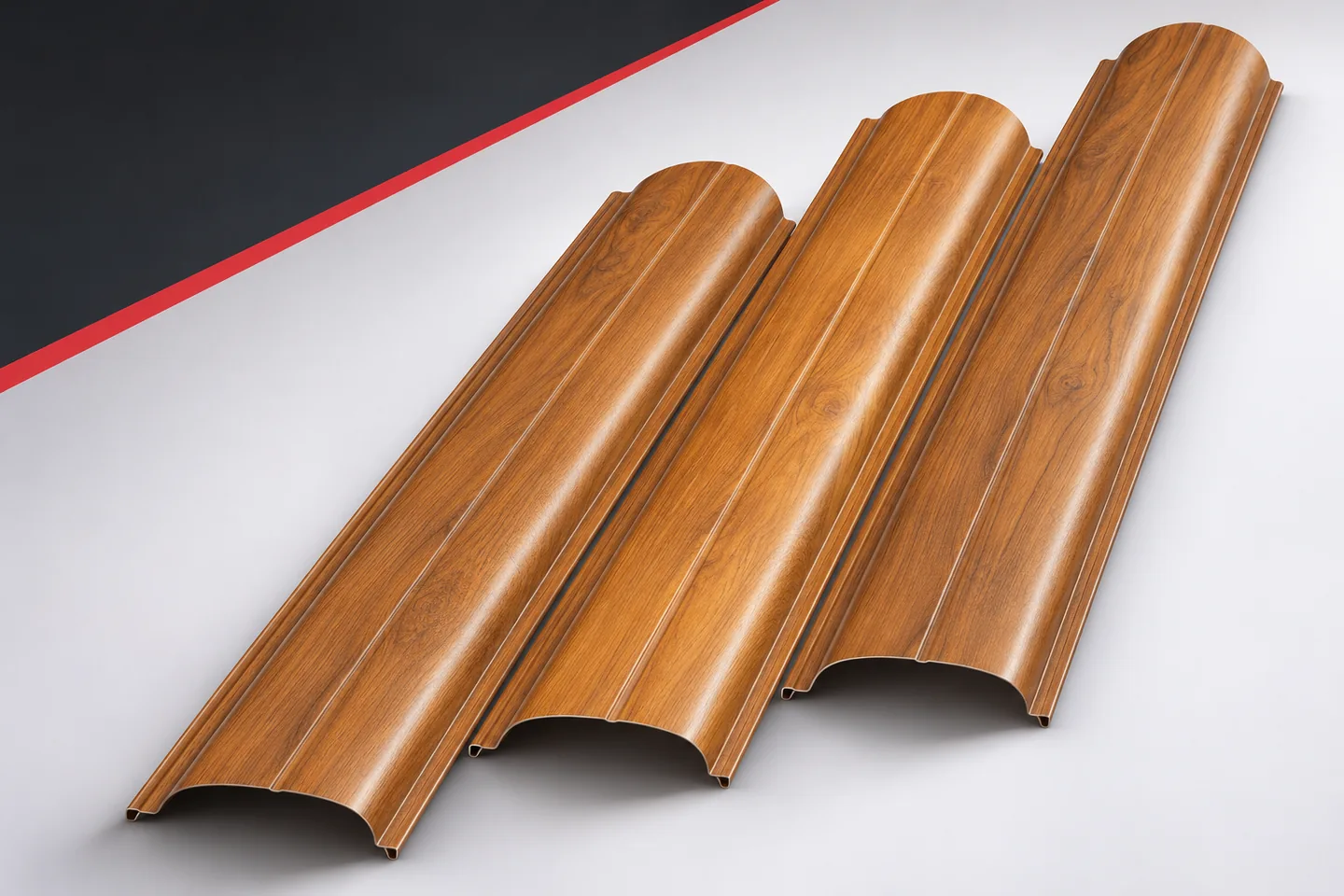
A warm fence colour can be achieved without using timber boards. Metal slats with a wood-effect finish combine a steel profile with…
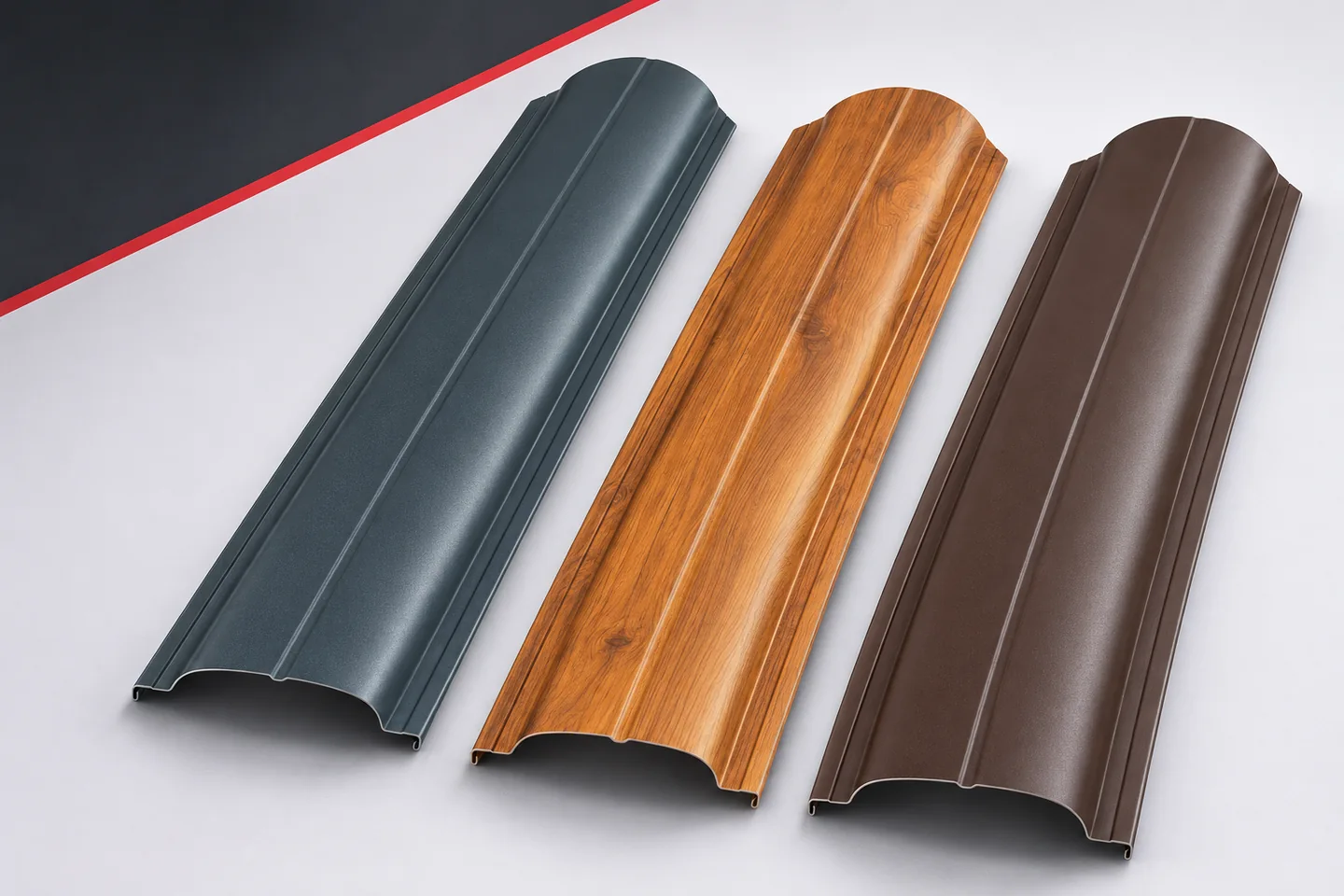
On screen, several shades of anthracite can look almost identical. On a fence, the difference in gloss, texture and lighting can be…
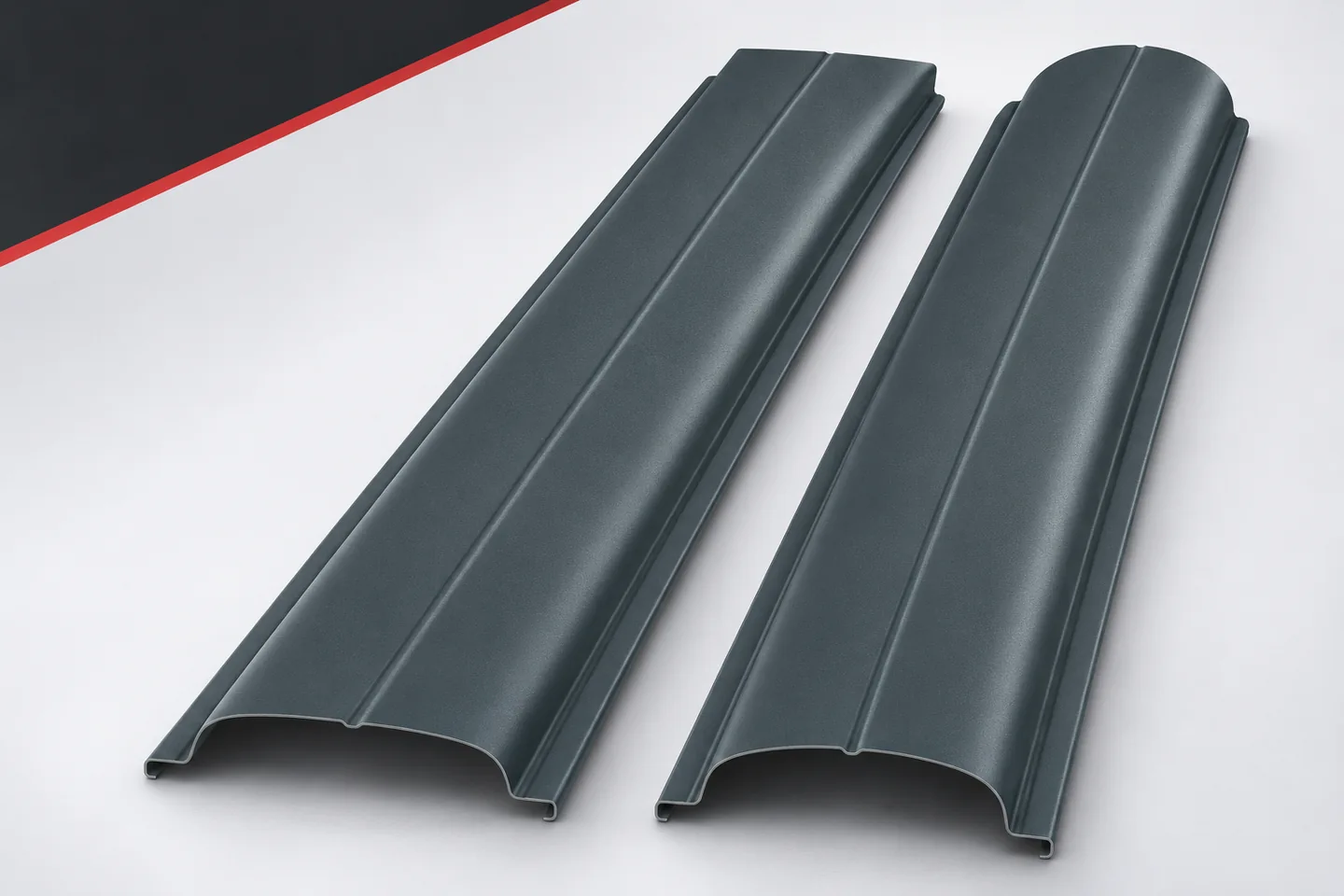
A correctly manufactured picket can still be damaged before installation. All it takes is improper handling, friction within the bundle or storage…
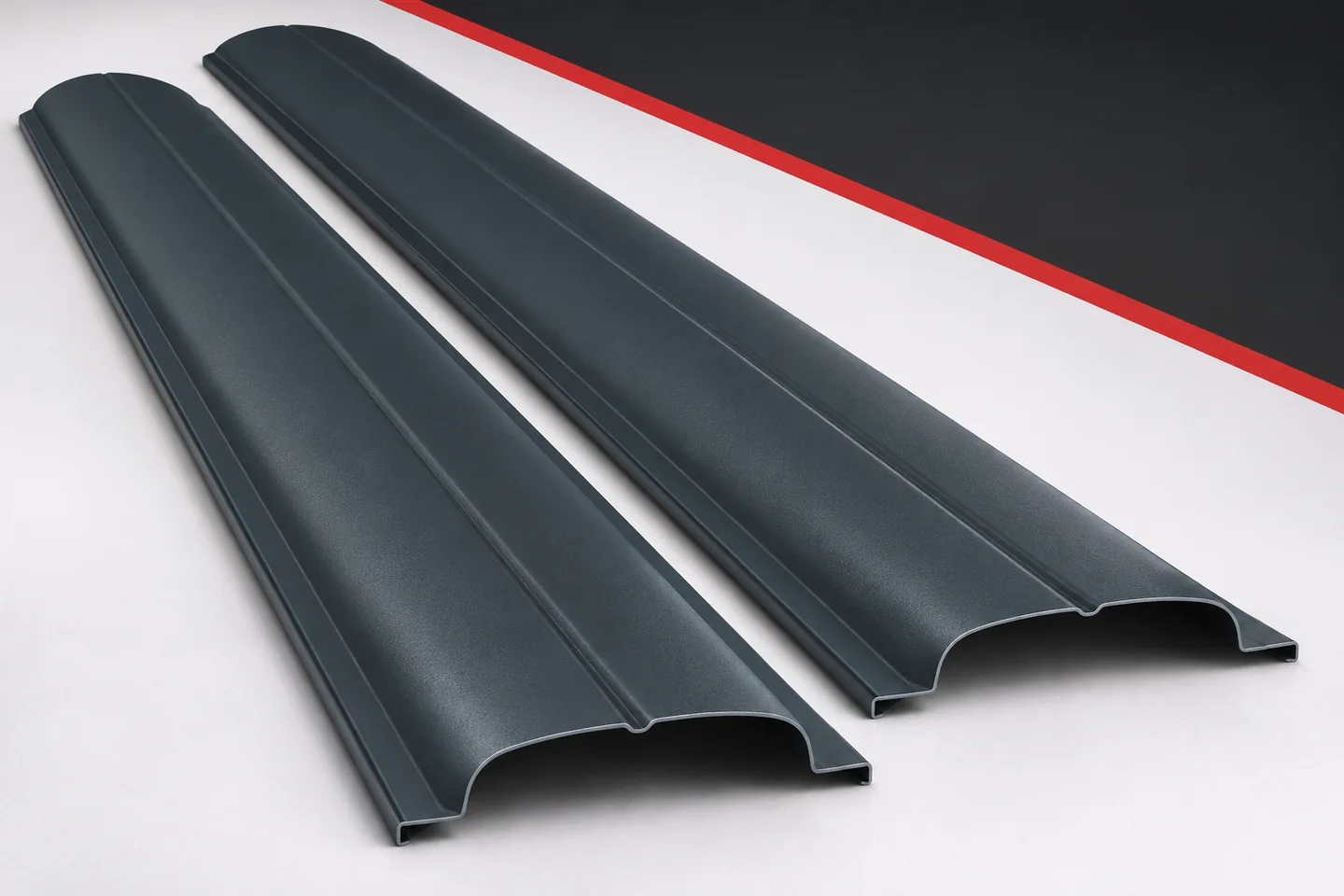
The first season shows how the fence behaves under the real conditions of the property. Places where dirt accumulates are already visible,…
Metal fence slats made of profiled sheet create a fence with a light appearance and a regular rhythm, but choosing them is…
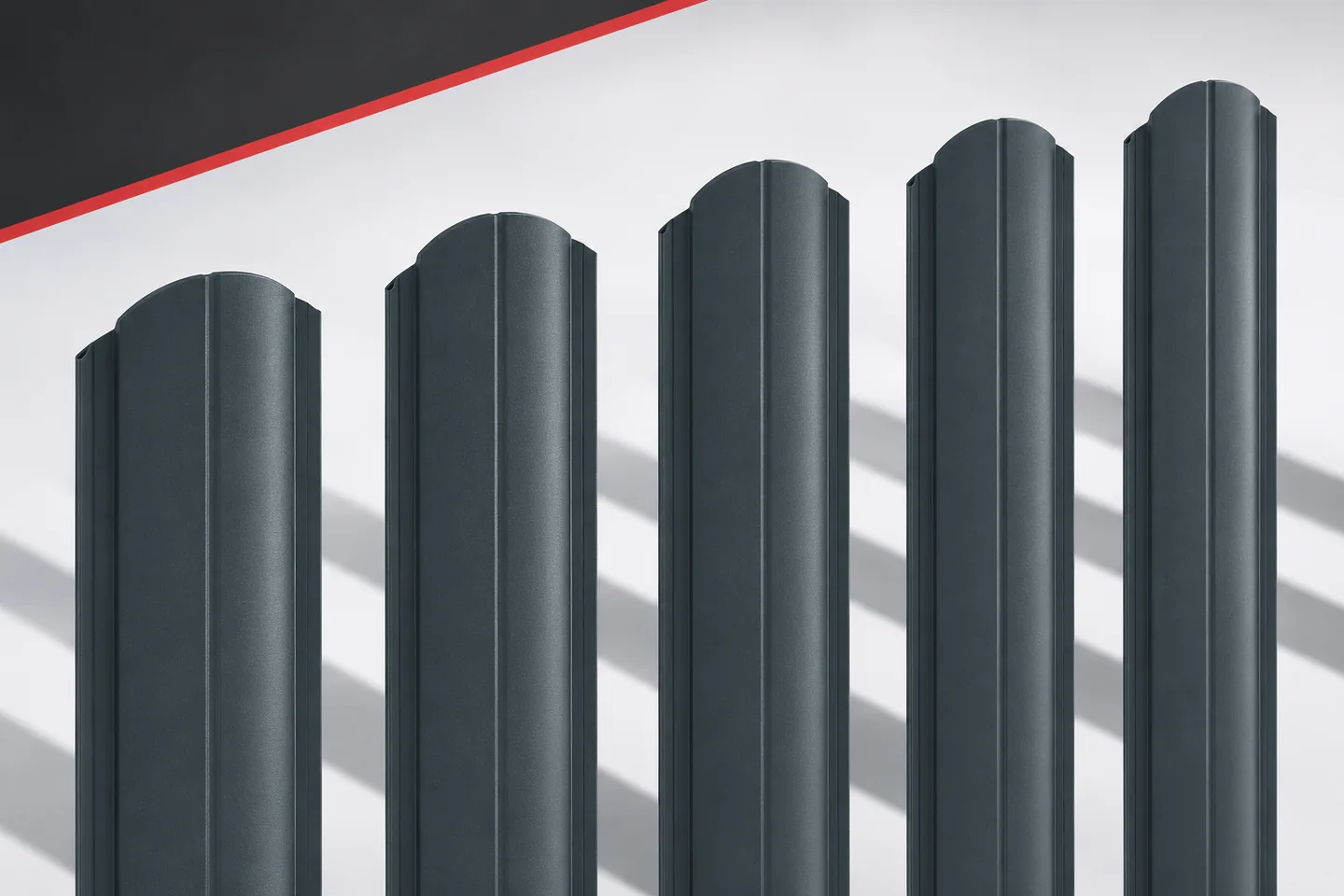
In a small garden, the fence takes up a large part of the field of view. It can organise the space, but…
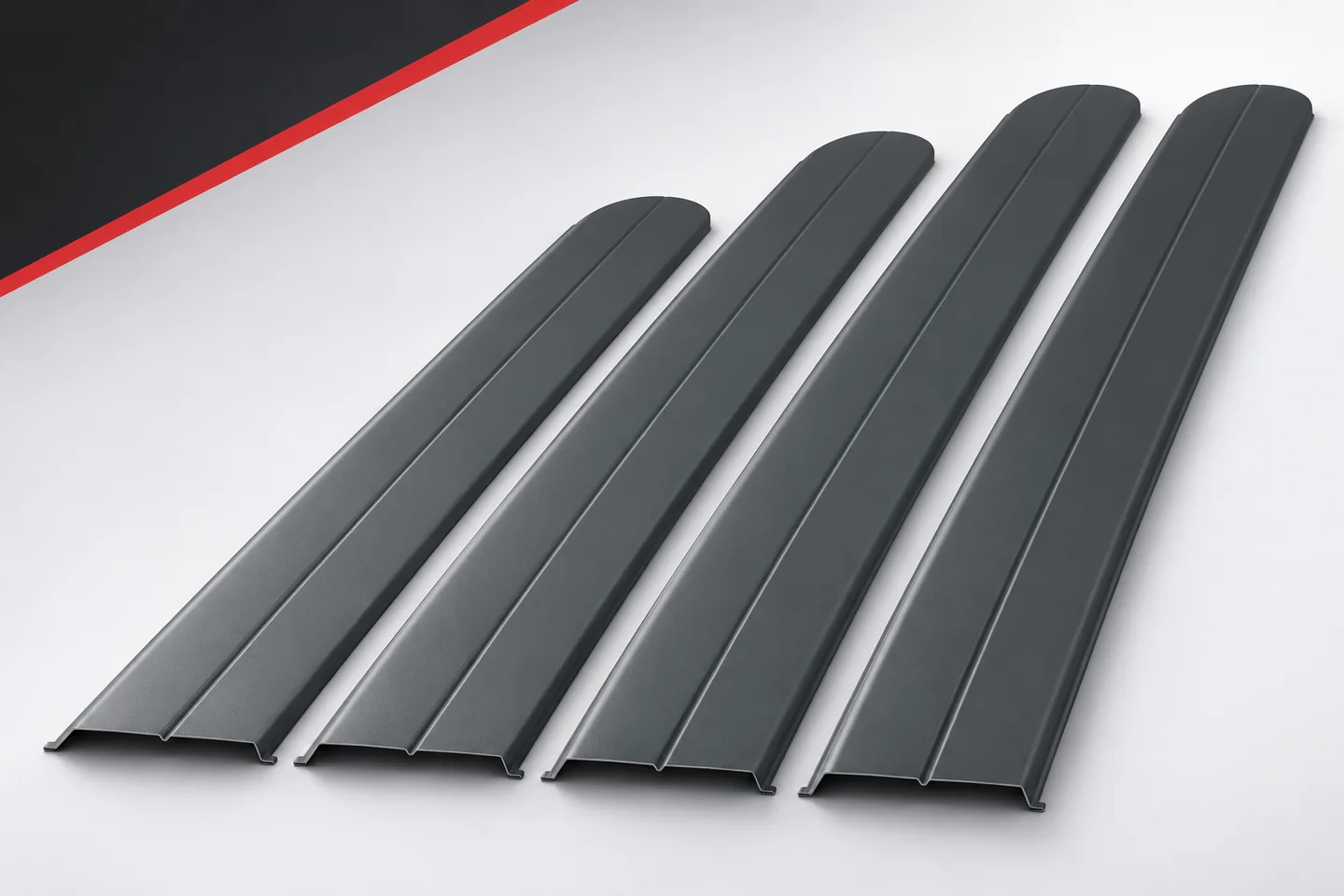
The least troublesome waste is the waste that never has to be created on site. Made-to-measure metal fence pickets help match the…
Fence durability starts with specifics. What matters is the material, the profile section, the coating and the method of fixing. The term…