

Pickets and metal fences
What to check on a new picket fence after its first season
The first season shows how the fence behaves under the real conditions of the property. Places where dirt accumulates are already visible, as are the effects of garden work and any loose connections. This is a good moment to inspect the metal pickets without rushing. It is not about looking for problems for the sake of it. A brief check helps separate ordinary soiling from damage that requires action. Look at the fence from several sides. Check the line of the top edge and the consistency of the gaps. If any element has clearly changed position, compare it with a photograph taken after installation. This will establish whether the difference was there from the start or appeared in use.
In this article
Start with a view of the whole line
Do not try straightening a picket straight away by pulling on its end. The cause of the deviation may be the fixing, the crossbar or the post. Acting without identifying the source of the problem can damage the coating and make matters worse. First, establish what has actually moved.
Clean a section before assessing the coating
Dust and deposits can change the perception of colour. That is why a suspect area is best examined after gentle washing in accordance with the coating instructions. Do not scrub it dry. Grains of sand can scratch the surface and make it harder to assess the original mark.
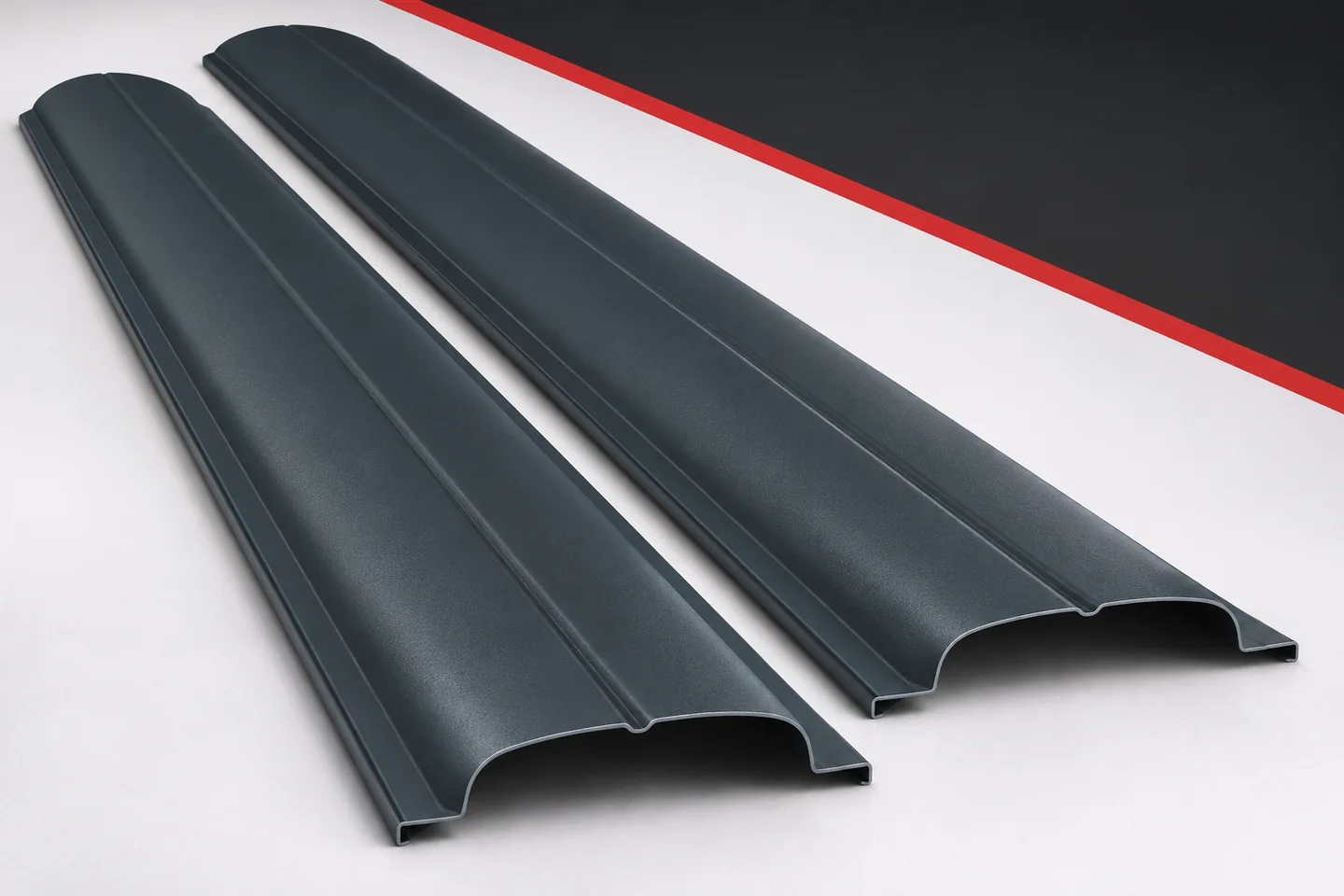
Compare elements under similar lighting. A profile on the shaded side may look different from one in full sun. Sheet-metal pickets with a matt or textured coating also scatter light differently. Any conclusion about a change of shade should take these simple inspection conditions into account.
Check the ends and fixing points
The lower ends are exposed to soiling from the ground. The upper ends may bear traces of incorrect handling or cutting. Around the screws, look for deformation and damage to the paint. Such places require closer attention than an intact central area of the picket.
A pinpoint rust mark may come from a leftover particle of metal. It does not automatically mean that the whole profile is corroding, but it should not be ignored. The area must be cleaned by the appropriate method and the condition of the surface assessed. If in doubt, it is worth consulting the material supplier with a photograph.
Pay attention to conditions near the ground
After landscaping, the ground level may differ from that at the time the fence was installed. Added bark, a flower bed or stored materials can conceal the lower parts of the pickets. It is worth checking whether the elements remain in constant contact with damp ground.
An accumulation of leaves and plant debris has a similar effect. Removing it is simpler than later repairing the finish. There is no need, however, to cut back all the greenery by the fence. What matters is maintaining conditions for inspection, washing and drying of the surface in accordance with the product requirements.

Identify the sources of recurring soiling
If deposits keep appearing on the same section, look for the cause. It may be a sprinkler, water running off a paved surface or a place where snow is piled. Removing the source of the problem is usually more sensible than repeatedly cleaning the same area.
Pickets made of sheet metal by a road are worth inspecting after winter. Salty dirt may also remain on the side not visible from the street. The choice of cleaning method should suit the coating. Do not use a stronger preparation simply because the deposit is difficult to remove.
Check connections without over-tightening
A loose element requires the cause to be identified. Not every situation is solved by tightening the screw harder. The thread may have been damaged, the hole enlarged or the fastener poorly chosen. Further tightening can deform the thin profile without restoring a proper connection.
If the installation was carried out by a team, pass on a description of the change you have noticed. It is worth keeping a photograph and marking the section. Clear documentation makes assessment easier without dismantling the whole fence. Metal pickets should be repaired by a method suited to the existing structure.
Record the result and carry out the necessary actions
A short note with the date, photographs and a description of the work carried out is enough for a basic maintenance history. Also record the cleaning agent or touch-up material used. At the next inspection it will be easier to judge whether the change is progressing and whether the earlier action was effective.
A new fence does not automatically need repainting after the first season. Many tasks are limited to cleaning and checking a few places. If damage does appear, however, it is worth responding in accordance with the instructions. It is precisely this calm, regular assessment that allows the advantages of factory-coated pickets to be enjoyed for years to come.
Compare sections with different exposure
A fence rarely ages uniformly around its whole perimeter. A section under trees may collect different soiling from a sunlit front. The part by the entrance is touched more often, and the section by the driveway may bear traces of accidental contact with equipment. Note these differences during the inspection. They will help tailor further care to the location instead of repeating the same tasks everywhere. If you take photographs, take one shot of the whole bay and another close up. The general view shows the location, while the detail allows the change to be compared at the next inspection. There is no need to collect dozens of similar photographs. Clear material referring to specific points is enough. Documentation prepared in this way makes both your own assessment and a conversation with the contractor about any correction easier.
7 branches. Materials closer to your project.

Free quote
Materials for your project




You may also find useful…
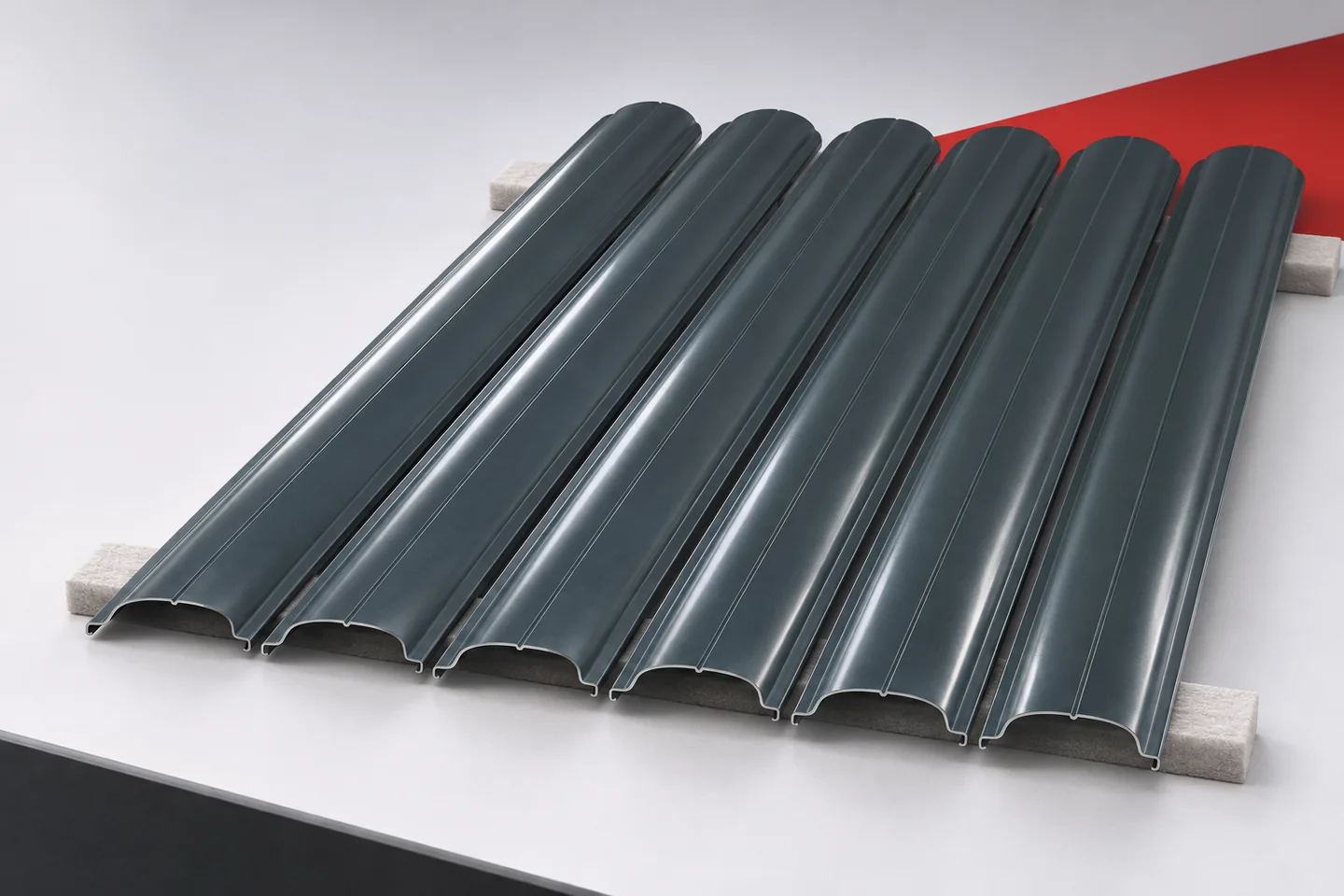
The purchase price does not reflect the full cost of using a fence. Washing, minor repairs, replacement of components and the time…
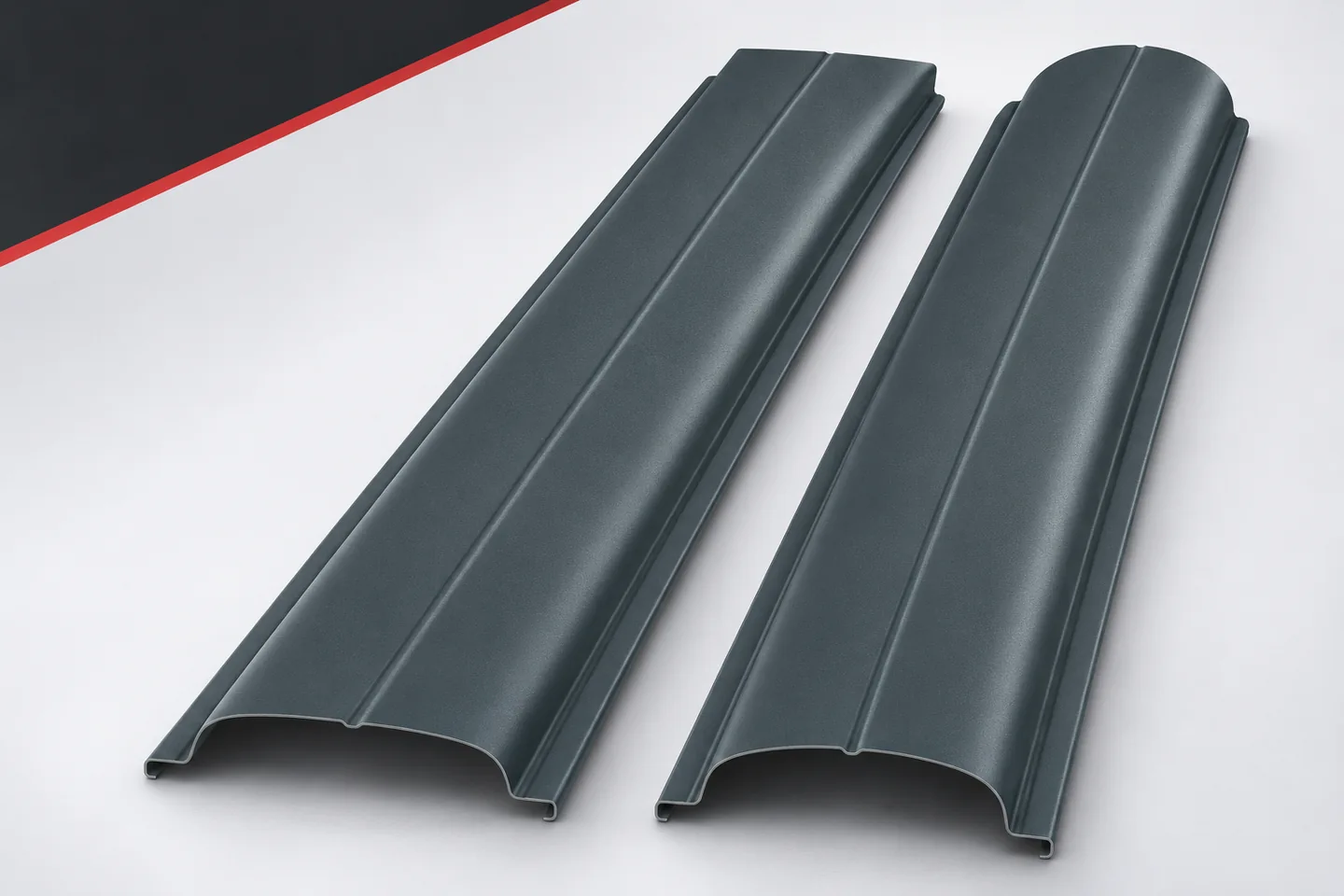
A correctly manufactured picket can still be damaged before installation. All it takes is improper handling, friction within the bundle or storage…
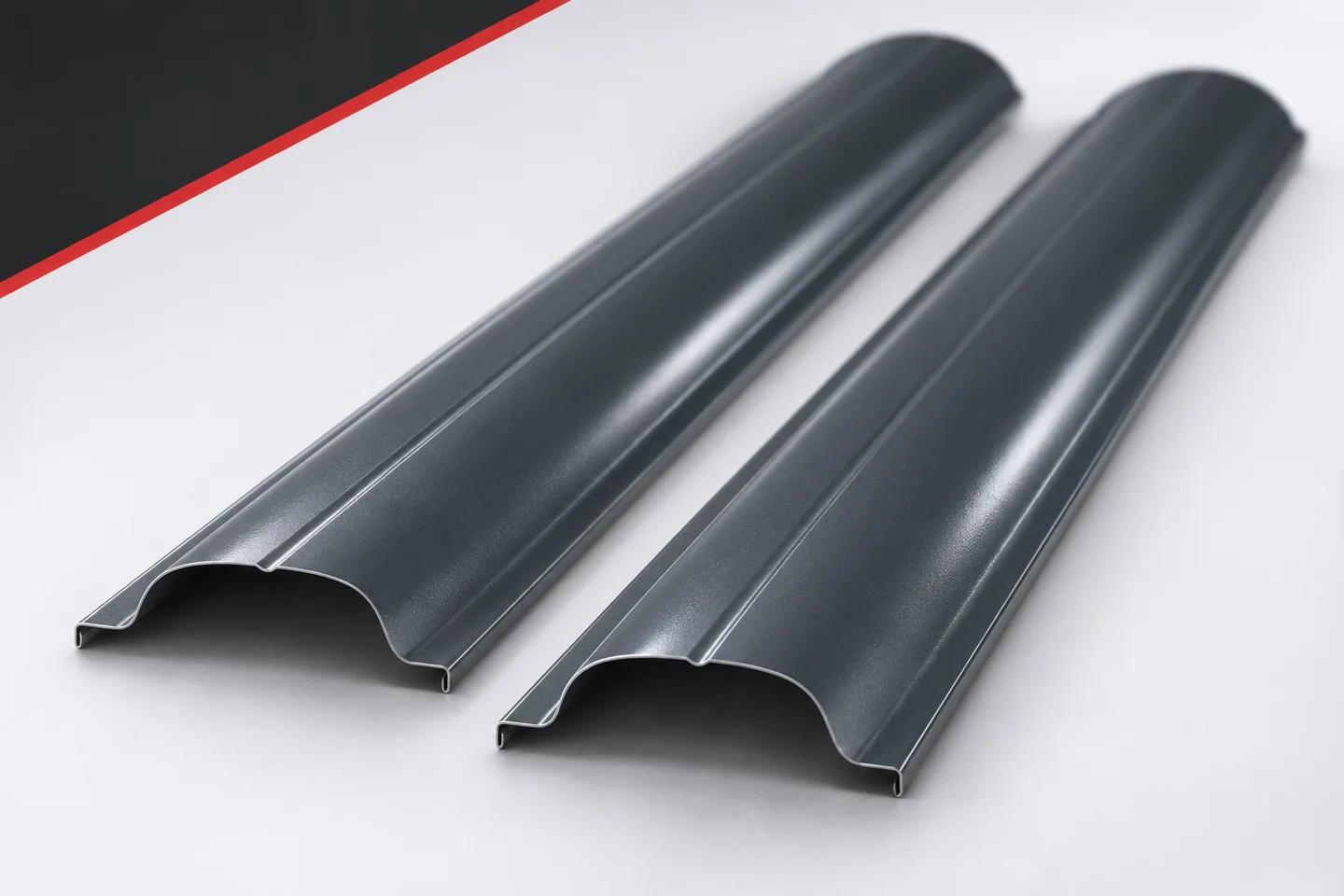
Colour is the last visible part of a picket's protection. Beneath it lies a layer system that helps protect the steel. That…
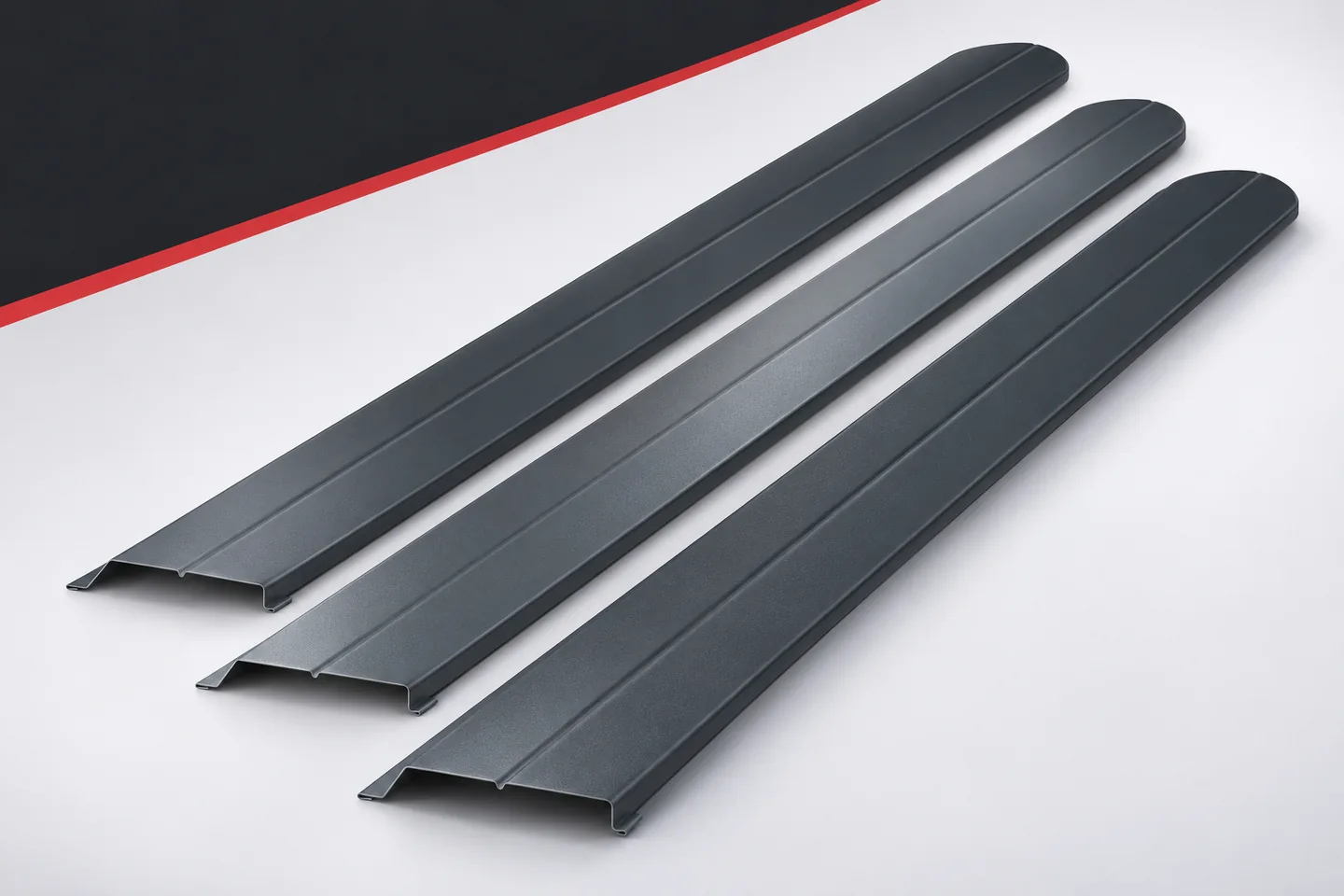
Slim metal pickets can give a fence a light appearance. Thin sheet metal and open gaps do not, however, mean that the…
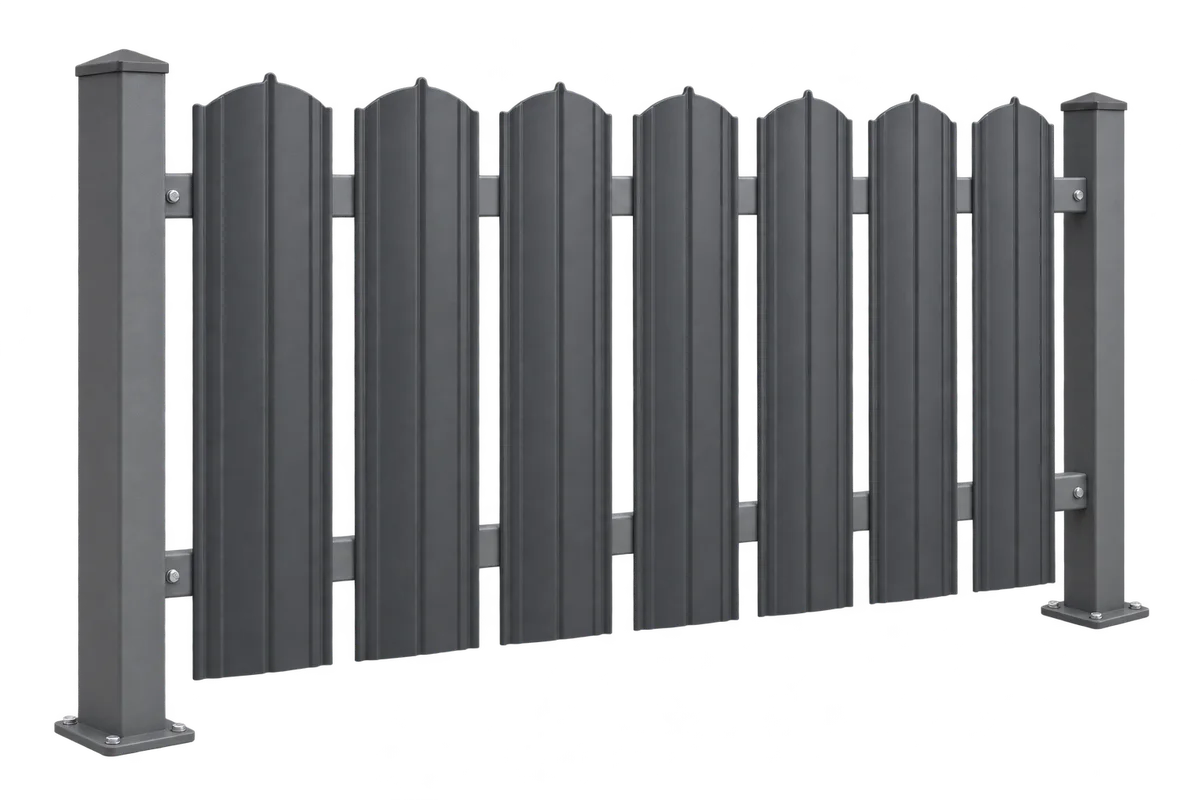
Metal fence slats made of profiled sheet create a fence with a light appearance and a regular rhythm, but choosing them is…
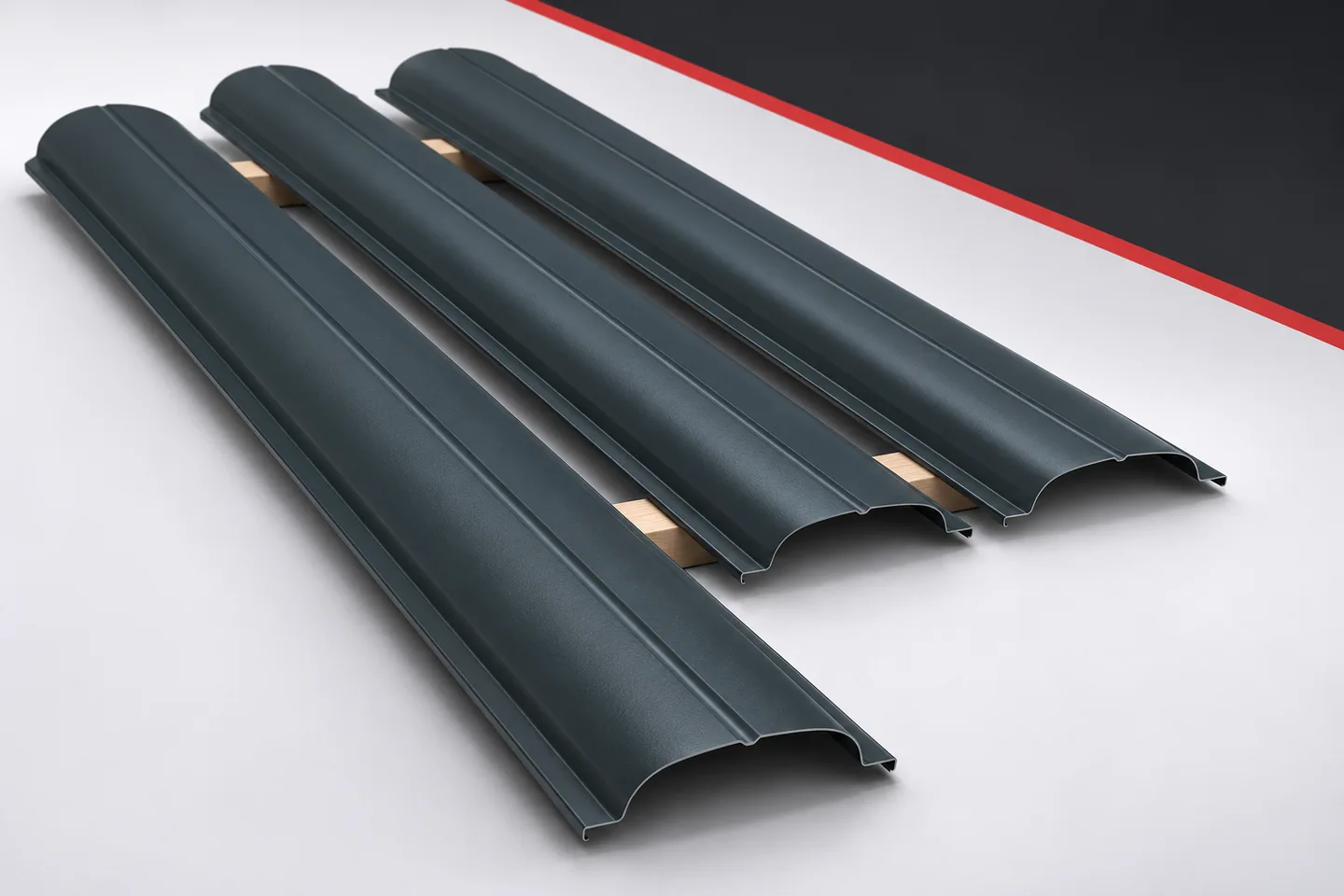
Changing the layout of a plot does not always mean the whole fence has to be thrown away. Some slats can be…
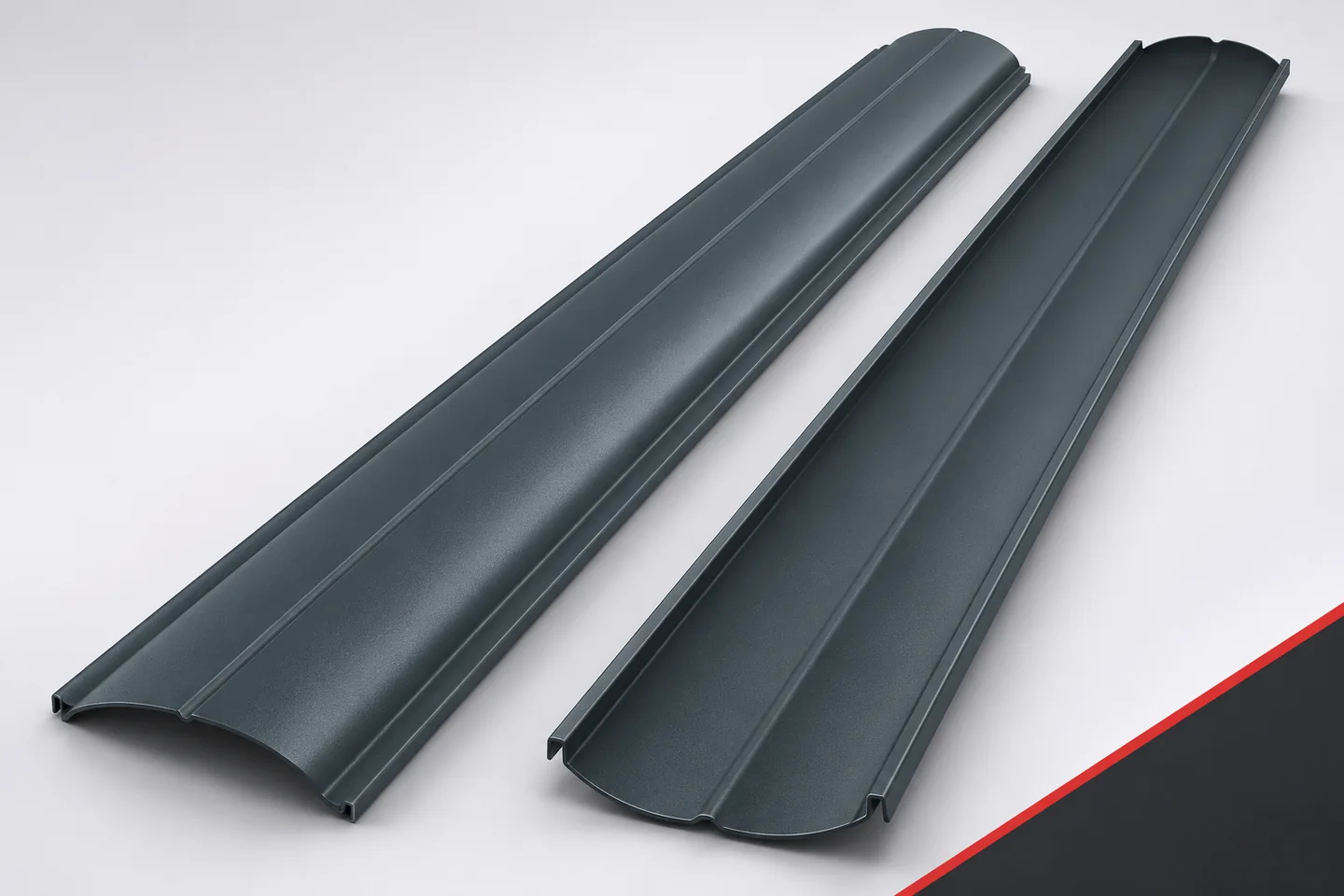
A fence is viewed from the street, the driveway and the terrace. For this reason, the appearance of the back of a…
On screen, several shades of anthracite can look almost identical. On a fence, the difference in gloss, texture and lighting can be…