

PIR insulation
PIR or mineral wool? Comparing insulation thickness and performance
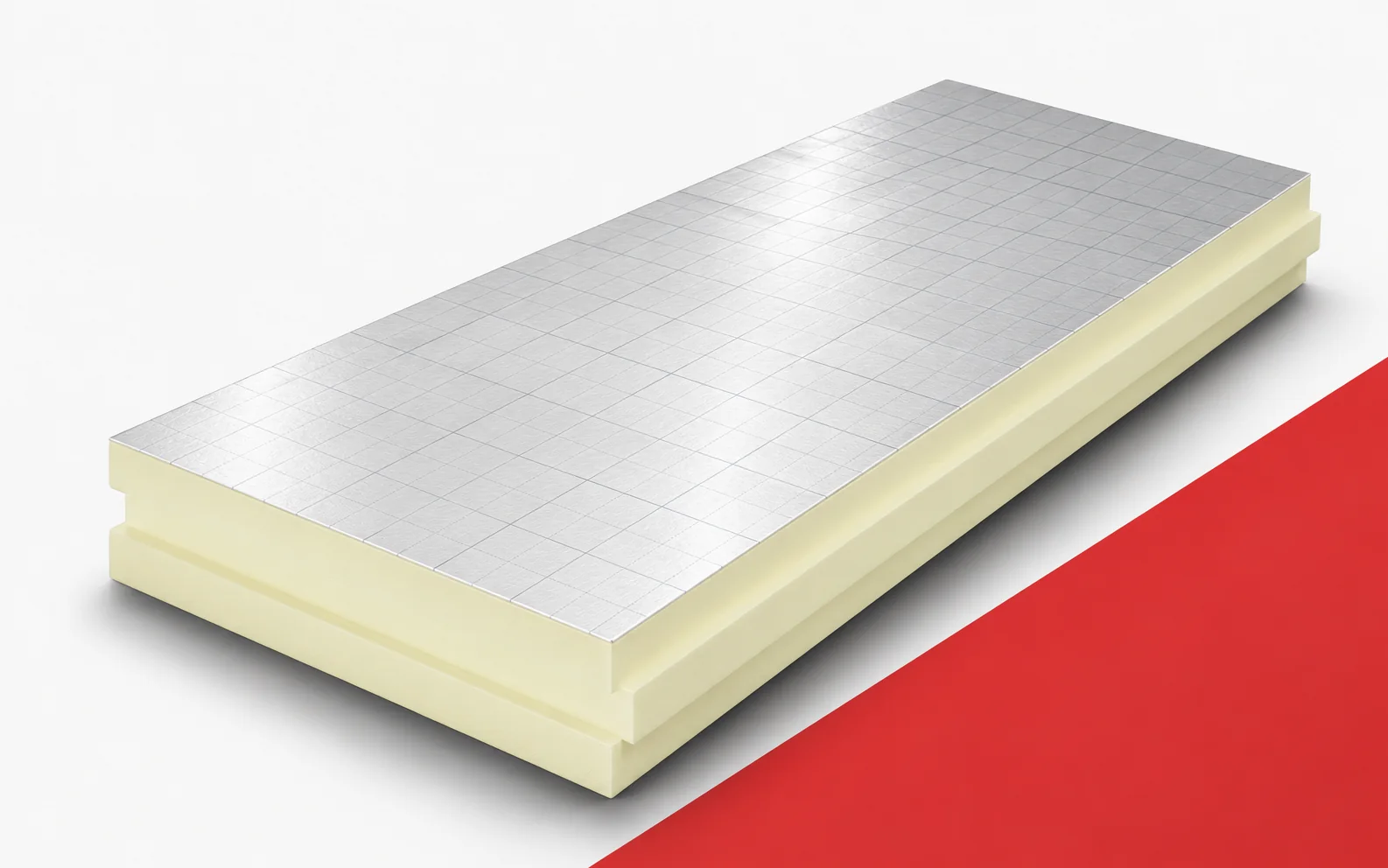
PIR and mineral wool can both effectively limit heat loss, but they offer different sets of properties. When choosing, it is worth separating space savings from fire and acoustic requirements. PIR boards have a strong argument in their low lambda value. However, the final benefit is determined by the whole building solution. PIR boards with suitable facings often have a lambda of 0.022 W/(m·K). Mineral wool products are available with various values. A single figure should not be assigned to the entire product family. Compare the documents for two selected products and their thicknesses for the same thermal objective. If the aim is to limit thickness while maintaining resistance, compare specific lambda values.
In this article
Comparing thickness requires specific figures
Polyurethane boards should not be compared with a randomly selected, weaker grade of wool solely to demonstrate a greater advantage. A fair table lists both products and the available thicknesses. It is also worth determining the value of the space saved. A narrow reveal is assessed differently from a wide surface without geometric constraints.
Reaction to fire requires separate assessment
If the project requires a specific class, do not accept a general assurance about the improved resistance of the foam. A document corresponding to the product and the assembly is needed. Polyurethane insulation can be used in the intended solutions. This does not require attributing non-combustibility to the core.
The energy benefit does not remove fire-related requirements. The material and the finished partition have separate classifications. Polyurethane foam in a board should not be generally described as non-combustible. If the project requires a specific class, the exact product and assembly must be checked. A variant with wool may meet such a requirement in a different way. The assessment should preserve this difference instead of reducing the entire choice to a single thermal parameter.
Thermal insulation does not mean sound attenuation
In systems designed for sound absorption, the fibrous structure of mineral wool is sometimes used. Rigid PIR boards, by contrast, serve mainly a thermal insulation function. The benefits of low lambda must therefore not be transferred to acoustics. What decides the outcome is the entire system: its mass, its connections and any resilient layers.
The cost-benefit calculation also includes functional properties that lambda does not show. If the partition is to attenuate noise, changing the material requires an assessment of the entire solution. Polyurethane insulation does not automatically acquire the acoustic properties of an assembly with wool. Any additional layers must be included in the cost estimate. The comparison then shows the cost of achieving the same result, not just the price of one type of insulation.
Rigid boards and flexible infill are installed differently
PIR boards must be cut precisely and fitted to the surface. A flexible mineral wool mat, provided it has been properly selected and laid, may fill the space between structural elements more easily. In either case, however, inspection is necessary. Filling that is too loose or accidentally compressed may perform incorrectly.
A continuous layer outside the structural elements can reduce their thermal impact, but requires good detailing at the perimeter. A flexible material between elements, in turn, requires proper fitting and securing. It is not worth assuming in advance that one technology is always faster. Geometry and work organisation determine this. When comparing savings, take into account offcuts, connections and the method of inspection before covering.
Water vapour and moisture depend on the entire cross-section
Layers controlling vapour and air flow must be continuous at the perimeter and at penetrations. A material with high diffusion resistance alone does not seal an incidental gap. The assessment should therefore include the execution of connections. It is often the detail that determines the risk, not the name of the insulator.
In the durability balance, moisture transport through the entire cross-section is important. A board with a facing of high diffusion resistance can change the drying conditions of adjacent layers. This is not automatically a defect, but a characteristic requiring proper design. Vapour-permeable wool also does not replace airtight connections or ventilation. Energy savings should go hand in hand with correct moisture conditions in the partition.
The choice can combine the advantages of different materials
It does not have to be the case that the whole building is insulated with a single material. PIR boards can address a thickness constraint, while another layer meets acoustic or fire requirements. Such a combination must, however, follow from the design. Adding materials independently can change moisture behaviour and fixing.
It is worth considering dividing functions between materials if this results from the design. PIR boards can solve a thickness problem in one place, while a suitable wool layer fulfils another task. Polyurethane insulation does not have to cover every part of the building to bring a benefit. Correct connections and the full cost are important. Such a selection allows specific advantages to be used without creating a general promise of superiority in every category.
How to assess the benefit in a building
At a reveal there is little space, and the design requires high thermal resistance. PIR can help limit thickness in this detail. This does not mean that the entire building insulation must be changed. The new layer must be correctly connected to the adjacent material.
When assessing savings, first record the required performance of the entire building envelope. It includes heat, fire requirements and any acoustics. Then compare two complete variants. PIR boards can reduce thickness, but the financial significance of this change depends on the detail. Do not promise a specific reduction in bills based on the material change alone. The value of the solution results from the building, its use and the quality of execution of all relevant connections.
7 branches. Materials closer to your project.

Free quote
Materials for your project


You may also find useful…
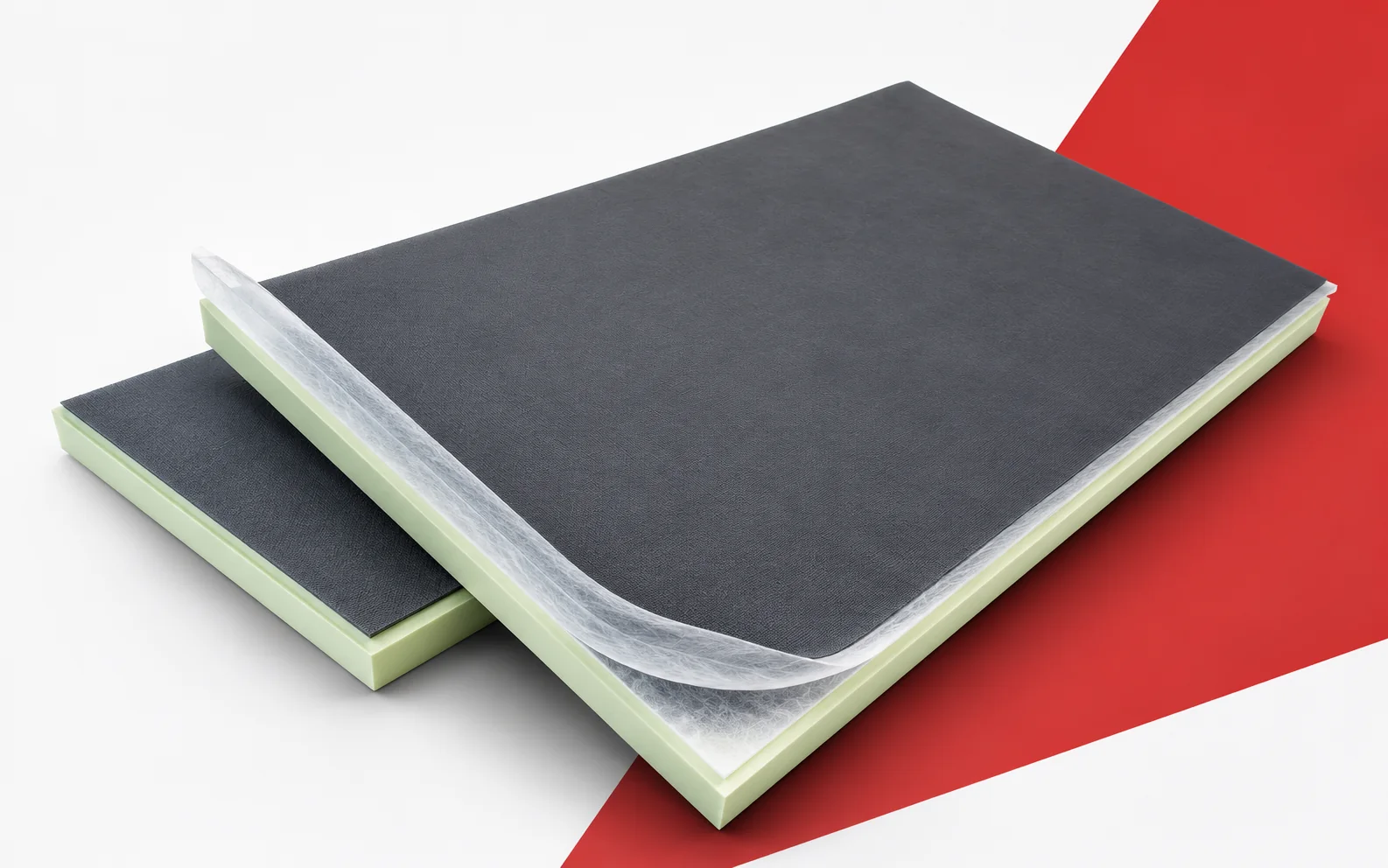
Utherm Sarking LE Plus allows part of the insulation function to be moved above the rafters while preserving attic space. This benefit…
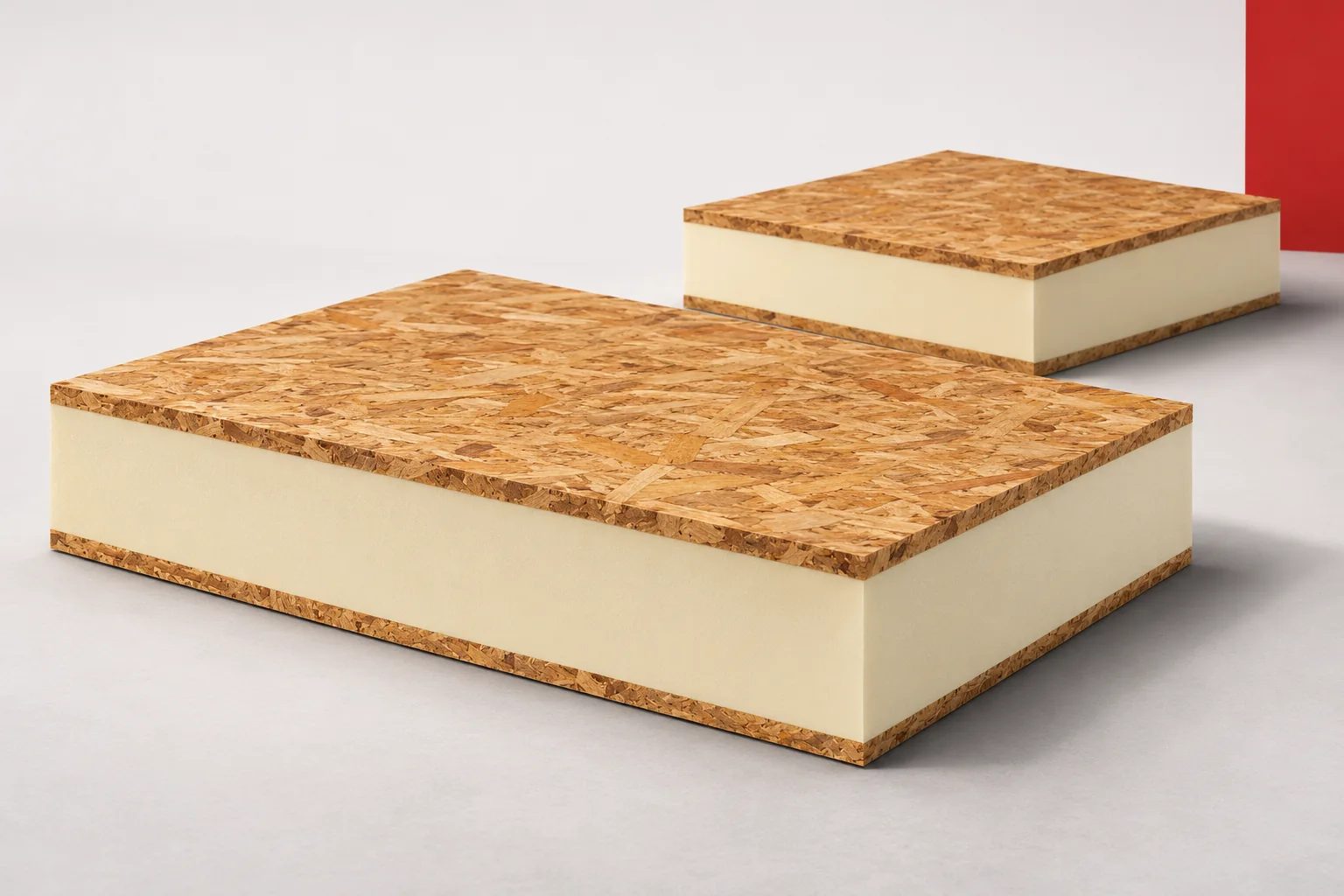
SIP panels allow several tasks to be combined in a single prefabricated component. A rigid insulating core sits between two facings. Such…
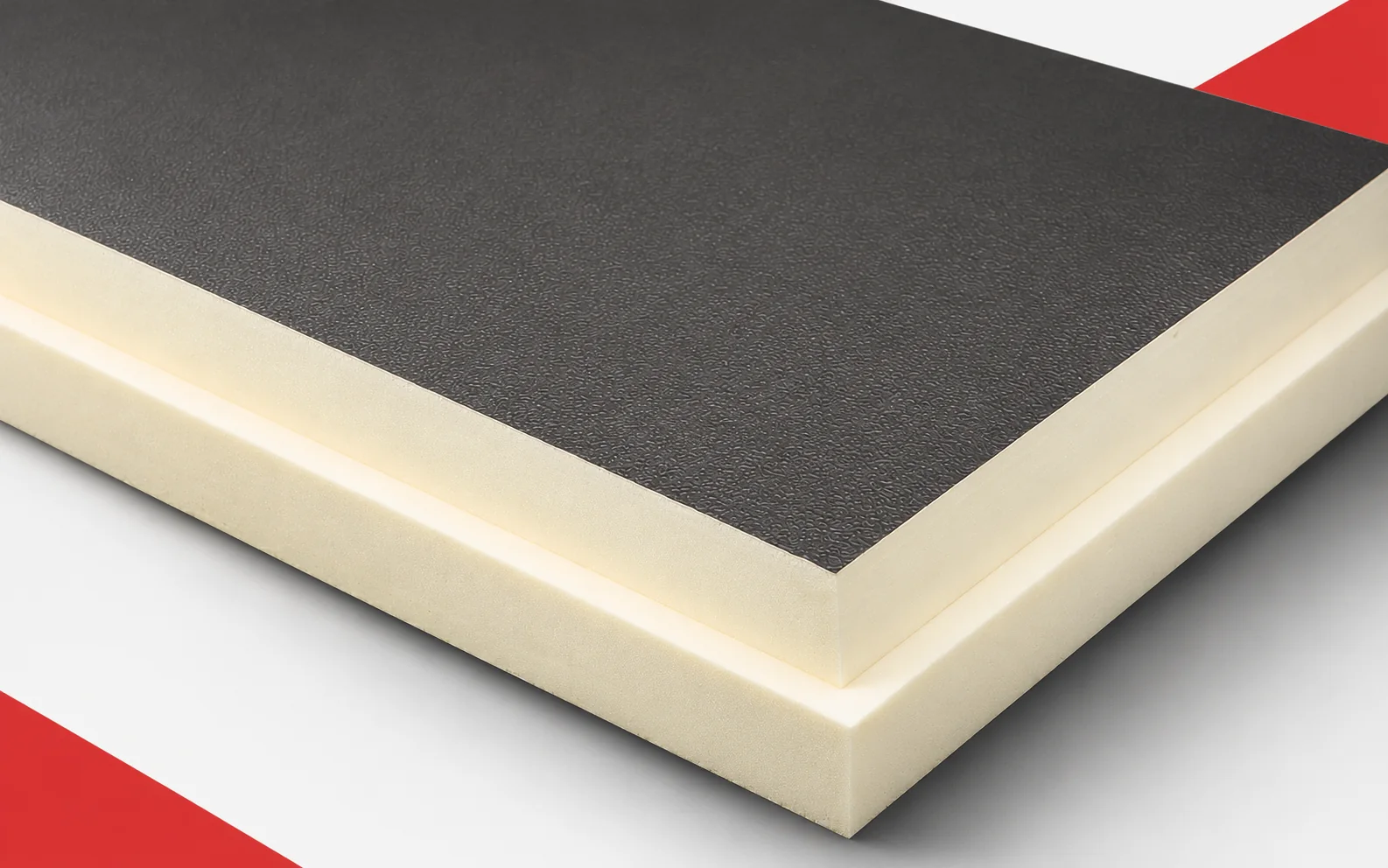
On a rectangular roof area, the large FA format makes it easier to plan a regular layout. The thermal effect, however, depends…
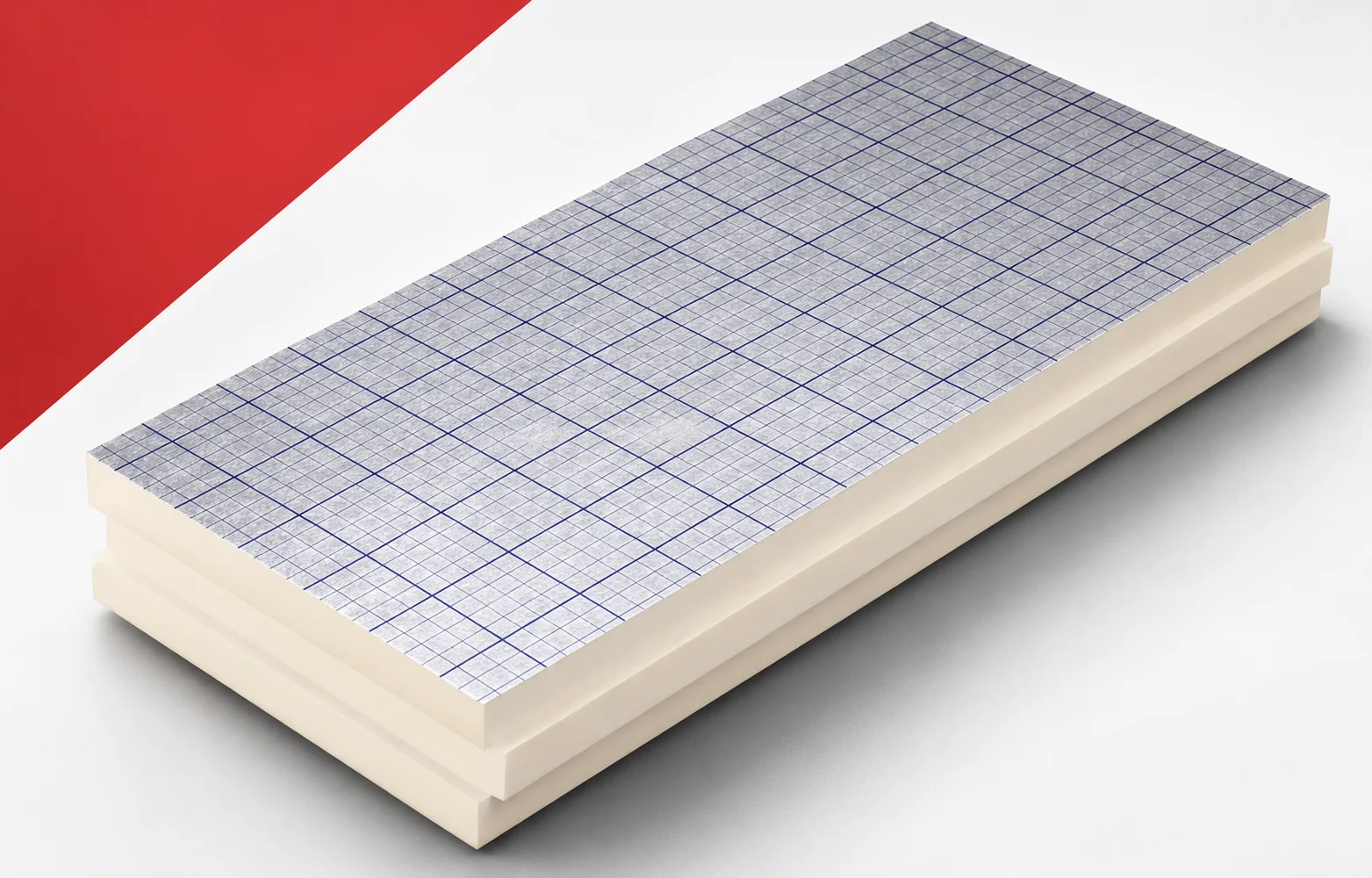
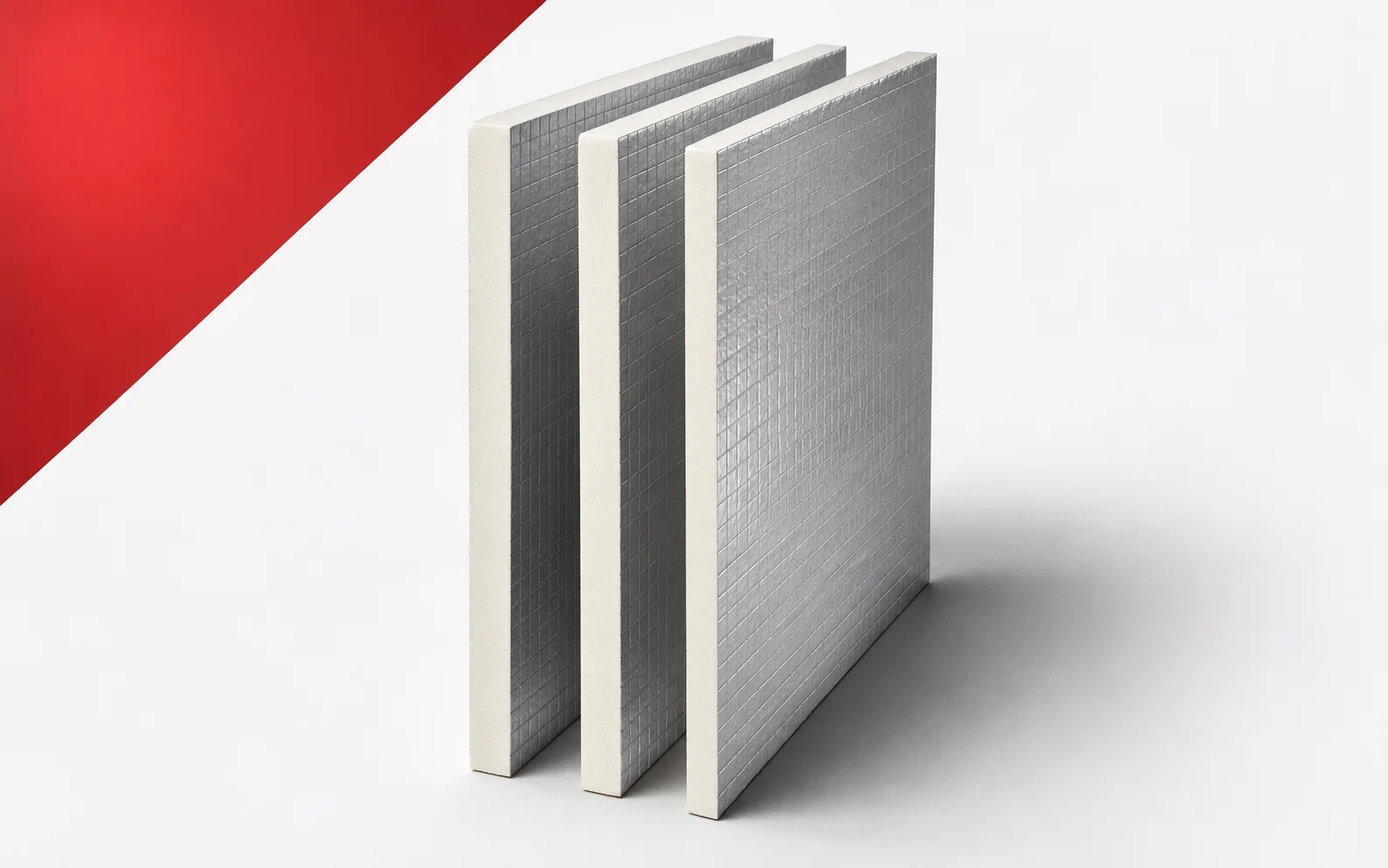
swissporPIR Alu can help achieve the required thermal resistance within a limited construction thickness. The benefit is particularly evident where every centimetre…
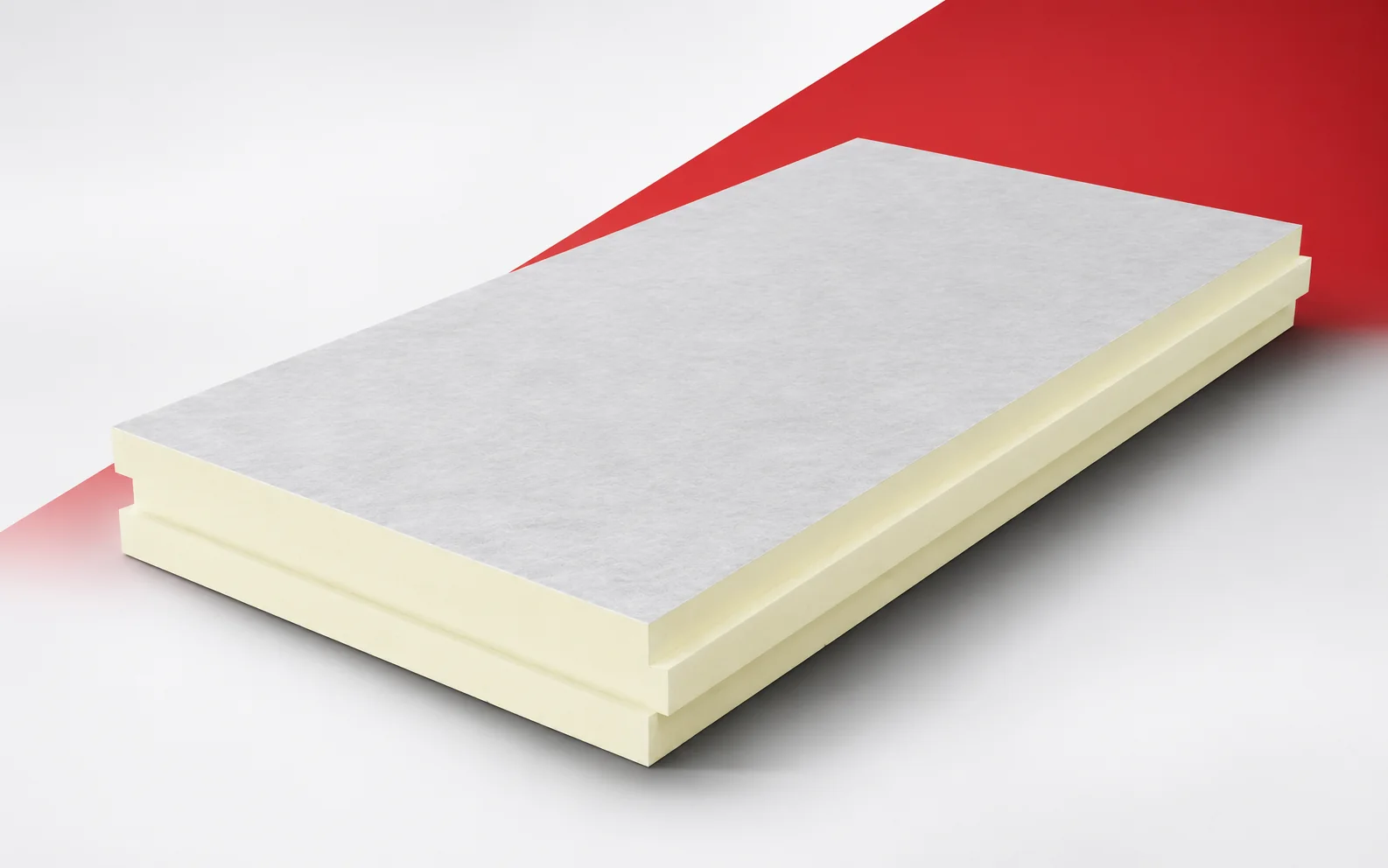
In an efficient roof, the insulation must work together with the layers that protect it. termPIR WS uses a glass fleece facing.…
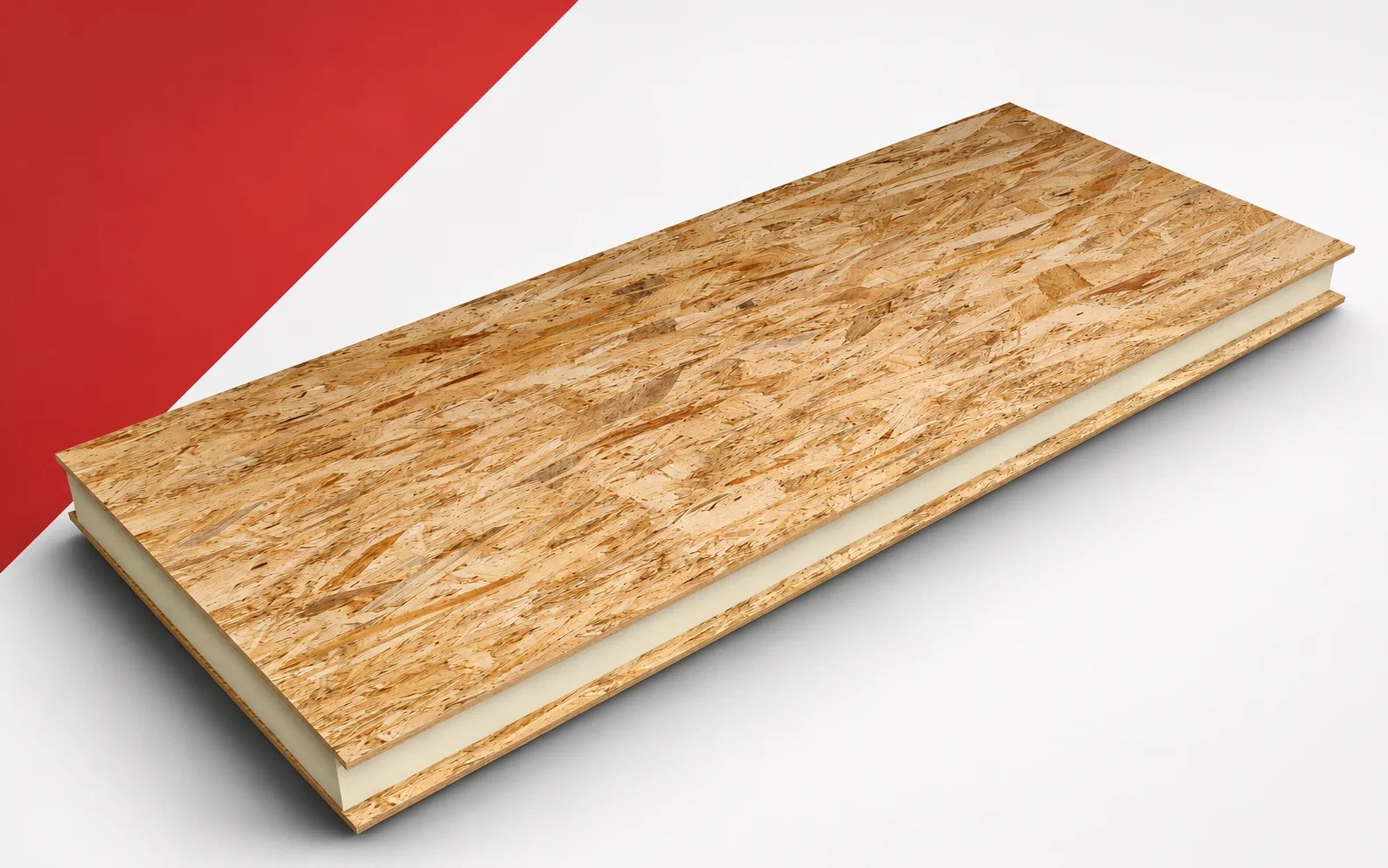
The IDELCO α-therm SIP and a plain PIR board improve thermal performance in different ways. The panel contains facings that participate in…
Two ALU TAP fields are to direct water to separate outlets. Their heights meet at a shared boundary. The energy-based choice of…
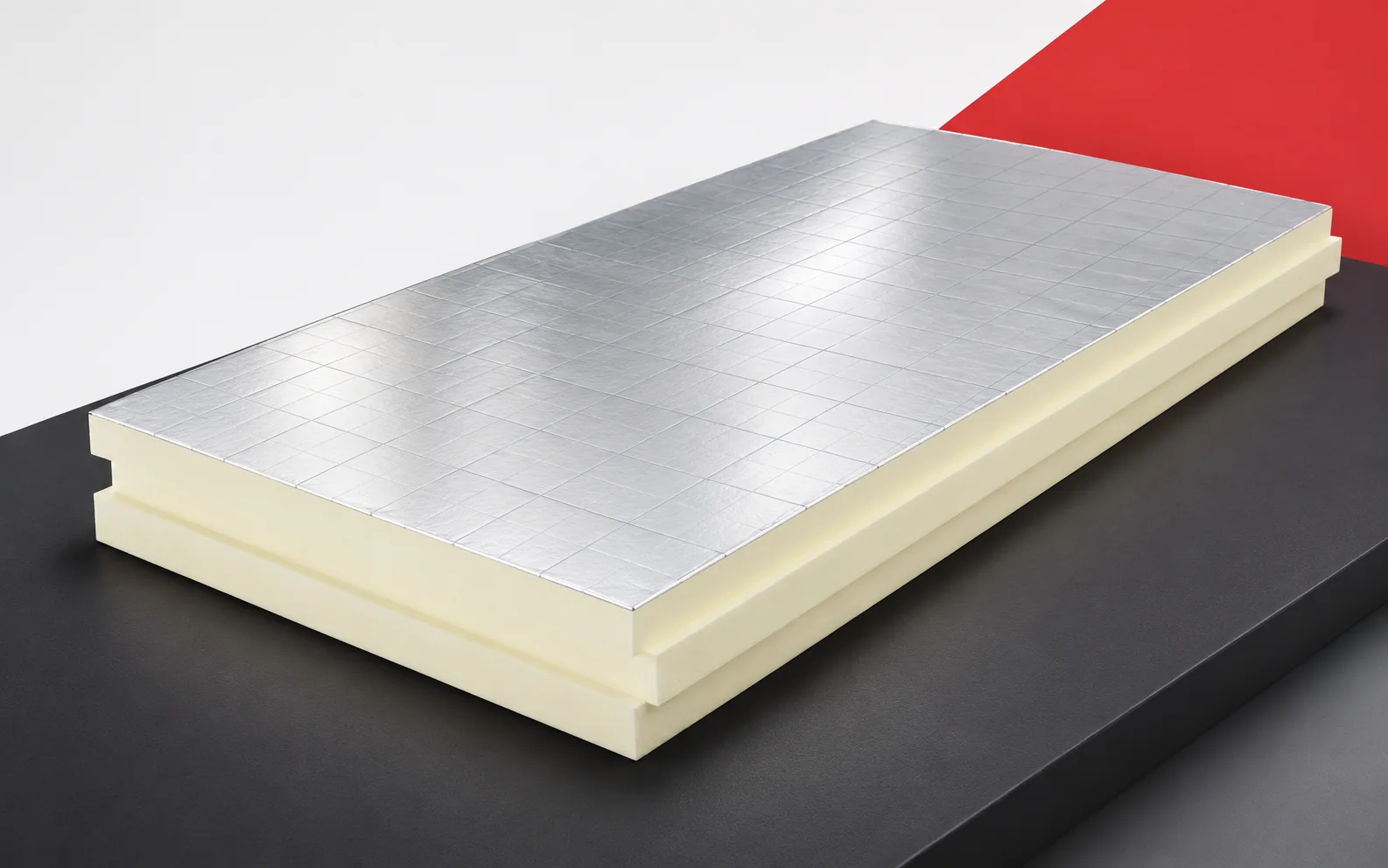
On a flat roof, a good lambda value must go hand in hand with correct drainage. PIR boards can reduce the height…