

PIR insulation
Kingspan Therma TF70 for a thinner floor insulation layer
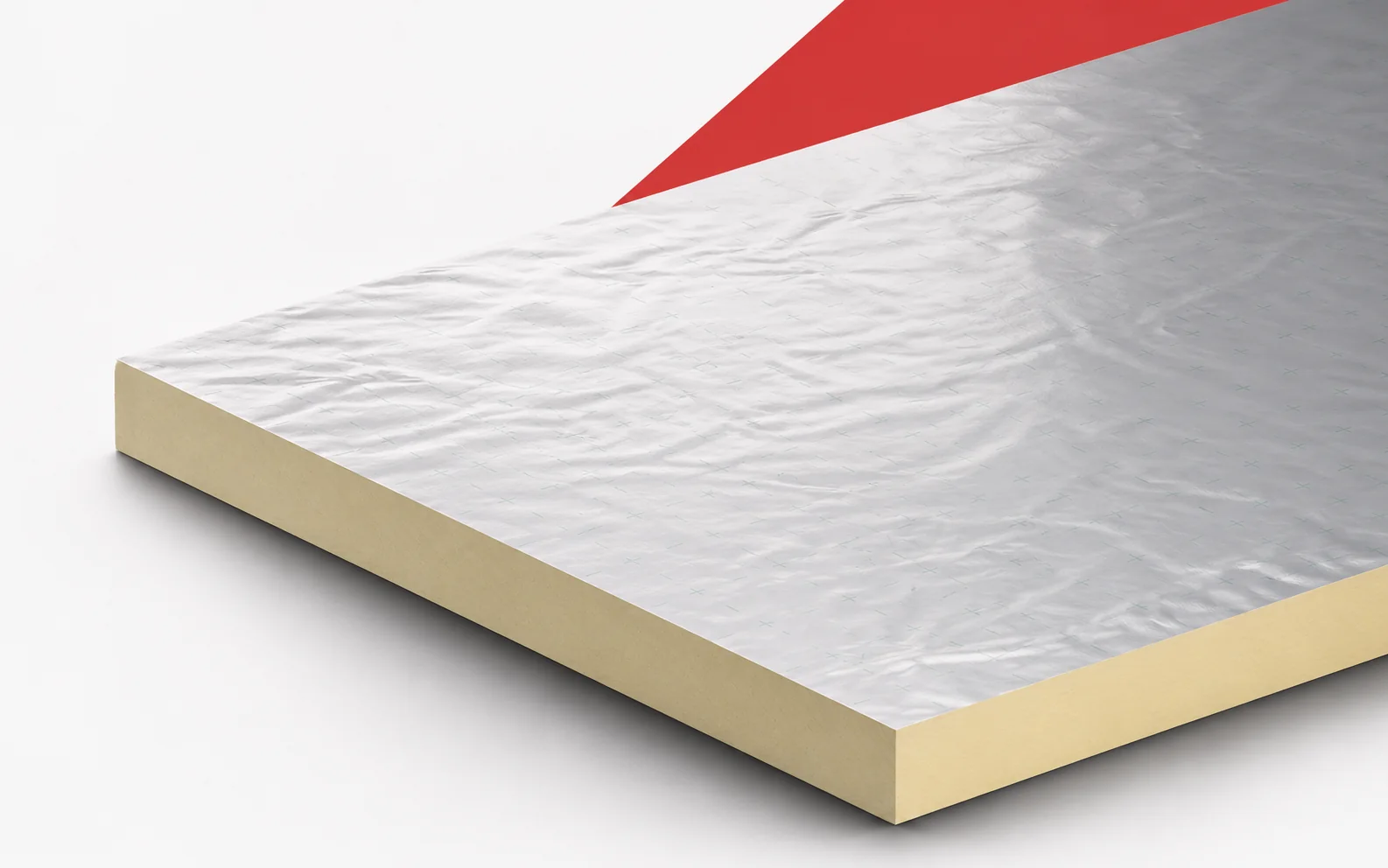
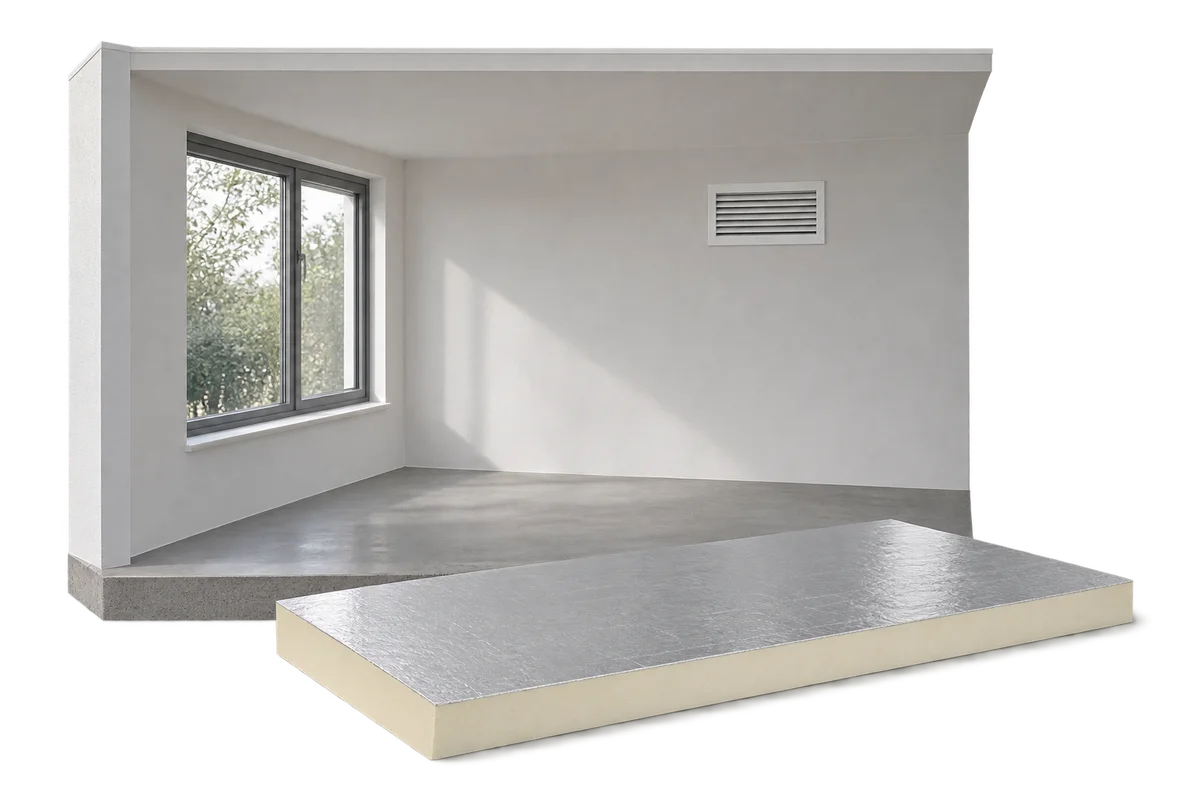
Therma TF70 helps when floor insulation has to be considered within a limited available height. The benefit of the lambda value must, however, be related to the whole build-up, including the screed and the finish. The junction between the floor and the building perimeter also remains important. Kingspan Therma TF70 is a PIR board for insulating heated and unheated floors. It has a multi-layer facing containing aluminium on both sides. PIR boards are best assessed through a specific spatial problem, so consider a floor with Therma TF70 whose level must be matched to doors and adjoining rooms. The floor level must be agreed together with the space for TF70, the screed and the final finish, because the space saving must be assessed together with the detail geometry.
In this article
Where reduced thickness brings a benefit
Changing the lambda alone is not enough, because reducing just one layer without analysing the build-up can compromise the requirements of the whole floor. The solution should allow the required thermal resistance to be achieved without inadvertently changing the level of finished thresholds. As a starting point for comparing variants, record the height of the available build-up, the intended finish and the levels at doors and stairs.
Parameters and reference point
The thermal conductivity (lambda) of Therma TF70 is 0,022 W/(m·K). The catalogue gives a thermal resistance RD of 3,60 m²K/W at 80 mm thickness and 4,50 m²K/W at 100 mm. When comparing polyurethane boards, take into account these two values: RD 3,60 m²K/W for the 80 mm variant and RD 4,50 for the 100 mm variant.
The resistance of TF70 must be separated from the calculation of heat flow through the complete floor on the ground, so that the comparison relates to the same thermal effect. The result must be read with care, since the way heat flows through the ground is not described solely by the inverse of the insulation resistance. The calculation is intended to help compare floor variants while retaining the correct thermal method and the actual geometry. In the energy summary, show the TF70 thickness, the catalogue resistance and the junction of the floor with the perimeter of the heated building, so that it is clear what exactly changed between the solutions.
In a refurbished interior, Therma TF70 can be considered where floor height is limited. First deduct the space for the screed and finish, and only then select the insulation. It is not worth preserving its thickness by inadvertently reducing the other layers. A comparison of two complete build-ups at the door is helpful. This keeps the benefit of the 0.022 lambda linked to the actual feasibility of the floor.
Continuity of the layer at junctions
The standard size of Therma TF70 is 1200 × 600 mm, and the boards have straight edges. Both within the installation zones and at the floor perimeter, the board layout must provide adequate support. Since continuous polyurethane insulation also requires correct terminations, check the support of the TF70 board where installations run and over unevenness in the existing substrate.
TF70 boards must be laid on a prepared substrate with correctly detailed grooves, because losses at joints must be assessed together with the main insulation field. A good junction does not arise automatically, since the rigidity of the board does not mean that any void beneath a point of later load is permitted. The layout of elements should allow the layer to be laid with even support and cuts at the room perimeter to be planned. On the detail drawing, show the substrate condition, how the grooves are detailed and the position of joints relative to service obstructions; this record will make later inspection of the work easier.
Service conditions of the building element
For a floor with Therma TF70, the protective and separating layers specified for the given section are still required. The board facing alone does not resolve all junctions at walls or at pipe penetrations. When assessing the durability of the thermal effect, take into account how the floor insulation connects with the covering layers at the wall and at duct penetrations.
At the floor perimeter, the designed protective and separating layers must be maintained if the insulation is to perform under the conditions assumed in the design. Polyurethane foam does not replace protective layers: the laminate on the board does not by itself create a sealed solution for all gaps in the layer. The intended protections should allow the floor system to be protected without assigning the TF70 surface the function of the entire waterproofing. Before covering, assess the run of the protective layers, how they are joined at the perimeter and the protection of service penetrations, because later repair may require opening the finished building element.
Limits of the datasheet figures
Therma TF70 is declared to withstand at least 120 kPa at 10% deformation and has fire reaction class E. The floor’s service load must be assessed together with the screed and the other load-bearing layers. Reduced thickness does not exempt from verifying other requirements, so analyse where a heavy piece of furniture or equipment will stand on the floor finish above Therma TF70.
The screed and the other layers above TF70 must distribute the anticipated service load, even when the choice of board was determined mainly by its low lambda. A separate assessment is needed because the CS120 result comes from a deformation that is not automatically permissible in the finished floor. Only the complete set of data will allow the service load and the layer needed to spread forces over a larger area to be determined. Alongside the thermal results, record the anticipated equipment, the dimensions of supports and the requirements for the durability of the floor finish; this ensures the comparison does not omit the service conditions.
Comparison of total input
When purchasing Therma TF70, determine the finished floor level and the required insulation thickness. A full quotation covers substrate preparation, cutting, protection and the execution of edge junctions. For polyurethane board insulation, the effect and scope of works must be calculated; include the works from preparing the substrate for TF70 through to handing over the insulation for the subsequent layers.
In the TF70 bill of quantities, cuts, material protection and substrate preparation must be included so that the cost relates to one comparable result. The material price is only part of the decision, since omitted preparatory work can change the final price despite a similar rate for the boards. The final summary should allow offers to be compared that lead to an equally prepared floor of the required height. Ask for the quantity of full boards, the scope of substrate levelling and responsibility for protection during subsequent works, so that any additional charge has a stated technical justification.
7 branches. Materials closer to your project.

Free quote
Materials for your project


You may also find useful…
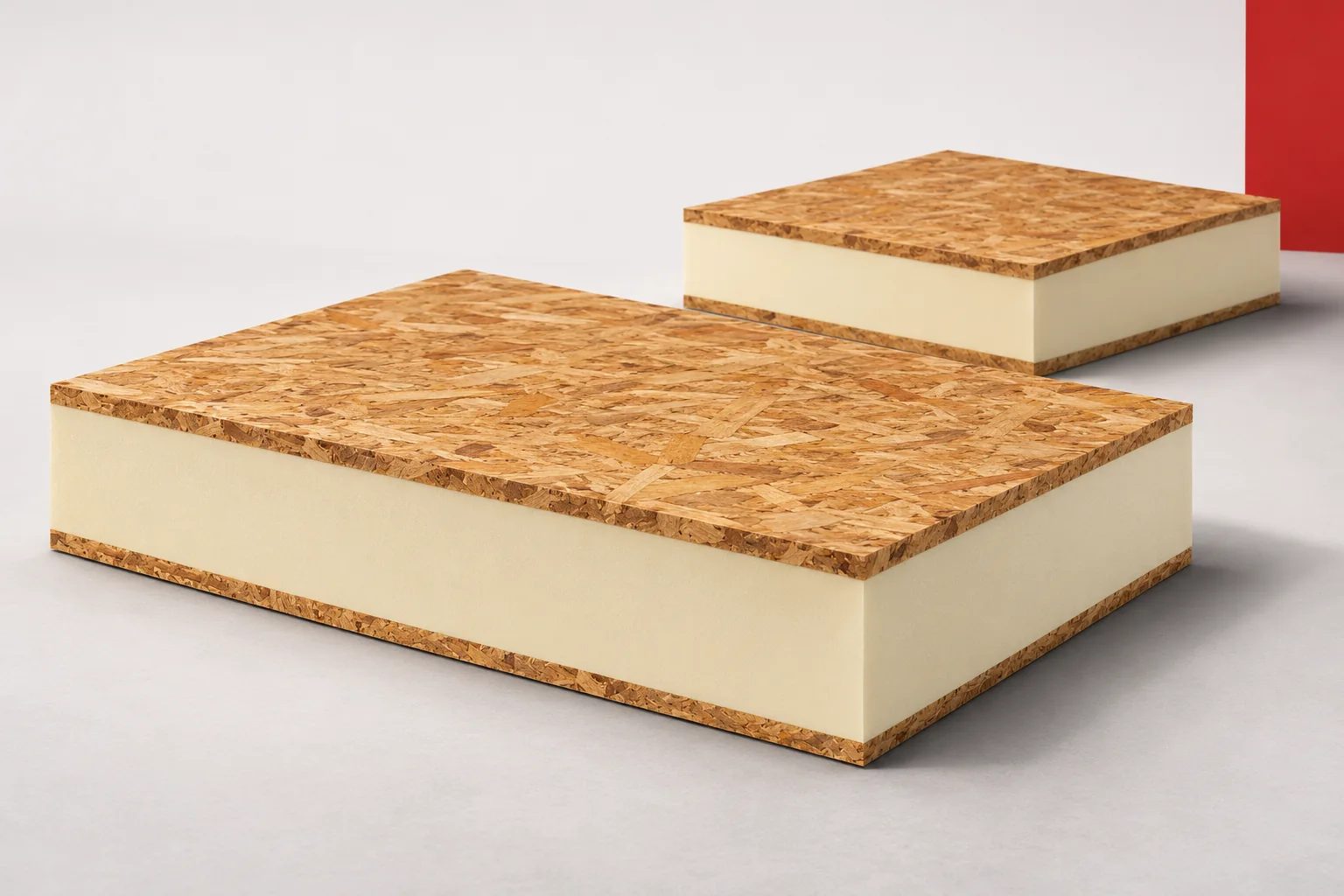
SIP panels allow several tasks to be combined in a single prefabricated component. A rigid insulating core sits between two facings. Such…
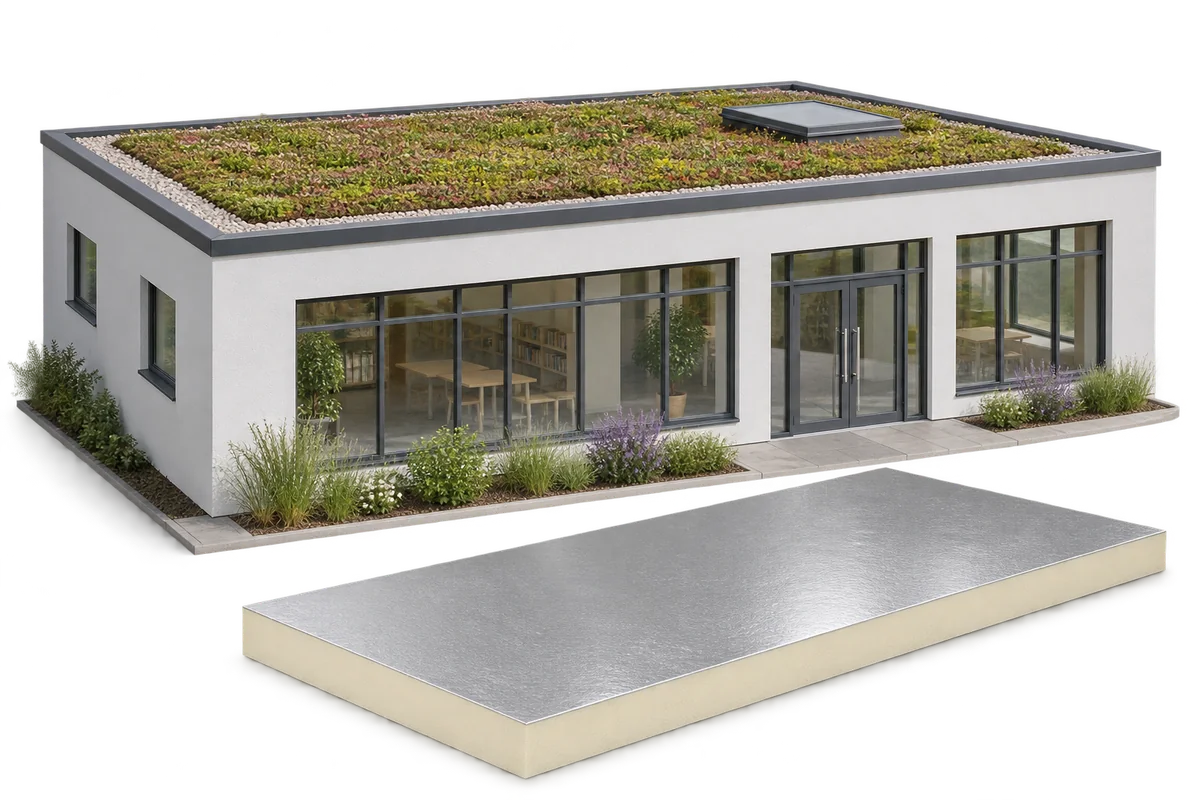
After the thermal insulation upgrading of a nursery school's green roof, the property manager should receive a description of the installed system,…
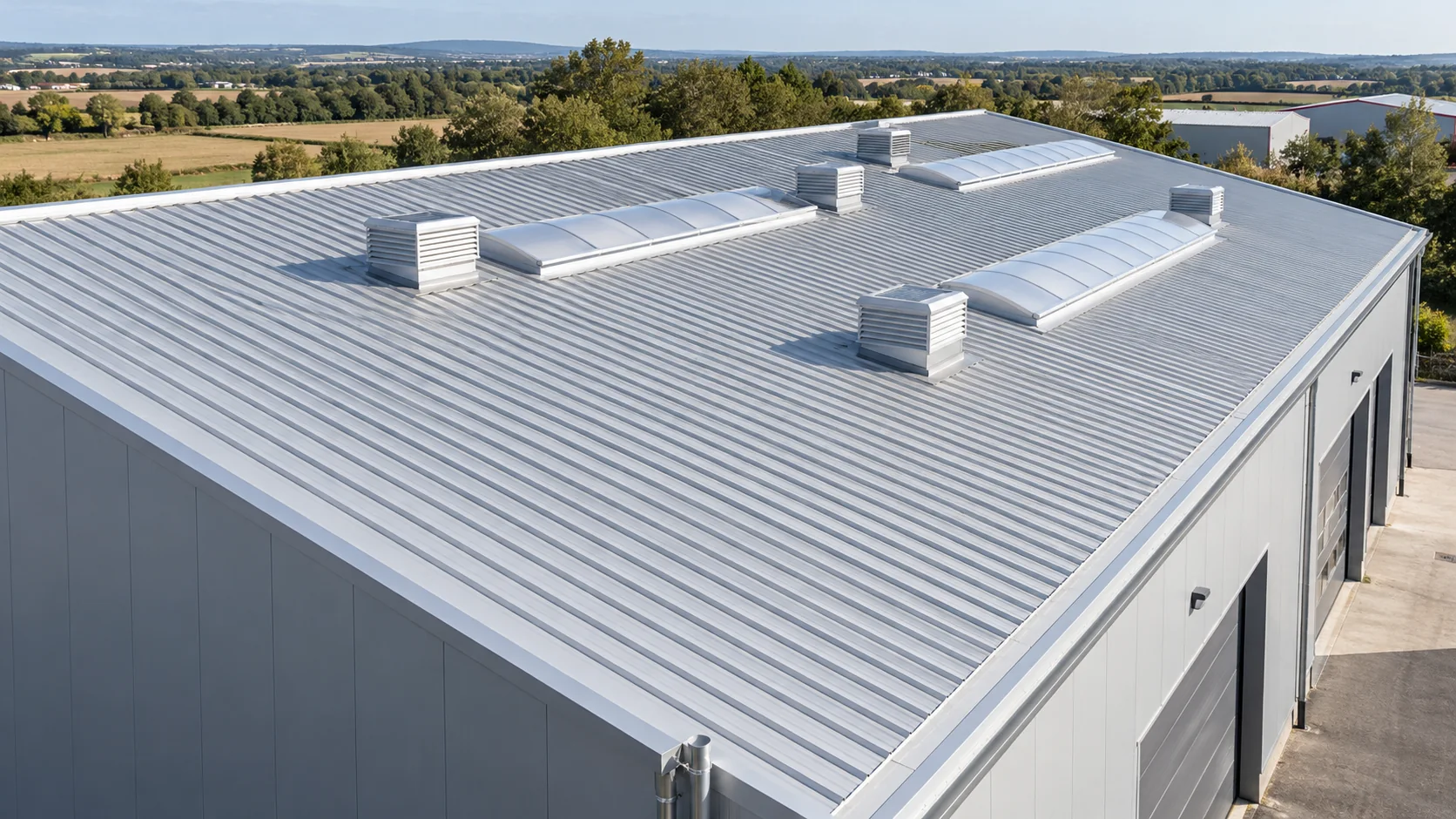
Before altering a PIR panel roof, identify the exact product and the assembly in which it was tested. Check three separate properties:…
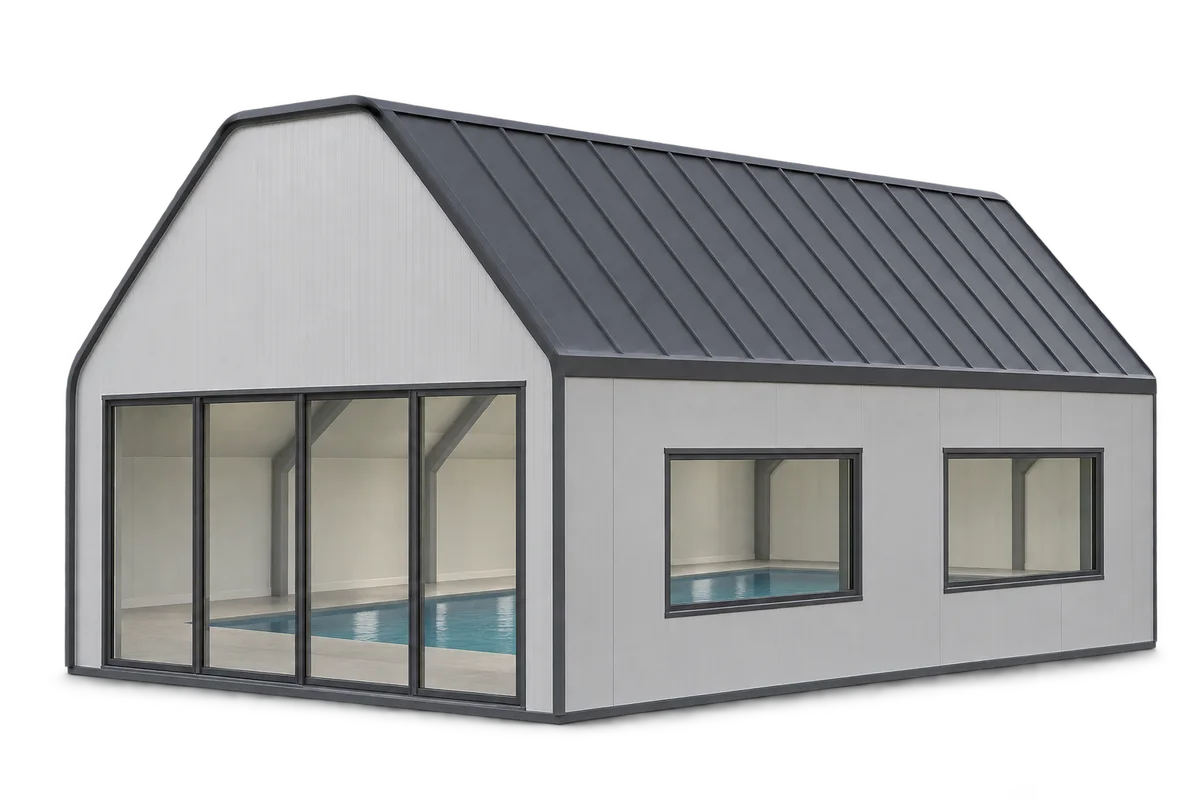
Design a roof over an indoor pool for its actual internal environment, not for ordinary warehouse conditions. Moisture, temperature, water treatment and…
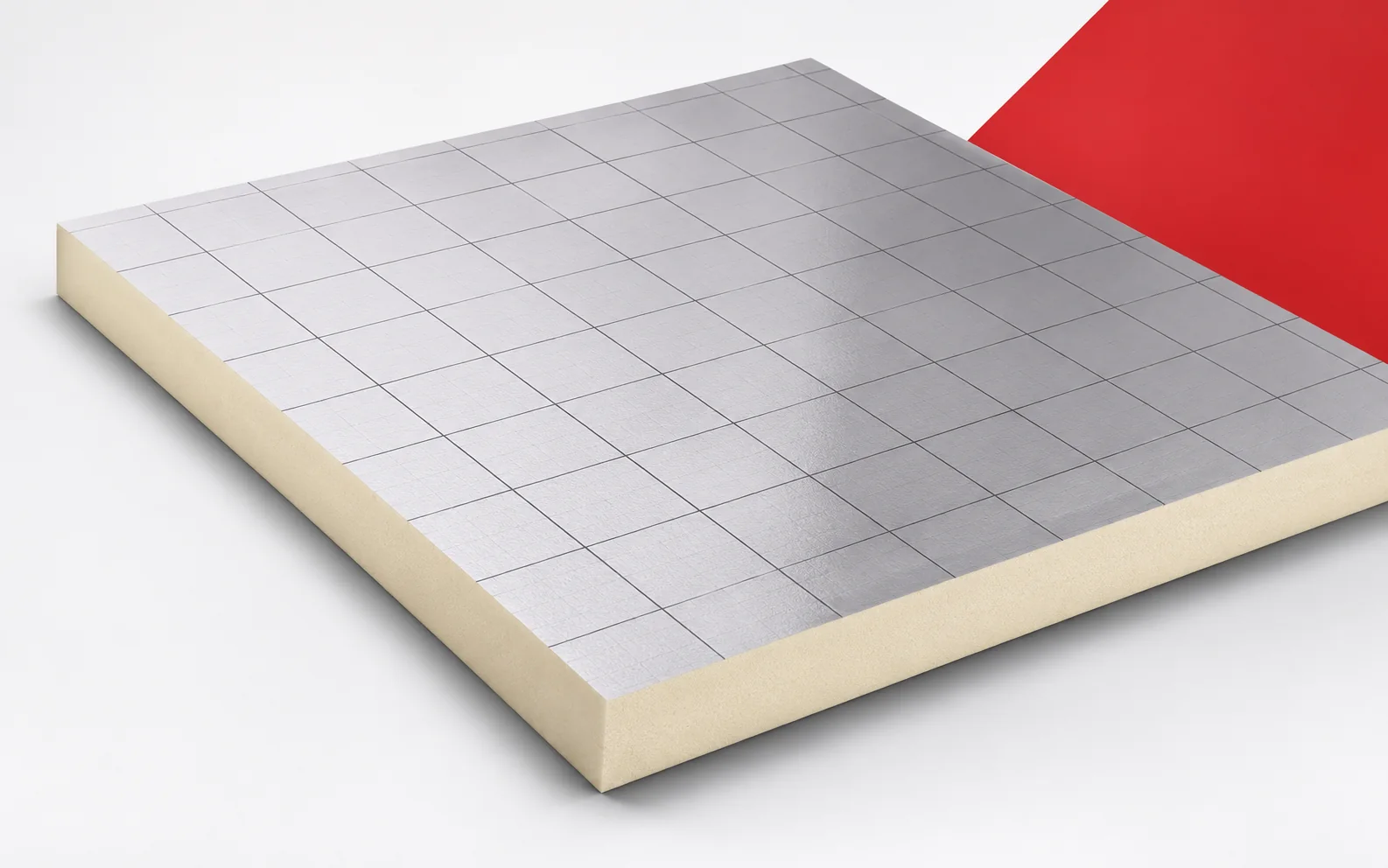
A low floor build-up may leave limited space for insulation. Recticel Eurofloor achieves substantial thermal resistance with a thin board. Before selecting…
Indoor moisture conditions depend on how much water vapour is produced, how the house is ventilated and how warm its surfaces are.…
A home can use little energy in operation and still have significant environmental impacts from its materials, maintenance or replacement work. Reducing…
On a rectangular roof area, the large FA format makes it easier to plan a regular layout. The thermal effect, however, depends…