

PIR insulation
Kingspan Therma TT46: combining insulation and falls in a low roof build-up
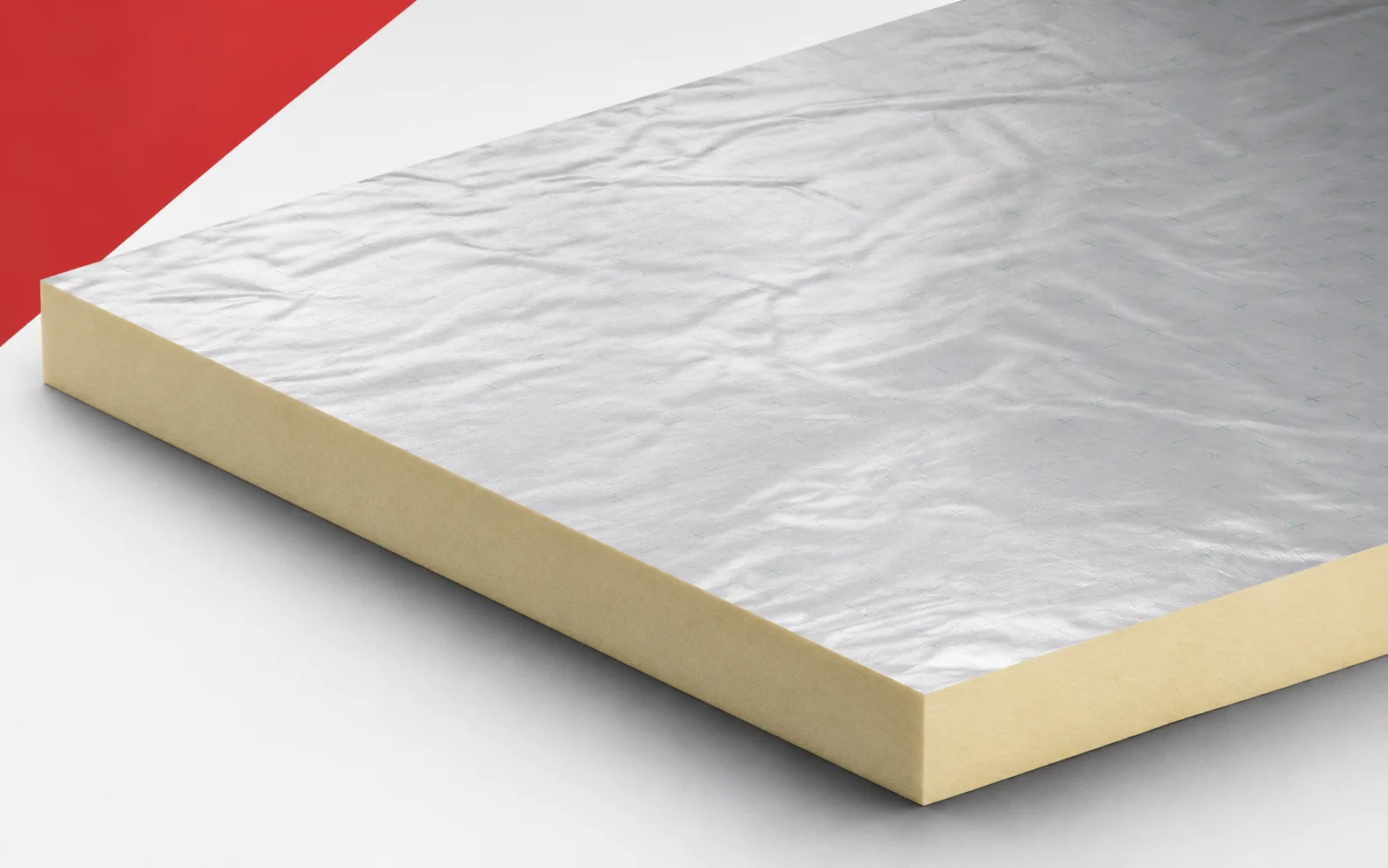
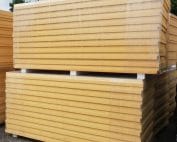
In Therma TT46, thermal insulation meets drainage geometry. The tapered board has a different thickness on opposite sides, so describing the whole roof with a single figure in centimetres is not enough. It is worth checking both the outlet and the thinnest parts of the system. Kingspan Therma TT46 is a PIR board of variable thickness with aluminium-containing facings on both sides. It is used to form falls on flat roofs and can complement a system with Therma TR26 boards. PIR boards are best assessed through a specific spatial problem, so consider a roof area with Therma TT46 where thermal insulation must be combined with the direction of drainage. TT46 tapered boards must be arranged in accordance with the position of outlets and obstructions on the roof surface, because space savings must be assessed together with the geometry of the detail.
In this article
Where low thickness brings benefit
A change in lambda alone is not enough, because the correct material will not provide drainage if the tapered board is turned the wrong way. The solution should allow a continuous water path to be formed while maintaining the required thermal insulation layer. As a starting point for comparing variants, record the roof plan, the position of outlets and the heights at parapets and exit thresholds.
Parameters and reference point
The declared lambda for Therma TT46 is 0.022 W/(m·K). Because the board has a variable thickness, the thermal assessment should be carried out for the actual geometry of the whole system, not solely on the basis of the highest point of the taper. When comparing polyurethane boards, the variable thickness of TT46 must be taken into account, as its thinnest and thickest points occur on the same board.
In the thermal calculation for TT46, the variable geometry and any base layer must be retained so that the comparison relates to the same thermal effect. The result must be read with caution, since adopting the highest edge for the whole area would overstate its insulation performance. The calculation is intended to help link the drainage design with a correct description of heat transfer through the shaped roof. In the energy summary, show the geometry of the tapers, the minimum thicknesses and the parameters of the insulation beneath the fall layer, so that it is clear what exactly changed between the solutions.
TT46 combines the thermal task with giving the surface the appropriate direction. However, it must not be assumed that the entire roof slope has a resistance corresponding to the thickest edge. Conditions at outlets and at the start of the fall are different. If there is a base layer beneath the tapers, it must be included in the section. Only an analysis of the actual geometry shows whether the saving in height has been reconciled with the required thermal protection.
Continuity of the layer at joints
According to the catalogue, Therma TT46 comes in a 1200 × 1200 mm format with straight edges and a thickness difference between opposite sides of 10, 15, 20 or 25 mm. The selection and layout of the elements should follow from the taper design. Check the arrangement of the 1200 × 1200 mm elements with a side thickness difference of 10, 15, 20 or 25 mm, because continuous polyurethane insulation also requires correct terminations.
Each TT46 element must be assigned to a specific location and direction indicated on the plan, because losses at joints must be assessed together with the main insulation area. A good joint does not arise automatically, since swapping adjacent elements can change the line of a valley or create a local depression. The layout of the elements should allow the falls to be laid according to plan instead of adjusting heights when closing the last row. On the detail drawing, show the element designations, the sequence of laying and the alignment of directions with the outlet layout; this record will facilitate subsequent verification of the work.
Service conditions of the building envelope
In the Therma TT46 tapered system, water must be directed to the designed drainage points. The waterproof covering requires continuity also at valleys, ridges and obstacles on the roof slope. When assessing the durability of the thermal effect, include the part of the roof where the base of equipment crosses the designed water drainage path.
The falls at an obstruction should provide a continuous drainage path to the correct outlet if the insulation is to perform under the conditions assumed in the design. Polyurethane foam does not replace protective layers: waterproofing fitted to a poorly shaped substrate will not remove the cause of ponding. The intended protections should allow water to be led to the intended outlet without accidentally lowering the insulation layer. Before covering, assess the characteristic levels, the position of the obstruction and the continuity of the weatherproof covering at the bends, because later repair may require opening the finished building envelope.
Limits of the datasheet figures
For Therma TT46 the catalogue specifies at least 120 kPa at 10% deformation and fire reaction E. These data do not replace verification of the support, loads and classification of the complete roof. A reduced thickness does not exempt from checking other requirements, so analyse the location where equipment rests above the thin start of the Therma TT46 taper.
The support above TT46 must be assessed at the local thickness and actual support of the layers, even when the choice of board was determined mainly by its low lambda. A separate assessment is needed because the average volume of the purchased tapers does not describe the conditions at their thinnest part. Only a complete set of data will allow the load at the actual location to be assessed instead of transferring a result from the thicker part of the roof slope. Alongside the thermal results, include the thinnest section, the bearing area and the protective solution beneath the planned support; this way the comparison will not omit the service conditions.
Comparison of total input
The Therma TT46 schedule is prepared on the basis of the current drainage layout and characteristic heights. The cost should cover the tapered elements, any base layer and the works at the system terminations. Polyurethane board insulation must have its effect and scope of works calculated; include the TT46 element schedule prepared for the specific arrangement of drains.
The TT46 quotation should include the falls plan, the designation of the tapers and any base insulation, so that the cost relates to one comparable result. The material price is only part of the decision, since moving an outlet after delivery may require changing some of the ordered elements. The final schedule should allow offers to be compared for the same geometry and the actual scope of roof shaping. Ask for the up-to-date status of the drainage plan, the number of tapers of each type and the scope of details at obstructions, so that any additional charge has a stated technical justification.
7 branches. Materials closer to your project.

Free quote
Materials for your project

You may also find useful…
For MG, a change of thickness from 100 to 120 mm is being considered. This also means moving into a different lambda…
Utherm Wall LE achieves a substantial thermal resistance within a small part of the cavity wall cross-section. The effect must also be…
In a floor with underfloor heating, the client is comparing two thicknesses of KR ALU. The aim is to reduce the flow…
Two houses built with hollow clay blocks may need different insulation. Wall thickness, mortar, ring beams and previous repairs can differ. Space…
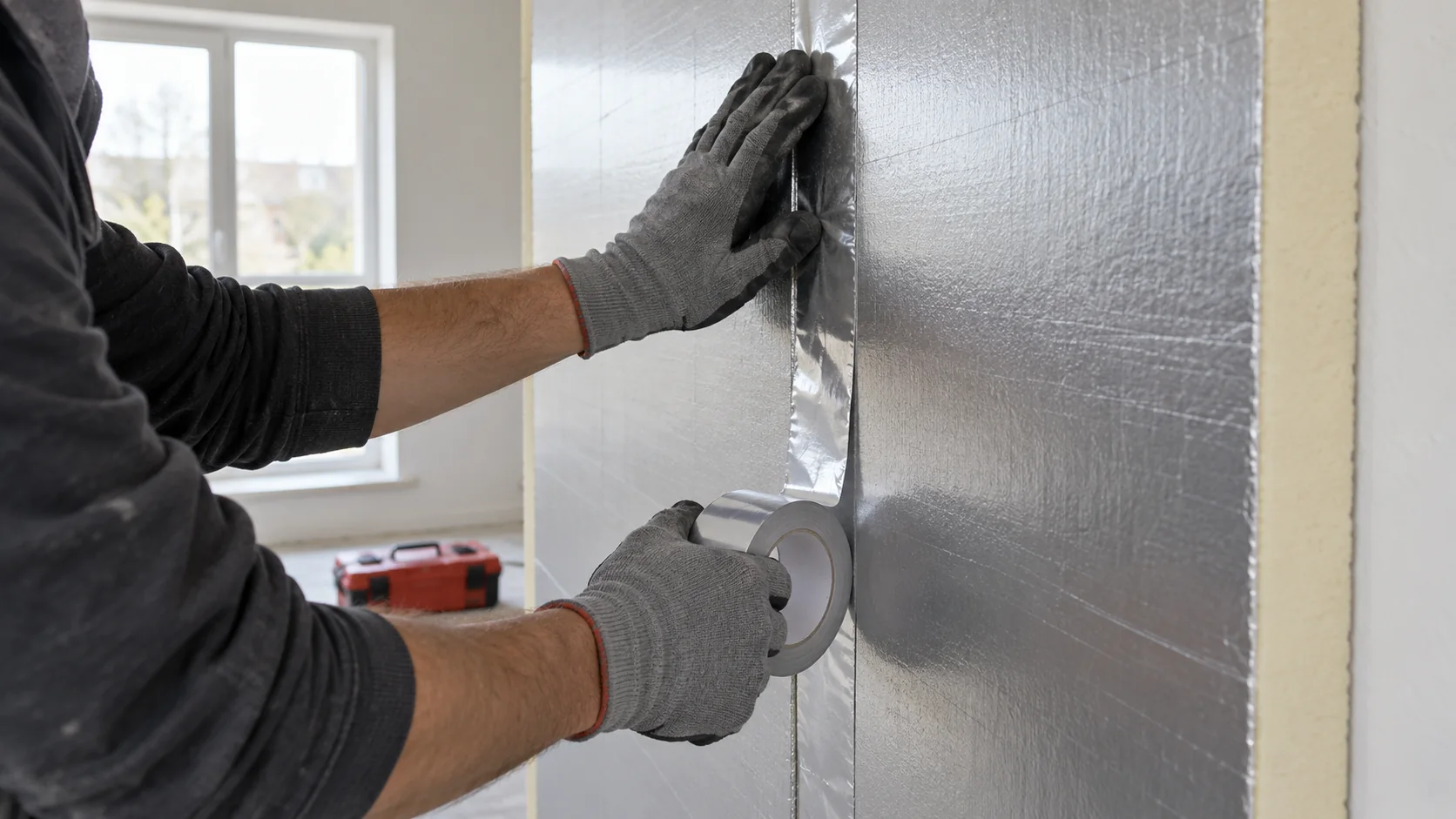
An aluminium facing on a PIR board can greatly restrict water vapour diffusion. The performance of the finished wall depends on how…
A well-designed pig house keeps conditions suitable for the animals, can be washed efficiently and is straightforward to operate. Insulated walls and…
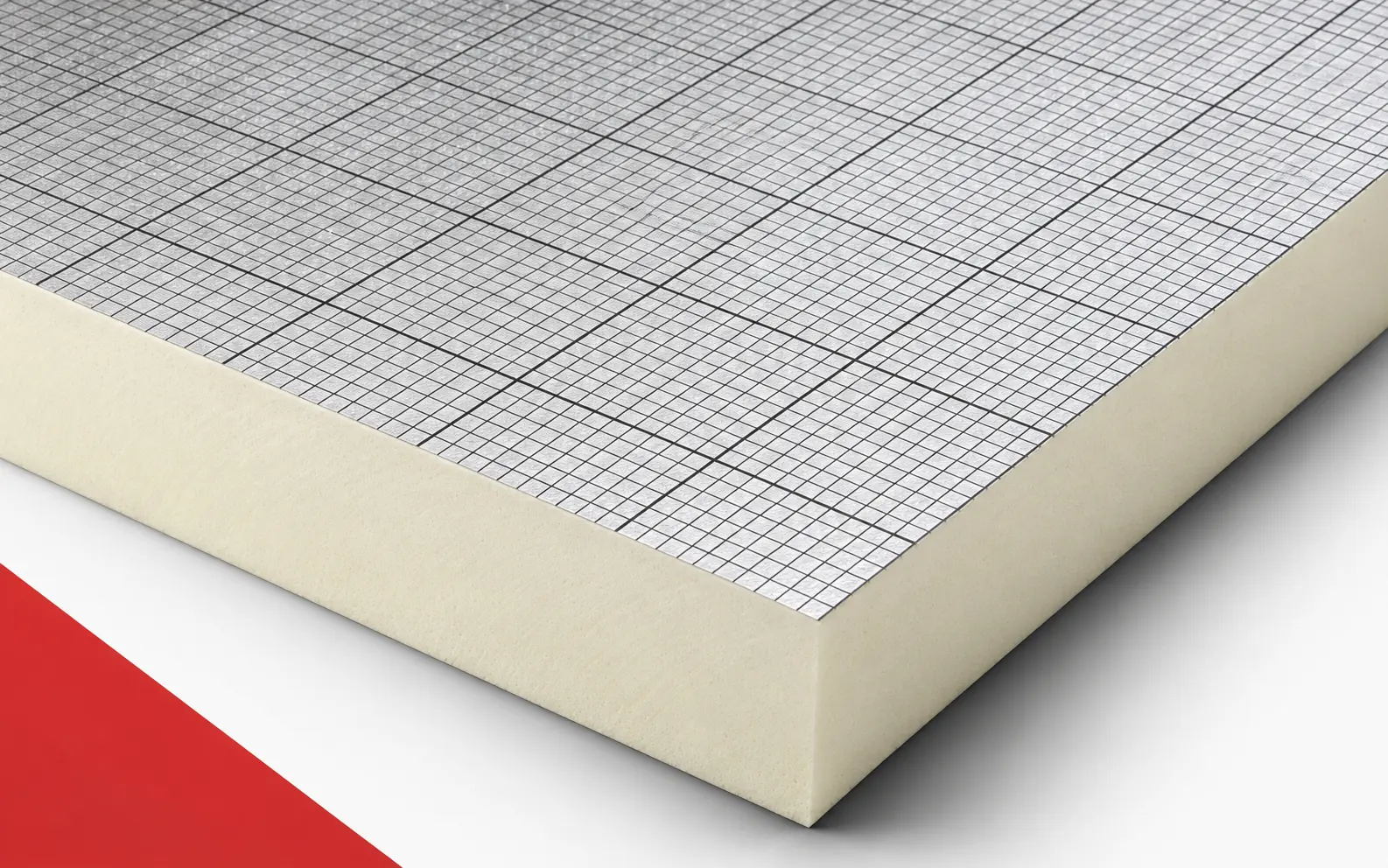
For a terrace above a heated room, the threshold height limits the available build-up. The client wants to improve thermal performance without…
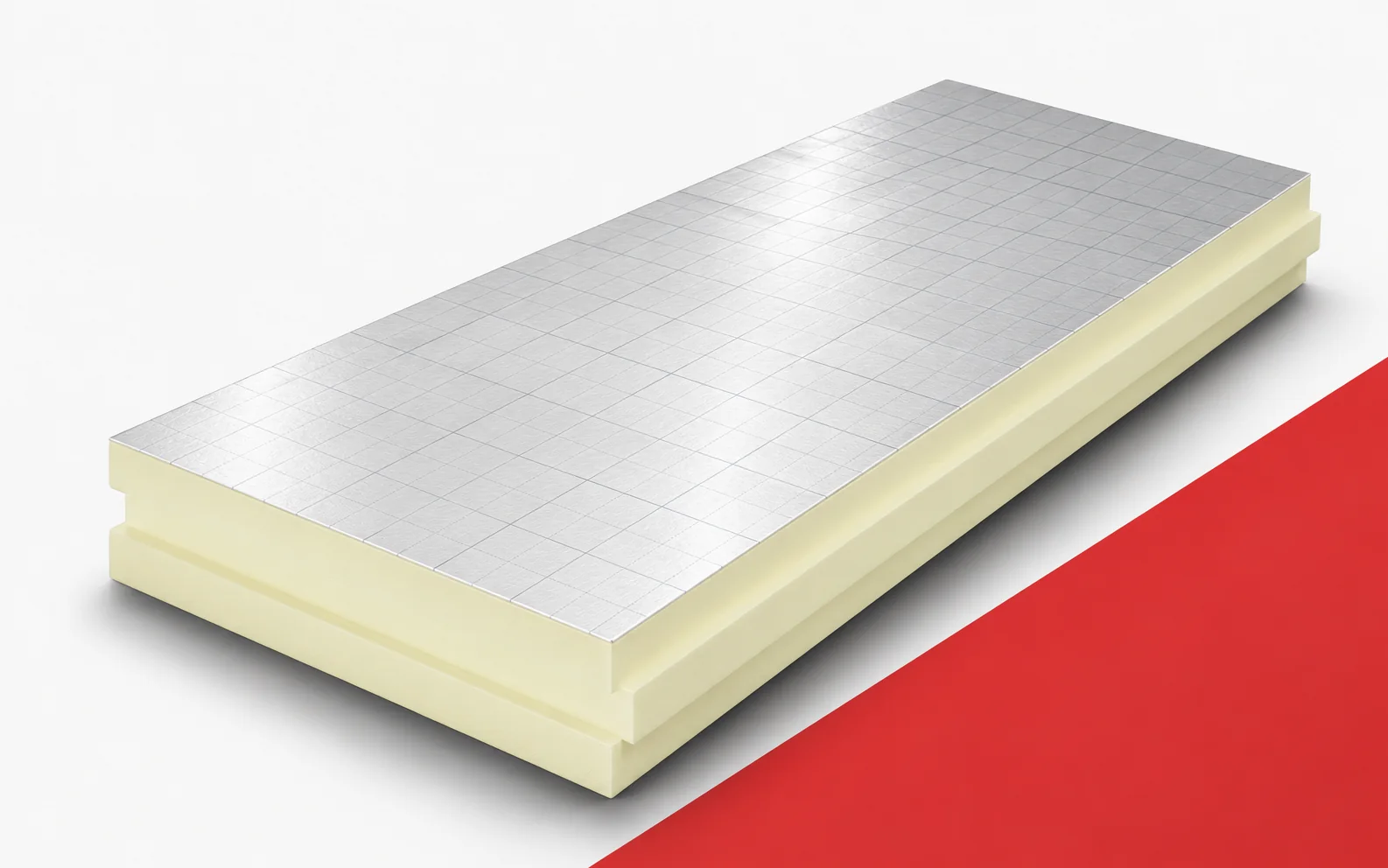
PIR and mineral wool can both effectively limit heat loss, but they offer different sets of properties. When choosing, it is worth…