

Roof coverings
How to choose trapezoidal steel sheet for your roof
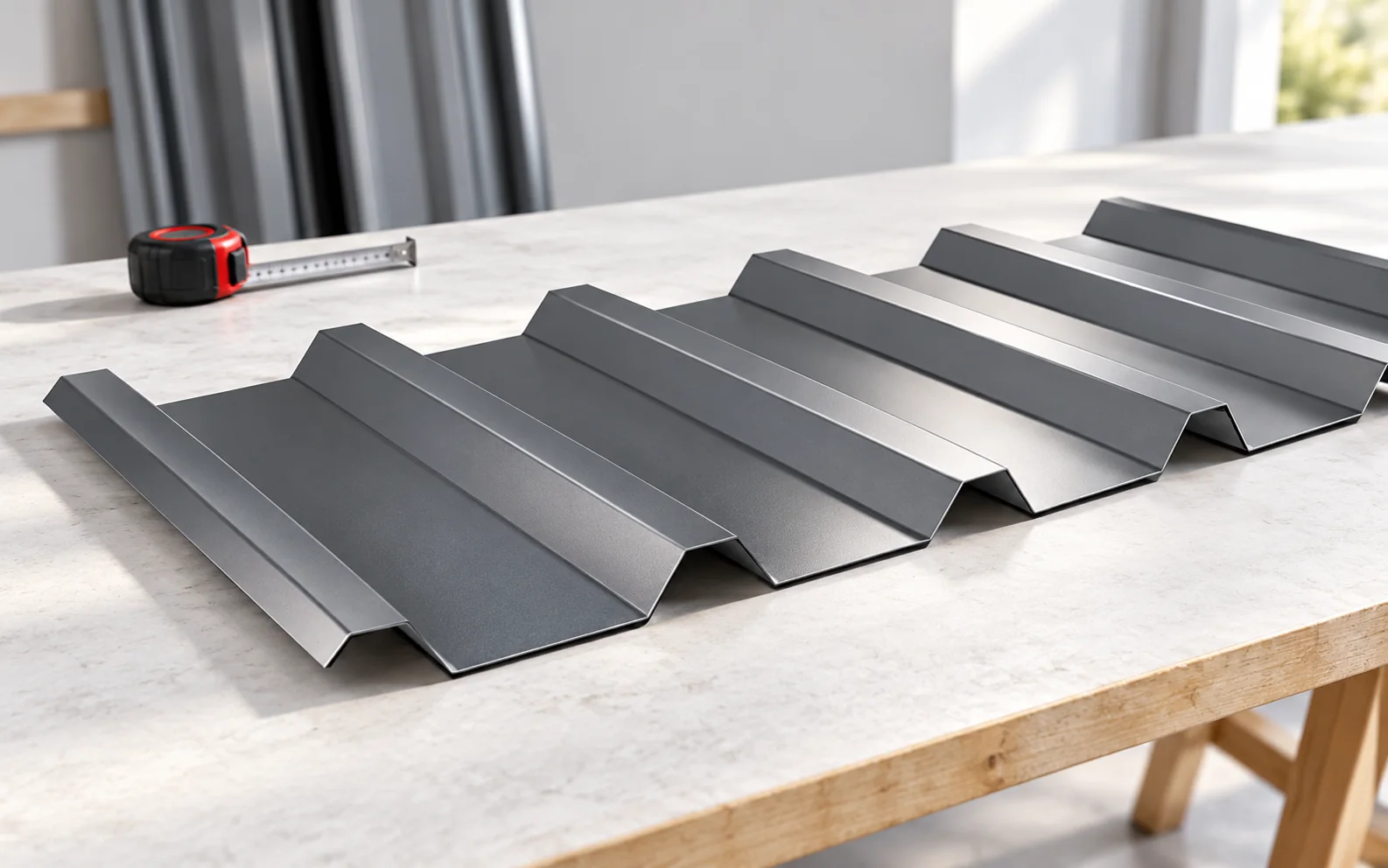
To choose between T18 and T35 trapezoidal steel sheets, establish where each sheet will bear on its supports. Measure the support spacing and check the design loads with the building designer. Use these figures to compare the load tables for the particular profile geometries and steel thicknesses on offer. You will also need the roof pitch, sheet lengths and effective cover width after the side lap. For a heated garage or workshop, plan the roof build-up, including insulation and moisture control. Then choose a coating suited to the surroundings and compare prices for the options that meet all these conditions.
In this guide
Where should you start when comparing quotes?
Start with the use of the building. An open shelter, a garage and a heated workshop have different requirements. Single-skin sheeting is usually sufficient over an open shelter. Over a heated space, the roof also needs thermal insulation, moisture control and a means of letting water vapour escape. The sheet alone cannot provide all three.
Prepare a roof plan showing slope lengths and supports. Include the building location and any additional loads when requesting prices. If a photovoltaic installation is planned later, allow for it now. Roof area alone gives too little information to specify the sheets.
When is it worth comparing T18 and T35?
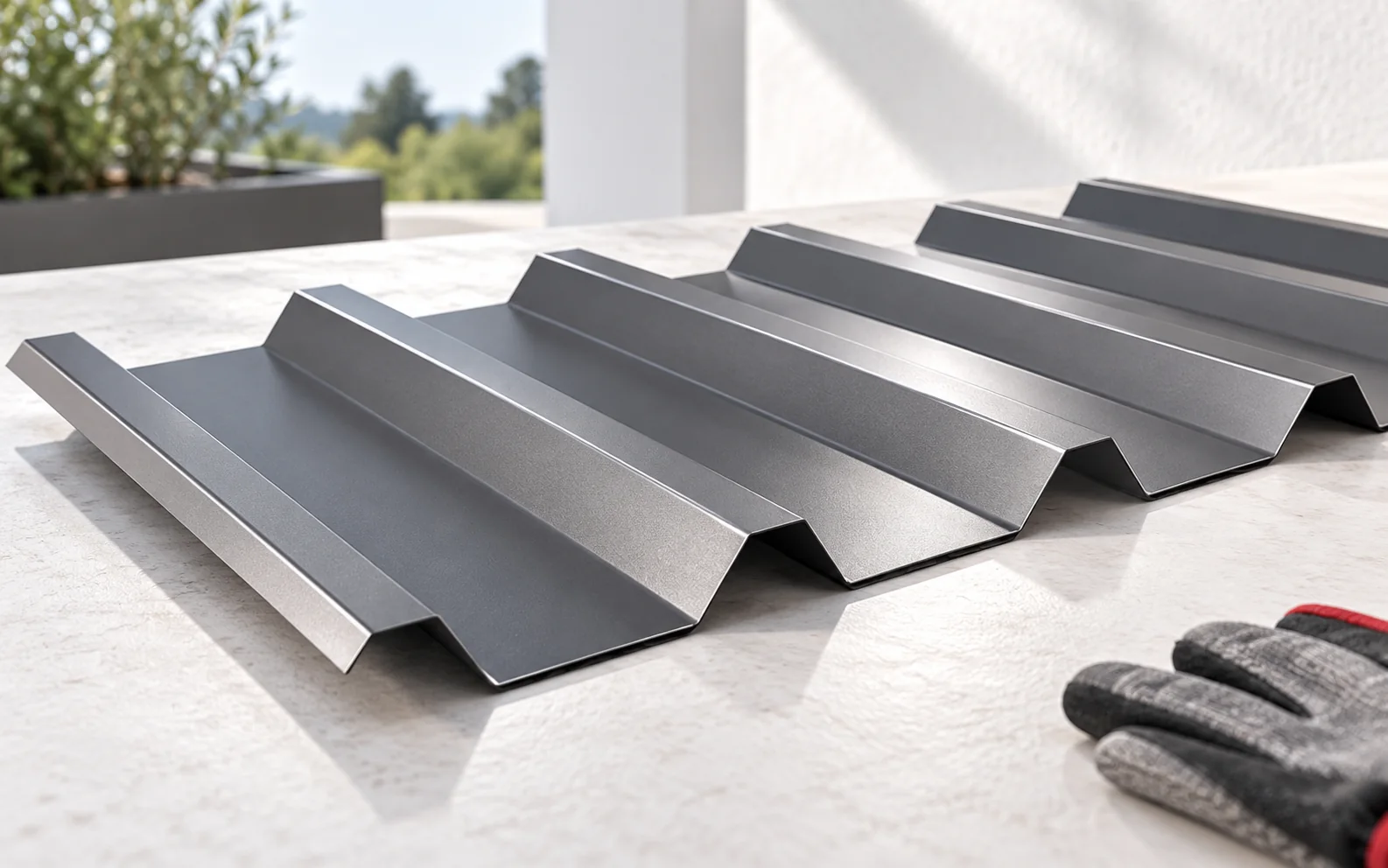
The number in the designation refers to the profile depth. Given similar steel and thickness, a deeper section is usually stiffer. This can make T35 suitable for the demands of a larger roof slope. It does not follow that every T35 sheet carries more load than every T18 sheet.
Flange widths, stiffening ribs, steel grade and support arrangement all matter. A T18 sheet from one manufacturer may have a different cover width from another. Compare the complete datasheets. Determine the allowable support spacing from the design calculations and tables for the actual profile.
How does steel thickness affect the choice?
State the required nominal thickness of the steel core in your enquiry. A description such as “heavy-duty coating” leaves this open. Paint protects the surface but cannot supply the thickness or mechanical properties of the steel. Sheets that look alike may therefore be quite different structurally.
A thicker sheet generally weighs more and costs more. The loads or intended use may justify the extra expense. Check load capacity and deflection first. Then compare the prices of the options that pass both checks, rather than automatically specifying the thickest sheet available.
Is the profile suitable for the roof pitch?
Water drains more slowly on a shallow slope. Joints, lap seals and sheet lengths become particularly important. Look up the minimum pitch in the documentation for the selected sheet. Even on another T18 or T35 roof, a different product may have a different minimum.
Check whether the sheets run in one length from eaves to ridge or need end laps. Each end lap needs proper support and must shed water correctly. Follow the specified overlap and sealing detail for the roof pitch and system.

Which coating should you order?
Match the coating to the surroundings. A sheltered residential site, a coastal building and a roof near a source of pollution face different exposure. Check the declared resistance to corrosion and sunlight. A matt or gloss finish tells you little about durability.
Read the warranty conditions too. They may give different terms for perforation and changes in appearance. Check inspection requirements, environmental exclusions and scratch repair instructions. The advertised number of years is only meaningful if the coating suits the site and the cover applies there.
How can you manage condensation?
Condensation can form beneath an uninsulated sheet. An anti-condensation fleece temporarily holds moisture and helps reduce dripping. It must dry out to regain its absorbency. In an enclosed building that stays damp, fleece alone cannot make up for inadequate ventilation.
Above a habitable loft, design the full roof assembly. An extra coating on the underside of a sheet cannot take its place. Plan the ventilation path, insulation and eaves detail together. Those decisions affect indoor comfort more than small differences in the shape of the profile.
How do you compare prices on an equal basis?
Check whether the quoted square metre is based on overall or effective sheet width. The side lap reduces the area covered. Add flashings, fasteners, seals, cutting waste and delivery to the order total. The lowest sheet price need not give the lowest installed roof cost.
Get two quotes covering the same work and quantities. Specify the same steel grade, coating and thickness, and ask each supplier to list all accessories. If the profile changes, check its support requirements again. You can then compare the cost of two workable roof assemblies.
Before you order
To compare T18 and T35, put the support spacing, roof pitch, slope length and site location on one sheet. Have the supplier record the full designation of both products quoted.
What to remember
Choose the least expensive option that meets the roof requirements and has suitable surface protection. If a quote leaves out the thickness, cover width or coating specification, get those details before comparing prices.
7 branches. Materials closer to your project.

Free quote
Materials for your project
You may also find useful…
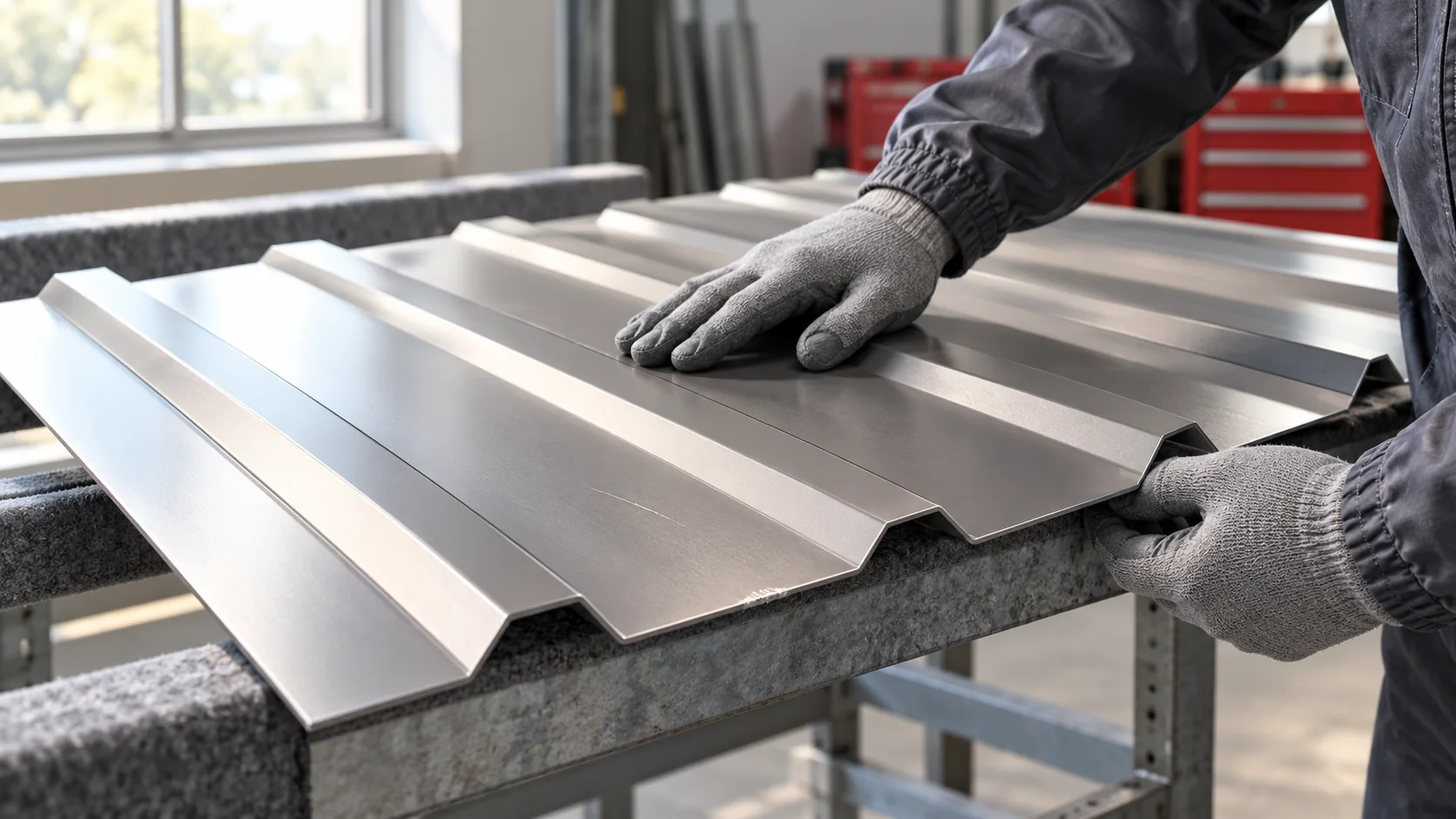
Second-quality trapezoidal steel sheets can be discounted for very different reasons. Before comparing prices, find out why the particular sheets were downgraded.…
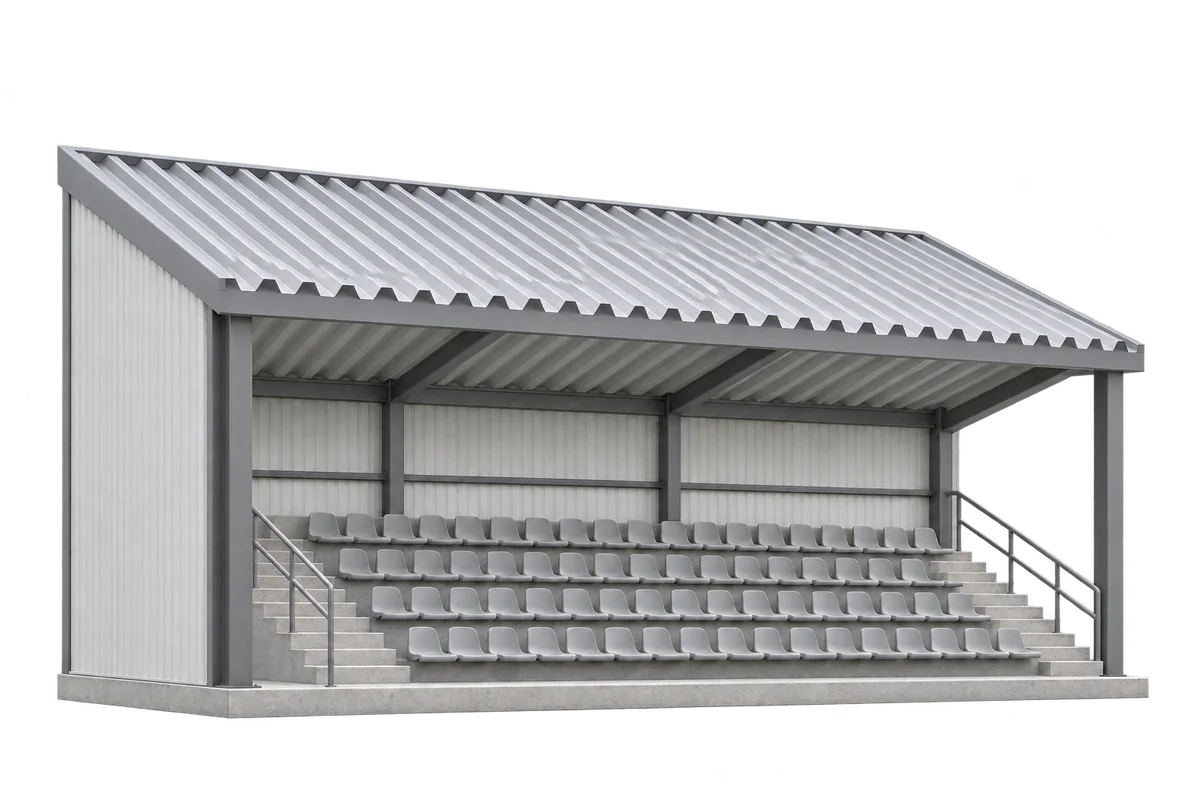
A grandstand roof shelters spectators from rain, and its underside is often in full view. Trapezoidal steel sheets can serve either as…
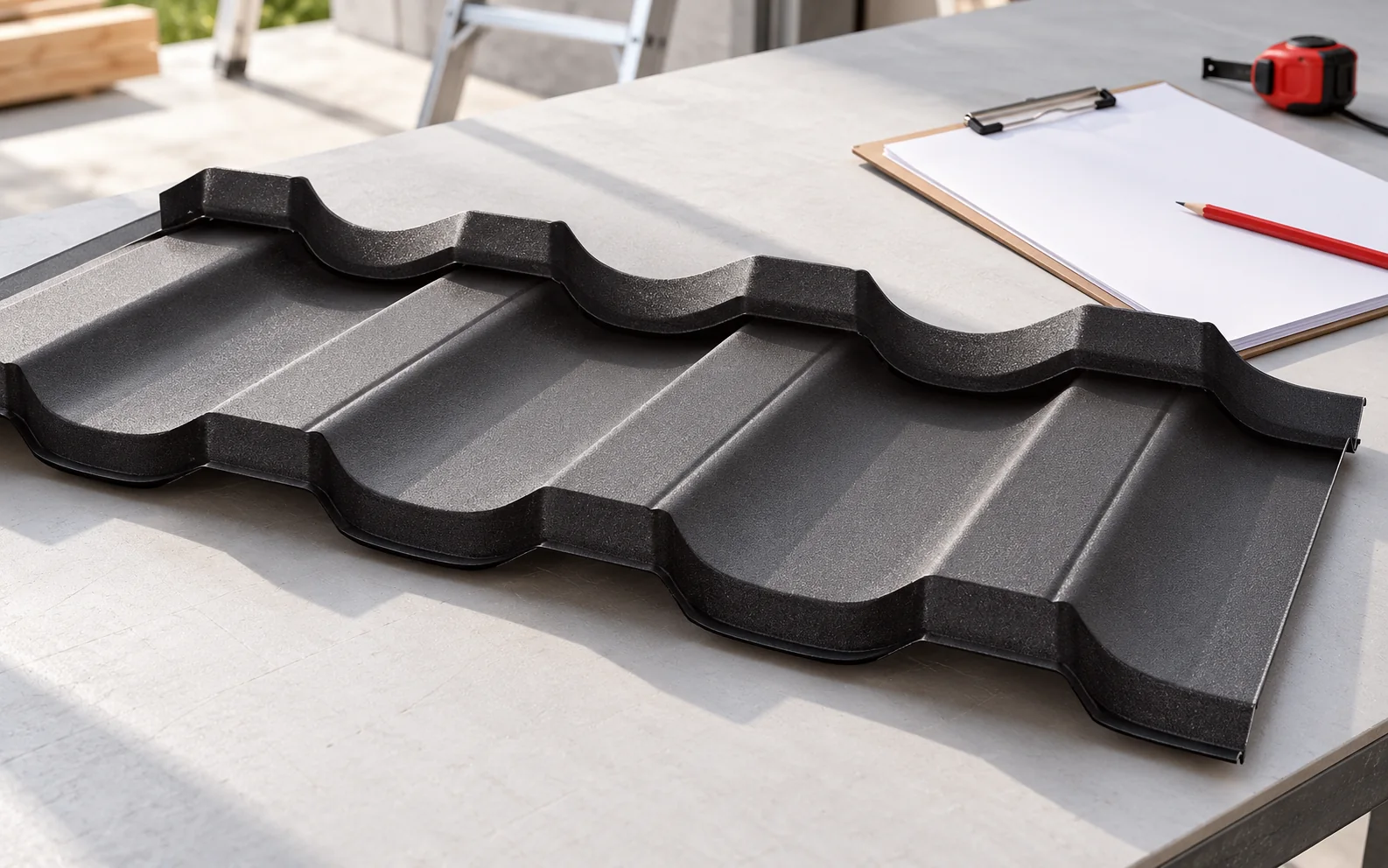
Start by drawing the layout of the sheets on each roof slope. On a simple garage roof, sheets cut to length can…
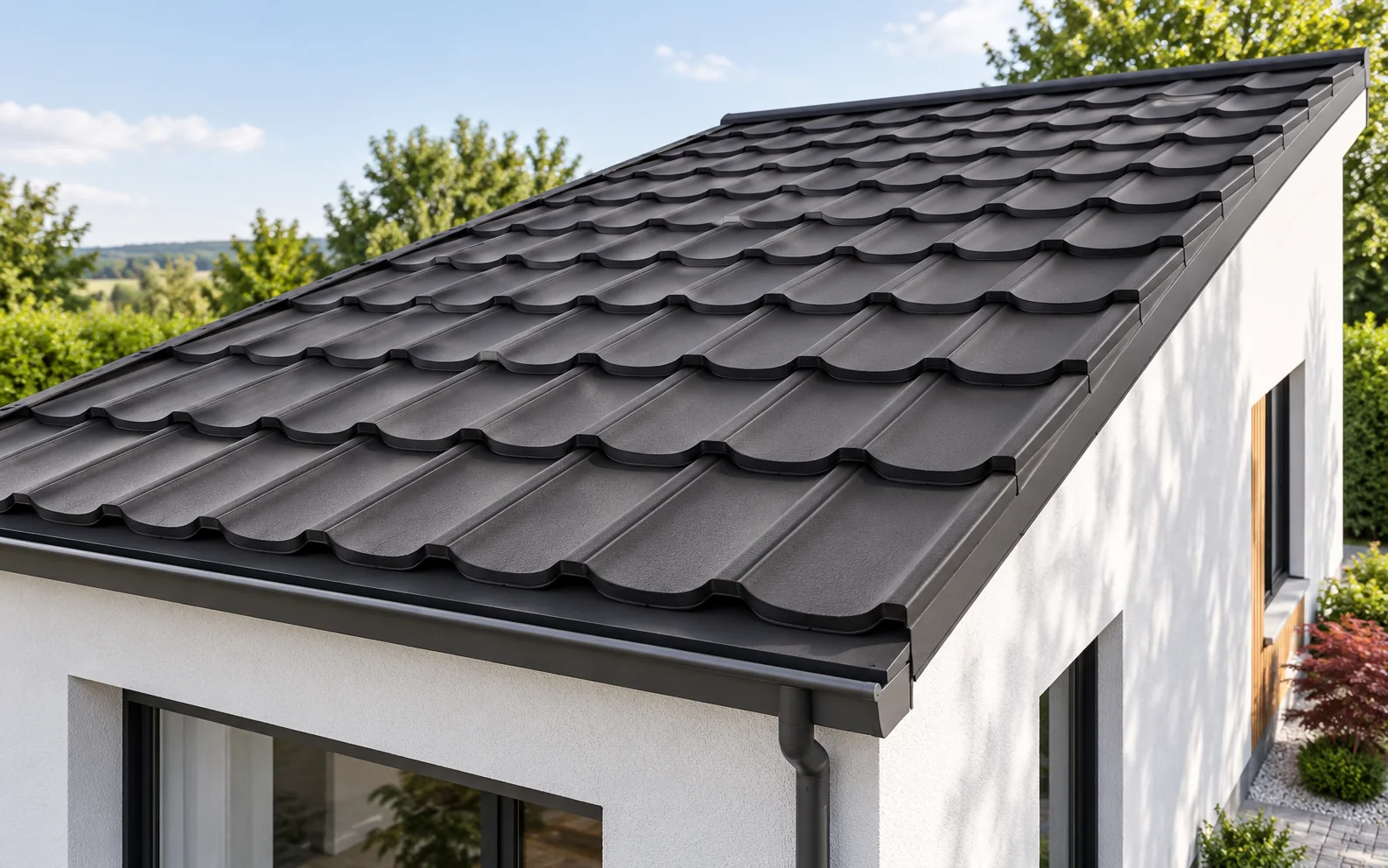
A mono-pitch roof has a single main roof slope that directs water towards the lower edge. The simple geometry makes cutting to…
Once the asbestos sheets have been removed, the roof needs a new covering, but the choice between trapezoidal steel sheet, tile-effect metal…
A roof over a terrace should shelter it from rain and sun without depriving the house of light. Before choosing the covering,…
Lightweight coverings include, among others, tile-effect metal roofing and trapezoidal steel sheet. The roof membrane alone may also have a low weight,…
A roof with 200 m² of sloping surface can require more than 200 m² of trapezoidal steel sheet. The quantity depends on…