

Sheet metal flashings
Eaves flashing: what to check before buying to avoid costly eaves repairs
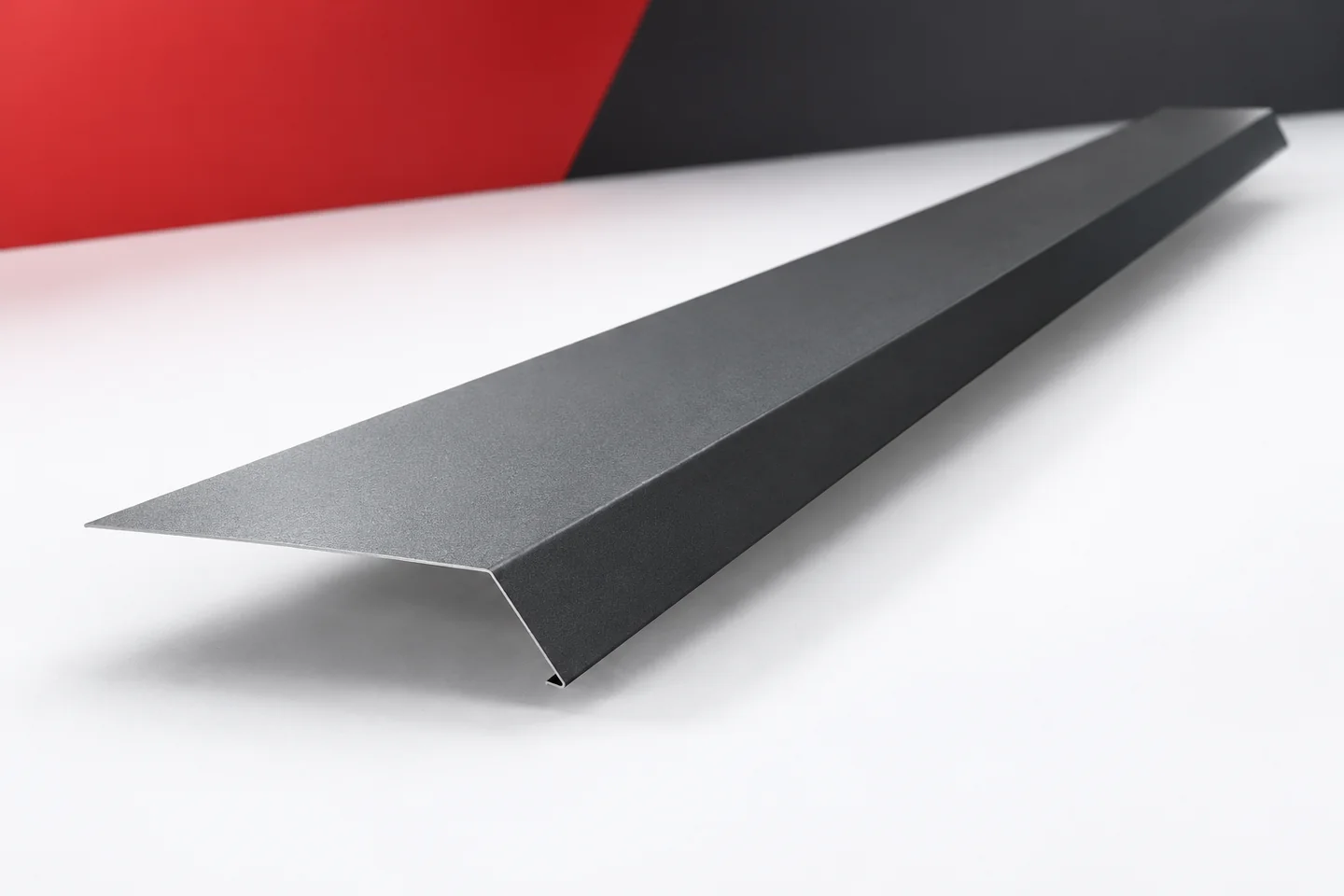
The eaves flashing is a small part of the roof, but it is responsible for an important stretch of the water’s path. It takes the water at the lower edge of the covering and directs it in line with the eaves detail. If the shape or position is wrong, water can end up in the boarding or behind the gutter. Well-chosen eaves flashings help to avoid such problems without extending the whole system. Two flows can meet at the eaves. One runs down the outer surface of the covering. The other appears on the underlay as water discharged from beneath the metal sheet. Not every roof routes them along the same path. The eaves flashing should therefore be selected on the basis of the eaves cross-section, not the product name alone.
In this article
Check where the water is meant to flow
On the sketch, mark the edge of the covering, the membrane, the fascia board and the position of the gutter. Also mark the intended air inlet. In such a view it is easy to assess whether the flashing directs water to a safe place. Randomly widening the metal sheet does not fix a badly positioned gutter or a missing correct termination of the membrane.
The eaves flashing does not replace the under-gutter strip
Eaves flashings carry water at the eaves. Under-gutter strips protect another part of the finish, often the fascia board. Their cross-sections and positions are different. Swapping these names in an order can result in delivery of a profile that cannot be used as planned. It is worth attaching a drawing even for a standard item.
There are also separate flashings intended for terminating the membrane. Sometimes a system combines several functions in one profile, and sometimes it separates them into several parts. The roof documentation determines the choice. The benefit of a complete eaves detail comes from correctly arranging these parts, not from limiting their number at all costs.
Compare the edge and the fixing position
A clear fold or drip edge helps to separate the running water from the surface being protected. It should not be flattened for ease of installation. The width of the arm resting on the substrate is also important. It must allow fixing in accordance with the detail, without accidentally piercing the zone where water accumulates.
Eaves flashings for standing seam panels can also serve as a hook for the panel edge. In such a solution the geometry of the fold is particularly important. A strip that looks similar to trapezoidal steel sheet need not be a substitute. When choosing the profile, check how the covering is terminated and what movement it needs to be able to accommodate.
Calculate the saving for the whole eaves
The price of the eaves flashing covers only part of the cost. The schedule must include the lengths, laps, corners and necessary fixing materials. The time needed to fit the flashing to the prepared substrate must also be added. A poorly chosen, cheaper profile may require reworking every section, which increases labour input.
There is, however, no basis for attributing a specific saving on repairs to a particular flashing in advance. The scope of risk depends on the roof. A sensible comparison shows rather whether a complete detail can be executed after delivery. The right eaves flashing addresses the cause of a potential defect instead of merely concealing its effects.


Material and colour have different tasks
Galvanised steel sheet protects the steel by means of a zinc coating. Aluzinc steel sheet uses a different type of metallic coating. Coated steel sheet has additional organic layers and can be coloured. Eaves flashings should be selected with regard to material compatibility, moisture conditions and the recommendations for the entire covering.
The colour of the eaves is important, but it says nothing about the resistance of the coating or the permitted method of bending. When ordering, also specify the visible side. In some details, the surface visible from ground level is one that appears on a simple sketch to be the underside of the flashing. Incorrect orientation of the sheet can reveal a different colour of the underside layer.
Do not close off ventilation while sealing
An eaves detail that is tight against precipitation can at the same time let air through along the planned path. Suitable slots and ventilation elements serve this purpose. Starter profiles with perforation have a defined place in the system. They are not replaced by randomly drilled metal sheet or by filling the entire space with sealant.
Eaves flashings must be matched to this system before the first row of covering is laid. A similar principle applies at the ridge caps, where an air outlet may be located. Barge boards and chimney flashings close other parts of the roof, but they too should not interrupt the intended action of the layers.
Order only after checking the prepared substrate
Before buying, inspect the straightness of the eaves and the alignment of the board. Check whether the gutter bracket or another element conflicts with the flashing. If the geometry deviates from the standard, non-standard sheet metal flashings must be dimensioned for the actual cross-section. A dimension copied from a neighbouring building need not fit here.
After installation, check the continuity of the joints and the flow of the gutter. Remove filings and material residues that may have remained on the flashing. Eaves flashings should form a continuous drainage path without ponding or reversed contacts. This is a specific acceptance point that says more than the mere impression that the eaves look level.
Questions and answers
Do eaves flashing and drip edge always mean the same thing?
The names are sometimes used interchangeably, but the range may distinguish a separate membrane drip edge. In an order, the cross-section and mounting position are decisive.
Does a wider strip improve protection?
Only if it follows from the detail. An excessively wide element can conflict with ventilation, the gutter or the termination of the covering. Selection requires assessment of the entire eaves.
7 branches. Materials closer to your project.

Free quote
Materials for your project
You may also find useful…
The price per square metre of sandwich panel reflects decisions made well before a discount is negotiated. Match the panels to the…
To estimate a completion date, ask each trade what needs to be ready before it can start. The roofing supplier needs reliable…
A steel roof with integrated photovoltaics can be an interesting alternative to heavier coverings combined with a separate installation. Its mass must…
To estimate the cost of a sandwich panel house, establish what the quotation covers. It might cover panel delivery, an enclosed shell…
Start with the spaces on either side of the wall or roof. A heated production area, a cooler warehouse and staff rooms…
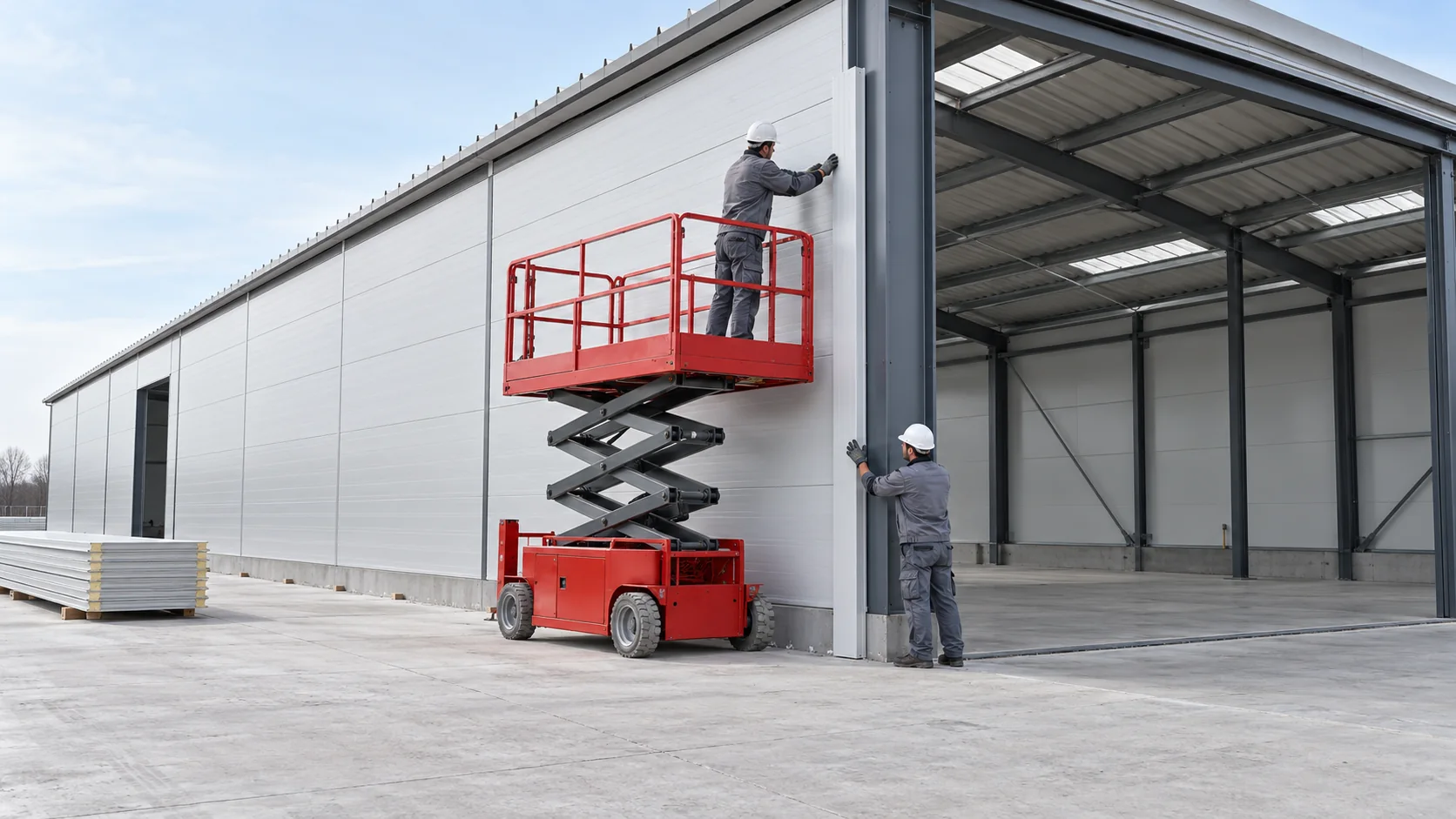
A rate per square metre for installing sandwich panels means little until you know which jobs it covers. One contractor may quote…
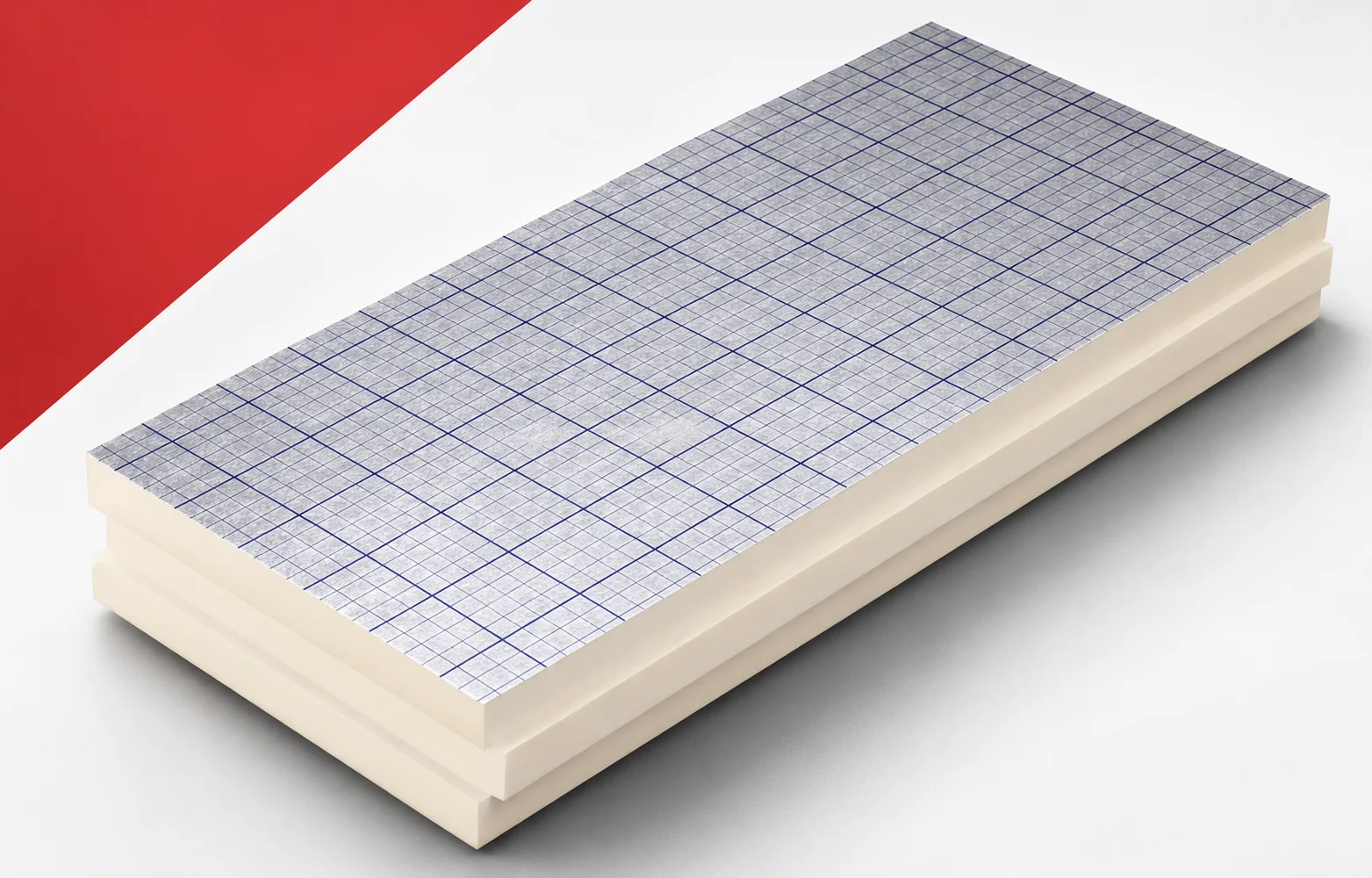
swissporPIR Alu can help achieve the required thermal resistance within a limited construction thickness. The benefit is particularly evident where every centimetre…
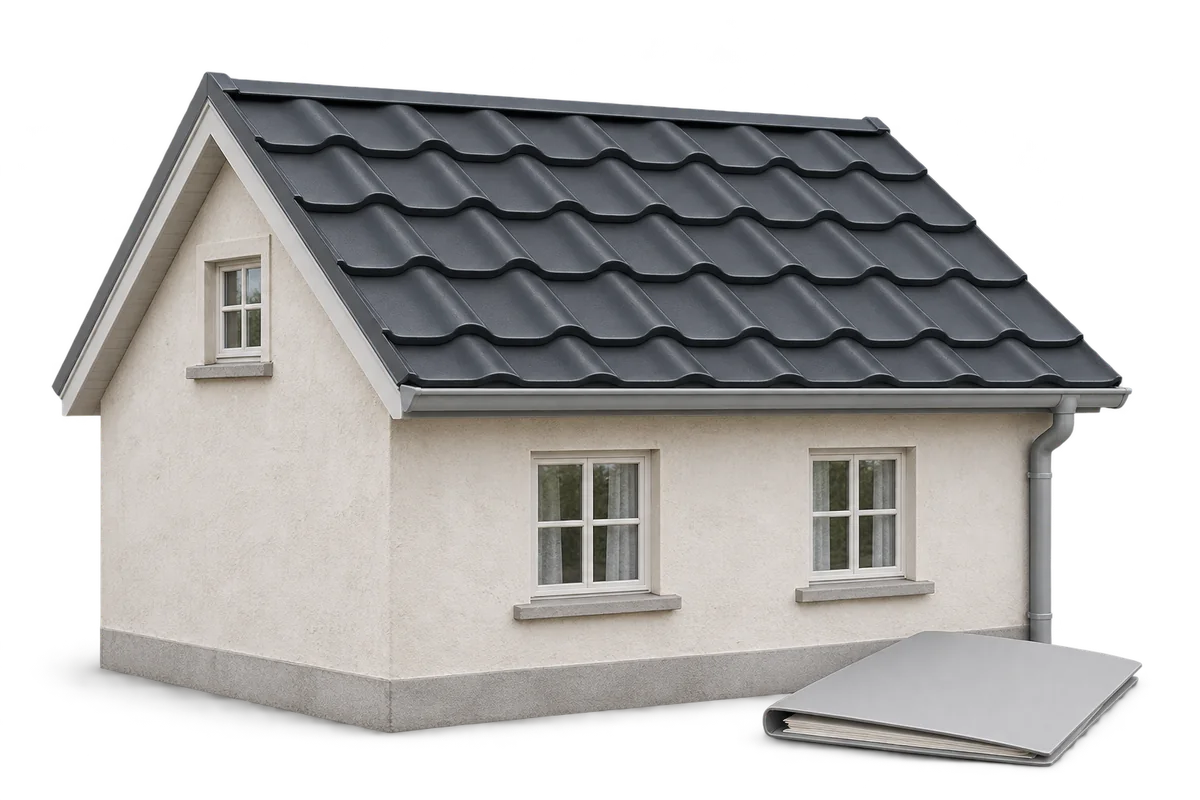
Start roof renovation by identifying what will be restored, replaced or changed. In Poland, the administrative procedure depends on the work, the…