

XPS insulation
XPS conductivity and thermal resistance: comparing offers fairly
Two XPS offers may look alike while covering different thicknesses and specifications. A cheaper pack does not show which layer will reduce heat flow more effectively. Compare thermal conductivity, thermal resistance and material quantity. Assess extruded polystyrene for its intended application as well. The method below separates material properties from the performance of a complete floor, wall or roof. Thermal conductivity, lambda, is measured in W/(m·K). At equal thickness, a lower value means greater resistance to heat flow. XPS documentation often gives a declared value. It must apply to the exact board type and thickness being offered.
In this article
XPS conductivity describes the material, not the finished element
Do not select the most favourable figure in a catalogue if the variant being ordered has a different value.
Extruded polystyrene can have different conductivity values within one product family. A useful quotation therefore provides the full designation, dimensions and applicable document. A general claim of excellent insulation does not support a calculation. Colour, smoothness and pack weight cannot replace the thermal conductivity value either.
Thickness directly changes the result
For a homogeneous layer, a simple calculation gives thermal resistance R as d/λ. Enter thickness d in metres. For example, 0.10 m divided by 0.035 W/(m·K) gives approximately 2.86 m²K/W. This is an illustrative calculation. Read the declared resistance of a particular XPS board from its documentation, allowing for declaration and rounding rules.
A layer 0.08 m thick with a conductivity of 0.033 gives approximately 2.42 m²K/W. Here the thinner material has better conductivity but lower resistance for the complete layer. This is why an XPS comparison table should show both values together. Conductivity alone can lead to the wrong purchasing conclusion.
Percentages need a consistent reference point
Changing conductivity from 0.035 to 0.033 reduces that value by about 5.7%. At constant thickness, thermal resistance rises by about 6.1%. These are two ways of describing the same relationship. Neither figure automatically represents a corresponding saving on home heating. XPS is only one part of the thermal balance.
Other building elements, ventilation, airtightness and occupancy affect energy use. A fair comparison therefore states what its percentage describes. Ask the supplier for the underlying specifications rather than a general claim that one board is warmer. For XPS, start with equal thicknesses, then check options with similar thermal resistance.
The U-value includes more layers
Insulation resistance is not the U-value of the complete element. Calculating U requires the other layers and the appropriate method. For ground-bearing floors, geometry, perimeter and ground-contact conditions also matter. Do not treat the simple reciprocal of an XPS board’s R-value as a complete floor calculation.
Extruded polystyrene can improve an element’s thermal performance but does not automatically remove junction losses. Assess thermal bridges at thresholds, plinths and floor edges separately. Extra thickness in the middle of an area may not proportionately improve a poorly designed corner. The offer should match a design that addresses these locations.
Convert the pack price before comparing
Packs of different thicknesses usually cover different areas. Compare XPS prices per square metre of the specified layer. For rebated boards, coverage matters rather than simply multiplying the largest outside dimensions. Check the packaging table if anything is unclear.
A rough material comparison can also consider the cost of achieving similar thermal resistance. Required mechanical properties and application conditions must still be met. Cheaper extruded polystyrene with less resistance to sustained compression is not equivalent merely because it offers similar R. Adhesive, offcuts and labour also form part of the actual cost.
Manufacturer names identify products, not rankings
XPS suppliers include Austrotherm, swisspor and URSA. Compare specific products, not brands alone. Each manufacturer may offer several variants with different properties. The informal name Styrodur may be convenient in conversation, but a specification needs an exact material designation.
Check document dates and versions when comparing XPS. Product sheets and websites may be updated at different times. Conflicting values require clarification from the supplier for the batch offered. Enter extruded polystyrene in the cost estimate with specifications that can later be verified on its label.
Set the requirements before choosing an offer
A practical comparison lists thickness, declared conductivity, R, pack area and price per square metre. Alongside these, record compression, water, edge and reaction-to-fire requirements. XPS can then be compared for the same task, giving price differences a clear technical context.
The lowest conductivity or greatest thickness does not always win. The right solution fits the build-up and meets every requirement. Retain the complete offers and datasheets before buying XPS. This helps approve substitutions and check deliveries, and avoids discovering that a favourable price applied to a different board from the one used in the calculations.
7 branches. Materials closer to your project.
Free quote
Materials for your project
You may also find useful…
Indoor moisture conditions depend on the sources of water vapour, the way the house is ventilated and the surface temperatures. Water vapour…
Insulation has a different job in each part of a house. PIR is useful where thickness is limited. EPS comes in grades…
Insulation beneath a floor or buried beside a foundation needs to keep performing for many years: replacing it is difficult and costly.…
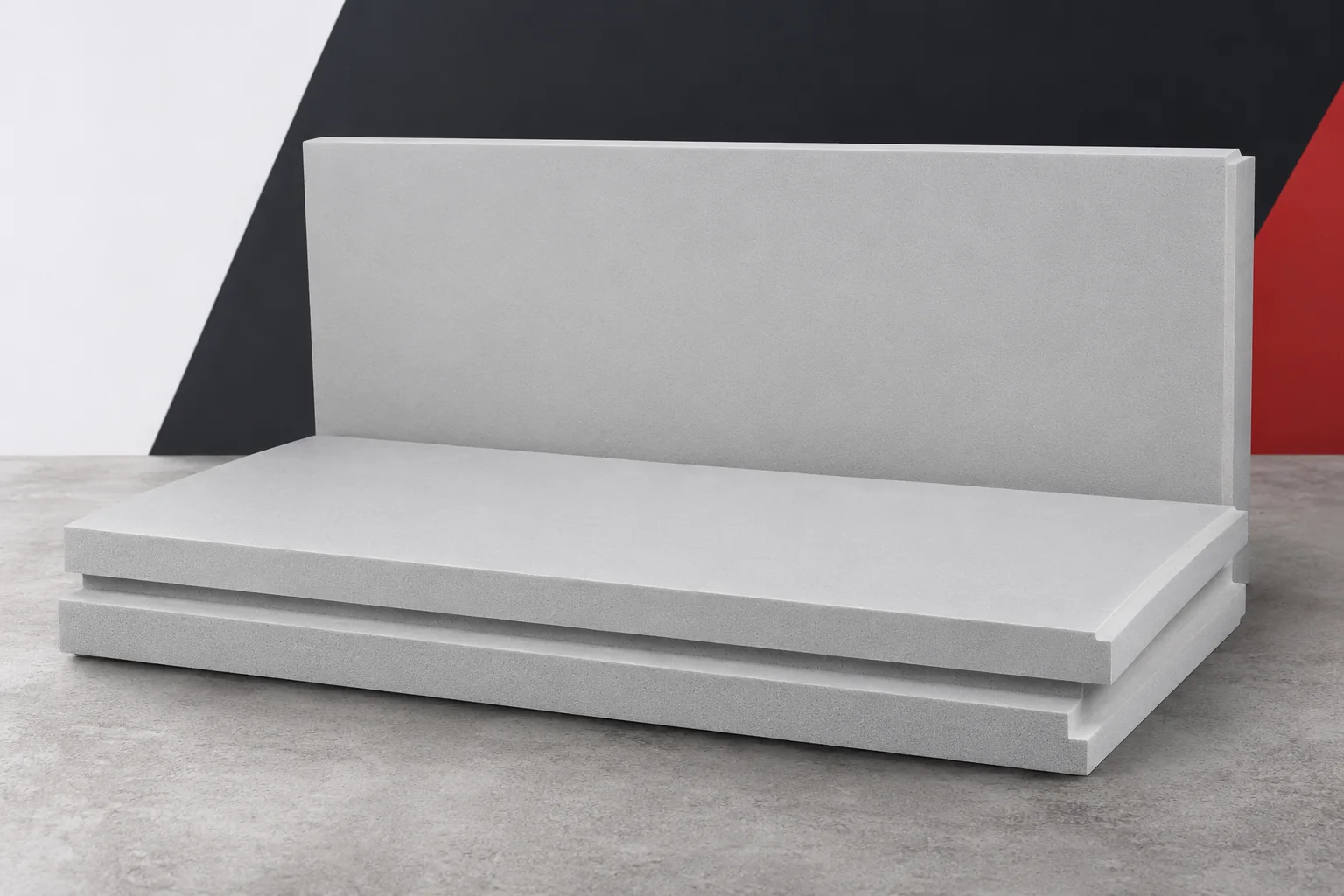
XPS is lightweight, so even a small amount of waste takes up considerable space. Renovation leaves whole boards, clean offcuts and pieces…
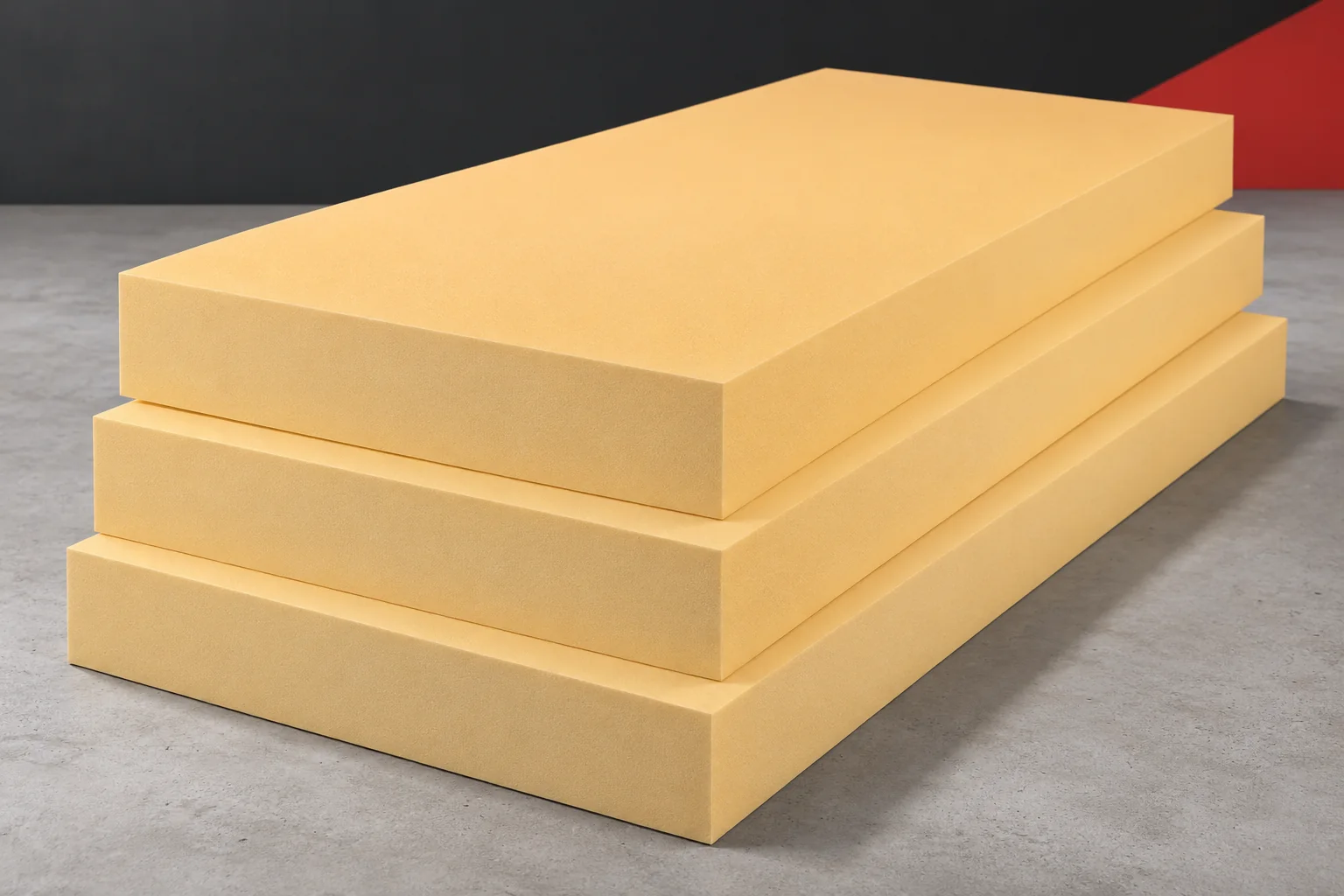
A home with a low heating demand needs insulation layers that connect properly. Board thickness alone does not determine the result. XPS…
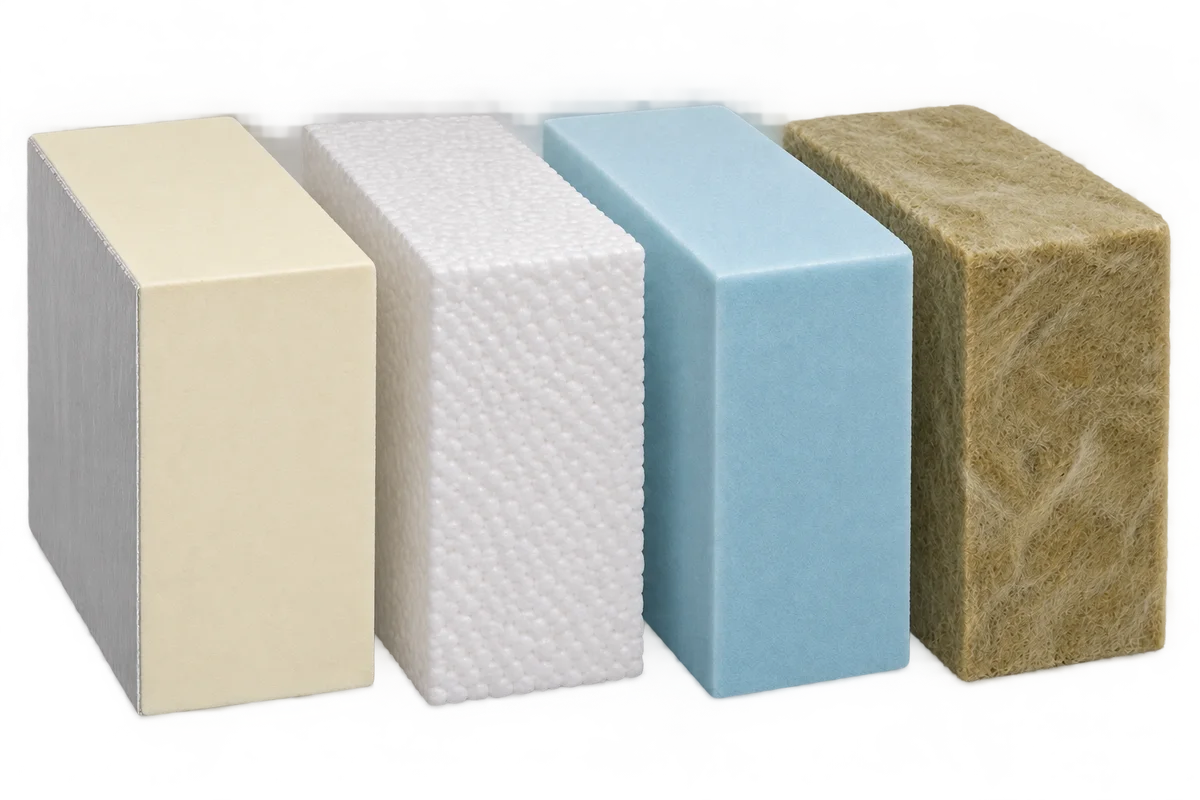
A schedule of the layers of a building envelope with PIR boards and a second insulating material makes sense only if each…
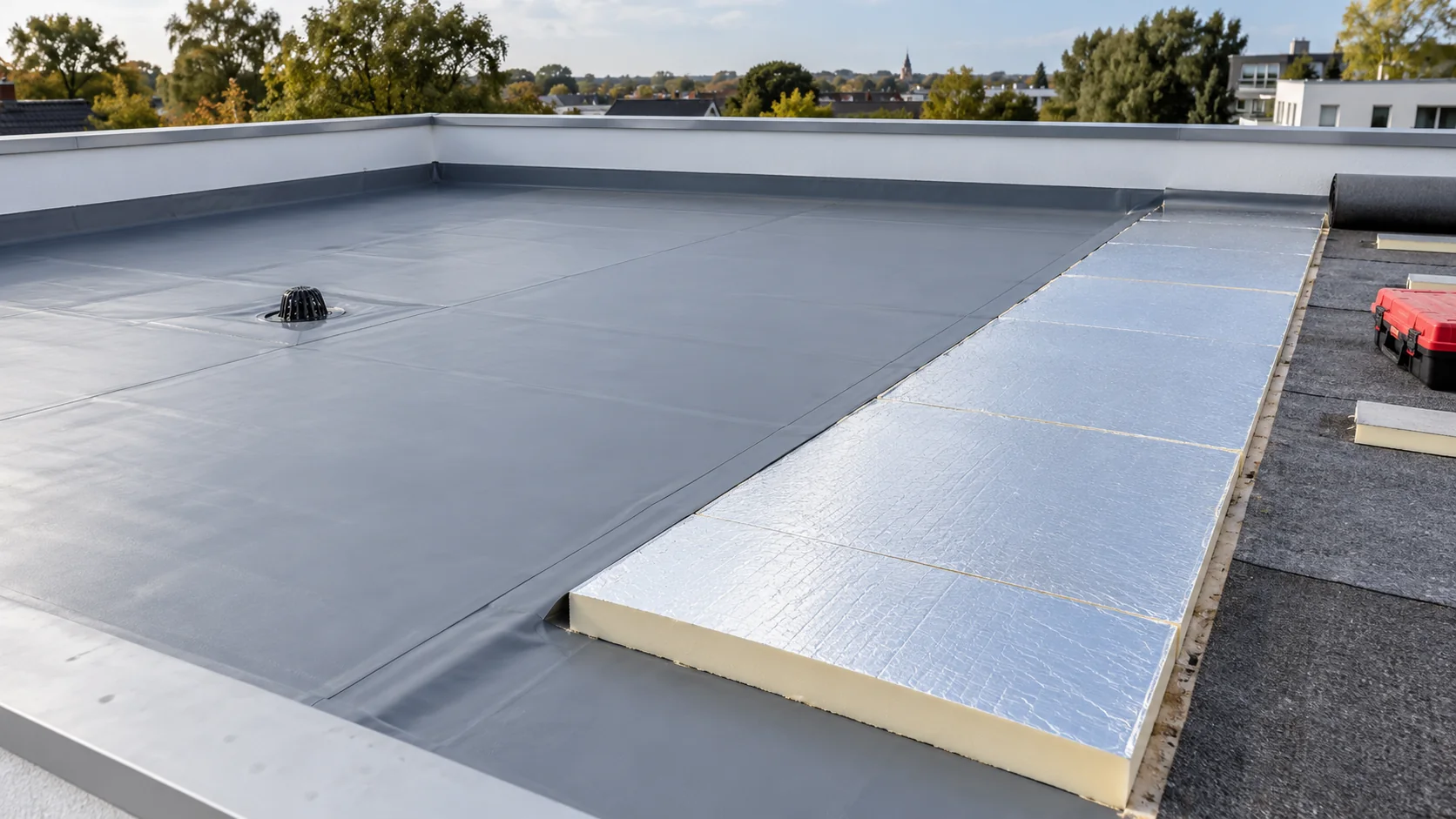
Flat-roof insulation selection starts with the position of the waterproofing. In a conventional warm roof it protects the insulation from above; in…
Begin a PIR versus XPS comparison with the installation location. A thin layer offering high thermal resistance can be valuable where space…