

XPS insulation
XPS in an energy-efficient home: keeping the insulation continuous
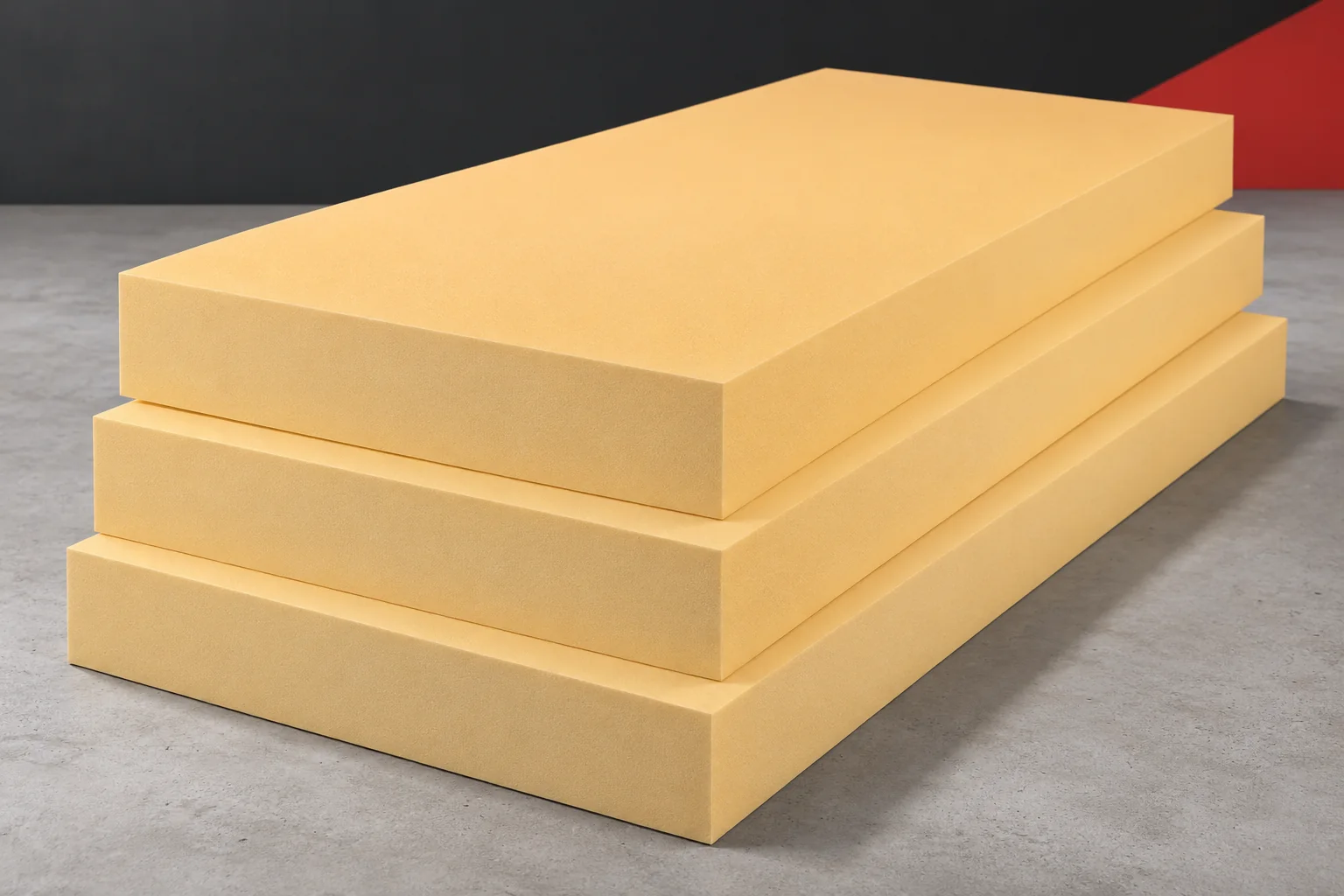
A home with a low heating demand needs insulation layers that connect properly. Board thickness alone does not determine the result. XPS is useful where insulation encounters moisture or carries compressive loads. Extruded polystyrene can therefore complement the insulation of floors, foundations and the plinth. Start by tracing the complete building envelope: even a small gap at a threshold can weaken carefully planned insulation. Draw a continuous line around the heated rooms on a building section. This identifies where the thermal insulation should run without interruption. If the basement is unheated, the boundary may follow the floor above it. If it is heated, the boundary includes its walls and floor.
In this article
First mark the boundary of the heated space
These two situations require different junction details. Resolve this question before buying XPS.
The material is selected only once the build-up has been established. Extruded polystyrene performs well in many locations near the ground thanks to its closed-cell structure and low water absorption. That does not mean that the entire house should be covered with a single type of board. Each zone has different service conditions, finish adhesion requirements and fire requirements.
Coordinate the foundation and façade junction
Foundation-wall insulation should meet the façade insulation without leaving an exposed strip of masonry. Corners and the setback at the plinth also matter. The design must show their actual thicknesses. Setting one layer back too far can leave a place through which heat escapes more easily. Increasing the XPS thickness below does not resolve this junction on its own.
In the rendered zone, the surface must be suitable for the selected system. A smooth XPS board is not automatically a substitute for a board with a texture that improves adhesion. The system supplier’s guidance, the adhesive and the reinforced layer matter. Extruded polystyrene must also be protected from sunlight and damage during the works.
Provide proper support and load-bearing capacity for the floor
A ground-bearing floor transfers loads through successive layers. XPS selection therefore depends on more than thermal conductivity. Assess stresses, long-term deformation and how loads are distributed. The declared compressive stress at ten per cent deformation is not the permissible service load. Creep data also matter to the design.
An even substrate is equally important. A board bridging a hollow does not behave like one supported across its entire underside. Lay XPS with closely fitted edges and the specified joint arrangement. Do not fill uneven areas with random offcuts. Proper support helps the complete floor retain its intended geometry.
Check the door threshold separately
At an external door, thermal insulation, waterproofing and frame support meet. Each has a different role. XPS can form part of the insulation around this junction, but not every board is a ready-made load-bearing threshold support. The weight of the door assembly and loads during use require an appropriate installation solution.
The threshold section should also show the terrace level, water drainage and the internal finished floor level. If different trades are involved, one person must coordinate their work. Cut the extruded polystyrene to the agreed detail. Avoid leaving a narrow gap for an improvised repair later.
Compare the layer’s thermal resistance, not just its conductivity
A lower lambda value means that a material insulates better at the same thickness. The performance of the layer, however, is expressed by its thermal resistance. For a simple comparison, divide the thickness in metres by the thermal conductivity. A thicker XPS board can therefore offer more thermal resistance than a thinner board with a slightly better conductivity value.
The thermal transmittance of the complete building element requires a broader calculation that includes the other layers and boundary conditions. For ground-contact elements, the building’s geometry and perimeter also matter. Buying XPS boards alone is not a sound basis for promising a percentage reduction in heating costs.
Names and colours cannot replace documentation
The name Styrodur is often used informally when discussing insulation, but it does not identify the required material specification. An order needs to define thickness, edge profile, surface finish, and thermal and mechanical properties. XPS manufacturers include Austrotherm, swisspor and Ravago. Their ranges contain different variants that should not be compared by colour alone.
Check the declaration of performance for the selected product. Record its reaction-to-fire classification and permitted application as well. Extruded polystyrene is combustible, and an individual board’s classification is not the classification of the complete wall. Protective layers must be selected as part of the construction solution.
Inspect before backfilling and pouring the floor
XPS is easiest to correct while it is still accessible. At this stage, check continuity at corners, gaps, support and whether the specified thickness has been used. Close-up photographs with a measuring tape are more useful than general pictures taken from a distance. Document the threshold, plinth and service penetrations in particular.
In an energy-efficient home, these details add up. Correctly specified XPS reduces heat flow in demanding areas, but it works together with the other layers. Plan the sequence of work and inspections before the first delivery. This makes it possible to use the material’s benefits without costly corrections after it has been covered.
7 branches. Materials closer to your project.

Free quote
Materials for your project
You may also find useful…
Not every basement can be renovated in one go. Budget, access to walls or the way the house is used may impose…
XPS is sometimes presented as simply a better form of polystyrene insulation. That comparison overlooks where it will be used. Extruded and…
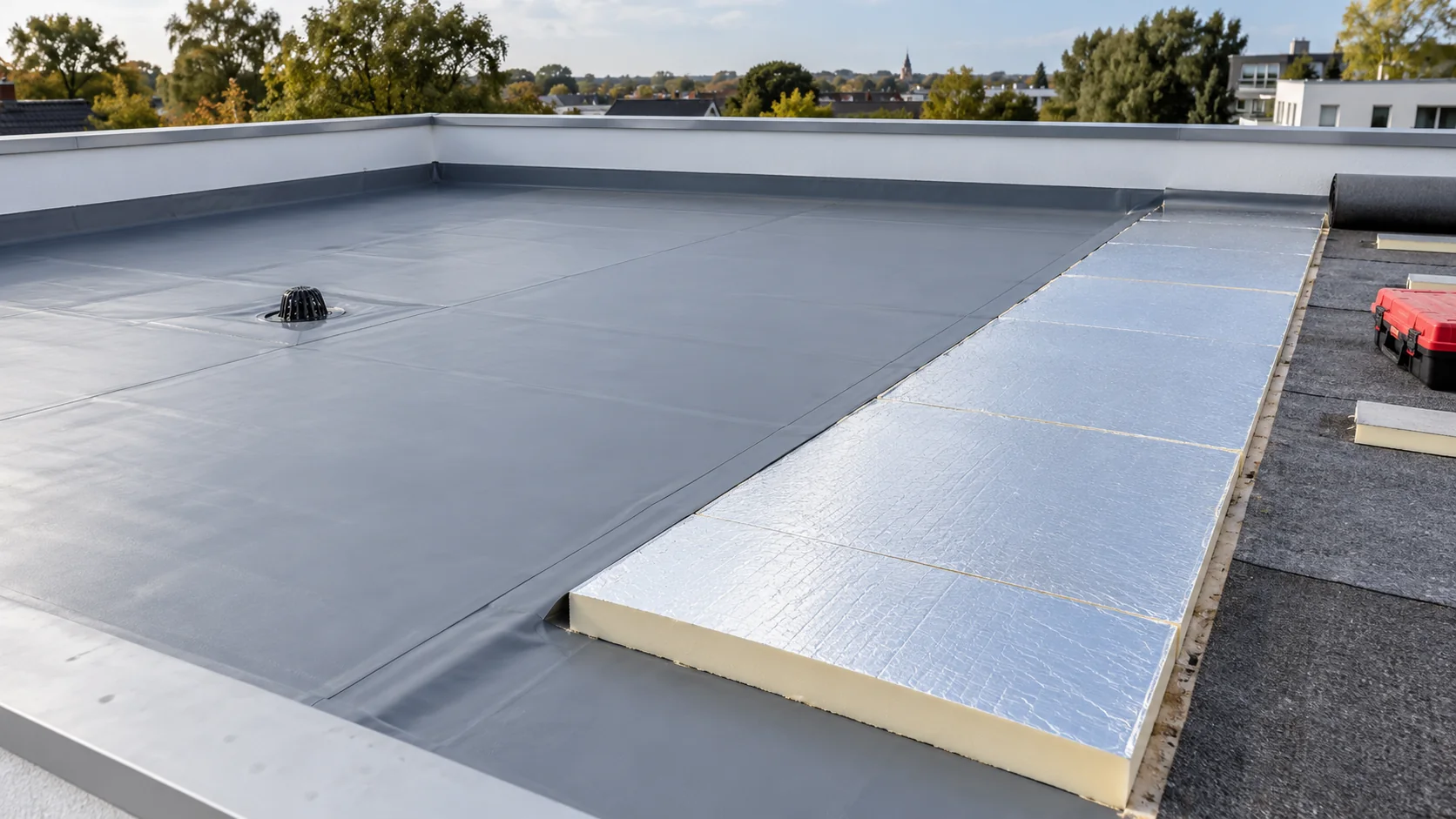
Flat-roof insulation selection starts with the position of the waterproofing. In a conventional warm roof it protects the insulation from above; in…
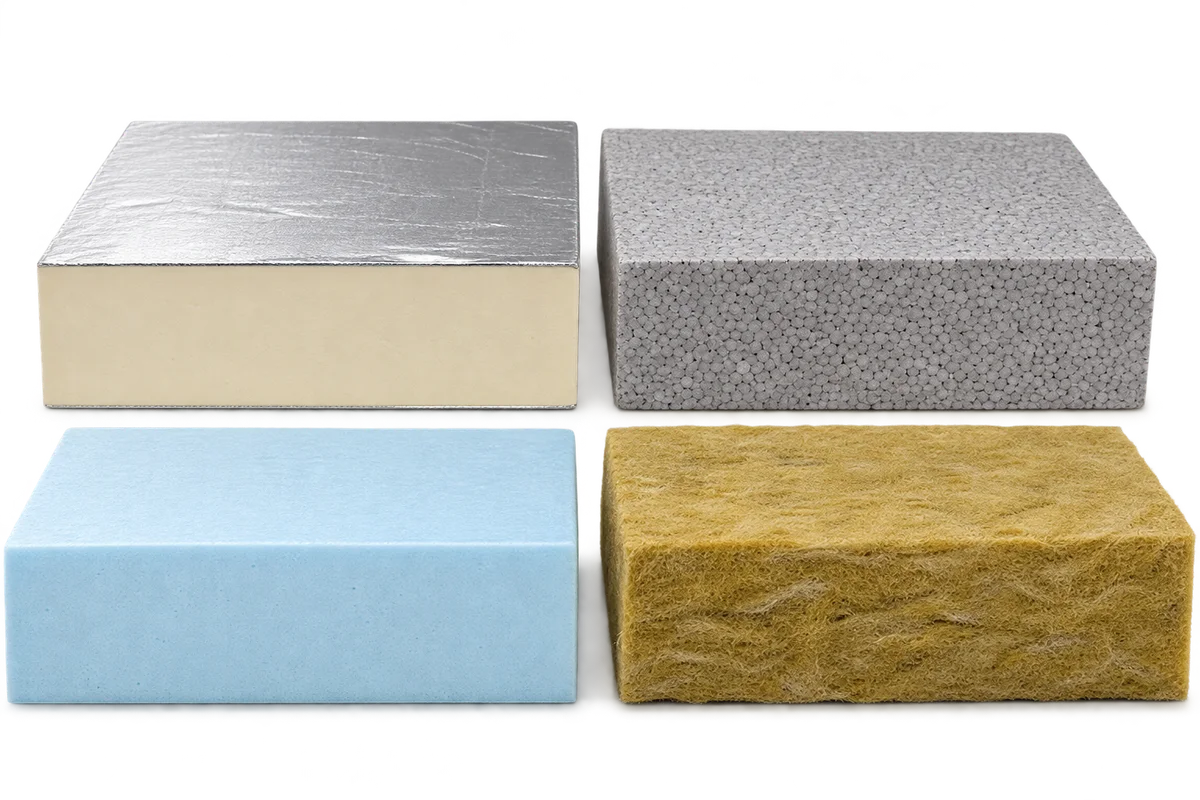
Insulation has a different job in each part of a house. PIR is useful where thickness is limited. EPS comes in grades…
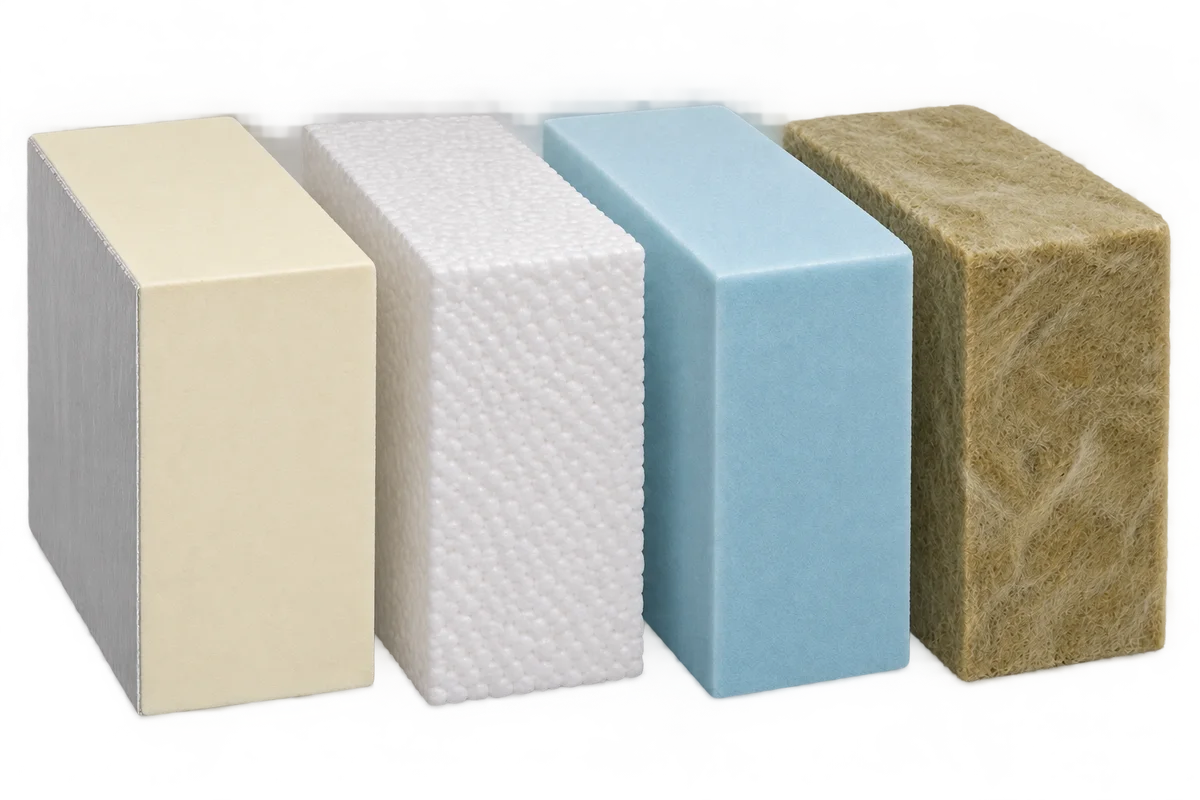
A schedule of the layers of a building envelope with PIR boards and a second insulating material makes sense only if each…
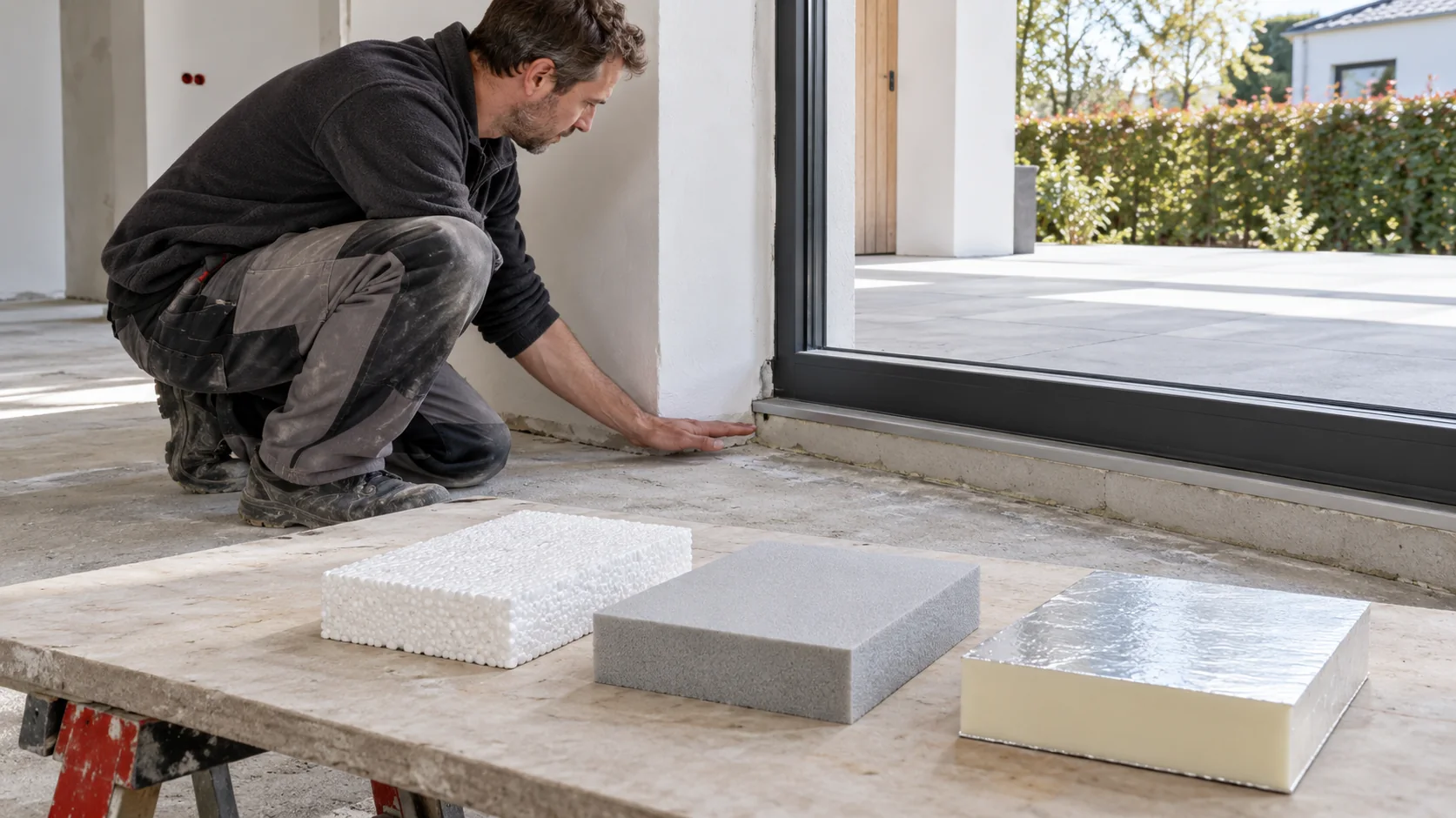
No single insulation material is best throughout a house. On a façade the render system matters, in a floor the loading, and…
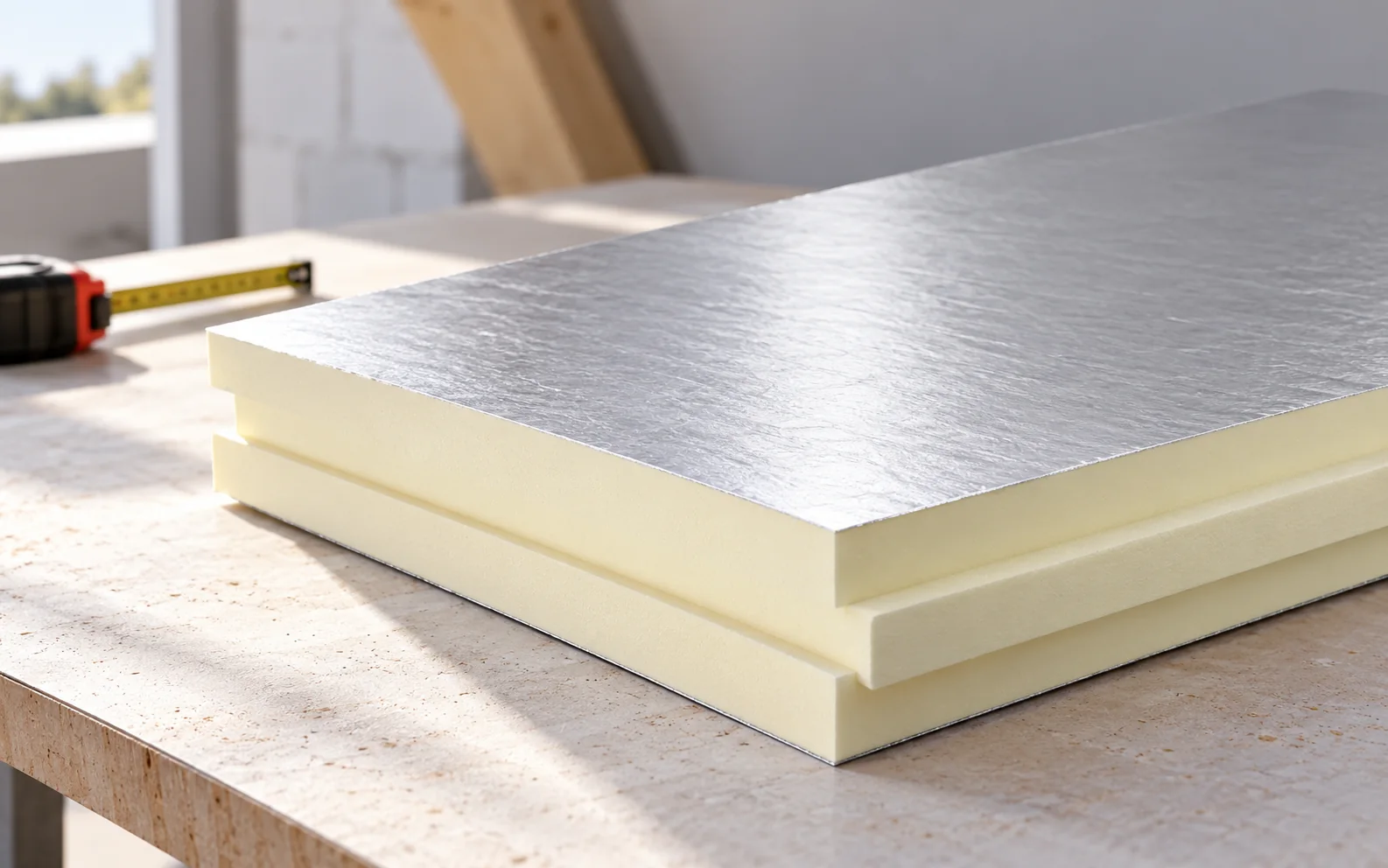
Select roof insulation for the layer arrangement, available height and loads. PIR often achieves the required thermal resistance at a smaller thickness.…
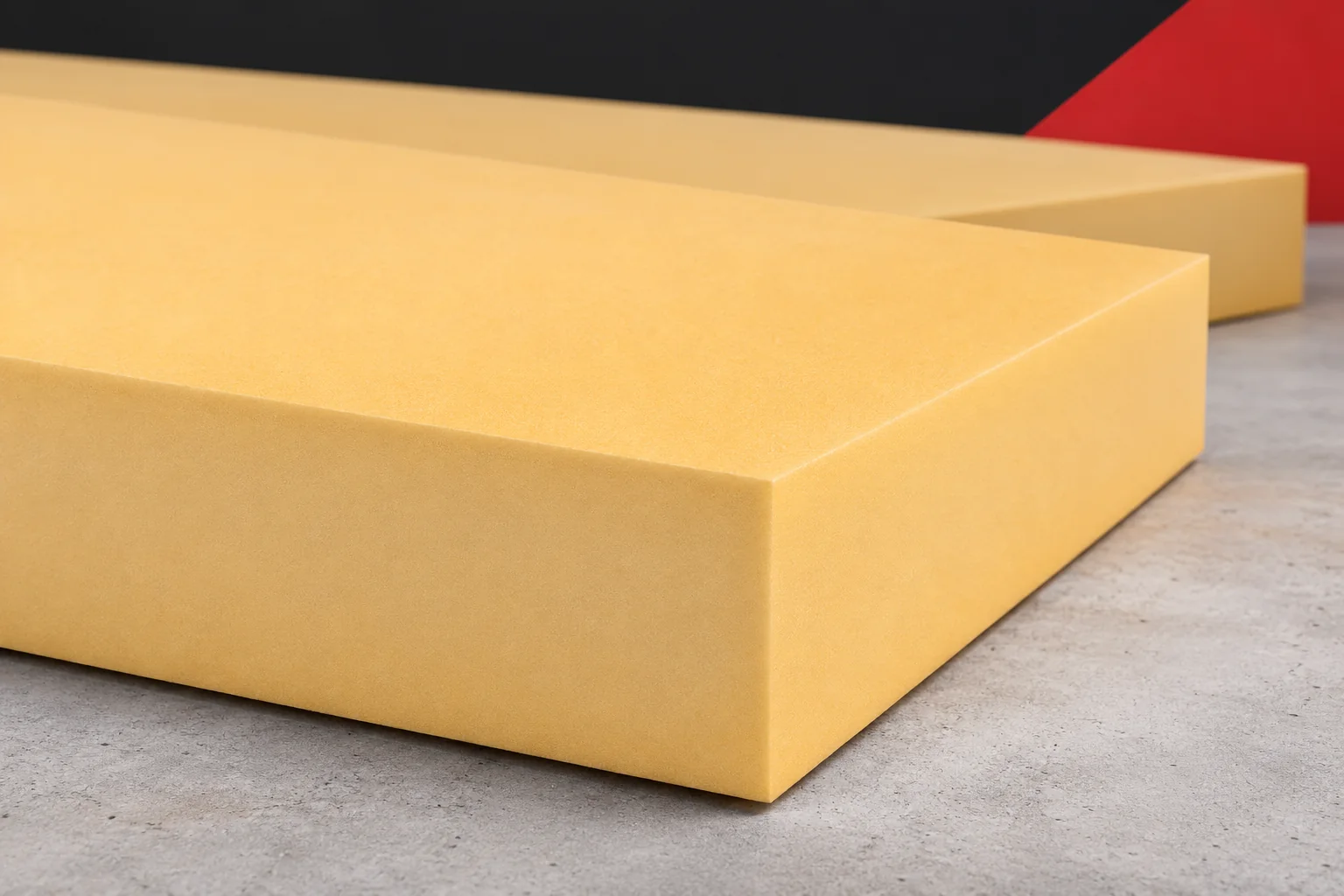
Resistance to moisture is a key reason for choosing XPS around foundations and on inverted roofs. Yet descriptions sometimes go too far…