

PIR insulation
PIR or XPS when insulation space is limited? Comparing their roles
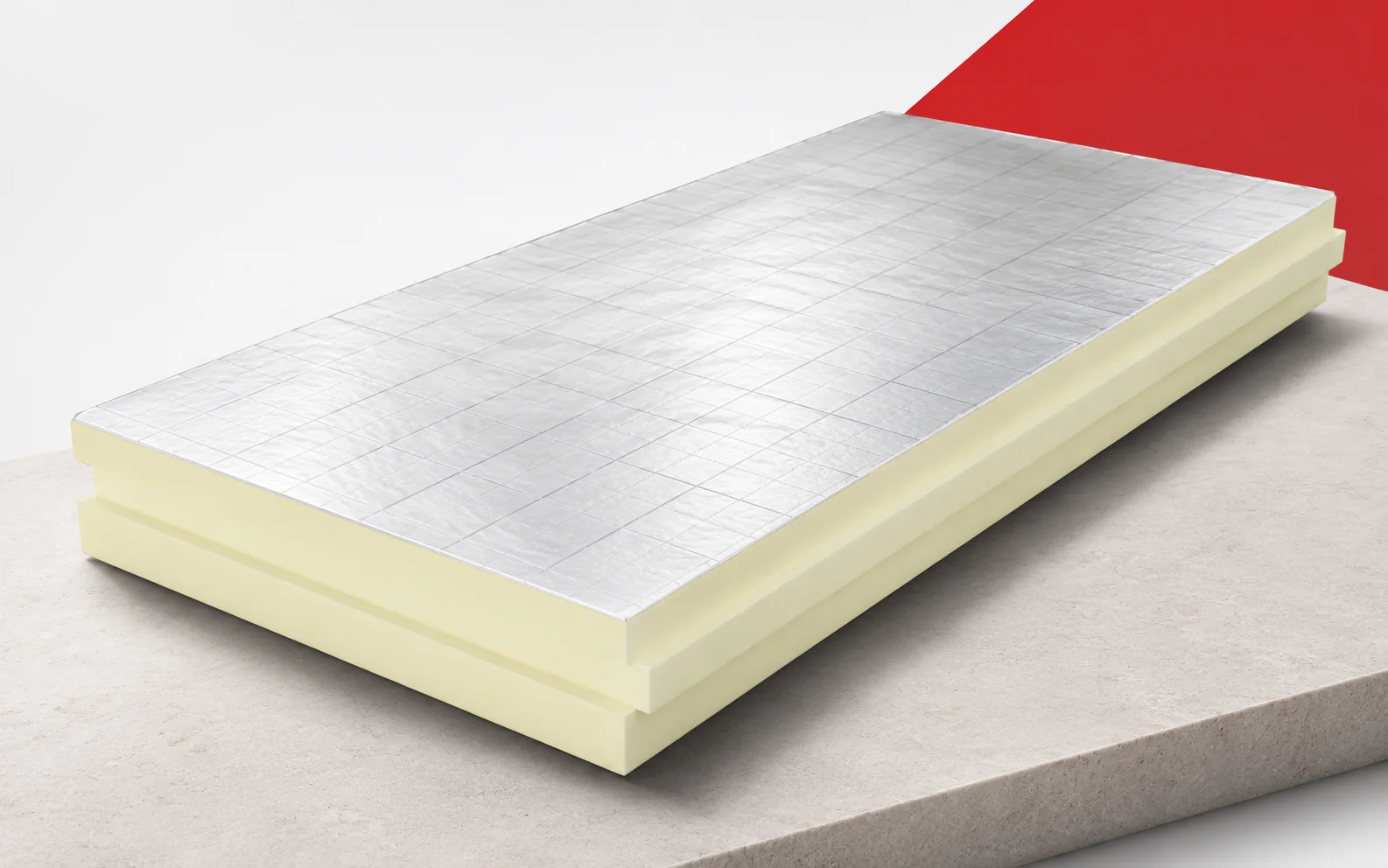
Begin a PIR versus XPS comparison with the installation location. A thin layer offering high thermal resistance can be valuable where space is limited. Elsewhere, water exposure or behaviour under load may matter more. PIR boards have specific advantages but do not automatically replace every XPS grade. In many comparisons, aluminium-faced PIR has lower conductivity than the XPS boards considered, allowing the required resistance at a smaller thickness. Check the actual value for both selected products, however. For XPS, as for some PIR variants, the thickness range can affect the declared value.
In this article
PIR’s main advantage is saving space
Calculate the thickness saving using selected conductivity values and a shared thermal target. No single ratio fits every product. Compare polyurethane boards with a specific XPS grade, not an averaged material name. If the space saved simplifies a threshold or window reveal, the advantage is clear. Where space is plentiful, other requirements and the full assembly cost may become more important.
Water exposure matters more than core appearance
Polyurethane insulation in a warm roof usually sits beneath a layer protecting it from rain. In an inverted roof, the insulation’s position relative to the waterproofing differs, changing moisture conditions too. Do not transfer a board between these assemblies without checking its approved use.
When assessing durability, distinguish low core water absorption from product suitability for the actual conditions. Moisture also affects joints and surfaces. Polyurethane insulation is not automatically perimeter insulation merely because it absorbs water slowly. Prolonged damp exposure requires appropriate product documentation. This may favour a suitable XPS despite the lower conductivity of the PIR board under consideration.
CS and creep describe different situations
When floor height is limited, comparing lambda alone can hide the question of how loads are carried. The CS value declared for PIR or XPS describes a specimen at the stated deformation during testing. Do not use that figure as the permissible load of the finished floor. The design must account for sustained compression and concentrated pressure, for example beneath a support, which an average per square metre cannot describe.
Cost comparisons must not overlook durability under load. CS describes a particular test, while long-term performance needs further assessment. Polyurethane foam and extruded polystyrene come in variants with different mechanical properties. Do not compare them solely by how hard they feel. Establish the requirements of the floor or roof, then check the exact product documents.
Facings and fixings limit interchangeability
Before ordering a thinner board to replace the existing insulation, check both interfaces with adjacent layers. For PIR, the particular factory facing matters; for XPS, surface finish and edge geometry also matter. Select the adhesive and waterproofing junction for the specified product and build-up. Switching material families is not a reason to retain the previous bonding method without checking compatibility.
Changing insulation can alter the accessories and installation of the adjoining layer. This matters to cost even when the boards themselves seem inexpensive. Check whether the adhesive and fixing arrangement remain suitable. Similar rigidity does not imply identical installation. Compare purchasing savings against the changes required for correct incorporation.
Typical situations supporting either choice
Do not call a material non-combustible without the appropriate classification. Neither PIR nor XPS should be described with a blanket non-combustibility claim. Check the building-element requirements separately. Product reaction-to-fire classification and assembly fire resistance answer different questions.
Both insulation types can deliberately be used in different parts of one building. PIR may help in a dry, height-limited assembly, while suitable XPS meets requirements in a water-exposed area. This is not inconsistent design. The transition between materials must be properly detailed. A good decision follows the function of each area, not a need to nominate one winner for the entire project.
Compare assemblies serving the same purpose
For a quotation, prepare a short description of the building element: required thermal resistance, maximum layer height, moisture exposure and expected loads. Add the fire requirements and the proposed finish above the insulation. This information helps rule out a board that fits the available space but is unsuitable for the assembly. Compare costs only among solutions that satisfy these conditions.
Cost comparisons must cover the same thermal, mechanical and moisture performance. Include any extra protection or junction alterations required by an option. Polyurethane insulation can offer practical space savings, but these have no fixed monetary value. Show two complete sections and their installation requirements. Only this reveals whether a thinner layer has a meaningful advantage in that location.
Assessing the benefit in the building
In a floor renovation with little available height and dry, protected insulation, compare PIR with a suitable XPS grade at the same R-value. If PIR reduces alterations at doors, its benefit can extend beyond thermal performance alone.
The best comparison starts with constraints that cannot change. Record available space, water exposure and anticipated loads. Choose products meeting those requirements and then compare thicknesses. PIR is particularly interesting where low conductivity resolves a specific clash. Assess XPS by the properties of its exact grade. This sequence supports data-based savings without assuming one material group’s advantages apply everywhere.
7 branches. Materials closer to your project.

Free quote
Materials for your project


You may also find useful…

After ALU TG has been laid, the regular field looks tight. At the perimeter, however, cut pieces without the full factory profile…
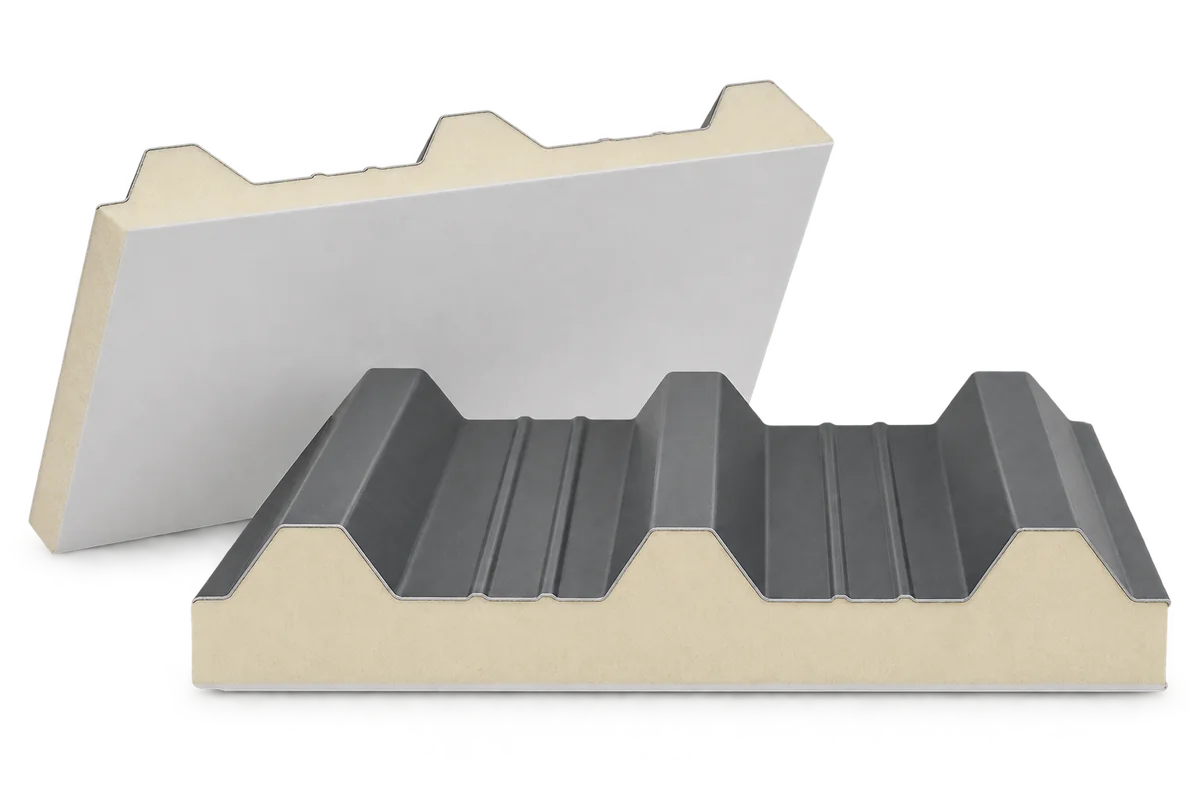
Selecting PIR roof panels for livestock buildings, workshops or food stores starts with conditions on both sides of the roof. Core insulation…
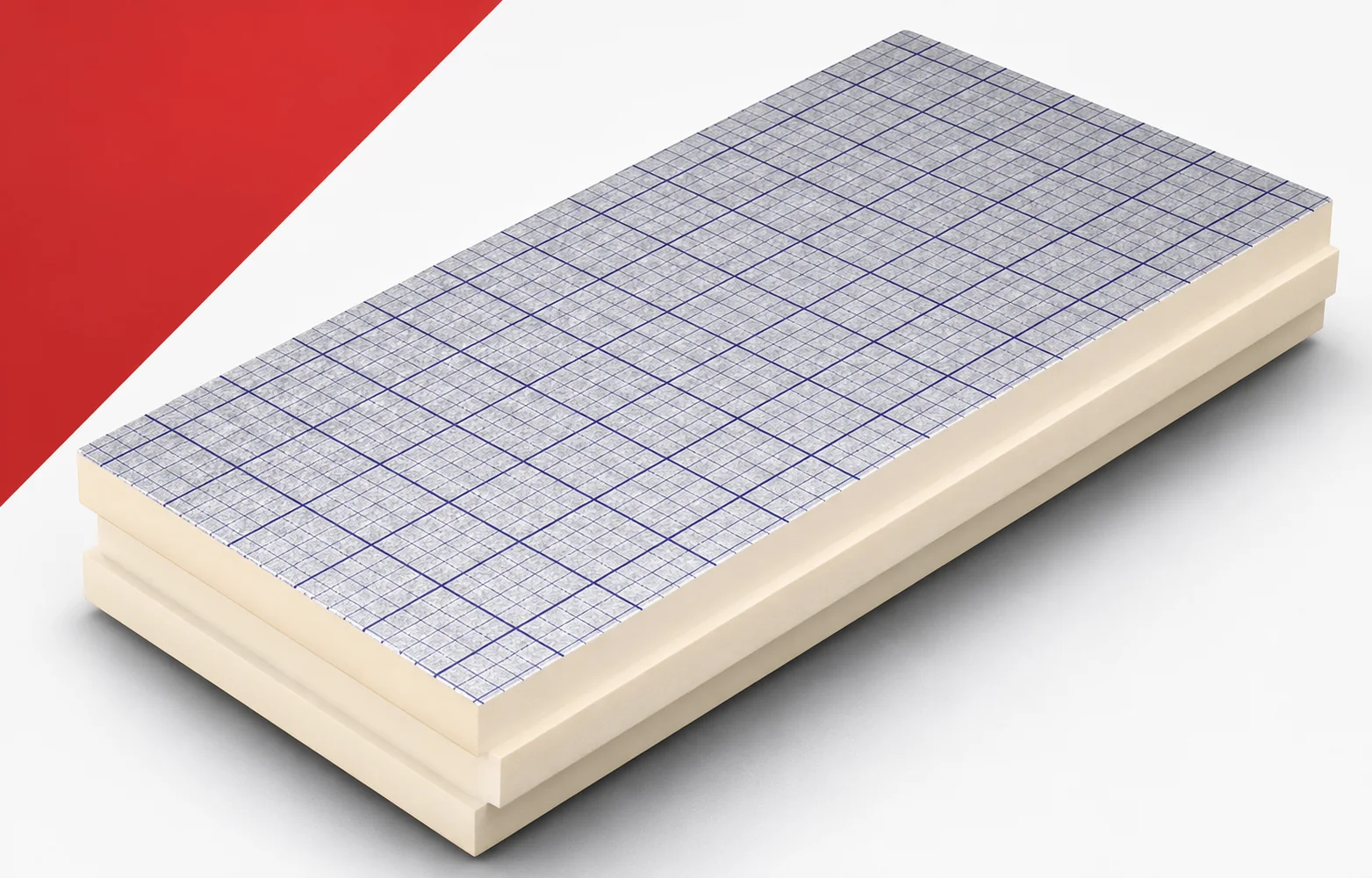
Insulation above the rafters with swissporPIR Alu helps keep the layer over the timber continuous. To exploit this advantage, it must be…
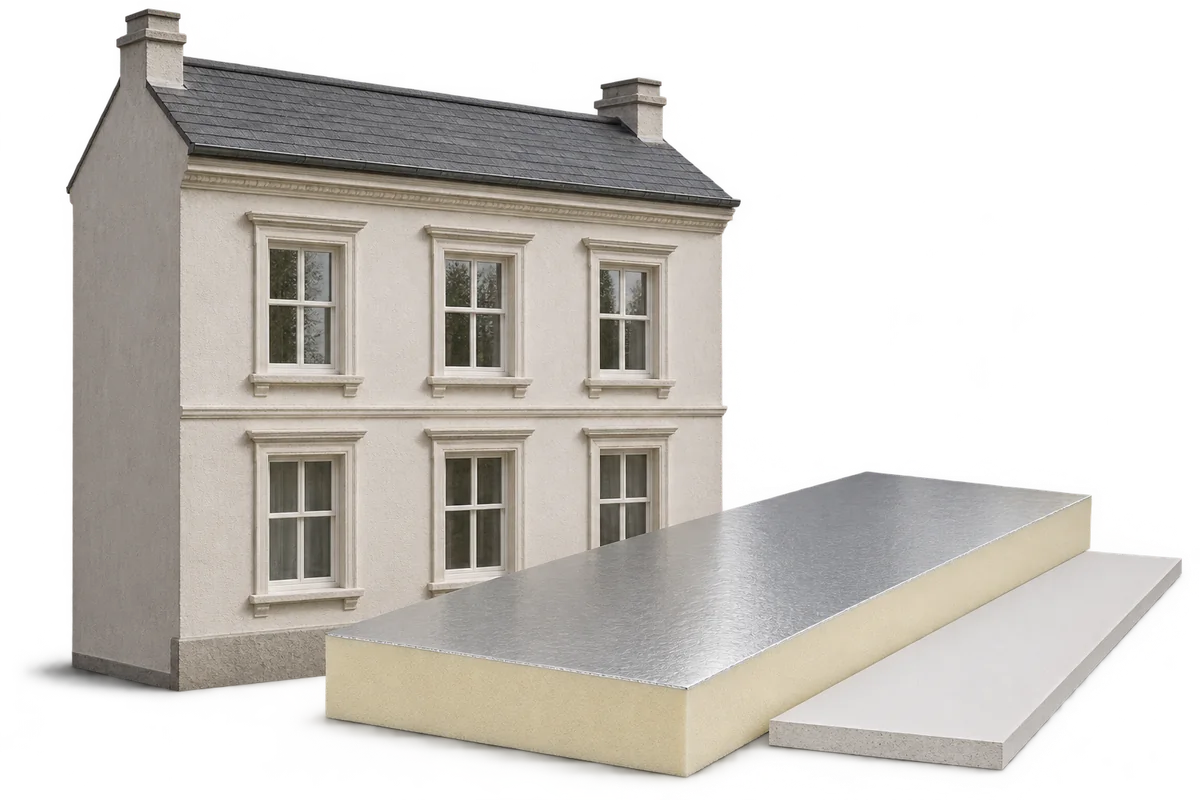
Improving a historic building's energy performance means balancing comfort with the protection of its materials, details and construction. The starting point is…
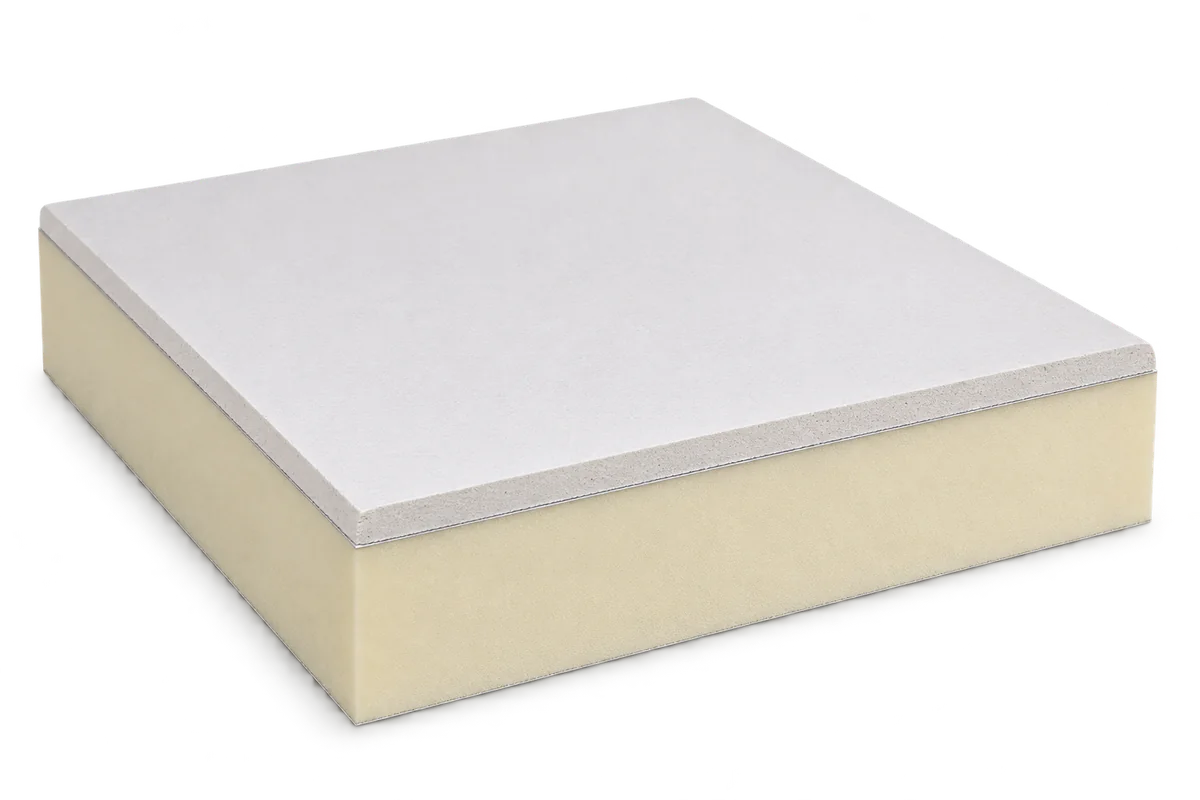
PIR bonded to plasterboard combines thermal insulation with a surface ready for interior finishing. Suitability depends on the whole wall, including the…
A potato-store refurbishment should begin with a plan for checking the store before loading, rather than with insulation thickness. New insulation and…
In the roof under consideration, the outlet is located near one corner. On the opposite side, a considerably thicker layer is required…
The durability of insulation depends on the material, the conditions in which it works and how the details are executed. A good…