

Sheet metal and roofing
Which tile-effect sheet format suits a roof you may extend later?
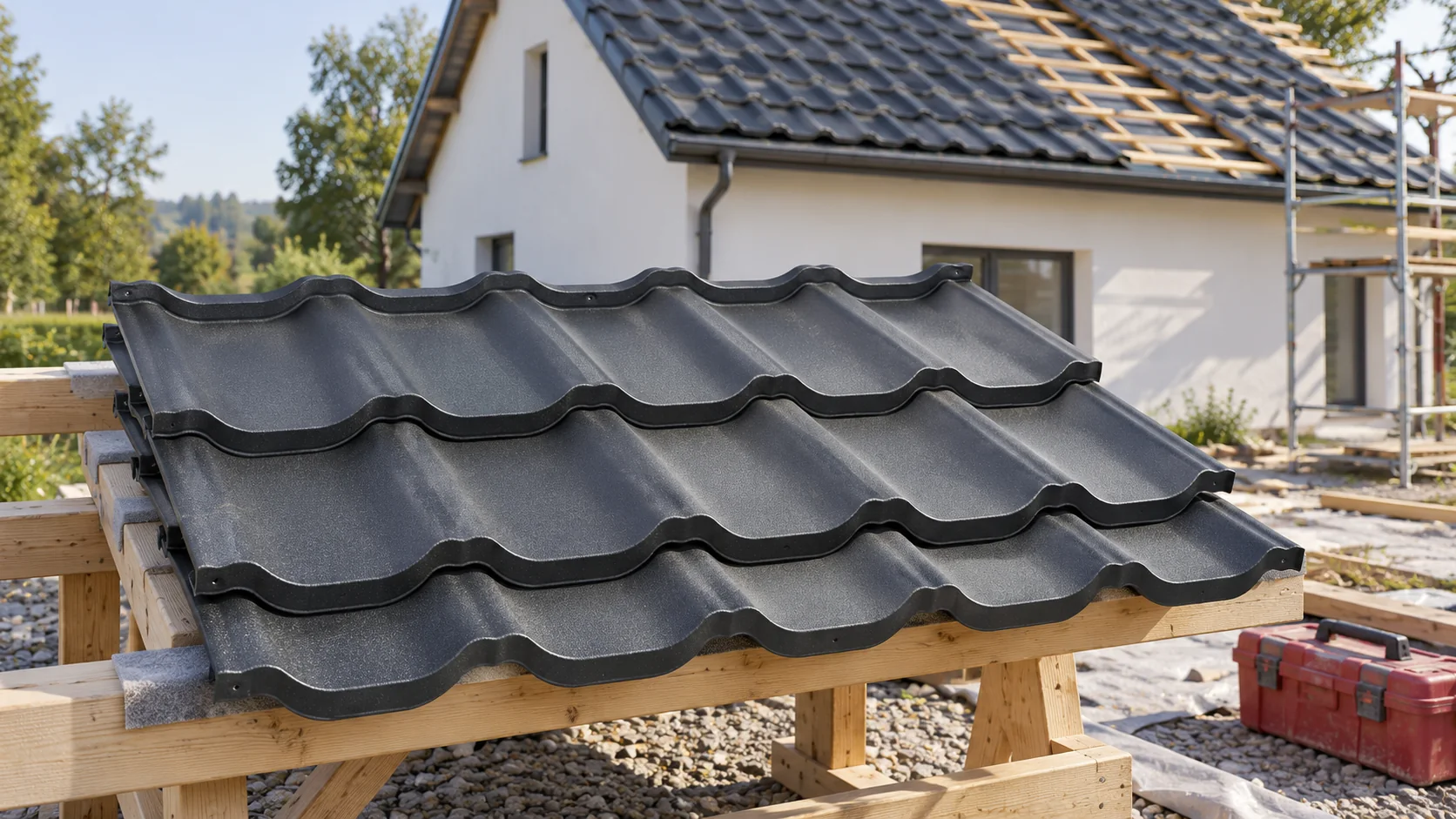
Cut-to-length tile-effect sheets and short modules divide a roof into different-sized pieces. A later dormer, roof window or repair may require lifting some of them, so consider the roof you need now and the alterations you actually expect. If the attic may become living space, mark likely positions for windows, a hatch and service penetrations on the drawing. This does not mean leaving openings in the roof. It lets you see which sheets would have to be removed and how the underlying layers could be reached. A planned junction is easier to alter than an improvised one.
In this article
Which alterations are actually planned?
A future garage or porch raises similar questions. Its roof may meet the existing one at a wall, in a valley or below the eaves. Both formats require a designed junction. Small elements can make local work easier, while long sheets change the arrangement of laps and the transport requirements.
What does a sheet cut to slope length offer?
On a simple slope, long sheets can reduce transverse laps. Order lengths from actual measurements and the profile rules. Made to measure does not mean the sheet can end anywhere across the pressed pattern: allow for its repeat, the eaves detail, projections and overlaps.
Support long sheets during handling. Bending or twisting can leave permanent damage. Check site access, space alongside the building and how sheets will be lifted onto the roof. Replacing a full strip later may involve exactly the same constraints.
What changes with short modules?
A short module has fixed dimensions. One example covers 1,150 × 700 mm, or 0.805 m², with overall dimensions of 1,190 × 736 mm. The difference allows for the portions that form the joints. Other modular profiles have different dimensions and overlap arrangements.
A small piece is easier to move in a tight space and can simplify laying several small roof sections. It does not guarantee a one-piece repair: the laying sequence and laps may require lifting adjacent modules. The pattern and laying direction must also match.
How does format affect waste after design changes?
Long strips are often straightforward to lay out on a rectangular slope. On a roof with angled edges and valleys the result may differ. Draw every section, then count whole sheets or modules. Shape matters more than area alone, so avoid a blanket waste allowance. Recheck the cutting plan whenever a dormer or roof window moves.
An offcut may face the wrong way for the next lap or be missing the edge needed elsewhere. Design changes after ordering compound the problem. Finalise the slope dimensions and positions of obstructions before production. An on-site alteration can change the cost comparison for either format.

Is it worth buying spares?
A few clearly labelled spare pieces can help with local damage. Agree the quantity with the installer using the actual layout. A large arbitrary surplus may fit neither a future extension nor the flashings it needs.
Store spares dry and protected from scratches and distortion. Keep the label showing the profile, coating and colour. Years later, a spare kept indoors may look different from the weathered roof, just like a newly bought sheet. A visual difference is not in itself a defect.
How can the two options be compared fairly?
Ask for two cutting plans for the same roof. Compare materials, accessories, delivery, lifting and installation. Mark future alterations separately, and only those you expect to make. Paying extra for easier expansion makes little sense before its location and extent are known. The first priority is a sound roof today.
Ask the roofer how they would replace a damaged piece in the middle of each layout. The answer reveals more than the format name. Choose according to roof shape, handling and future service access. Long sheets and short modules can both work well on a building suited to them.
Questions and answers
Do modules always produce less waste?
No. It depends on slope geometry and which offcuts can be reused. Compare two actual cutting plans rather than assuming a fixed saving.
Can a cut-to-length sheet be shortened later?
Often yes, but the cutting position and method must suit both the profile and its coating. Shortening can change the eaves edge or the way the sheets overlap.
7 branches. Materials closer to your project.

Free quote
Materials for your project

You may also find useful…
Tile-effect metal roofing can be a good choice in 2026 if it suits the roof's structure, geometry and budget. The year of…
Cleaning tile-effect or colour-coated steel roofing should be commissioned after identifying the covering, rather than priced solely by square metre. A dark…
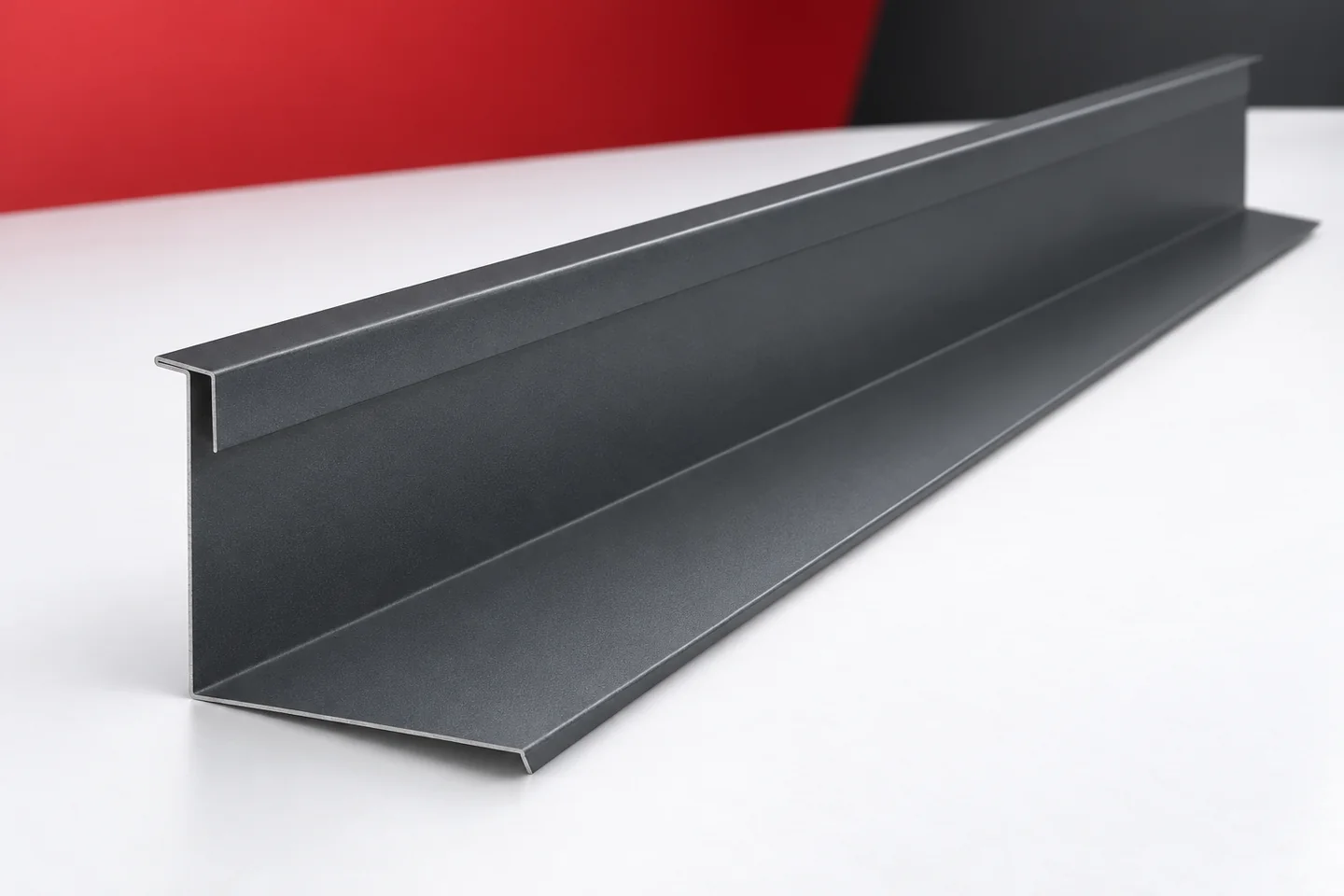
Chimney flashings are ordered for a specific roof penetration. The dimensions of the chimney, the pitch of the roof slope, the profile…
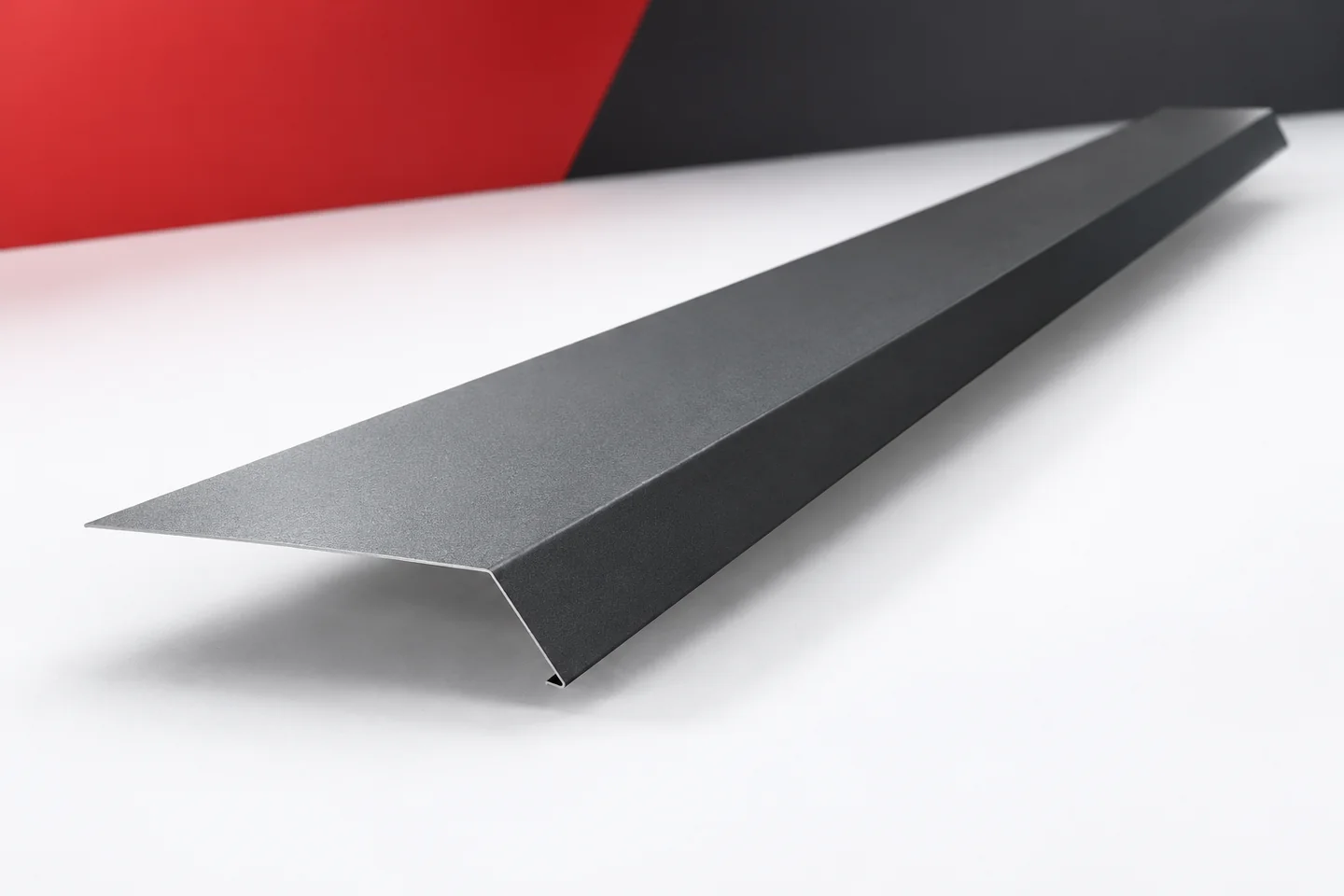
The eaves flashing is a small part of the roof, but it is responsible for an important stretch of the water's path.…
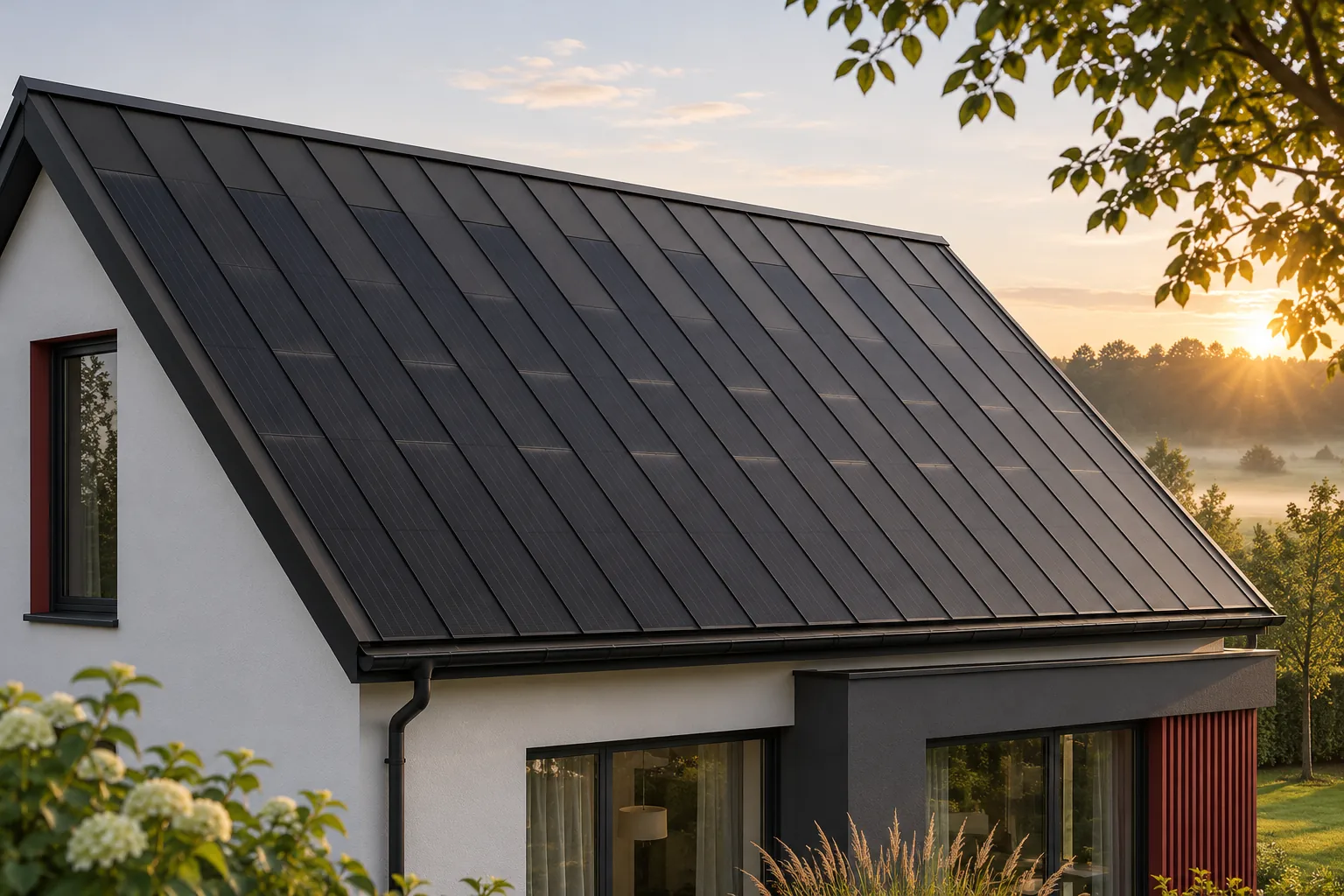
The roof produces energy when light reaches it. The home also needs energy in the evening and in winter. That is why…
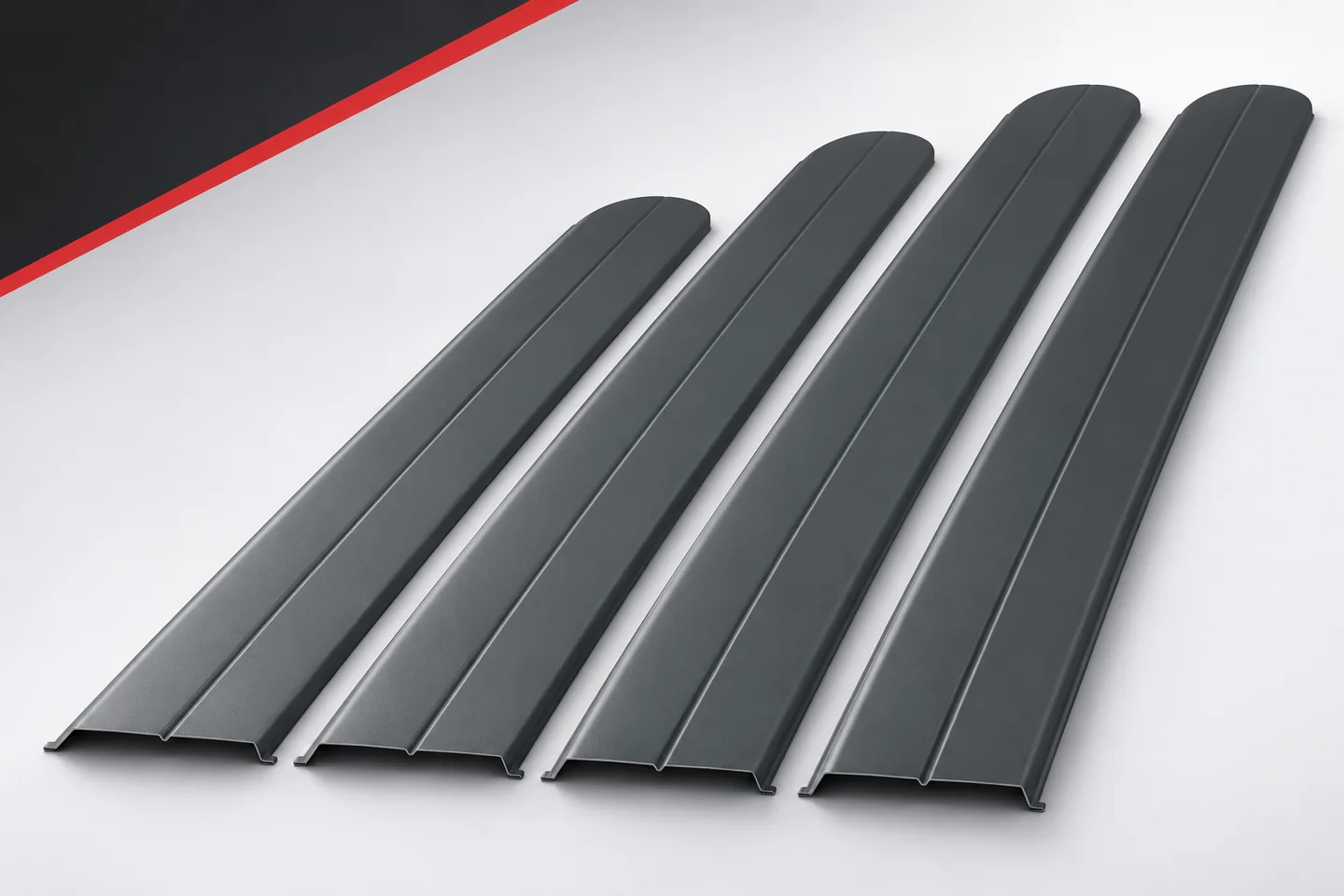
The least troublesome waste is the waste that never has to be created on site. Made-to-measure metal fence pickets help match the…
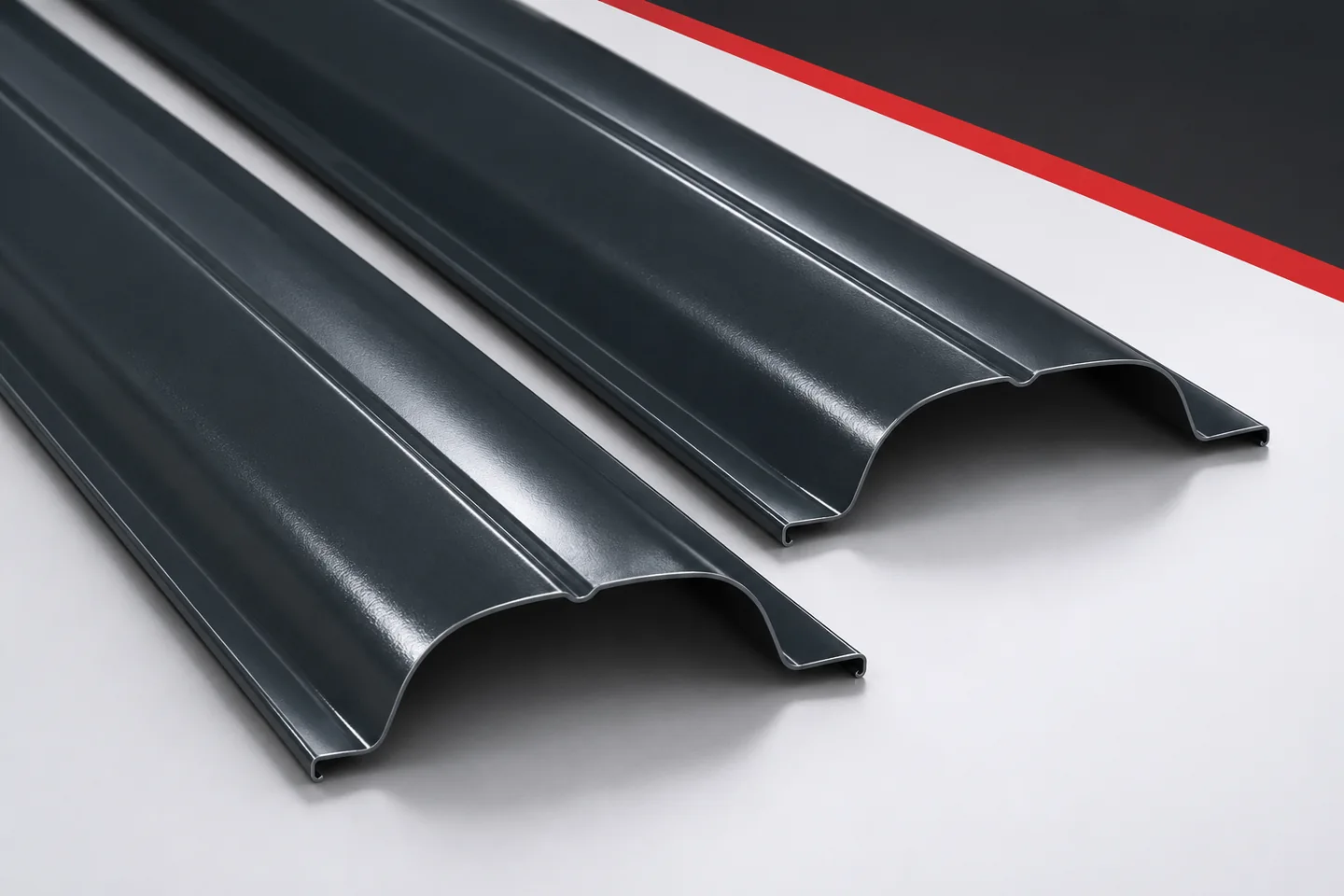
The price of a picket is easy to compare. It is harder to compare two quotes when one covers only the slats…
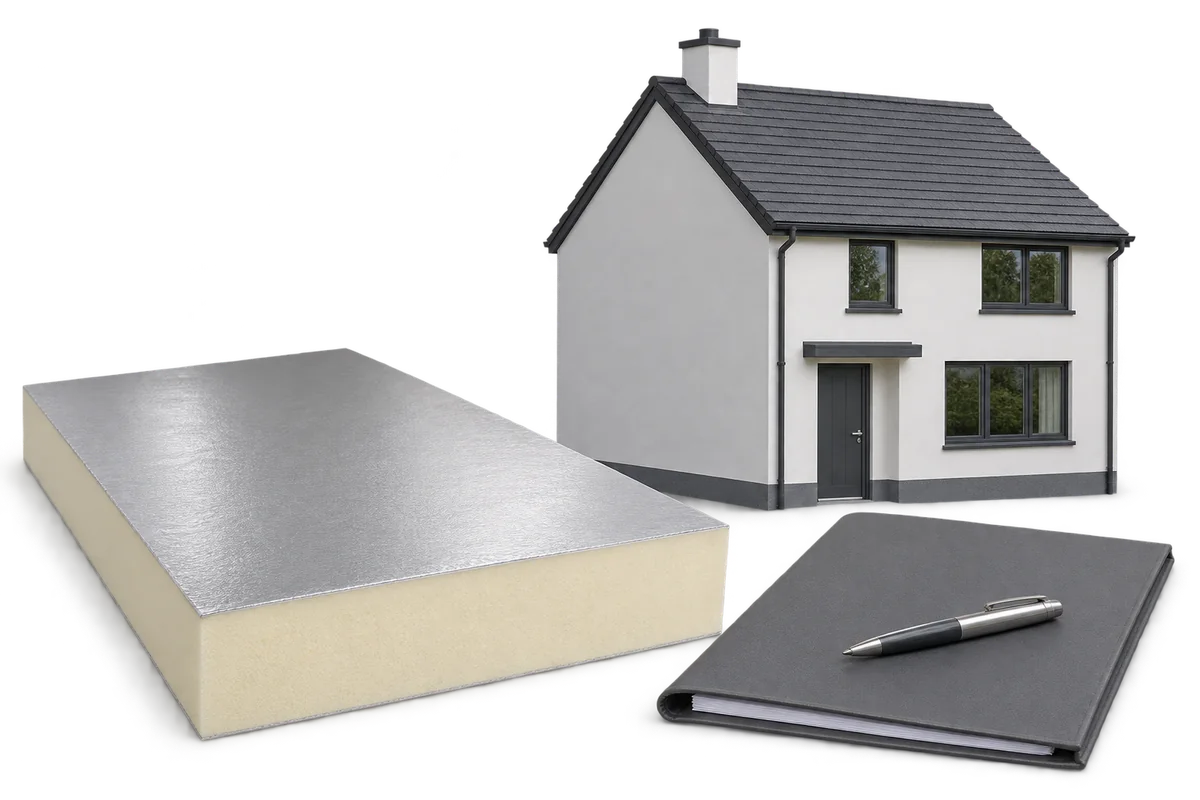
Funding for home insulation requires alignment between the building’s needs, scheme documents and the work actually completed. Buying PIR board does not…