

Sheet metal and roofing
How do standing seams handle rain and thermal movement?
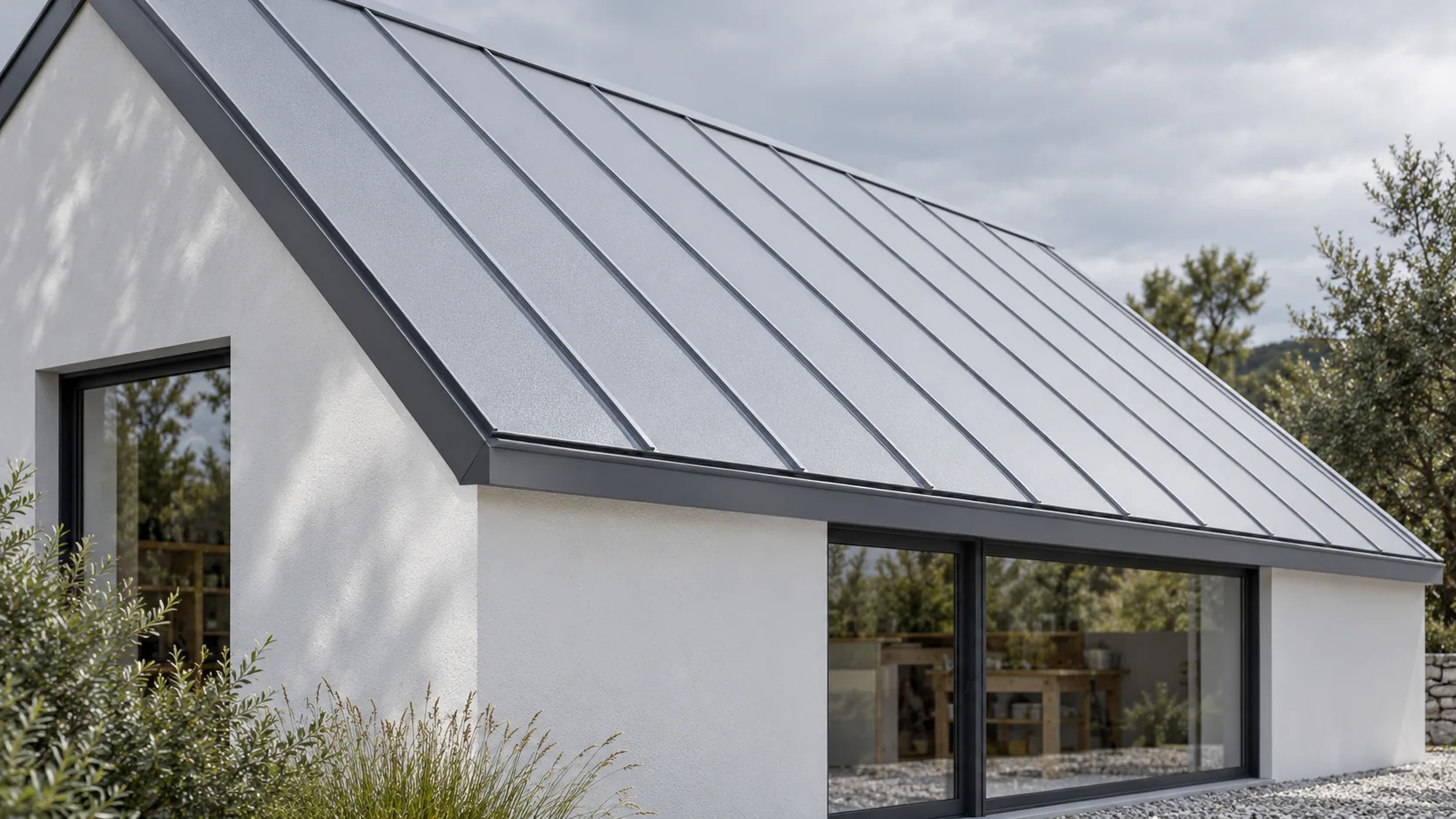
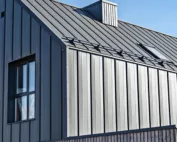
Single, double and snap-lock standing seams may look alike from the ground. What matters is how the edges engage, how the sheets are fixed and which applications the system permits. In traditional work the roofer folds prepared edges together and closes them with tools. Single and double folds give the joint different shapes. A snap-lock panel has factory-formed edges that engage as specified by its manufacturer. It is a different joint, with its own requirements for pitch, support and movement. Before choosing a roof or opening one for repair, identify the actual section rather than relying on the height of the visible rib.
In this article
What holds two adjacent sheets together?
Standing seam is used for a family of coverings with raised joints. Specify the exact system when ordering. Rib height tells you neither how the joint closes nor how well it resists water or carries loads. Selection requires the section drawing and fixing details.
Why is there no single minimum pitch?
Water drains differently on a steep roof and on a shallow one. The length of the drainage path, transverse joints and flashings also matter. A traditional double seam and a snap-lock panel may have different pitch limits. Similar looks do not justify adopting the lower limit for both.
A single or angled standing seam has its own field of use, often on steep slopes and façades. A double fold creates a different path for water at the joint. It still depends on correct detailing and the conditions specified for the system. A standing seam does not turn a roof into a watertight tank.
How does sheet length affect thermal movement?
Metal expands and contracts as its temperature changes. For the same temperature change a longer strip moves farther. The fixings must allow for this. Traditional systems use suitable clips; factory-made panels have their own instructions for fixing zones, screws and slots.
Keep the clearance specified for the system. Extra screws or tight joints can restrain movement, causing stress and deformation. Allow movement at eaves, ridges and penetrations too. A long sheet must not be clamped rigidly between two flashings.

Do all panels need the same support?
The substrate must carry loads and support the sheets at the required spacing. Traditional sheet on a continuous deck is not equivalent to every self-supporting snap-lock profile. Consider the separating layer, ventilation and moisture conditions as part of the complete roof build-up.
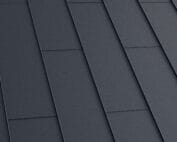
One snap-lock range has a 510 mm cover width, a 25 mm seam and lengths from 1 to 8 m. Those figures do not specify the permitted span between supports. Wide, smooth pans can also show unevenness in the substrate and changes in reflected light more readily than embossed surfaces.
How does the seam affect repairs?
Opening a joint may take specialist tools and work on neighbouring strips. Snap-lock edges are not necessarily designed to be opened repeatedly without damage. Traditional folded edges also tolerate only limited reshaping. Decide what can be reused before starting the repair.
Do not prise a seam apart with a crowbar or an improvised blade. A damaged edge may look sound after reassembly but no longer function correctly. Match a replacement to the original cross-section. Keep a sample and drawings if an extension is planned: measuring the visible pan alone may not identify the profile.
What should you check at handover?
Inspect the continuity of the seams, alignment and condition of the finish. Check drainage and junctions around obstructions. Counting visible screws misses many important fixings beneath the covering. Installation photographs and records of the materials used help assess concealed work.
Judge minor waviness in broad pans under the viewing conditions and criteria for that system. A change in reflection does not establish a leak; an even-looking roof does not prove that its fixings are correct. Assess appearance and technical function separately.
Questions and answers
Is a snap-lock panel a double standing seam?
No. Snap-lock describes a factory-formed interlocking edge. A traditional double standing seam is made by folding the edges together in a specific sequence.
Does a higher seam always keep out more water?
Height alone cannot answer that. The seam geometry, roof pitch, laps, junctions and installation of the complete covering determine how the roof performs.
7 branches. Materials closer to your project.

Free quote
Materials for your project


You may also find useful…
A roof valley is the concave junction of two roof slopes that collects water from both sides and carries it down towards…
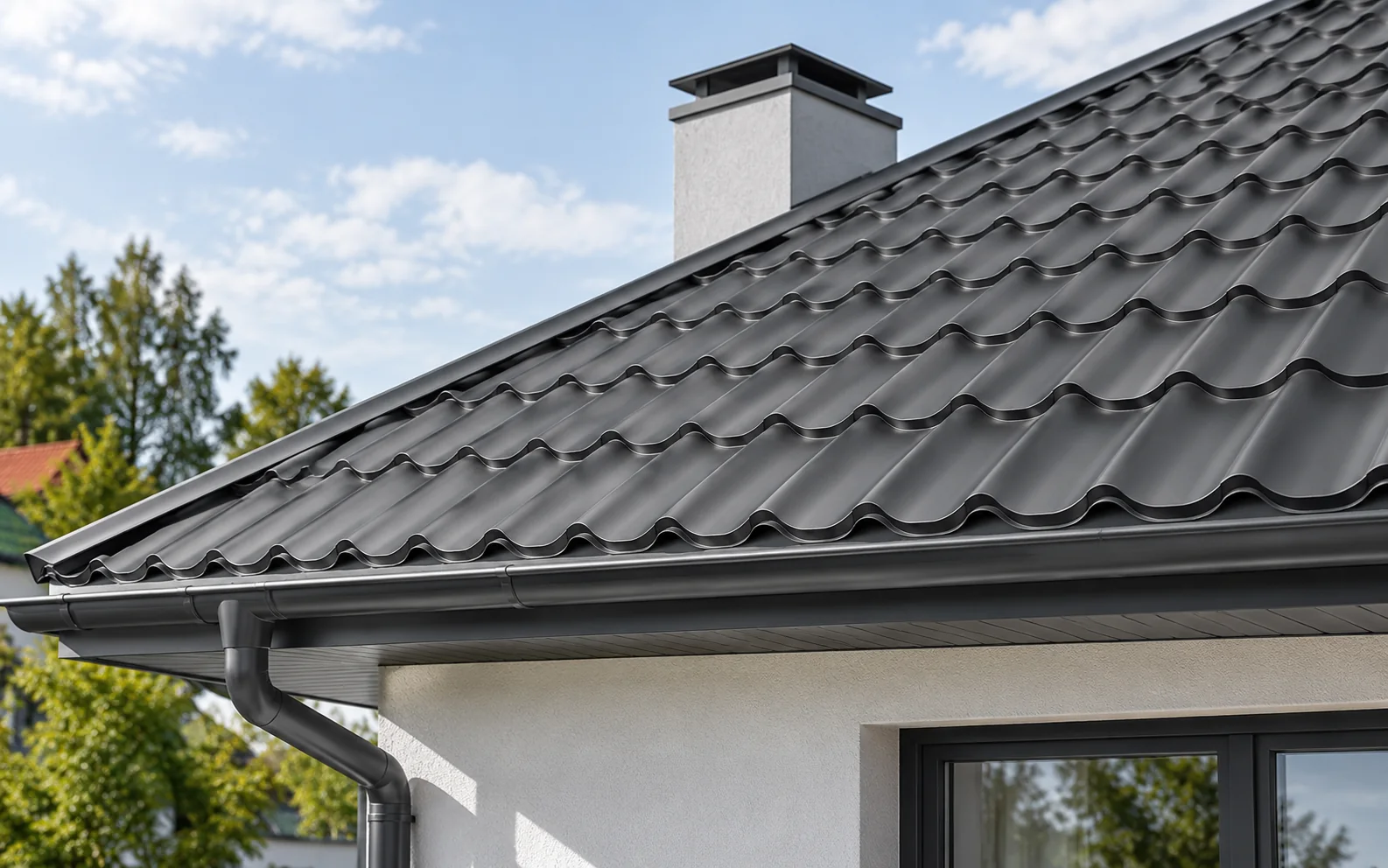
Once the asbestos sheets have been removed, the roof needs a new covering, but the choice between trapezoidal steel sheet, tile-effect metal…
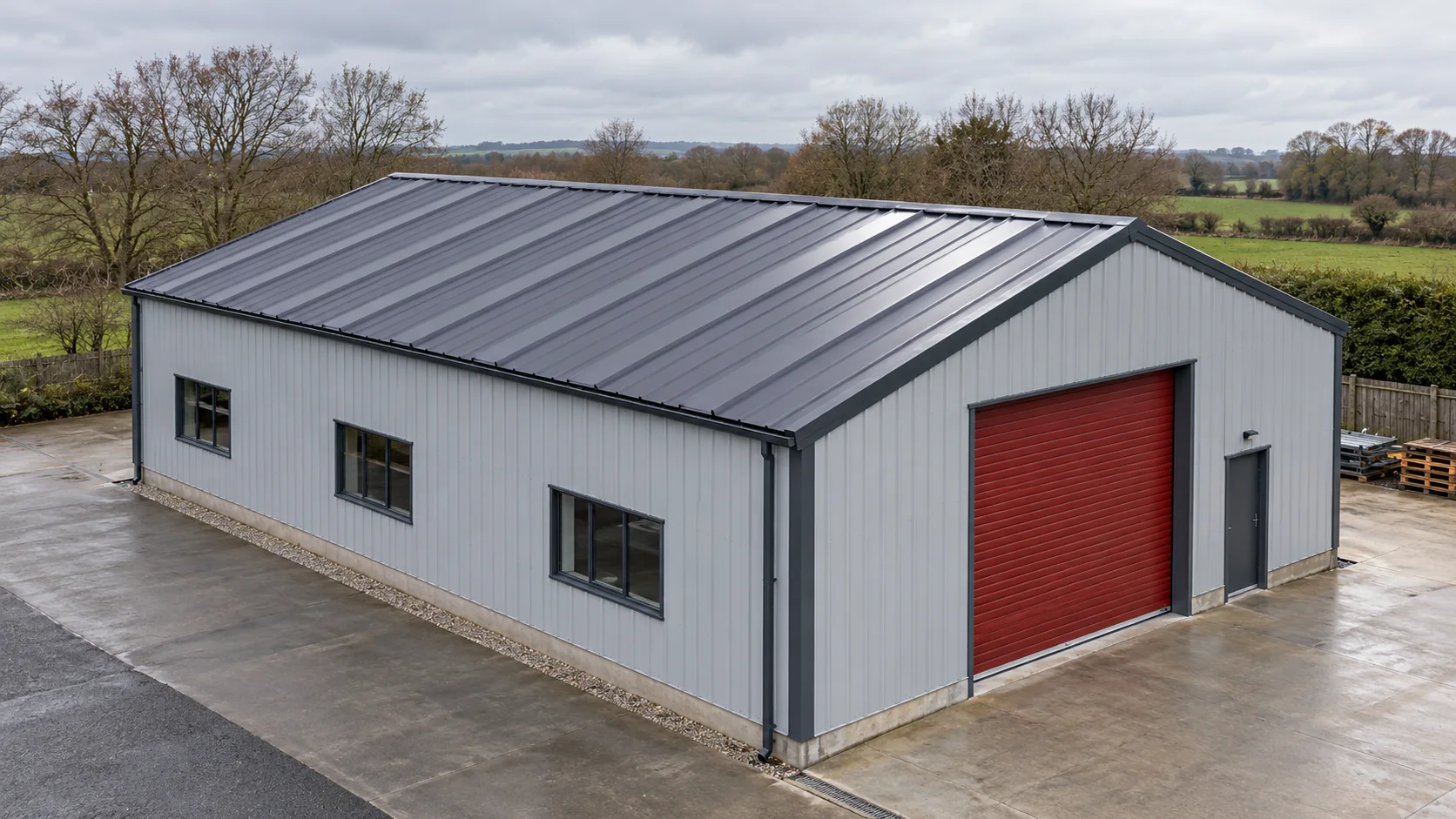
A roof with 200 m² of sloping surface can require more than 200 m² of trapezoidal steel sheet. The quantity depends on…
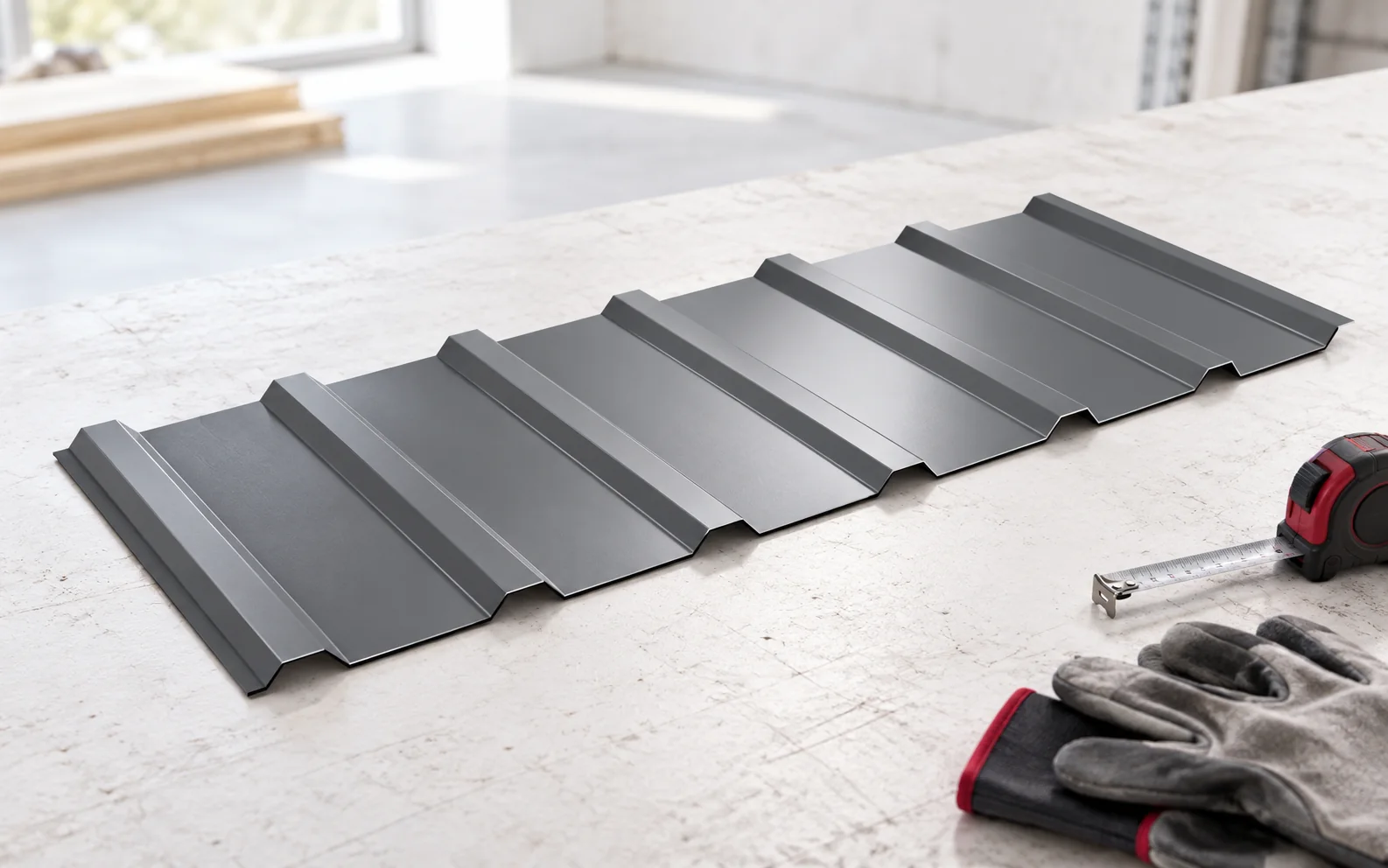
Correct installation of trapezoidal steel sheet on a roof depends on the material matching the design, on preparation of the supports and…
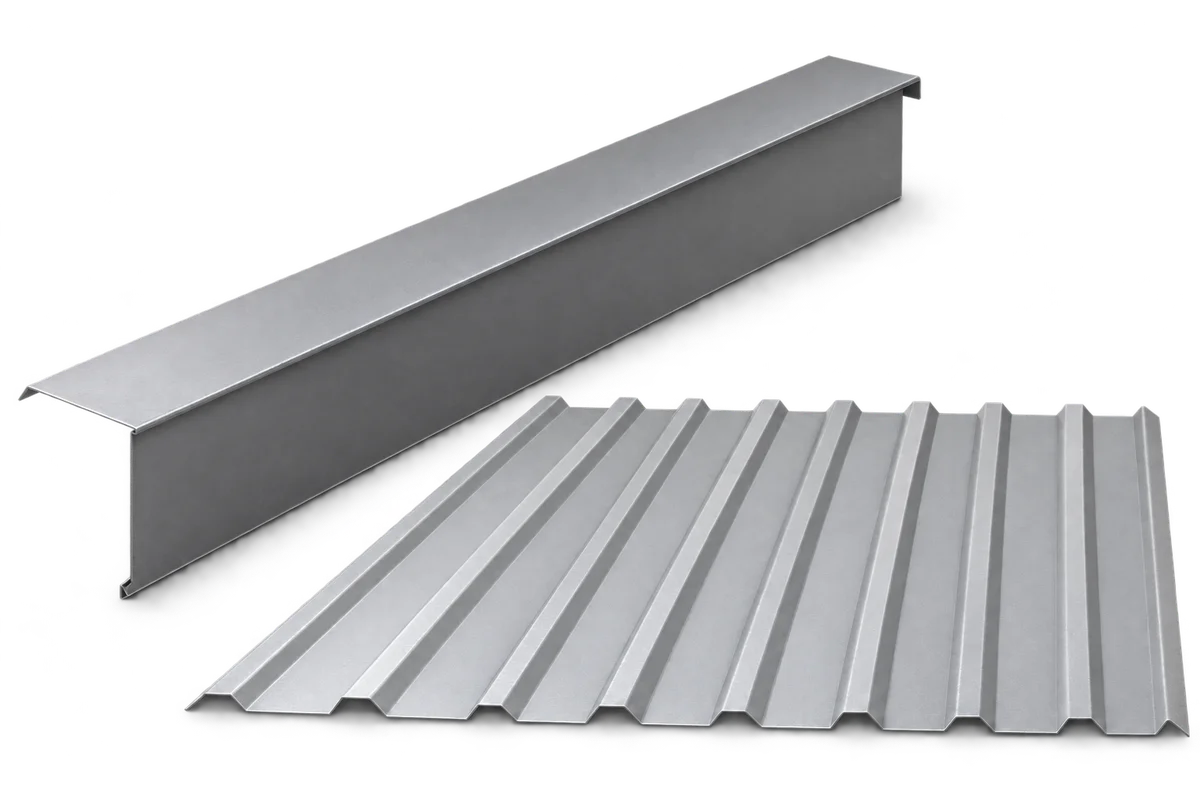
Verge flashing protects the gable edge of a roof and helps keep wind-driven rain from getting under the covering. Its effectiveness depends…
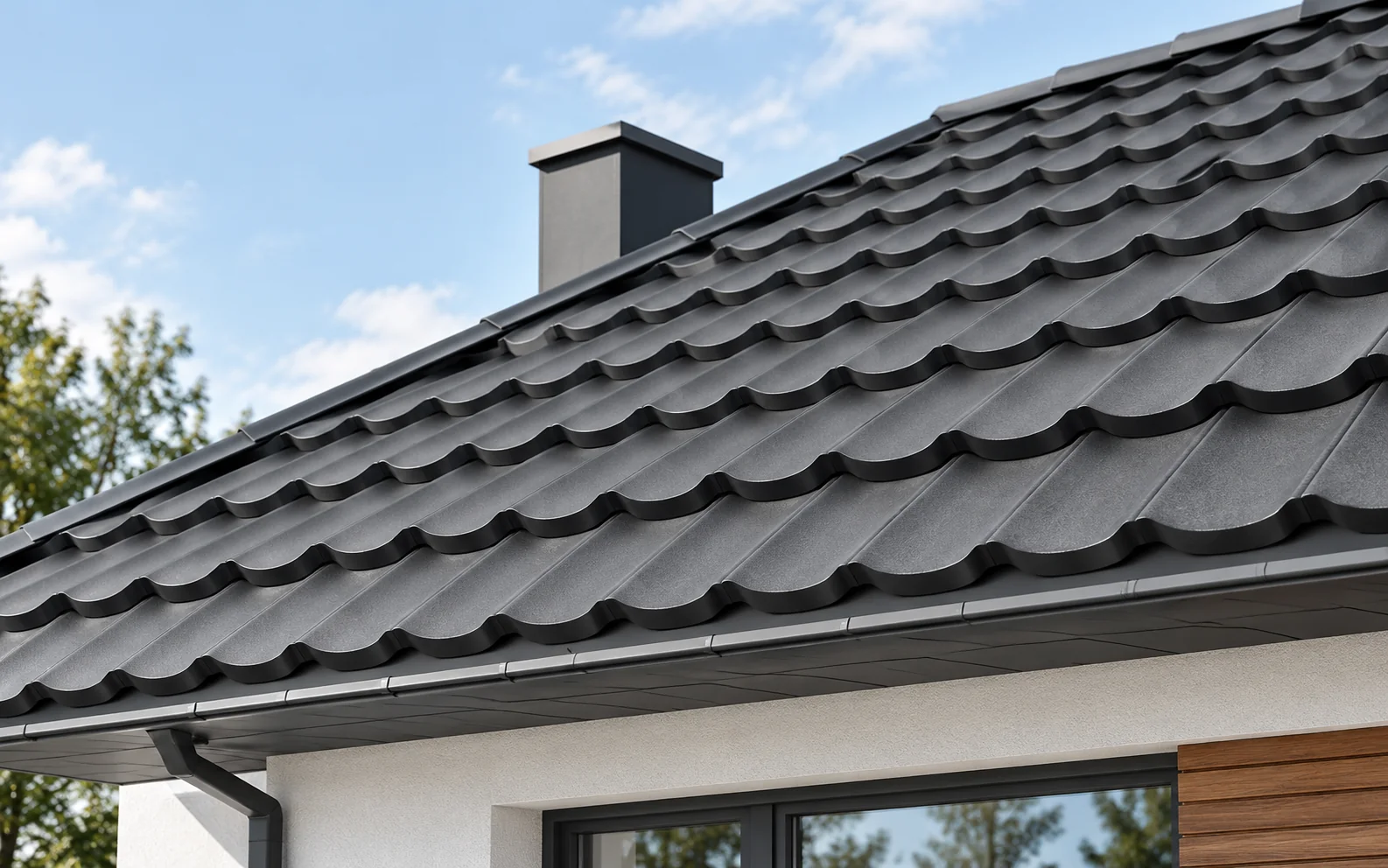
Safe access to the roof and movement on it require planned access, fall protection and verification of the load-bearing capacity of the…
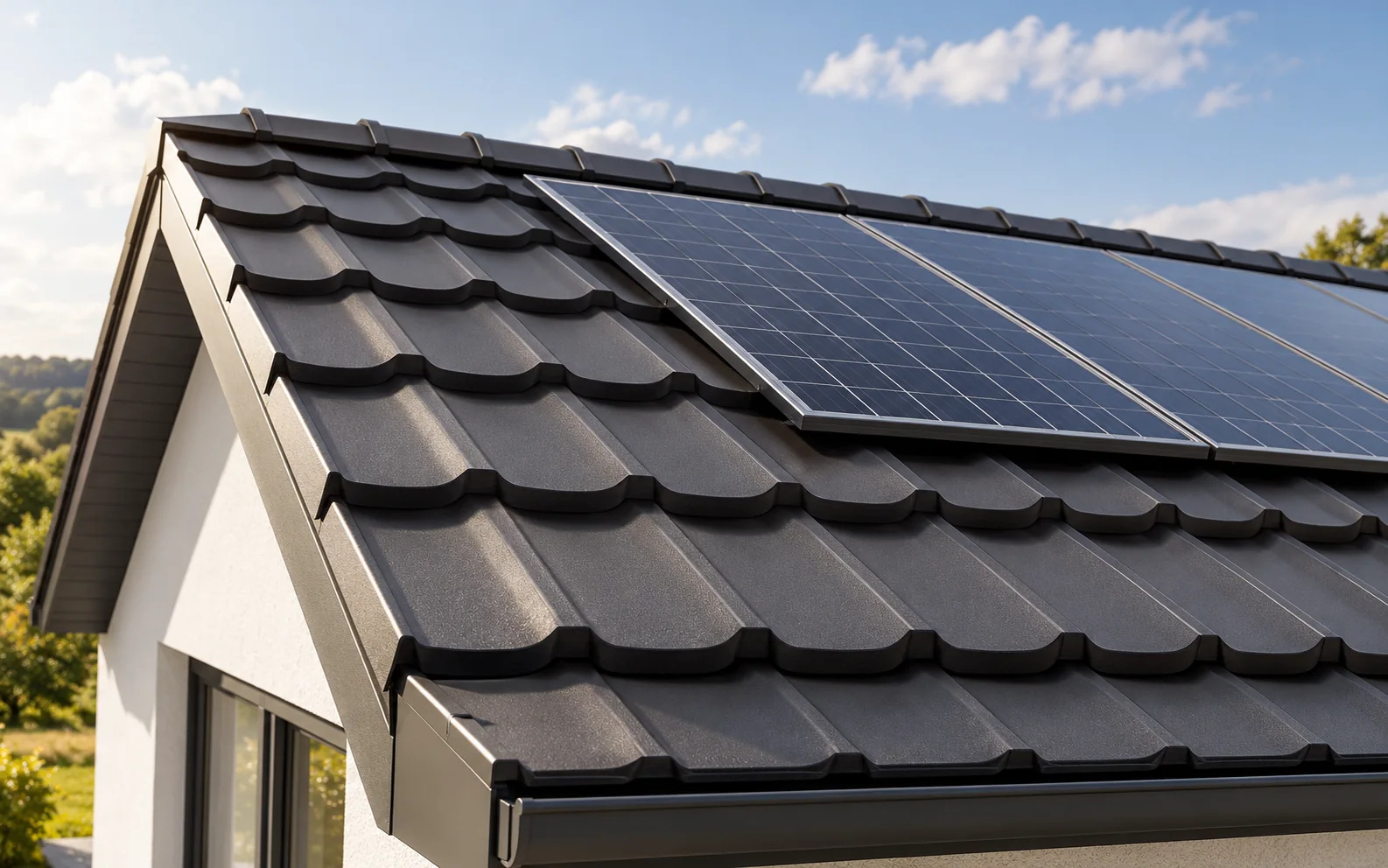
Photovoltaic panels on an existing metal roof require fixings that have been verified for exactly the sheet or sandwich panel installed on…
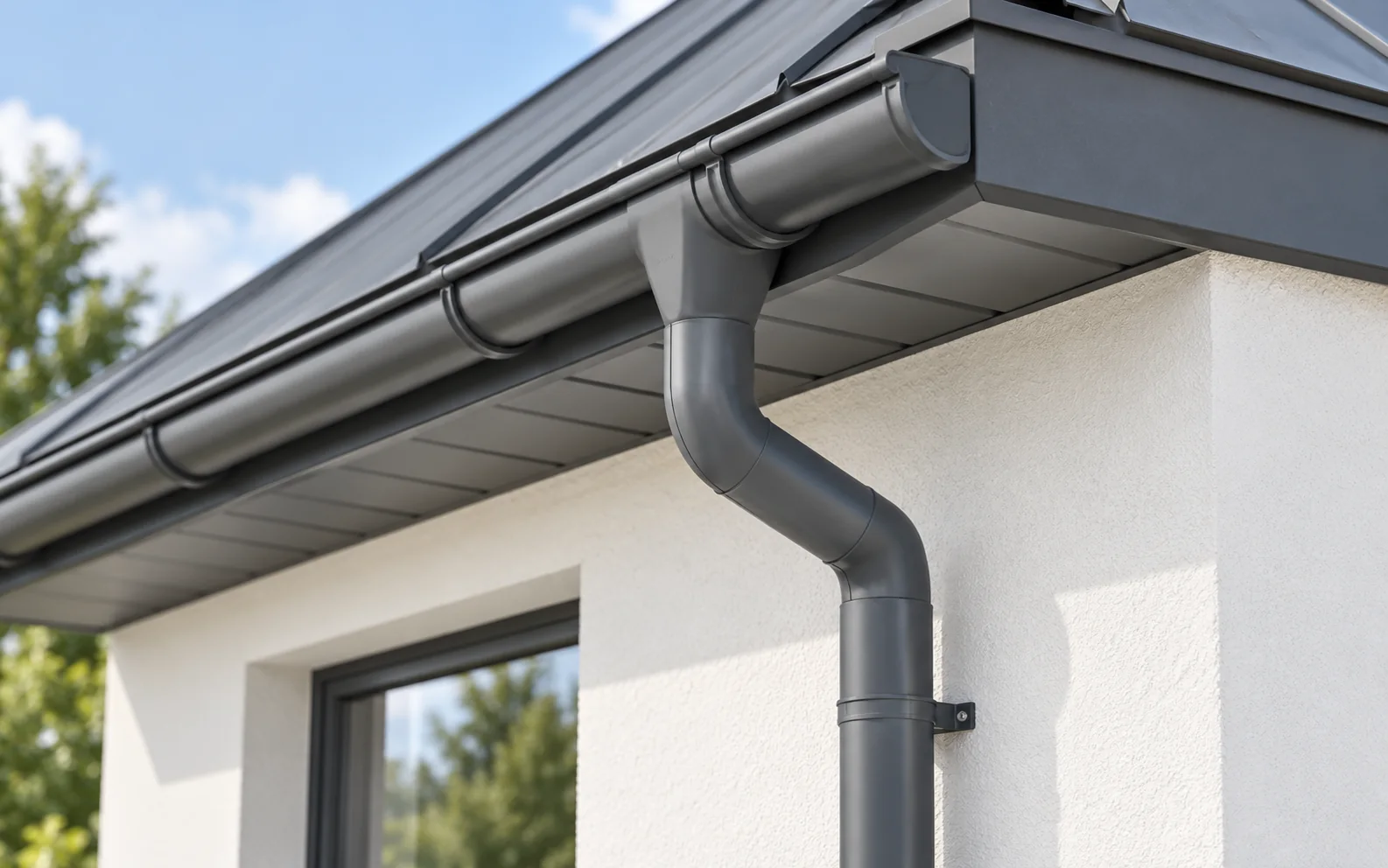
Gutters are selected primarily on the basis of the volume of water coming off the roof and the options for draining it…