

Roof and energy
How your daily electricity use affects the choice of a solar roof
The roof produces energy when light reaches it. The home also needs energy in the evening and in winter. That is why an annual bill is not enough to size an installation. You need to check the hours when appliances operate and what can be changed without losing comfort. An integrated covering makes it possible to plan the capacity together with the building. The best result, however, requires matching that capacity to the true rhythm of the residents’ lives. The total in kilowatt-hours describes the scale of demand. It does not say, however, whether you use most energy at sunny midday or after returning from work. Two homes with similar bills can have completely different self-consumption.
In this article
What does the annual bill show, and what is not visible?
This is the share of generation that appliances use directly on site.
If you have access to hourly or shorter meter readings, use them in the analysis. A comparison of weekdays, weekends and different seasons is helpful. For a new home, an estimate will be needed. It should be based on the planned appliances and the way they are used, not on the living area alone.
Which appliances work well with daytime generation?
Some appliances can be run when the roof is generating more energy. This applies, for example, to a dishwasher or hot water preparation, if the installation allows such control. However, operation should not be shifted at the expense of safety or the conditions required by the equipment manufacturer. The residents’ comfort is also part of a good design.
Other appliances operate regardless of the weather. A refrigerator, ventilation or a home office create a daytime load, but its size must be measured. The mere fact that someone is at home does not immediately justify a large installation. What counts in the analysis is the appliances’ consumption and their operating time, not the number of people shown on the house plan.
Why does the season change the result?
In summer the day is long, and generation is usually greater than on short winter days. Meanwhile, electric heating can increase demand precisely in the cold months. An annual match of the two totals does not mean that the heating is powered exclusively by your own energy. Surpluses and shortfalls occur at different times.
The same applies to a seasonally used home. If the residents leave for the whole summer, part of the potential generation will not go directly to appliances. In that case you need to calculate the value of the surpluses and check how they are settled. There is no reason to pretend there will be daily self-consumption that in reality will not occur.
Does a larger active area always help?
More modules increase potential generation, but they do not necessarily increase savings proportionally. The additional energy may fall in hours when the building no longer has anywhere to use it. You then need to take into account export to the grid, any limits and the settlement conditions. These elements belong to the economic design.
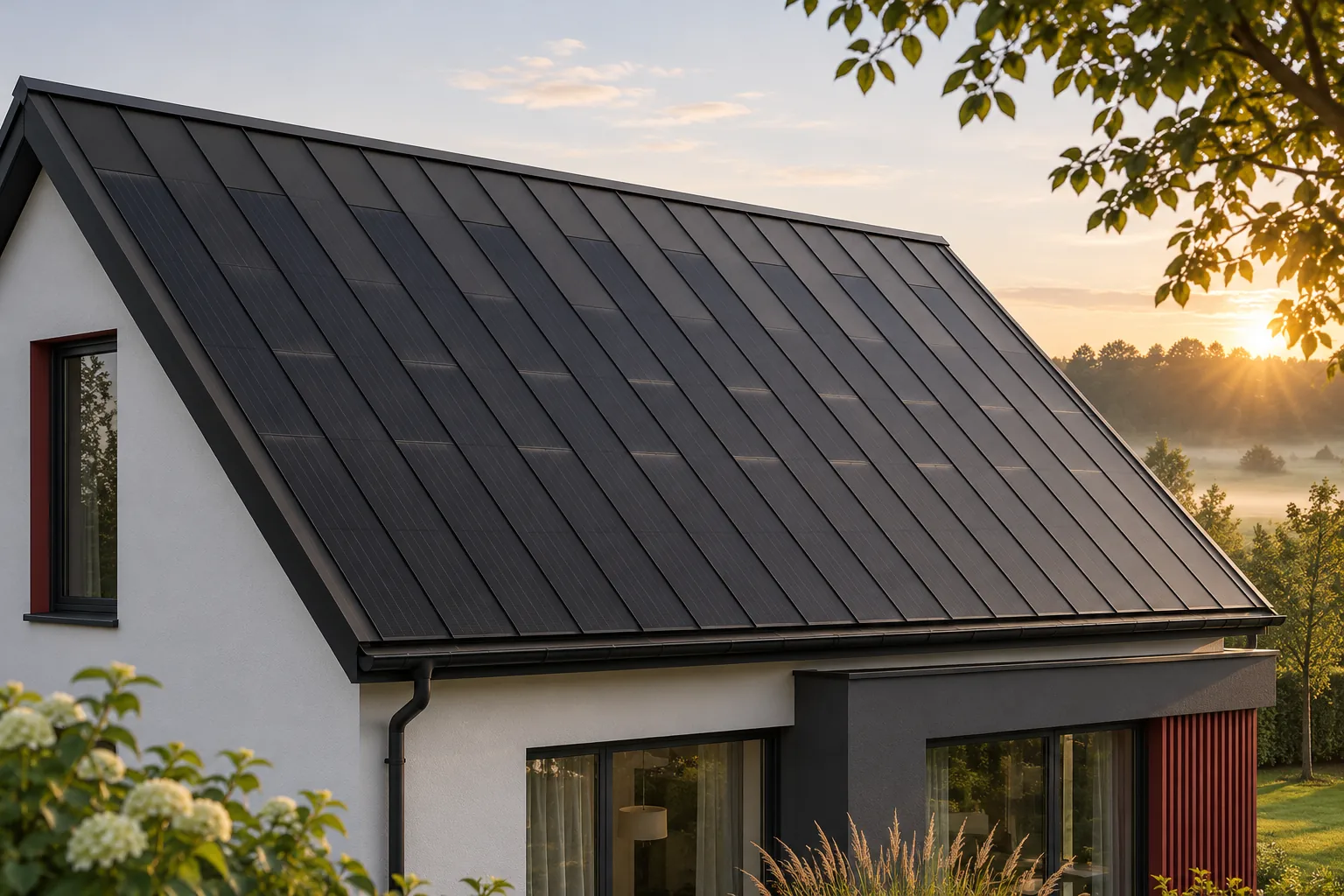
The advantage of an integrated roof is the ability to use the passive part where additional capacity is not needed. In a system of steel panels, active and inactive sections can form a coherent layout. A well-planned roof does not need cells on every metre. It can meet energy needs while maintaining a uniform composition.
When should you consider control or energy storage?
First check whether energy can be used better through a simple change in the appliances’ schedule. The next step is automation that responds to the available surplus. It should work with the actual capabilities of the appliances. Not every appliance can switch on any number of times or change its power immediately.
Storage can shift part of the energy from the day to later hours. However, it has losses, limited capacity and its own cost. It does not simply even out the difference between summer and winter. The quote should show the result of the installation without storage and with storage separately. This makes it clear what benefit a specific addition brings.
How do you translate everyday habits into a roof design?
Prepare a list of permanent appliances and planned changes. Note operating hours, seasonality and controllability. Include the consumption profile from the meter, if available. The designer can then compare the demand profile with the generation forecast for the given roof slope. That is considerably more than sizing capacity to an annual bill.
It is worth checking the sizing in several scenarios. One can describe the current home, another a future car or a change of heating. There is no need to buy everything in advance straight away. It is better to establish what the roof is to handle today and what expansion options the system really provides. Then your own electricity becomes part of the home plan, rather than an end in itself.
Among the manufacturers and brands of photovoltaic roofs are Terrán, MDM NT (MyRoof), Wienerberger Wevolt, GAF Energy, ML System, SunRoof, Solartag, Dyaqua, SolRoof and Electrotile.
7 branches. Materials closer to your project.

- SEROCK — Dzierżenin 34 E
- BŁONIE — ul. Sochaczewska 138A
- RADOM — ul. Grobickiego 8
- ŁÓDŹ — Natolin 8
- OLSZTYN — Barczewo, ul. Prosta 9
- WROCŁAW — ul. Jerzmanowska 10C
- GORZÓW WLKP. — ul. Zielona 33/34
Free quote
Materials for your project

You may also find useful…
For MG, a change of thickness from 100 to 120 mm is being considered. This also means moving into a different lambda…
The purchase price does not reflect the full cost of using a fence. Washing, minor repairs, replacement of components and the time…
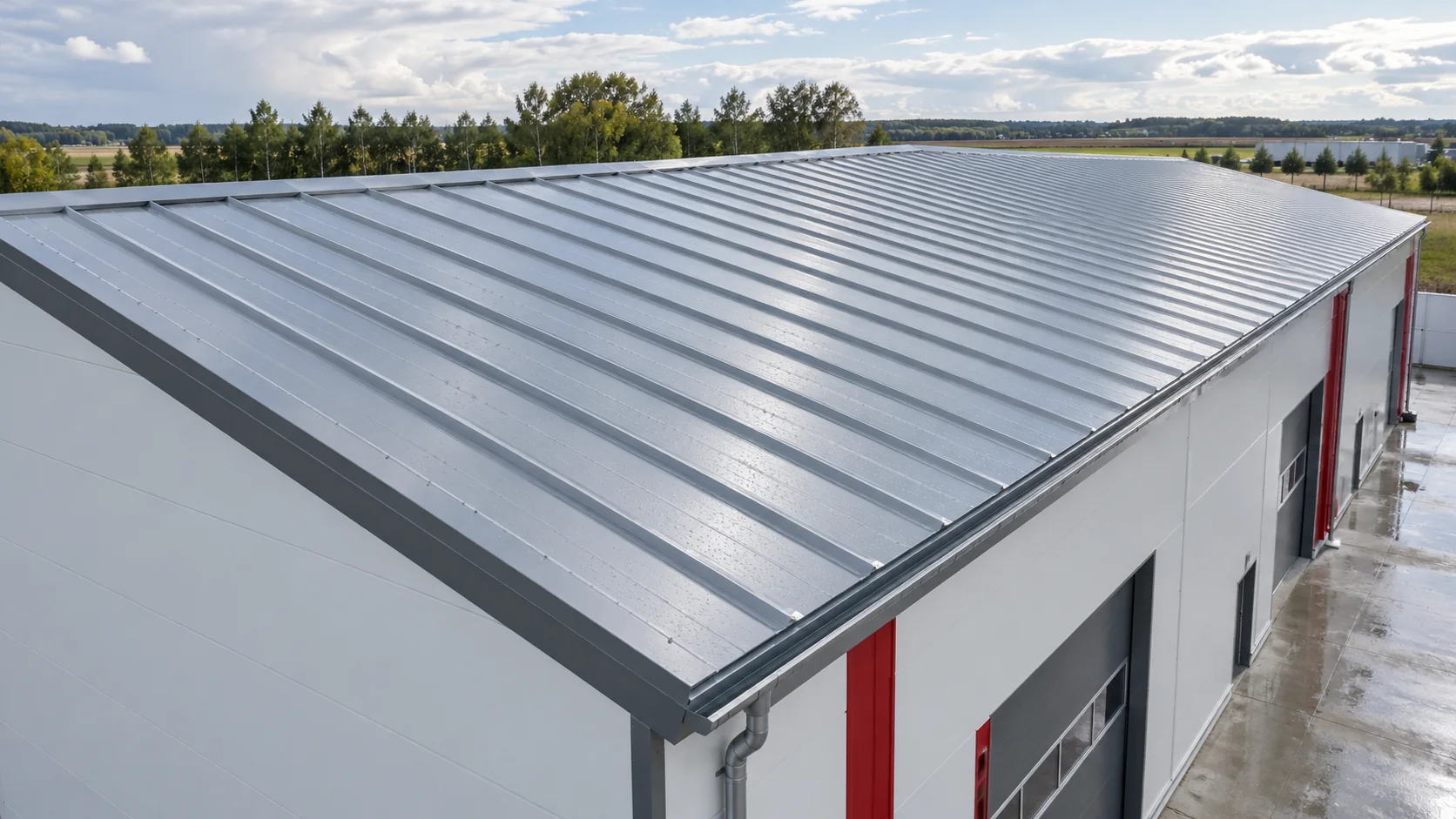
A sandwich panel roof budget should cover everything needed to make the roof weathertight and drain rainwater. Check whether the quotation includes…
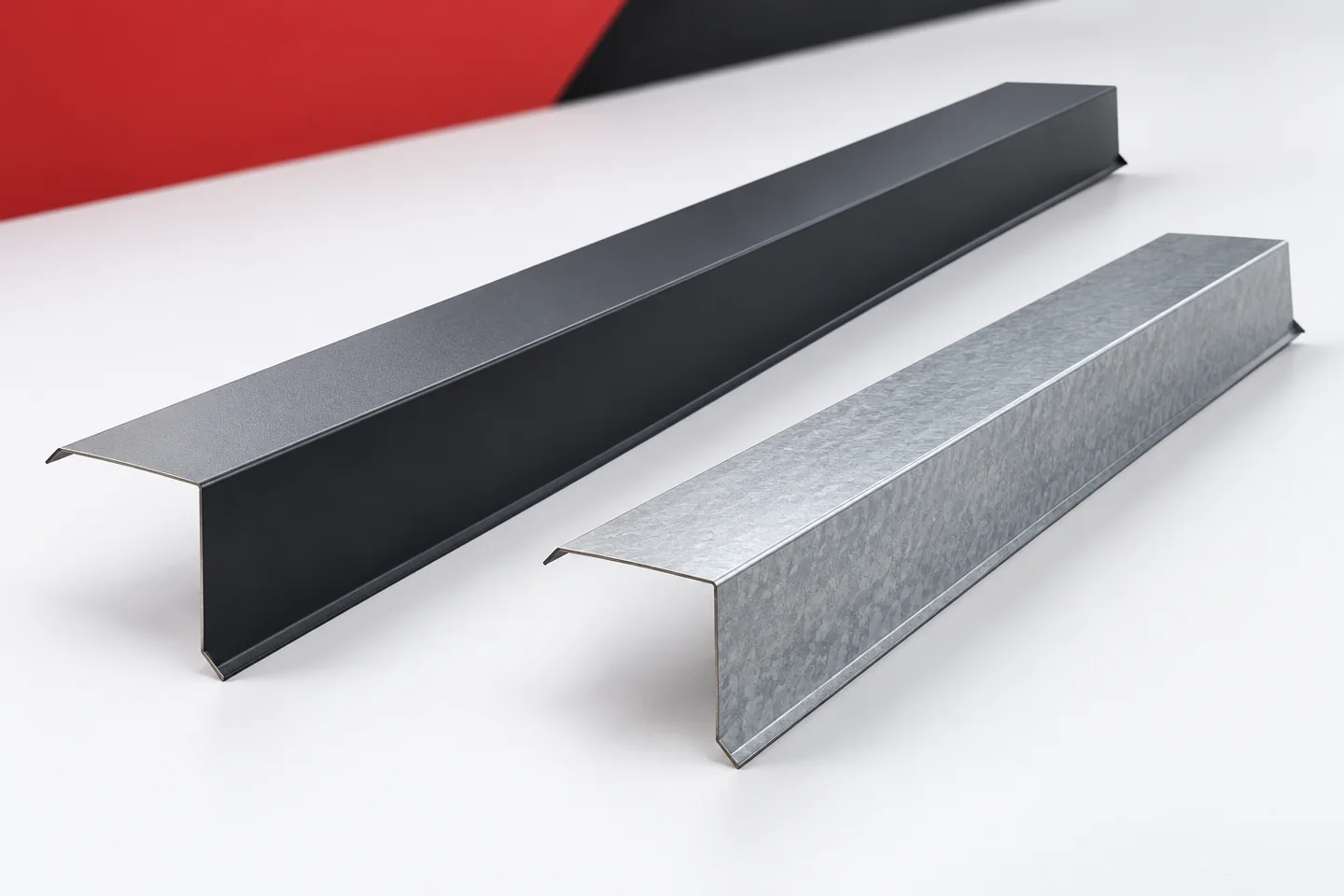
Receiving flashings requires more than counting packages. Shapes, lengths, material and surface condition must be checked. A mistake noticed before installation is…
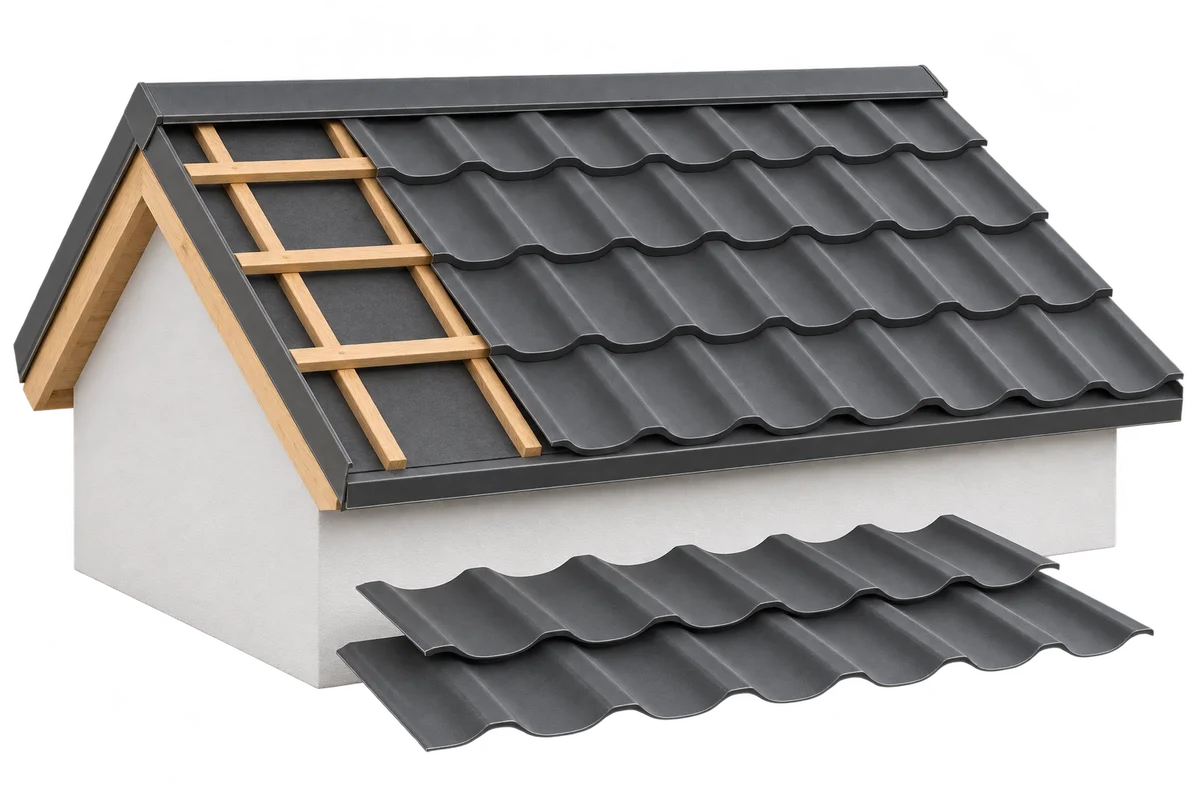
Roof construction starts with accurate measurements and a design that specifies the geometry, supports, loads and sequence of layers. Each stage prepares…
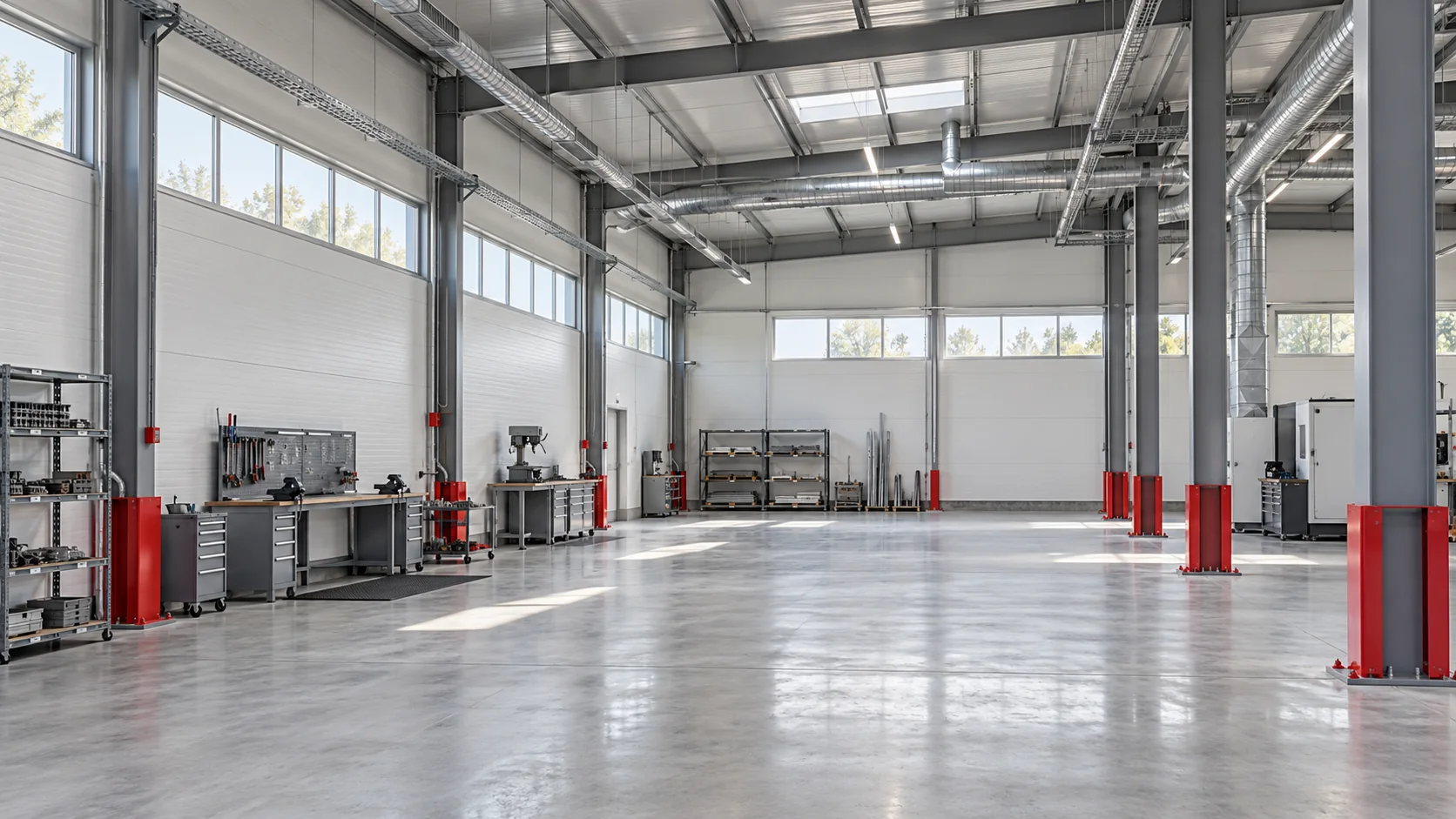
The cost of an industrial building includes the work needed to run the business inside it. Alongside the frame and cladding, allow…
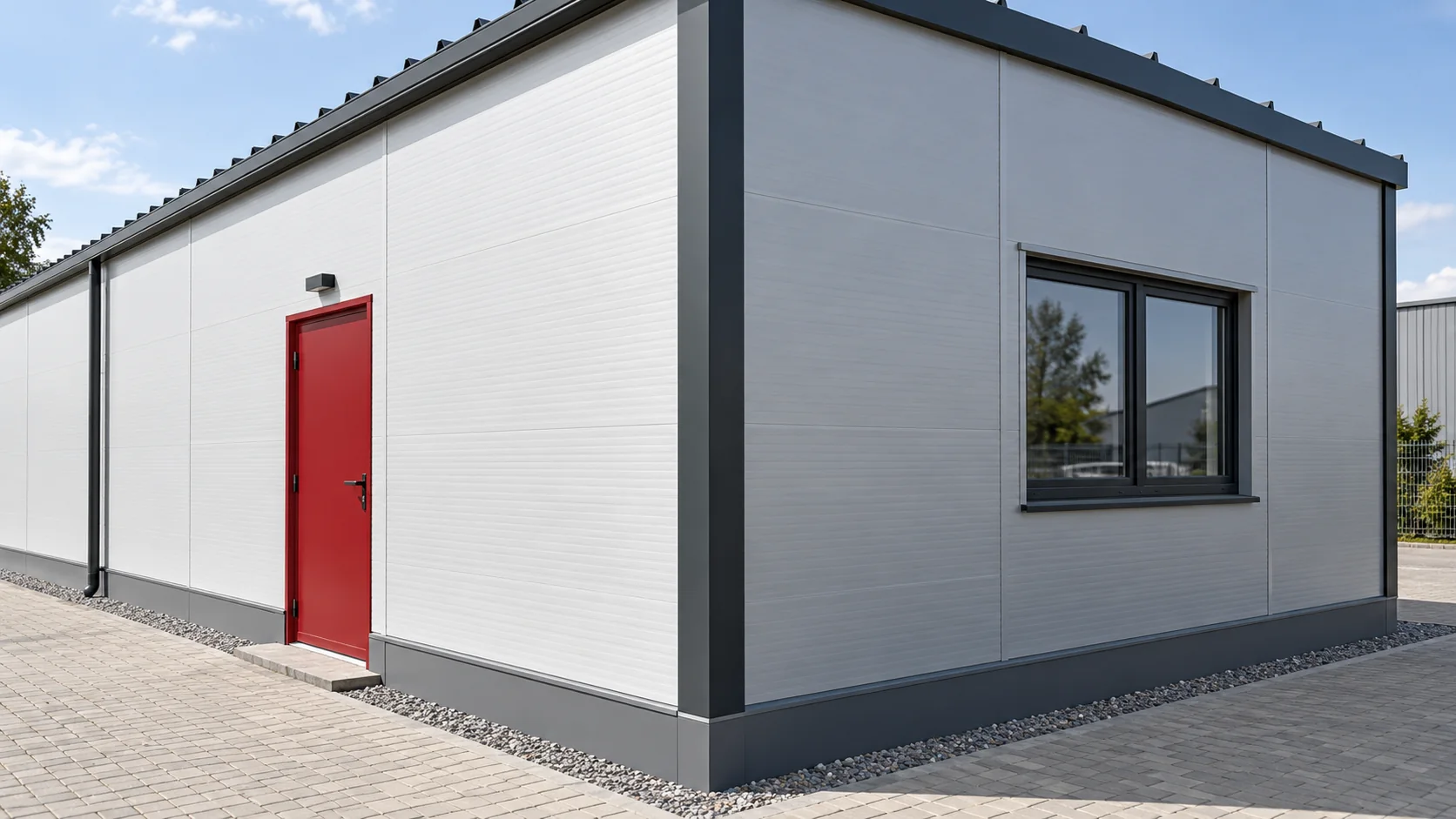
A sandwich panel can have three different costs per square metre. You can price the material at the warehouse, the usable area…
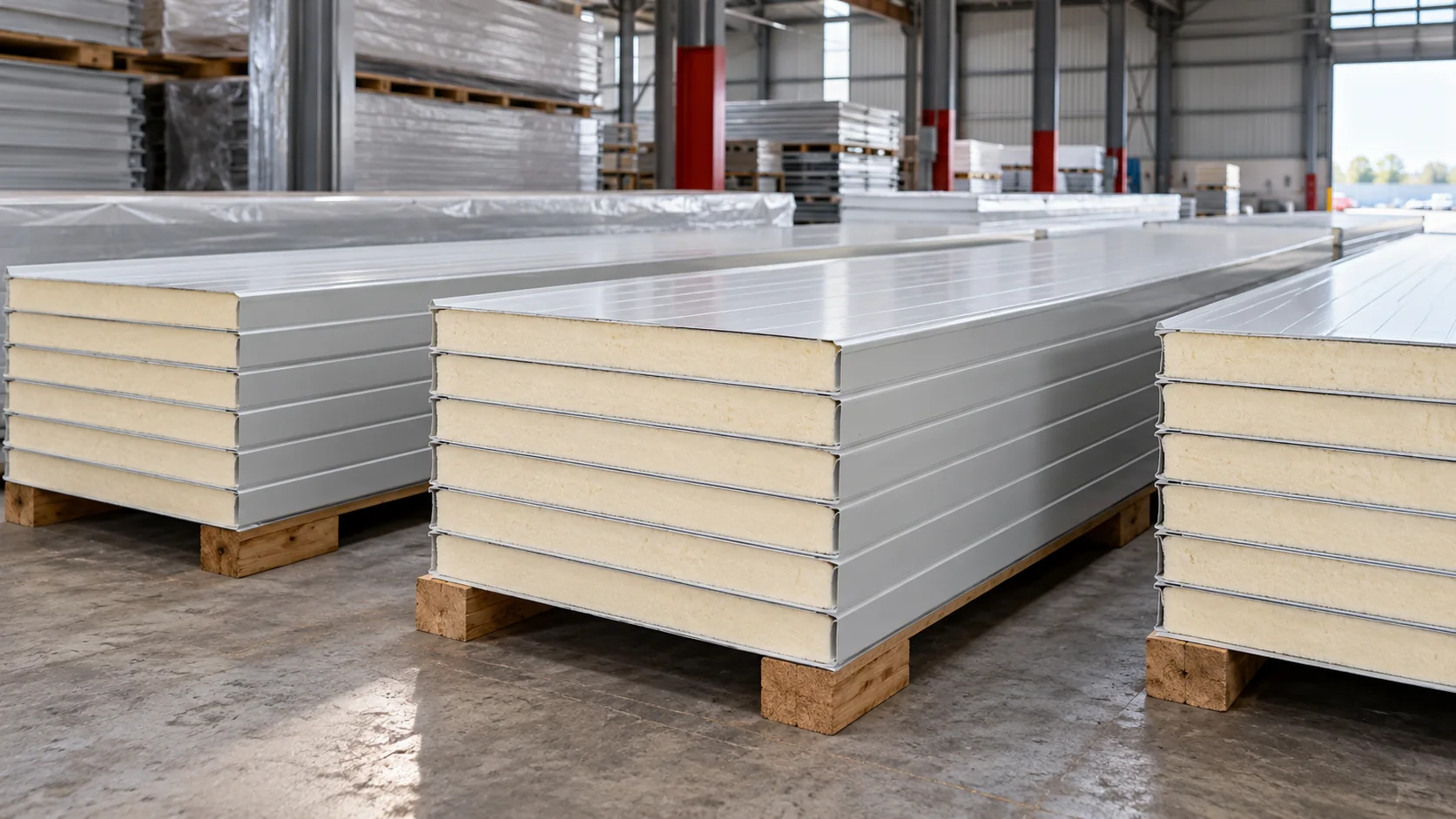
Start with the area the panels will actually cover, not the price in a stockist’s advert. Panel lengths, waste, batch condition and…