

Mineral wool sandwich panels
Why does water appear on a sandwich panel wall?
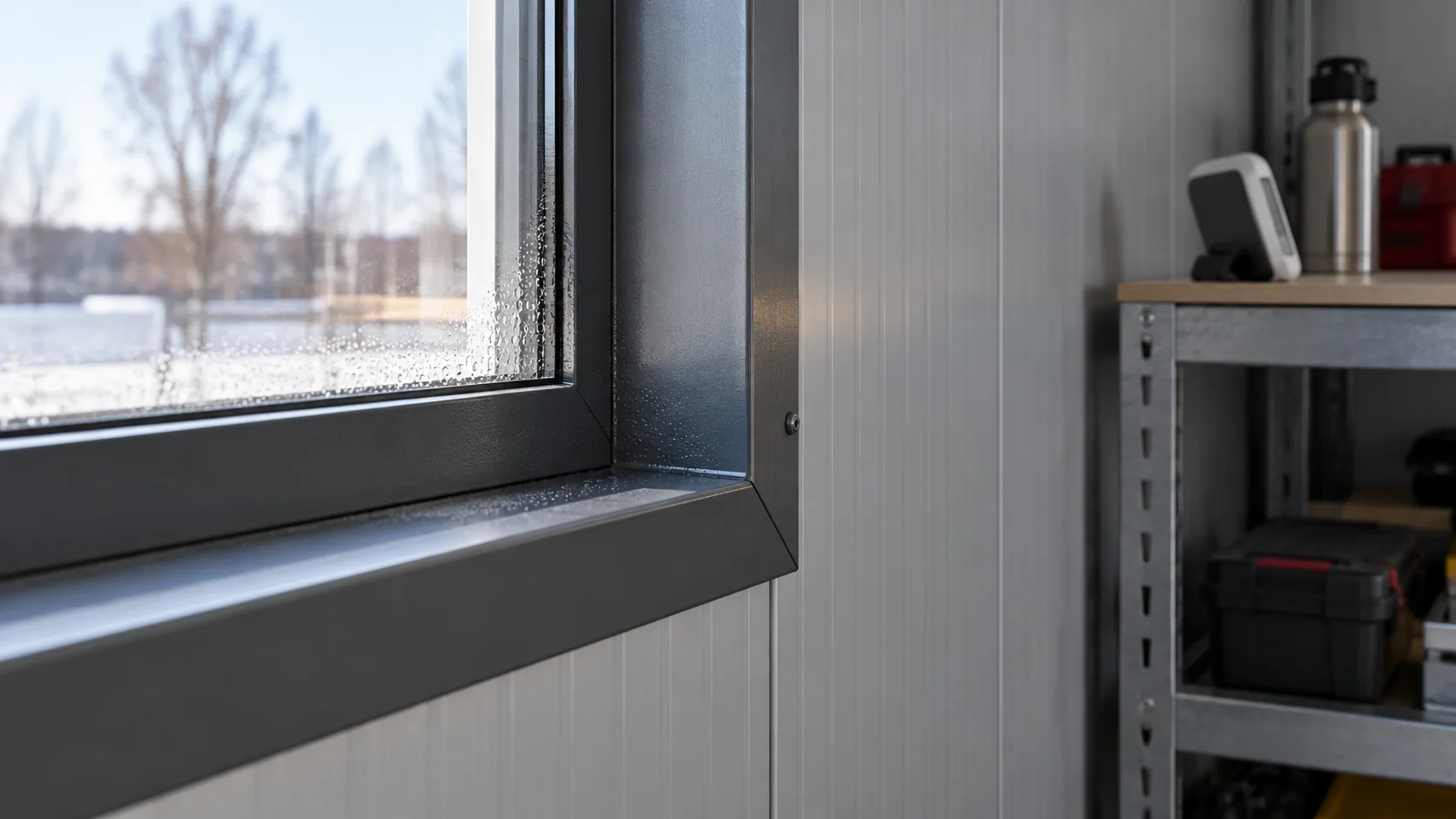
Droplets on the inner facing do not necessarily point to a leak or a defective core. Water vapour condenses when the surface is cold enough for the humidity of the surrounding air. Excess moisture, a local thermal bridge or a leaky joint can all contribute. Start by recording where and when water appears. Take photographs in the morning, during work and after closing. Note the weather, heating times and any processes that release steam. Water appearing after driving rain from one direction calls for different checks from droplets on a dry, frosty morning. Both problems can occur together.
In this article
Record when the droplets appear
Look at the shape of the mark. A damp patch recurring at a reveal or the base of a wall can indicate a cold junction. A narrow streak beneath a flashing suggests checking its seal. These are clues, not a diagnosis: water can run along structural members and emerge elsewhere.
Indoor air conditions determine the dew point
The more water vapour the air contains, the higher the temperature at which condensation begins. For example, at an air temperature of 20°C and 60% relative humidity, the dew point is about 12°C. Droplets can form on a surface that cools below that temperature. This is a worked example, not a universal threshold.
Measure humidity in a representative location away from supply air jets and wet flooring. A single midday reading may miss a morning problem. Logging temperature and humidity for several days can reveal a connection with working hours or ventilation operation.
Continuous steel sheets do not seal the entire wall
Steel facings offer very high resistance to water vapour diffusion, but the wall also has joints, ends and service penetrations. Continuity depends on how those details are sealed. Humid air can enter a cold part of the wall through a gap even when the steel sheet is intact.
Do not fit a vapour control layer on the inside as a matter of course. Assess what the extra layer would do to the complete assembly, especially during refurbishment: it could impede drying or hide a leak. Choose the seal to suit the panel system, its junction detail and the heat and moisture conditions.
Distinguish process moisture from construction moisture
New floors and other wet trades can release moisture after handover. The first few weeks may therefore be unrepresentative of normal use. Conversely, a new production process can raise humidity years later. Include such changes in your log so that a sound wall is not repaired unnecessarily when vapour generation has simply increased. Assess ventilation against the actual moisture source, not just the room’s original purpose.

Trace cold spots and air paths
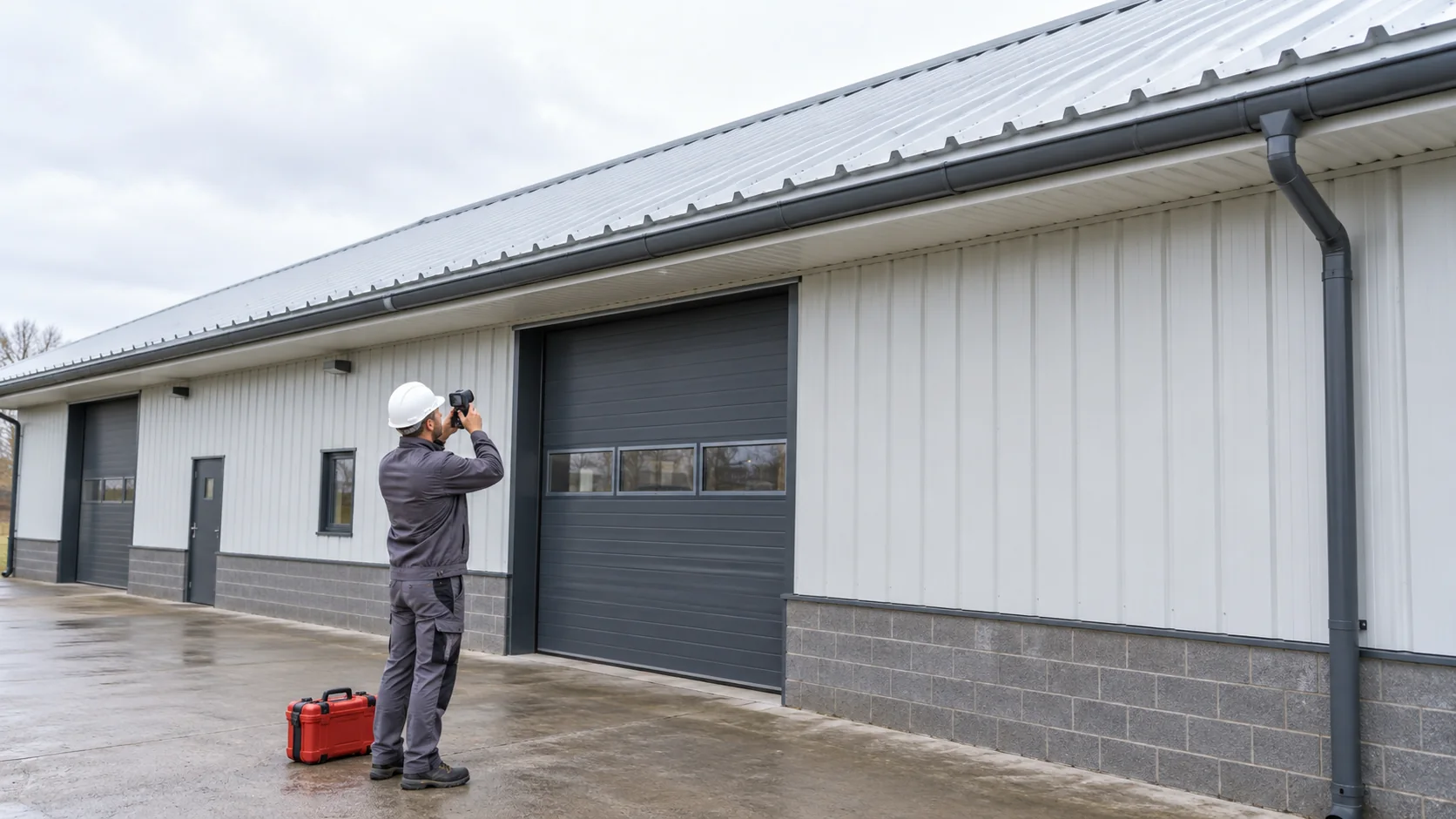
Inspect the wall base, reveals, corners and roof junction separately. A gap in the insulation or seal can lower the temperature of the inner surface locally. Thermal imaging under suitable conditions can help, provided the image is interpreted alongside inspection findings and measurements.
A darker area in a thermal image does not by itself prove that the core is wet. Temperatures, radiation and surface properties all influence the reading. Suspected moisture inside the panel calls for a targeted assessment. Covering a mark with a trim strip leaves the cause in place.
Control moisture at its source
Floor washing, product drying, wet vehicles and production processes can add considerable moisture to the air. Check whether ventilation operates both during and after these activities. Raising the air temperature alone may temporarily change relative humidity but does not remove water from the air.
In an intermittently heated building, cold surfaces warm up more slowly than the air. A sudden influx of warm, humid air can increase condensation on them. Match heating and ventilation times to working hours instead of waiting until the wall gets wet.
Address the cause and check the result
After sealing a junction or changing the ventilation, repeat your observations under similar conditions. Look for corrosion around fasteners and check the coating and materials in contact with the wall. If the core has become wet, assess separately whether the panel can remain in service. A dry facing is no guarantee of a dry core.
Record the repair location, materials and date so that the detail can be checked again after another season. Lasting results usually require both a well-executed junction and suitable indoor conditions. A thicker panel will not fix a leaking penetration or a ventilation fault.
Questions and answers
Does condensation mean the panel is poorly insulated?
Not necessarily. Even a well-insulated wall can have a locally cold detail or be exposed to excessive indoor humidity. Check the room conditions and the precise location of the water.
Is it enough to seal the visible gap from the inside?
That depends on the cause and the junction design. Closing a gap without tracing the moisture path can trap water inside the assembly. First establish how moisture gets in, then reinstate the seals in their intended arrangement.
7 branches. Materials closer to your project.

Free quote
Materials for your project
You may also find useful…
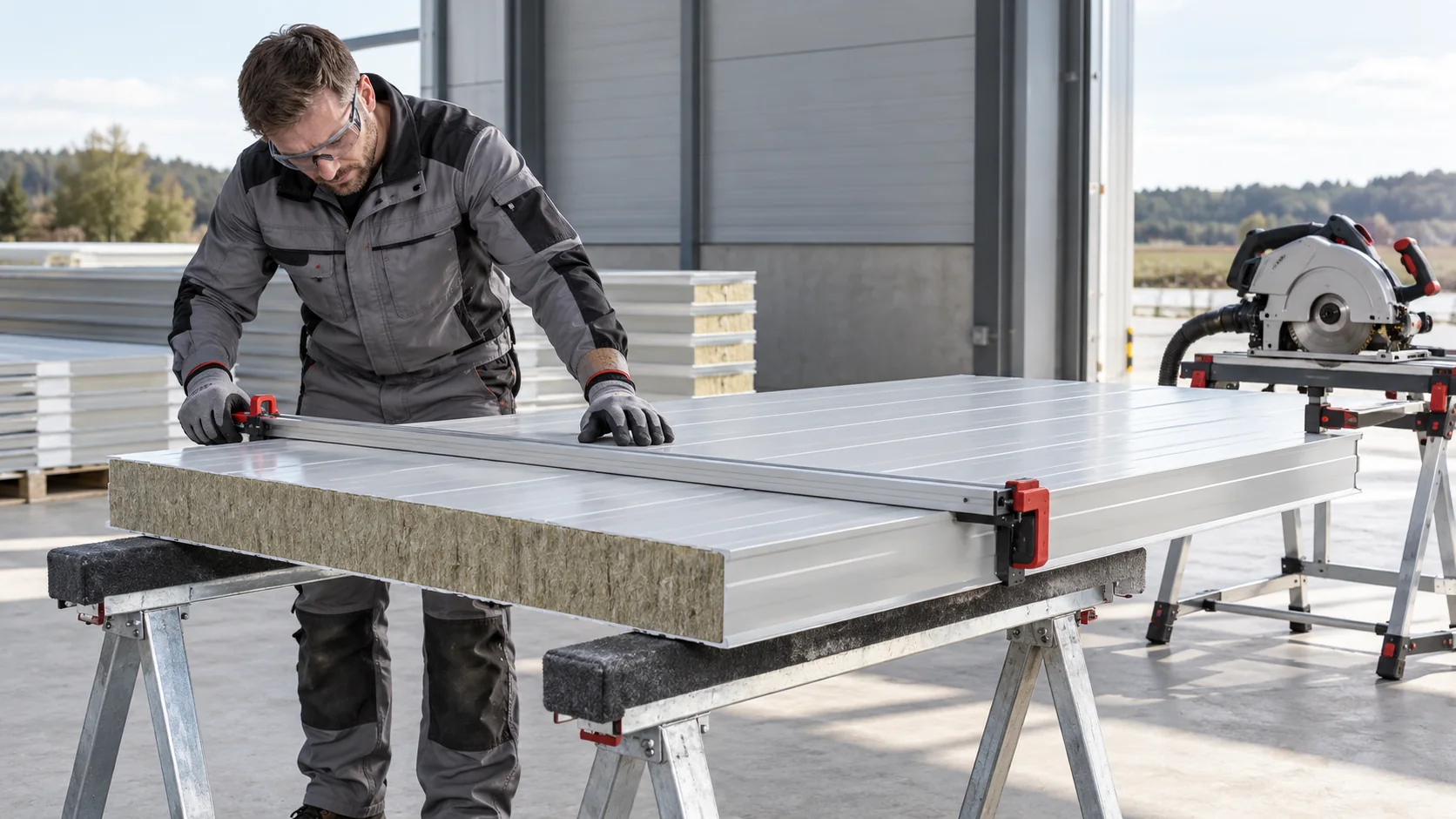
When cutting a sandwich panel, protect the coating, keep both facings bonded to the core and leave room to seal the exposed…
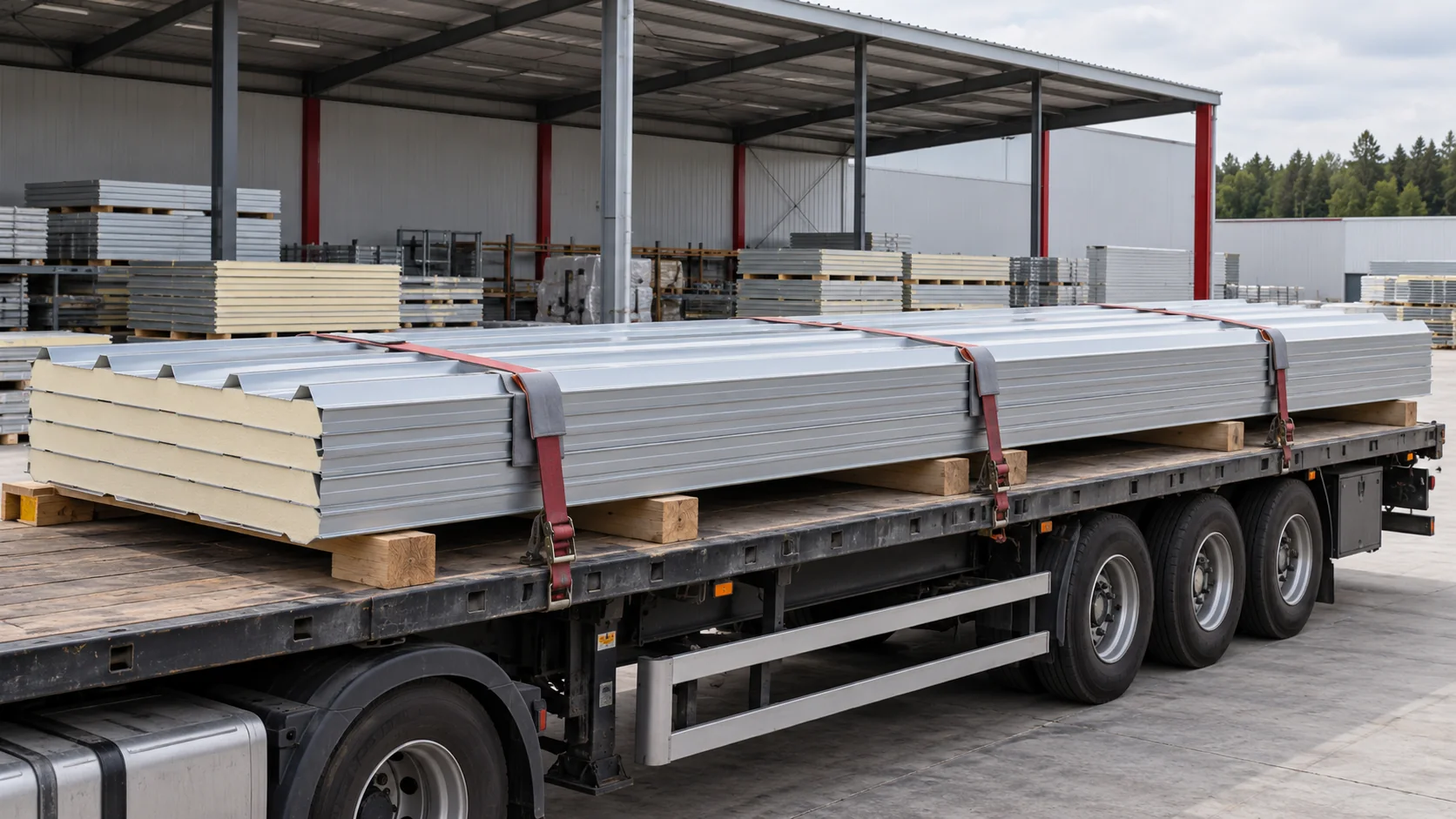
Stock lengths for sandwich roof panels vary from one depot to another and change with deliveries and reservations. Ask for the exact…
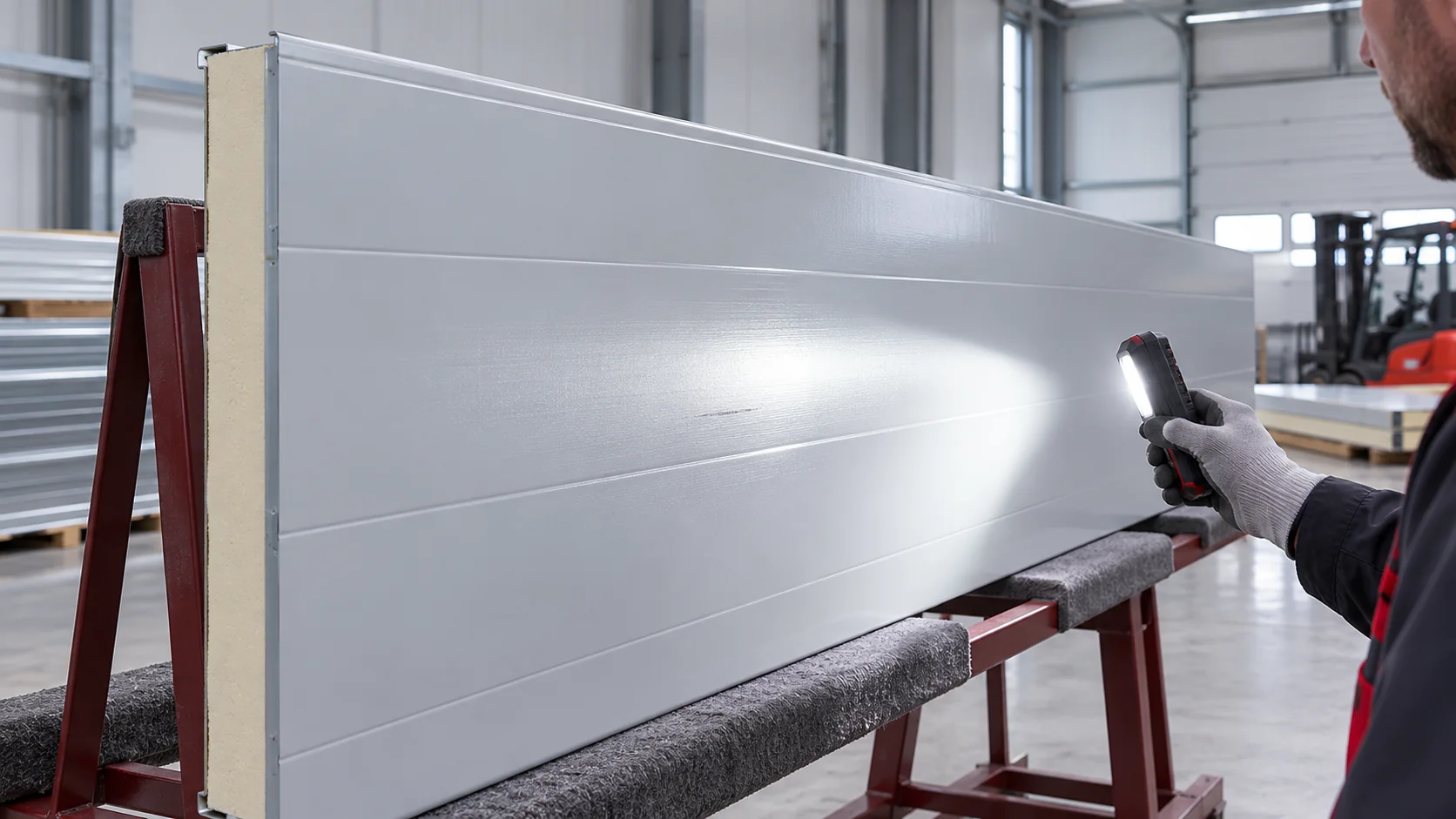
Start with the building specification when comparing first-grade sandwich panels with clearance stock. On a prominent façade, a consistent finish may be…
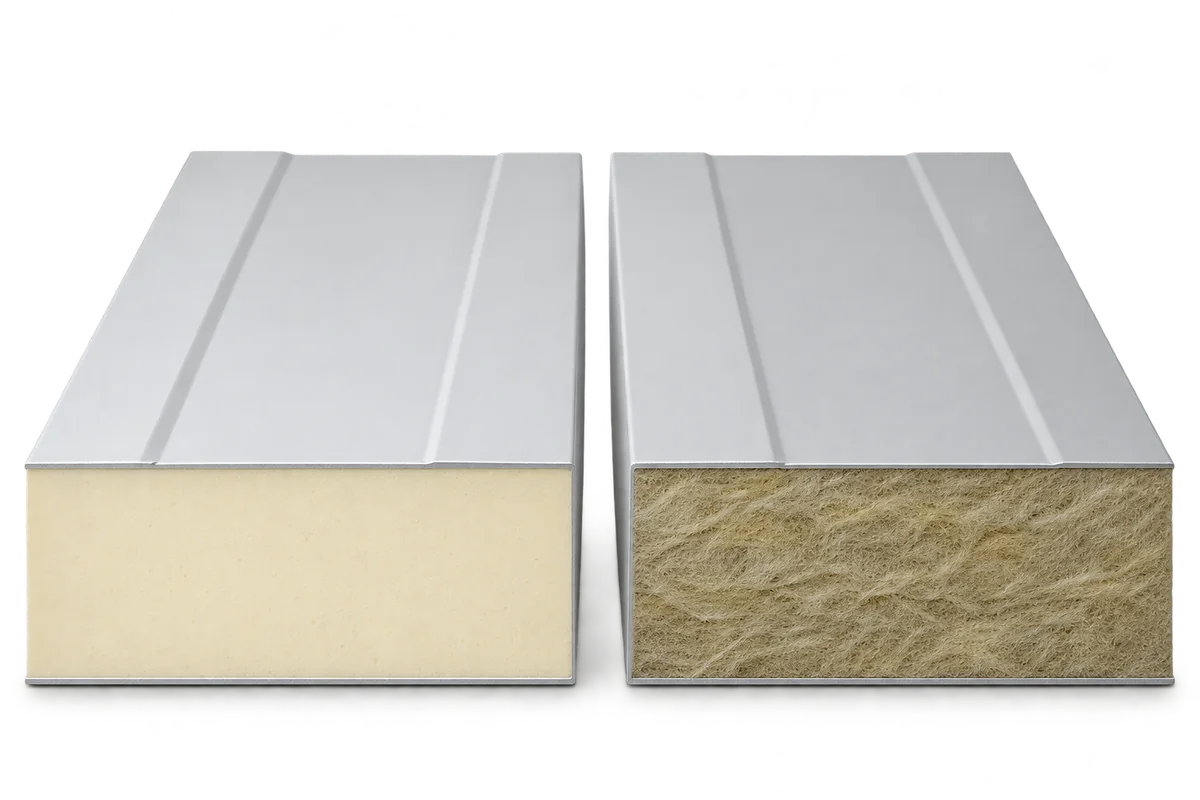
R, E and I describe different functions of a building element during fire exposure: load-bearing capacity, integrity and insulation. The accompanying number…
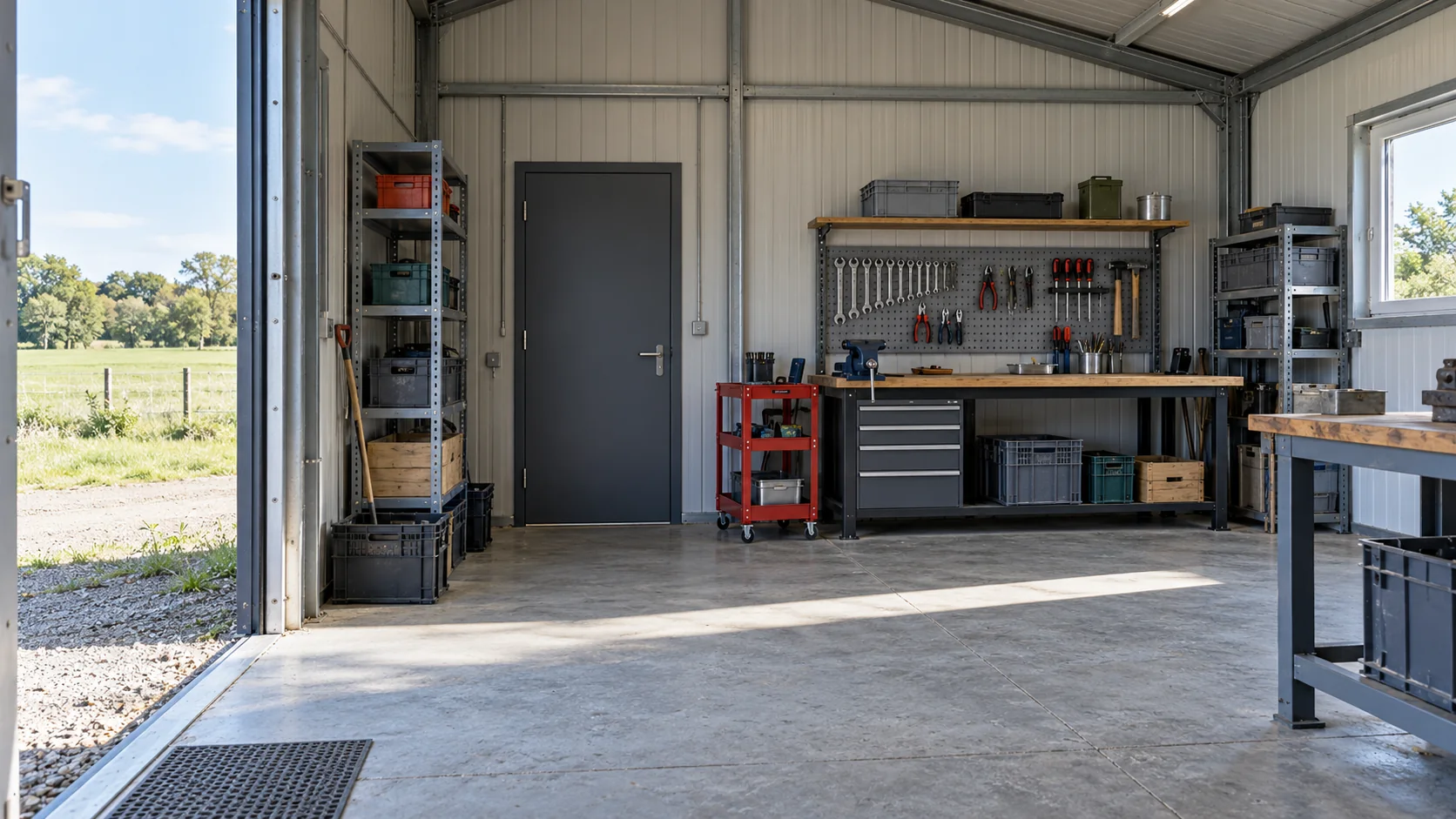
The Polish term ‘płyta obornicka’ is a common name for a sandwich panel. A typical panel has two steel facings bonded to…
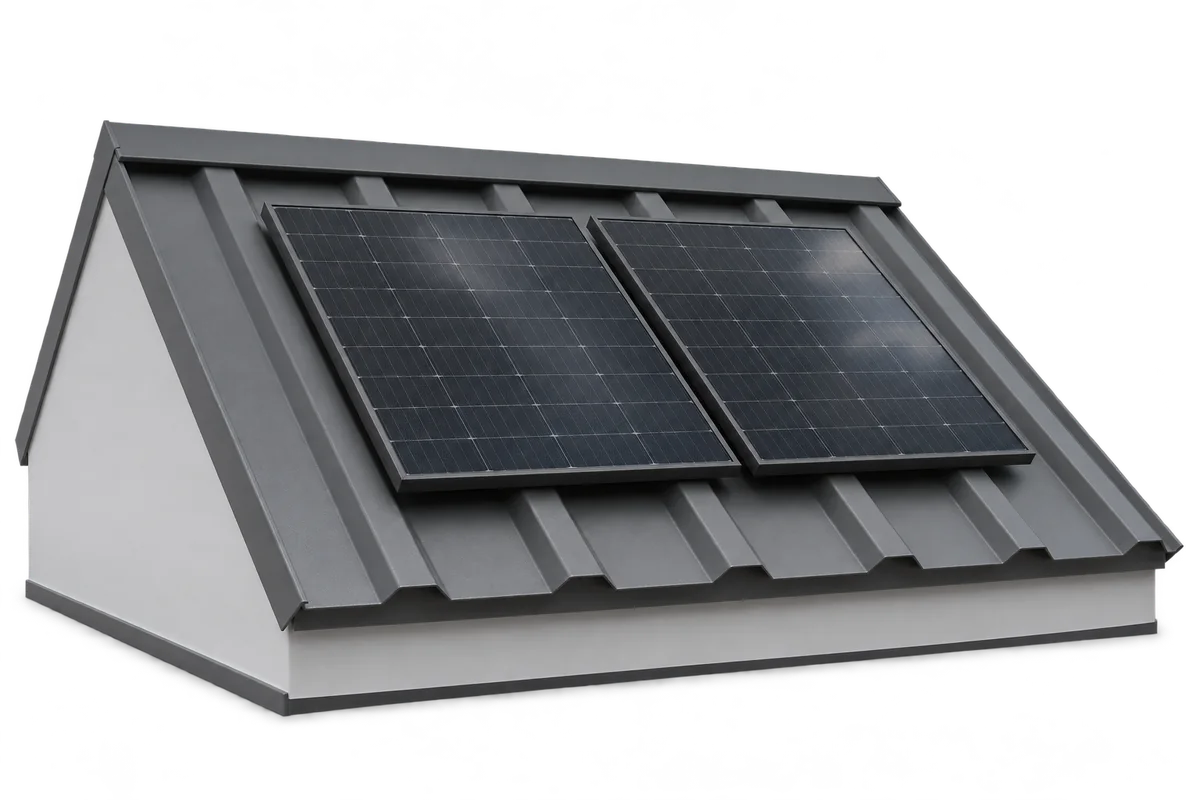
Mounting photovoltaics on tile-effect metal, trapezoidal sheet or sandwich panels requires clear responsibilities for both roof and installation. A rail that fits…
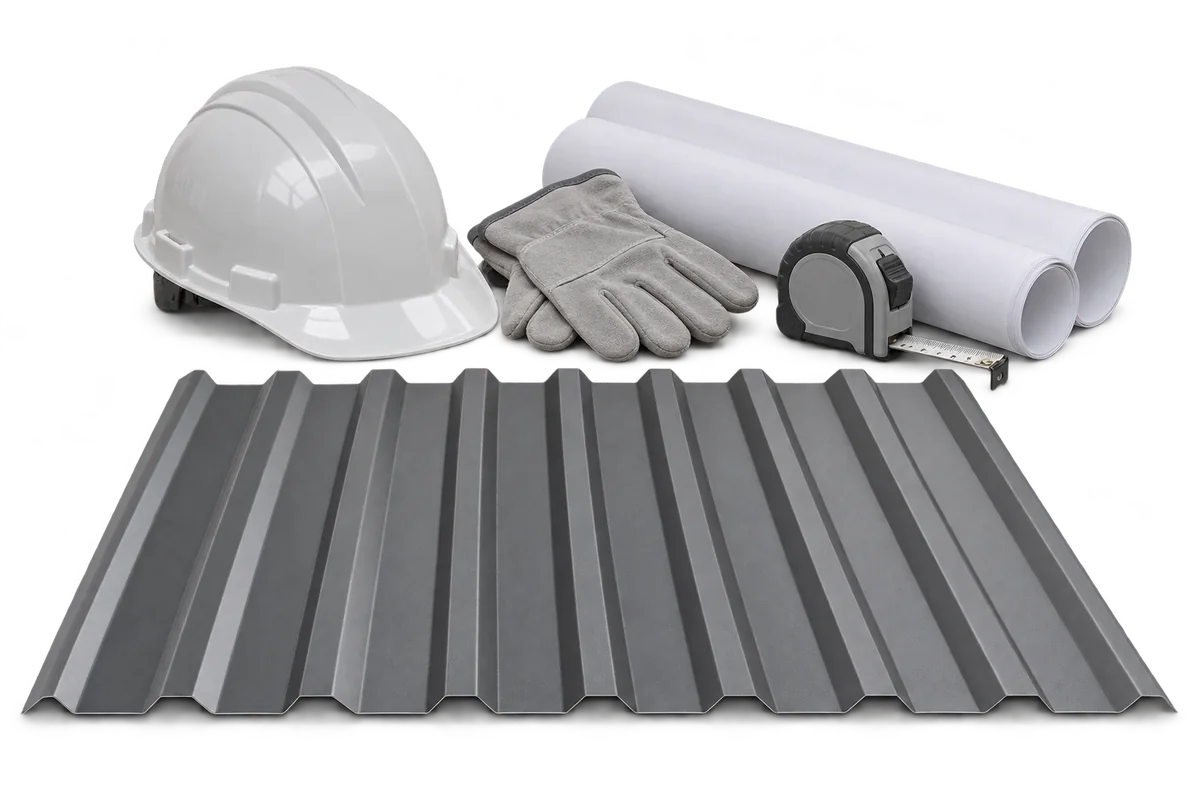
Choosing a building crew starts with comparable quotations. The same total may cover labour alone or include scaffolding, unloading and weather protection.…
An existing sandwich panel roof may be suitable for additional insulation when a cold store is converted into a heated workshop or…