

Mineral wool sandwich panels
Mineral wool sandwich panels: what strengths and limitations become apparent over time?
A mineral wool sandwich panel can help a wall meet its fire and thermal requirements. In everyday use, the panel’s weight, the tightness of its joints, the surface finish and the options for repair matter just as much. Compare the properties of the core with those of the finished panel, including both steel facings. Some mineral wool panels have a declared reaction-to-fire classification of A2-s1,d0. This describes the specific product under test conditions. The wall’s fire resistance requires a separate classification and correct installation of the whole assembly. The classification of the wool alone does not carry over to the finished panel.
In this article
When fire performance is an advantage
The benefit depends on the assembly meeting the building’s requirements. Openings, fixings and seals must still conform to the design after alterations. A record of changes matters throughout the wall’s service life, well beyond the original handover.
Weight affects installation and later replacement
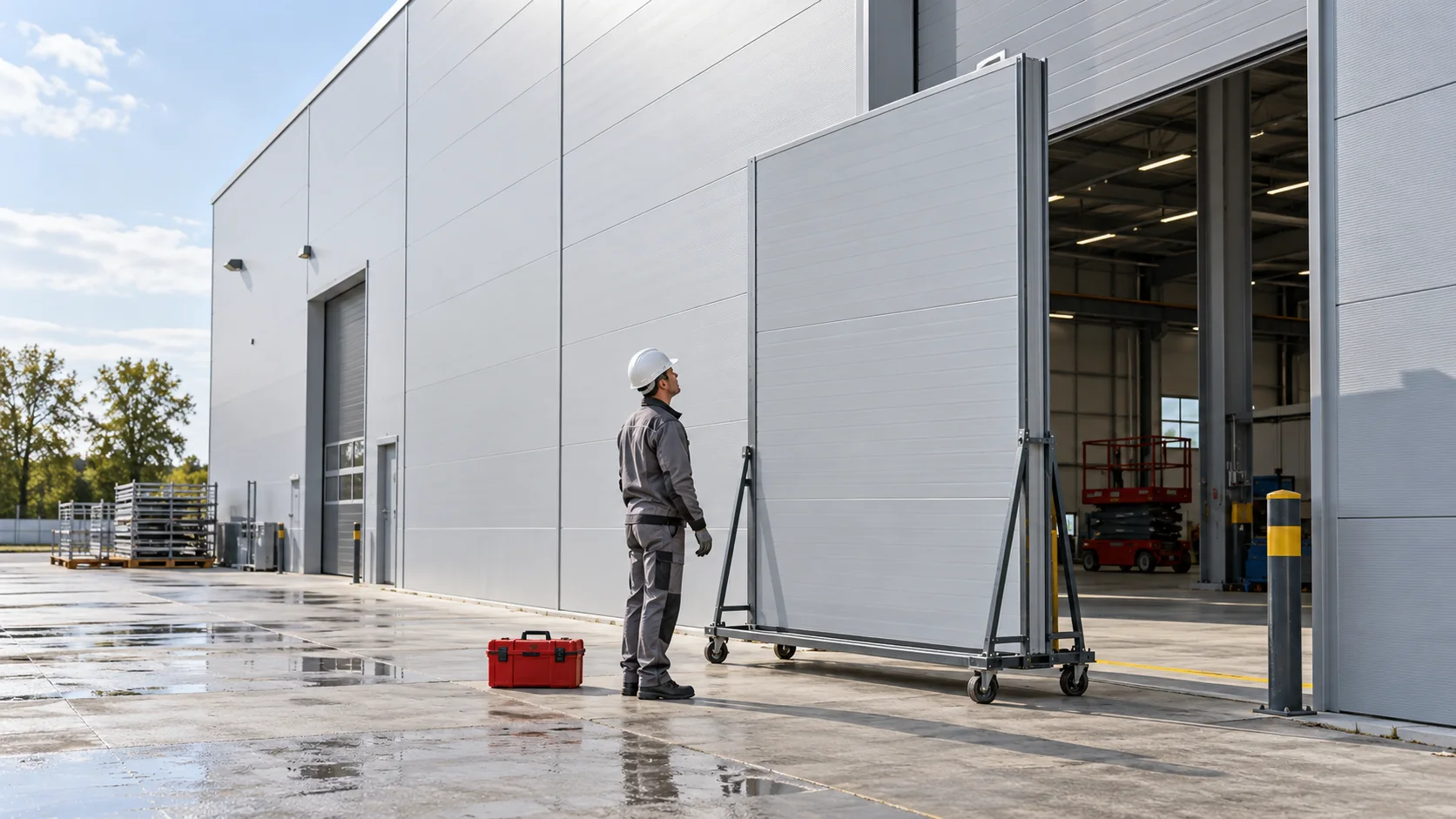
Mineral wool and foam cores have different densities, so panel weight can influence the choice. One 150 mm wall panel with two 0.5 mm steel facings is listed at about 23.1 kg/m². A 6 m² panel of that type would weigh roughly 139 kg. These figures apply to that particular specification.
Consider that weight again when planning how to replace a damaged panel years later. Can lifting equipment reach the wall, and is there somewhere to set the panel down? A narrow yard or a dense network of service lines can pose a bigger obstacle than obtaining the replacement.
The thickness needed for thermal insulation
Mineral wool limits heat conduction, but use the U-value to compare finished panels. Different cores can achieve similar U-values at different thicknesses. Where space for a thicker wall is limited, compare actual product data and the complete junction details.
Wall thickness also affects the depth of reveals, the flashings and the position of doors and gates. On a refurbishment there may be little room to increase it. In a new building these dimensions can be allowed for at the outset, avoiding costly changes during finishing work.
A change of tenant puts adaptability to the test
A warehouse may later be taken over by an assembly or light manufacturing business. The new tenant may introduce moisture, noise and equipment loads. Clear records make it possible to plan alterations; missing information on coatings and concealed supports makes them harder. When comparing panels today, consider what information the owner can hand on to the next occupant. It will help them maintain the wall’s required performance.

Two different acoustic requirements
A mineral wool core can be useful when specifying a wall to limit sound transmission. The result depends on the tested panel and on the complete wall. A poorly sealed door or a ventilation grille can limit sound insulation even if the panel itself performed well in the laboratory.
Solid steel facing works differently from a perforated sound-absorbing surface. If reverberation is the problem in a workshop, changing the core alone may do little. First establish whether the aim is to keep sound from leaving the room or to absorb reflections within it.
Sound joints keep moisture out
The facings should protect the enclosed core from water. Damaged flashings, poorly sealed penetrations and exposed edges can let moisture reach it. The panel cannot ventilate the building: water vapour generated by the work indoors needs a planned route out.
A metal face can be cleaned in a controlled way using a suitable method. The coating may, however, be damaged by an incompatible detergent or abrasive scrubbing. The choice of facing and cleaning instructions is particularly important in wet rooms and areas washed frequently.
Façade layout determines what can be repaired
A scratch, a dent and delamination call for different responses. A minor surface defect may only need a local coating repair. Damage to the core or its bond with a facing requires an assessment of the repair needed. Covering the spot with sheet metal does not demonstrate that performance has been restored.
When choosing a wall, ask how a single panel can be replaced and whether a matching profile will be available. Include cleaning, impact protection and maintenance access in the cost comparison. Mineral wool panels make sense where their properties suit the building and the details allow those properties to be maintained.
Questions and answers
Does a mineral wool panel always insulate against sound better than a foam panel?
You need results for the specific products to answer that. Compare the relevant acoustic ratings and consider the entire envelope, including openings and how well the joints are sealed.
Is the extra weight necessarily a disadvantage?
No. Weight is a design, handling and maintenance consideration. Choose the panel for the combination of properties required, rather than judging it by weight per square metre alone.
7 branches. Materials closer to your project.

Free quote
Materials for your project
You may also find useful…
PIR and mineral wool can both effectively limit heat loss, but they offer different sets of properties. When choosing, it is worth…
A mineral wool panel should meet the building’s requirements and allow people to operate and maintain it easily. Thickness alone is a…
A mineral wool core can help control noise, but the first question is where the sound is causing trouble. If workers struggle…
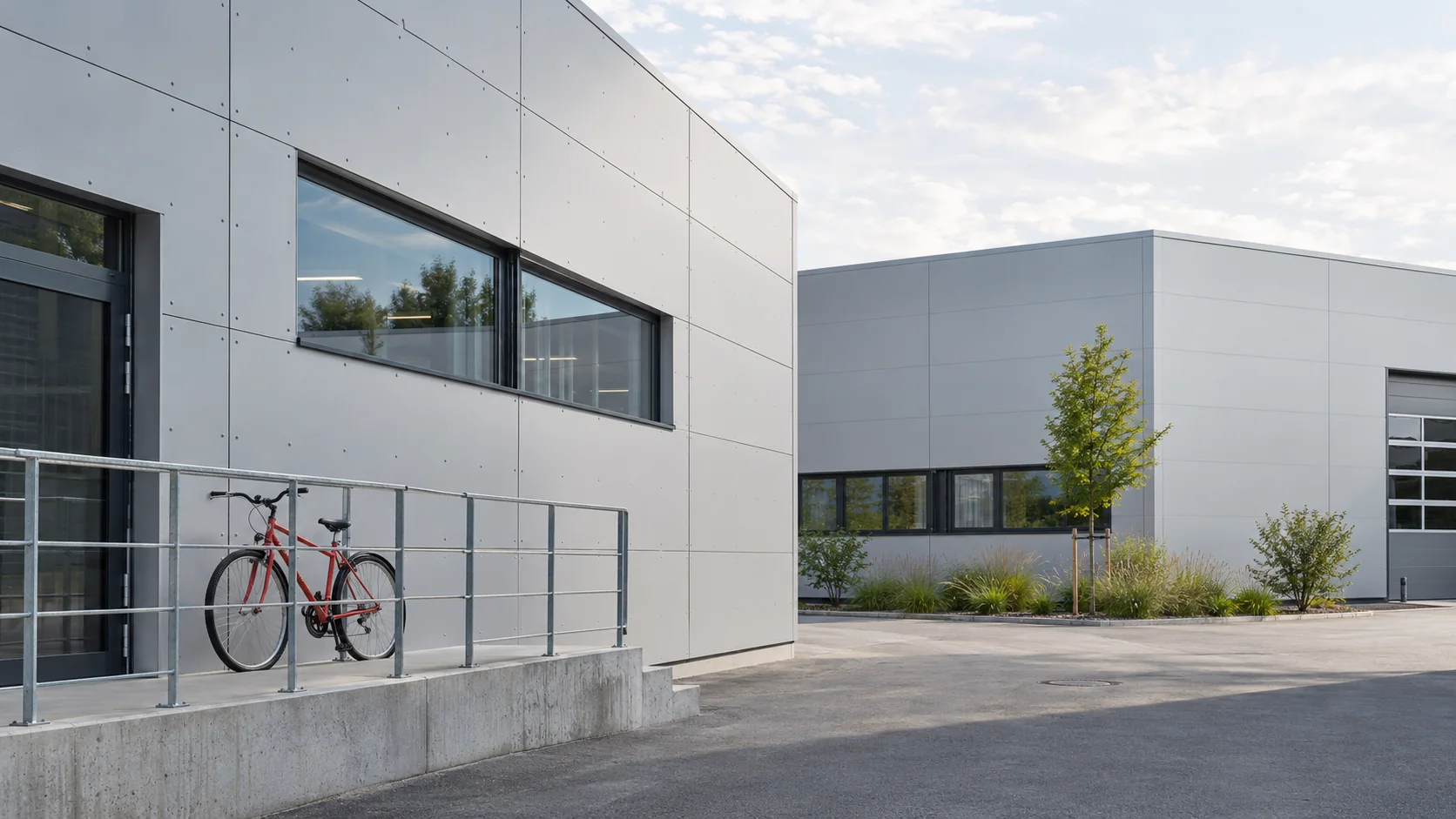
Product range names give little indication of how one panel compares with another. Standard, lightweight and higher-specification versions may differ in their…
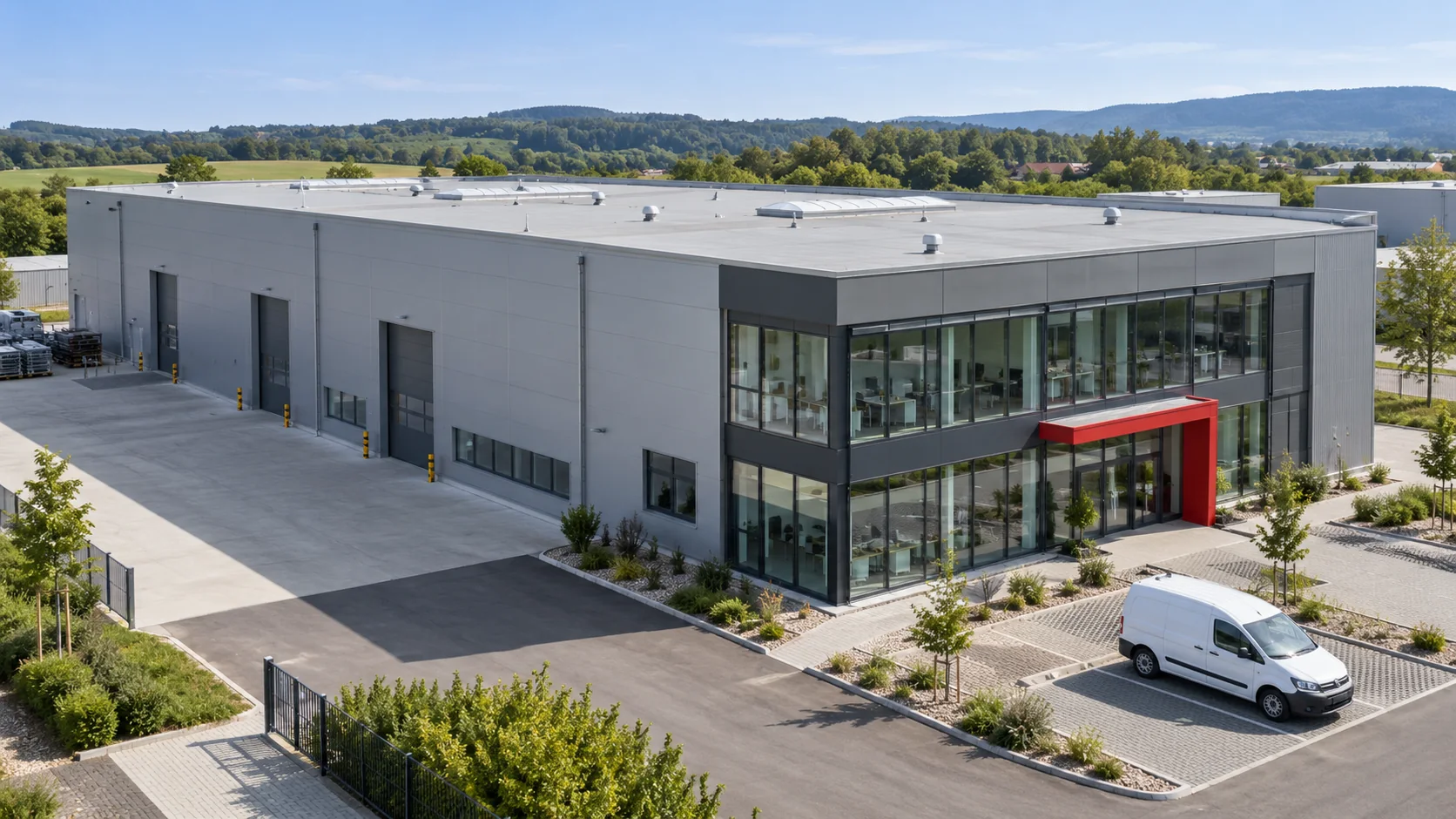
A mineral wool wall panel is prefabricated, but the wall relies on its supports, fixings, joints and flashings. Start by looking at…

Start with the panel price per square metre, then work out the cost of the finished wall. Thickness, facings, coating, panel lengths…
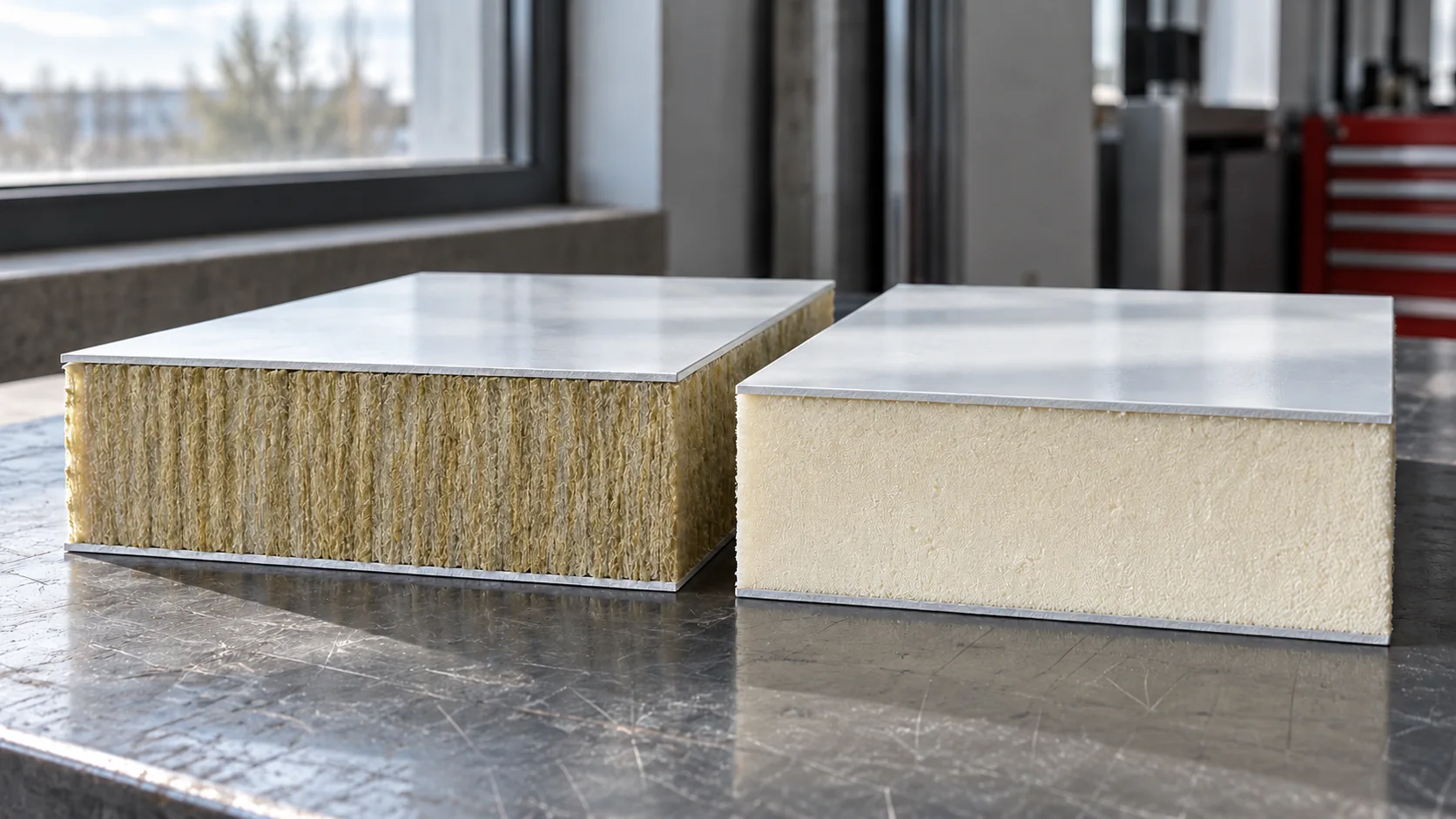
Start with what the wall or roof has to do before comparing panel prices and thicknesses. PIR is a rigid foam with…
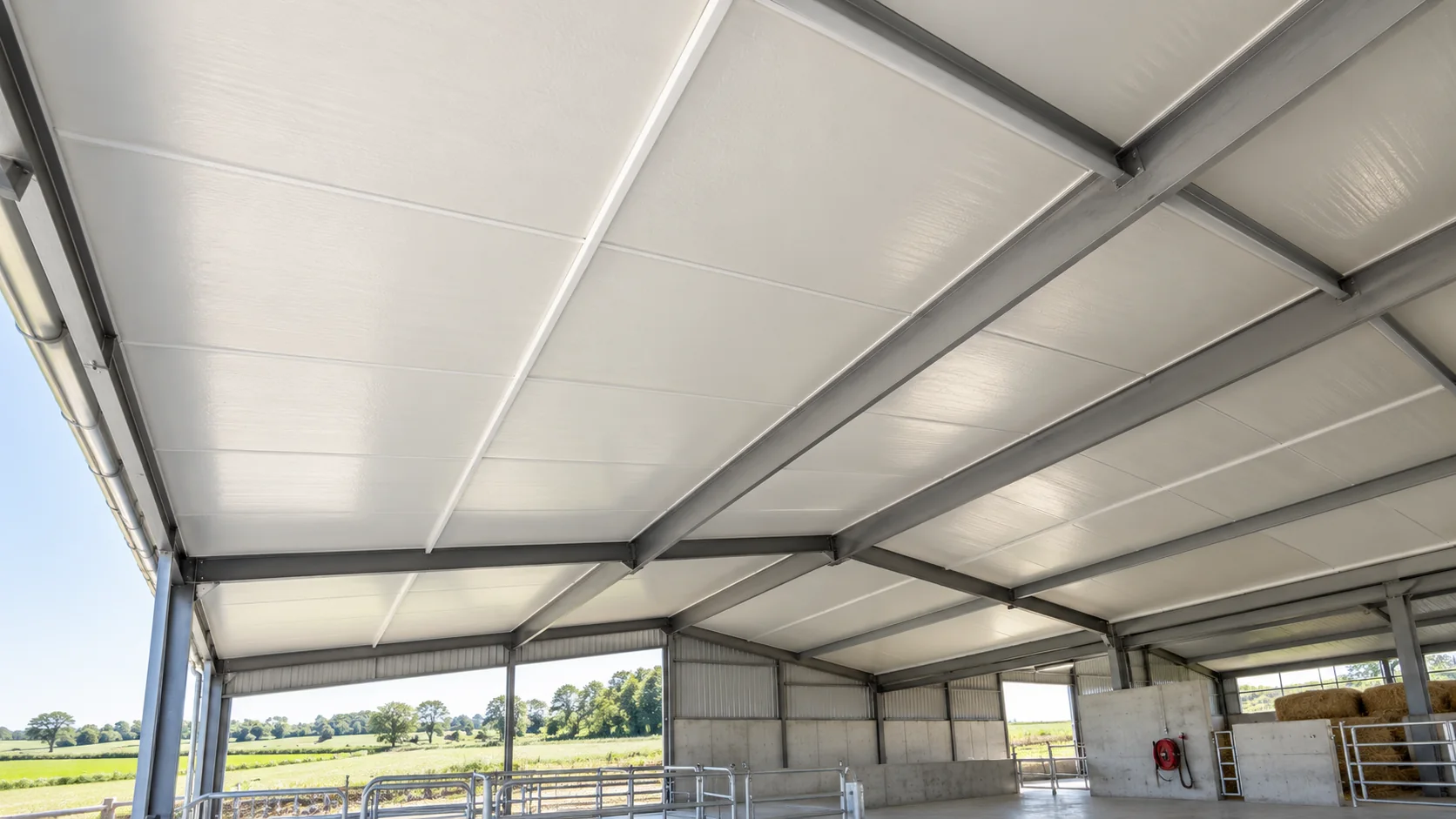
In a roof sandwich panel, “fibreglass” can refer to an inner facing made from glass-reinforced plastic (GRP). A panel of this type…