

Mineral wool sandwich panels
When is a 100 mm mineral wool wall panel a good choice?
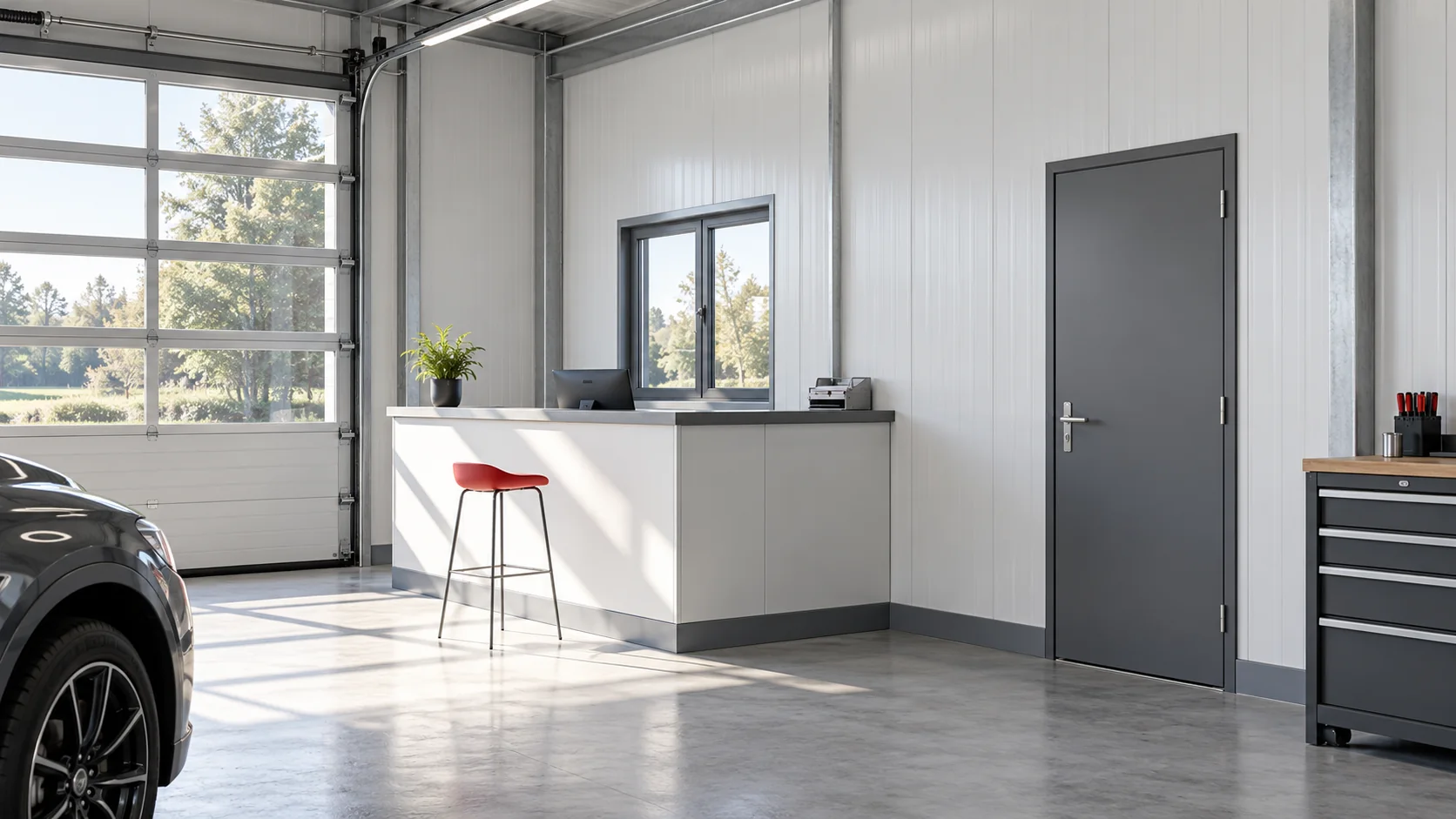
Many mineral wool wall panel ranges include a 100 mm option. Panels of this thickness can serve different buildings, provided their performance meets the design requirements. Compare the U-value and price alongside weight, coatings, fixing arrangement and ease of repair. Two 100 mm panels may differ in core density, facing thickness and joint geometry. Their fire performance and permissible spans can also differ. Specify the full configuration in the order so the installer receives a panel that fits both the frame and the adjacent panels.
In this article
Identify the exact 100 mm product
Compatibility with existing panels is especially important in refurbishment. Check joint profiles and cover widths even when the nominal thickness matches. Compare cross-sections before ordering a replacement and establish whether one panel will suffice or a larger bay with separate flashings will be needed.
Relate thermal performance to building use
One 100 mm mineral wool wall panel has a stated Uc of 0.39 W/(m²·K). Another range may have a different value. Compare the declared figure with the requirement for this wall and its intended use before specifying the panel for a heated building.
For year-round use, also assess doors, windows, the wall base and ventilation. For occasional heating, humidity and the way the heating is brought into operation matter. Moisture can condense at a cold, leaky junction even with a 100 mm panel.
Allow for panel weight in the frame and handling plan
A 100 mm panel with 0.5 mm steel facings on both sides weighs about 18.1 kg/m² in one example. A 6 m² panel in that configuration weighs roughly 109 kg. Other facings or cores change the result. Base delivery arrangements on the data for the product ordered.
Panel length affects how the load can be guided during lifting and how it responds to wind. Select equipment for both lifting capacity and the permitted gripping method. When recladding, check access once the old wall is removed and provide a safe place to set down dismantled parts.
Compare summer and winter conditions
Consider both seasons when assessing a 100 mm panel. Heat loss and humidity matter in winter. In strong summer sun, facing temperatures and indoor comfort also need attention. Shading, windows and ventilation can strongly influence summer temperatures. If the brief calls for comfort throughout the year, specify how the whole building will respond to the weather alongside the wall’s U-value.

Check fire and acoustic performance separately
A particular 100 mm panel may have a declared reaction-to-fire class of A2-s1,d0. For the fire resistance of the finished wall, check the scope of classification, including supports, joints, orientation and other conditions. The EI rating must be established for the assembly selected.
Use product-specific data to compare acoustic performance too. A nominal thickness of 100 mm does not predict the reduction in room noise. Gaps, doors and grilles affect sound transmission through the wall. For reverberation inside the room, look at the sound absorption of exposed surfaces. A wool core behind solid sheet steel does not by itself establish absorption performance.
Use the right area in the cost estimate
Coating, colour, dimensions and order volume affect the price. As a worked example, 120 m² at approximately €34.72/m² gives a material cost of €4,166.10, excluding VAT. The total uses the unrounded shop exchange rate for the hypothetical PLN amounts on 13 November 2026. This example illustrates the calculation and is neither a quote nor a market average.
Add accessories, flashings, transport, unloading and labour. Refurbishment also includes dismantling and any repairs to the frame. When comparing 100 mm and thicker panels, allow for changes in fastener length and flashing depth to see the difference in total project cost.
Choose details that suit future maintenance
Workshops and service premises often need new cable penetrations and changes to equipment. Plan service routes and independent equipment supports at the outset. This keeps the wall in good condition and reduces the number of improvised seals.
Keep the panel specification and photographs of joints before they are concealed. These will help plan a repair after a trolley impact or frame an opening for a new window. A 100 mm panel is a sensible choice when it meets the needs of the particular wall and can be maintained easily. The popularity of the size is only a starting point.
Questions and answers
Do all 100 mm mineral wool panels have the same U-value?
No. The value depends on product construction and the basis of the declaration. Compare current data sheets for the individual variants with the requirement for the complete wall.
Is 100 mm sufficient for fire protection?
Select an assembly with the required classification and check its full scope of application, including joints, spans, fixings and openings. Thickness alone cannot establish compliance.
7 branches. Materials closer to your project.

Free quote
Materials for your project
You may also find useful…
A quote for a steel hall can look attractive until work outside its scope has to be added. Neither the weight of…
A roof with 200 m² of sloping surface can require more than 200 m² of trapezoidal steel sheet. The quantity depends on…
Internal wall insulation may be an option if the façade is in good condition or exterior work has to wait. Before fitting…
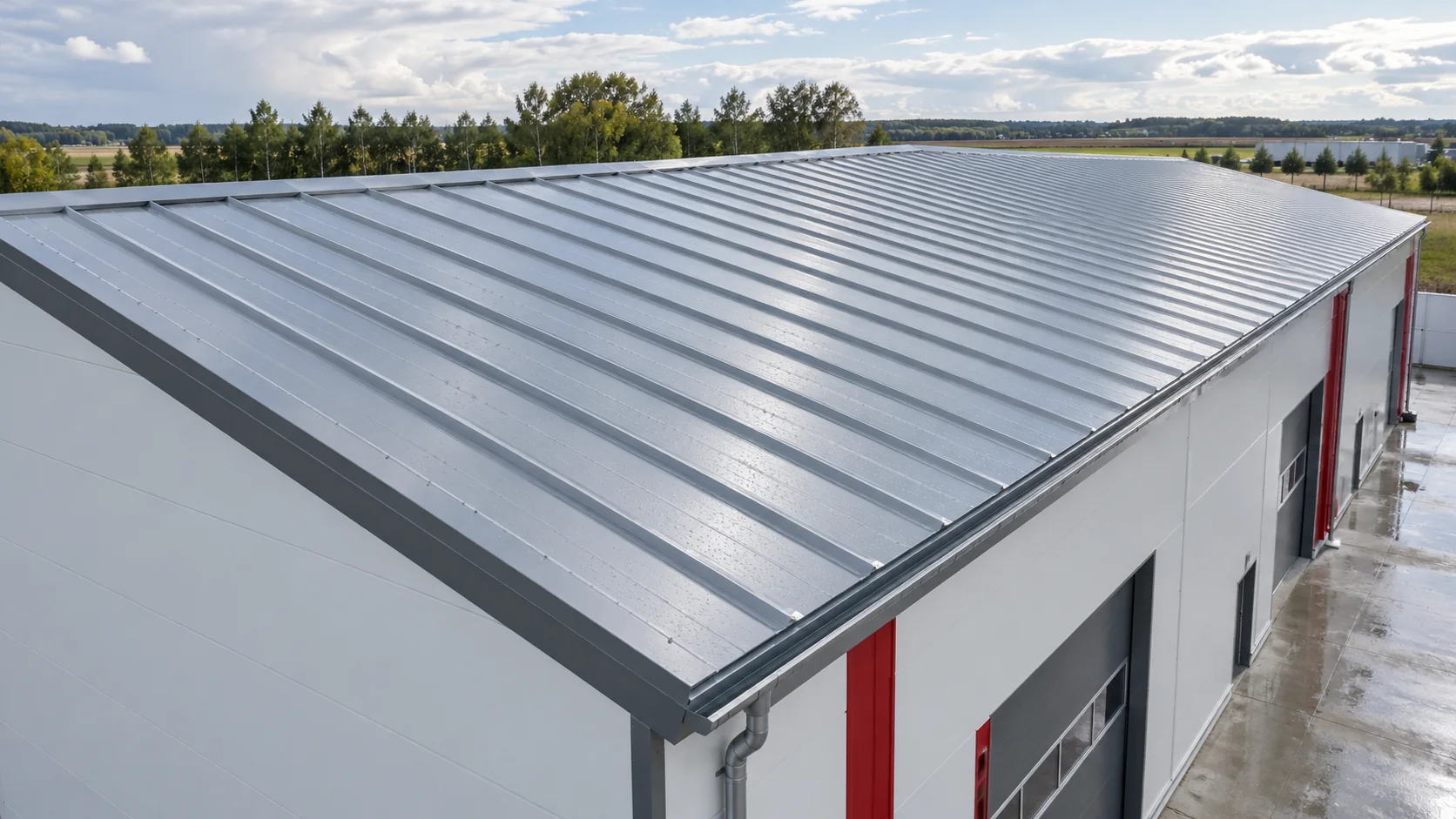
A sandwich panel roof budget should cover everything needed to make the roof weathertight and drain rainwater. Check whether the quotation includes…
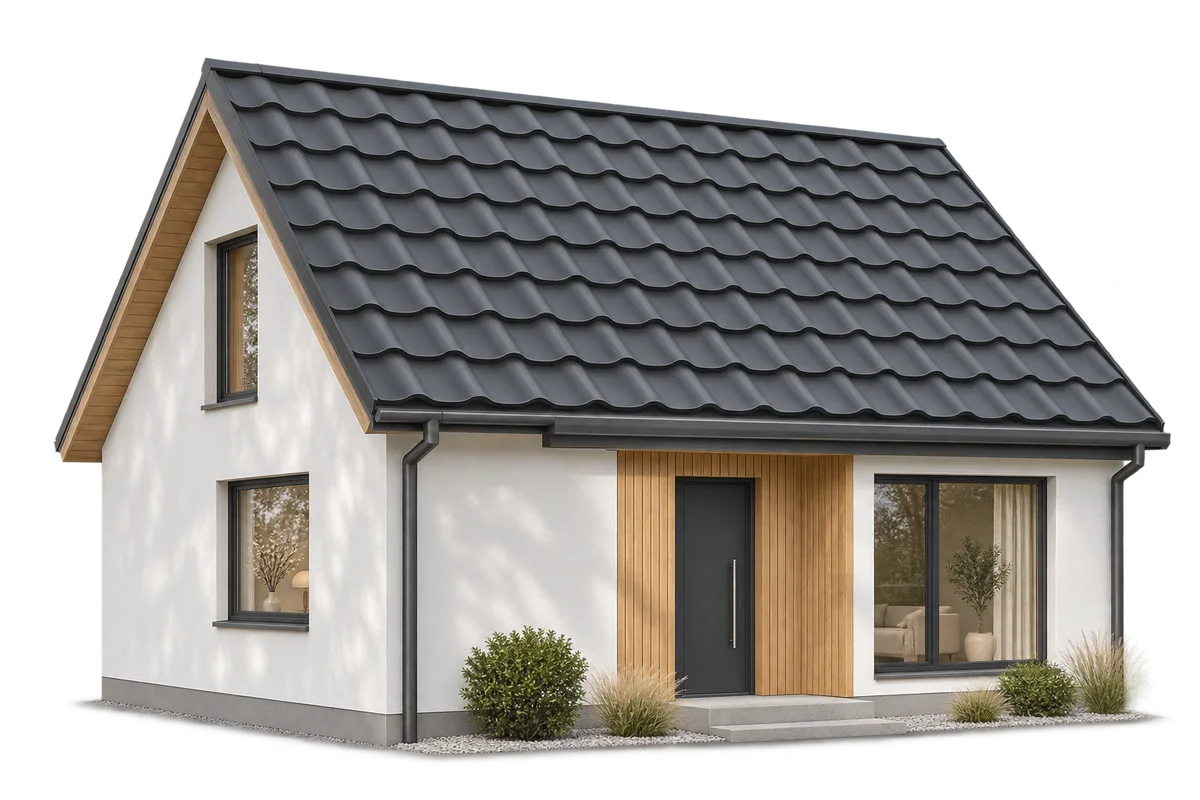
Metal roof designs are most useful when compared on the same house drawing, including edges, gutters and roof openings. Changing only the…
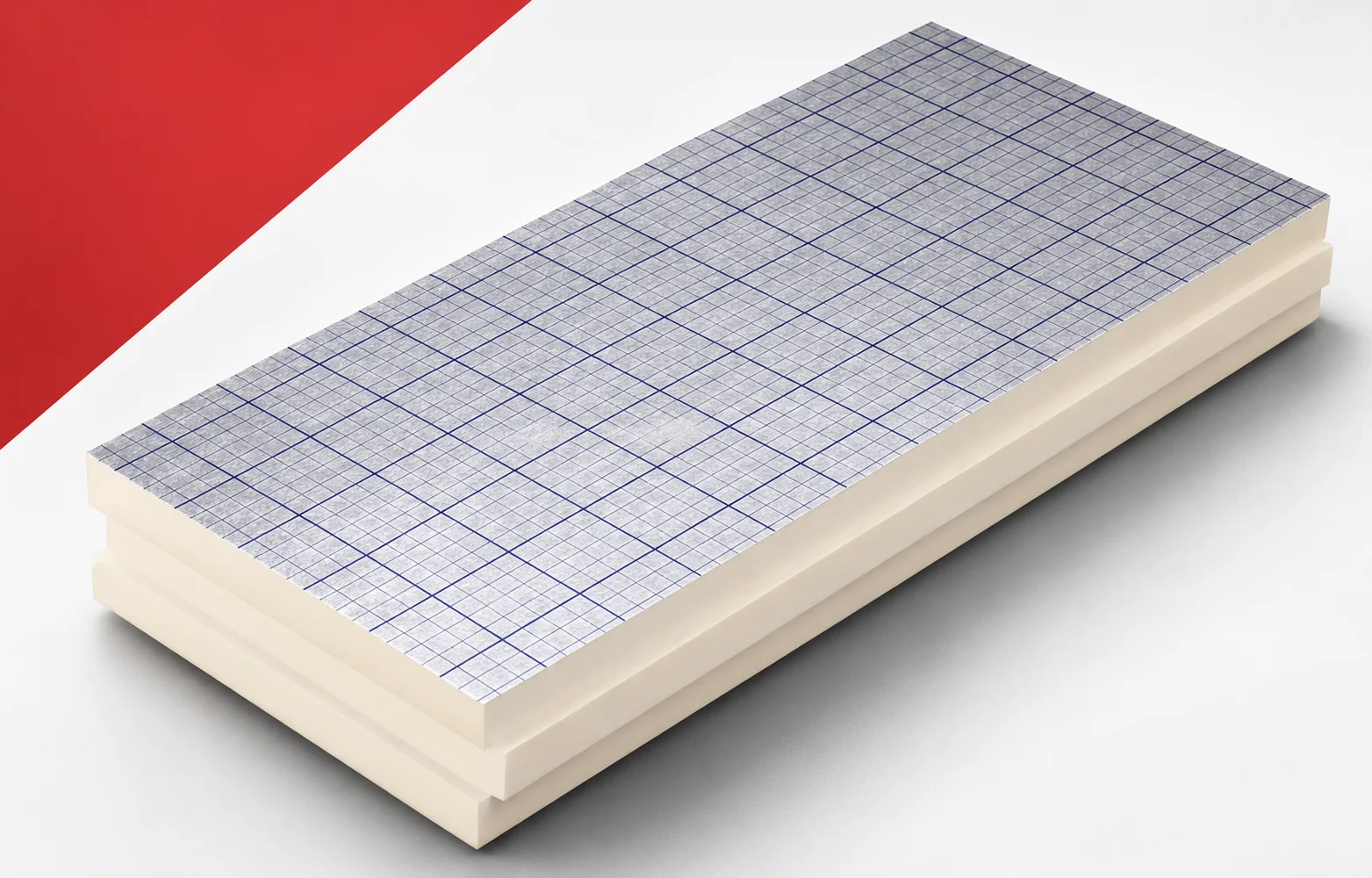
swissporPIR Alu can help achieve the required thermal resistance within a limited construction thickness. The benefit is particularly evident where every centimetre…
Base cooperation with the construction manager on clear inspection points, documents and decision routes. In Poland, statutory responsibilities include directing construction, maintaining…
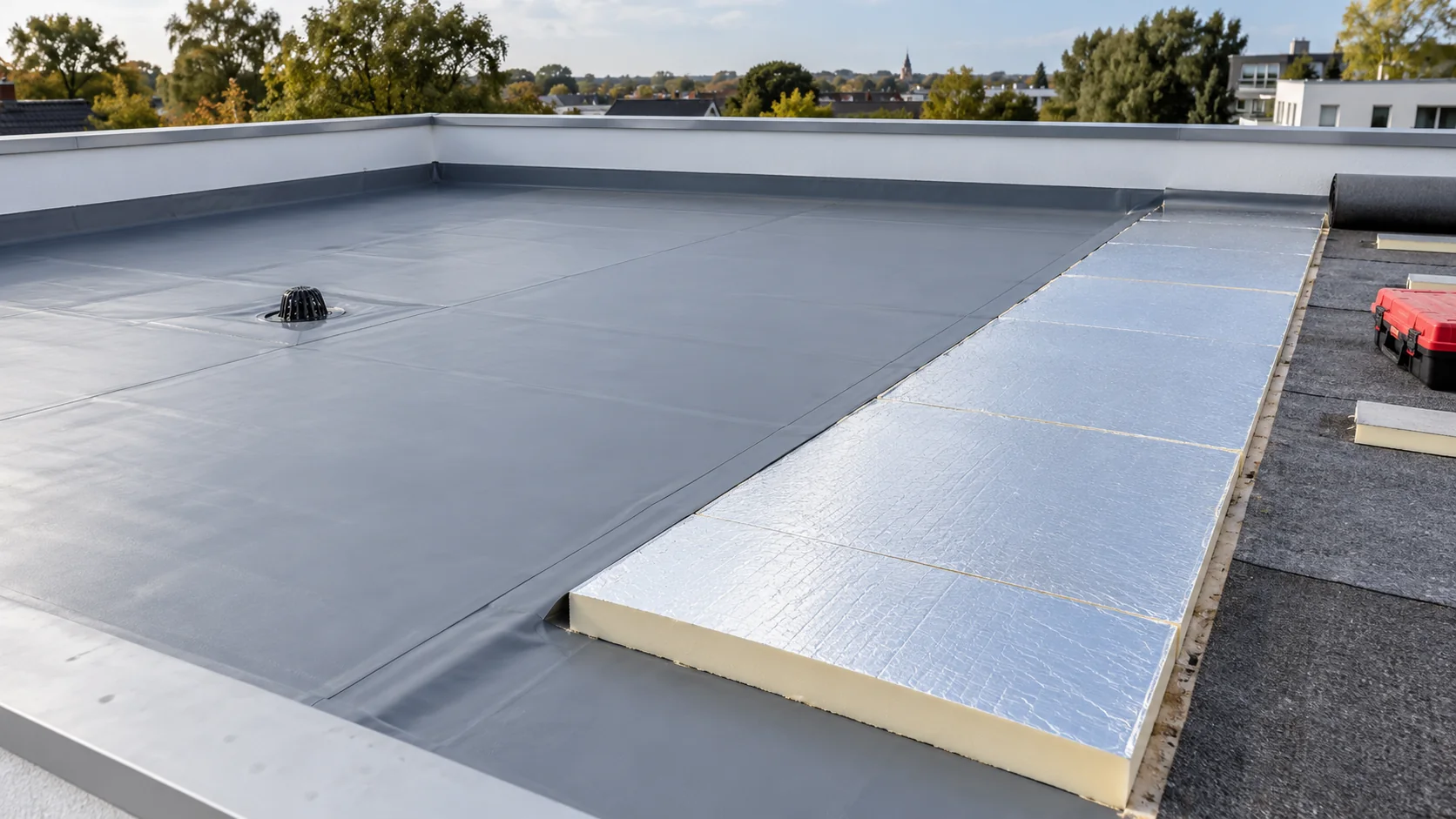
Flat-roof insulation selection starts with the position of the waterproofing. In a conventional warm roof it protects the insulation from above; in…