

Steel sheeting and roofing
Choosing trapezoidal steel sheeting for a building now and after refurbishment
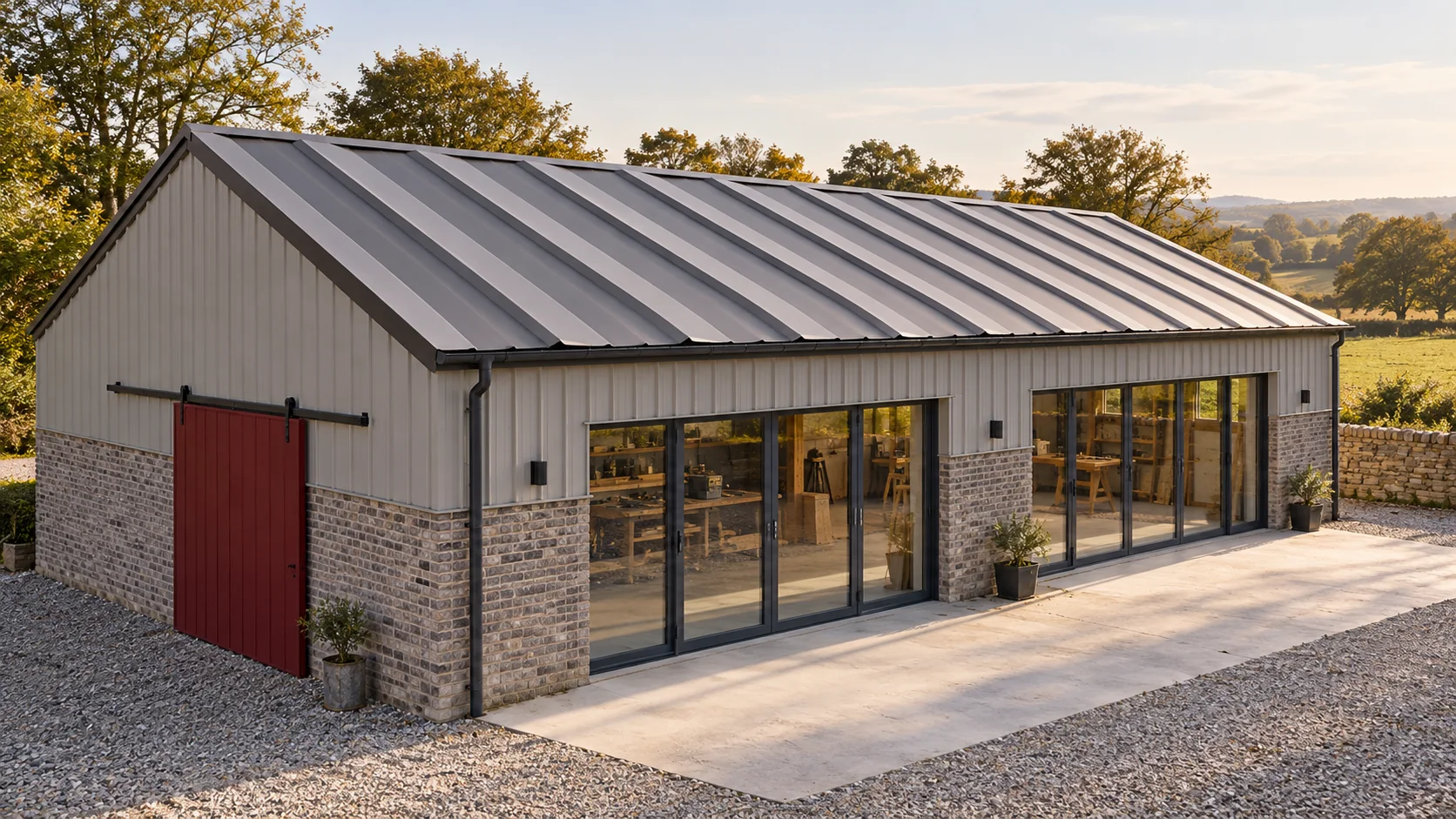
Start with how the building will be used. An open shelter and a heated workshop place different demands on a roof. Match the sheet profile, thickness and coating to the supporting structure and the expected moisture conditions. Think about changes before ordering the sheets. If you add walls and a door to an open shelter, wind pressures and air circulation can change. Heating a former cold store or turning a shed into a workshop also changes the insulation and ventilation it needs. Check whether the whole roof will suit the new use, including the layers below the sheeting.
In this guide
How might the use of the building change?
List the likely activities and indoor conditions. Will wet vehicles be parked inside? Will there be washdown, damp materials in storage or people working there regularly? Mark future openings and equipment on the plan. These details will help establish whether replacing the sheets is sufficient or whether the structure, insulation and ventilation also need work.
When should you consider T18 or T35?
In the ranges considered here, T18 has a shallower profile than T35. A deeper section can carry greater loads, depending on sheet thickness and geometry. Compare the actual products for the proposed spans and bearing conditions before deciding which profile suits the roof.
One example T18 sheet has an effective cover width of 1,128 mm. A T35 version is available with a cover width of 1,050 mm. The same roof can therefore require a different number of sheet runs. Recalculate the layout, supporting framework and flashings when changing profile so that the comparison includes the cost of the whole roof.
How do you select a sheet thickness for existing supports?
Measure the support spacing and bearing widths and inspect their condition. Look for corrosion and uneven bearing surfaces on an existing roof. Use load tables for the exact sheet and span arrangement. Check strength and deflection separately. A similar profile depth alone is insufficient for selecting a table.
A thicker sheet may meet a load or deflection requirement. Damaged supports still need repair. Compare three options where appropriate: changing the sheet thickness, reducing the support spacing or choosing another profile. Include the labour and the weight of additional components, particularly when working on an old frame.
Will anti-condensation fleece still work after a shelter is enclosed?
Anti-condensation fleece can temporarily hold some water that condenses on the underside of the sheet. It needs airflow to dry. Enclosing the sides of a shelter may reduce natural ventilation. If the new use also generates more moisture, check whether the fleece can still dry between periods of condensation.
A heated building needs a suitable sequence of roof layers and airtight junctions. Fleece manages limited amounts of condensate. It provides neither the required thermal insulation nor a remedy for leaks. Before adding insulation to old sheeting, assess how moisture can escape and inspect the materials that the new layers will conceal.

How do coating and colour affect the choice?
Choose a coating for the local environment and contaminants generated inside the building. Aggressive vapours can attack the underside of the sheets. Check the coating specification for resistance. Dark and light finishes can reach different temperatures in sunlight, but the effect depends on the finish and exposure. Colour alone gives no reliable estimate of energy savings.
Plan access for cleaning and inspection, including roof valleys, chimneys and gutters. Keep the product information for later extensions. A new sheet with the same designation and colour may differ in cross-section or shade. Check whether a replacement can fit before relying on it for future repairs.
How do you allow for refurbishment work in the estimate?
Itemise the sheets, removal of the old covering, repairs to the supports, flashings, fasteners, delivery and installation. A building that remains in use may also need temporary protection for its equipment. For example, on 180 m² of purchased coverage, a surcharge of roughly €1.16/m² adds about €208 net. Both figures are rounded and exclude VAT. The example assumes the same quantity and scope of work.
If a different profile needs more sheet runs or new supports, prepare a full cost schedule for each option. Identify the work that is certain and what depends on the condition of the frame once exposed. Remedying an existing defect while the roof is open can make later repairs easier.
Frequently asked questions
Does a heated workshop always need a deeper profile?
Structural requirements and roof geometry largely determine profile depth. Heating affects the thermal and moisture design of the entire roof assembly. The profile designation alone cannot resolve those requirements.
Can all the existing flashings be retained when switching from T18 to T35?
Check each junction and its fixings. Changes in profile depth, cover width and rib spacing can require different end details and seals.
7 branches. Materials closer to your project.

Free quote
Materials for your project


You may also find useful…
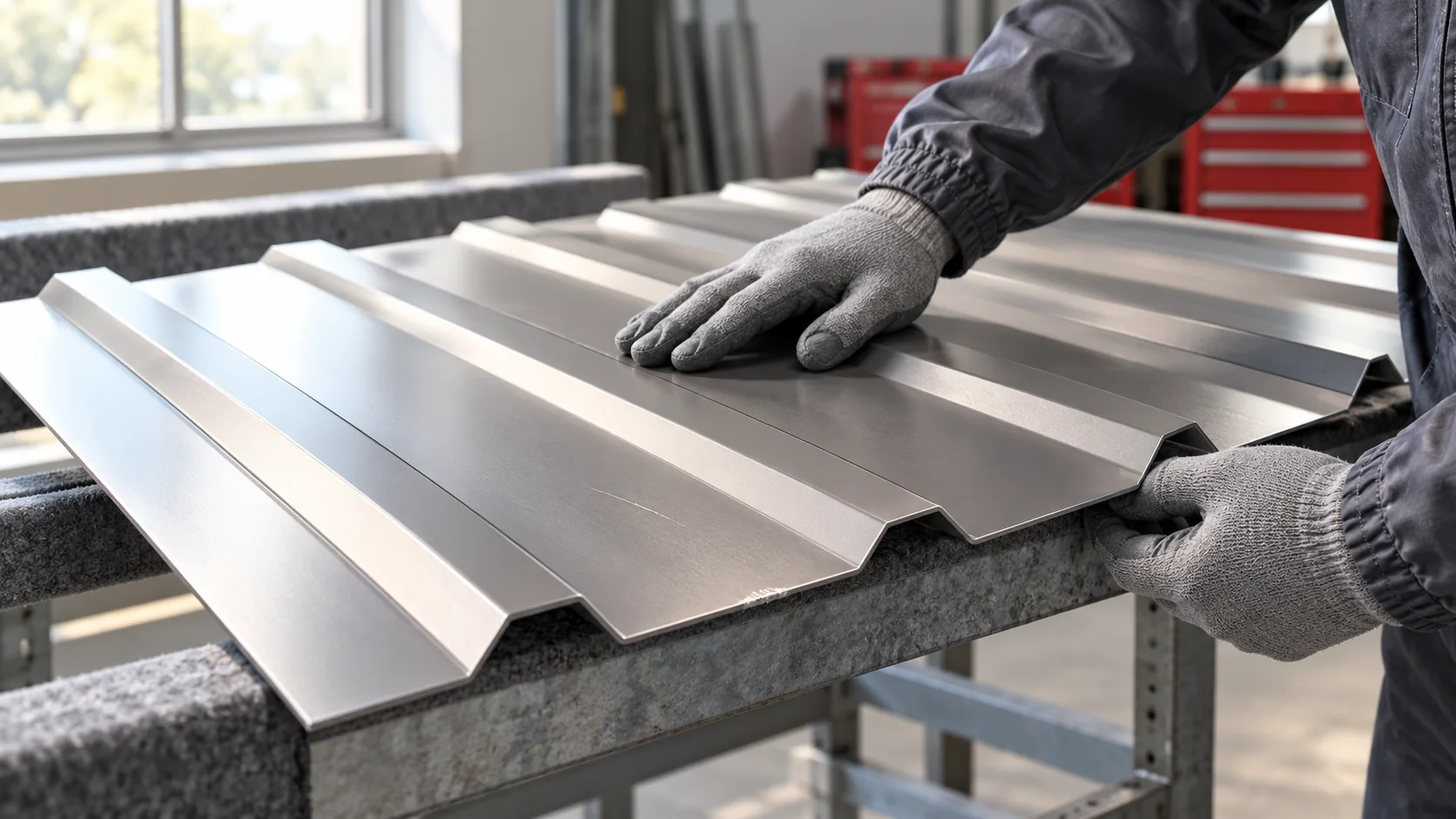
Second-quality trapezoidal steel sheets can be discounted for very different reasons. Before comparing prices, find out why the particular sheets were downgraded.…
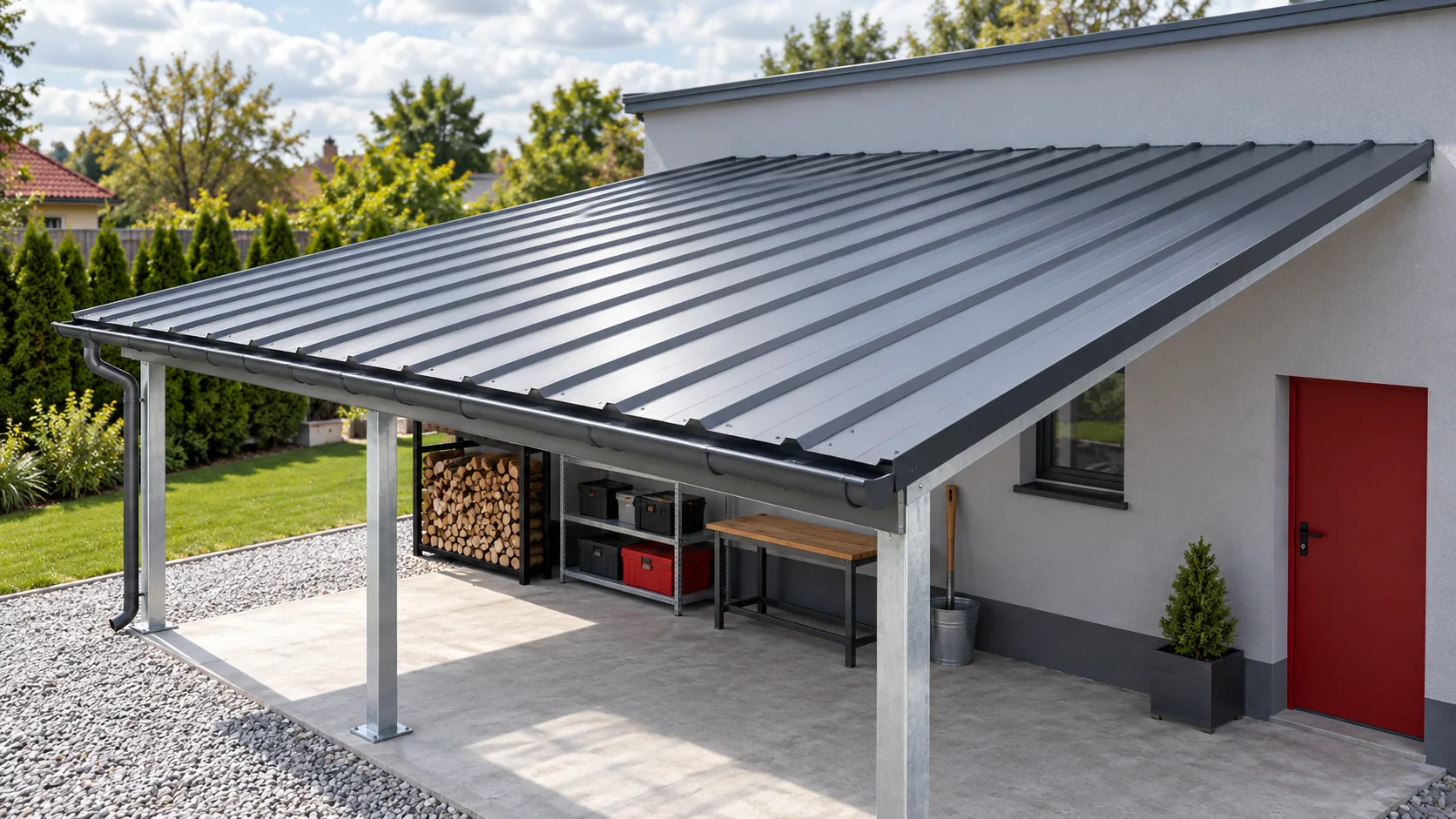
T14 profiled steel sheet can be an option for a small replacement roof or lightweight cladding. Before choosing a sheet thickness or…
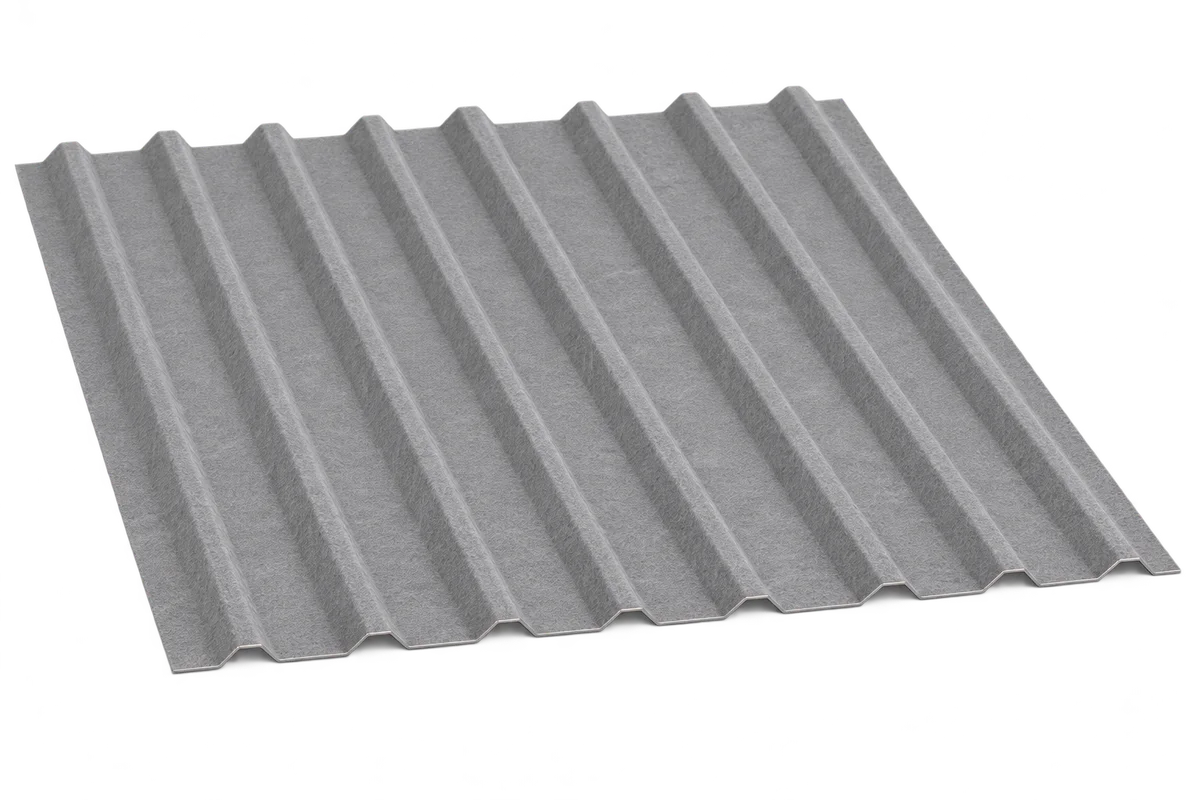
Trapezoidal steel roofing with anti-condensation fleece can retain some condensate beneath the sheet and later release moisture to the air when drying…
The roof pitch is a value that must be established before choosing a covering, because water run-off, the requirements for laps and…
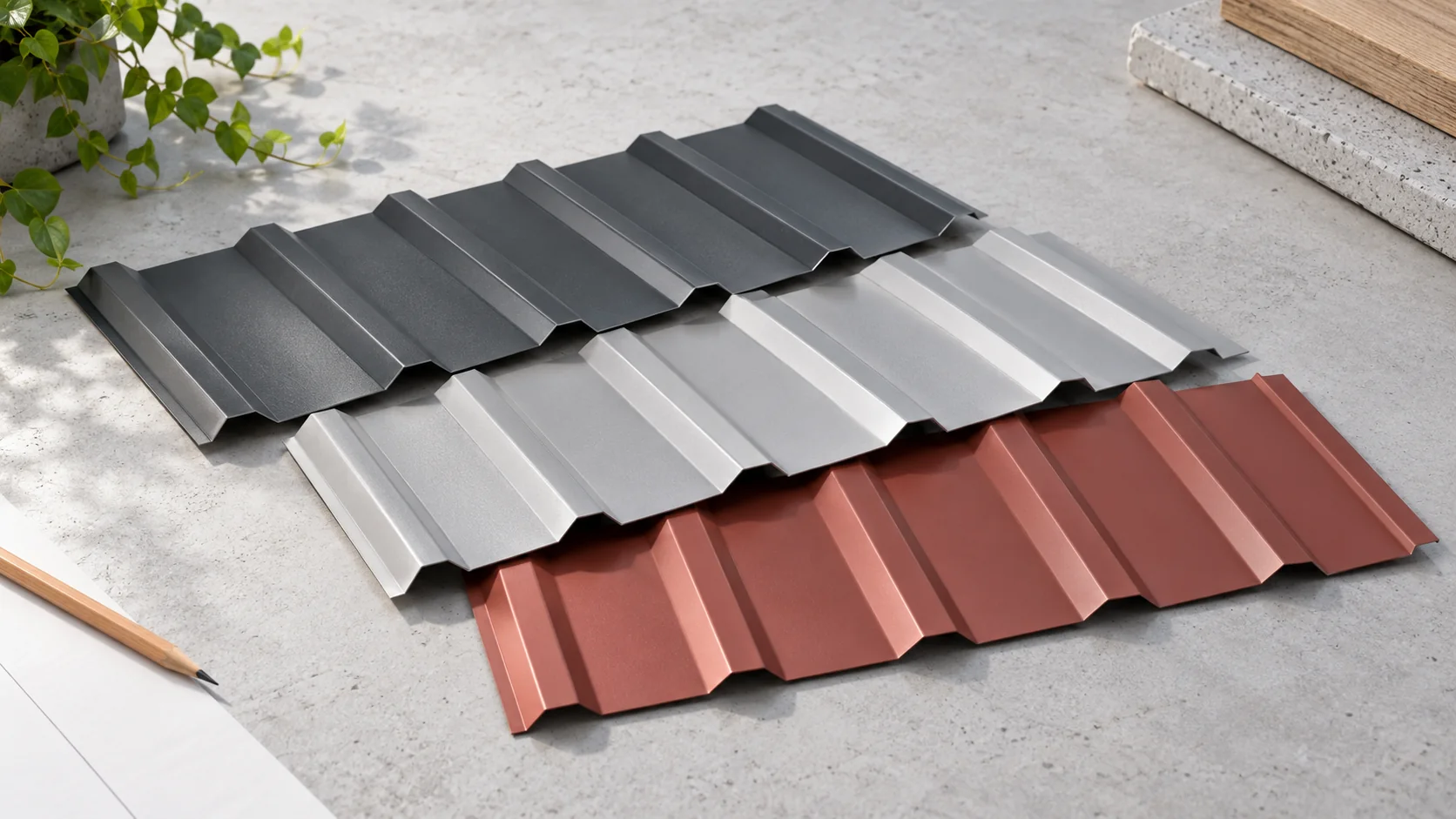
The colour of trapezoidal steel sheet changes how the whole building looks. When choosing it, consider how much sun the roof gets,…
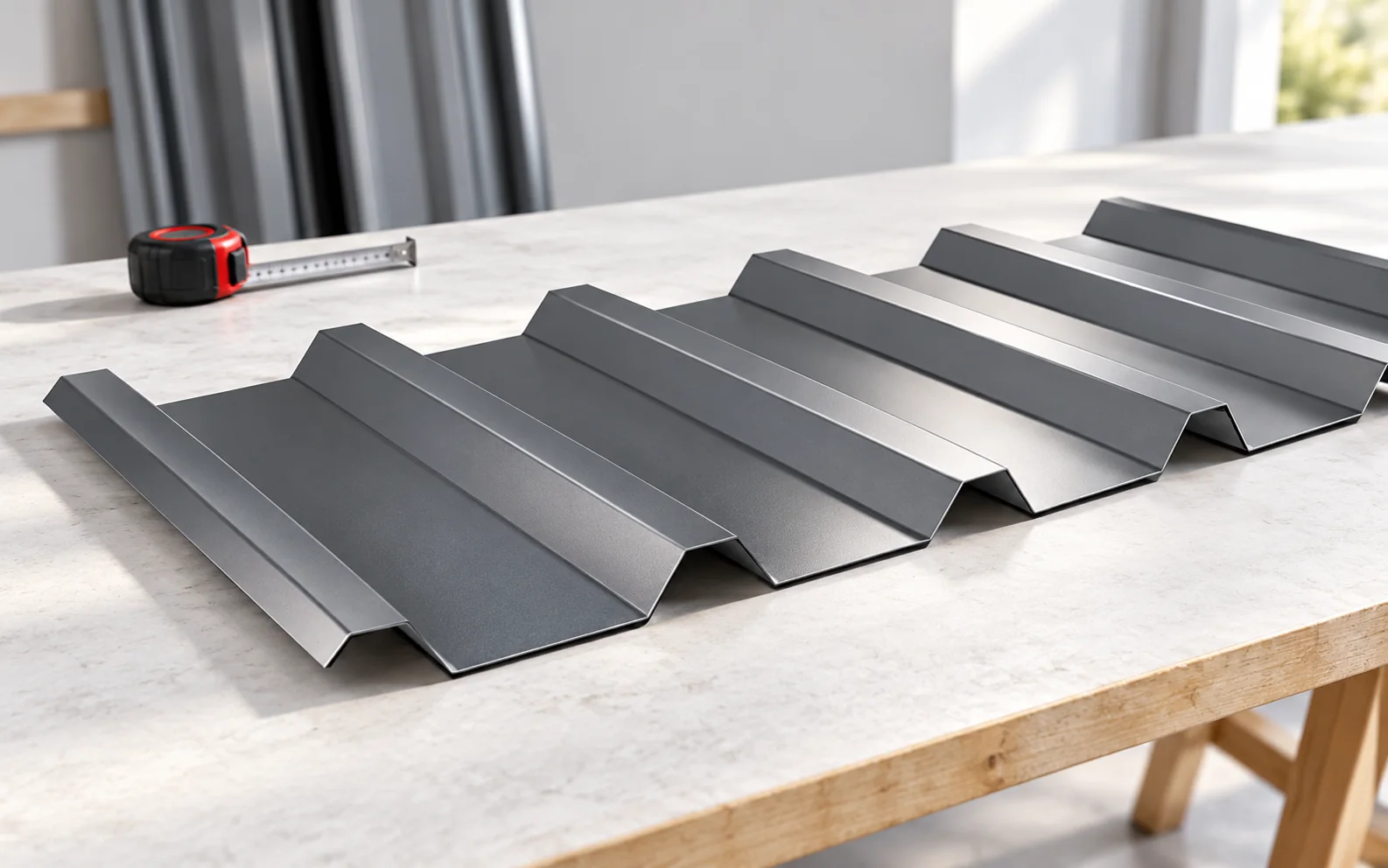
To choose between T18 and T35 trapezoidal steel sheets, establish where each sheet will bear on its supports. Measure the support spacing…
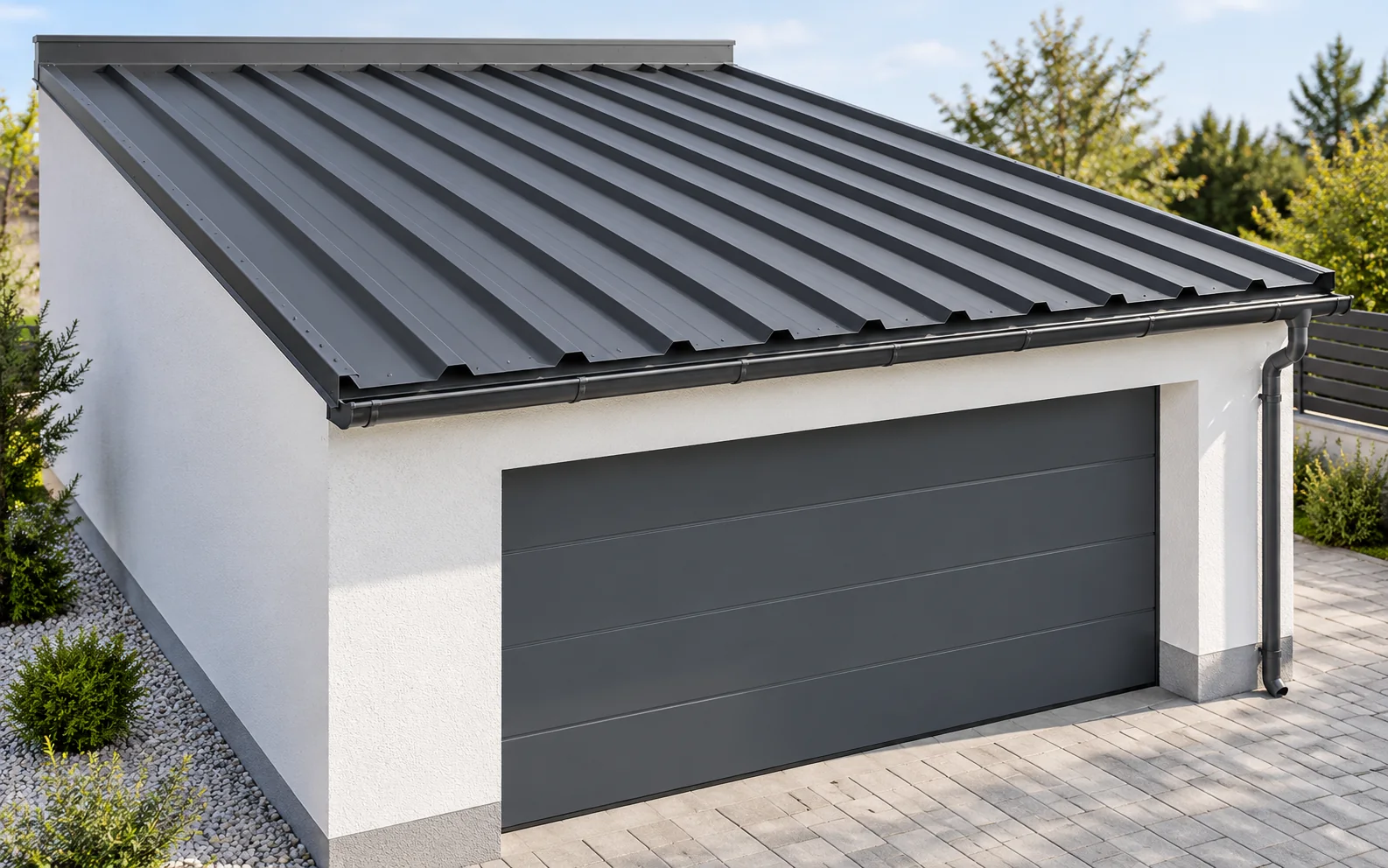
Single-skin trapezoidal steel sheet can suit an unheated garage if its load capacity matches the support spacing and the roof design allows…
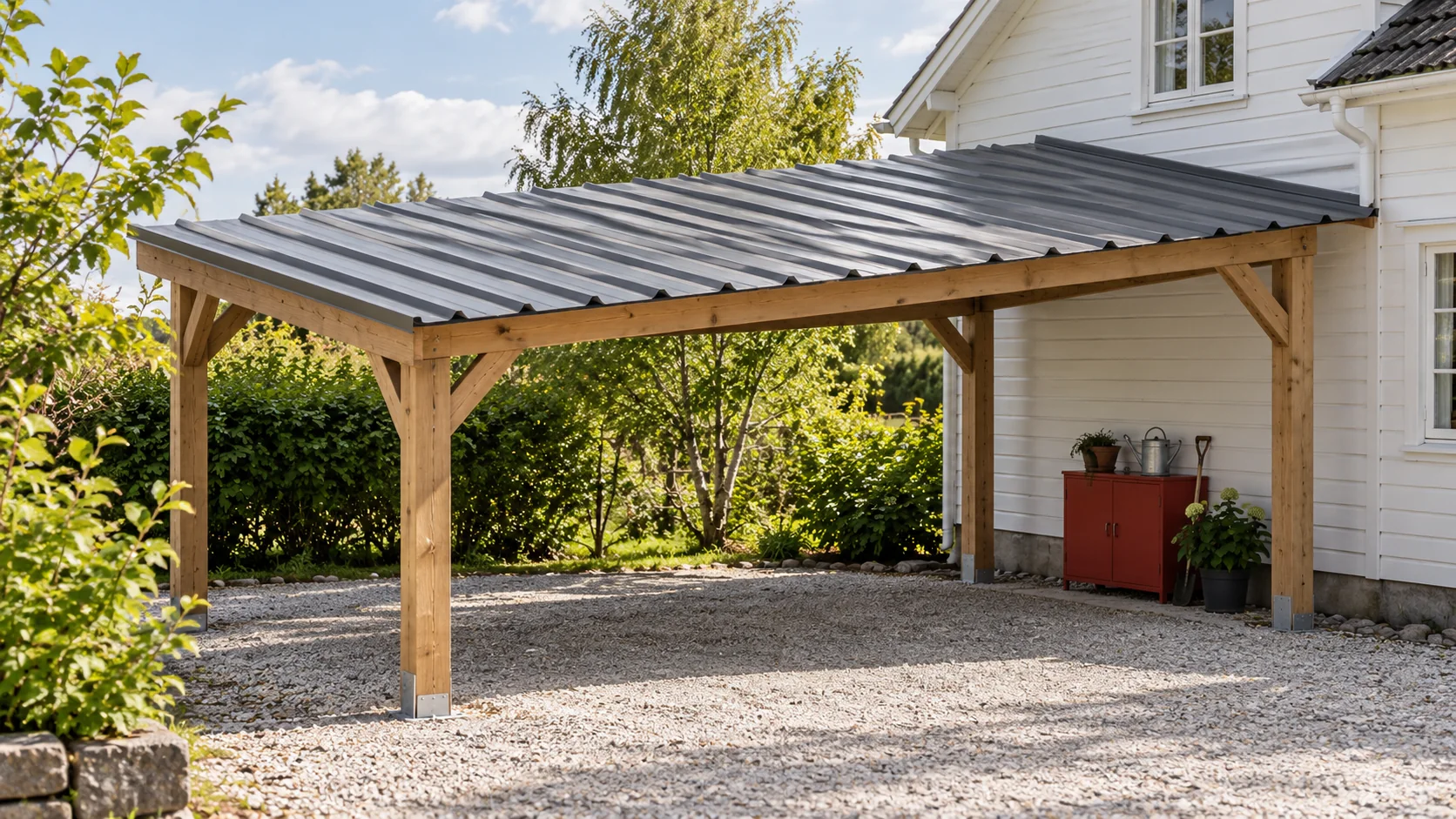
An affordable roof is one that suits the building and its expected service life. The least expensive covering for an open shelter…