Building formalities
What VAT applies to the purchase of roof coverings and roof renovation?
When planning the purchase of roofing and a roof renovation, it is worth separating two issues: the purchase of the materials themselves, such as tile-effect metal roofing, trapezoidal steel sheet or sandwich panels, and comprehensive works including material. The supply of typical materials is in principle subject to the 23% rate, whereas qualifying renovation works in residential construction may benefit from 8%, provided the statutory conditions regarding the supply and the building are met – including the limits of 300 m² for single-family buildings and 150 m² for residential units. The rules below reflect the position as at 1 November 2026; before ordering, the specific transaction must be correctly classified.
In this article
What rate applies to the sheet or panel alone?
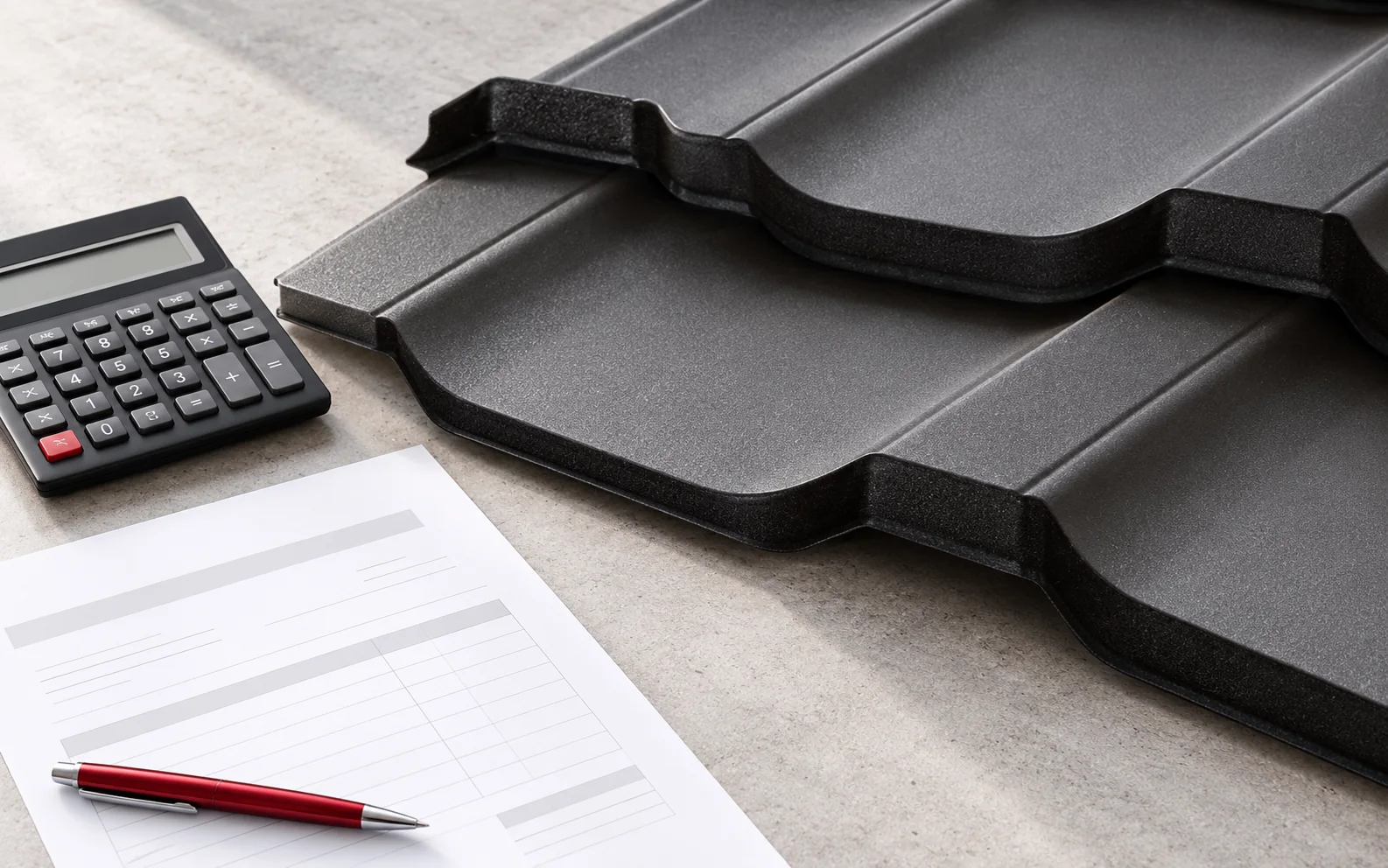
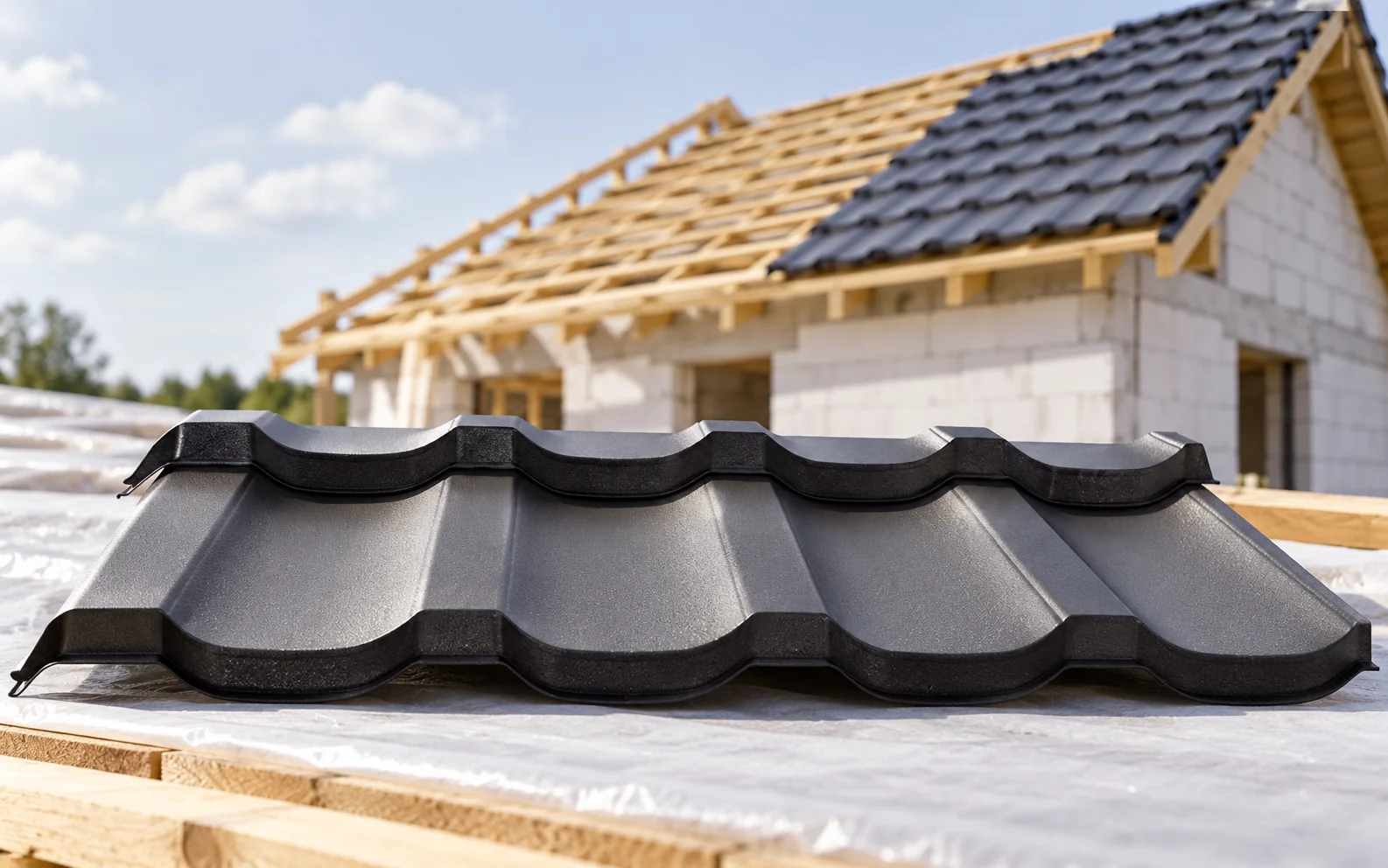
The supply of typical roofing materials is in principle subject to the standard VAT rate of 23%. This applies to the purchase of tile-effect metal roofing, trapezoidal steel sheet or sandwich panels on their own. The intended use of the material for the roof of one’s own house does not by itself change the rate of sale of the goods.
If you buy the material separately and order the installation from another contractor, these are separate transactions requiring their own assessment. The later use of the sheets in works covered by the preference does not mean that the shop invoice is automatically recalculated. Before comparing offers, check exactly what their subject matter is.
When can 8% apply to works?
The preference covers specified activities relating to housing covered by the social housing programme. The Act lists, among others, construction, renovation, modernisation, thermal modernisation and reconstruction. The conditions regarding the type of supply and the qualification of the property must be met at the same time.
The description ‘roofing works’ alone is too general. What matters is the actual scope of the contract and the place of performance. Works on a hall, an outbuilding or a separate commercial property do not gain the preference merely because they belong to the owner of a house. Correct identification of the situation is needed before applying the rate.
What do the 300 and 150 square metre limits mean?
For single-family residential buildings, the relevant limit is 300 m² of usable floor area. For residential units, it is 150 m². These are not limits on roof or plot area. The method of determining the area should correspond to the documentation and the applicable tax rules.
Where the limit is exceeded, the preference applies to the relevant part of the tax base in accordance with the statutory proportion, taking into account the exceptions provided for. This does not mean that the entire supply automatically loses the possibility of the lower rate. The exact settlement depends on the type of activity and the data of the property.
Does material with installation always form a single service?
No. The nature of the supply is determined by its actual characteristics, not solely by the number of items on the invoice. In a comprehensive renovation, the material may be an ancillary element of the main service. However, it must be established whether such a supply actually arises in the specific circumstances.
Independent supplies should not be artificially combined, nor a single supply split solely to obtain the desired tax result. The scope of the contract, the contractor’s responsibility and the result of the works should be consistent. In case of doubt, it is worth clarifying the classification before paying a deposit and issuing documents.

How to compare offers with different rates?
Check the final gross price and the exact scope. Calculation example: PLN 10,000 net gives PLN 12,300 gross at 23% and PLN 10,800 at 8%. This shows only how the tax works on an identical base. It is not proof that one of these rates can be chosen freely. At the 14 November 2026 conversion rate of EUR 0.23145 per PLN, these illustrative amounts are about €2,314.50 net, €2,846.83 gross at 23%, and €2,499.66 gross at 8%.
An offer for the material alone may have a different basis from a comprehensive execution. Labour, transport, flashings and responsibility for the whole are added. Compare the items and the obligations of the parties. A seemingly lower gross price does not mean a saving if part of the works has been omitted or a rate has been applied without a proper basis.
What should be clear in the contract and invoice?
The description should correspond to the activities actually performed and allow the settlement to be linked to the scope of the order. The details of the parties, the amounts and the correct rate are important. Confirm which documents concerning the property and its area are needed to assess the preference. A declaration by the customer alone does not change the actual nature of the building.
Keep the cost estimate, the contract, the acceptance report and the payment documents. If the scope changes, determine its effect on the settlement. Do not add a fictitious renovation to the purchase of a few sheets. If the invoice contains an error, it should be clarified with the seller and the correct correction applied, rather than changing the received document yourself.
How to clarify doubts before ordering a roof?
Provide the contractor with information on the type of property, its area and the exact scope of works. Ask for justification of the rate applied. Where the supply is ambiguous, a binding rate information may be considered. A ruling issued for a different situation does not replace an assessment of one’s own scope and the conditions for its application.
Tip before ordering
In the comparison of offers, include separately: the subject of sale, the net amount, the VAT rate, the gross amount and the scope of works. These five fields make it easy to see whether you are comparing material alone with a complete renovation and where the price difference comes from.
What is worth remembering?
VAT on a roof depends on the actual supply and the statutory conditions. Material alone is usually subject to 23%, while qualifying residential works may benefit from 8%. Establish the basis before ordering. A correct invoice should reflect the facts, not the expected tax discount.
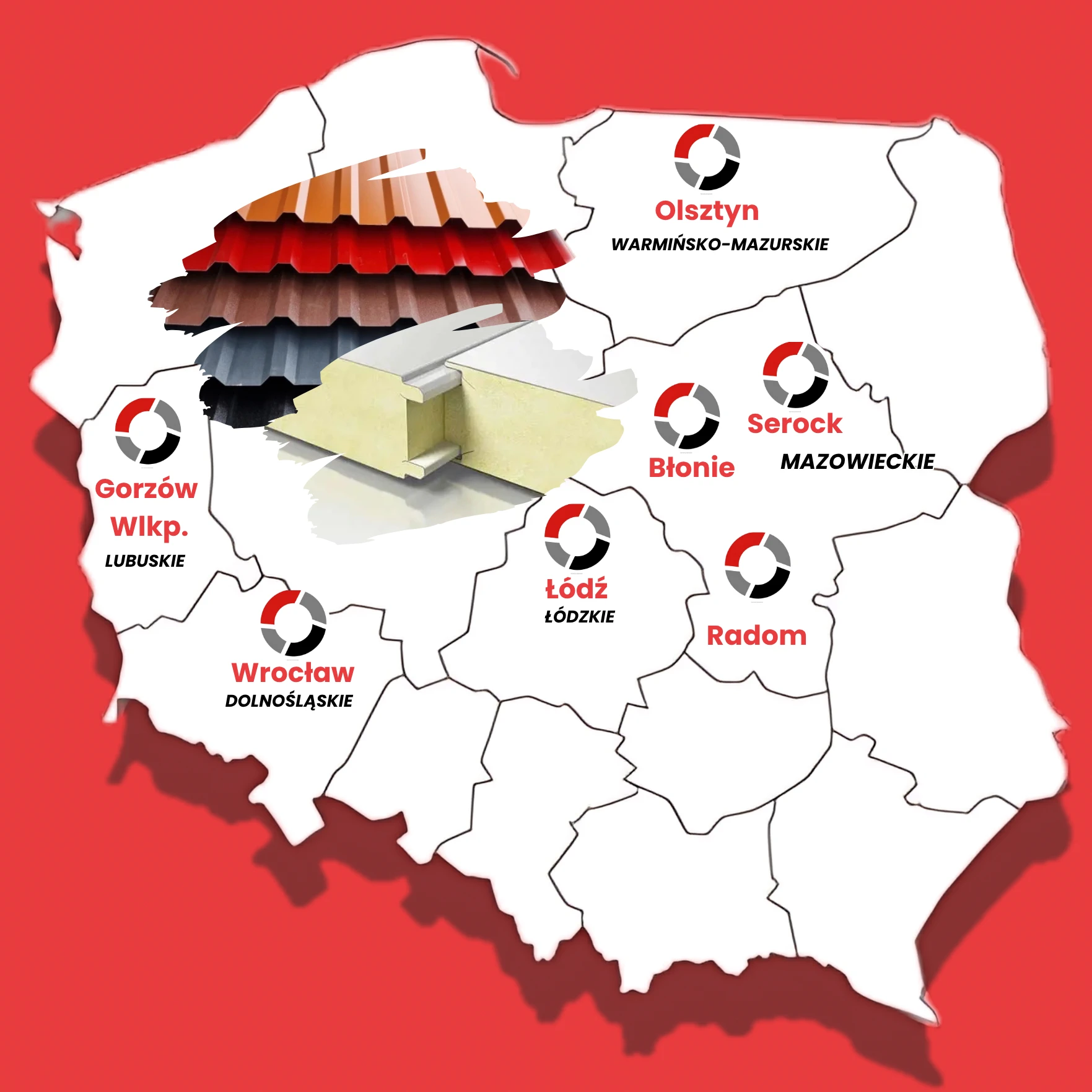
7 branches. Materials closer to your project.
Free quote
Materials for your project



You may also find useful…
Base cooperation with the construction manager on clear inspection points, documents and decision routes. In Poland, statutory responsibilities include directing construction, maintaining…
When insulating a roof and walls, it is essential to establish which thermal requirements apply to the specific building envelope and project,…
To estimate a completion date, ask each trade what needs to be ready before it can start. The roofing supplier needs reliable…
In Poland, the procedure for roof work depends primarily on what will change in the building. Replacing worn sheets, altering a timber…
If you suspect that work on a building in Poland was unauthorised, compare what stands on the site with the approved documents.…
Preparing an investment covers the plot, the design, the correct procedure and the documents needed to start work. The scope depends on…
If you plan to work on a roof in Poland, first describe exactly what will change. Replacing the covering, altering the structure…