

Building permits and procedures
Unauthorised building work in Poland: what can happen and when can it be regularised?
If you suspect that work on a building in Poland was unauthorised, compare what stands on the site with the approved documents. When a decision or drawing is missing from your own files, check the authority’s archive. The building may have been constructed without the required procedure, or it may have been approved and altered later. The distinction affects how building supervision deals with the case. The completion date and structural condition also matter. This guide explains the facts to establish before assessing whether work can be regularised under Polish law as at 1 November 2026.
In this guide
Which facts should you establish first?
Draw up a record of what was actually built. Collect dates, drawings, decisions, notifications and details of later changes. A document missing from the owner’s file may still be held by the competent authority or a previous owner. Check both sources before drawing conclusions.
Building without the required approval or notification is different from departing from an approved design. A repair or alteration carried out without the necessary notification can be a further category. Establish which situation applies. An added garage and a roof rebuilt to a different shape may follow different procedures.
Can proceedings also cover work on a roof?
Yes. Roof work can be subject to proceedings if it required a particular procedure or breached the conditions of an approval. Raising a roof, altering its structure or converting an attic entails a different scope of work from replacing a worn sheet. The authority examines what the work involved regardless of how the owner described it.
Replacing a heavy covering with lightweight steel changes the loads on the structure. It does not retrospectively authorise earlier works. Even a watertight roof built with good materials needs the documents required for the particular project. Structural adequacy and compliance with the procedure must each be assessed.
How does the ordinary regularisation procedure work?
Where a building was constructed without the required permit or notification, the ordinary regularisation provisions may apply. The building supervision authority can order a halt and set out what must happen next. Observe the deadlines, provide the specified documents and establish whether the legal conditions for retaining the structure are met.
The authority assesses compliance within the scope laid down by law. It may require documents drawn up by qualified professionals. An owner’s statement that the building is safe is insufficient. The procedure and the category of case also determine how any regularisation fee is assessed.
When is the simplified procedure available?
Article 49f provides a simplified route for a structure or part of one built without the required procedure if at least 20 years have elapsed since construction was completed. The Act also sets out exclusions and special cases. Establish the completion date from records or other evidence. The apparent age of the roof covering is an unreliable guide.
The documents include a declaration of the right to use the property for building purposes, an as-built survey and a technical expert report. The assessment considers whether the building is safe for its existing or intended use. A formal decision follows the relevant procedure even where the required period has already elapsed.

When does the 10-year threshold apply and when is it 20 years?
Article 50(6) also sets rules for specified works completed at least ten years previously. The applicable steps depend on the breach. For example, the simplified provisions can apply to certain material departures from a permit or approved design. The separate 20-year condition in Article 49f still applies to the cases governed directly by that article.
Before relying on the ten-year provision, establish whether the case concerns construction without authorisation or works subject to a remedial procedure. That classification determines the steps and evidence needed. For a roof altered repeatedly by successive owners, establish the scope and date of each alteration.
What can happen if you fail to act?
Depending on the case, the authority may require documents or remedial works, order compliance or require demolition. Other statutory consequences may follow. Payment of property tax fulfils a separate obligation and leaves the question of authorisation open.
If a building poses a danger, protect the people affected and arrange the necessary measures to secure it. Keep an unsafe part of the building out of use while the documents are being clarified. Damaged roof framing or excessive deflection calls for a technical assessment even while administrative proceedings continue.
How should you prepare your case?
Put the works in chronological order and mark which dates and facts are supported by evidence. Arrange for an assessment of the building and clarify the correct procedure. Further changes intended to conceal past work can complicate the investigation and trigger additional obligations. Follow the deadlines in the authority’s correspondence.
Before commissioning further work
When buying a house, ask for records of any additional storey, roof alteration or attic conversion. A current drawing shows today’s layout but may say little about the approval for earlier work. Resolve any doubts before commissioning the next renovation.
Key points for owners
Whether work can be regularised depends on the breach and the statutory conditions. Establish the construction history, assess the safety of the structure and identify the relevant procedure. Elapsed time, a new roof covering or a property tax receipt alone cannot settle the case.
7 branches. Materials closer to your project.

Free quote
Materials for your project


You may also find useful…
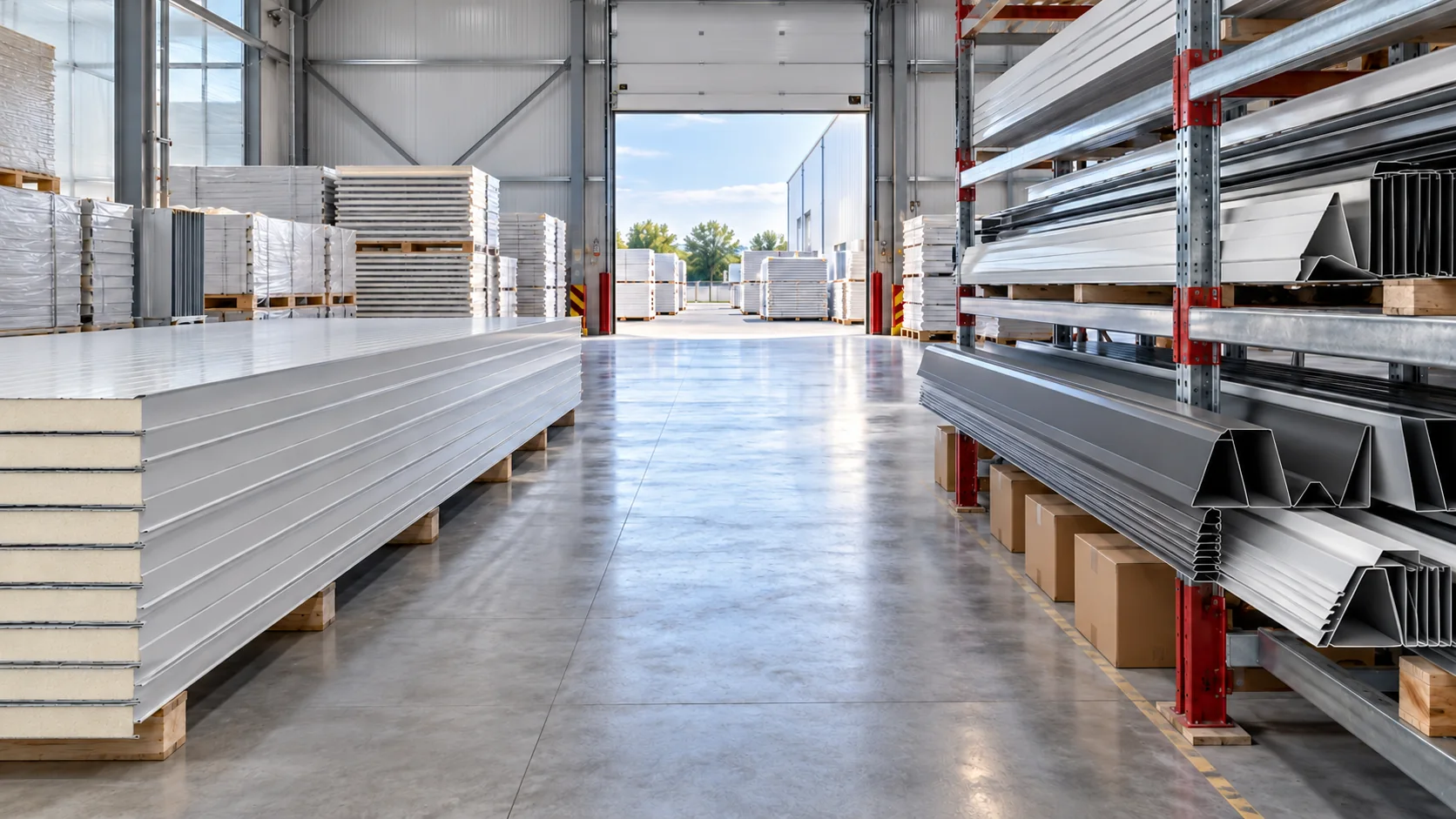
When choosing a supplier for an industrial building envelope, ask them to show how their quotation covers a corner, an opening and…
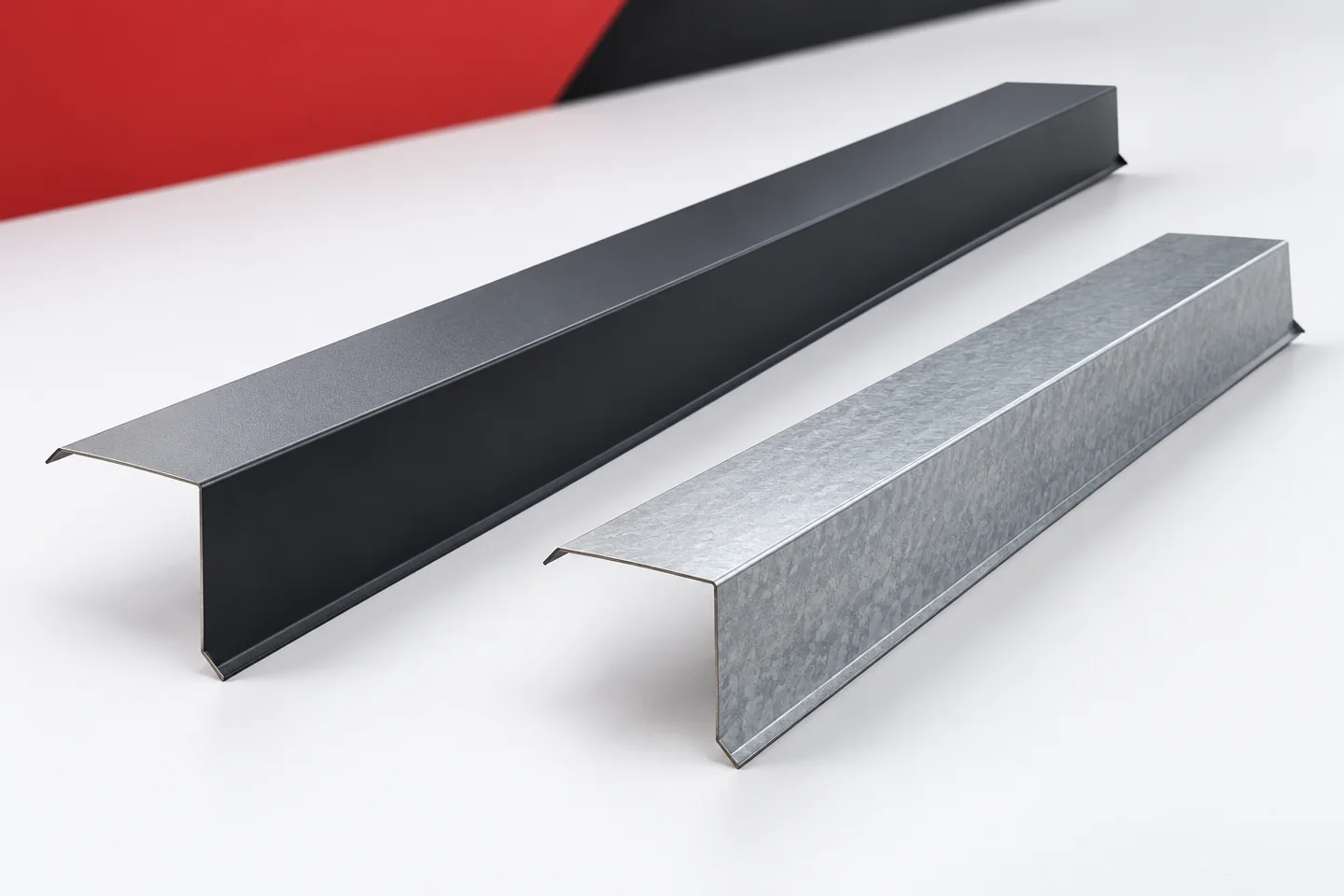
Receiving flashings requires more than counting packages. Shapes, lengths, material and surface condition must be checked. A mistake noticed before installation is…

Start with the panel price per square metre, then work out the cost of the finished wall. Thickness, facings, coating, panel lengths…
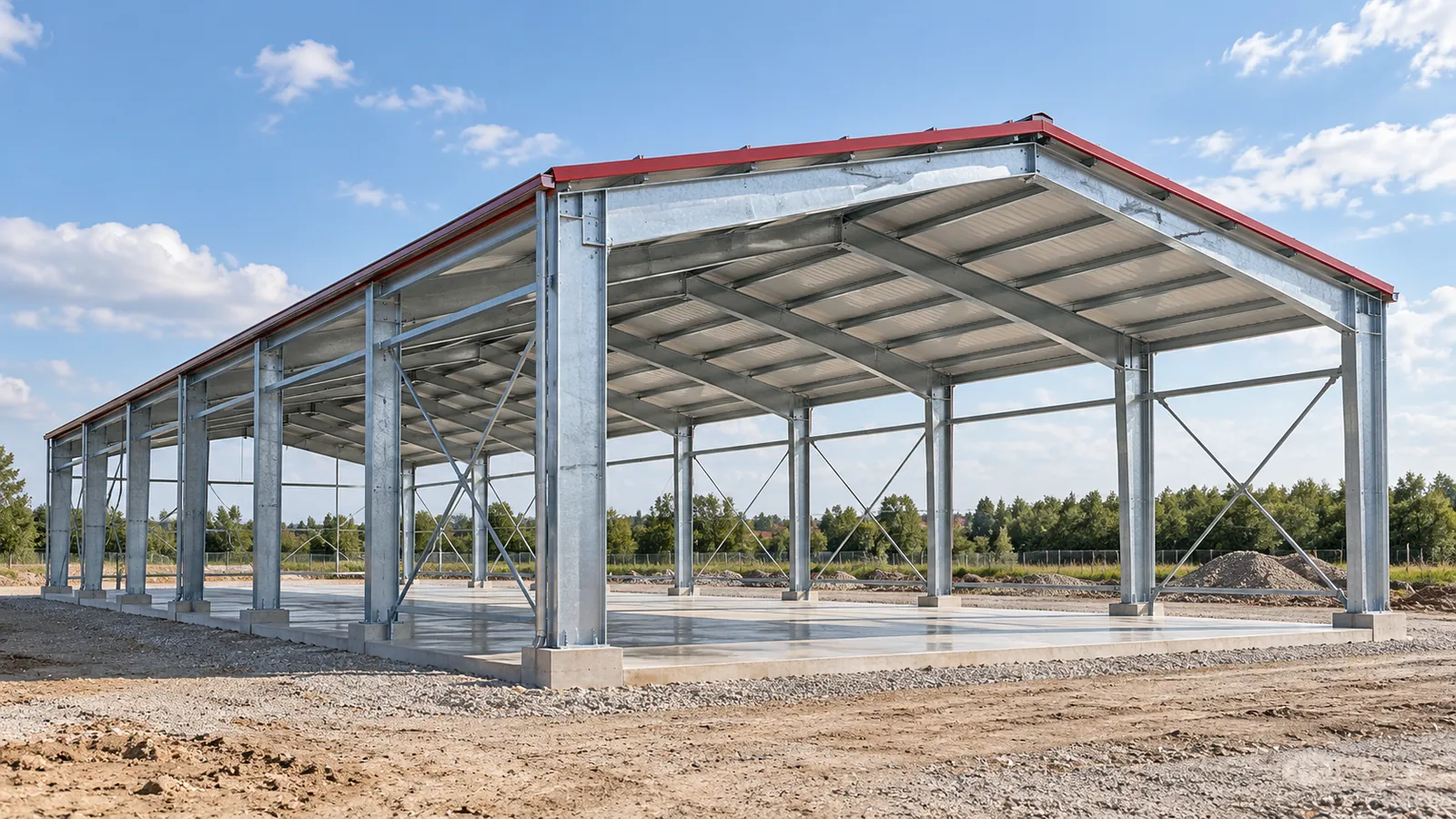
A quote for a steel hall can look attractive until work outside its scope has to be added. Neither the weight of…
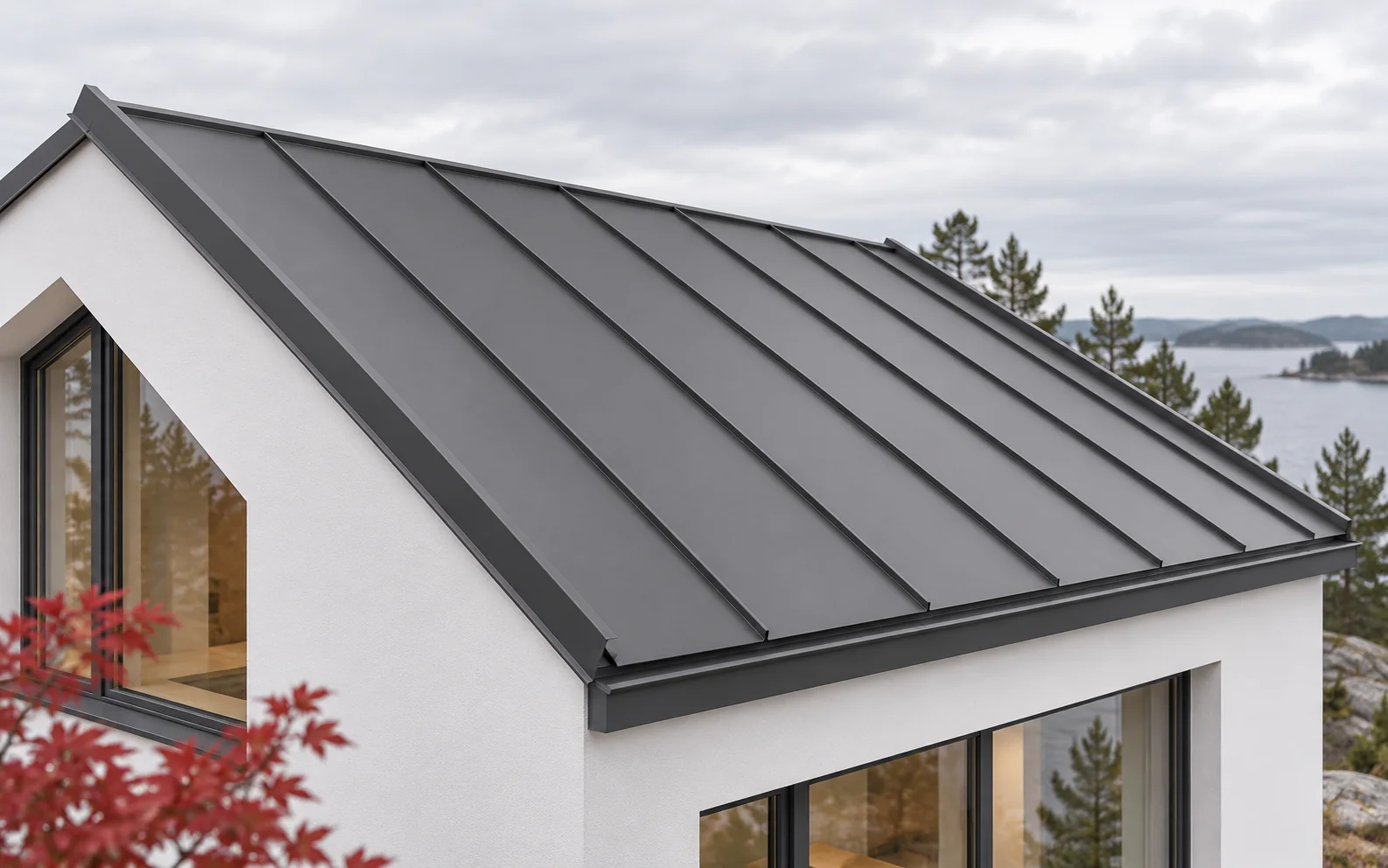
Standing seam panels give the roof a clean, longitudinal pattern, but they require a carefully prepared substrate and correctly executed details. A…
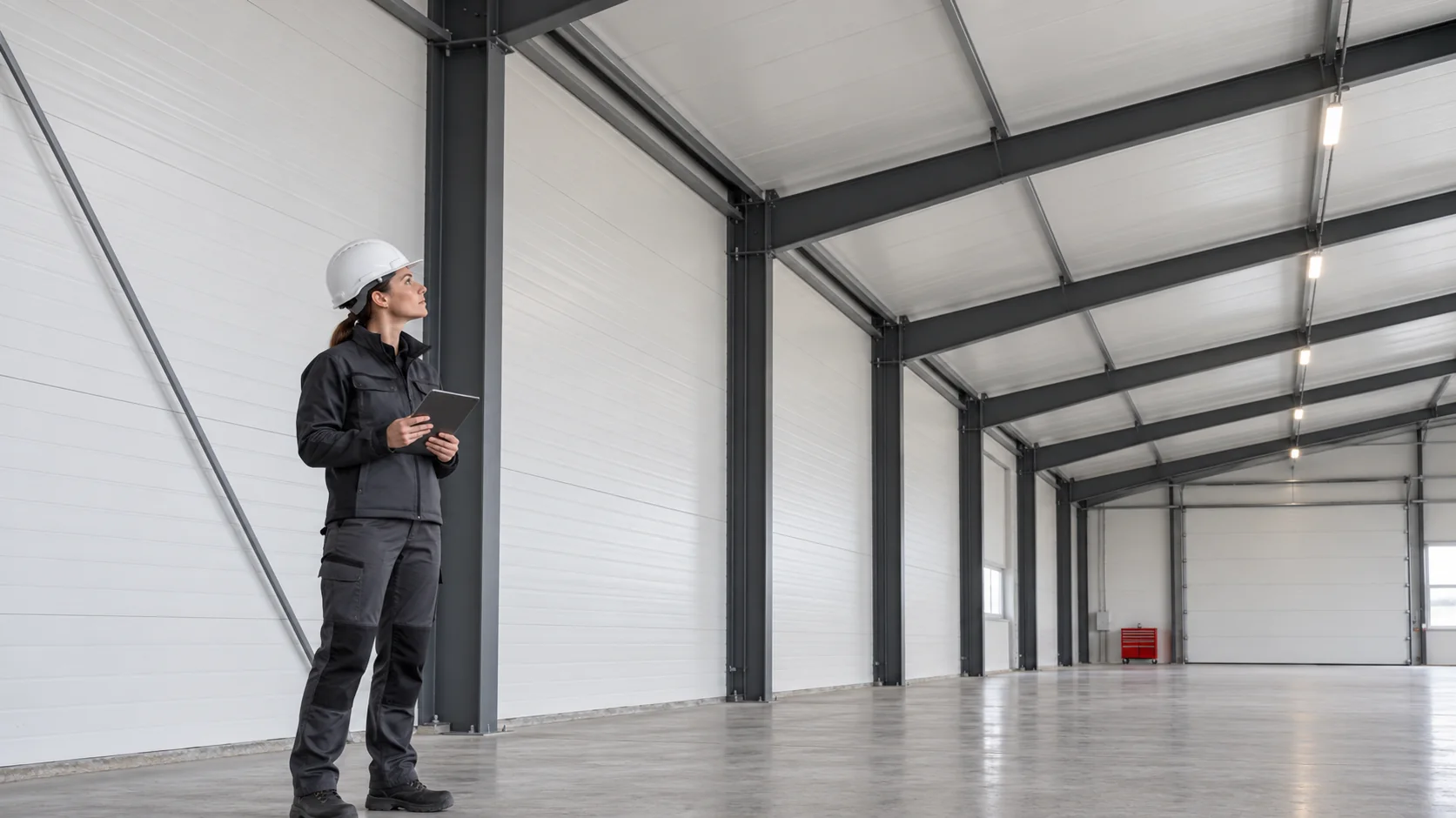
Start with the spaces on either side of the wall or roof. A heated production area, a cooler warehouse and staff rooms…
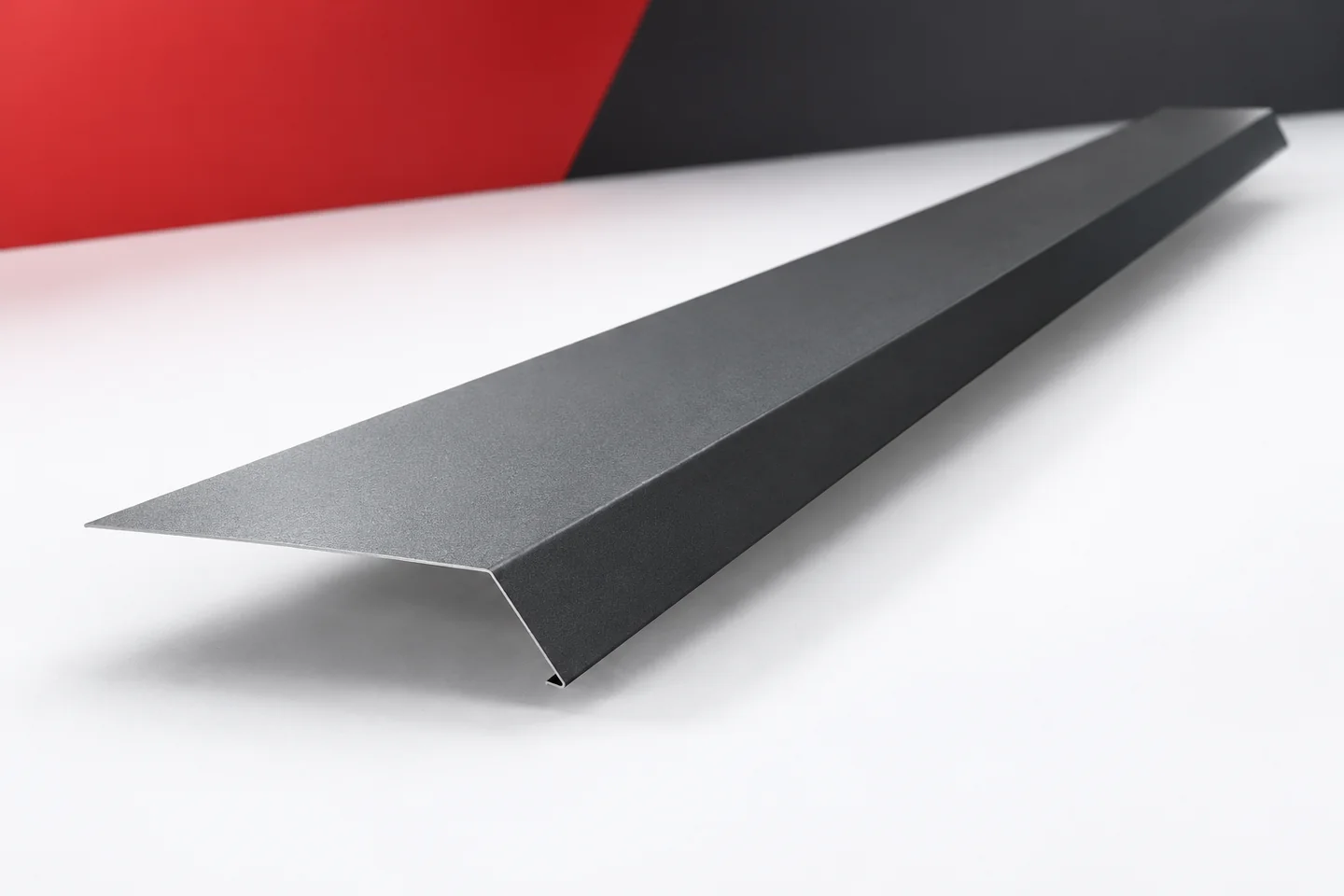
The eaves flashing is a small part of the roof, but it is responsible for an important stretch of the water's path.…
If you plan to work on a roof in Poland, first describe exactly what will change. Replacing the covering, altering the structure…