

Construction and design
How to match the roof colour to the façade and the other elements of the house?
It is worth deciding the roof colour in parallel with the façade, joinery and rainwater system, because a large roof slope, matt or gloss finish and the sheet profile all change how the same shade is perceived. First define the character of the building form and the permanent elements — in a renovation, stone, brick or joinery; in a new house, the proportions and the eaves line. Decide whether the roof is to dominate or form a background; with complex architecture, a limited palette brings order to the whole. Assess samples together, in daylight, recording the full coating designation.
In this article
Where to start when composing colours?
Choose the elements that are to remain for a long time. In a renovation this may be a stone façade, brick or joinery. In a new house, start from the overall character of the building form. The roof should work with this set rather than being judged as a separate surface on a colour card.
Decide whether it is to dominate or form a calm background. A strong colour on a large roof slope will be more visible than the same shade on a small fragment. With complex architecture, a limited palette helps to organise the appearance. Not every flashing needs to be made a separate accent.
How does graphite work with a light façade?
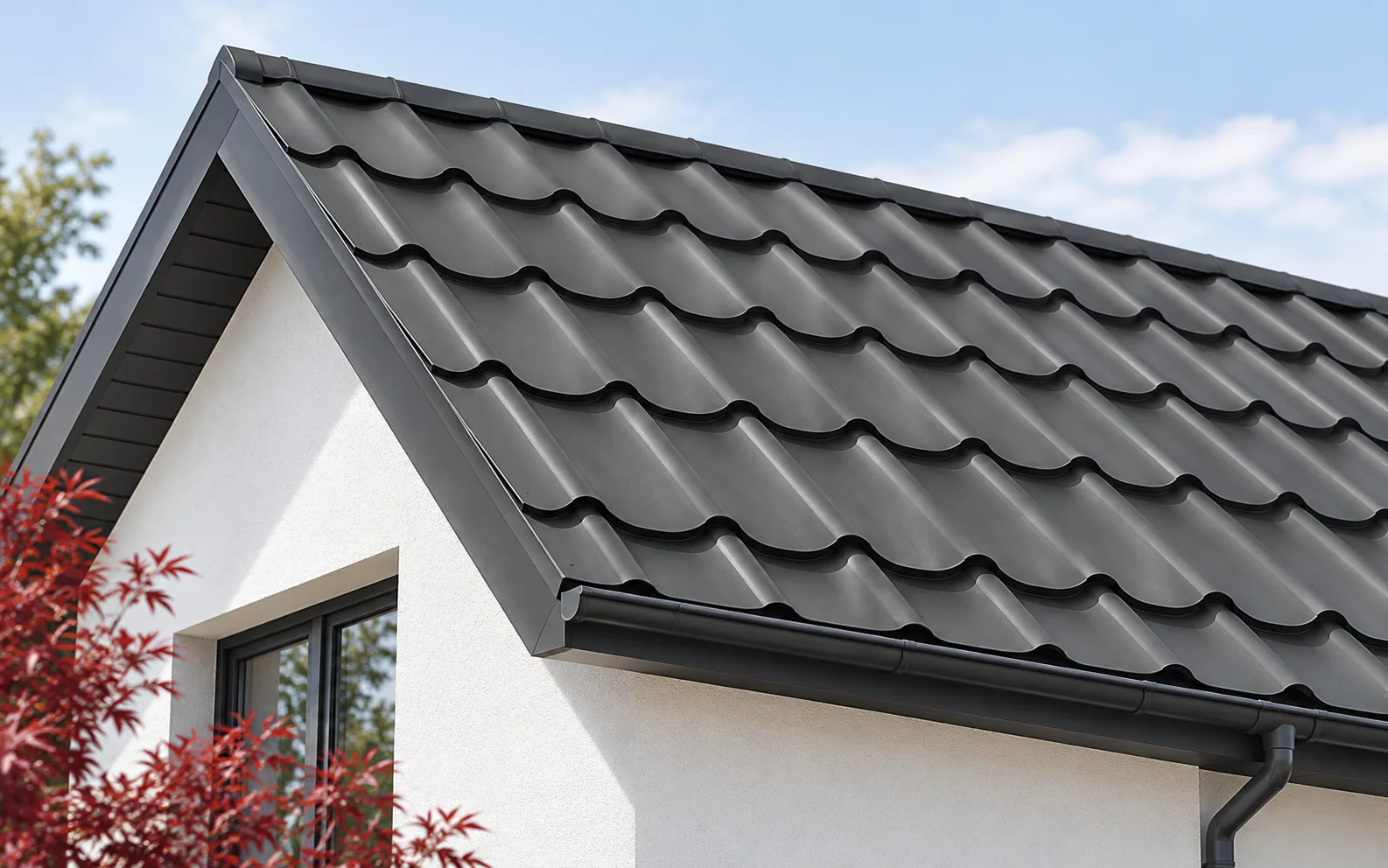
Graphite creates a clear contrast with white and light greys. It can emphasise the simple shape of the house and the line of the eaves. How it is perceived depends on the proportion of roof to walls. On a low building with a large roof slope, a dark covering becomes a strong element of the whole composition.
It is worth comparing them also with the colour of the windows and the garage door. Several similar greys may look coherent, but they may also reveal unintended differences. Do not assess samples separately in different rooms. Place them side by side in daylight and look at them from a certain distance.
When are warmer shades better?
Browns and shades close to natural ceramics can work with warm render, brick and wood. The impression depends on the temperature of the colours. A cool grey façade and a strongly warm roof require a conscious pairing. The mere statement that both colours are neutral is not enough.
The surroundings also matter. Greenery, neighbouring buildings and the ground surface change how the house is perceived. It is worth making a trial combination of several fragments instead of choosing from several dozen colours at once. Two or three carefully developed proposals make the decision easier than a very broad random palette.
What do matt, gloss and the profile shape change?
Gloss reflects light more strongly and sharpens the course of the pressings. Matt usually gives a calmer effect. This is an aesthetic difference that does not automatically describe the durability of the coating. The protective parameters and the conditions of use of the chosen variant must be checked separately.
T18 creates a dense rhythm of straight lines. Modular tile-effect metal roofing also divides the roof slope transversely. The same graphite may therefore look different on the two materials. It is best to compare samples of the actual profile. A smooth piece of coated steel sheet does not show the shadows created on the finished roof.

How to match gutters and flashings?
Elements at the edges strongly influence the final appearance. A gutter close to the roof can emphasise the eaves, while a pipe in the wall colour stands out less against the façade. Both solutions can be correct. What matters is that the decision is coherent for the whole building.
Check the texture and gloss of the flashings at the chimney, the bargeboards and the window sills. A similar colour number does not guarantee an identical appearance of different materials. The safest approach is to assess the complete set of samples before ordering. Replacing a single section later may prove more expensive than careful selection at the outset.
Does colour affect the attic temperature?
Colour and surface properties influence the heating of the covering, but the temperature inside cannot be predicted from the colour alone. Insulation, ventilation, airtightness and glazing also matter. Dark steel sheet does not rule out comfort, but it requires a correctly designed building envelope.
Nor should it be promised that a light roof will replace insulation. For an attic, the whole assembly matters. If summer comfort is a problem, window shading and air exchange must also be assessed. The choice of colour is one of the decisions, not a standalone solution to building physics.
How to avoid differences between orders?
Order the main elements in a coherent variant and keep the specification. Shade differences may occur between batches. A surface used over many years may also look different from new material. That is why reordering on the basis of the name “graphite” alone may be insufficient.
Before purchase, check the constraints arising from the design and local regulations. Then view the selected samples at the building in sun and shade. Record the full designation of the coating, not just the colour number. Such a decision will be easier to reproduce in a later extension or repair.
Tip before ordering
Make a physical set from the roof, façade, window frame and gutter samples. Assess it in one place, at the same time. Keep a phone photo as an aid, but do not treat it as a faithful colour card.
What is worth remembering?
A good roof colour results from the whole composition of the house. Choose a few coherent variants, check them on real samples and match the finish of the accessories. Assess the coating parameters independently of which shade you like most.
7 branches. Materials closer to your project.

Free quote
Materials for your project

You may also find useful…
Internal wall insulation may be an option if the façade is in good condition or exterior work has to wait. Before fitting…
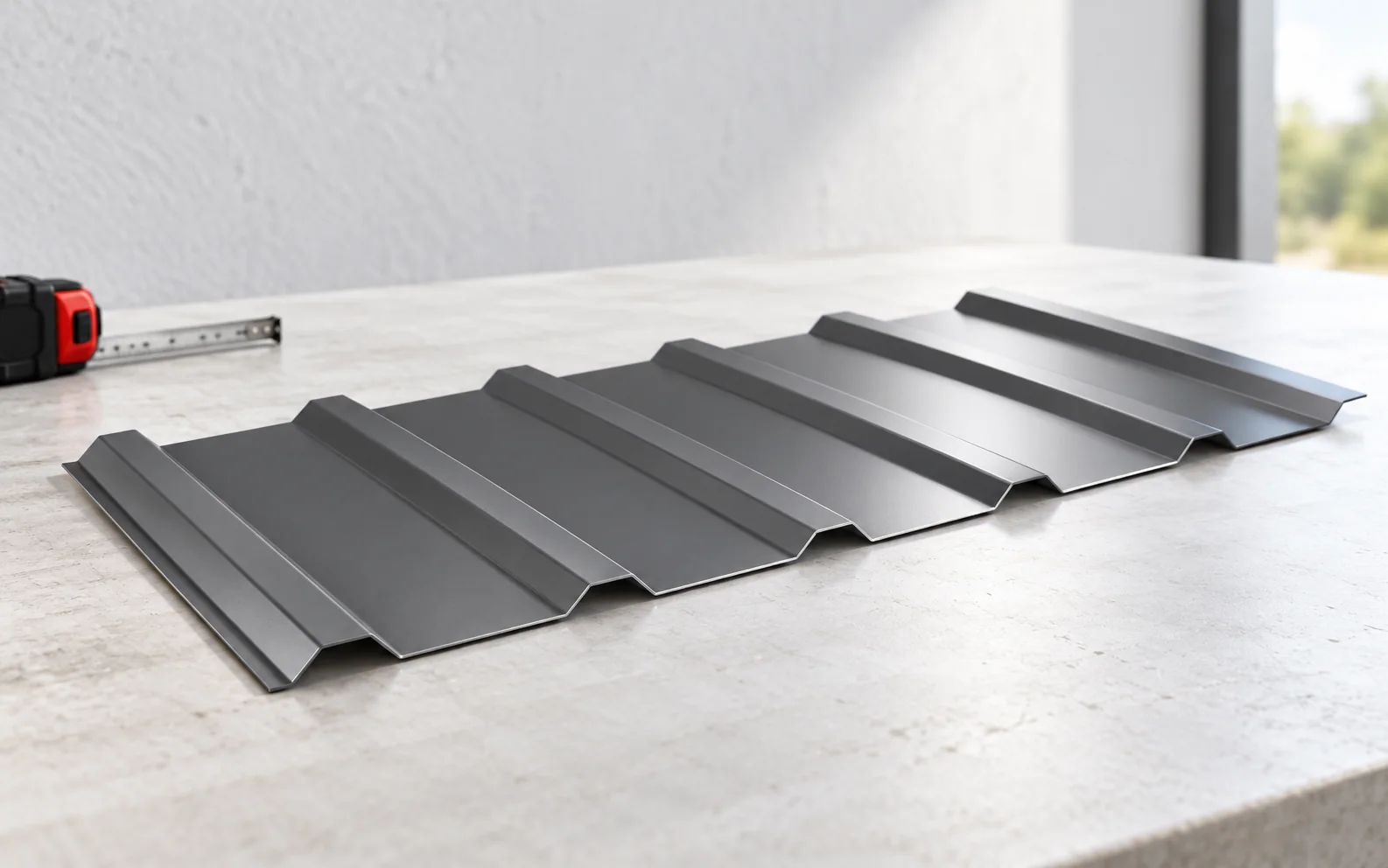
Start by deciding what the metal must do. If a profiled sheet is to protect an insulated wall, the design needs supports…
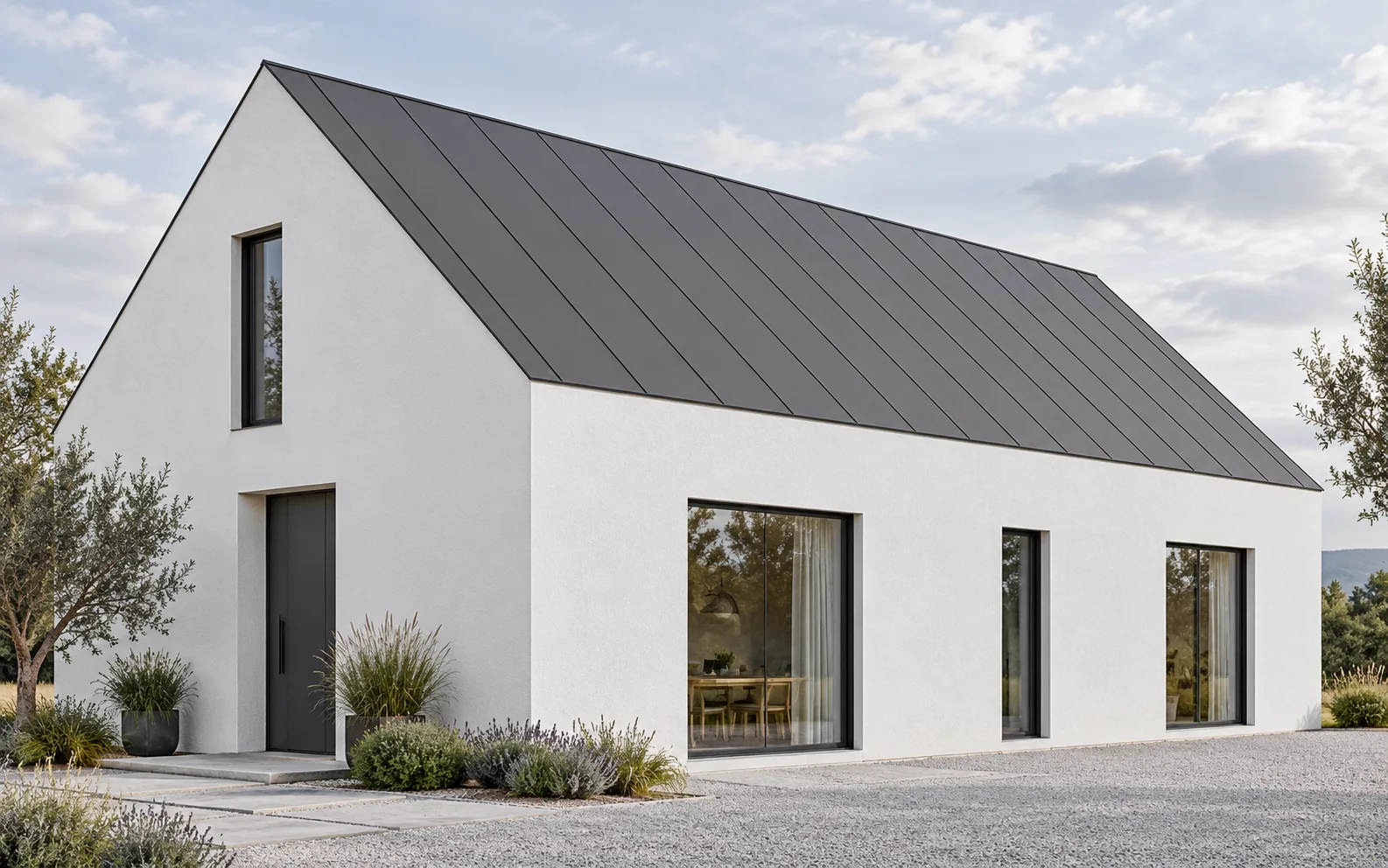
A roof without eaves creates a compact volume but places greater demands on the detail at the wall. Drainage, insulation and any…
If the façade of a historic apartment building must stay as it is, insulating from the inside can make a flat more…
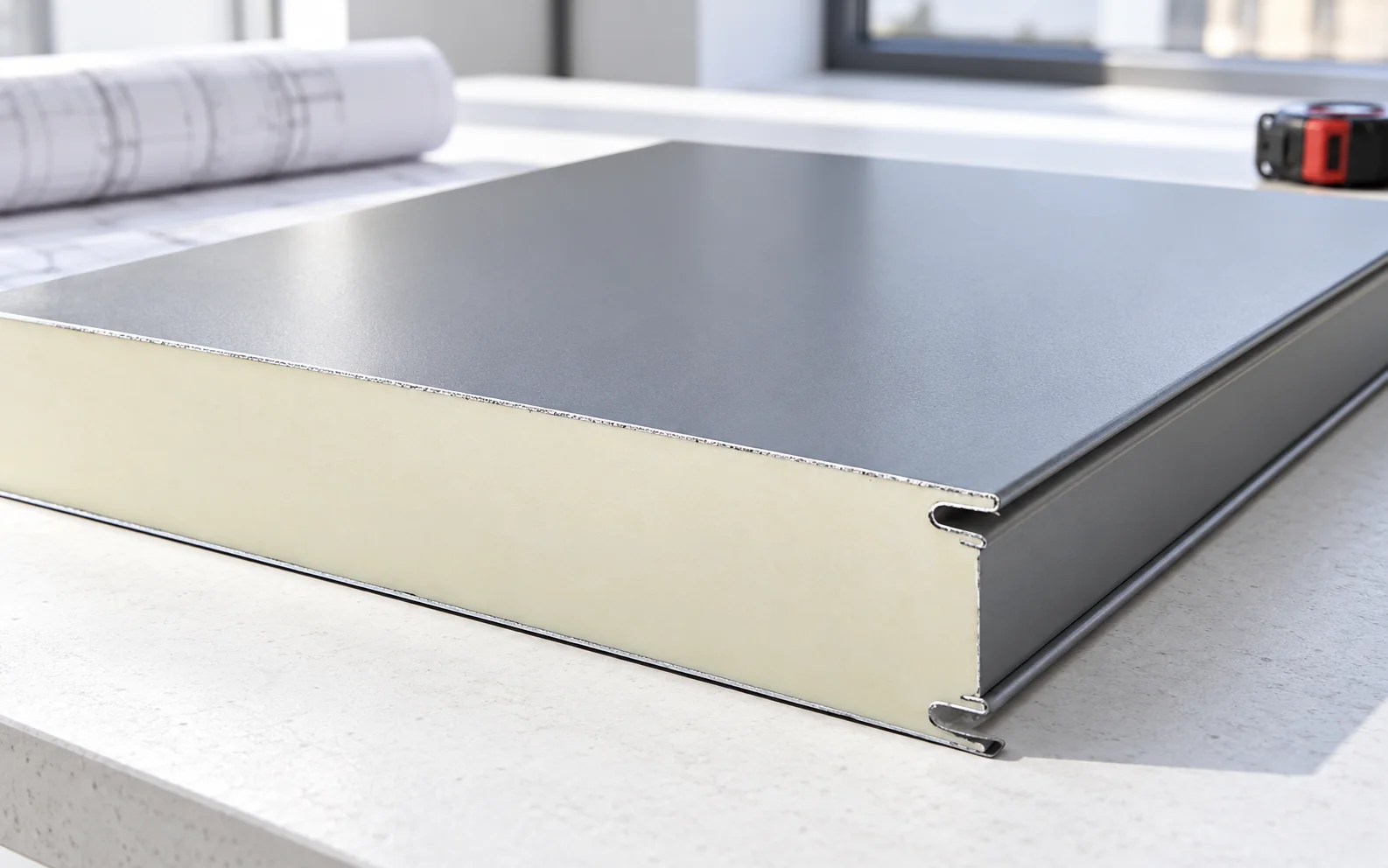
Sheet metal makes it possible to create calm, repetitive divisions on the roof and walls. A lightweight cladding, however, serves a different…
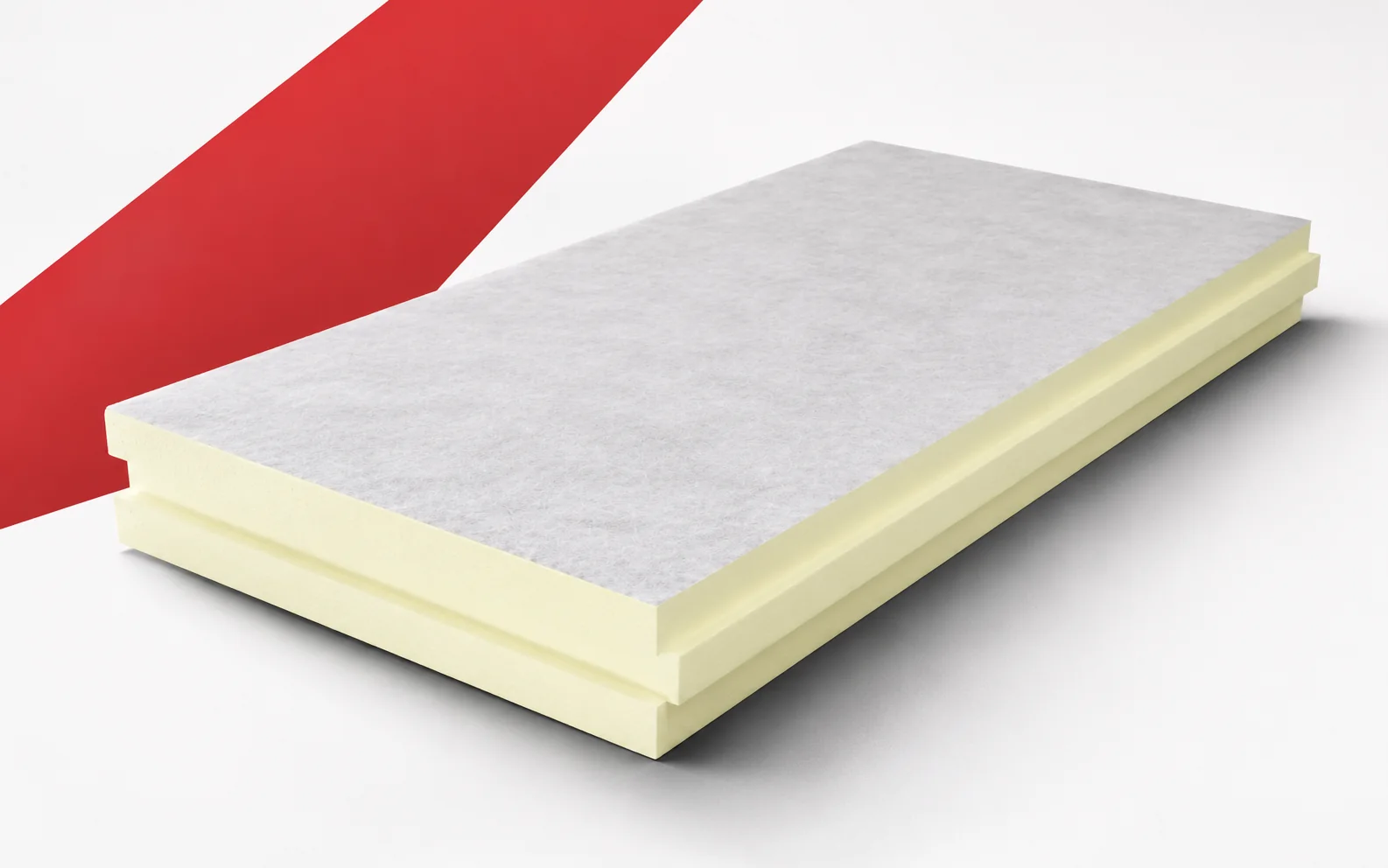
On a façade, the insulation thickness affects the reveals, sills and the position of details. termPIR ETX allows PIR insulation to be…
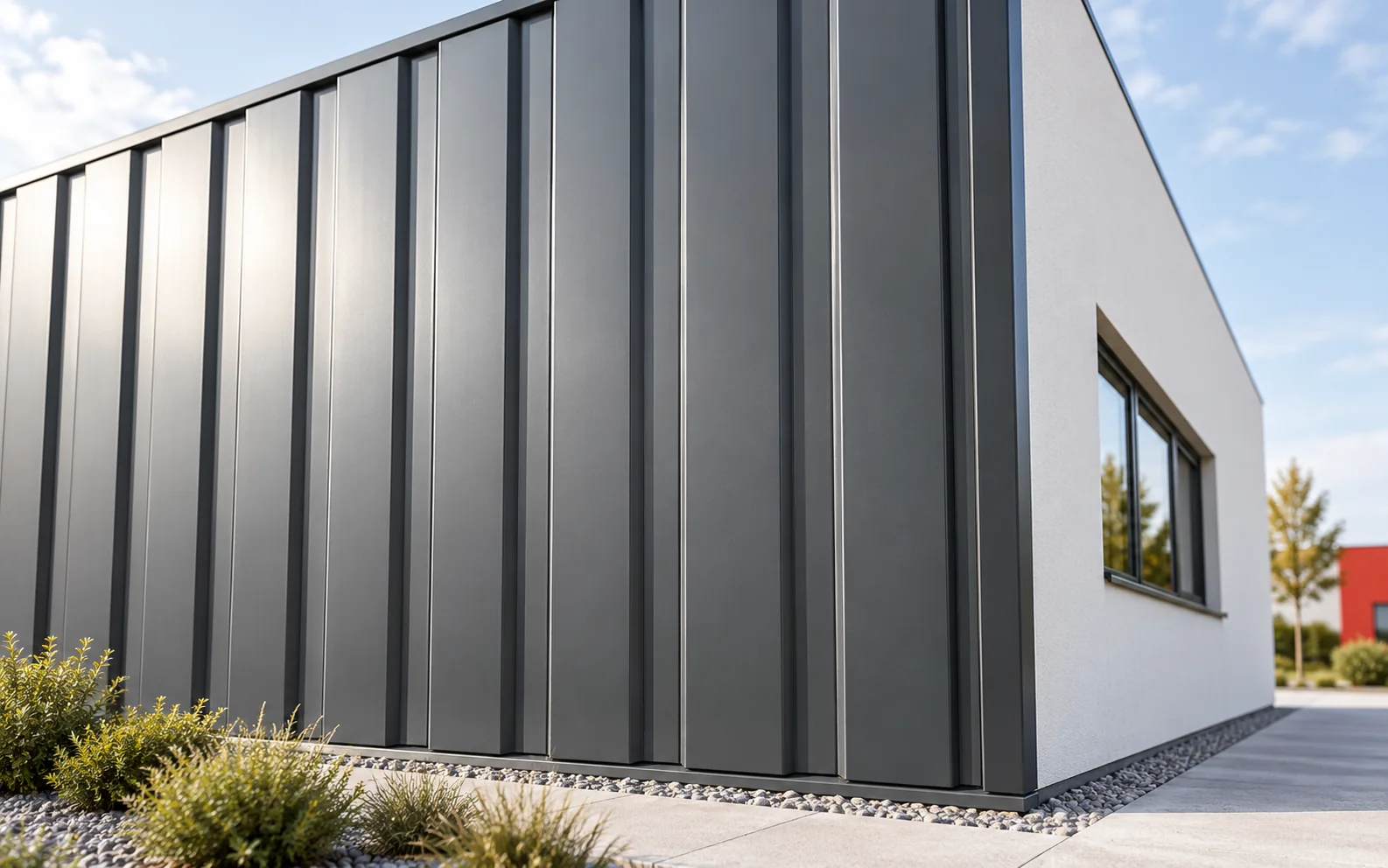
A profiled sheet-metal façade allows a clear rhythm of divisions to be achieved, reduces the weight of the cladding and enables large…
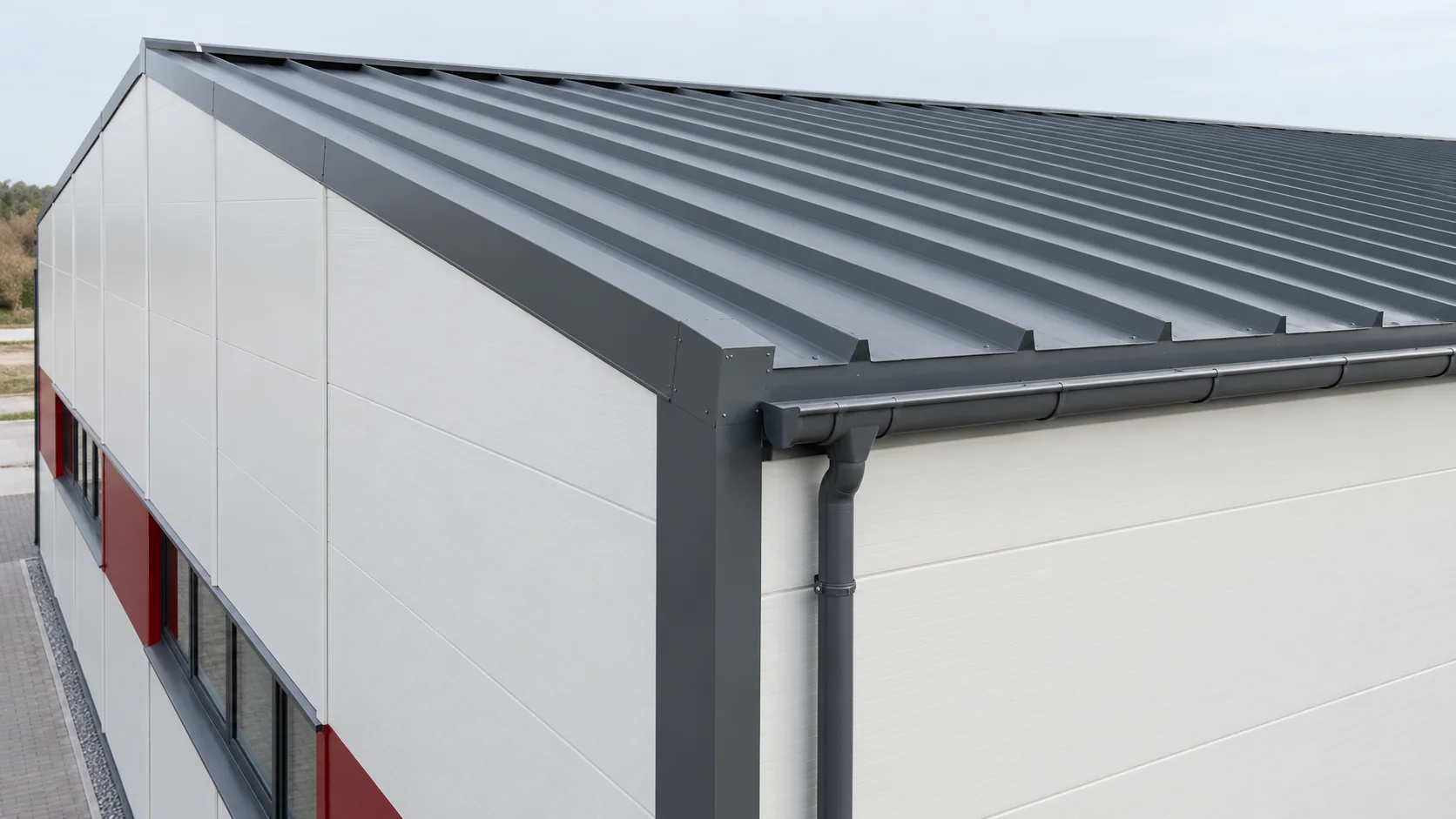
Select sandwich roof panels and wall panels together so that dimensions, costs and junction details agree. Each has a different job. On…