

Construction and design
How to choose roof rafters and what their cost depends on
Rafter sizes are determined by structural calculations, in which span, spacing, type of support, timber class and loads govern the cross-section; the type of covering alone, even a lightweight one, does not allow the members to be reduced at will. The cost depends on timber class and species, drying, processing, commercial lengths, transport and timing, so quotes should be compared on the basis of a complete roof truss schedule rather than the price per cubic metre. At delivery and during installation, markings, moisture content, cross-sections and protection against damp and weakening of the cross-section all matter.
In this article
What function do rafters perform?
Rafters form the sloping elements of the roof structure. They support the layer build-up and transfer loads to the other parts of the roof truss. Their performance depends on the adopted scheme: the presence of purlins, collar ties, supports and connections. Not every long beam running diagonally works under identical conditions.
Rafters are acted upon by, among other things, the weight of the layers, snow and wind. Installations and planned roof equipment may also be relevant. A change of covering or the addition of photovoltaic panels requires these effects to be taken into account. The assessment should not be limited to comparing the weight of two types of sheet metal.
Why is there no single good cross-section?
The same rafter may be sufficient for a short span and insufficient for a larger one. The distance between supports matters, not only the total length of the timber. Load-bearing capacity, deflection and stability are checked. All these conditions must be related to the actual structural scheme.
Rafter spacing affects the load on an individual element. It also changes the requirements for battens, sheathing and insulation. It should not be modified independently in order to match panel width or use available timber. An apparent saving may require the redesign of several subsequent layers.
What does timber class mean?
The C24 designation describes the strength class of structural timber. It is not the name of a species, a cross-section dimension or a guarantee of the load-bearing capacity of any rafter. Geometry, service conditions and the type of support are also needed for calculations. The class stamp alone does not replace a design or a delivery check.
Check the product documents, the way it is marked and conformity with the order. Moisture content, cracks and deformation require assessment in the context of the application. Not every visual defect means rejection, but non-conformity must not be ignored either. Suitability should not be decided solely by colour or surface smoothness.
Solid timber or engineered components?
Solid timber, glued laminated timber and veneer products are used in structures. They have different properties, available lengths and design rules. An engineered material can help with demanding spans or dimensional constraints. This does not mean that components can simply be swapped without calculations.
The order should correspond to the designation in the design. If the supplier proposes a different product, its parameters and connections need to be assessed. The price per cubic metre may be higher, but the whole system may require different quantities or supports. Compare the complete structure, not just the unit of material.

How do you calculate the quantity of timber for a quote?
The volume of a single rectangular element is the product of width, height and length. All dimensions must be given in metres. An example element of 0.08 × 0.18 × 5 m has a volume of 0.072 m³. This is only an arithmetic example, not a recommended rafter cross-section for a specific roof.
Twenty such elements give 1.44 m³ before taking account of other parts and ordering rules. Commercial lengths, offcuts and the method of processing are needed for the quote. A random waste percentage should not be added without checking the cutting plan. An accurate list of elements often limits the purchase cost better.
What makes up the actual price of rafters?
The price is influenced by class, species, drying, processing and length. Transport and availability at the required time also matter. An offer for cheap raw material may not include preparation for installation. A comparison is only meaningful once these conditions have been standardised and the tax stated.
Check whether the quote includes cutting the birdsmouths or preparing the elements according to the documentation. Connectors and timber protection may be priced separately. Not every product is compatible with all subsequent material contacts. The scope of protection should be matched to the conditions instead of treating impregnation as a universal solution.
How do you check delivery and installation?
On receipt, compare cross-sections, lengths and markings with the schedule. Store the timber so as to limit moisture uptake and deformation. The storage method should provide support and proper protection. Elements left in water lose the advantage of good preparation at the plant.
During installation, birdsmouths must not be deepened at will and large holes must not be drilled. Weakening the cross-section can change its performance. This also applies to routing installations through the roof truss. Every change from the design must be assessed before execution, especially near supports and connections.
Tip before ordering
Attach to the request for quotation a schedule of elements from the design: material class, cross-section, length and number of pieces. Ask for transport and processing to be stated separately. The number of cubic metres alone is not enough to compare deliveries.
What is worth remembering?
Good rafters are elements matched to the loads and made from documented material. Their cost is worth calculating on the basis of the complete roof truss schedule. A change of cross-section, class or connection method requires verification, even when the planned covering is lightweight.
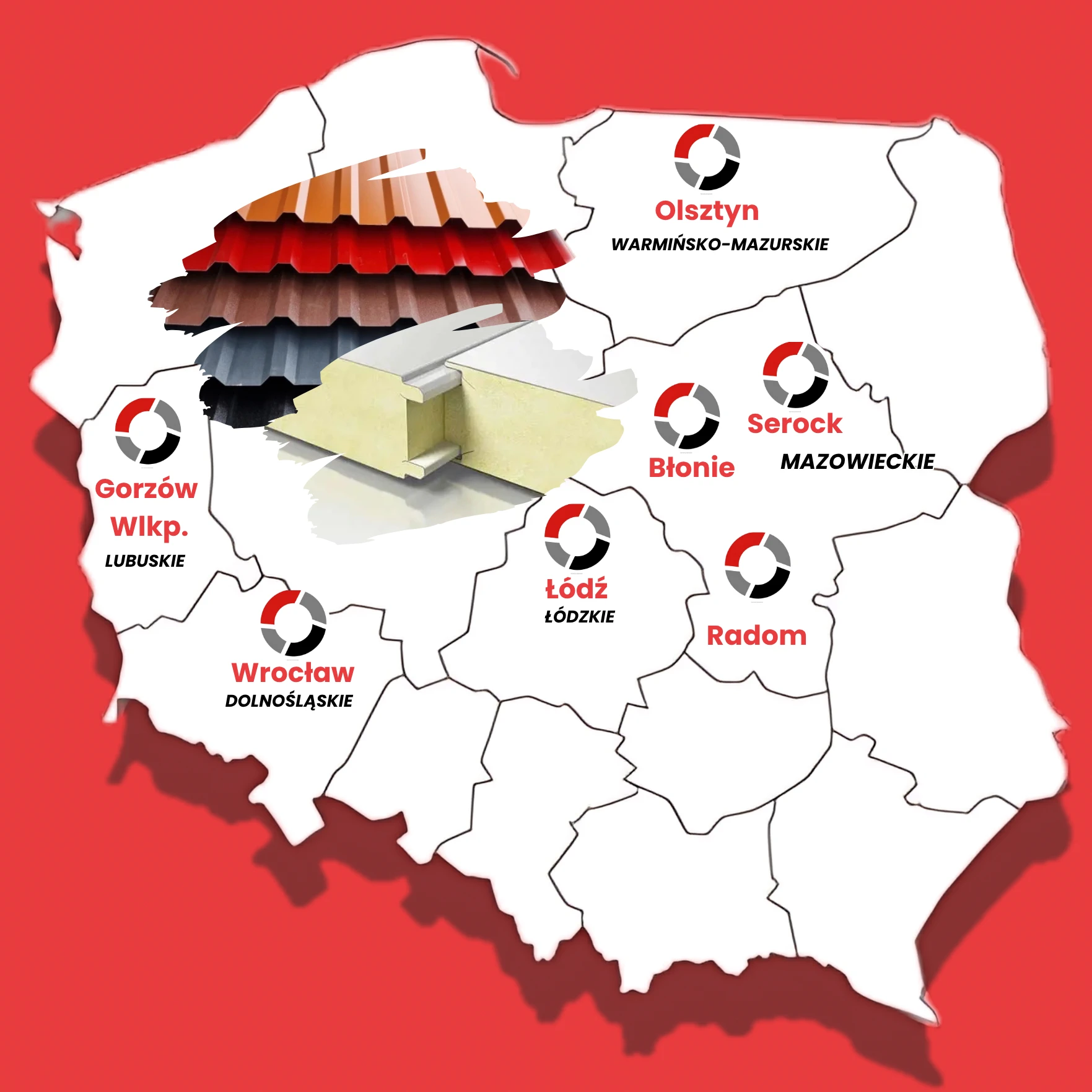
7 branches. Materials closer to your project.
Free quote
Materials for your project

You may also find useful…
Many mineral wool wall panel ranges include a 100 mm option. Panels of this thickness can serve different buildings, provided their performance…
The same PIR thickness appears in two quotes, but one board has an aluminium facing and the other a mineral fleece. The…
Second-quality trapezoidal steel sheets can be discounted for very different reasons. Before comparing prices, find out why the particular sheets were downgraded.…
A low price for a 40 mm wall panel is useful only if the panel suits the wall you need to build.…
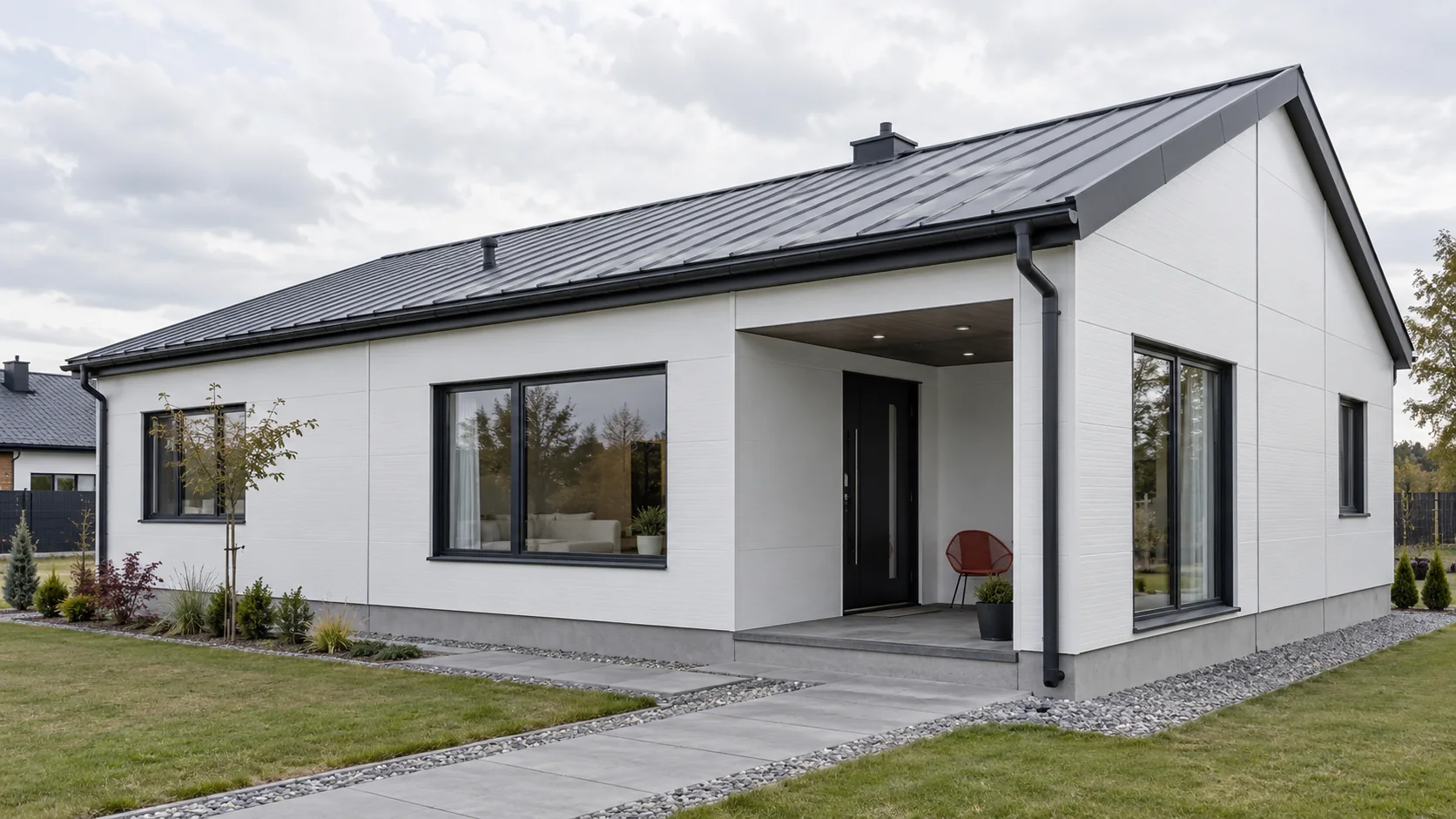
To estimate the cost of a sandwich panel house, establish what the quotation covers. It might cover panel delivery, an enclosed shell…
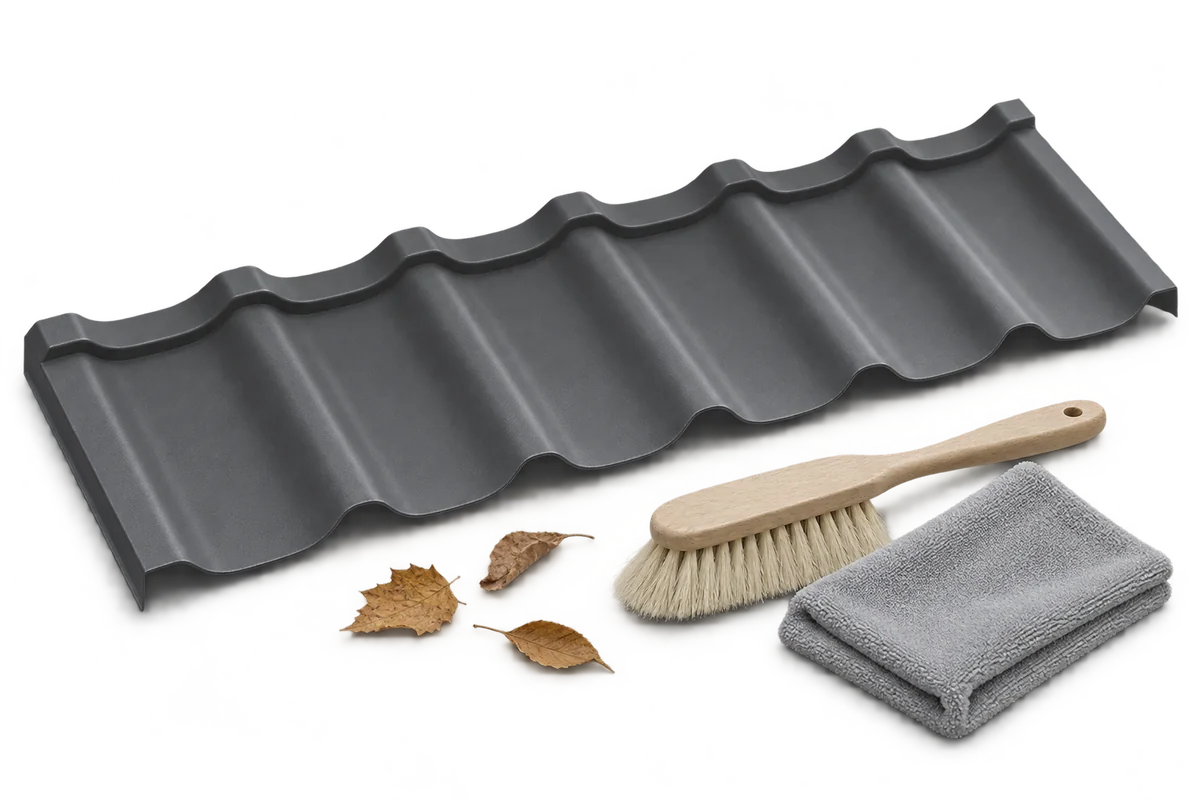
Cleaning tile-effect or colour-coated steel roofing should be commissioned after identifying the covering, rather than priced solely by square metre. A dark…
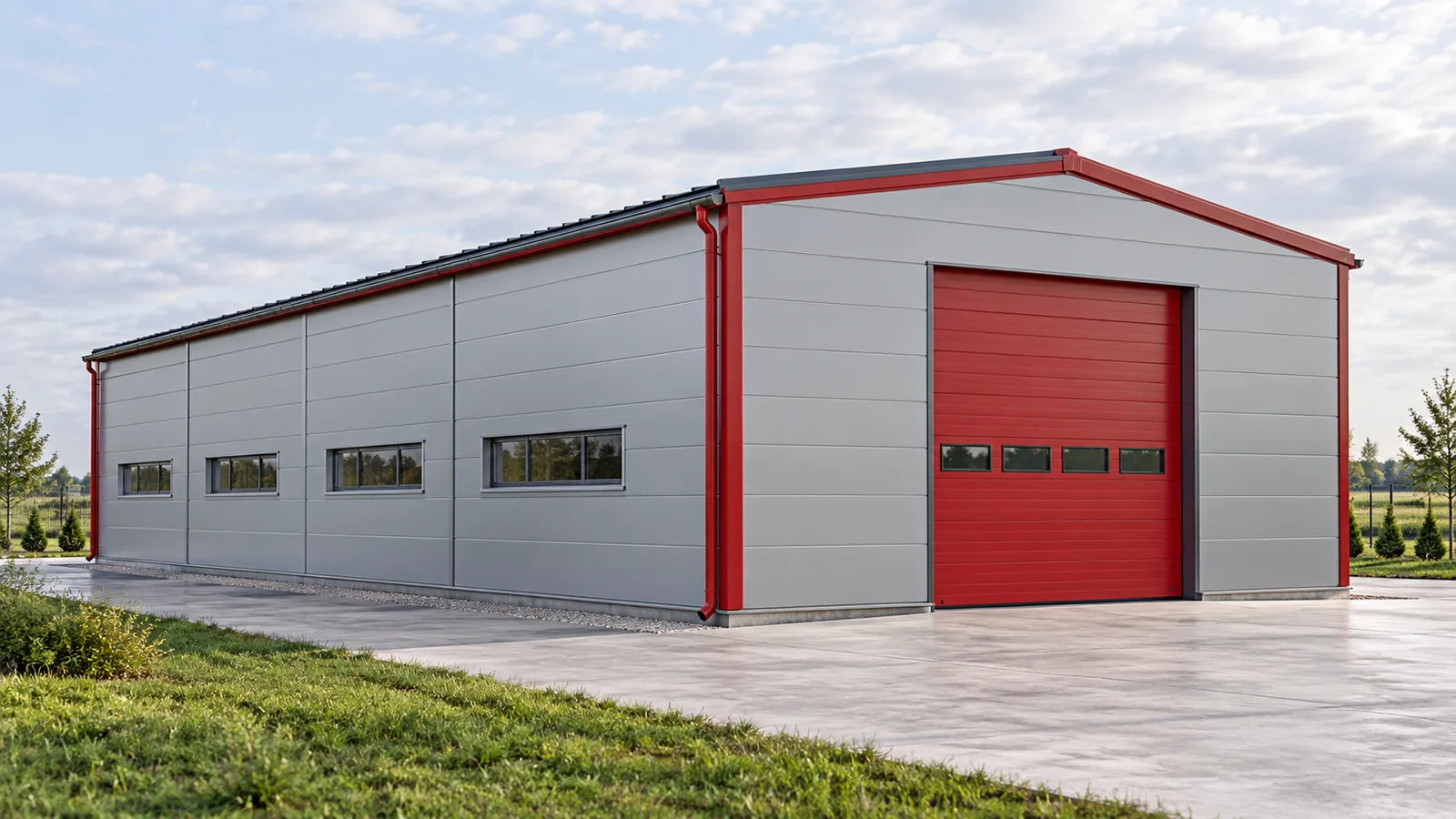
Not every company needs a hall designed from a blank sheet of paper. Nor can every company fit its operations into an…
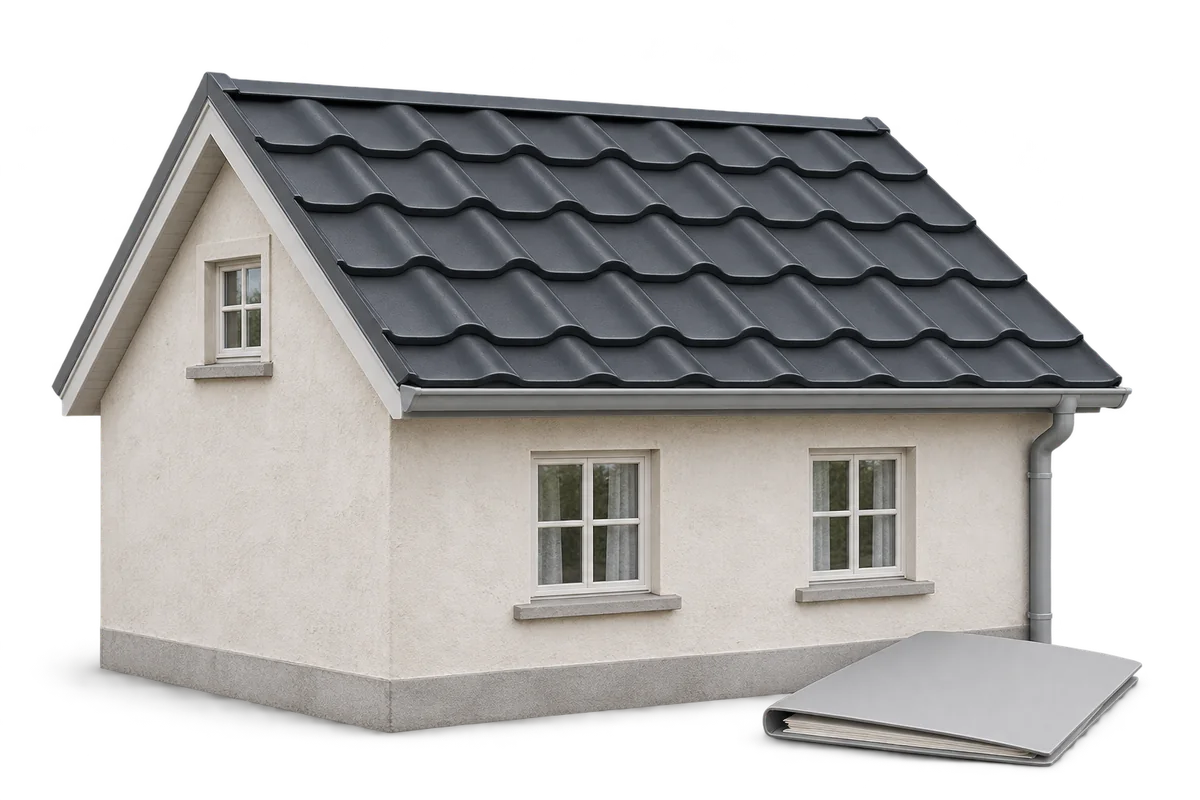
Start roof renovation by identifying what will be restored, replaced or changed. In Poland, the administrative procedure depends on the work, the…