

Renovation and maintenance
How to protect a metal roof against corrosion
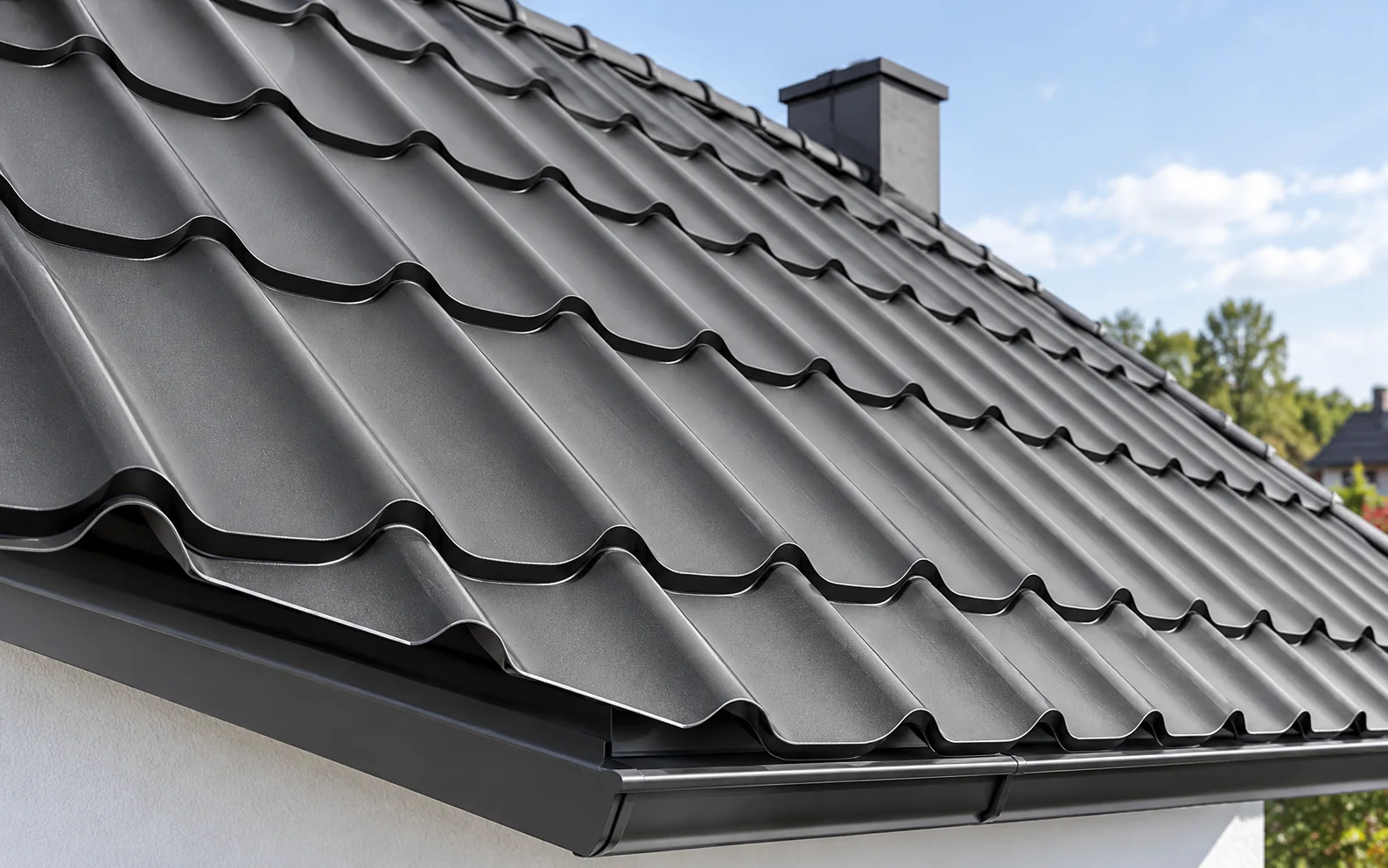
Corrosion protection begins with selecting the sheet metal to suit the environment, and later depends on transport, installation and care. Coating thickness alone does not describe overall durability. Edges, fasteners and places where water accumulates are also important. A rusty trace should be checked immediately, before the damage spreads. Roofing sheet has a steel core and protective layers. The metallic coating and organic finish perform different, complementary functions. Damage to the outer layer does not always mean perforation straight away, but it can impair protection at that point. That is why the entire product description must be compared when purchasing. The type of protection, the steel thickness and the declared application all matter.
In this article
What actually protects the steel sheet?
Roofing sheet has a steel core and protective layers. The metallic coating and organic finish perform different, complementary functions. Damage to the outer layer does not always mean perforation straight away, but it can impair protection at that point.
Therefore, when purchasing, the entire product description must be compared. The type of protection, the steel thickness and the declared application all matter. Two sheets in the same colour may have different coatings. A long warranty, too, is not a simple statement of equal durability in every environment.
How to match the coating to the environment?
Conditions in quiet residential development differ from the surroundings of an industrial plant or a saline environment. Contamination, humidity and the possibility of cleaning must be taken into account. The selection should be based on the coating documentation and the actual conditions of the building.
In a hall, the internal side must also be assessed. Process vapours, moisture and cleaning agents affect the underside lining of the sandwich panel. The external appearance does not indicate whether the finish is suitable for such an interior. Requirements apply to both surfaces, although their exposure may differ.
What can cause damage before installation?
Water trapped between sheets during storage creates poor conditions for the surface. Packs must be stored and unpacked according to the instructions. The transport film is not protection for an arbitrarily long stay on the construction site. Moisture drainage and protection against damage are important.
Dragging one sheet over another can scratch the coating. Lifting and carrying must be adapted to the length of the elements. When accepting a delivery, it is worth recording damage before the materials reach the roof. This allows a transport problem to be distinguished from an installation error.
Why does the cutting method matter?
For coated sheets, use the tools specified in the roofing instructions. An angle grinder can overheat the edge and scatter hot particles. Such traces become points of later corrosion. A shorter cutting time does not justify destroying the protective layers.
After drilling and cutting, swarf must be removed from the entire roof slope and the gutters. A metal particle can leave a rusty streak on a healthy coating. Edges and scratches are protected in the manner specified for the product. Not every touch-up paint is compatible with every finish.

What role do screws and flashings play?
Fasteners must correspond to the type of substrate, the loads and the corrosive conditions. A damaged washer or a poorly seated screw can let water through. Overtightening does not automatically provide better sealing. It can deform the washer and the sheet surface.
Compatibility of contacting materials is also important. Some combinations of metals and water running off elements located higher up can promote corrosion. Flashings and accessories must be selected as part of the system. The sealant should also be suitable for contact with the given coating.
Why does a clean roof deteriorate more slowly?
Dirt and plant debris retain moisture. Deposits can also contain substances that affect the paint. Gutters, areas under installations and the lower edges of sheets are particularly important. Regular cleaning helps maintain the conditions for which the coating was selected.
Protection also includes the underside. In an insulated roof, the tightness of the layers and the ventilation specified in the design must be checked. Frequent condensation can damage metal elements. An anti-condensation coating alone does not remove the cause of excessive humidity or replace thermal insulation.
How to react to the first signs of rust?
First determine the source of the discolouration. It may be a metal particle, a fastener, an edge or the sheet itself that is rusting. After cleaning, the extent of the damage is assessed and the repair selected. A localised defect can often be protected locally, whereas extensive corrosion requires a broader plan.
Do not cover rust with a thick layer of paint without preparing the substrate. If water gets under the lap, the joint must also be repaired. If the cross-section is lost or there is perforation, replacement of the element may be necessary. A photo and the date of repair will allow assessment of whether the problem has actually been stopped.
Tip before ordering
After completing any work on the roof, check that no swarf, cut fragments or metal tools have been left on it. This also applies to the later installation of antennas, cables and installations.
What is worth remembering?
Durable anti-corrosion protection requires compatible materials and correct execution. Coating selection is the beginning, not the end, of the task. Clean drainage, correct fastenings and rapid repair of small damage help preserve the roof’s properties through subsequent seasons.
7 branches. Materials closer to your project.

Free quote
Materials for your project

You may also find useful…
To estimate the labour cost of laying metal sheeting on a roof, start from a complete bill of quantities, not from the…
A leak in a metal roof requires determining the location and cause of the leak before reaching for a repair product. Tape,…
Timber joints in a roof structure are selected to suit the specific forces, the geometry of the node and the working conditions…
The long service life of a roof covering also depends on places that are barely visible from the ground. The ridge detail,…
A roof light brings daylight in from above and can help to illuminate the middle of a building. Its area and position…
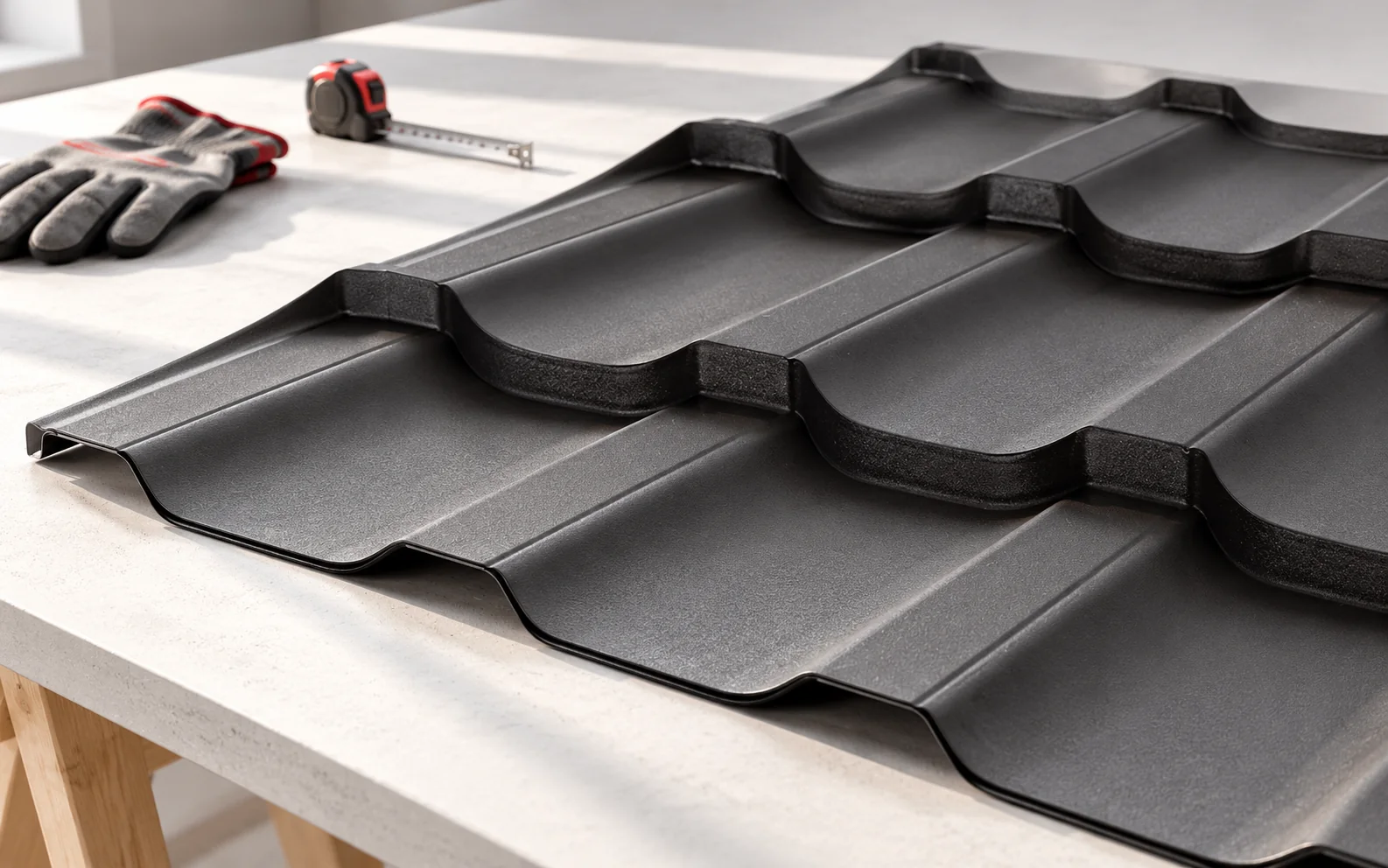
A good coating is selected to suit the building's surroundings and the way the roof is used. A slogan about new technology…
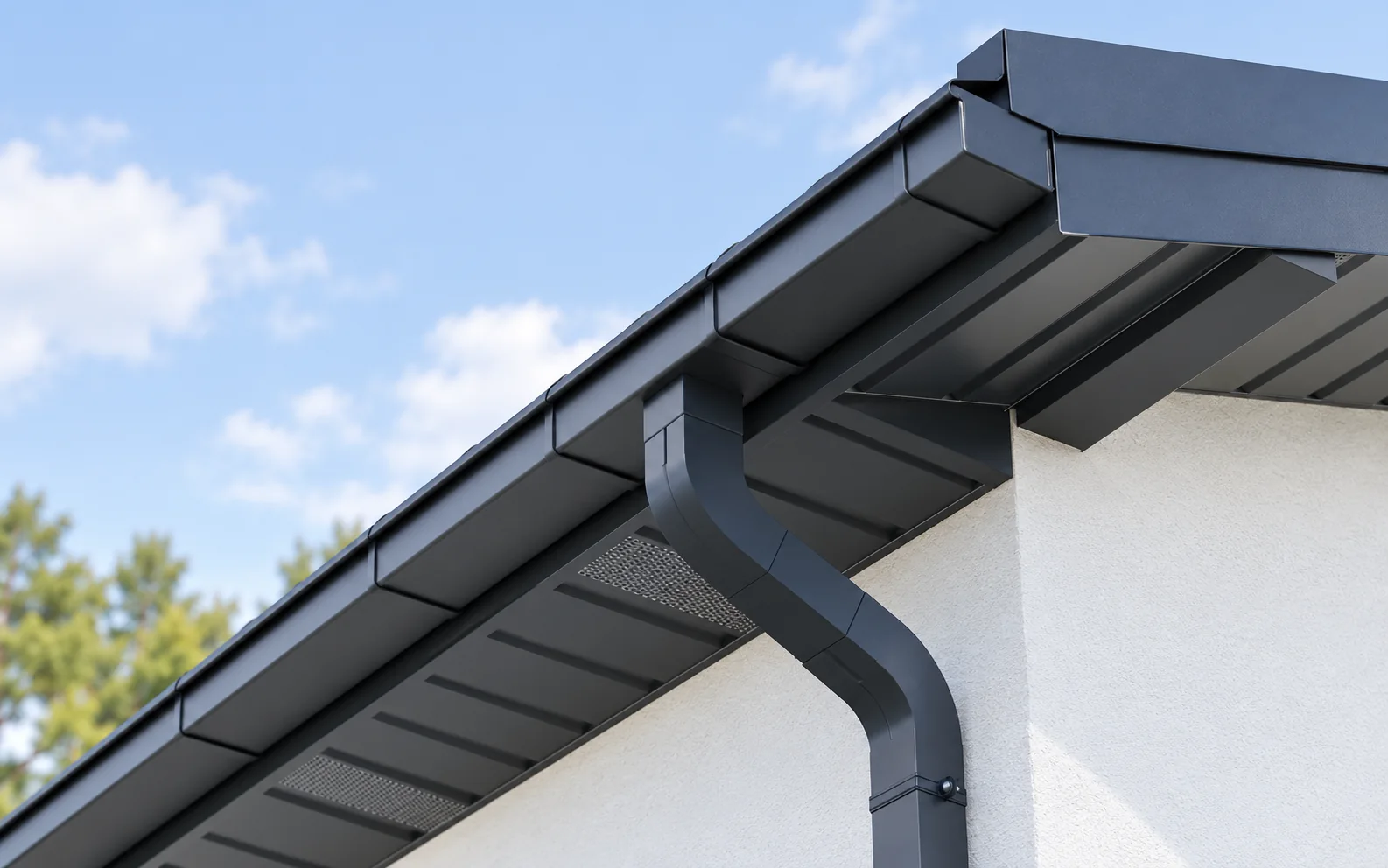
Square gutters give the eaves a clear, straight line and can suit metal roofing well. Their shape does not, however, guarantee greater…
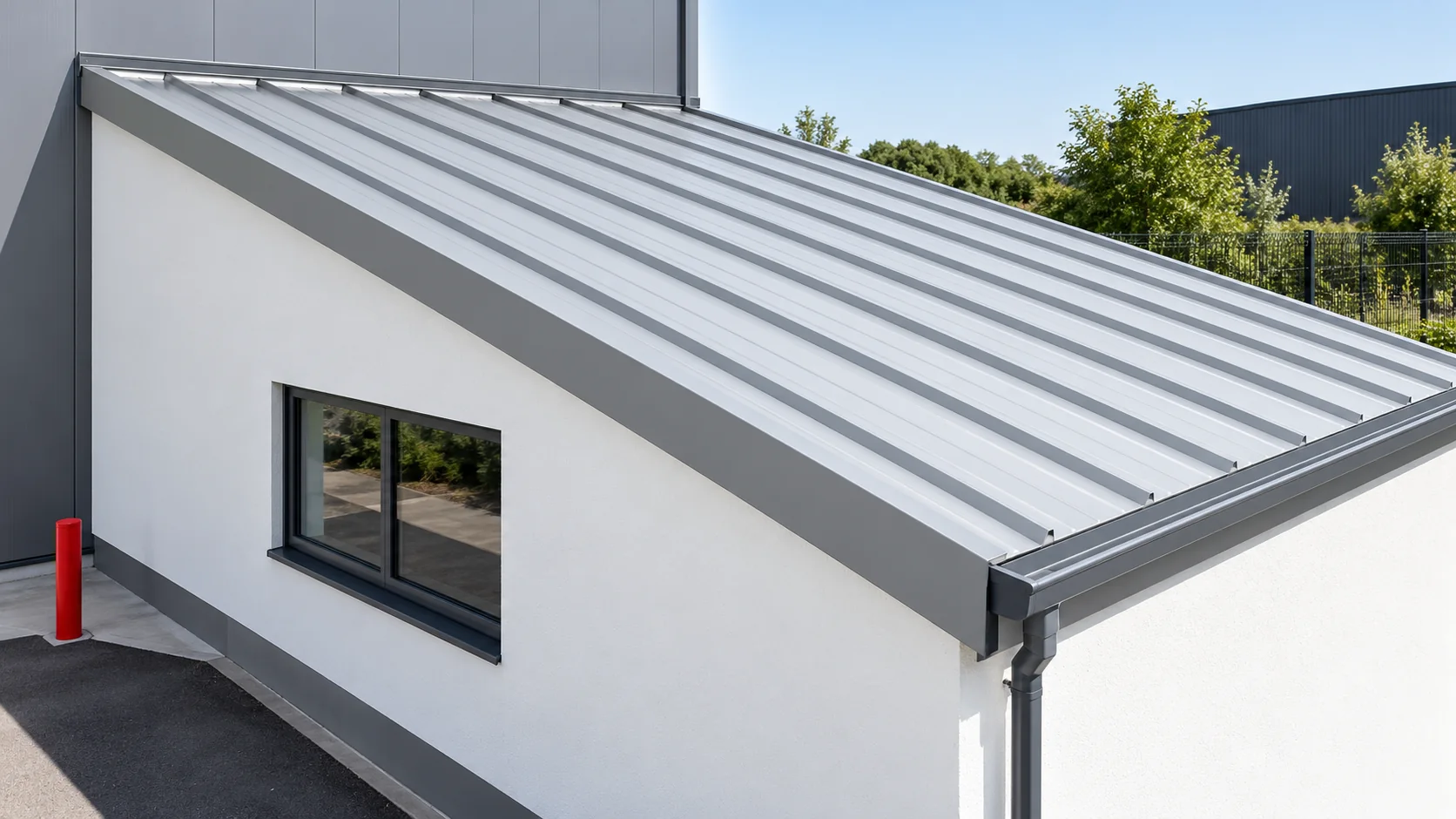
A roof that looks flat from the ground may still have enough fall to drain. For sandwich roof panels, the minimum pitch…