

Fibre-cement roof coverings
Which details help a roof last longer?
The long service life of a roof covering also depends on places that are barely visible from the ground. The ridge detail, the wall termination and the compression of the seal can determine the tightness of the entire roof slope. Fibre-cement slates require a consistent design for such junctions. Asbestos-free fibre cement is not a material that can be forced without limit to fit an existing structure. Careful detailing lets you exploit its advantages and reduces the need for incidental repairs. The slate should rest on a prepared substructure in accordance with the layout intended for its length. An uneven purlin or a twisted batten can force deformation during tightening. The fixing then starts to straighten the substrate at the expense of the covering material.
In this article
Even support protects against stress
Fibre-cement slates are not intended for such correction. Before laying, it is worth checking the plane, the position of the supports and the condition of the contact surface. This prevents a later crack from being wrongly attributed solely to the quality of the slate. Correcting the substructure before installation is often far simpler than searching for the cause of damage in a finished roof.
The plant must operate with a slope
Water should flow down successive courses without creating places where it can be held back or forced under the junction. The length of the overlap and the need for additional sealing depend on the system, the pitch and the exposure. There is no single value that is right for all coverings. Asbestos-free fibre cement is laid according to the instructions for the specific slate. The junctions of several sheets also matter, where incorrect preparation of the corners can cause a build-up of material. Compression does not remedy such an error. The correct layout provides the contact intended by the manufacturer, without stressing adjacent elements.
The fastener must secure, and the seal must seal
These functions work together, but they are not identical. Increasing the tightening force does not always improve tightness. It can deform the seal or damage the slate. A connection that is too loose also requires correction. Fibre-cement slates are fixed with a set matched to the profile and the type of support. The intended clearance in the hole and the correct environmental resistance of the fastener are needed. A random screw of similar length may not meet these requirements. At handover, it is worth checking that the components used match the documentation, rather than limiting the assessment to whether all the heads look level.
The eaves determine the start of drainage
At the lower edge of the roof, the projection of the slate, the position of the gutter and any ventilation inlet must be agreed. An excessively large unsupported section is not a good way to correct a missing length. The projection should correspond to the system approvals. Fibre-cement slates must discharge water into the planned gutter zone even in heavy rain. Provision must be made for cleaning it. Accumulated leaves can change the drainage and cause damp in places that remained dry when drainage was clear. An aesthetically pleasing eaves line makes sense when it also works technically.
The ridge must not be an arbitrary closure
The upper termination of the roof slope combines protection against precipitation with a function arising from the ventilation design. A closed ridge requires a different solution from an air exhaust from the roof space. The fitting must match the profile and the geometry of the roof. A cover chosen only by colour is not enough. Fibre-cement slates and accessories form a joint connection here. Sealing everything with random foam can block the required air flow. Conversely, an unforeseen gap can admit precipitation. A good detail defines where air is to pass and where water should not enter.
Plan service penetrations before covering
A chimney, duct or bracket requires sealing matched to the corrugations and the operating conditions. The load of the installation should not accidentally fall on the fragile slate. The fixing to the structure and the possible movement of individual parts must be established. Asbestos-free fibre cement is not a universal base for roof equipment. If a penetration is planned too close to an overlap or an edge, careful execution may be more difficult. It is therefore worth agreeing the position of installations at the drawing stage. This limits ad-hoc cutting of holes and the later addition of sealing compounds without removing the cause of the leak.
A good detail must be inspectable
The connection should be accessible for inspection and possible replacement of components. If the most important seal disappears under permanent cladding, the cost of a minor repair rises. Fibre-cement slates also require a planned route for safe access, since they should not be walked on directly. Photographs from the installation and a description of the parts used help during later inspections. The owner should know where the critical points are and what changes to watch for. The inspection serves to detect a small problem before water damages the layers and equipment beneath the covering.
When assessing a quote, ask for the solutions for the eaves, ridge, edges and penetrations. A durable roof needs not only a good slate but also connections that can be correctly executed and later checked.
7 branches. Materials closer to your project.

Free quote
Materials for your project
You may also find useful…
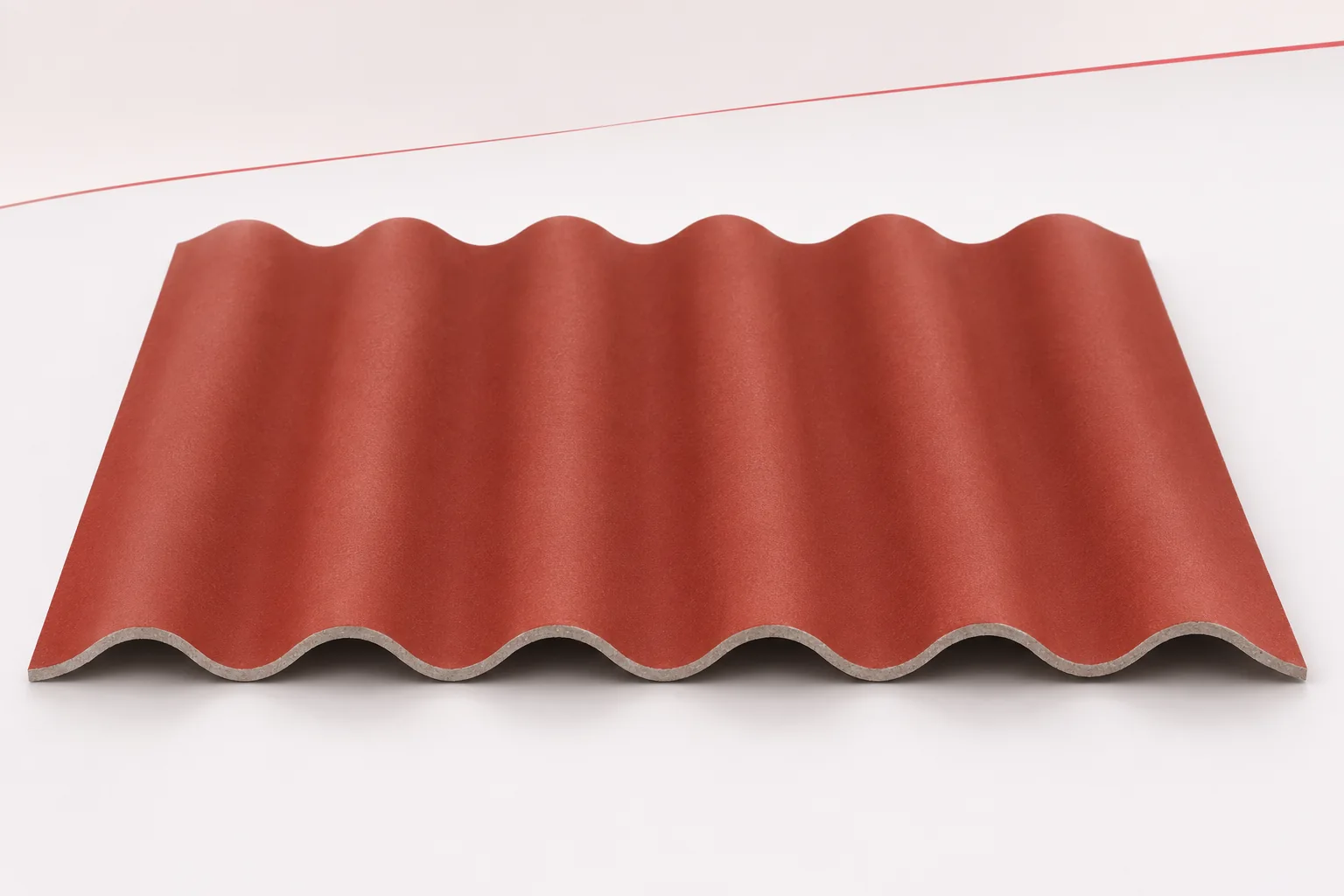
A good order starts with the layout of the sheets on the roof slope. Fibre-cement slates are available in various formats, but…
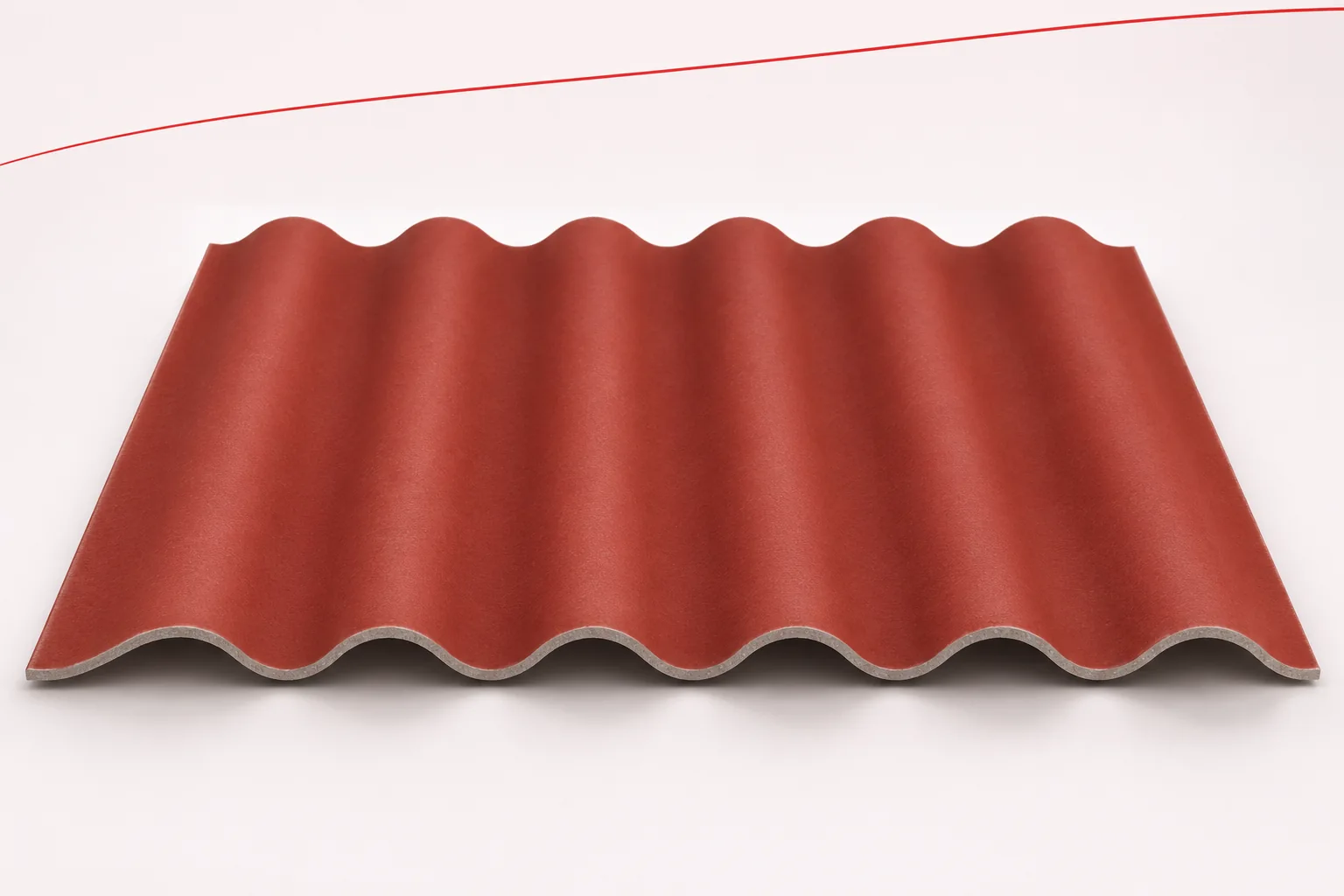
Fibre cement, steel and plastic can all be produced in a similar corrugated profile. That does not make them interchangeable, however. Fibre…
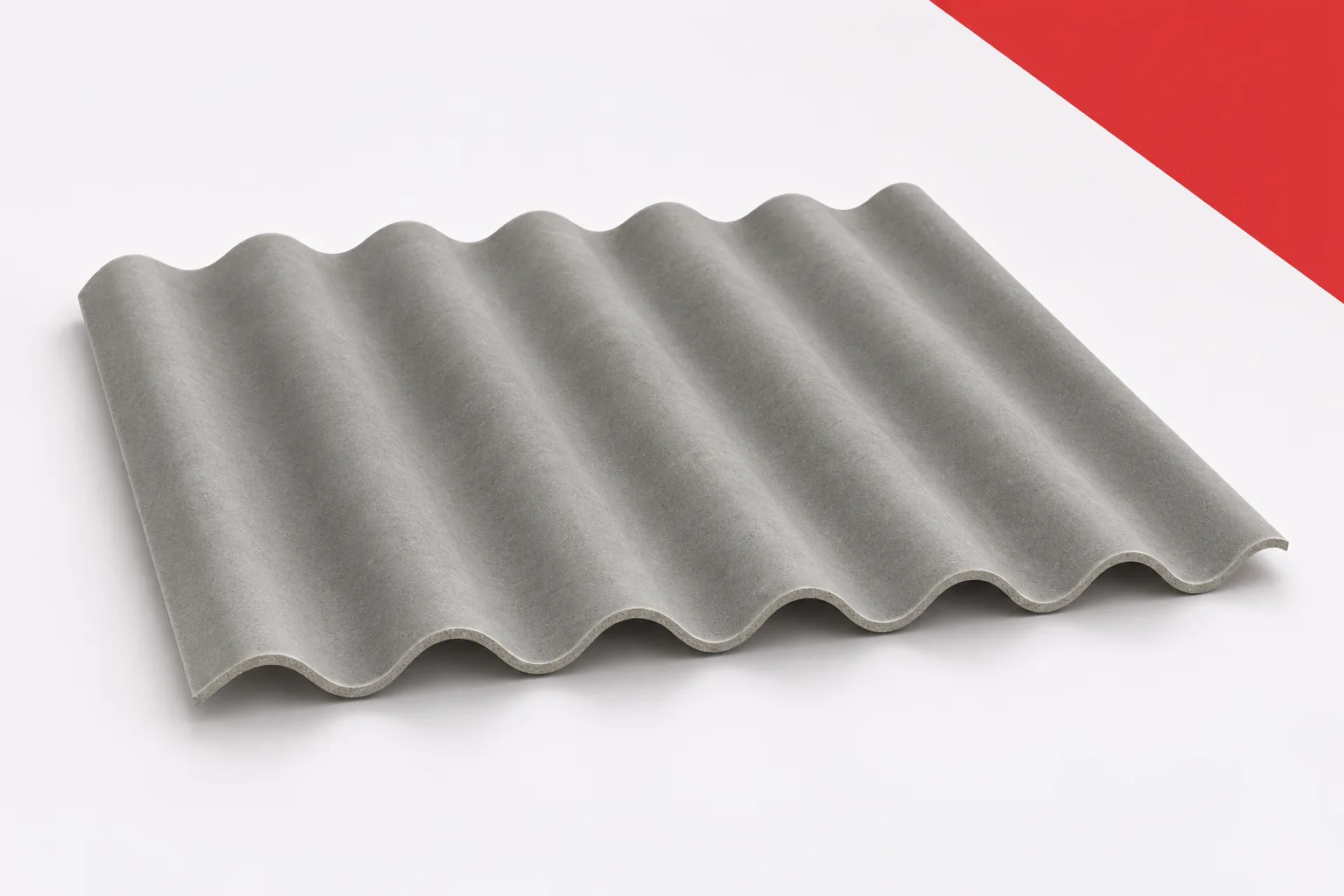
A small garden shelter does not need a complicated form, but it does need a properly designed roof. Fibre-cement sheets can give…
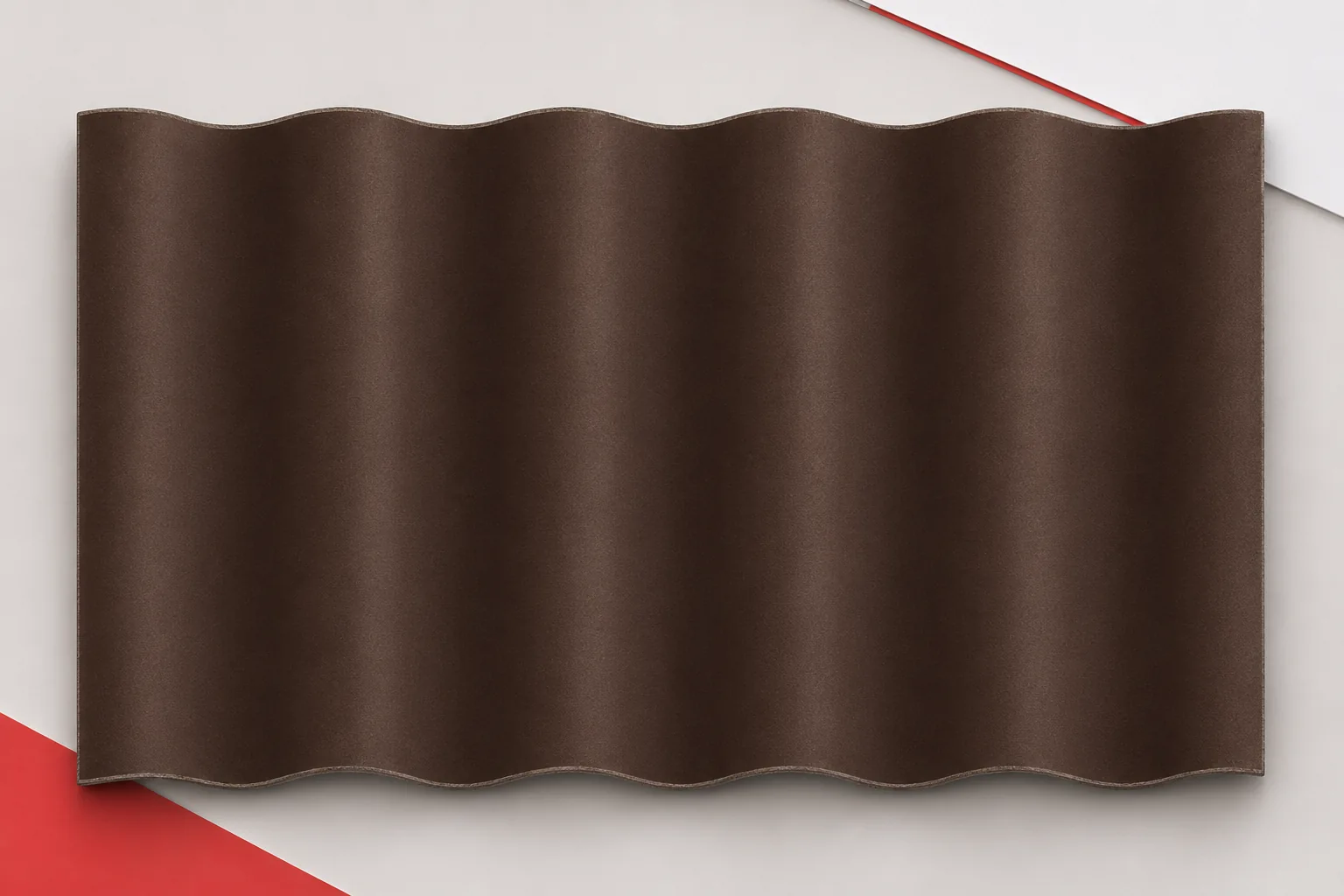
Rainwater harvesting requires looking at the entire path of the water: from the roof slope through the gutters to the tank and…
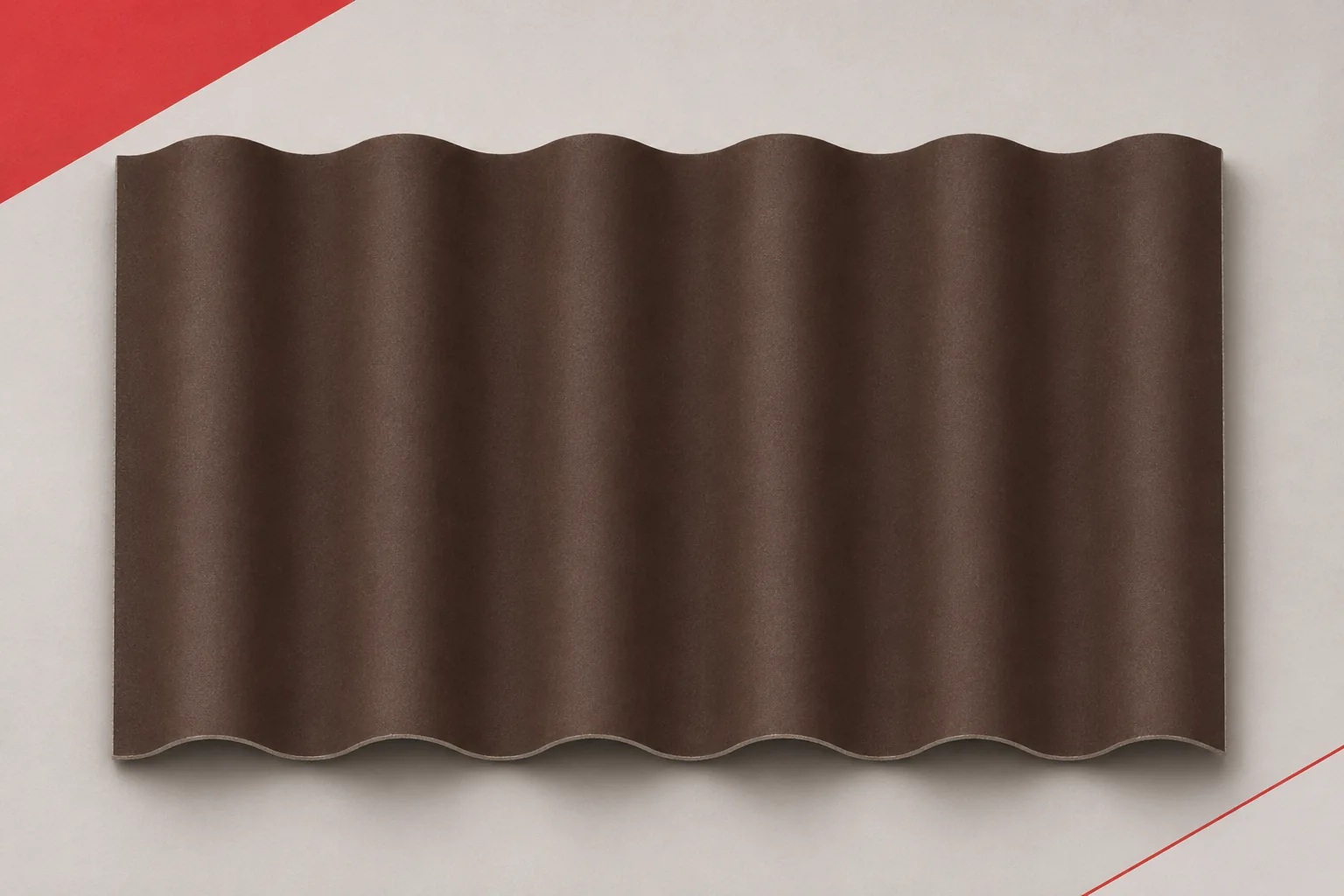
An environmental declaration helps you understand a product's impact, but it requires careful reading. It is not a school grade, nor a…
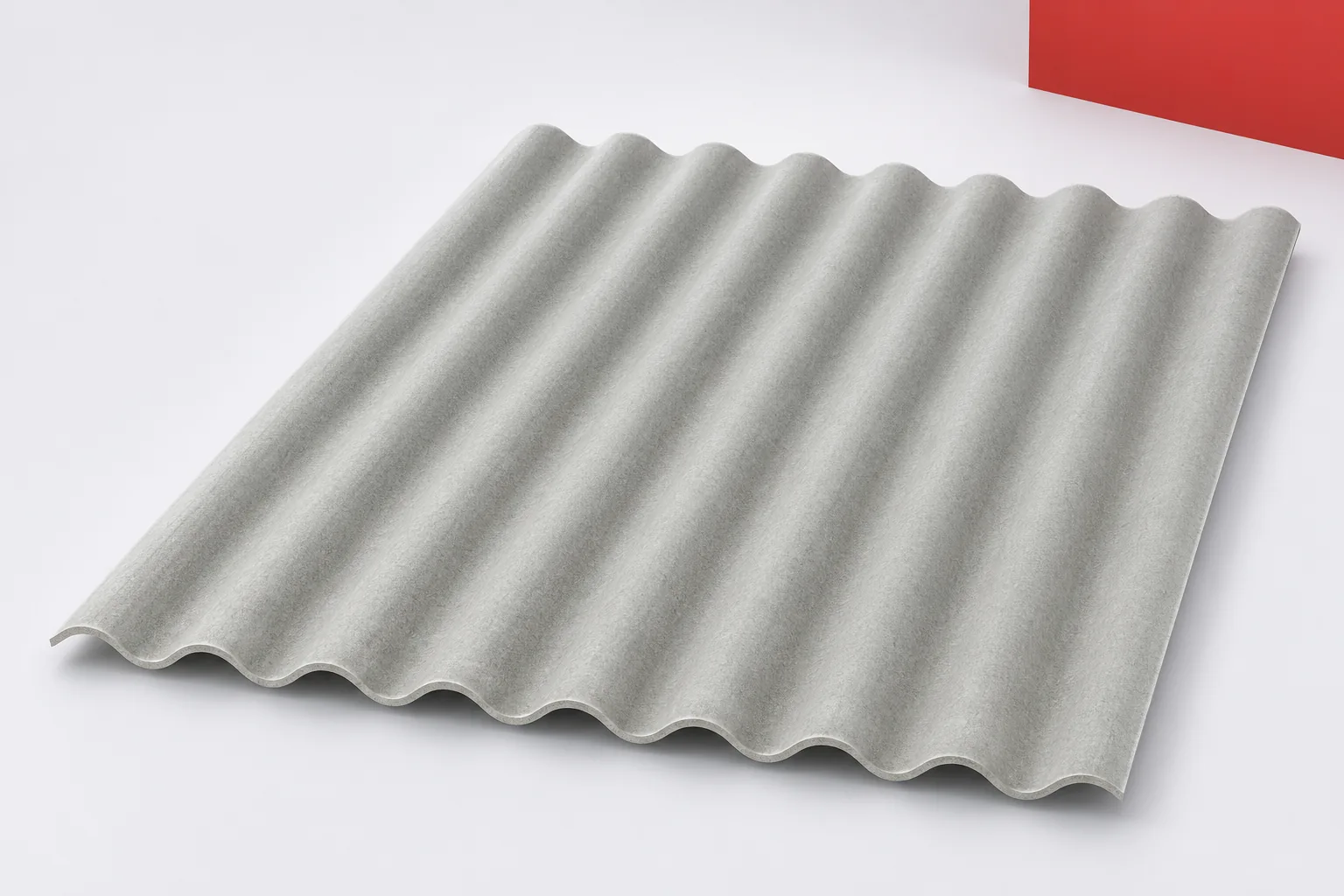
A roof over firewood should limit rain penetration and allow free air exchange around the stack. A tight roof surface alone does…
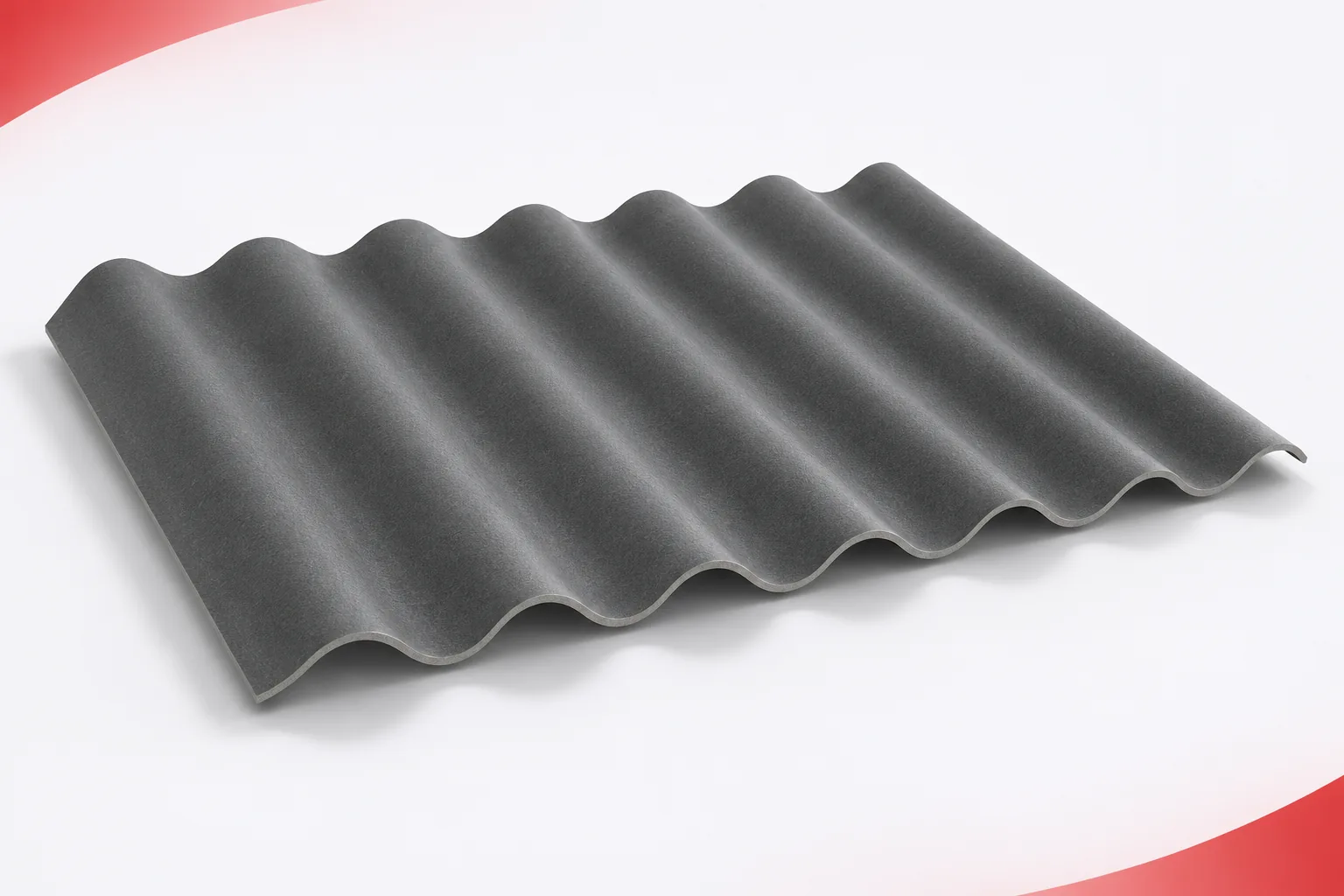
Asbestos-free fibre cement is often chosen with a view to a durable roof and fewer frequent renovations. That is a sensible direction,…
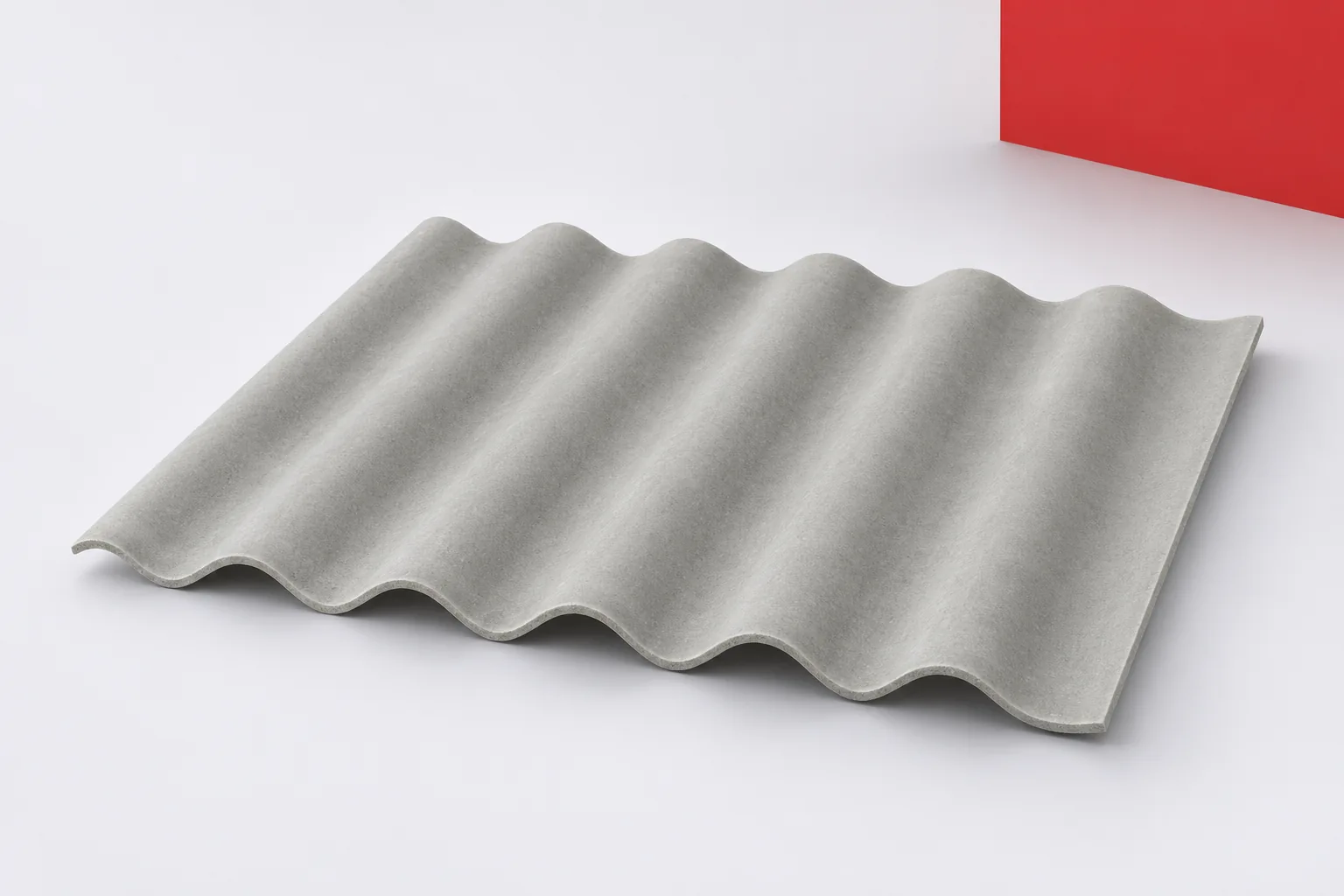
The NT marking appears in the documentation and labelling of modern fibre-cement products. It helps identify asbestos-free technology, but it must be…