

Installation and details
Five roofing mistakes and how to recognise them
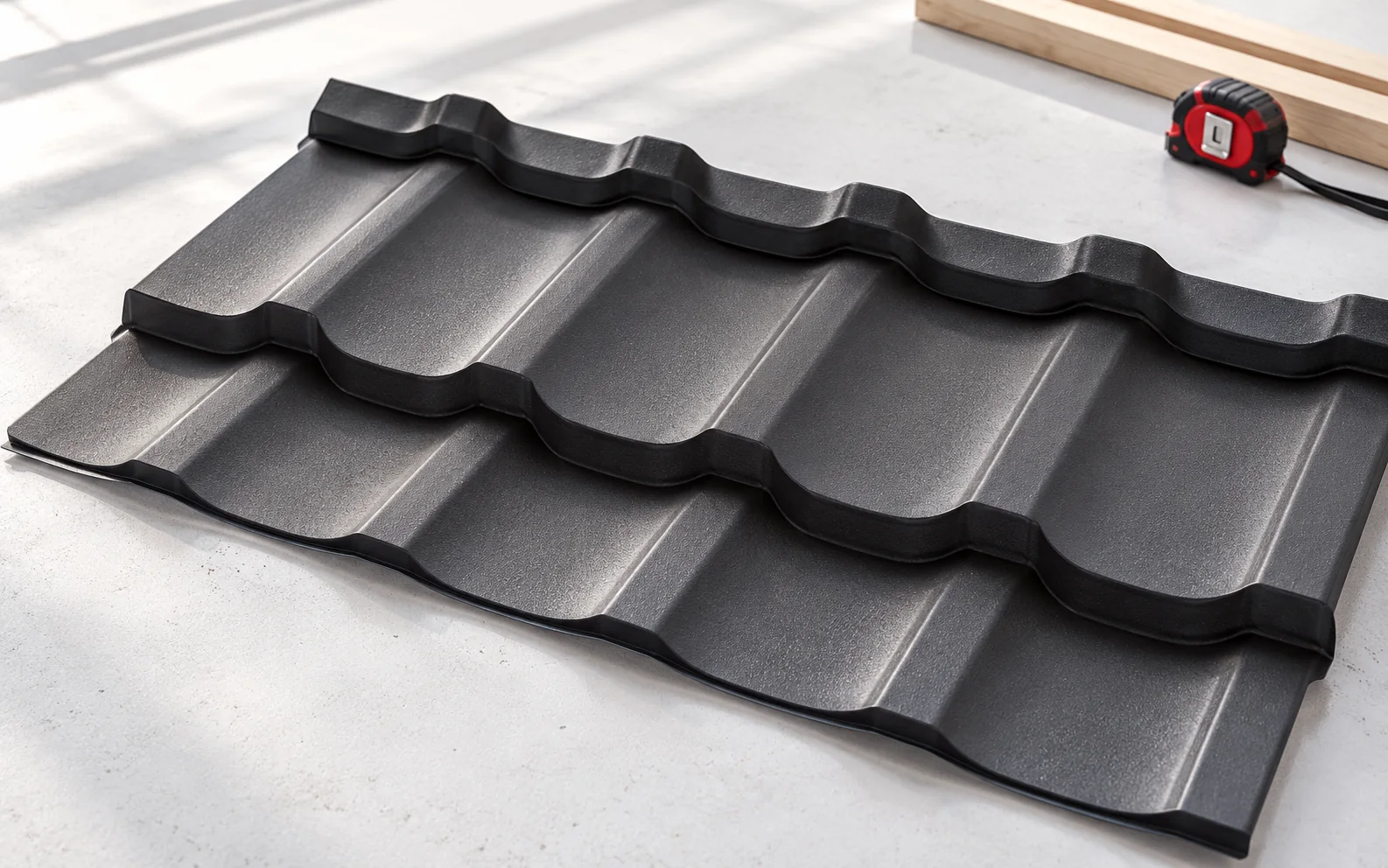
Roof defects often arise before the last sheet is laid. An uneven substrate, a damaged coating, incorrect fixings, interrupted ventilation and faulty flashings can later cause leaks or corrosion. It is worth checking each stage. A finished covering does not reveal all the problems hidden beneath it. The roof slope must be measured and assessed before the material is ordered. Uneven supports, incorrect diagonals or a poorly formed eaves detail make it difficult to lay the sheets correctly. Adding more screws will not level the whole structure. It can, however, pull the sheet down to a bowed batten and leave visible deformation. The support spacing must correspond to the design and the chosen covering. Modular tile-effect metal roofing has a defined rhythm of profiles, and trapezoidal steel sheet is also selected with regard to loads.
In this article
First mistake: covering without checking the substrate
The roof slope must be measured and assessed before the material is ordered. Uneven supports, incorrect diagonals or a poorly formed eaves detail make it difficult to lay the sheets correctly. Adding more screws will not level the whole structure. It can, however, pull the sheet down to a bowed batten and leave visible deformation.
The support spacing must correspond to the design and the chosen covering. Modular tile-effect metal roofing has a defined rhythm of profiles, and trapezoidal steel sheet is also selected with regard to loads. The spacing must not be copied from a neighbouring roof simply because the two materials look similar. Geometry is easiest to correct before the framework is covered.
Second mistake: damaging the coating during work
Dragging sheets over one another, incorrect lifting and leaving swarf behind can damage the surface. Coated sheet metal should be cut with tools permitted in the instructions, usually cold-cutting tools. An angle grinder can overheat the edge and scatter hot particles onto adjacent areas of the covering.
Rusty spots after installation do not always mean corrosion of the sheet itself. The cause is sometimes steel swarf left on it. This must be removed and the condition of the coating assessed, rather than immediately painting over the whole area. A wet pack of material also requires action. It should not remain tightly sealed until a more convenient installation date.
Third mistake: random fixing
The fastener is selected to suit the covering and the substrate. A wood screw is not an arbitrary substitute for a fastener for a steel purlin. Length, drilling capacity, the sealing washer and the fixing position all matter. The layout takes account of loads, especially in the roof edge zones. A single figure for screws per metre does not describe every case.
An under-tightened sealing washer may fail to close the hole, while an over-compressed one may be damaged. A screw set at an angle also requires assessment. This is not remedied indefinitely by tightening harder. In standing seam panels, the intended thermal movement must also be respected. Restraining it can lead to deformation or overloading of the connections.
Fourth mistake: mixing up layers and blocking ventilation
The layer limiting the flow of vapour from the interior performs a different function from the membrane beneath the covering. Swapping them by mistake can worsen the moisture conditions of the building element. Even a good membrane will not compensate for a large flow of humid air through gaps on the room side. Connections and service penetrations are important.
In a ventilated roof, an unobstructed air path in accordance with the design is required. Excessive packing of insulation or closing off the eaves can interrupt it. Droplets beneath the sheet metal do not necessarily indicate a leak from outside. They may result from condensation of vapour, so the source of moisture must be identified before repair.

Fifth mistake: a flashing that only conceals the gap
At the chimney, roof valley and eaves, the sheet metal must direct water in a defined direction. Simply covering the junction with a wide strip is not enough. An incorrect sequence of laps can admit precipitation beneath the covering. Particularly sensitive are the points to which water flows from a larger part of the roof.
The sealant should perform the task intended in the detail. A thick layer of compound does not replace correct support and the shape of the flashing. The necessary freedom of movement of the materials must also be preserved. A joint that cracks every season is worth assessing structurally, rather than regularly covering it with another layer of sealant.
When and how should the work be inspected?
An inspection makes sense after the substrate has been prepared, the layers beneath the covering installed and the flashings laid. Different elements are visible at each stage. Close-up photographs make it possible later to establish a layout that can no longer be inspected without dismantling. It is worth assigning each photograph to a specific location on the roof plan.
The client does not have to go onto the roof slope themselves. Inspection of hard-to-reach places should be entrusted to a person with training and safe access. Acceptance should refer to the design and the instructions of the chosen system. Comparison solely with a photograph of another building does not determine whether the details are correct.
What to do after noticing irregularities?
First describe the location, the symptom and the conditions in which the problem occurs. A trace from wind-driven rain may have a different source from moisture appearing in winter without precipitation. Water can move beneath the covering, so a stain on the ceiling does not pinpoint the damage on the outside.
The repair method should remove the cause. Sometimes replacing an incorrect fastener is enough, while sometimes the entire detail must be corrected. It is worth documenting the findings and the scope of work. After repair, the layers that may have become damp should also be checked, not only the new appearance of the surface.
Tip before ordering
Agree acceptance of the substrate and the layers beneath the covering before covering work begins. Mark the chimney, roof valley, eaves and service penetrations on the drawing. These are specific inspection points that are easily overlooked when viewing the whole roof slope from the ground.
What is worth remembering?
A roof is worth accepting in stages, because many mistakes disappear beneath subsequent layers. A correct substrate, a protected coating, proper fixings and unobstructed details work together. If moisture appears, the repair should follow from identifying its source.
7 branches. Materials closer to your project.

Free quote
Materials for your project

You may also find useful…
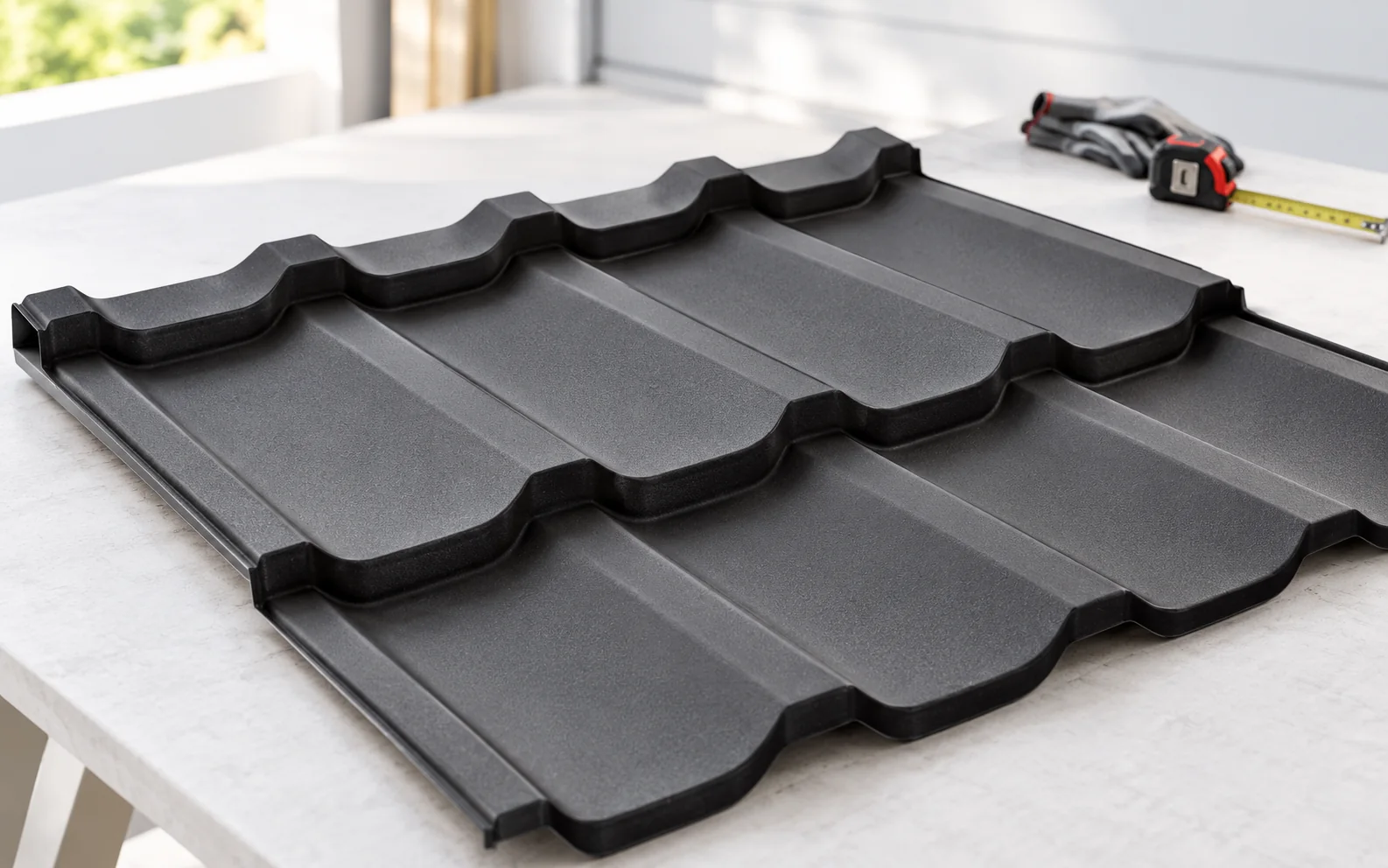
Modular tile-effect metal roofing combines a tile profile with a smaller, repeatable panel format. It can make transport and the organisation of…
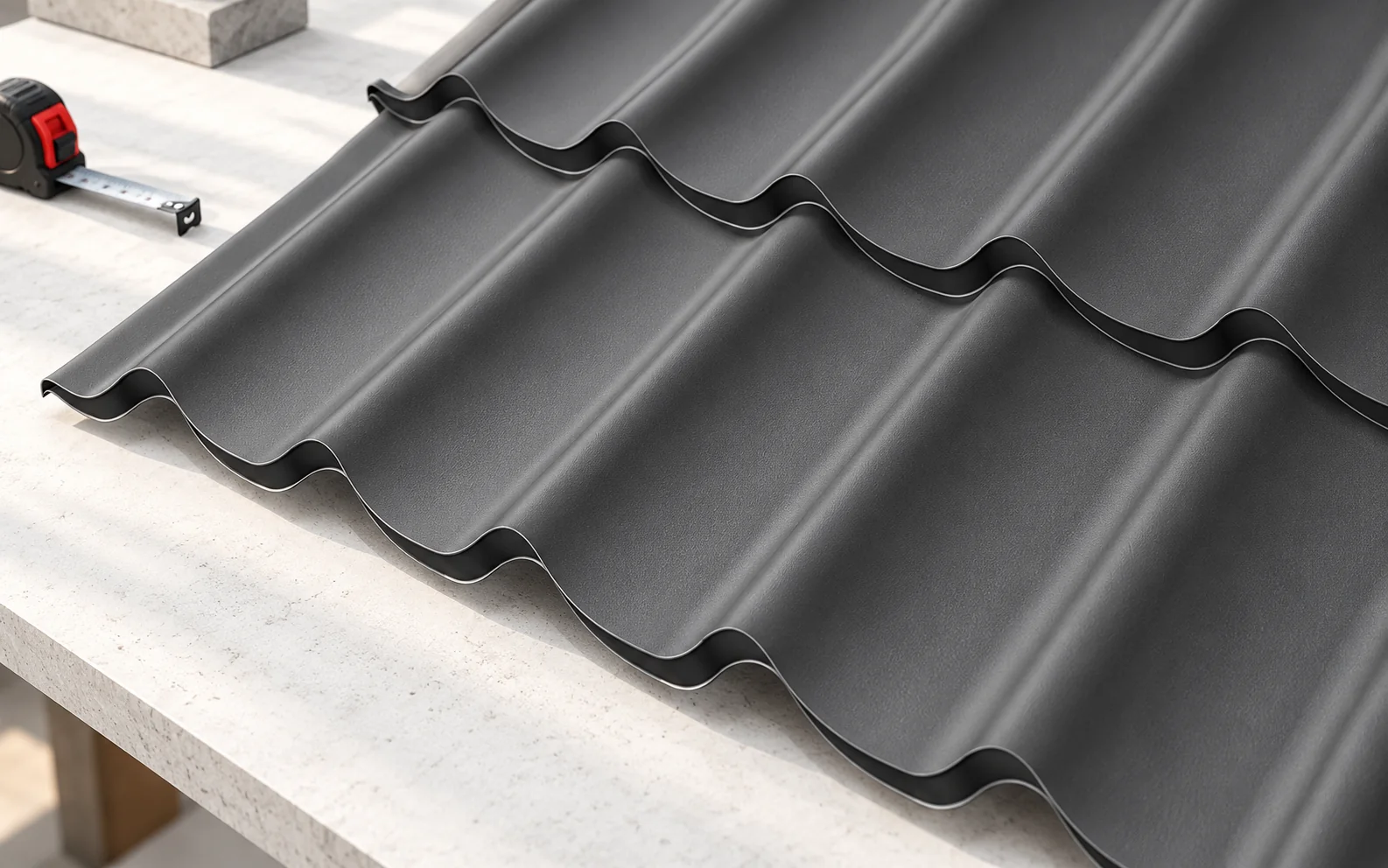
The difference between matt and glossy tile-effect metal roofing is best seen when you place two sample sheets of the same colour…
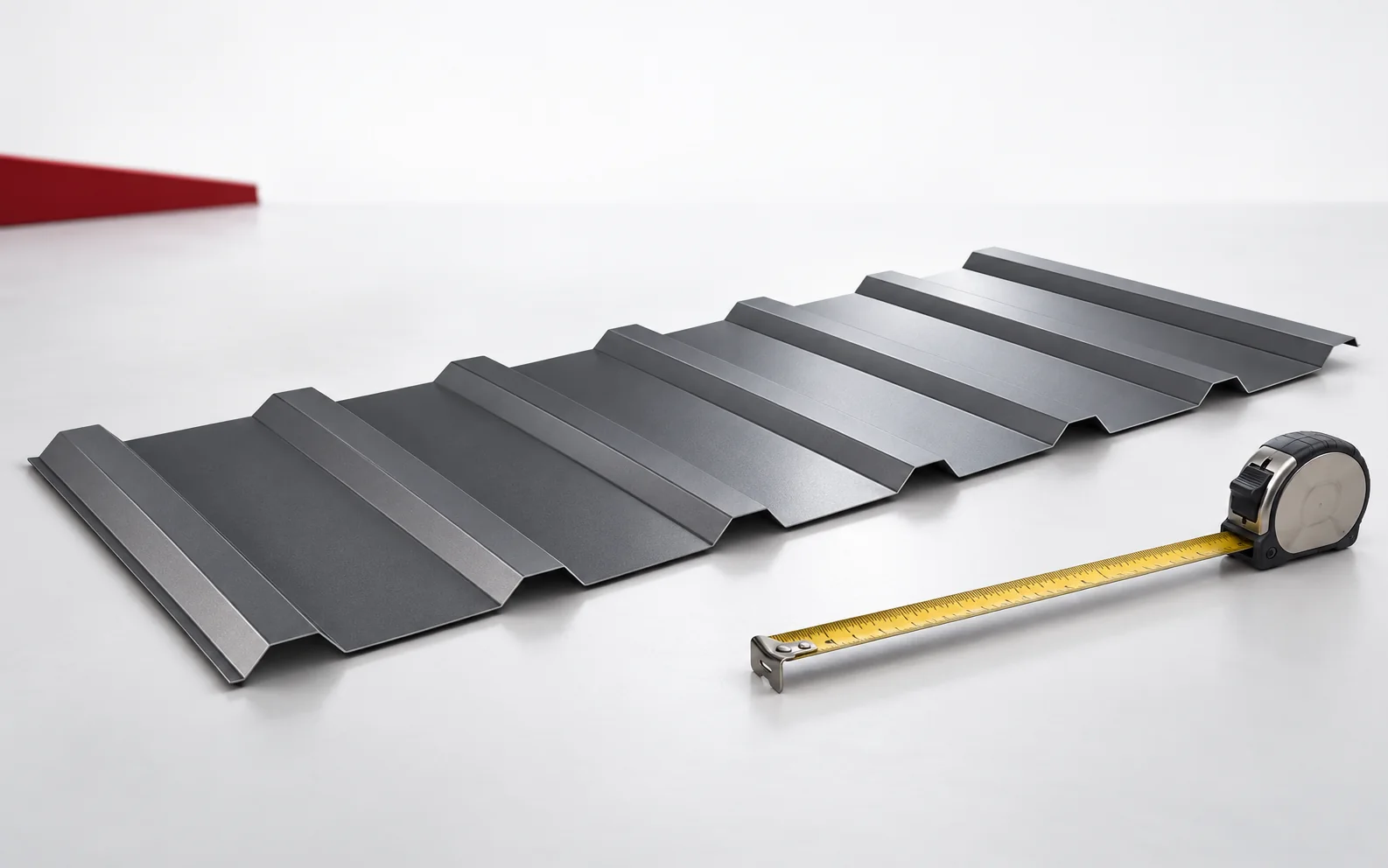
To calculate the weight of a T18 or T35 order, check the unit stated for the exact profile and steel thickness. If…
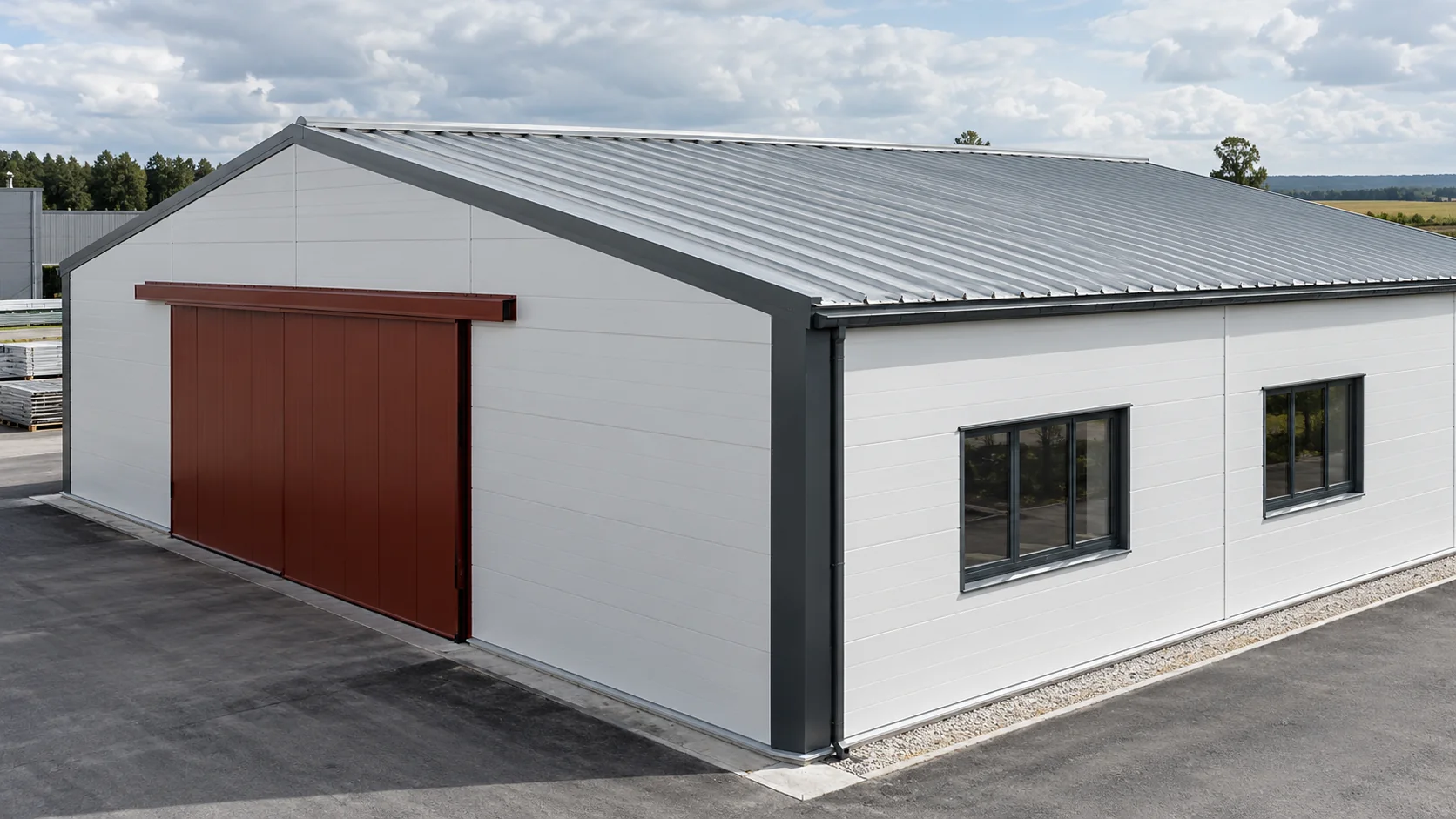
When comparing sandwich panel prices, identify the product behind each square metre rate. Wall and roof panels serve different purposes, and two…
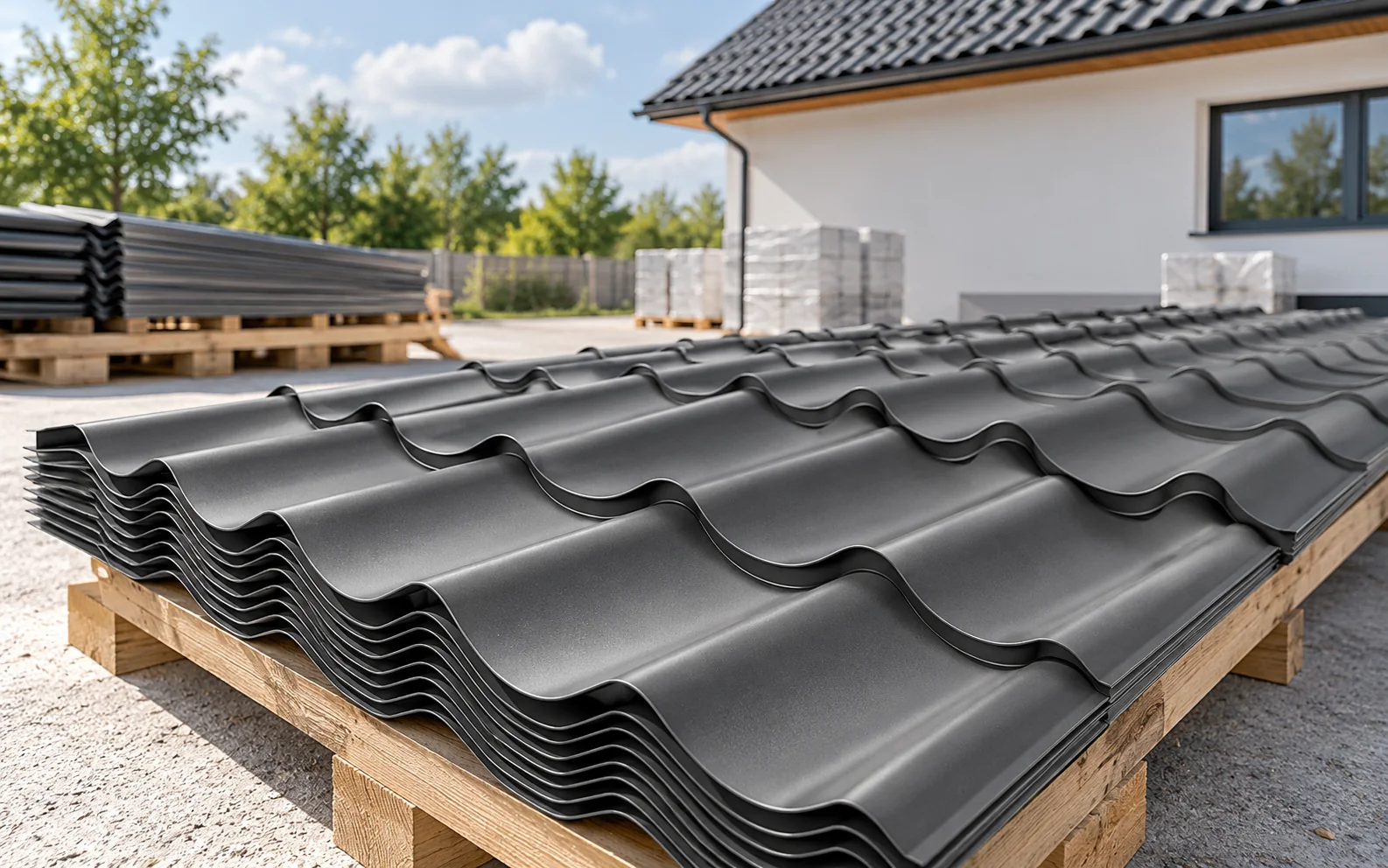
When replacing an asbestos cement roof in Poland, obtain separate estimates for safe removal and for making the roof weathertight again with…
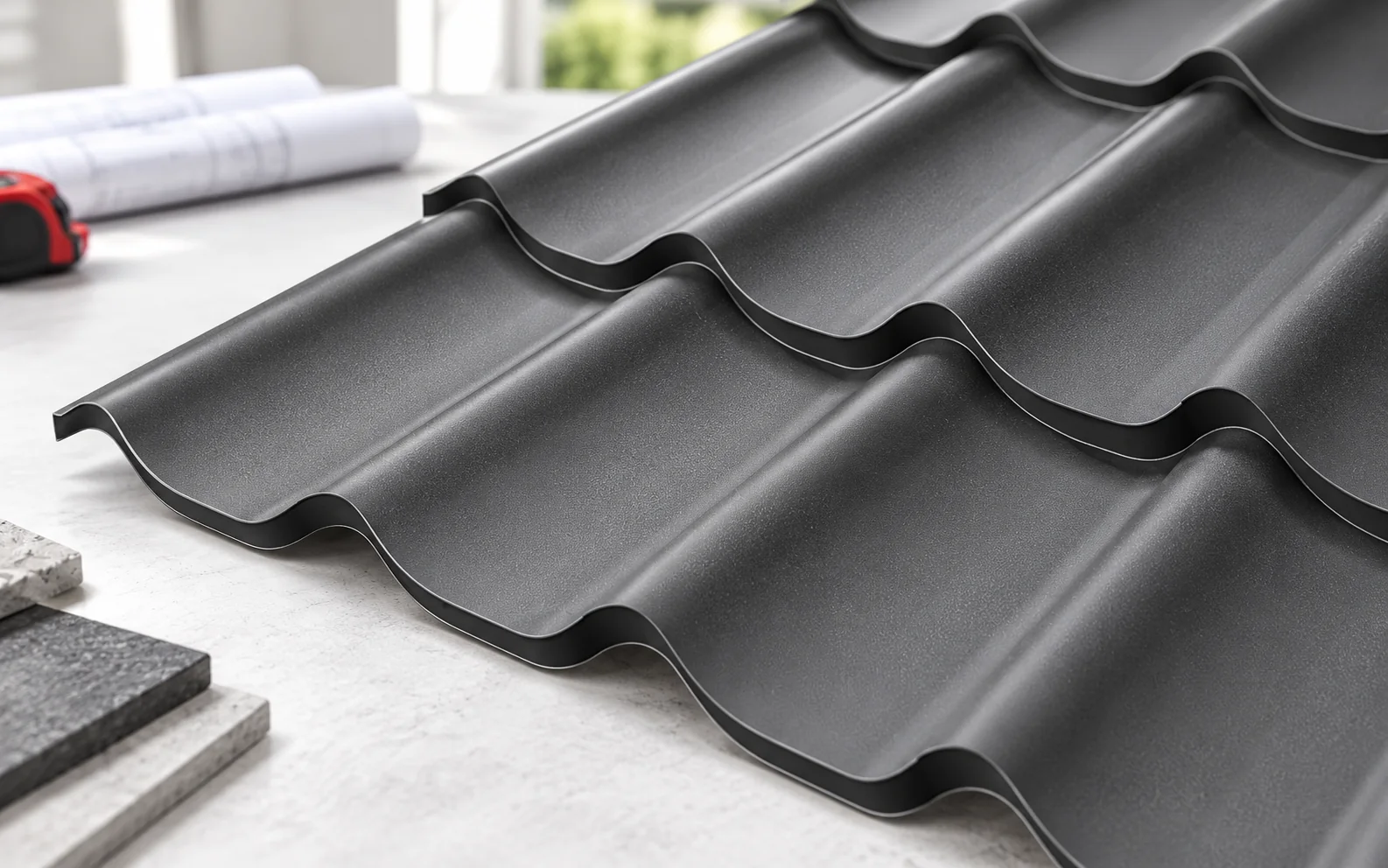
Start with a section through the roof. Bitumen shingles need a rigid, level, continuous deck, while tile-effect steel sheets commonly rest on…
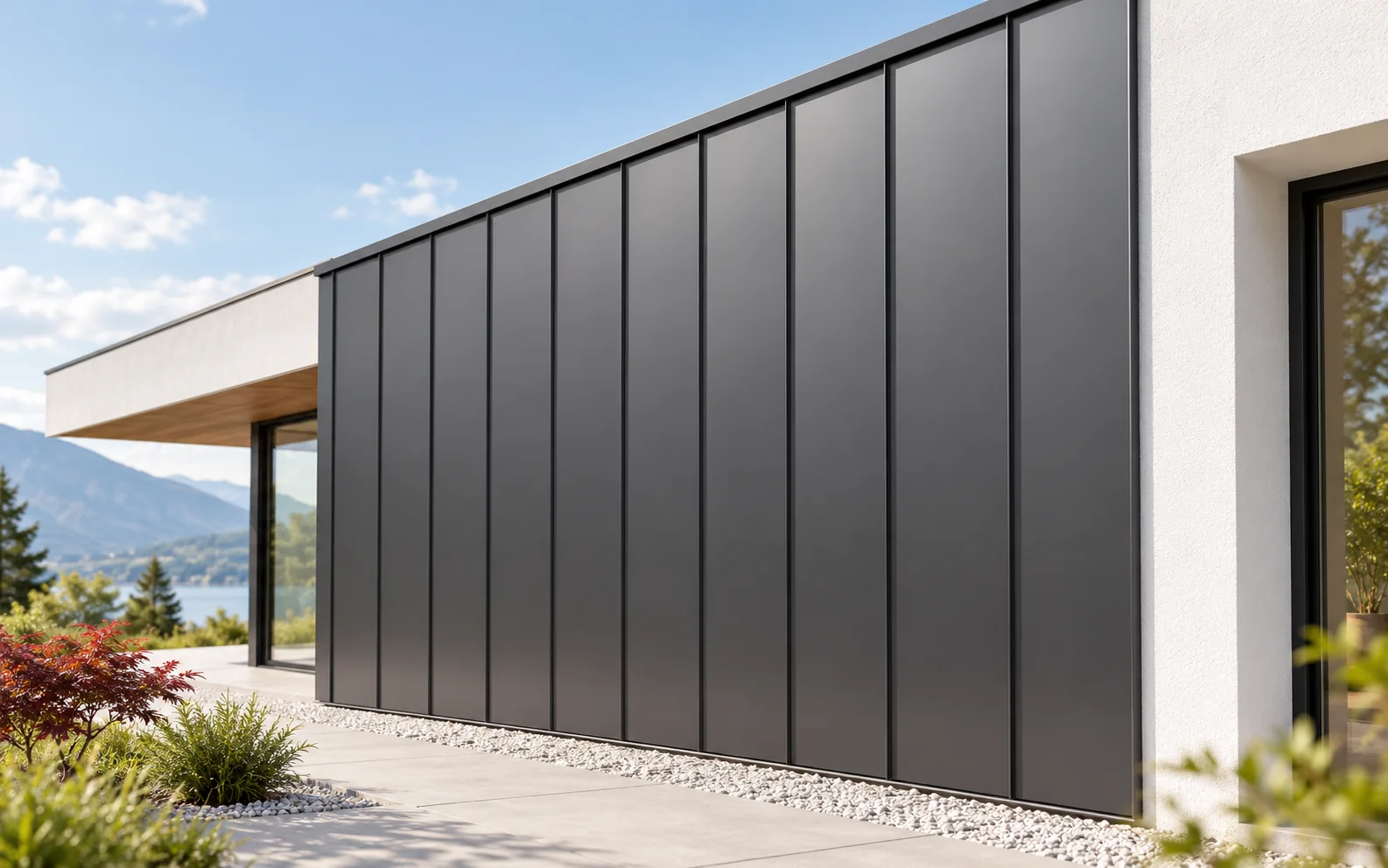
When planning a standing seam metal façade, you must first settle the layout of the divisions against the backdrop of windows and…

A useful supplier review tells you what the customer ordered, whether the materials matched the specification and how the supplier handled questions…