

Costs and planning
How to compare wall and roof sandwich panel prices per square metre
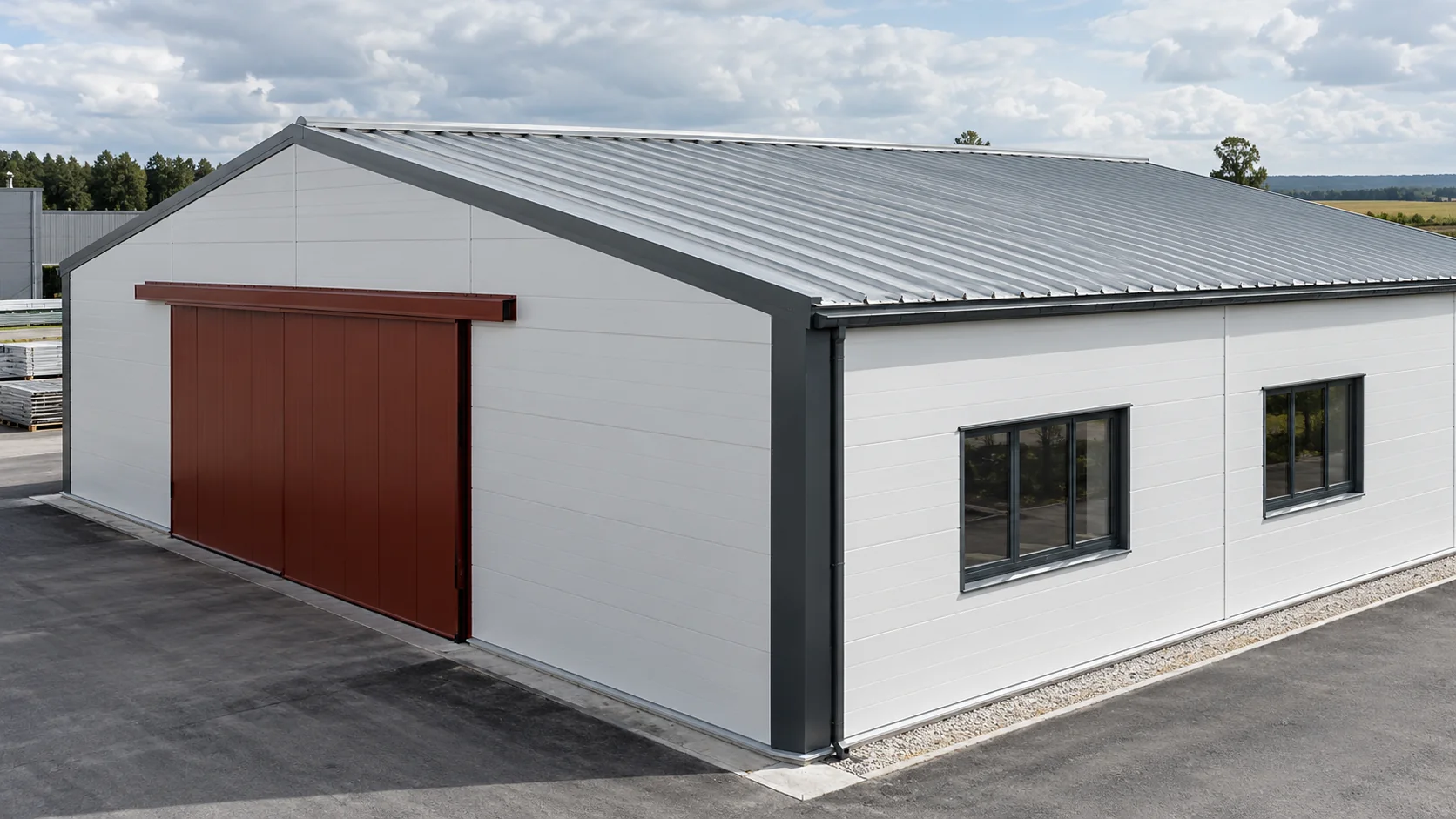
When comparing sandwich panel prices, identify the product behind each square metre rate. Wall and roof panels serve different purposes, and two panels of the same thickness may perform differently. Check the core, metal facings, coating, dimensions and selling unit before pricing the whole building envelope. A line marked “100 mm panel” leaves the core material, intended use, sheet thicknesses and joint design open. The rate may also be tied to a colour, length, quantity or grade. With those details recorded you can see what a higher price buys and whether the difference matters for your project.
In this guide
Identify what each price list entry covers
Check the quotation date and how long its terms are valid. A published price list can start the discussion, but confirm the scope and delivery date when ordering. A unit price for one batch may not extend to every length. Even similar stock panels can carry different prices because of the dimensions available.
Check why the design calls for a roof panel
A roof panel has a profile and junction details designed for drainage and the loads on the roof slope. Laying a wall panel across purlins does not make it an equivalent covering. Compare the design requirements with the data for the specific panel, including loads, facing thicknesses and installation conditions.
Apply the same check to the core. Compare PIR, EPS and mineral wool against the function required. Thermal performance, weight and documented fire performance can call for different assemblies at the same thickness. Assess the complete wall or roof before substituting a material in the estimate.
Work through a sample price comparison
The following rates are hypothetical and exclude VAT. They illustrate the calculation rather than current offers or market averages. Unit rates are rounded for display. The line totals use the unrounded rates. Check the specification of each item before placing an order.
| Example item | Quantity | Unit price excl. VAT | Total excl. VAT |
|---|---|---|---|
| Wall panel, option A | 160 m² | €28.93/m² | €4,629.00 |
| Roof panel, option B | 180 m² | €35.87/m² | €6,457.45 |
| Total for panels alone | 340 m² | — | €11,086.45 |
The weighted average is approximately €32.61 excluding VAT per square metre purchased. It describes this mix of panels only. Installation is extra. Keep the two lines separate so you can track changes in quantities and scope.

Check units and chargeable area
The same panel can be priced by linear metre, square metre or piece. With an effective cover width of 1.10 m, a 5 m panel covers 5.5 m². That example uses an assumed module. Overall width can differ from cover width, so ask which width is used for invoicing.
The area ordered includes pieces lost when cutting. Simply subtracting openings from wall length times height can underestimate what you need. The panel layout determines whether an offcut can be reused. A piece-by-piece schedule gives a better basis for costing than an arbitrary waste percentage.
Include accessories and site services
Take flashings, fixings, tapes and seals from the junction details. List the right quantity in pieces, metres or packs for each item. Distinguish the price of a box of screws from the price of a single screw. For flashings, compare length, developed width and coating as well as price.
Add freight, unloading and installation. A single delivery can account for a substantial cost per square metre on a small job. Long panels may require specific handling equipment. The quotation should identify who provides storage space and removes waste, since both still need organising even if omitted from the price.
Compare the cost of the finished envelope
With the whole scope listed, compare the differences. Changes to thickness, coating or fixing arrangements can affect the building in service. Extra insulation needed next year, difficult repairs to an unusual batch, or a flashing left inaccessible can all have consequences beyond the original material price.
Record tax assumptions separately and compare all amounts consistently either including or excluding VAT. When the design changes, update the individual quantities and items as well as the total. The resulting table gives you a project-specific reference for assessing a supplier’s revised proposal and identifying what actually changes the budget.
Questions and answers
Is the quoted square metre price the cost of a square metre of finished wall?
It may cover only the purchased panels according to the agreed billing unit. Check waste, openings, flashings and installation separately.
Can I add together net prices from different quotations?
Yes, if the items cover the intended scope and the units have been converted correctly. Check extra costs and make sure no line already includes a service you have added elsewhere.
7 branches. Materials closer to your project.

Free quote
Materials for your project

You may also find useful…
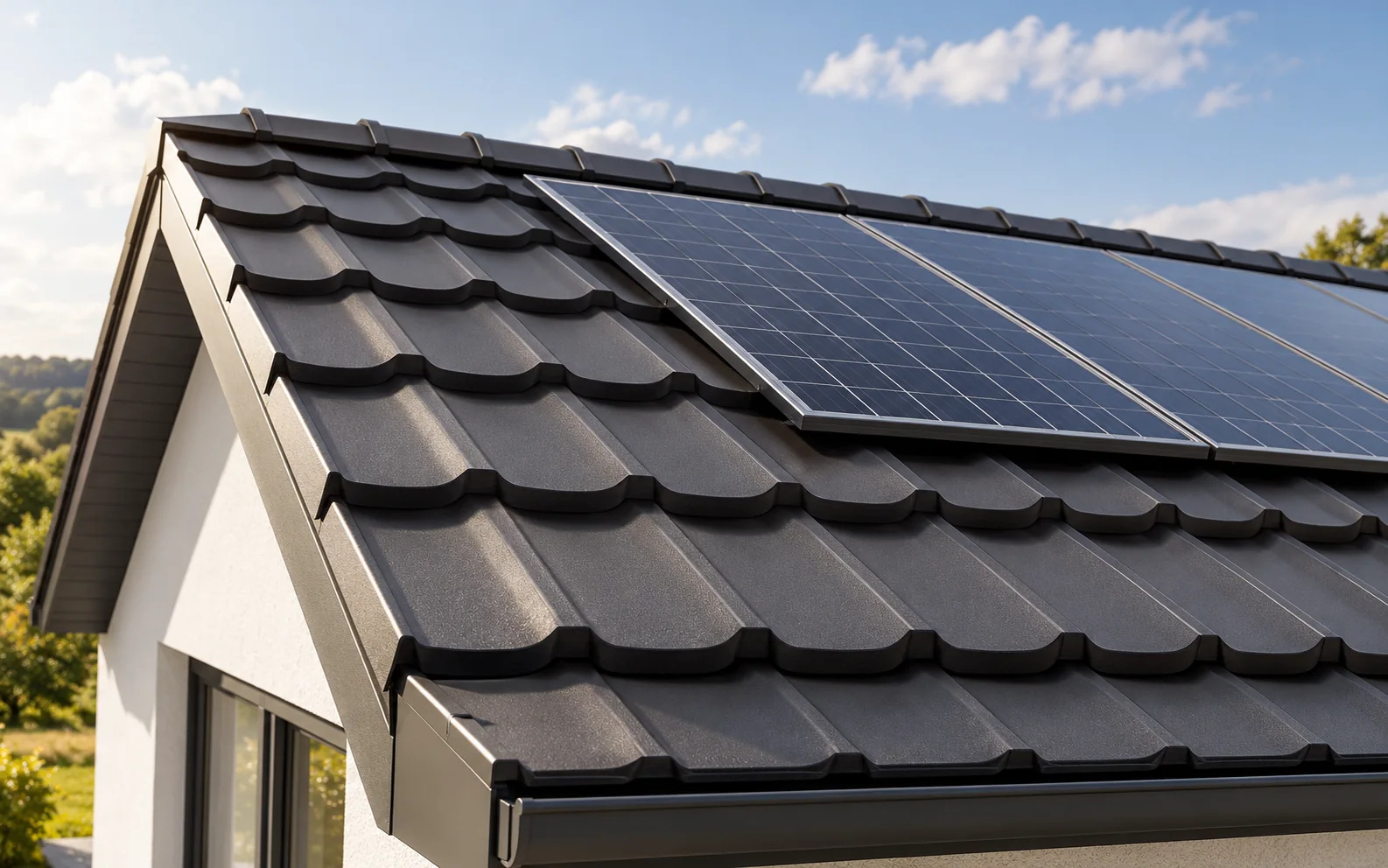
Photovoltaic panels on an existing metal roof require fixings that have been verified for exactly the sheet or sandwich panel installed on…
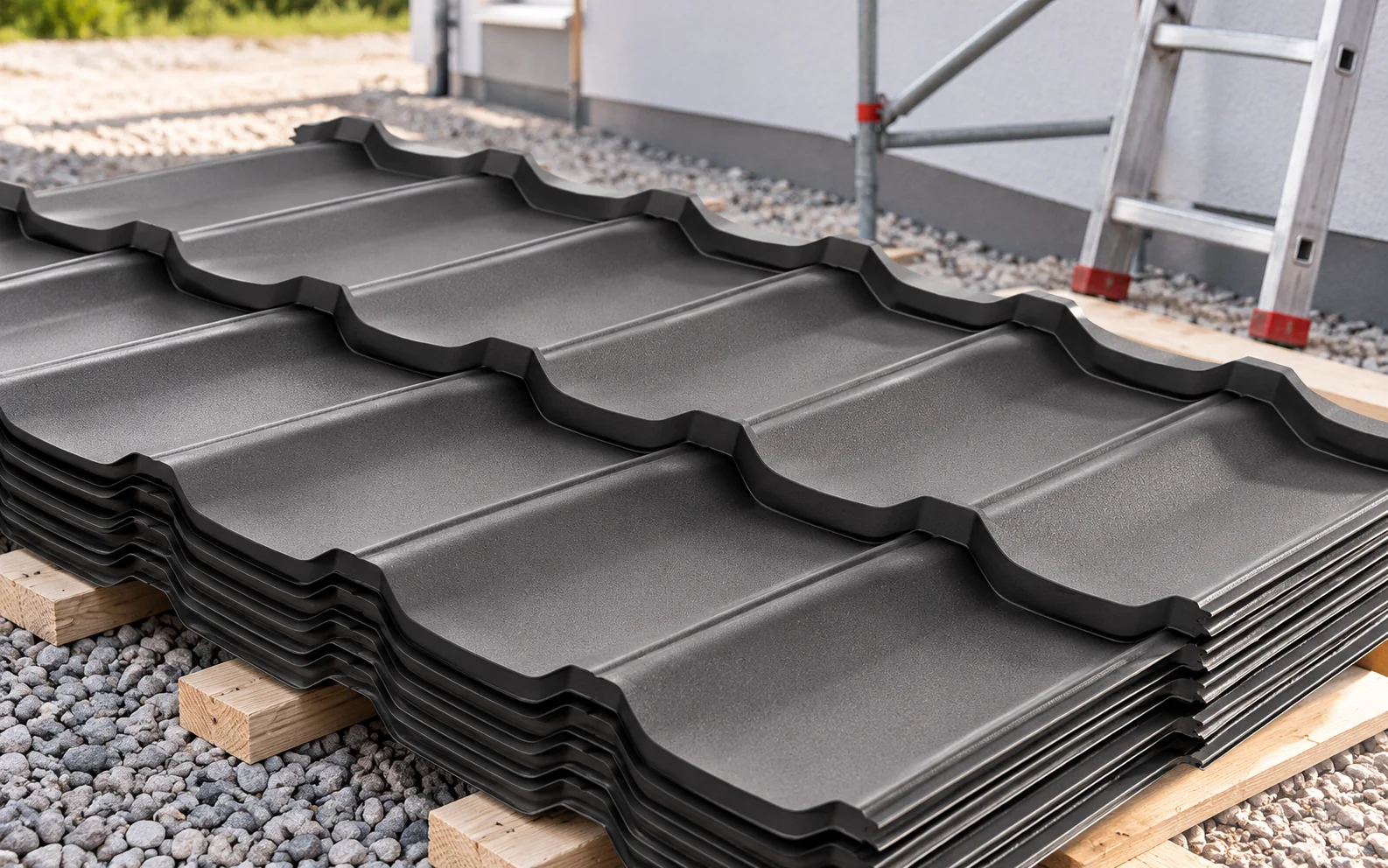
Replacing a roof covering is a job in which safety depends on the preparations made before the crew even sets foot on…
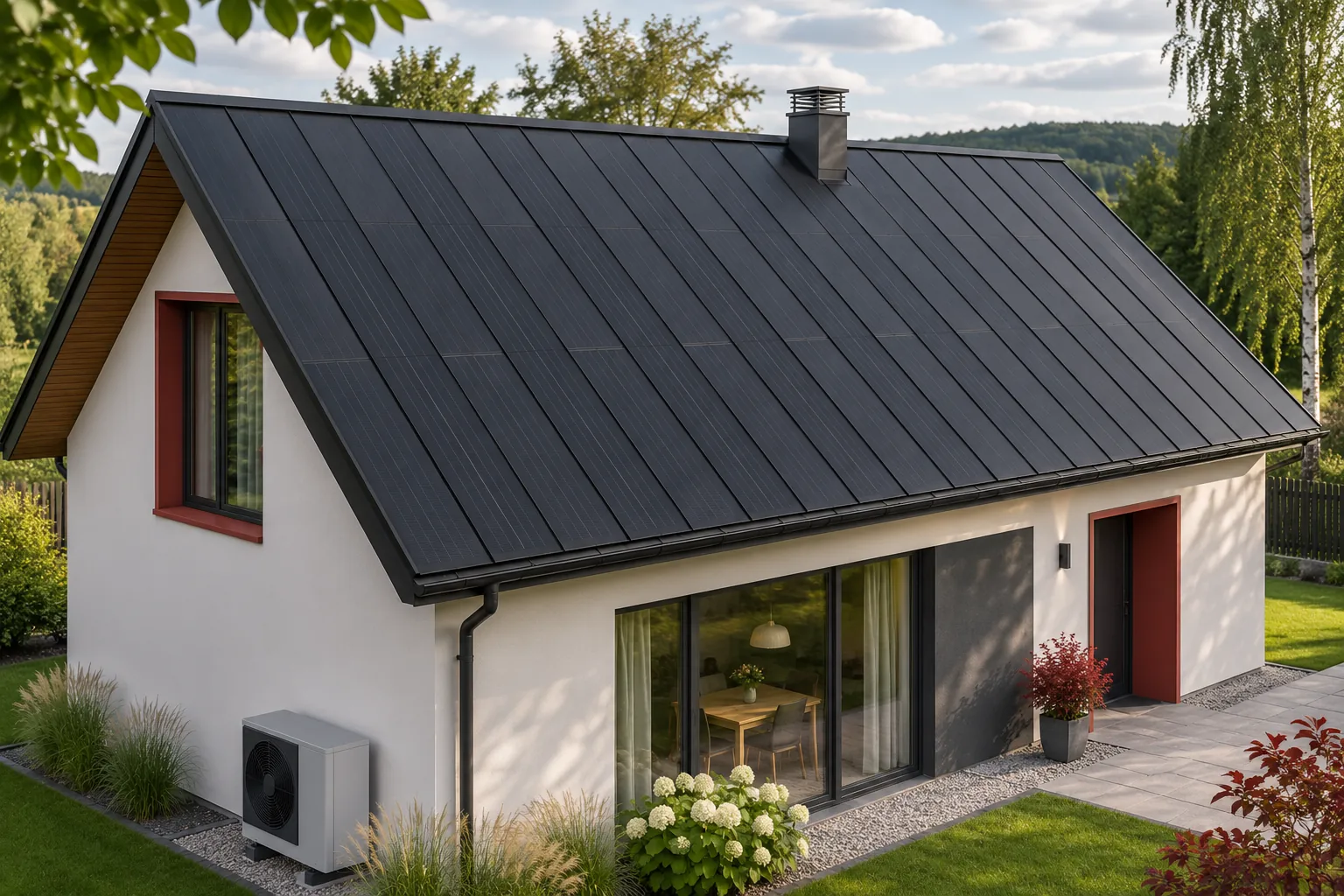
A heat pump needs electricity, and a photovoltaic roof can supply part of it. This is a good combination if both solutions…
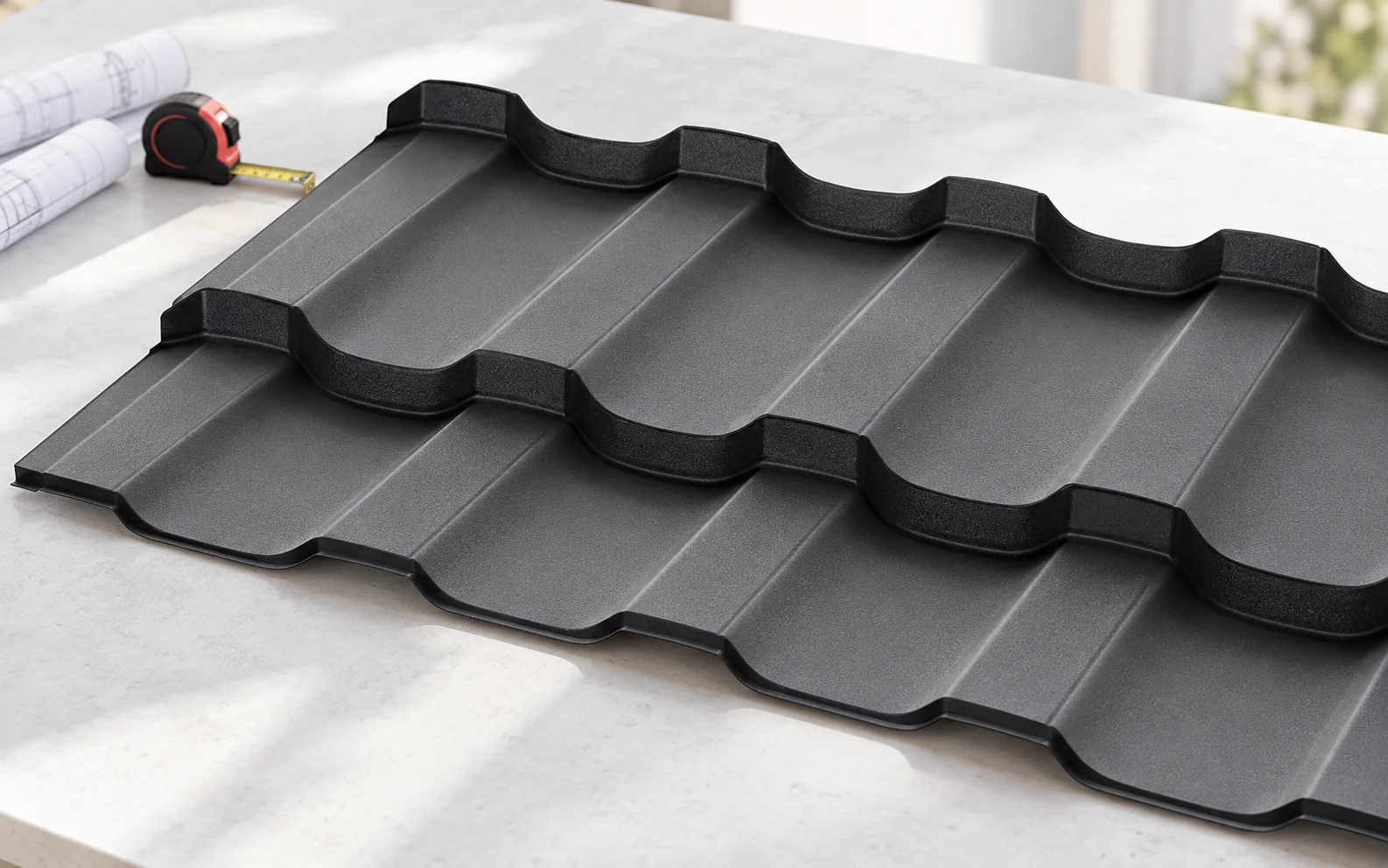
Ceramic tiles and tile-effect metal roofing are two different covering systems that should not be compared on price per square metre alone.…
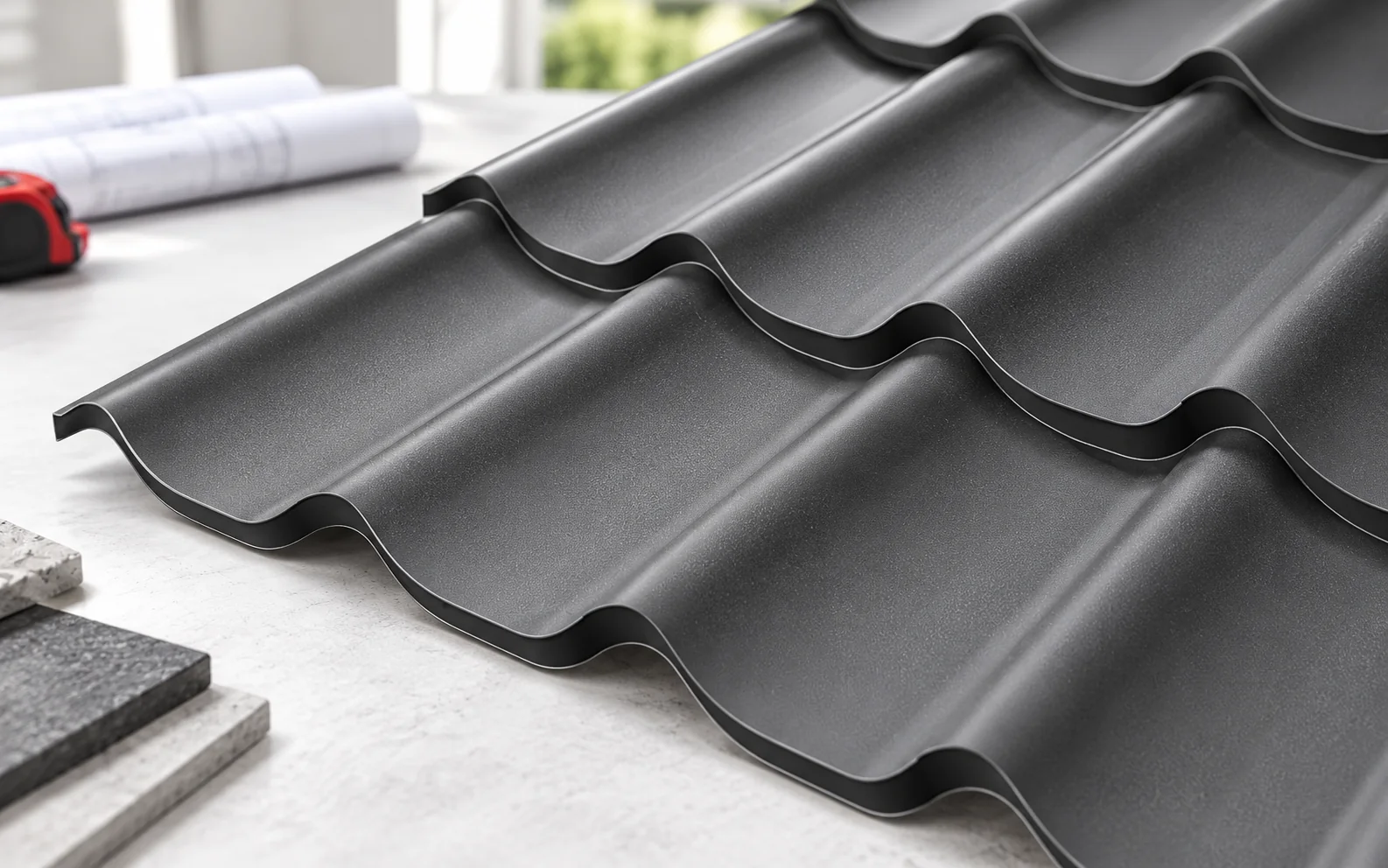
Start with a section through the roof. Bitumen shingles need a rigid, level, continuous deck, while tile-effect steel sheets commonly rest on…
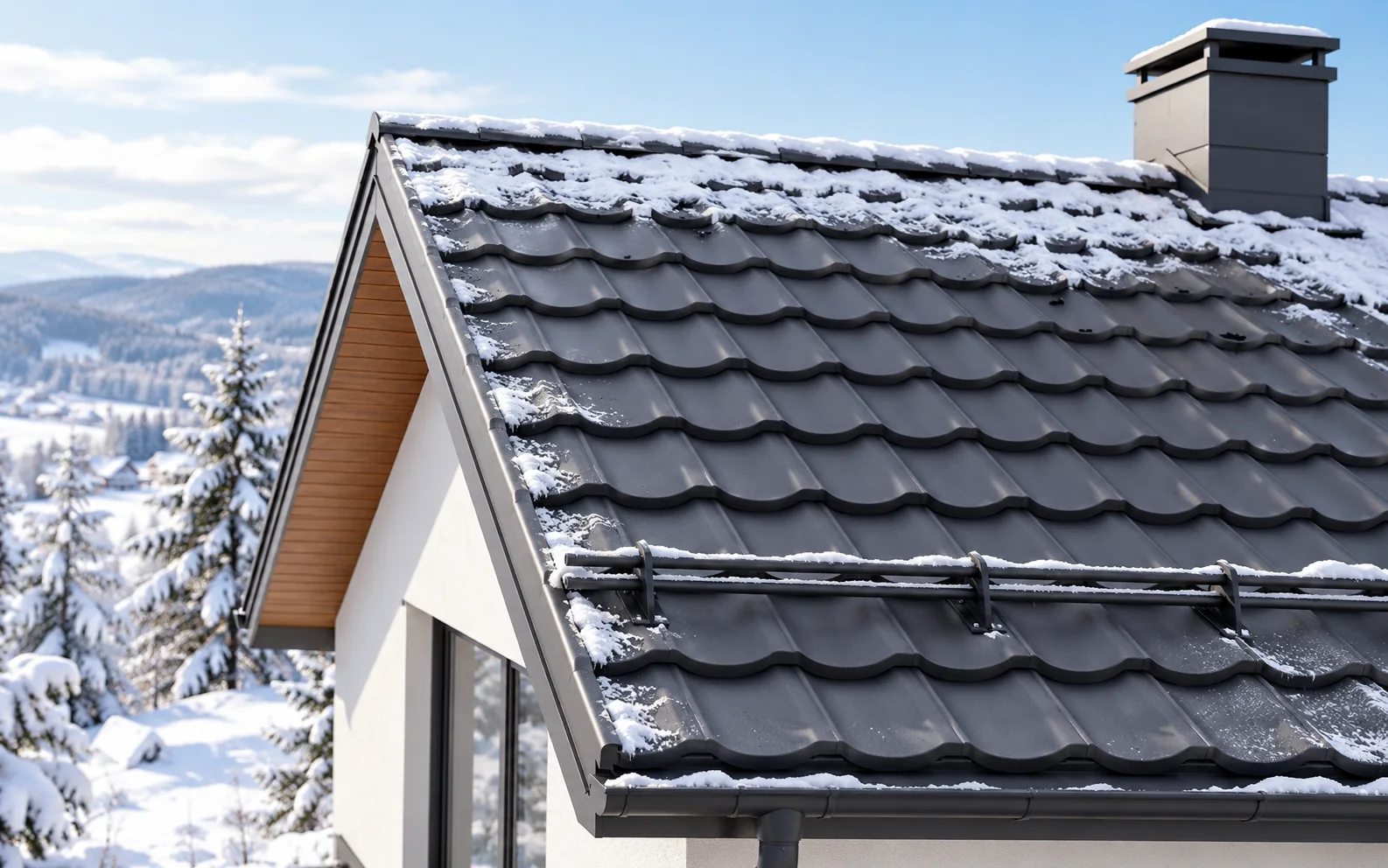
Snow guards and snow fences serve different purposes. Point elements help to distribute and slow down the sliding mass, while linear barriers…
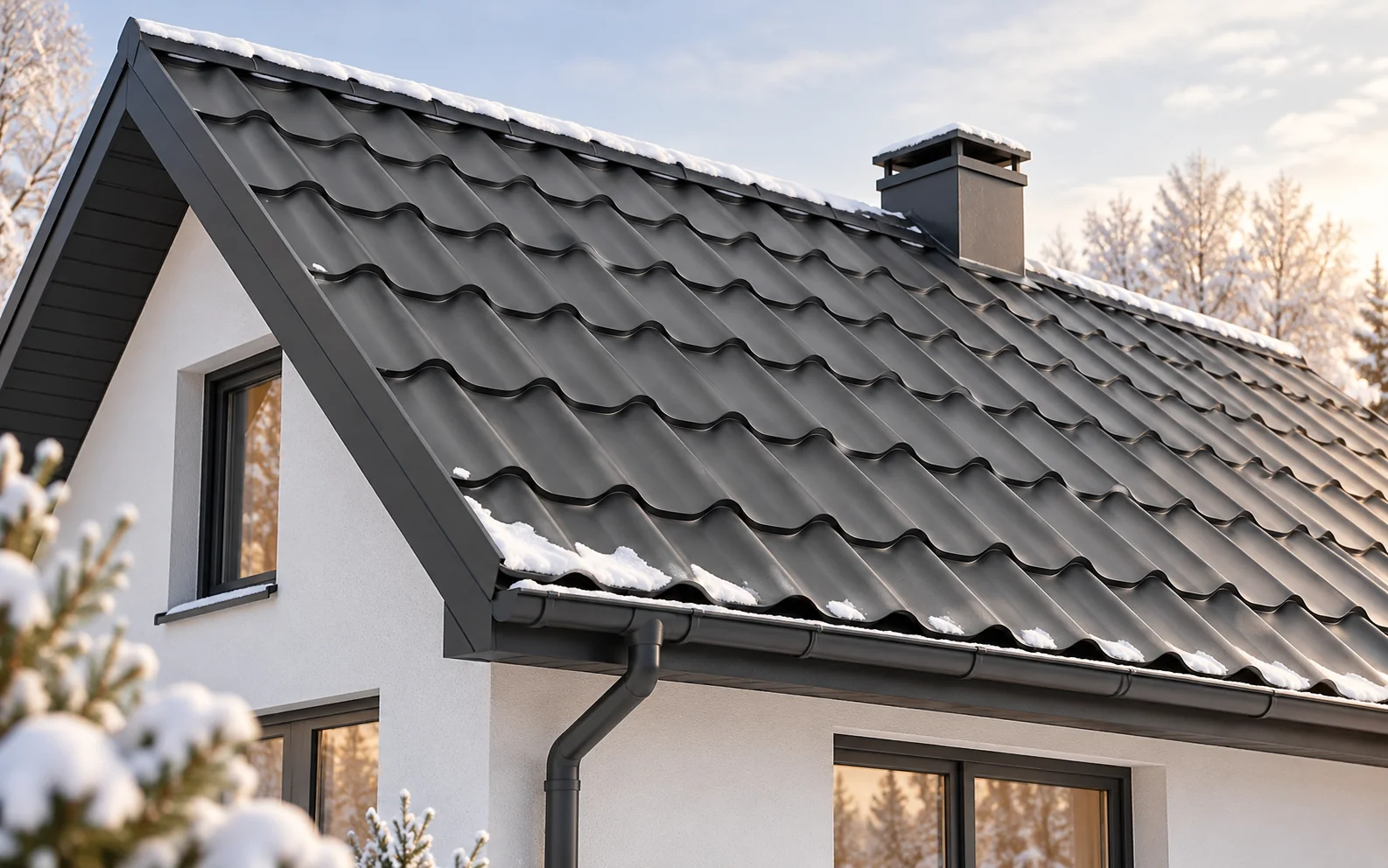
Preparing a roof for winter covers three areas: drainage, the safety of components and moisture control beneath the covering. The response to…
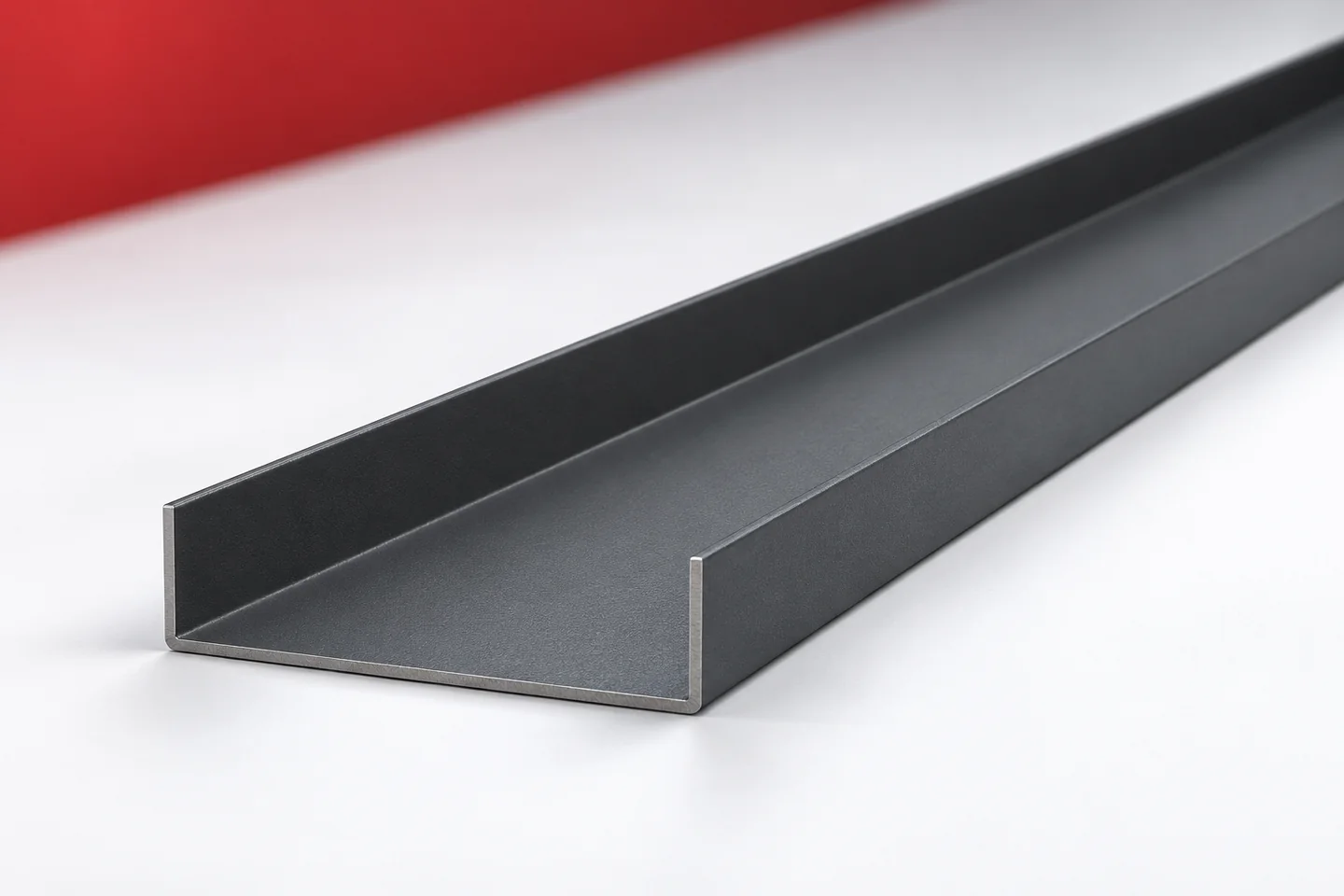
Starter profiles define where installation of a given covering or cladding begins. Some form a hook for the panel, others support the…