

Roof coverings
Which roof coverings are lightweight, and how do you compare their weights?
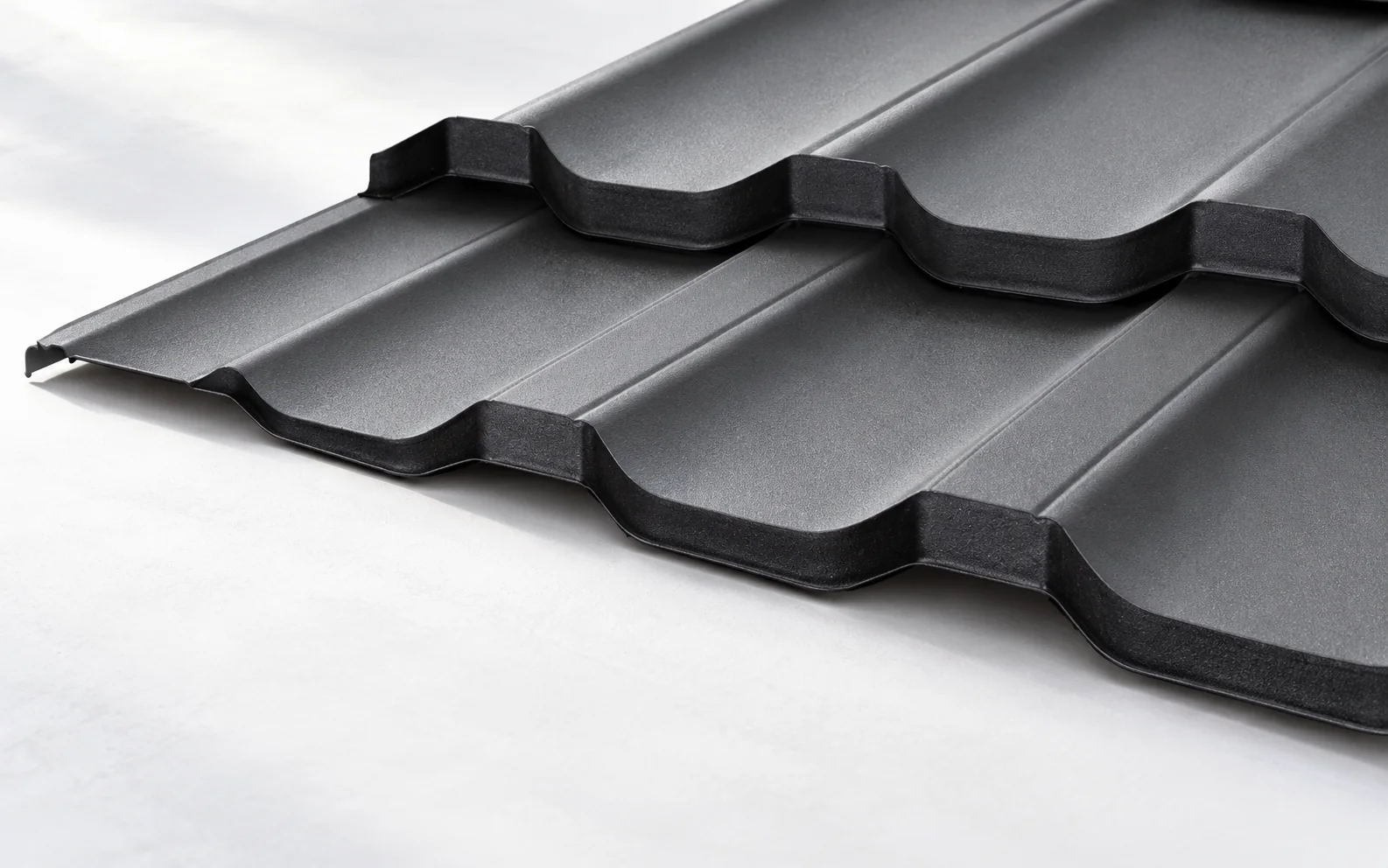
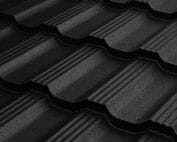
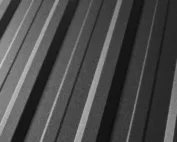
Lightweight coverings include, among others, tile-effect metal roofing and trapezoidal steel sheet. The roof membrane alone may also have a low weight, but it requires a suitable substrate. A comparison should cover all layers and the covering area. The lightest material in the catalogue does not always mean the lightest finished roof. It matters for the load on the structure, transport and installation. When renovating, choosing a lighter material may limit the increase in permanent loads. However, it does not automatically permit a damaged roof structure to be left in place. The condition of the timber, connections and supports must be assessed independently. In a new building, the design takes account of the whole roof, not just the outer layer. Snow, wind and equipment loads are added to the dead weight.
In this article
Why does the client care about the weight of the covering?
It matters for the load on the structure, transport and installation. When renovating, choosing a lighter material may limit the increase in permanent loads. However, it does not automatically permit a damaged roof structure to be left in place. The condition of the timber, connections and supports must be assessed independently.
In a new building, the design takes account of the whole roof, not just the outer layer. Snow, wind and equipment loads are added to the dead weight. Reducing the weight of the covering does not mean that all cross-sections can be reduced proportionally. The structure must satisfy several conditions at the same time.
How light are tile-effect metal roofing and trapezoidal sheet?
Thin-walled steel coverings usually fall within the range of a few kilograms per square metre for the material alone. The exact value depends on the thickness, profile, coatings and the way the surface is specified. It should be taken from the documentation for the specific variant rather than attributing a single weight to all steel sheets.
Cut and modular tile-effect metal roofing may have a similar weight per covering area despite a different format. A small panel is easier to carry, but it does not have to be lighter when calculated for the whole roof. T18 and T35 must likewise be compared at the correct thickness and actual cross-section.
What difference do the total and effective areas make?
Laps mean that part of the material does not increase the covering area. If the weight of a sheet is given for its full outline, it cannot be used as the weight of a finished square metre of roof slope without conversion. The weight of the element and its effective covering are needed.
For example, a sheet weighing 4 kg covering 0.8 m² gives 5 kg per m² of covering. This is a simple arithmetic example, not a parameter of a selected product. For a larger roof, flashings and accessories must also be added. Waste matters for the delivery, but not all of it remains on the structure.
Does the lightest layer always give the lightest roof?
No. A membrane or shingle may require a different substrate from the selected steel covering. Full boarding, underlay layers and additional elements change the balance. A comparison of the outer layer alone therefore omits a significant part of the weight.
Aluminium covering too, although lighter as a material than steel at a similar thickness, requires a suitable system. It should not be selected on the basis of metal density alone. The permissible supports, thickness and fixing are important. First, the complete variant that meets the building’s requirements is checked.

How should sandwich panels be assessed?
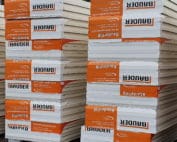
A roof panel contains two facings and an insulating core. It is therefore heavier than a single thin sheet, but at the same time performs more functions. Comparing it with steel sheet alone without insulation is not equivalent. Components with similar thermal and service requirements must be compared.
The type of core and the thickness of the facings affect the weight. Panels with PIR and with mineral wool may differ significantly, but they also have different fire and acoustic properties. Weight must not be reduced at the expense of the required classification. The choice follows from the function of the whole building.
Does PIR insulation help to reduce weight?
PIR has a low density and can provide the required thermal resistance in a relatively thin layer. This can be advantageous where roof height is limited. However, the facings, fixings and other materials must be included in the balance. The density of the core alone does not describe the weight of the complete component.
When comparing insulation, the same required thermal effect must be maintained. Equal thicknesses do not necessarily give equal resistance. Conversely, low weight does not mean resistance to any pressure. Under equipment or along a service route, suitable support and load distribution are selected.
How should data be prepared for the structural engineer?
Collect the data sheets for all layers, their thicknesses and weights referred to the correct area. Add the planned equipment, ceiling build-up and fixed elements. For an existing roof, also describe the scope of dismantling. The structural engineer must know what will remain and what will be replaced.
When choosing lightweight steel sheet, also check the fixings for wind suction. Low weight does not protect against uplift. A reliable balance considers weight, load-bearing capacity and the method of anchoring together. Then lightness is a useful advantage rather than a single slogan deciding the whole roof.
A tip before ordering
In the schedule, record next to each weight its basis: kilogram per sheet, per total metre or per covering metre. Without this information, the numbers may look comparable although they describe different areas.
What is worth remembering?
Tile-effect metal roofing and trapezoidal sheet are lightweight solutions, but the load on the building is determined by the whole roof. The best comparison covers layers, laps and equipment. When renovating, such a balance must be combined with an assessment of the structure, because low weight does not repair its damage.
7 branches. Materials closer to your project.

Free quote
Materials for your project

You may also find useful…
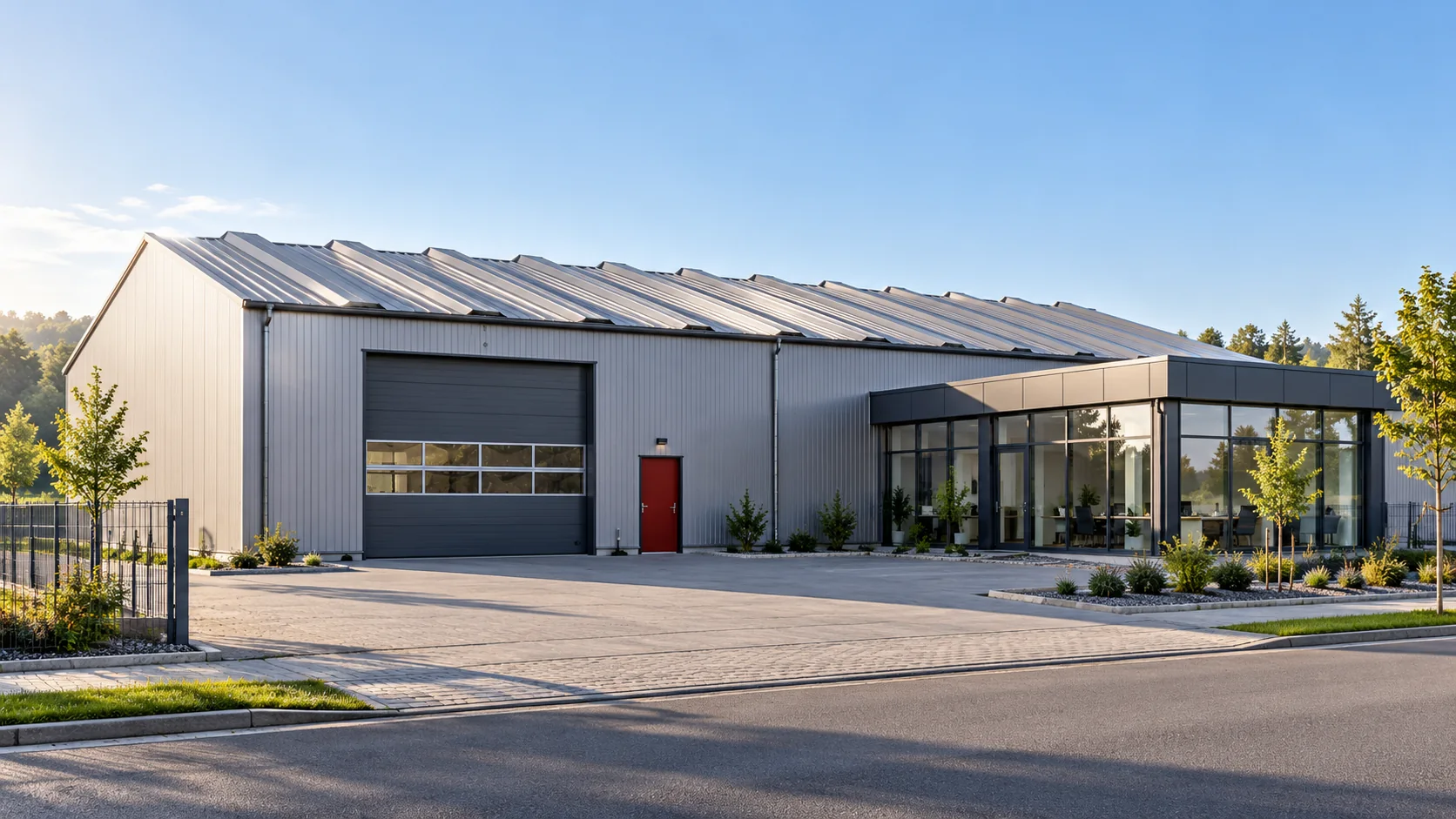
A carport, a warehouse and a heated workshop may all have the same trapezoidal steel roof profile. Conditions below the sheets can…
Once the asbestos sheets have been removed, the roof needs a new covering, but the choice between trapezoidal steel sheet, tile-effect metal…
Preparing battens for T18 or T35 trapezoidal sheet requires determining the support spacing from the data for the specific profile, the sheet…
A roof with 200 m² of sloping surface can require more than 200 m² of trapezoidal steel sheet. The quantity depends on…
Roof coverings differ in weight, format, method of joining and required pitch. Tile-effect metal roofing, trapezoidal steel sheet, roof tiles, shingles and…
An affordable roof is one that suits the building and its expected service life. The least expensive covering for an open shelter…
A hipped roof has four slopes. Over a rectangular plan, two are usually trapezoidal and two triangular. This form gives a coherent…
To calculate the weight of a T18 or T35 order, check the unit stated for the exact profile and steel thickness. If…