

Flashings
Choosing sheet metal for flashings: galvanised, Aluzinc or colour-coated steel
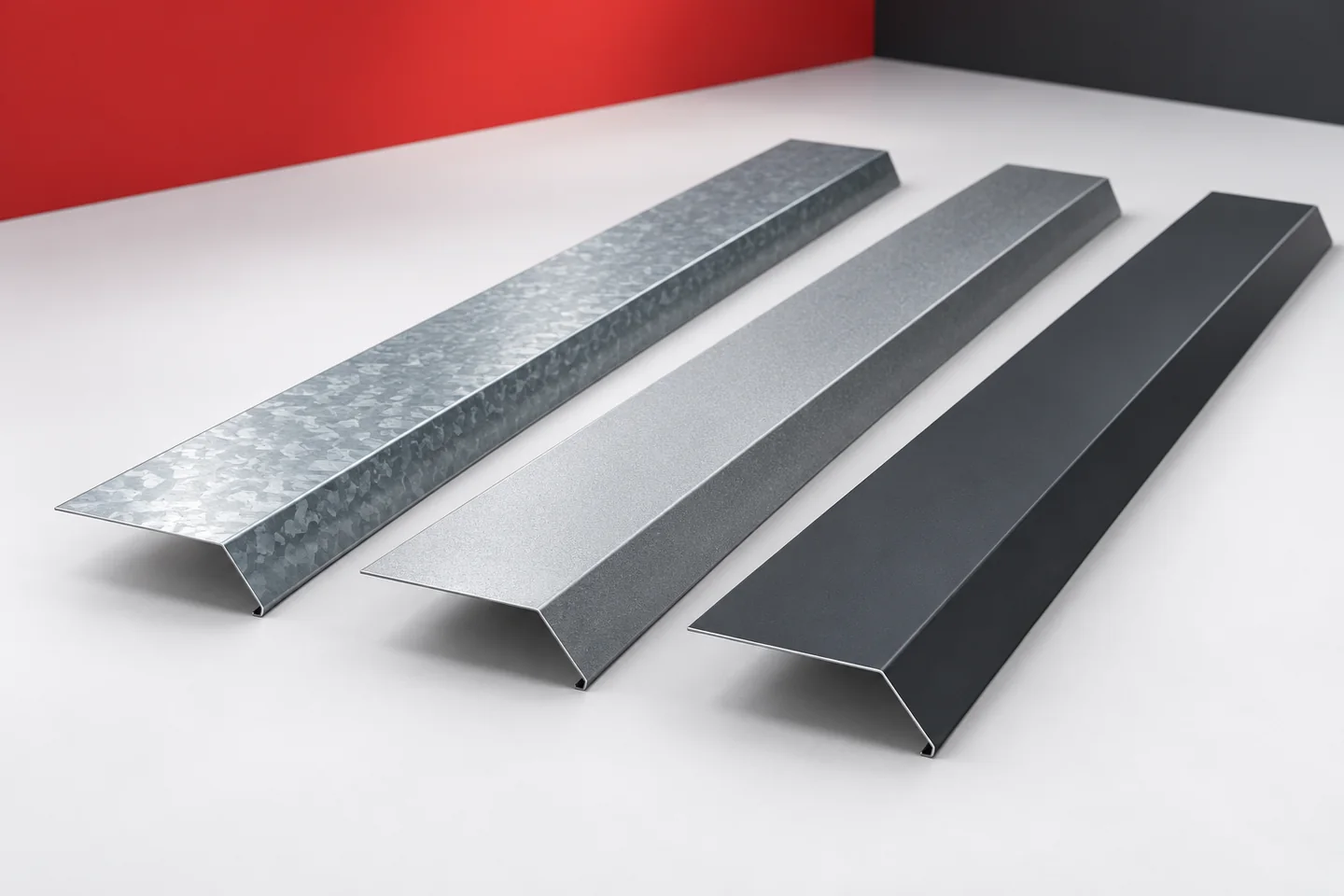
Three similarly worded material descriptions can mean different protective layers. Galvanised, Aluzinc and coated steel sheets are used for flashings, but they do not form a simple ranking from worst to best. The choice depends on the installation location, contact with other materials and the desired appearance. A price list should be read together with the sheet specification. The steel core gives the flashing specific mechanical properties. The metallic coating protects its surface against corrosion. In galvanised sheet this is zinc. In Aluzinc sheet a coating containing aluminium and zinc is used. These are different material solutions, although both can have a metallic appearance and serve similar families of details.
In this article
Separate the steel from the protective layers
Coloured coated sheet additionally contains organic layers. This does not mean that the steel under the paint lacks metallic protection. The order description should therefore distinguish between sheet thickness, type of metallisation and type of organic coating. The word “colour” says primarily something about appearance, not about the full structure of the material.
Do not confuse coating mass with sheet thickness
Documents may contain coating designations and values given in grams per square metre. These refer to the mass of the metallic protection, not to the thickness of the steel sheet. Sheet thickness is given in millimetres. Organic coatings, by contrast, are often described in micrometres. These three quantities must not be interchanged.
When comparing two offers, place the parameters side by side. Check exactly what each figure refers to and according to which specification it is given. A flashing made from thicker sheet does not necessarily have a better coating. Conversely, an extensive protective system does not replace adequate rigidity and proper support for a wide element.
Match the protection to the place of use
Ridge tiles work in a different zone from starter profiles at the plinth. Chimney flashings may be exposed to deposits, while gutter aprons are exposed to frequent contact with running water. Barge flashings additionally close off the edge of the roof slope exposed to the wind. Each detail should be assessed in the real environment of the building.
It is not enough to state that the material is “weather-resistant”. The intended use and the limitations of the coating must be checked. Near aggressive contaminants, wet processes or other metals, selection requires greater care. Nor should direct contact of every sheet with any mortar or chemical be assumed.
Price only makes sense with the same geometry
The same linear metre can mean a different quantity of material. A barge flashing with wide legs uses more sheet than a narrow cover, even if both look similar on the building. Non-standard flashings are often priced taking into account the developed width and the extent of bending. A price per metre without this information can be misleading.
Compare material for an identical cross-section, length and number of pieces. Also establish whether the cost includes preparation of the ends, perforation or other operations. Only then does the real difference between galvanised, Aluzinc and coloured coating become visible. Separate tax, transport and additional services so that the scope of the offers is clear.

Assess appearance on a sample, not only on screen
A coloured gutter apron may be almost invisible from the ground, whereas a wide parapet flashing becomes a distinct line on the façade. In the second case, a difference in gloss or texture will be more noticeable. A colour number does not guarantee that surfaces from different coatings and batches will match. Comparing real samples helps.
For a roof already in use, also take into account the ageing of the existing covering. New coated sheet may look different from long-standing material despite a matching designation. Metallic galvanised and Aluzinc sheets also have their own surface appearance. Perfect visual matching should not be promised without checking the material in daylight.
Bending and cutting affect the final quality
The coating should remain in good condition after the flashing has been formed. The tools, bending radii and processing conditions specified for the material matter. Excessive re-bending of finished ridge tiles or strips can damage the surface. It is therefore better to agree the dimension and angle before production than to correct them by chance on site.
Use a cutting method permitted for the given sheet. Abrasive cutting can cause heating and scattering of hot particles that damage the protection. Swarf must be removed after installation. Even a well-chosen material does not protect against neglect of metal contaminants left on it.
Record the full order specification
A good purchase item includes the cross-section, thickness, type of coating, colour and orientation of the visible side. Add lengths and quantities. For parts viewed from both sides, establish the appearance of both surfaces. Do not assume that the underside layer has the same aesthetic properties as the external decorative coating.
The choice should conclude with a check that the material is compatible with the covering and the installation detail. There is no single sheet that automatically wins in every application. A sensible purchase means the right protection, suitable geometry and a fairly compared price scope. Flashings prepared in this way are easier to install and later to maintain in good condition.
Questions and answers
Is Aluzinc aluminium sheet?
No. In the flashings discussed here, it is steel sheet with a metallic coating containing aluminium and zinc. The core and the protective layer are different parts of the material.
Does coloured sheet always have better protection?
Colour alone does not confirm this. The full coating system, the intended use of the material and the operating conditions must be checked. Correct forming and installation also matter.
7 branches. Materials closer to your project.

Free quote
Materials for your project
You may also find useful…
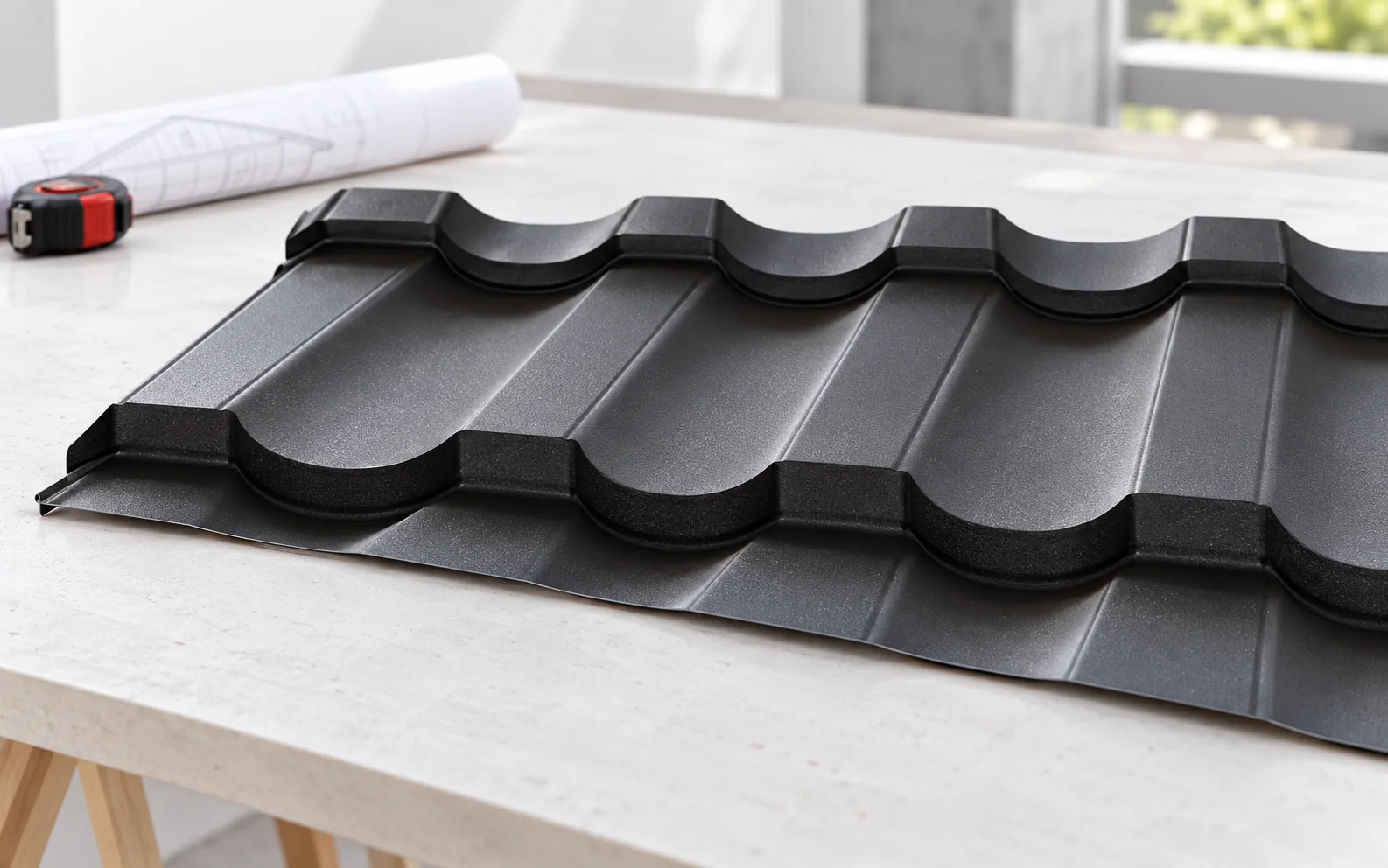
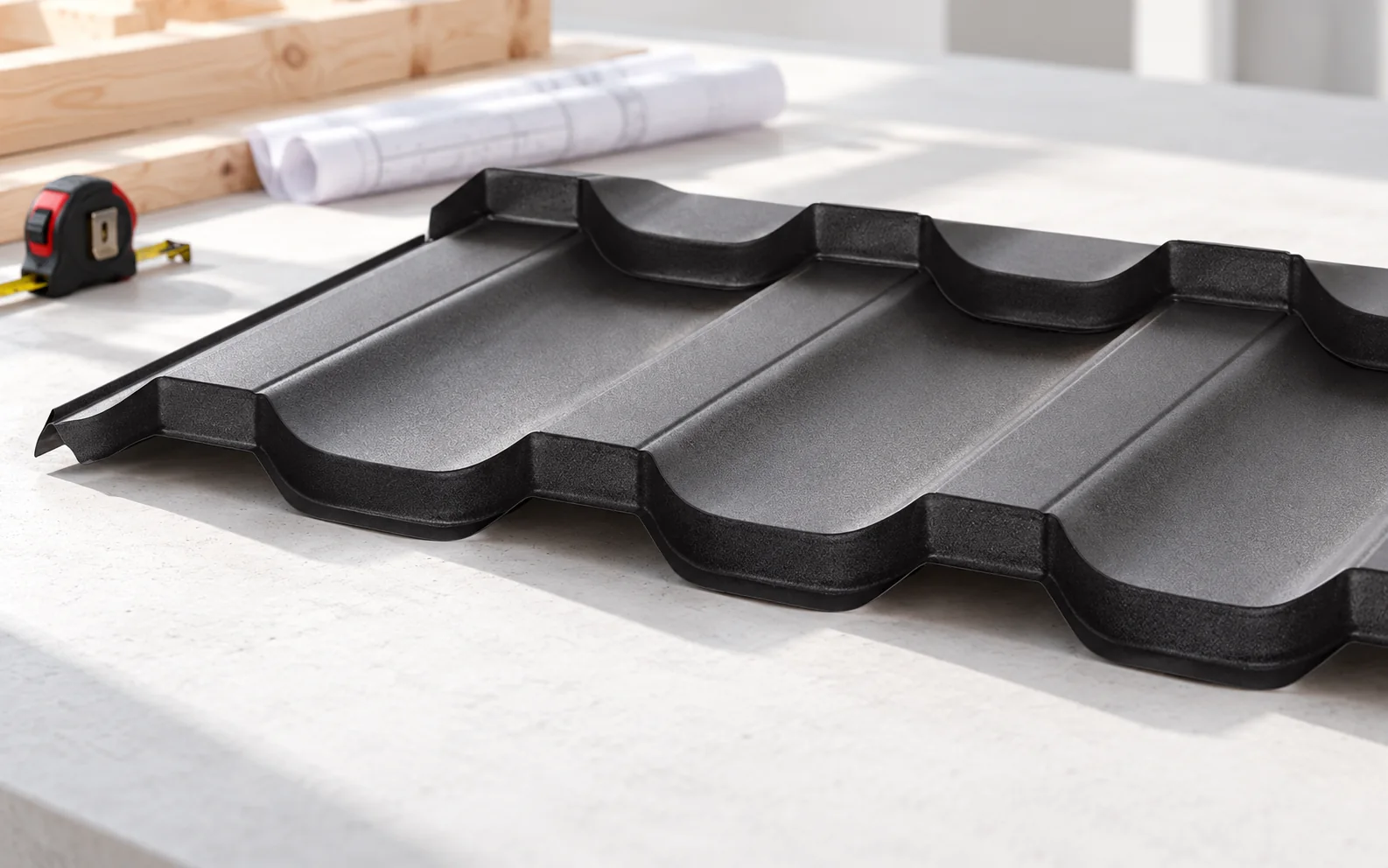
The classic or modern look of a roof results mainly from the geometry of the pressings, the colour and the way the…
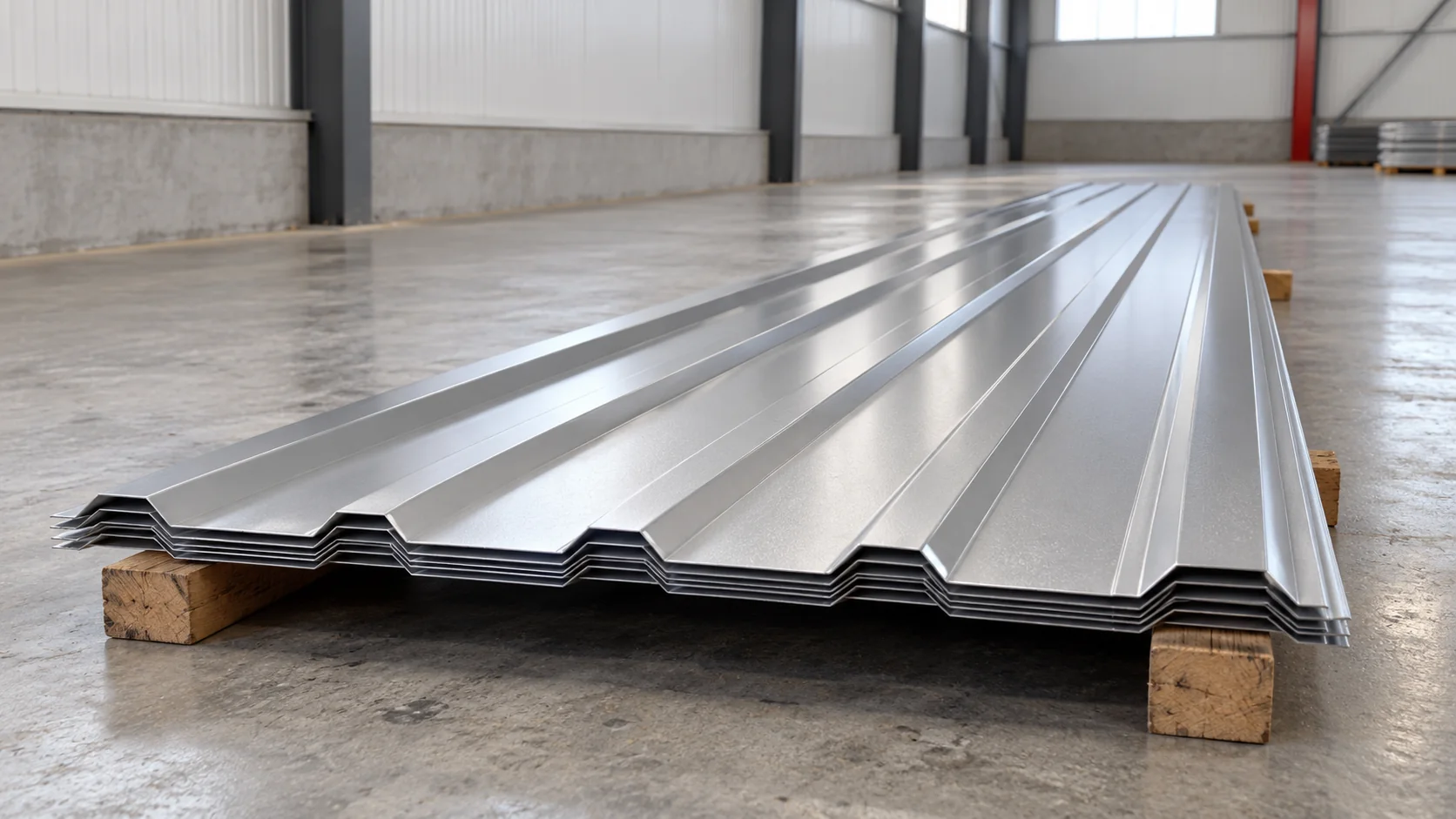
Before comparing roofing quotations, establish what “100 metres of sheet” means. It could refer to 100 linear metres of a particular profile,…
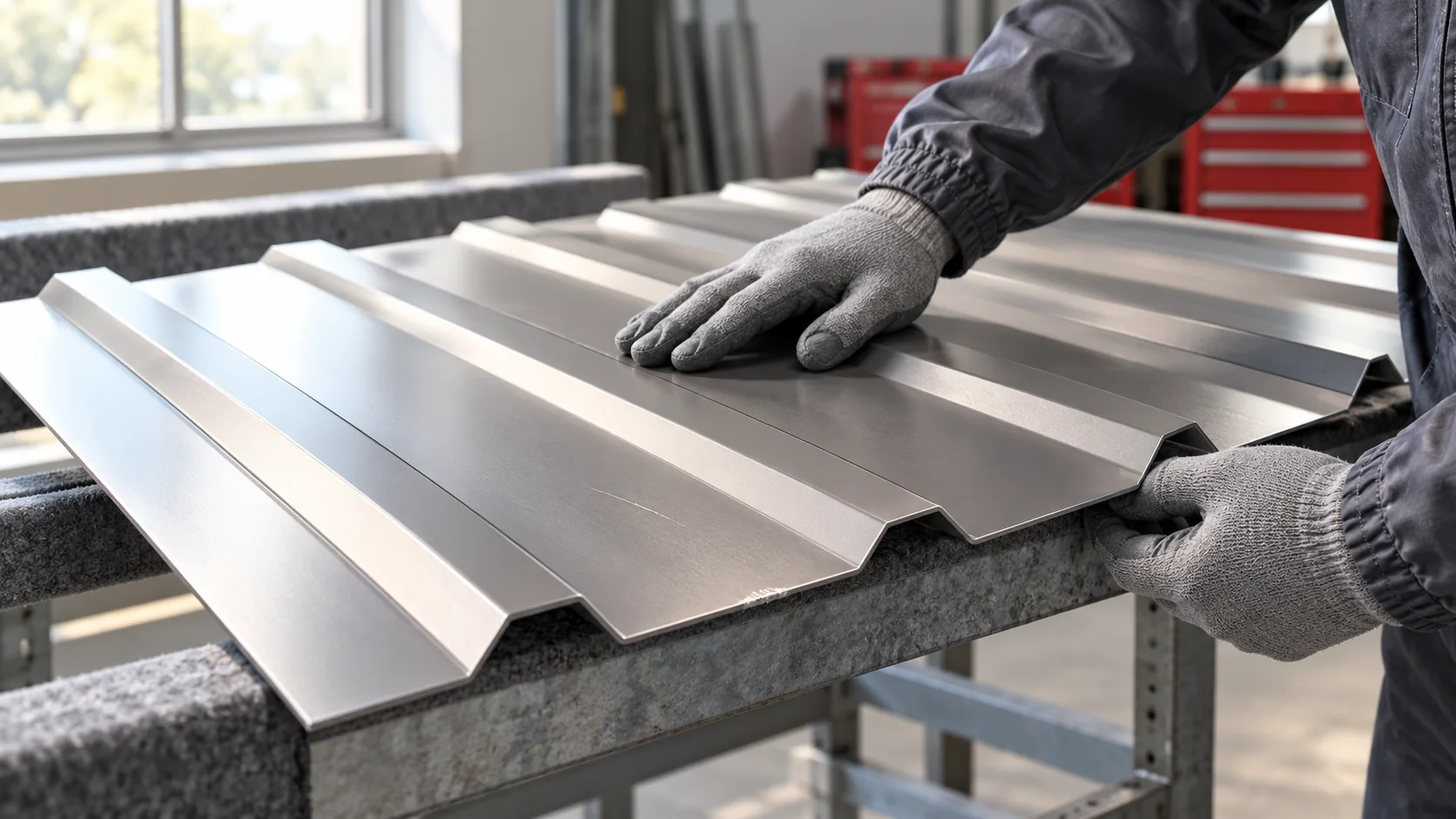
Second-quality trapezoidal steel sheets can be discounted for very different reasons. Before comparing prices, find out why the particular sheets were downgraded.…
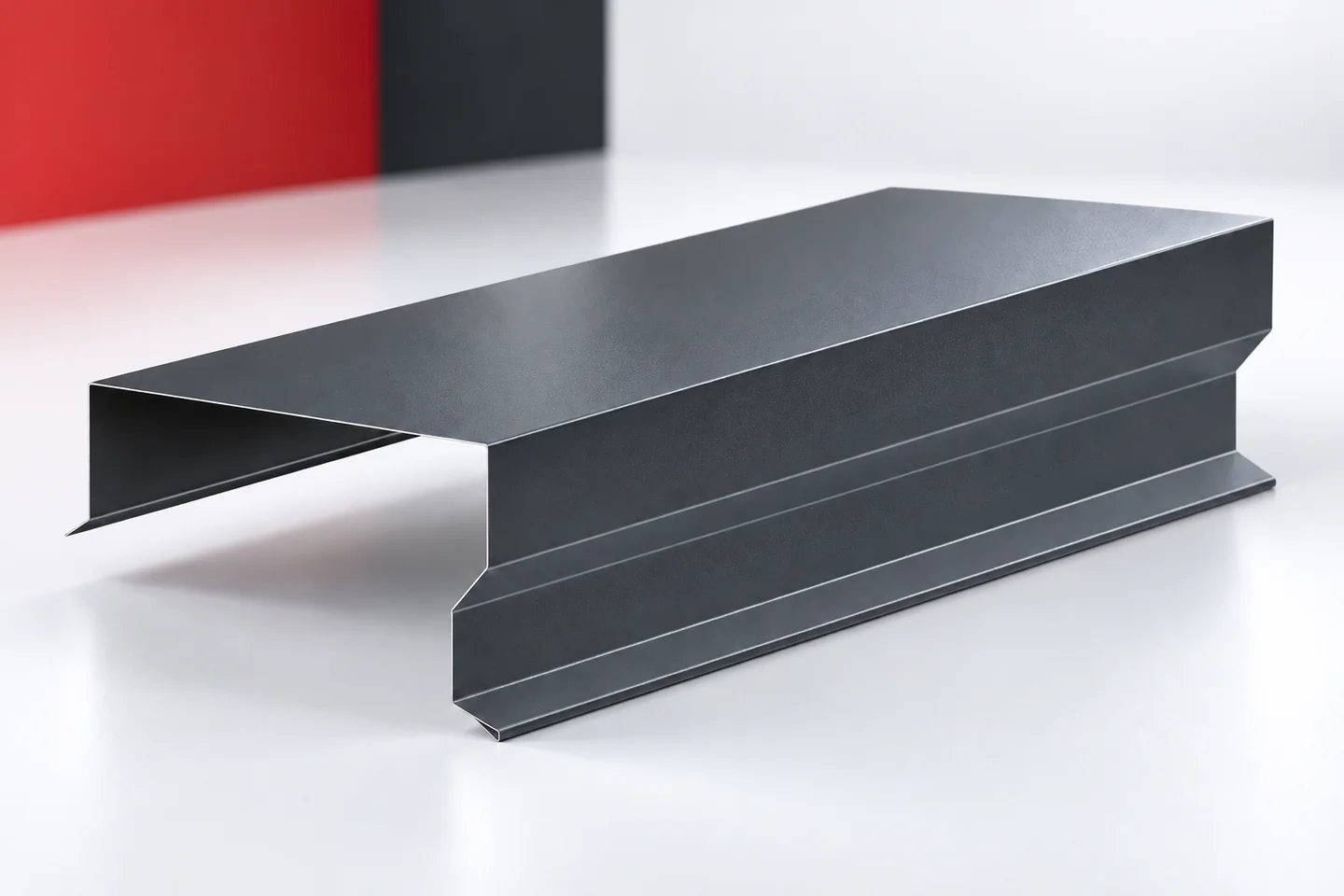
Sheet metal on the parapet covers the top of the wall and forms the visible termination of the building. A wide profile…
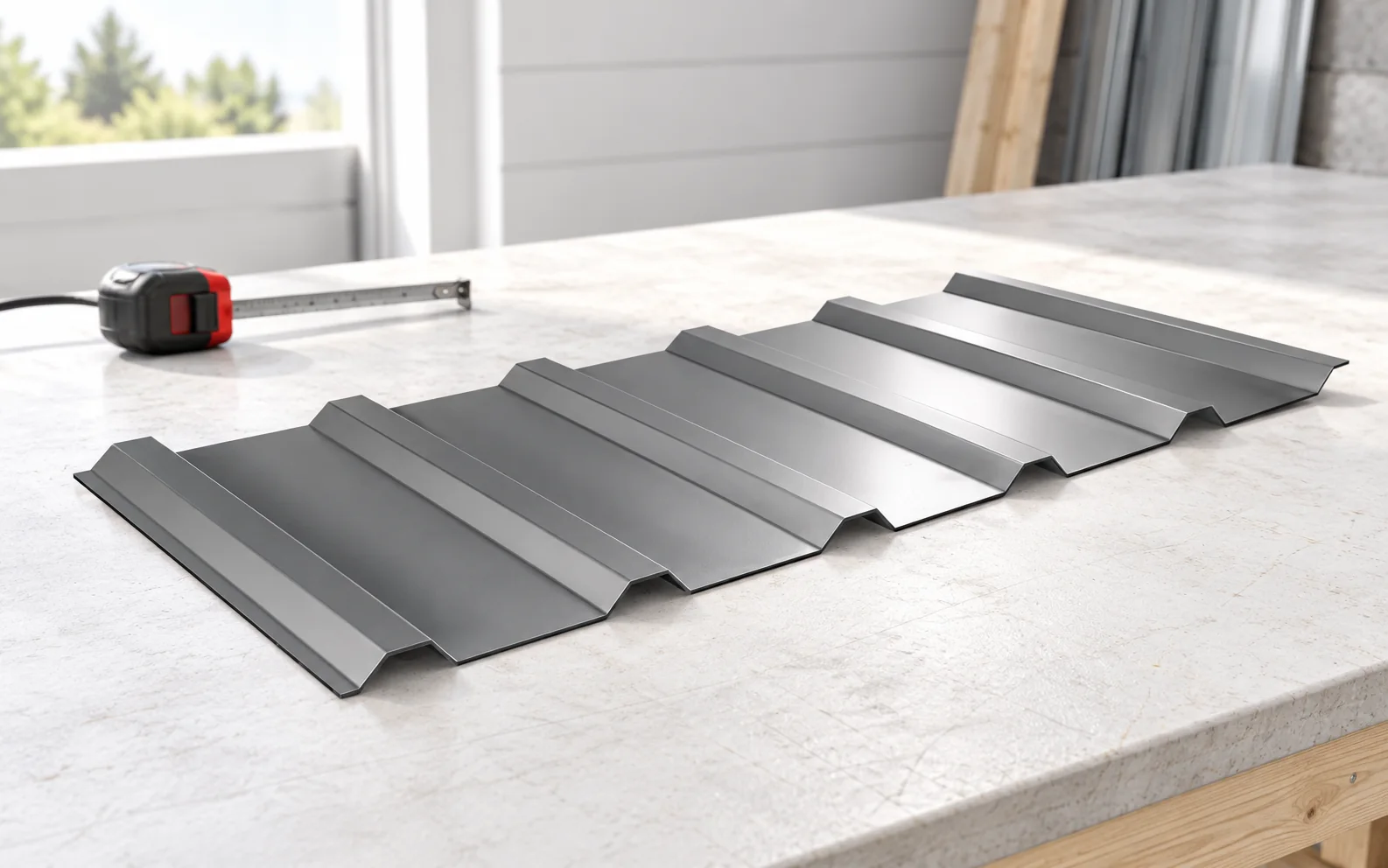
The zinc-aluminium-magnesium coating is one way of protecting the steel substrate against corrosion. It should not be confused with the colour alone…
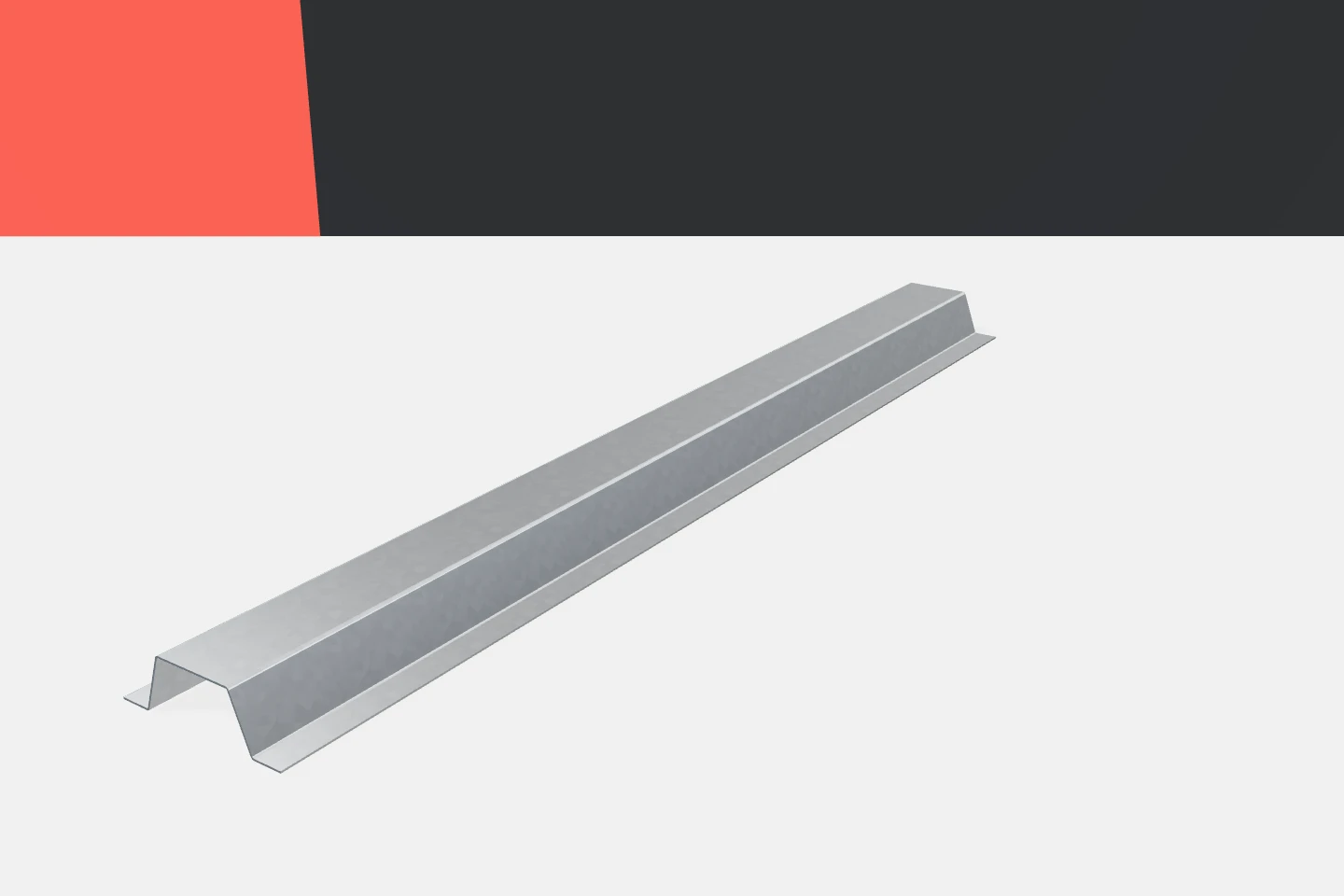
The omega profile can simplify the construction of a frame for a covering or cladding. However, it has its own geometry and…
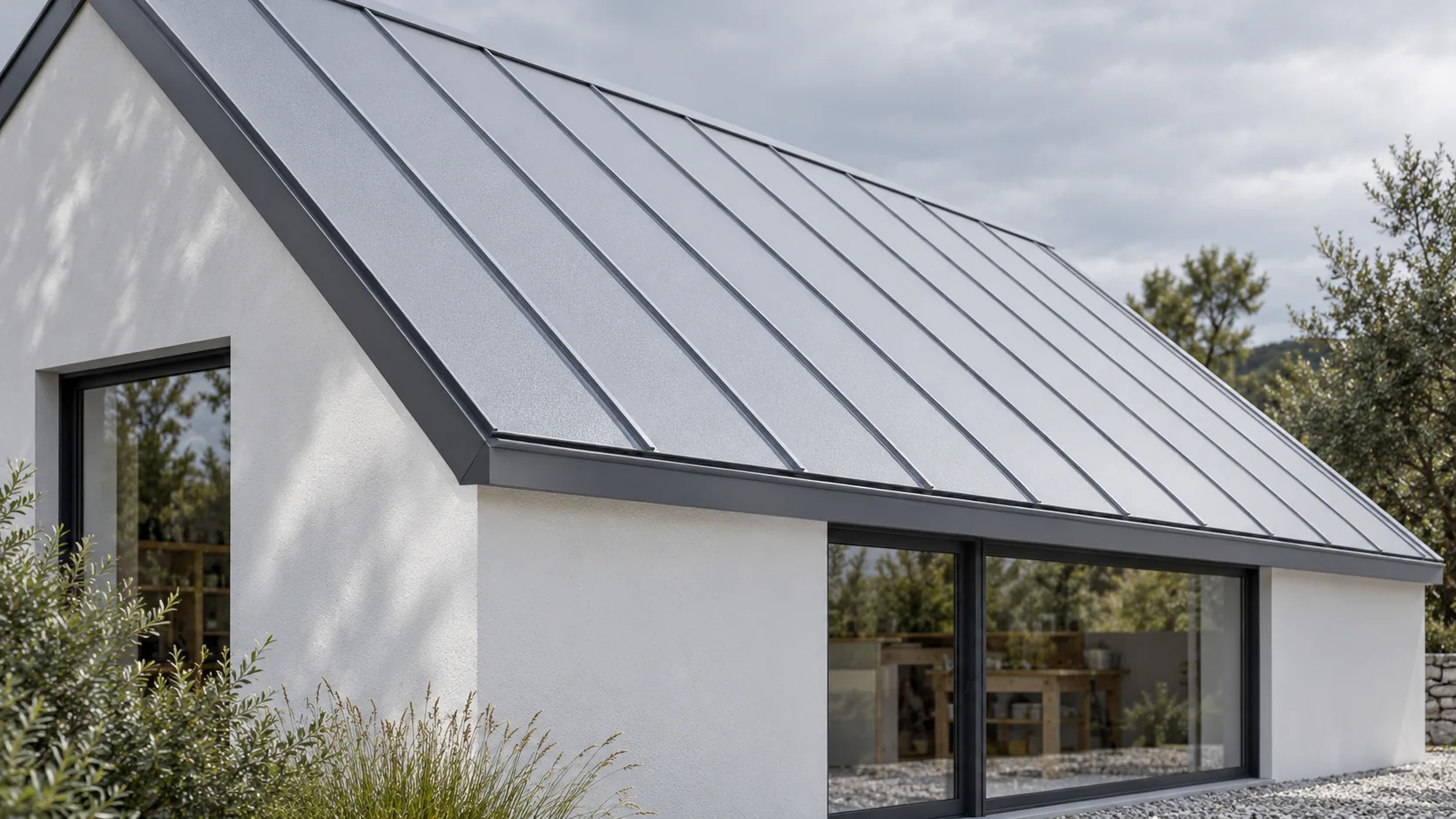
Single, double and snap-lock standing seams may look alike from the ground. What matters is how the edges engage, how the sheets…
Rafter sizes are determined by structural calculations, in which span, spacing, type of support, timber class and loads govern the cross-section; the…