

PIR insulation
Using IKO enertherm ALU data to calculate thermal performance
For a building element with IKO ALU, two thicknesses of the same board are analysed. It is worth checking straight away whether increasing the insulation resistance changes the result for the whole building element to the required degree. If a significant thermal bridge remains at the service penetration, simply thickening the field may not resolve the main limitation. The balance should cover both measures. The starting point is a building element build-up with aluminium-faced PIR boards. Here the particular limitation is the condition that the facing and edges are compatible with the adopted building element. The design is intended to make use of the board’s resistance without disregarding the conditions of use for the whole system, rather than merely accommodating another sheet. The point requiring attention is the service penetration through the continuous insulation layer.
In this article
Limitation first, then thickness
A section drawing with the full ALU designation and the required protective layers is necessary, since a flat view of the field alone does not show all the heights. When buying IKO enertherm ALU it is therefore worth settling this detail first, before the thickness becomes an assumption for the remaining works.
The right product and the scope of its data
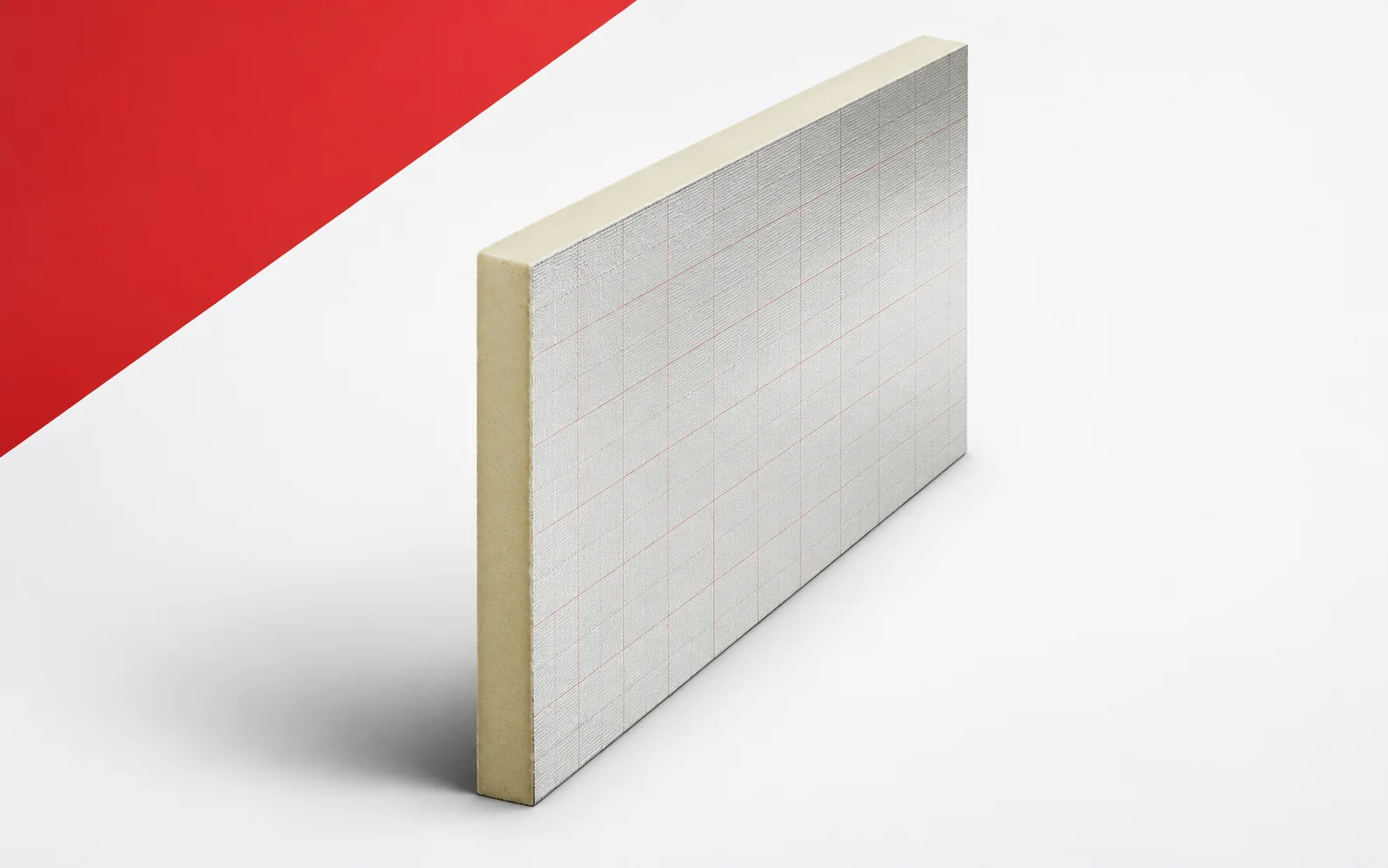
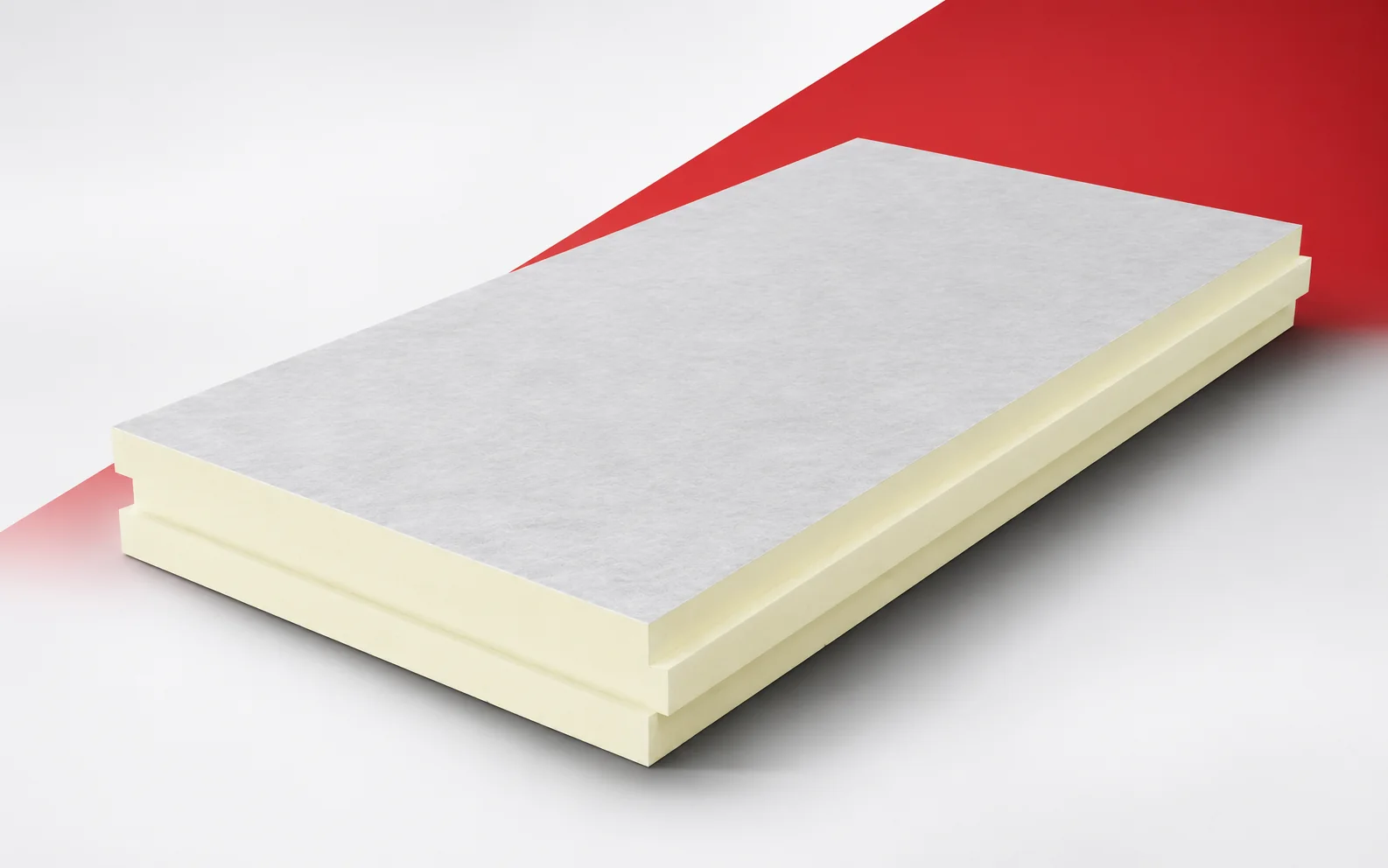
IKO enertherm ALU consists of a PIR core with more than 95% closed cells and an aluminium facing on both sides. The declared λD is 0.022 W/(m·K), and compressive strength is at least 175 kPa at 10% deformation. The product itself is described by fire reaction class F, whereas B-s2,d0 applies to the indicated end use on a steel substrate — the two classifications must not be used interchangeably. The IKO PIR boards should be assessed here for the scope that is the assembly of a partition with aluminium-faced PIR boards. When checking an order, the term polyurethane boards does not replace the full name IKO enertherm ALU. In IKO enertherm ALU the polyurethane foam of PIR type forms the core, while the properties of the complete board also include its facings.
What the figures show in this case
Before adding a calculated thickness to the material schedule, check the facings and edge profile in the IKO enertherm ALU documentation. They must suit the proposed build-up. For an example layer resistance of R = 4.00 m²K/W and λ = 0.022 W/(m·K), R × λ gives about 88.0 mm. Substituting λ = 0.036 for the same comparison increases the space required to 144.0 mm. This second value serves only to illustrate how conductivity affects thickness.
In the example concerning IKO enertherm ALU, the figures describe only the specified part of the task. Their use makes sense together with a measurement that covers the layer thickness and the position of elements penetrating the insulation. The property relevant for comparison is the lambda of 0.022 W/(m·K) with a defined product construction. In this system, the data for the board itself must still be separated from the results for the specified end use. Only then does a section with the full ALU designation and the required protective layers allow the result to be related to the actual section. The energy calculation should retain the same scope also when comparing with another thickness of IKO enertherm ALU.
Two directions for improvement
The first direction is selecting the thickness in a confirmed ALU system. The second is changing the product variant together with a reassessment of the connections. The scope of both measures depends on how important the service penetration through the continuous insulation layer is. In the variant with IKO enertherm ALU, the cost of the entire surface should not be increased before the local limitation has been identified. A pitfall would be transferring the classification from the test on a steel substrate to any building element, even if the result for the main field looks favourable. The comparison is only complete when an unambiguous schedule of variant, thickness and scope of application also covers the differences caused by changing the variant.
A connection that must preserve the effect
The design should clearly specify the joint suitable for the ordered ALU version. In the description of IKO enertherm ALU, it is worth separating its geometry from the airtightness of the other layers. The product surface is formed by a multi-layer gas-tight aluminium facing, but its presence does not automatically resolve the entire detail. What is needed for verification is a record of the variant label together with the documentation of its end use. The next stage will be the finish provided for in the building element design, so the error should not be shifted onto the installer of the next layer. It is worth noting at handover how the service penetration through the continuous insulation layer was executed and why this particular method was chosen.
The cost of achieving the same function
The quotation for IKO enertherm ALU should relate to the completed task, not to a single favourable parameter. The calculation should include an unambiguous schedule of variant, thickness and scope of application. A separate cost may arise from the fact that a substrate capable of bearing the load is needed in the selected application. It is also worth pricing the work on the detail described as the service penetration through the continuous insulation layer. The differences should be explained by the building element designer with the specific ALU variant, so that the saving does not result from removing a necessary layer. Polyurethane insulation compared in this way corresponds to the actual effect that the building element build-up with aluminium-faced PIR boards is intended to achieve.
The condition for a justified decision
Mark the full IKO enertherm ALU board designation on the construction section and show its protective layers, including at the perimeter. Keep the label for the selected variant and the documents covering its end use so the board can be identified during a future refurbishment. Recheck the thickness if the adjacent layers or the requirements for the edges and facing change. Assess the board’s thermal resistance in the build-up in which it will be used. Estimating payback requires a separate energy balance for the building.
7 branches. Materials closer to your project.

Free quote
Materials for your project
You may also find useful…
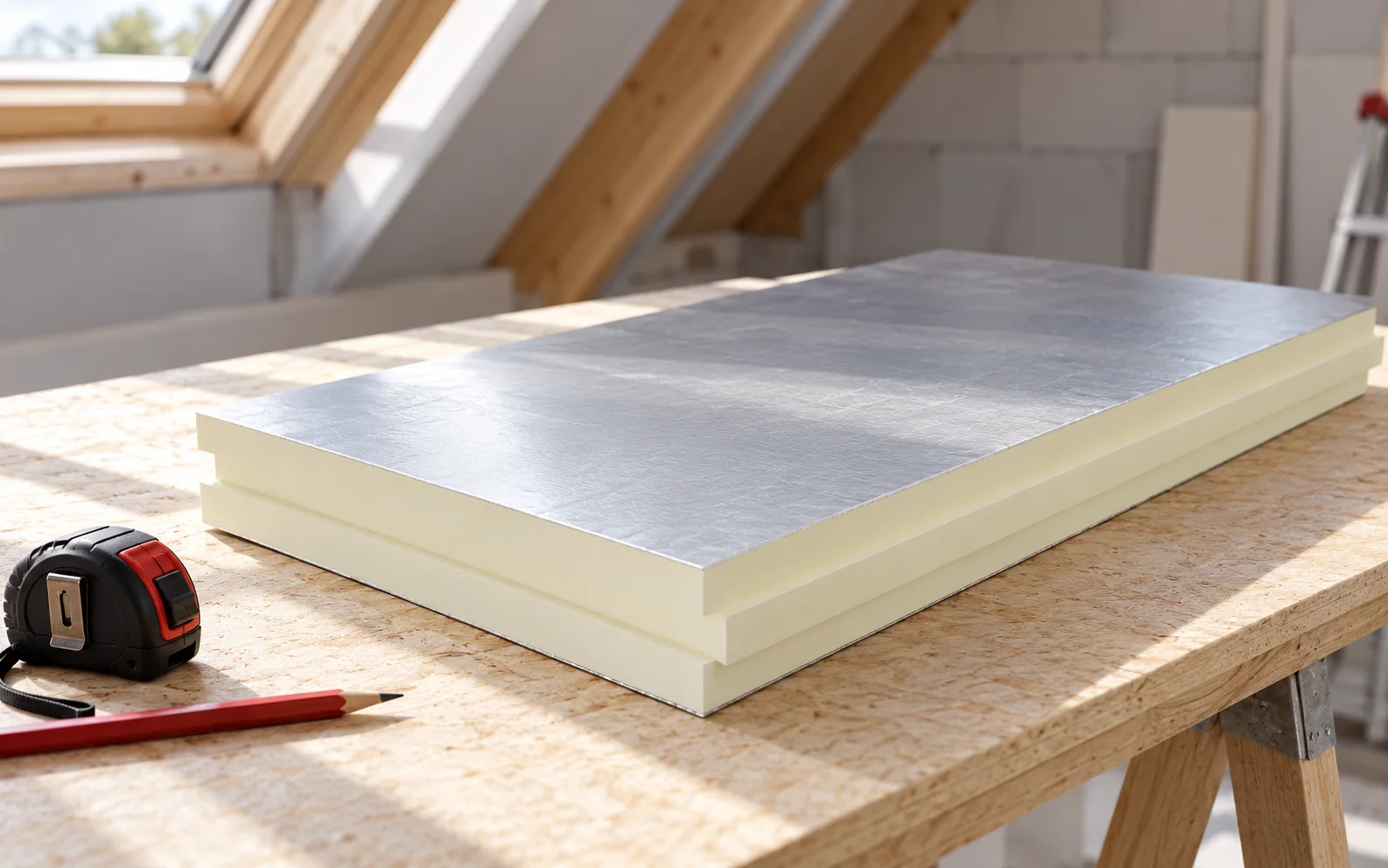
The answer to the question of insulating a loft before installing the lining comes down to the correct sequence of work and…
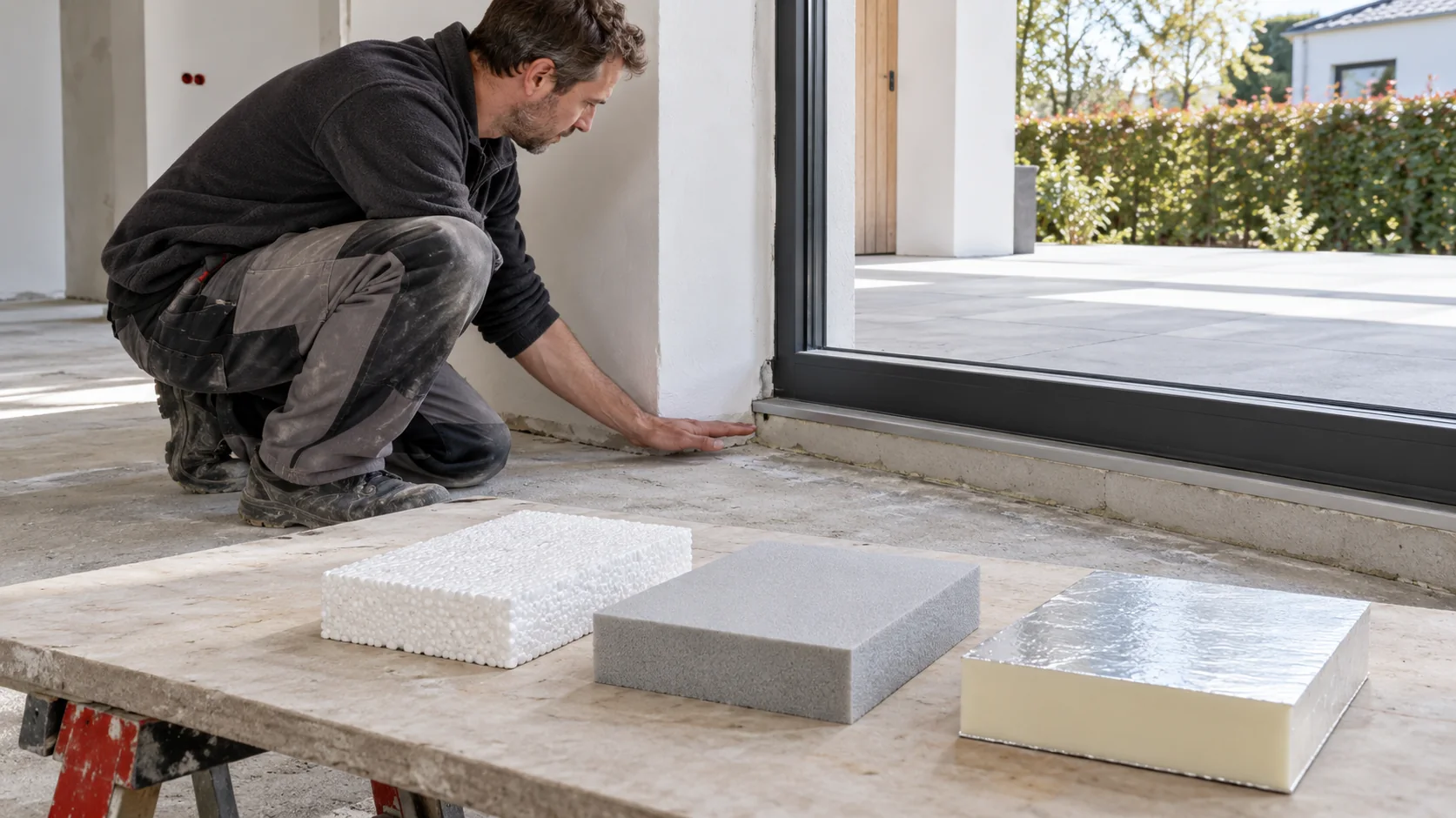
No single insulation material is best throughout a house. On a façade the render system matters, in a floor the loading, and…
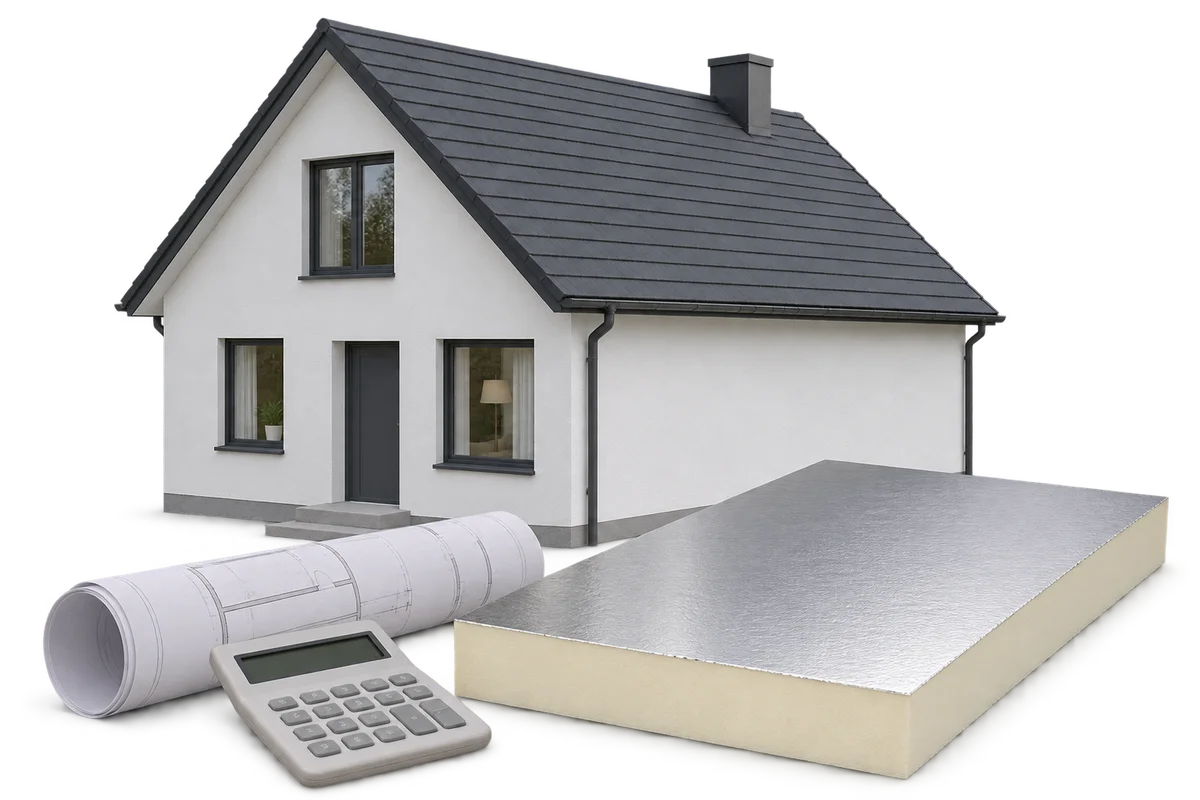
The cost of insulating a home includes materials, substrate preparation, installation and finishing of details. The price per square metre of the…
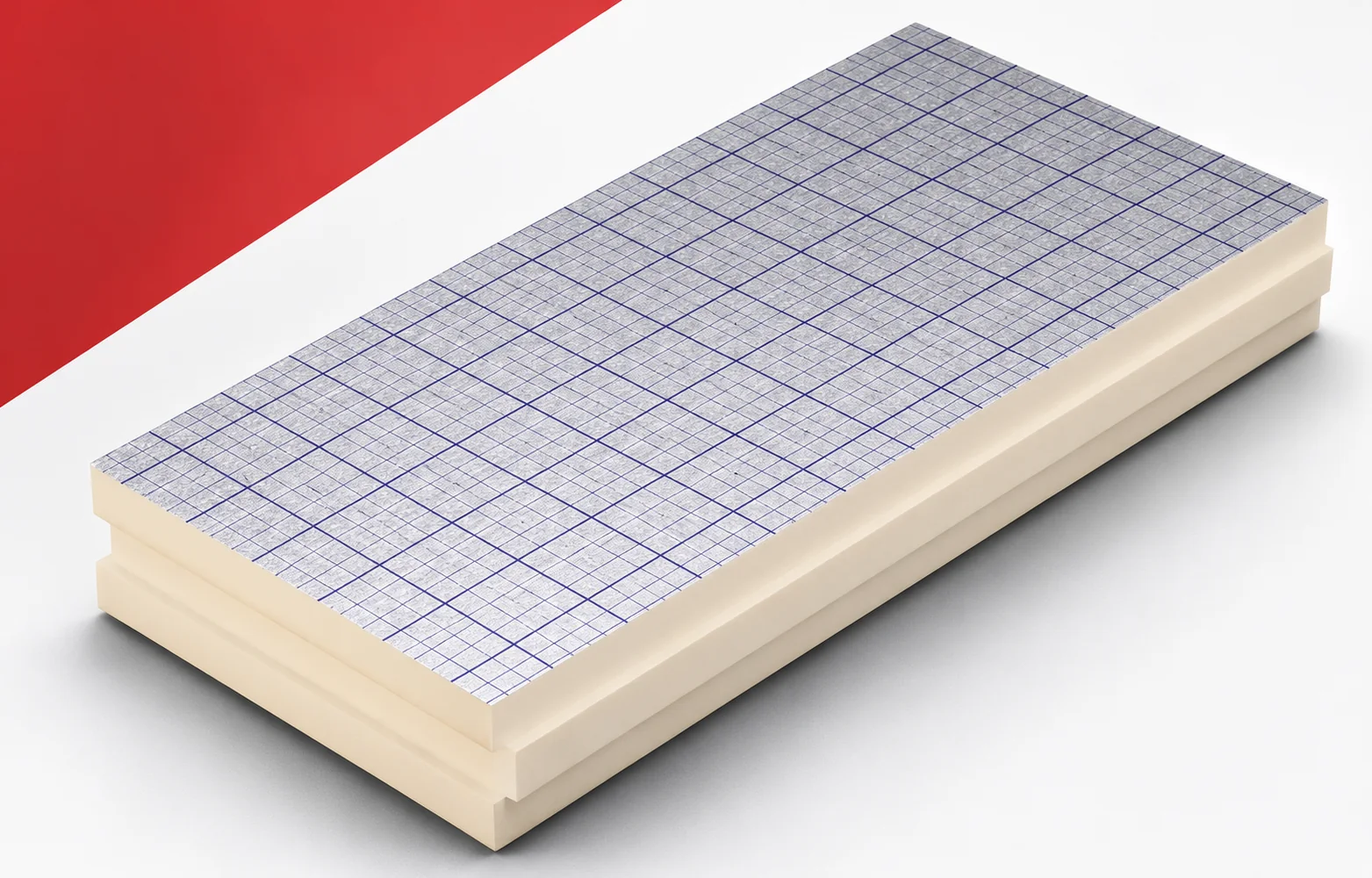
The edges of swissporPIR Alu influence how adjacent elements are joined. The thermal benefit depends on correct fitting, not on the profile…
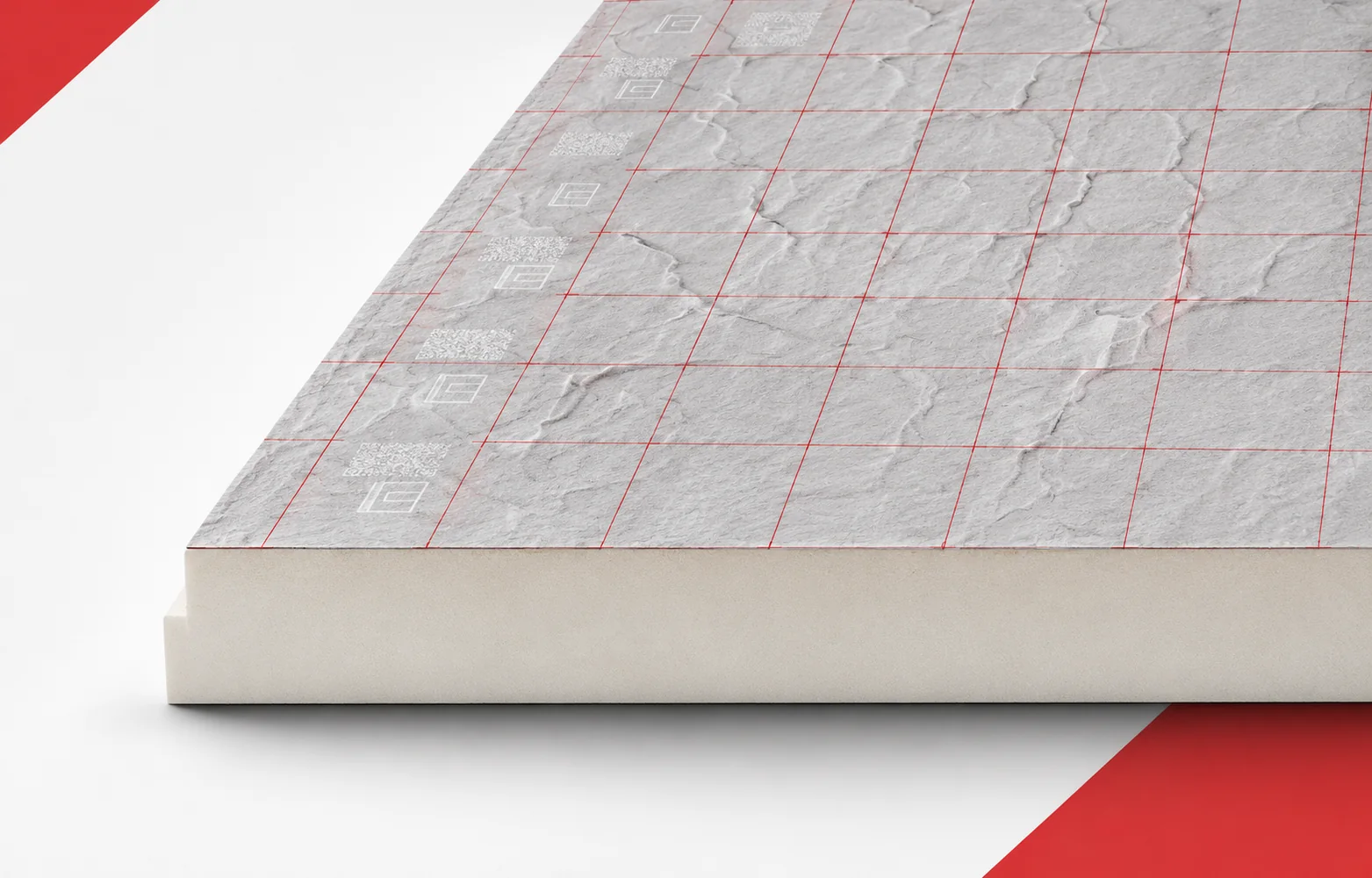
On a flat roof, thermal resistance matters, but so does the height available at parapets and outlets. Thermano Deck allows a relatively…
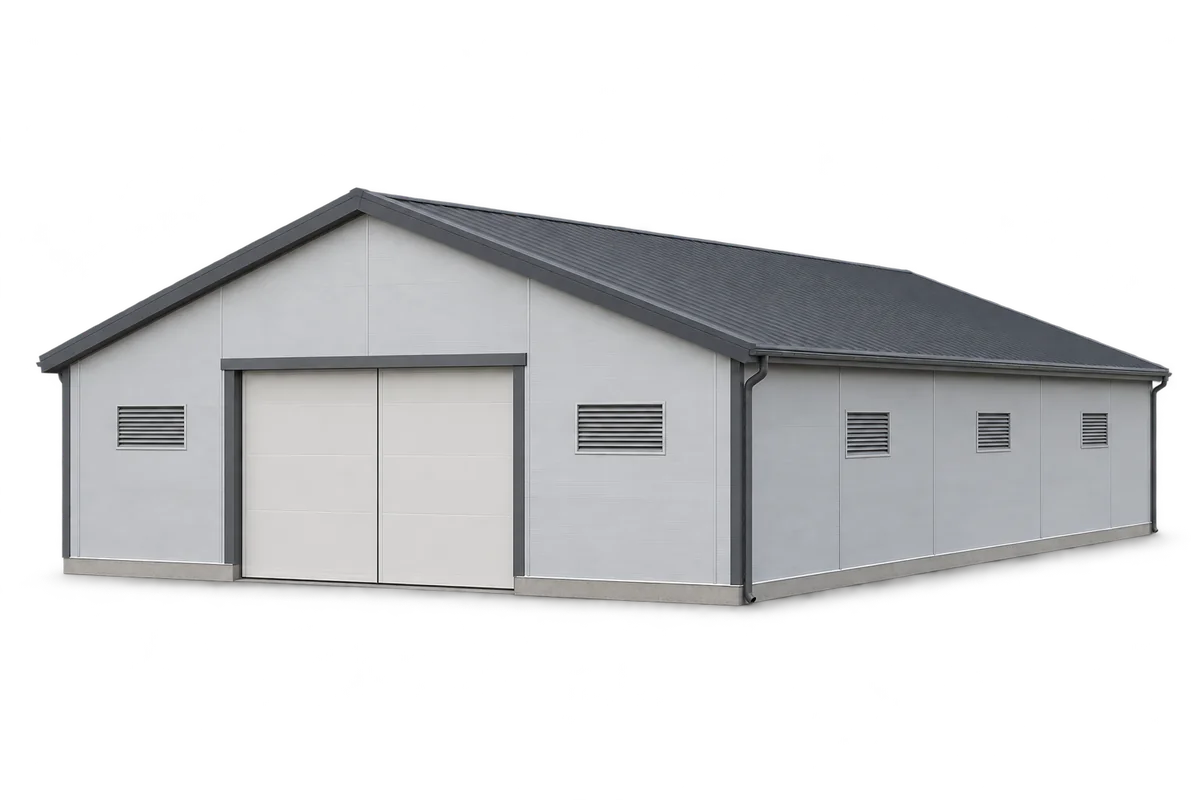
Comparing offers for the enclosure of a pig house requires a common schedule of walls, ceiling, claddings and details, as well as…
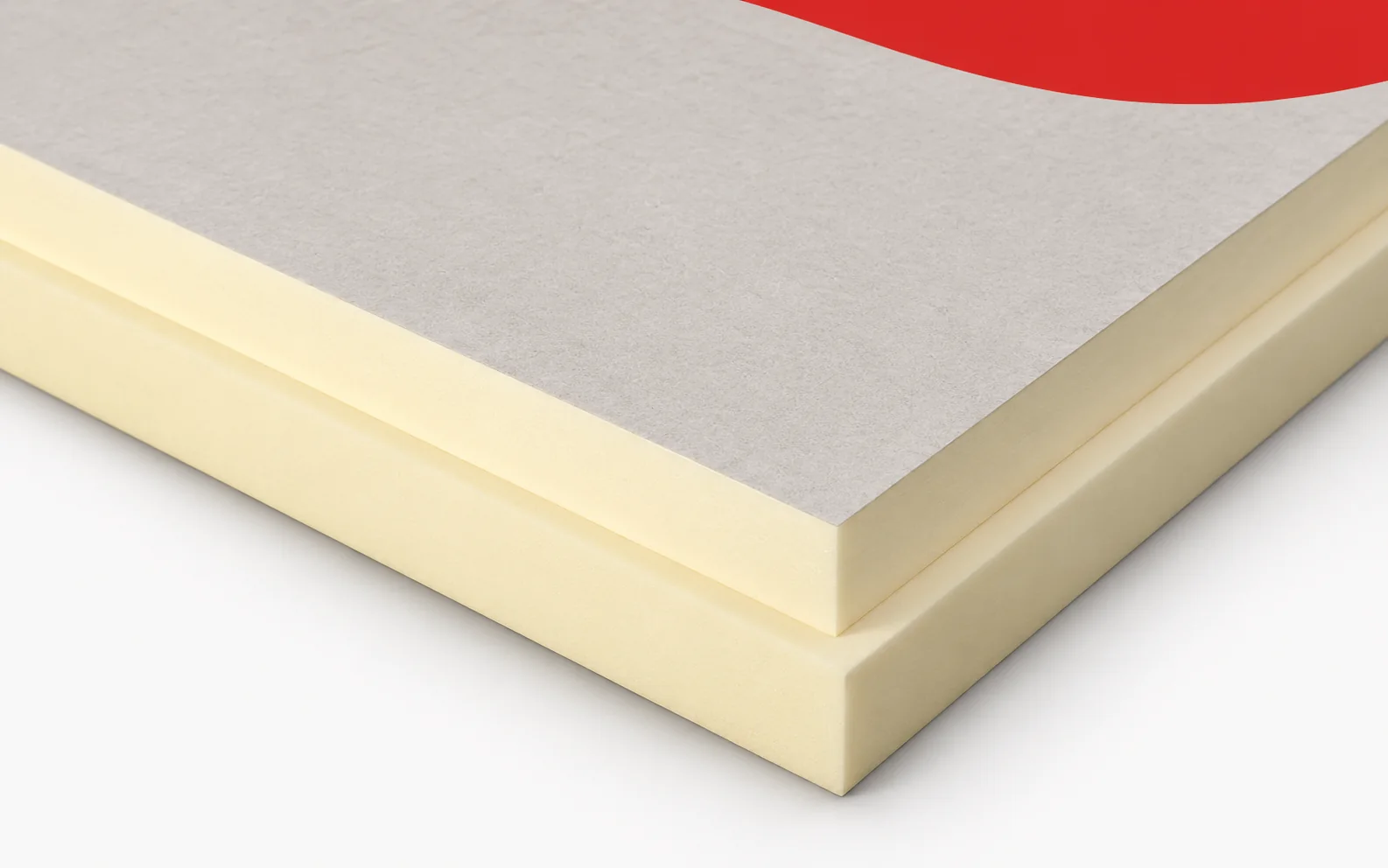
The same PIR thickness appears in two quotes, but one board has an aluminium facing and the other a mineral fleece. The…
In an efficient roof, the insulation must work together with the layers that protect it. termPIR WS uses a glass fleece facing.…