

PIR insulation
How swissporPIR Alu edge profiles help limit gaps in insulation
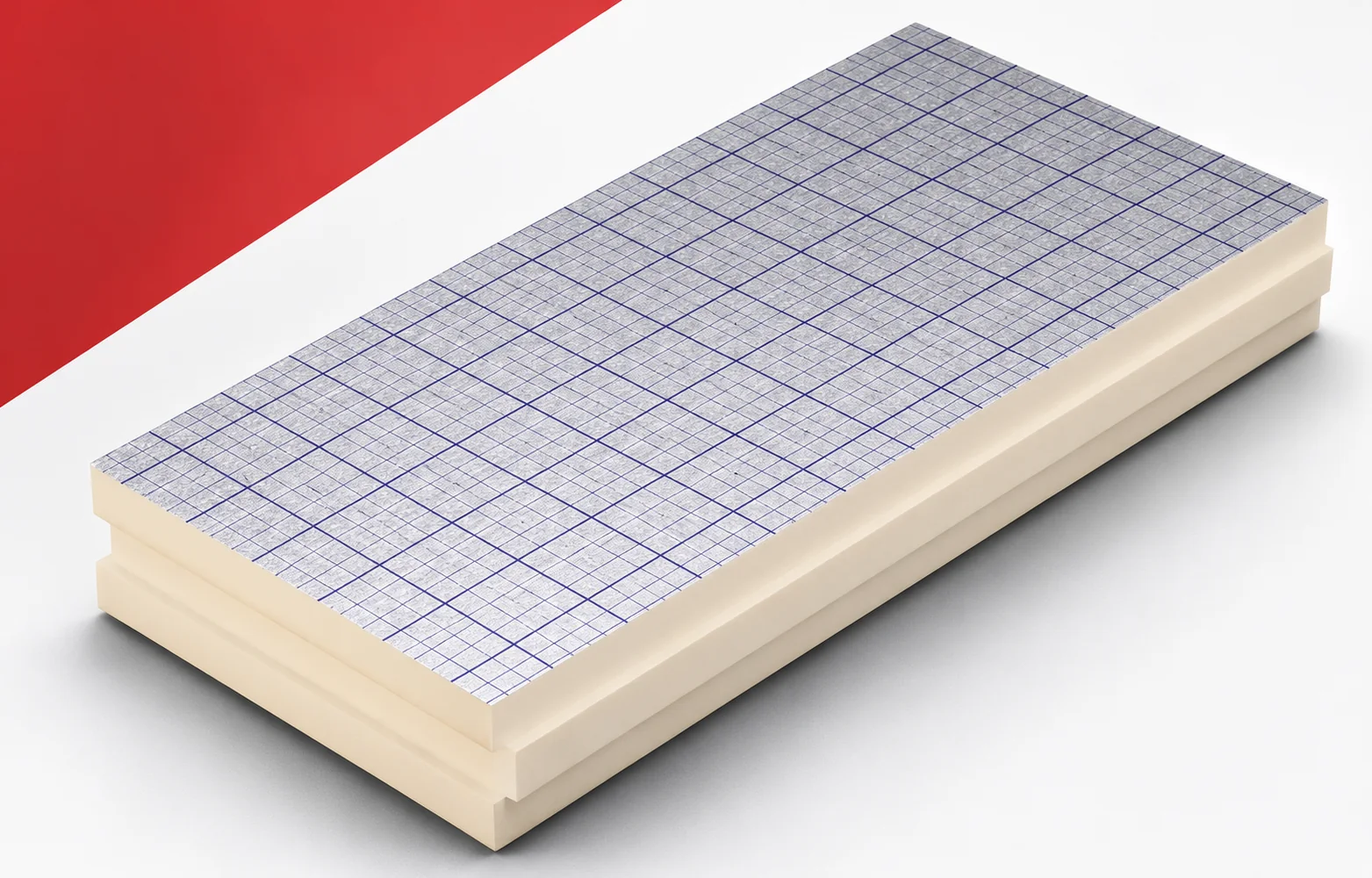
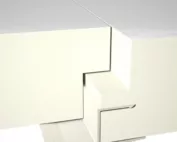
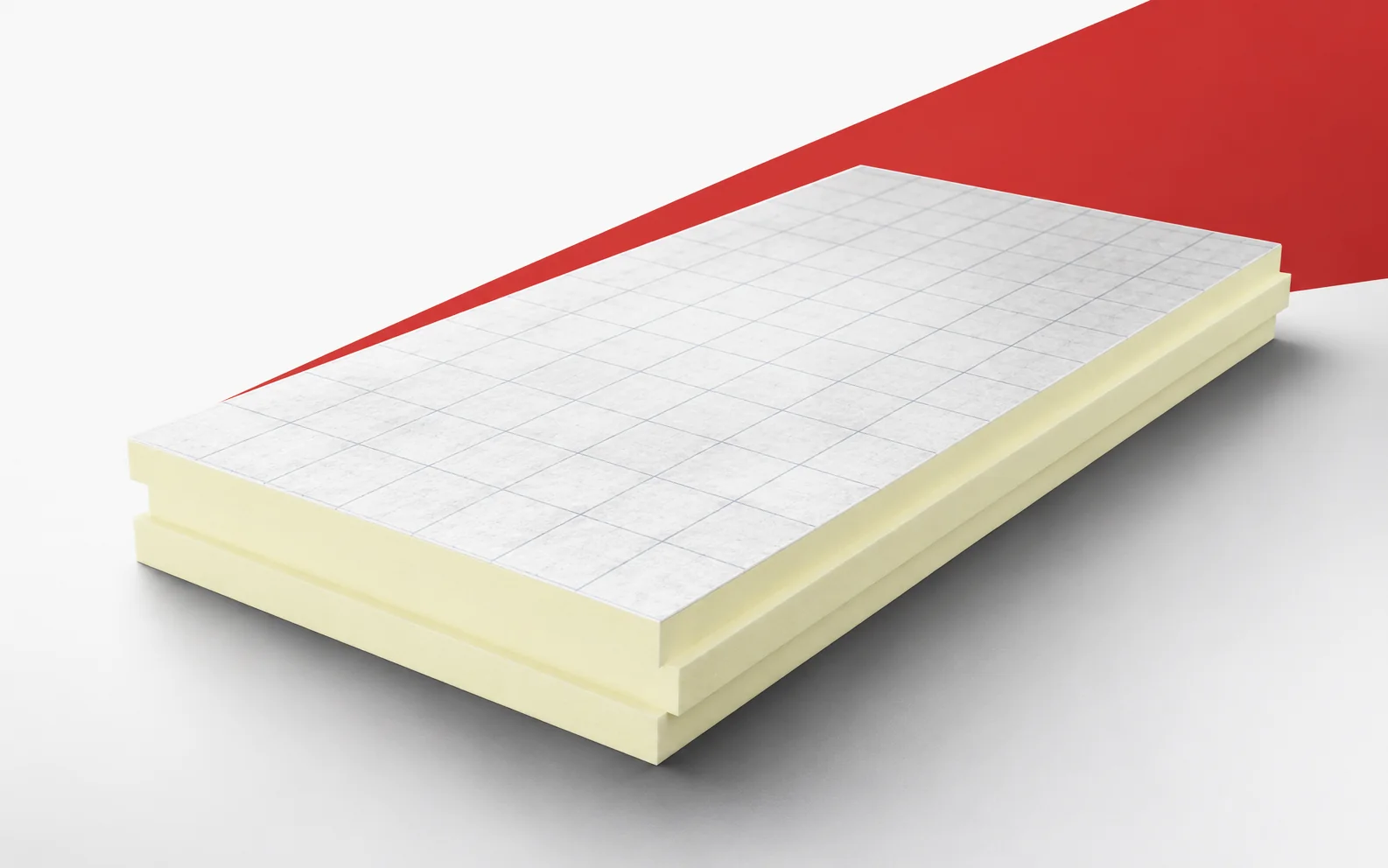
The edges of swissporPIR Alu influence how adjacent elements are joined. The thermal benefit depends on correct fitting, not on the profile name alone. It is worth looking in particular at cut pieces, which may remove the factory-finished edge at openings and perimeters. swissporPIR Alu is available with three types of edge finish. FIT/GK denotes a straight edge, LAP/SF an overlap, and TAG/NuF a tongue-and-groove. The terms ‘polyurethane boards’ and ‘polyurethane foam’ are broader than the precise PIR product designation. When assessing the space available for PIR boards, the distinction between FIT/GK, LAP/SF and TAG/NuF in swissporPIR Alu must be checked. To assess the spatial benefit, the designations FIT/GK, LAP/SF and TAG/NuF must be assigned the correct edge shapes.
In this article
PIR boards with FIT, LAP or TAG edge
Full selection requires more than reading off the lambda value, because similar profile names do not describe the same way of fitting adjacent boards. The selection is intended to help order a geometry that matches the laying plan and the edge finishes. Before comparing variants, show the verbal description of the edge together with a drawing of its actual cross-section on a single drawing.
Core conductivity and quality of contact
Regardless of how the edge is named, the board core maintains the declared lambda of 0.022 W/(m·K). The benefit of the profile concerns primarily how the joints are made. An energy comparison should take into account the lambda of 0.022 W/(m·K) and the function of the swissporPIR Alu edge, which is independent of it.
The thermal calculation will be clear if the core conductivity of swissporPIR Alu can be separated from the quality of its joints. A difference in thickness requires proper interpretation, since milling does not automatically improve the lambda and does not remove the effect of other thermal bridges. The calculation should allow the benefit of the profile to be assessed as an aid to maintaining continuity of the layer. As a basis for the decision, retain the thermal properties of the board and the joint plan across the whole surface, rather than comparing the price of a centimetre of material alone.
Polyurethane insulation after cutting the edges
The edges should be clean, undamaged and fitted without visible gaps. When cutting the board, the factory profile can be removed. The polyurethane insulation should remain continuous also where a cut edge of swissporPIR Alu has to be resolved at a wall or at a protruding roof element.
When analysing continuity, it is worth recreating a correct swissporPIR Alu edge finish after the factory profile has been cut off. The fit must be assessed for the actual geometry, since a loose tongue should not replace proper support of the edge section. The installation plan should allow the perimeter to be fitted without leaving open joints and unstable parts. In the energy assessment, include the condition of the edge, the width of the cut piece and how it is supported, because these places will remain after purchasing a board with the best lambda.
Relative position of the joints between layers
When laying in two layers, the joints should be offset from one another. In a single layer, the manufacturer recommends overlap or tongue-and-groove profiles on roofs. To preserve the thermal improvement, the offset of joints in two layers of swissporPIR Alu must be checked.
When assessing the durability of the effect, the relative position of the joints of two layers of swissporPIR Alu should be planned. The actual construction of the joint matters, because tape on the surface does not recreate the missing core or constitute a standalone waterproofing. The arrangement of layers should allow direct gaps through the thickness of the assembly to be limited without disregarding other layers. At acceptance before covering, it is worth comparing the plan of both layers and the proper function of each intended seal with the adopted detail.
The profile does not replace support
The edge profile is not a structural lock such as in every sandwich panel. Nor does it give the board the ability to carry any span. When limiting the layer height, the tongue-and-groove profile of swissporPIR Alu must be assessed in parallel as a thermal insulation joint.
In addition to selecting the lambda, the fit of the tongue and groove must also be separated from the load-bearing capacity of the swissporPIR Alu support. It is worth separating these requirements, because the lock of an insulation board does not entitle one to any arbitrary support spacing. The data collected should allow correct bearing to be maintained even when adjacent elements join easily. Alongside the thermal calculation, present the support of whole boards and the design for transferring loads to the structure, so that the result relates to a usable solution.
Polyurethane insulation: the right profile in the order
When pricing different edges, the method of calculating the usable area and the waste at the edges must be checked. The quantity ordered results from the board layout, not only from the rectangle area on the plan. In comparing cost and effect, include the availability of swissporPIR Alu milled profiles from a thickness of 40 mm according to the instructions.
Before calculating cost-effectiveness, it is worth confirming the availability of the swissporPIR Alu edge before ordering the thin variant. The cost-effectiveness calculation will be incomplete if the fact that the profile described for thicker elements cannot automatically be assigned to the 20 mm variant is omitted. The selected variant should allow offers to be compared after confirming the actual combination of thickness and edge finish. When assessing the surcharge, combine the delivery designation, the coverage area and the waste associated with working the perimeter with the benefit obtained in the finished assembly.
A case worth considering
When assessing the continuity of swissporPIR Alu, it is worth separating the lambda of the core from the condition of the joints. An overlap or tongue-and-groove profile helps to lay the joint in a defined geometry. However, it does not change the conductivity value of the material itself. The benefit depends on the fit and the edge finish of the layer. Particularly at openings, the places where cutting removes the factory edge must be checked.
7 branches. Materials closer to your project.

Free quote
Materials for your project
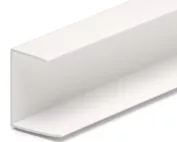
You may also find useful…
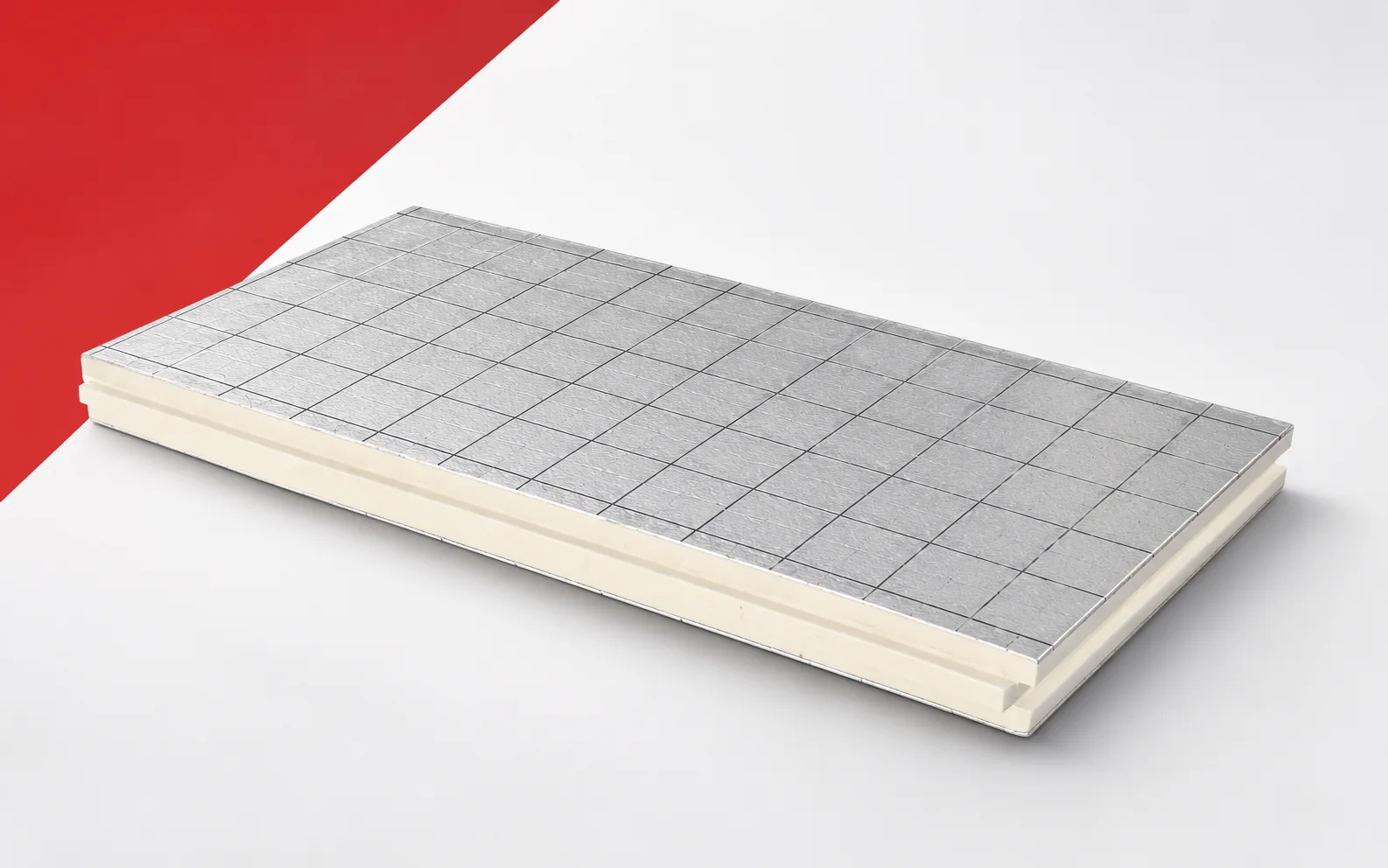
IDELCO α-therm WALL is intended for the thermal portion of a cavity wall. Its low lambda helps to limit its thickness, but…
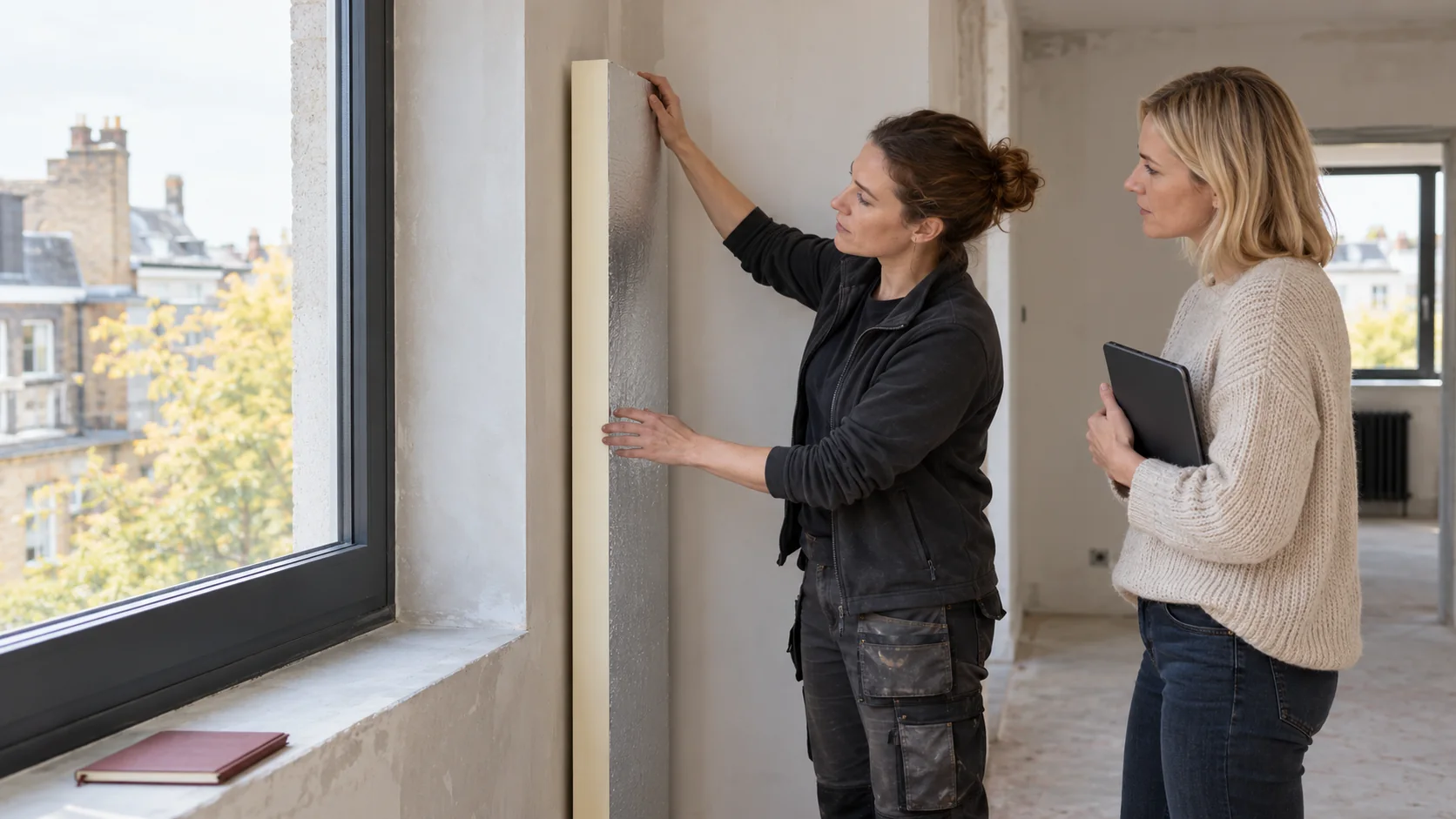
A PIR insulation calculator can help you compare renovation options. Before entering a thickness, identify the board and decide what you want…
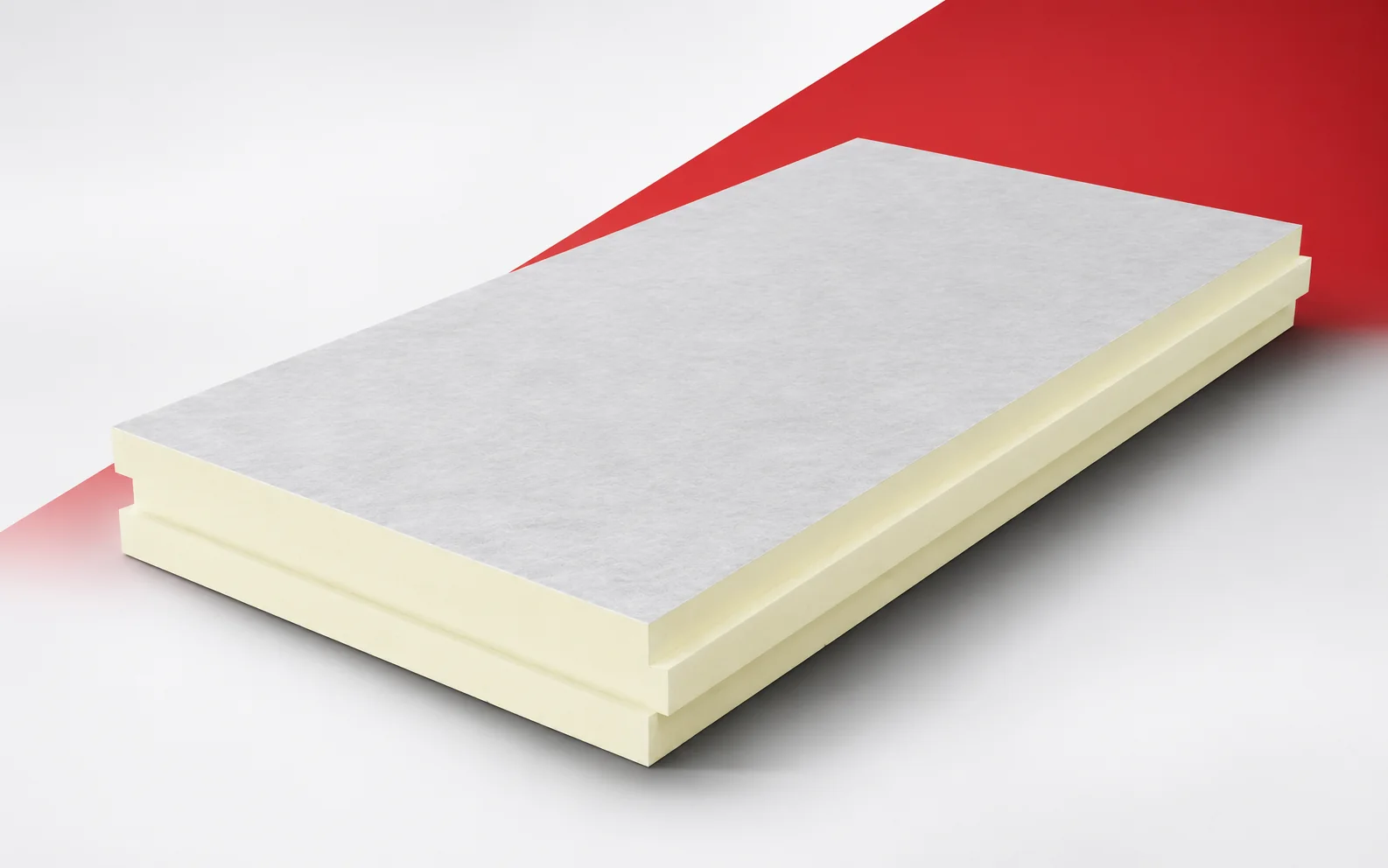
In an efficient roof, the insulation must work together with the layers that protect it. termPIR WS uses a glass fleece facing.…
Design a roof over an indoor pool for its actual internal environment, not for ordinary warehouse conditions. Moisture, temperature, water treatment and…
A short white PIR panel can be useful for lining a small room or replacing part of a wall. But 2,480 mm…
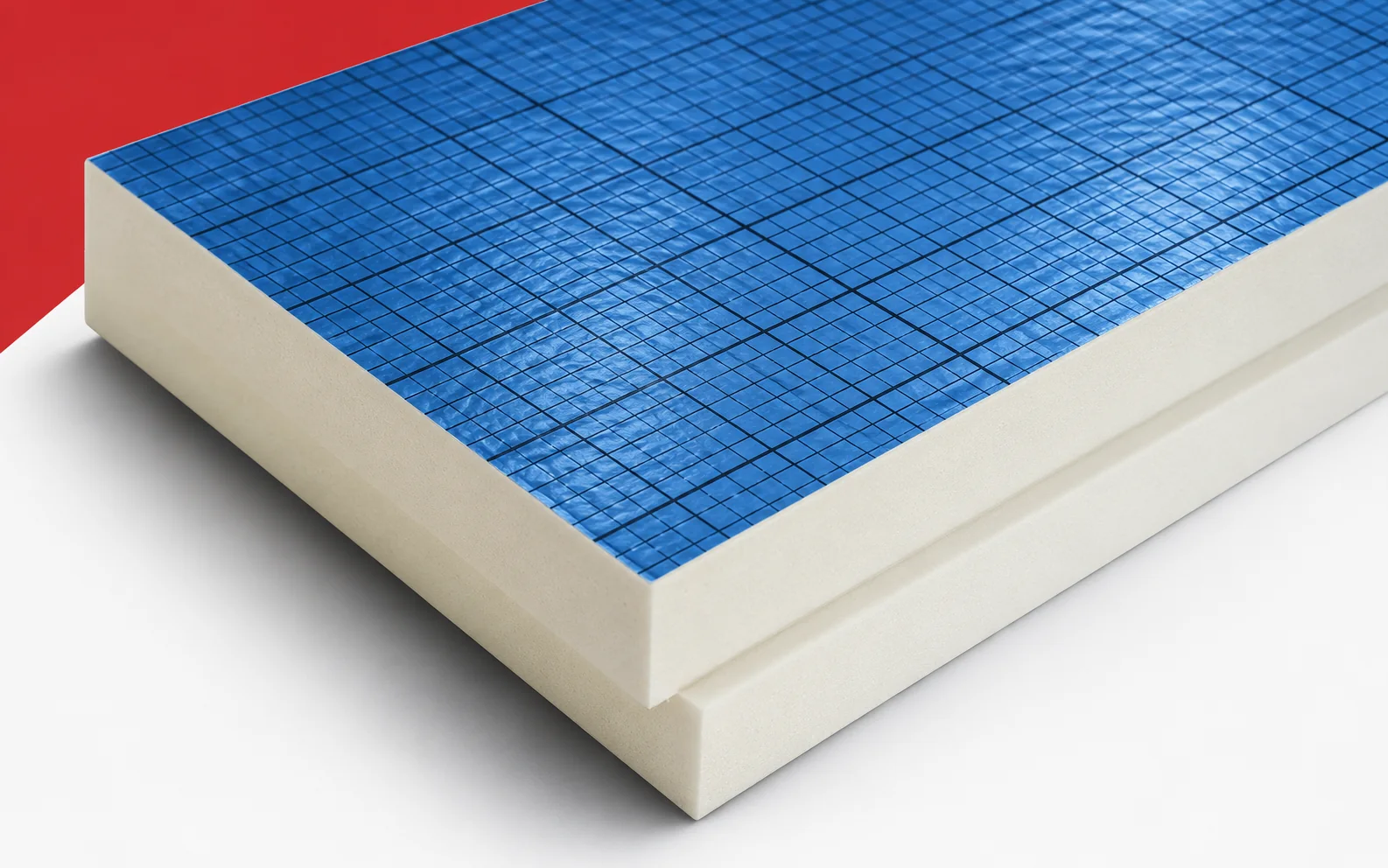
Suppose the roof design leaves little space below the parapet flashing. The client is considering thicker insulation but does not want to…
Space for external insulation can be limited near a plot boundary. If insulation is fitted on the room side, the design must…
A very low lambda is most useful where there is no room for the layers. termPIR MAX 19 AL has a declared…