

PIR insulation
Buying PIR boards: insulation cost and actual energy savings
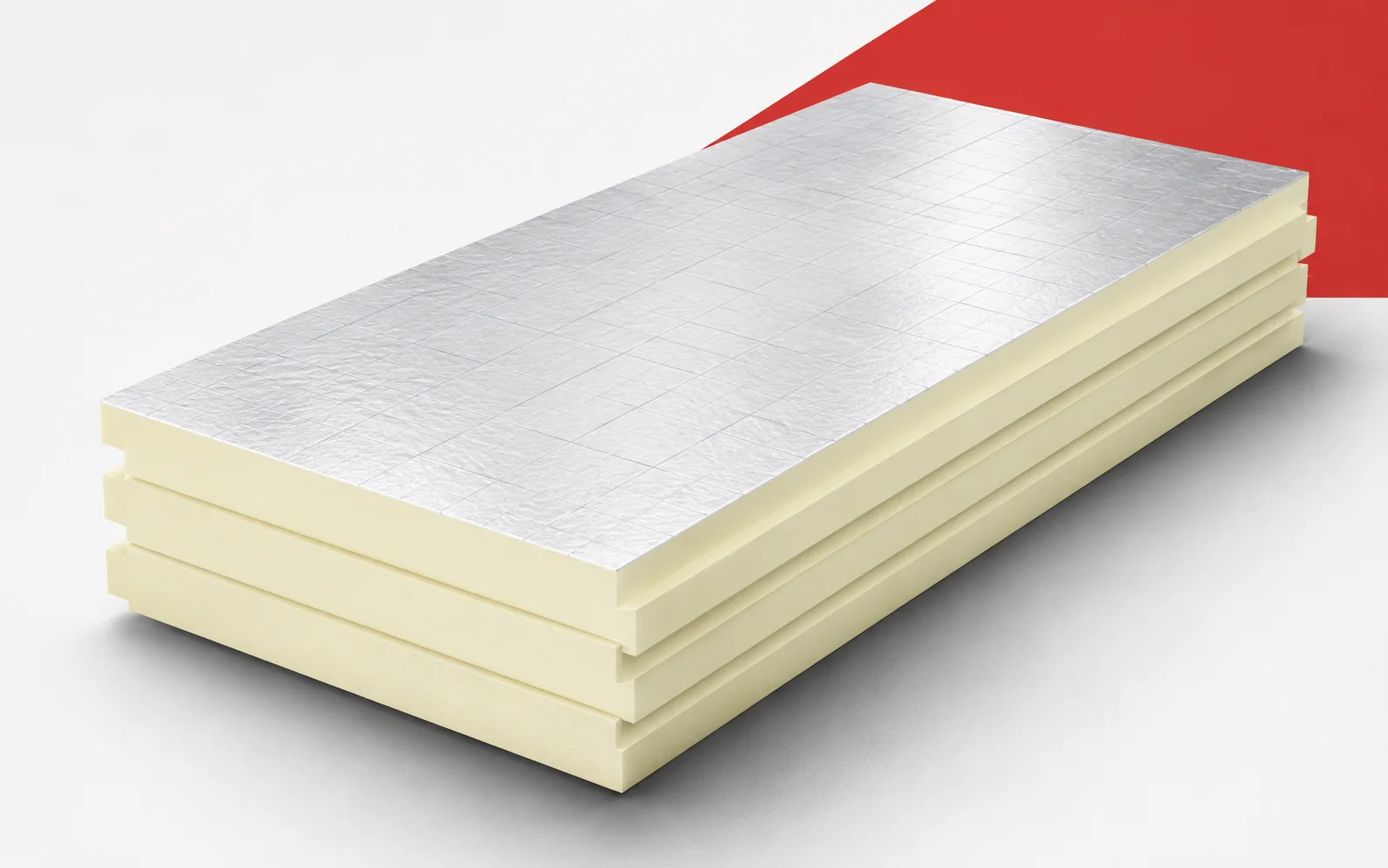
The price per square metre of a board does not yet tell us what effect we will achieve in the building. It is worth comparing complete systems with a similar task, thickness and scope of work. PIR boards can save space and reduce heat loss, but both benefits must be tied to a specific project. PIR boards may look similar yet have different facings, strength and intended use. Before purchase, a current technical data sheet, declaration of performance and installation instructions are needed. The declared parameter should relate to exactly the thickness supplied. One data sheet for a similarly named board does not confirm the properties of every offer. When comparing data sheets, it is worth starting by checking the date and the range of thicknesses.
In this article
The document describes the correct variant
For some products the lambda value changes with the design or thickness. The best result for one item should not be transferred to the whole family of materials. Next, it must be established whether the board suits the application. Only from this data can a variant be calculated that is to reduce heat loss at a specific location.
Comparable scope of offers
Offers should be compared for the same task. Thickness alone does not give equal thermal resistance, and identical lambda does not guarantee that the facing will be compatible with the adhesive. Comparing identical centimetres can therefore conceal differing insulation performance.
A better starting point is the required effect together with the constraints of the whole building element. An offer for twelve centimetres of one material does not describe the same effect as twelve centimetres of another. A fair comparison can adopt a common required resistance and then compare the thicknesses needed. In a complete building element, joints and additional layers remain. It is worth keeping them in the calculation. Such a comparison shows what we are paying for and whether the space gained is really needed.
Format and organisation of delivery
A large format can reduce the number of elements to lay. A small one is easier to carry in narrow spaces and to work with on a divided surface. Ordering a larger quantity without cutting may increase cost without improving insulation.
The allowance should follow from the shape of the surface and the laying method. Waste arises when fitting boards to the geometry. It is not an additional layer improving insulating performance. Before purchase, several rows can be drawn out and the use of offcuts checked. In this way the allowance follows from the work on the given surface. The saving obtained from a better cutting plan does not require lowering the material parameters or omitting important joints.
Cutting plan and edge connections
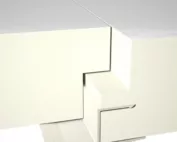
Cutting allows full boards to be used in repetitive locations and reduces waste. A straight edge, a rebate and tongue-and-groove each require proper matching of adjacent elements. Precise contact limits the path of heat flow through the gap.
The cost of careful cuts should be included alongside the cost of the material itself. The actual performance of the layer depends on its continuity. If the quote does not include careful fitting of the edges, a low price may not relate to the result expected in the project. It is worth specifying the scope of cuts and the acceptance of concealed locations. This allows the cost of correct workmanship to be separated from the cost of delivery alone. The board parameters have value when the material is used in accordance with the adopted system.
Materials at the interface between layers
Most ambiguity arises at the boundary between materials. The tape must work with the facing, the adhesive with the substrate, and the fixing with the structure. Tape and sealing are often a small item in the purchase, yet they perform an important function.
A saving based on omitting a required joint changes the assumed system. A small accessory can determine the tightness of a long joint. However, it must be selected for the surface and the required function, not only for the price of the roll. Cheap tape without confirmed compatibility can increase the scope of later corrections. In the cost estimate it is worth showing the length of joints and the correct method of preparation. This makes it easier to compare offers without hiding important work under a general installation item.
Cost of use and subsequent maintenance
The cost of complete insulation includes more than buying the boards. Substrate preparation, labour, offcuts, supplementary elements and protection of the works also matter. The payback calculation depends on energy consumption before and after the renovation.
Without these assumptions, a single universal payback period in years cannot fairly be attributed to PIR. The economic calculation should show how the result changes with different energy prices and heating intensity. There is no need to predict one certain value over several decades. A reasonable range of scenarios can be presented. Alongside it, it is worth listing the benefits arising from reduced thickness and better detailing. As a result, the decision does not depend on a single optimistic promise of payback.
Example of checking material quantity
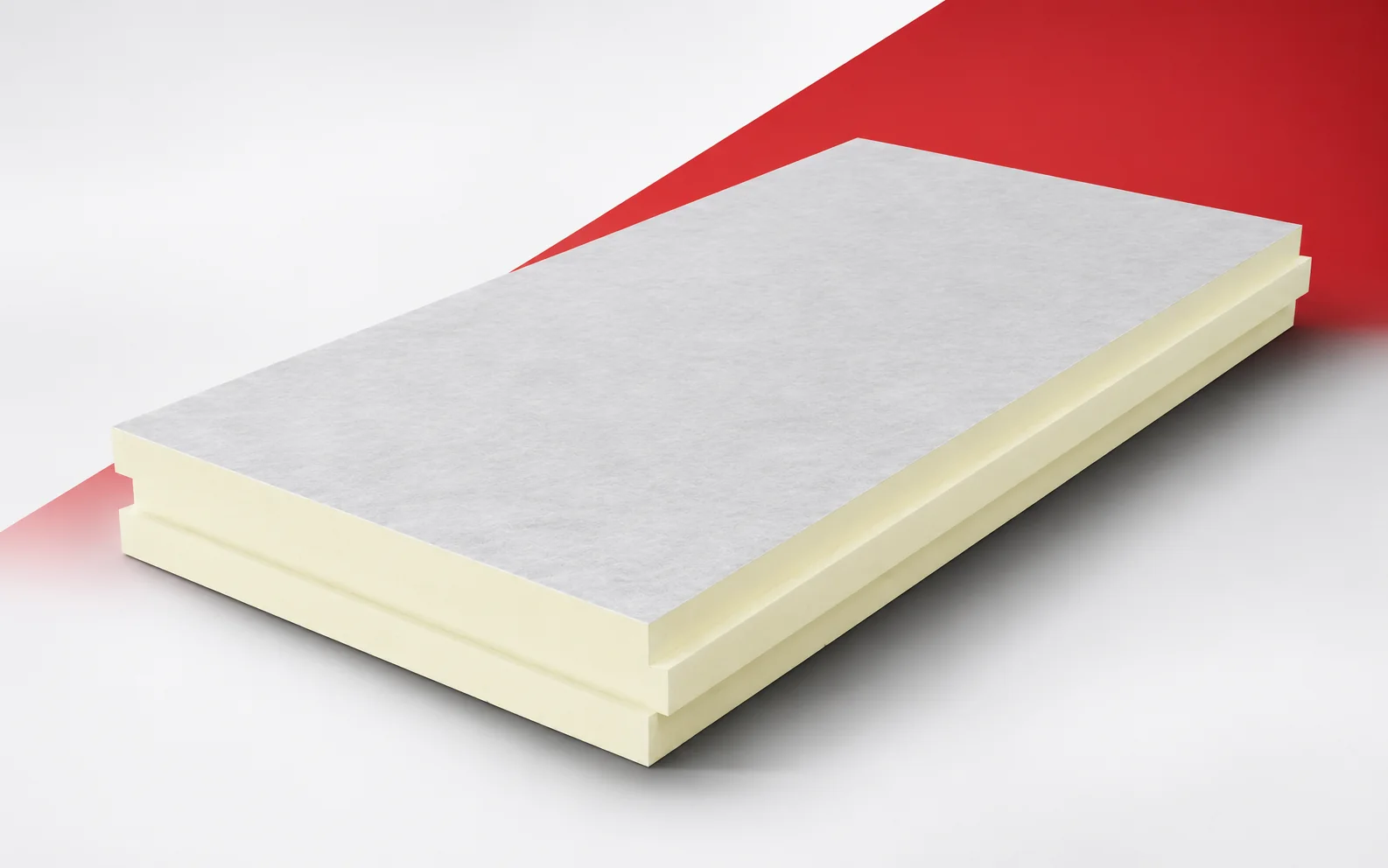
Example take-off: for an assumed area of 75 m² and a full board of 1200 × 600 mm, pure geometry gives at least 105 pieces. For the 2400 × 1200 mm format it would be at least 27 pieces. The calculation does not include losses on offcuts, edge profile or the actual coverage area. It is not a ready order. It only helps to check the scale of the delivery, which must then be corrected according to the cutting plan and the requirements of the chosen product. Polyurethane boards are worth buying by their exact designation, not by appearance. The polyurethane insulation in the board has its own purpose and installation technology. Polyurethane foam used as an accessory for gaps is a different component. If polyurethane insulation is being ordered, the offer should separate the boards from the sealing materials.
7 branches. Materials closer to your project.

Free quote
Materials for your project
You may also find useful…
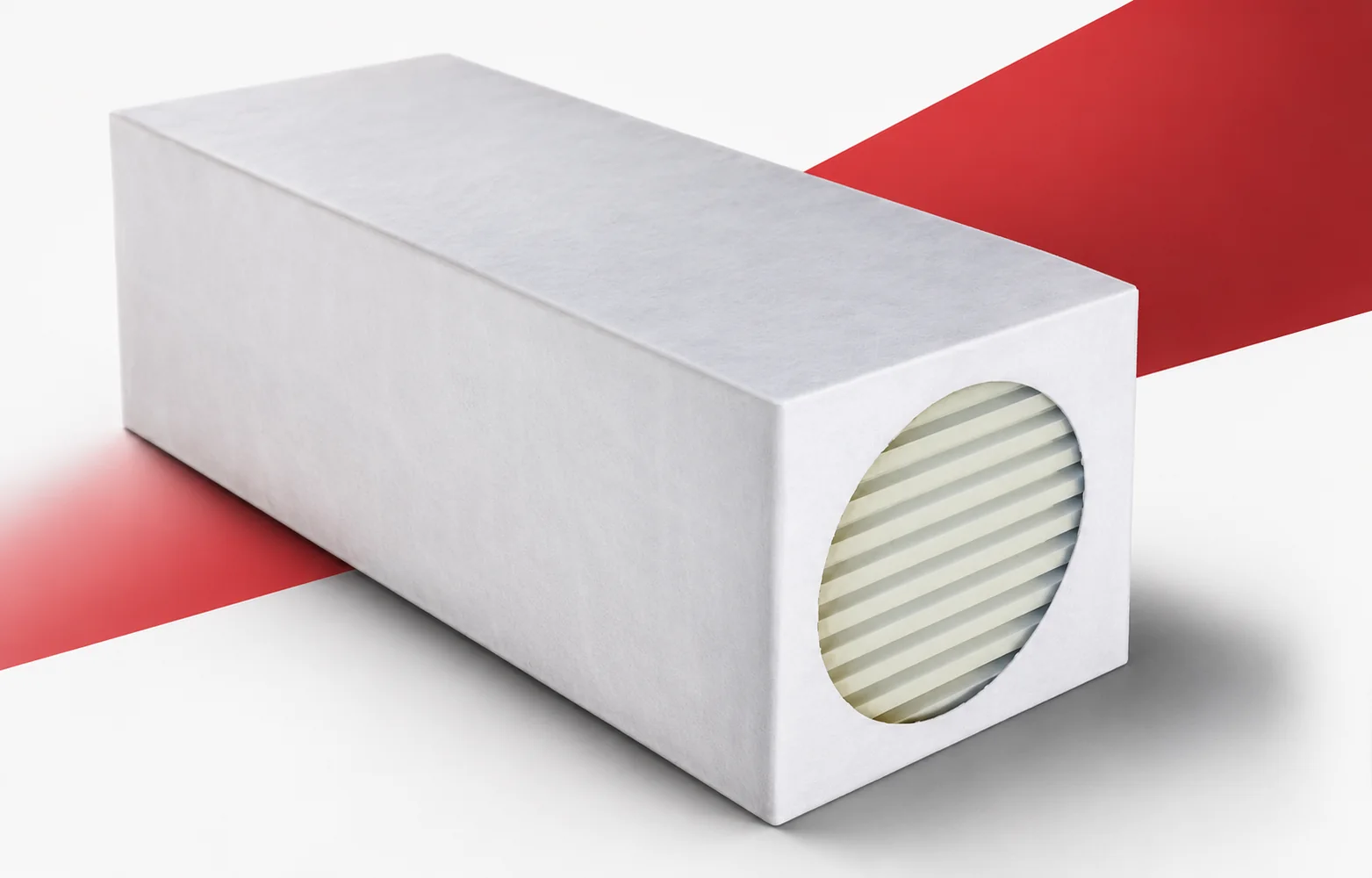
The thermal performance of insulation is often determined by small areas. Thermano Compact makes work easier where a full-size board would require…
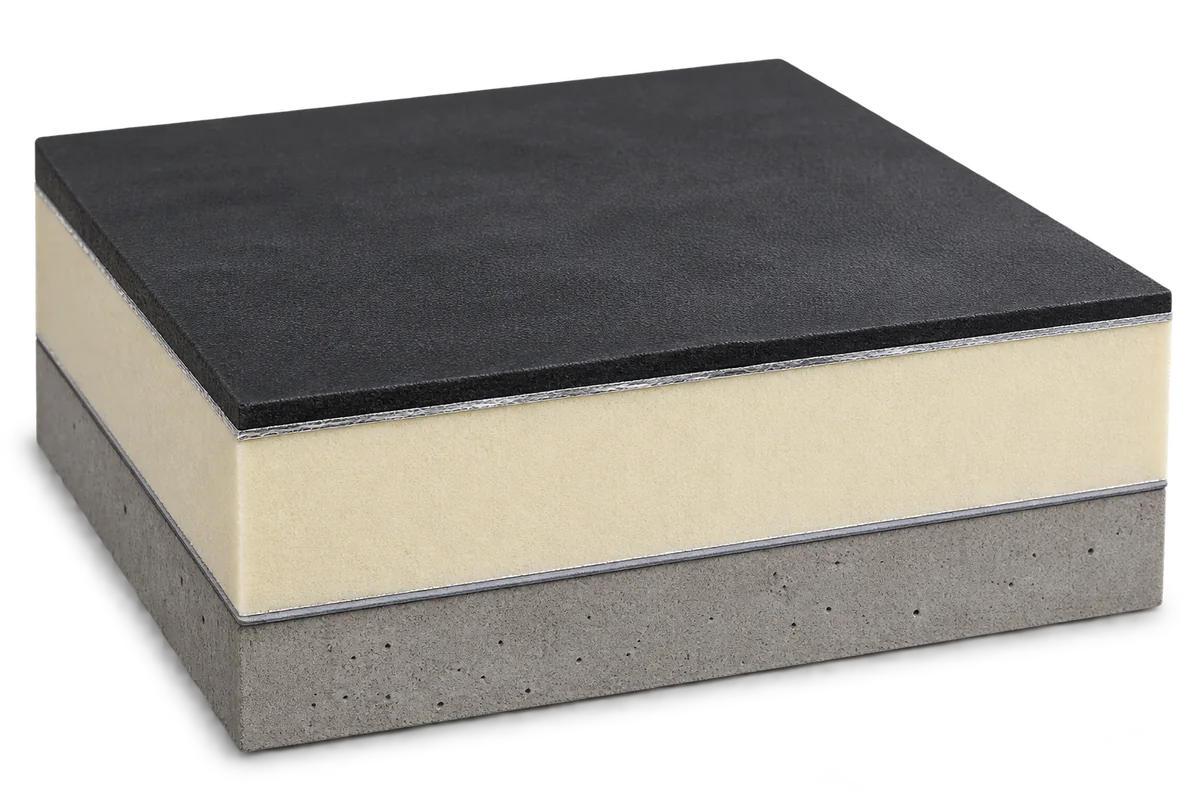
Selecting flat roof waterproofing and insulation means checking their interfaces as well as individual products. A board with adequate thermal performance may…
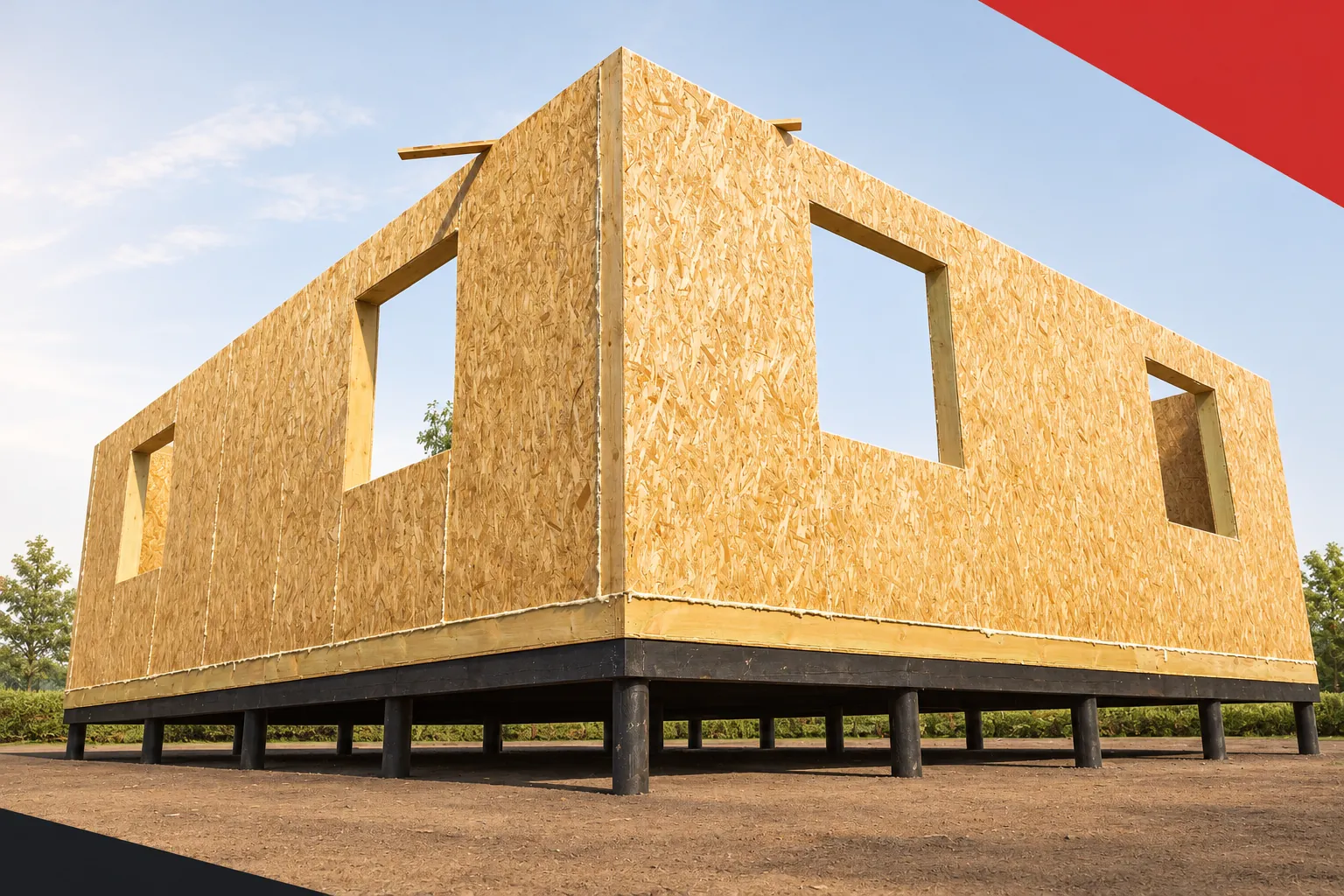
Good insulation helps maintain comfort both in freezing cold and in heat. SIP panels with a polyurethane core limit the flow of…
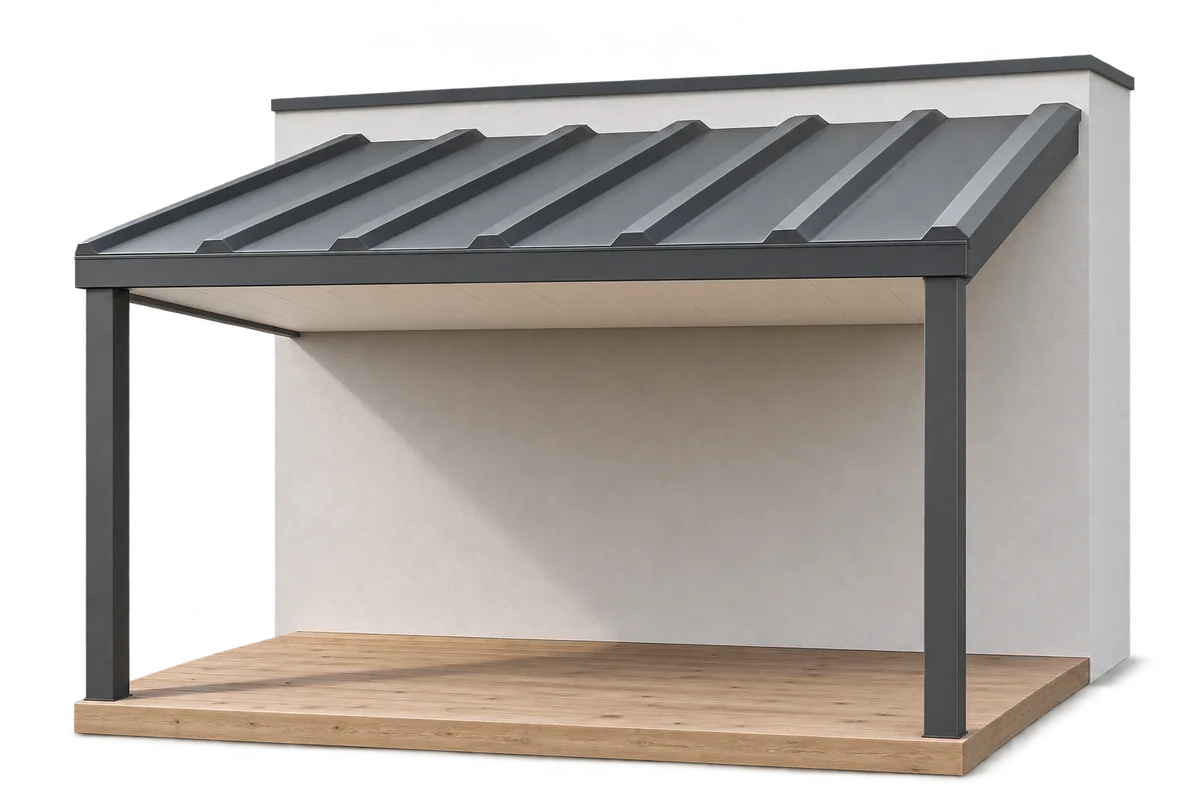
A covered terrace involves two structures: shelter above its users and the surface they walk on. If a heated room lies below,…
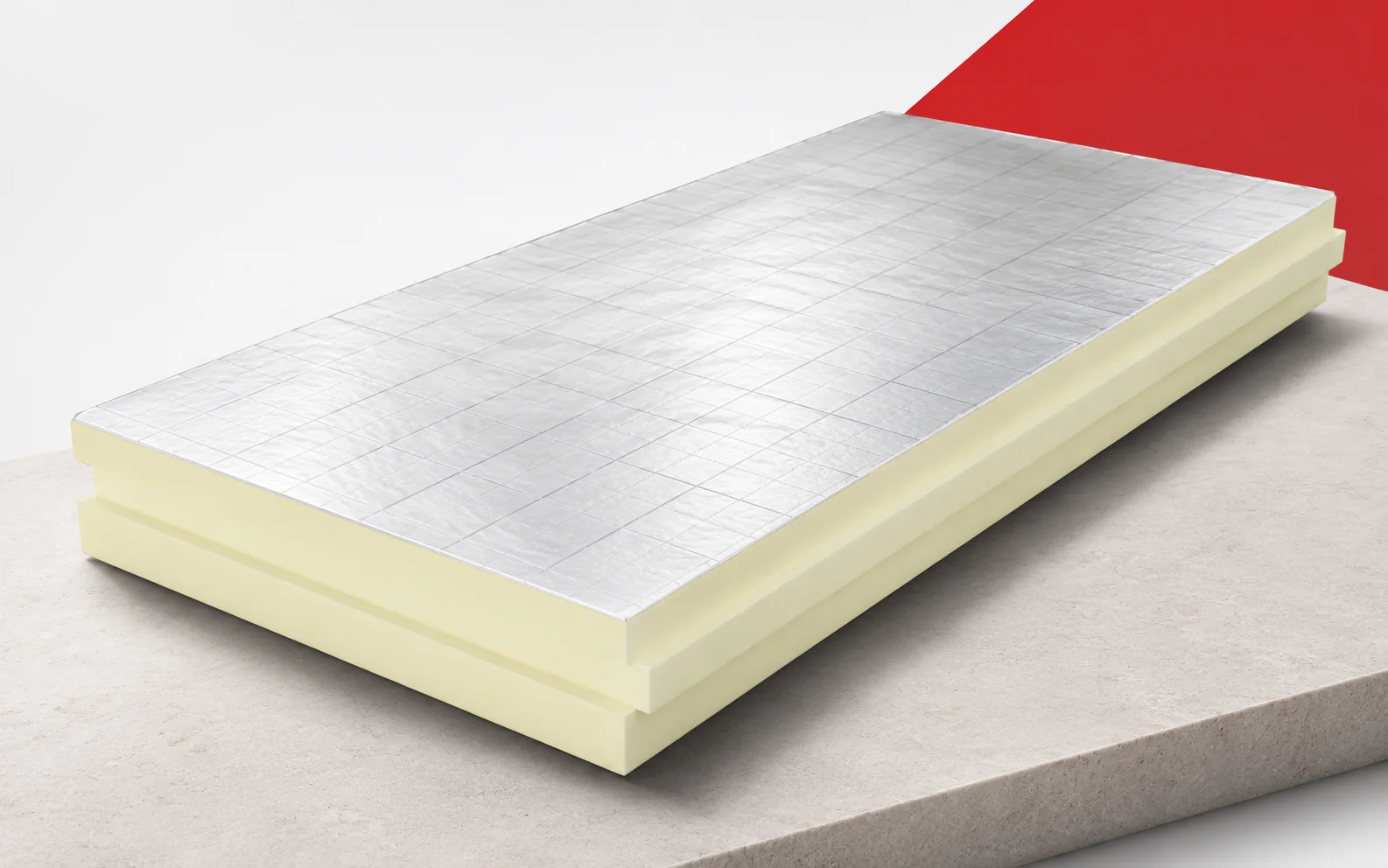
Begin a PIR versus XPS comparison with the installation location. A thin layer offering high thermal resistance can be valuable where space…
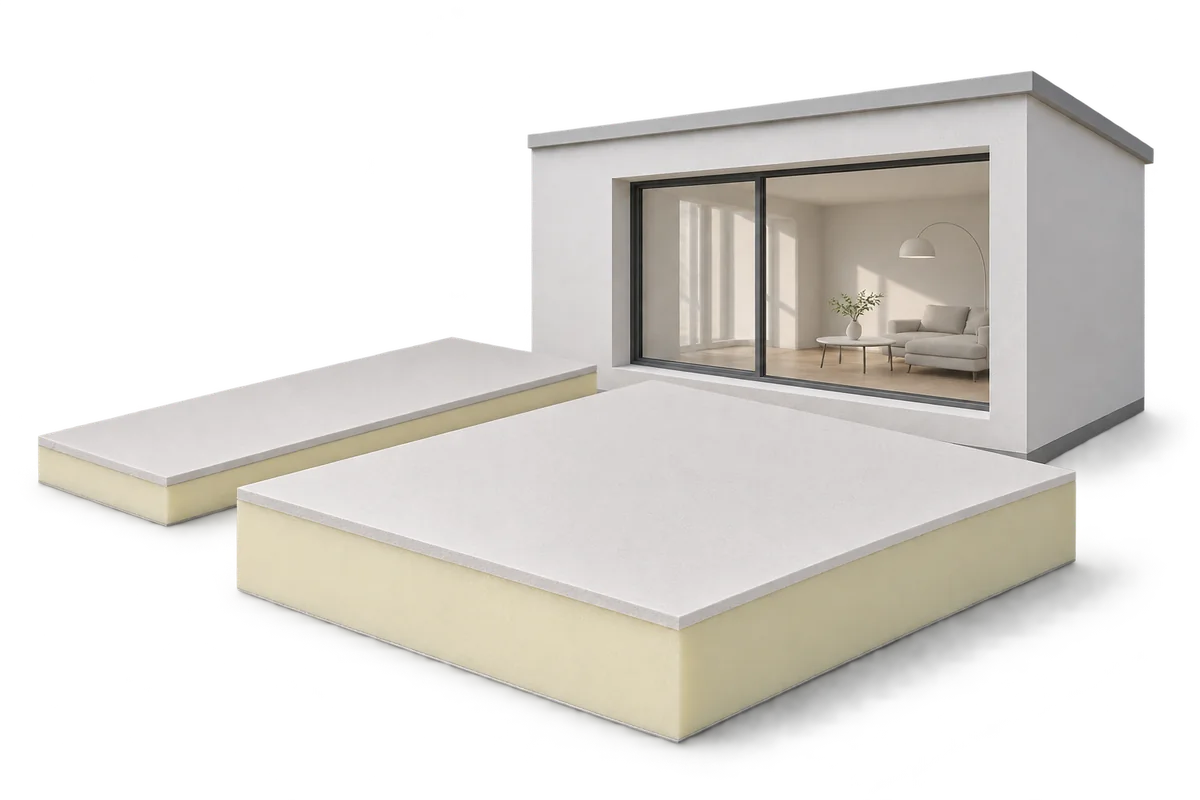
Slim internal insulation should be judged by the space occupied by the whole lining, rather than the core alone. PIR with suitable…
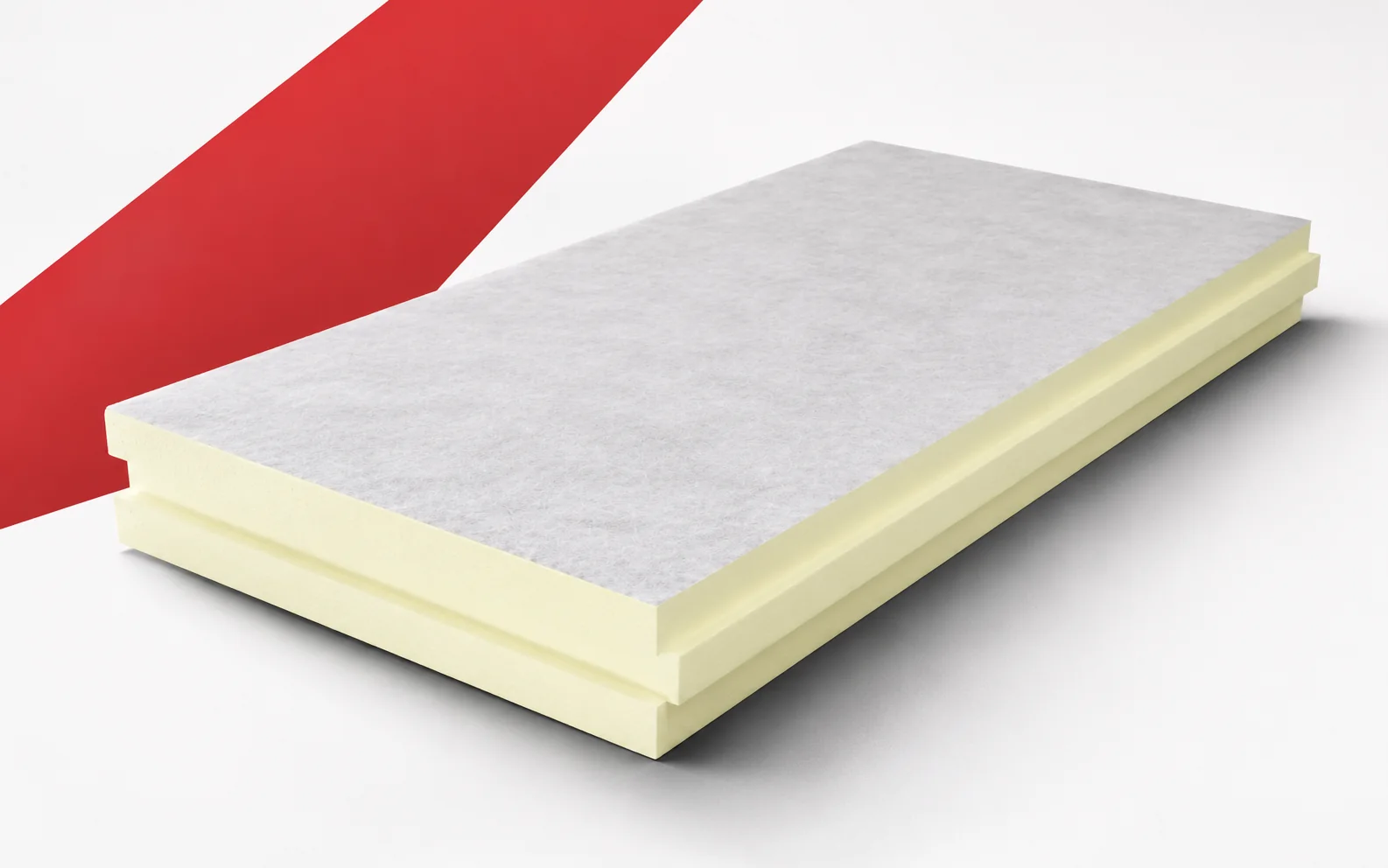
On a façade, the insulation thickness affects the reveals, sills and the position of details. termPIR ETX allows PIR insulation to be…
In an efficient roof, the insulation must work together with the layers that protect it. termPIR WS uses a glass fleece facing.…