

Fibre-cement roof coverings
Choosing fibre cement for a roof that will serve for years
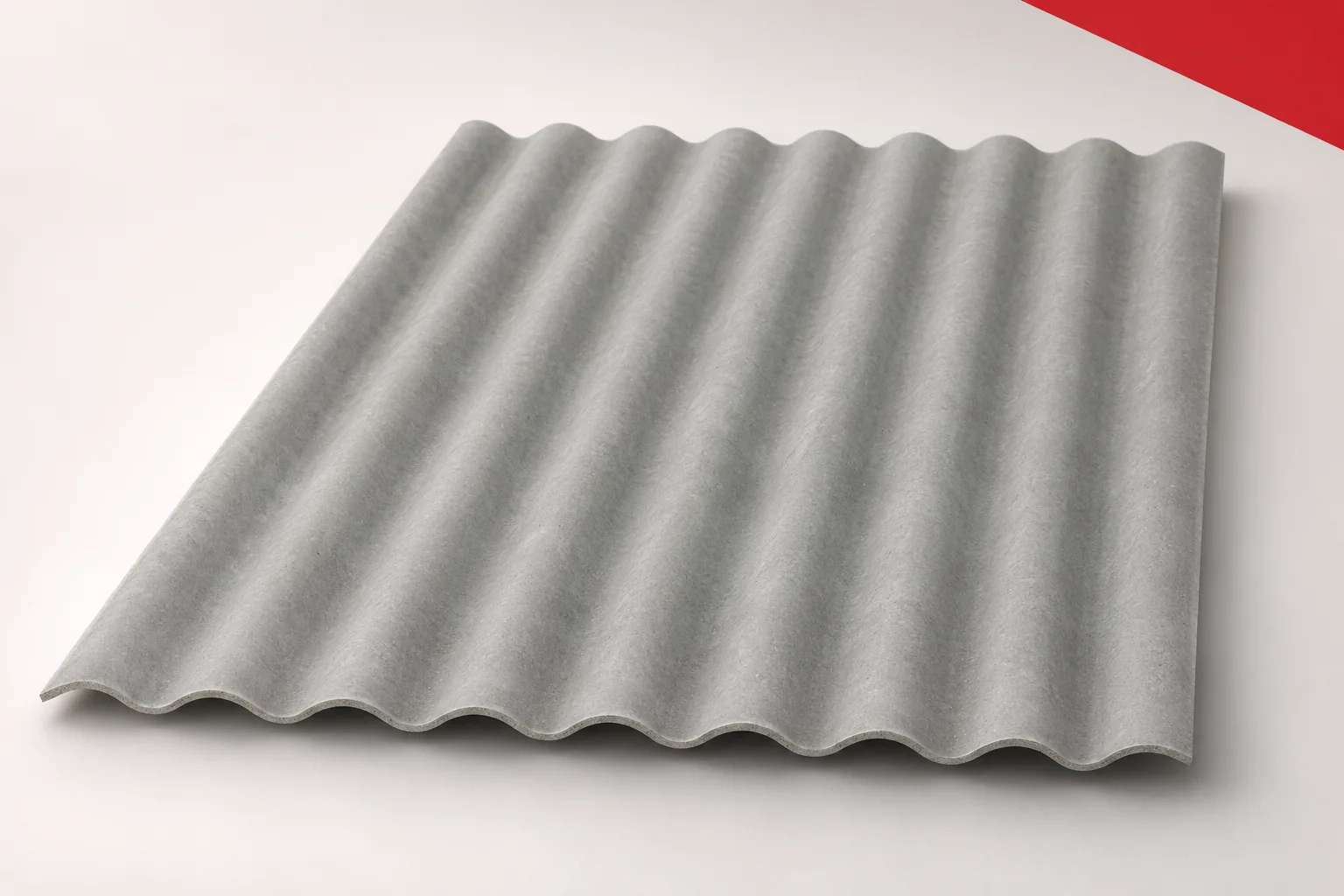
Fibre-cement slates should be assessed over the entire service life of the roof. What matters is its weathertightness, the possibility of repair and its suitability for the building. Appearance alone, or a low price per sheet, does not determine a good purchase. Asbestos-free fibre cement can be a durable covering for a carport, a house or an outbuilding. The prerequisite is choosing the right system and executing the details that allow it to perform as intended. An open carport functions differently from a heated workshop. In the first, protection against precipitation, wind resistance and efficient drainage are paramount. In the second, thermal insulation, airtightness and moisture control are added. Fibre-cement slates form the outer covering.
In this article
Start with the function of the building
They do not by themselves provide all these functions. It is therefore worth describing the planned use of the building before asking about a specific format. If the store is to become a workshop in a few years, take this into account in discussions with the designer. Adding layers later from the inside can make it difficult to maintain ventilation and correct connections.
Check what you are actually buying
The term asbestos-free fibre cement is a colloquial name for a modern covering made of cement and fibres. It does not replace identification of the product. The documents should agree on the profile, surface variant, intended use and parameters of the ordered sheet. Two similar corrugations may have different effective dimensions and require different accessories. When choosing, also compare the current installation instructions, the declaration of performance and the warranty conditions. This makes it easier to separate a technical requirement from a general advertising slogan. If the seller shows data for a different format, ask for the correct data sheet instead of assuming the difference does not matter. Keeping the version number of the instructions helps at later acceptance. The contractor and the buyer should use the same document so as not to mix recommendations from different editions.
Durability of the material and durability of the roof
Fibre cement does not rust like steel, but a roof also contains metal fixings and substructure components. Their resistance must match the environment. Moisture, salinity or the atmosphere of a livestock building may require particular selection of fasteners. Fibre-cement sheets will not remedy uneven supports or incorrectly planned laps either. Excessive fixing pressure can cause damage, and a poorly executed eaves detail can direct water past the gutter. The durability of the finished covering results from the performance of all its parts. A good material gives the design a solid starting point, but does not relieve anyone of checking the workmanship.
Assess the possibility of routine maintenance
Before choosing the covering, think about cleaning the gutters, checking service penetrations and replacing a damaged component. The sheets should not be walked on directly. Access must be provided by suitable means, selected for the structure and for work at height. On a large roof it is worth establishing a service route straight away. A seemingly simple detail at the chimney can become expensive if every inspection requires complicated access. Fibre-cement sheets work best where maintenance has been allowed for in the design, rather than added only after the first leak.
Compare the cost of the covered area
The price of a sheet does not yet say how much you will pay for the roof. Laps reduce the effective area, while roof slopes and penetrations increase the number of cuts. The estimate also includes fixings, the seals required in the given system, shaped pieces, flashings, transport and labour. Larger-format fibre-cement slates can reduce the number of joints but require appropriate organisation of lifting. On a small, complicated roof slope the same format can produce more waste. A reliable schedule shows the complete set of materials for an identical roof. Only then does a lower amount mean a real difference rather than an omitted item.
Environmental performance also depends on losses and repairs
A sensible purchase limits unnecessary cutting, damage in transport and premature replacement. A laying plan and a dry, properly ventilated storage location help with this. The weather resistance of the finished covering does not mean that a wet pack can lie unprotected for a long time. In the environmental assessment it is worth checking the declaration for the specific product. It should not, however, be treated as a zero-emission label. The realistic usage scenario is equally important. A roof that can be inspected and repaired offers a better chance of using the material’s potential than a roof without access to critical points.
Keep information for the future
After purchase, keep the profile description, delivery data, instructions and warranty documents. Take photographs of the completed details before they are covered. Also record the type of fixings used and the coating of the slates. Such a small set makes later repair and assessment of a replacement’s compatibility easier. Asbestos-free fibre cement can look similar to other products, so remembering only the colour is not enough. Fibre-cement slates are chosen for the long term, and the documentation should survive a change of contractor or owner. This is the practical part of caring for the roof, which usually costs little.
Prepare a description of the building, the dimensions of the roof slopes and the expected scope of work. On this basis, compare complete systems, their documentation and how they will be maintained later.
7 branches. Materials closer to your project.

Free quote
Materials for your project
You may also find useful…
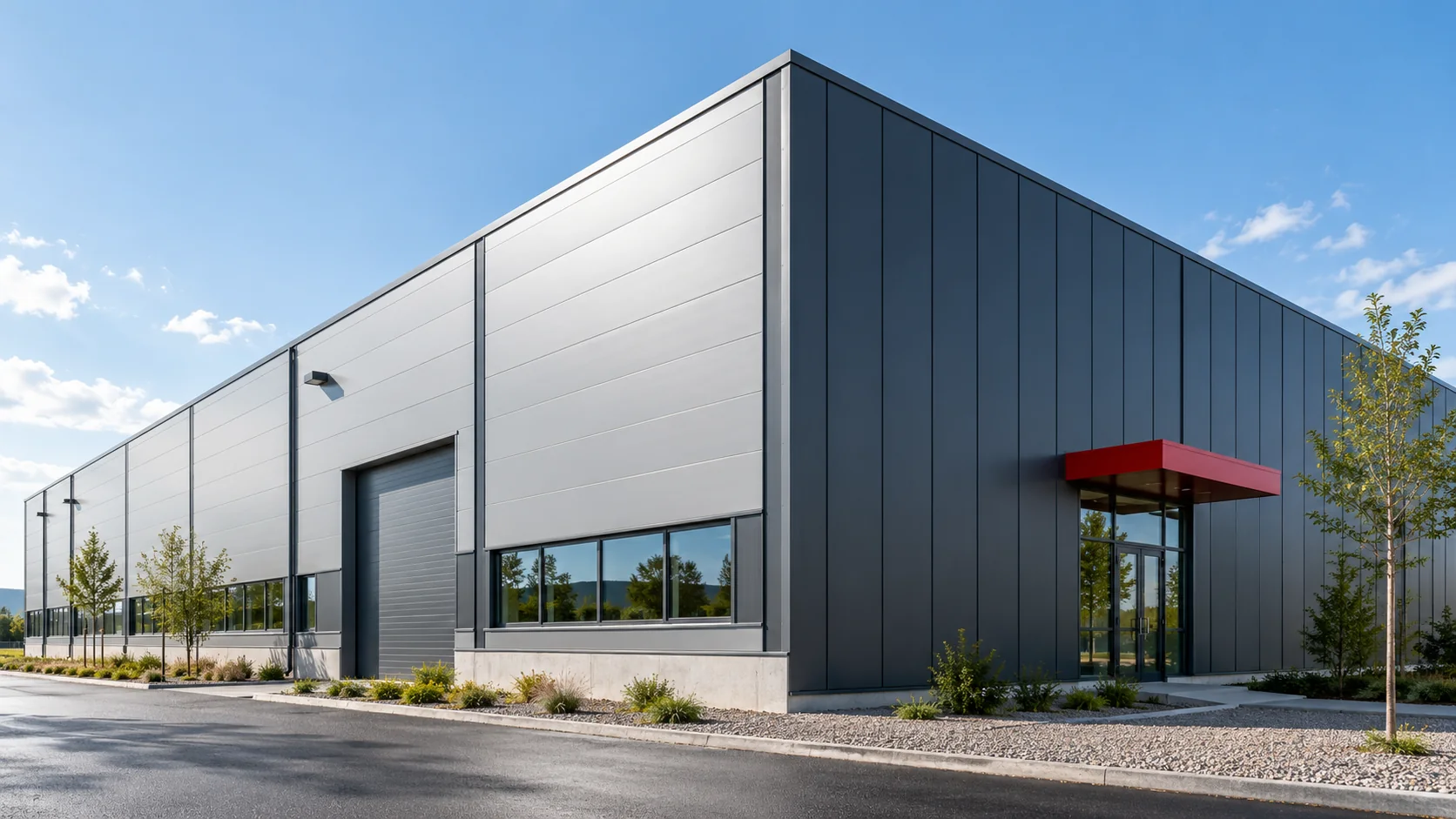
The direction in which sandwich panels run affects the appearance of a wall, the position of its supports, the panel lengths and…
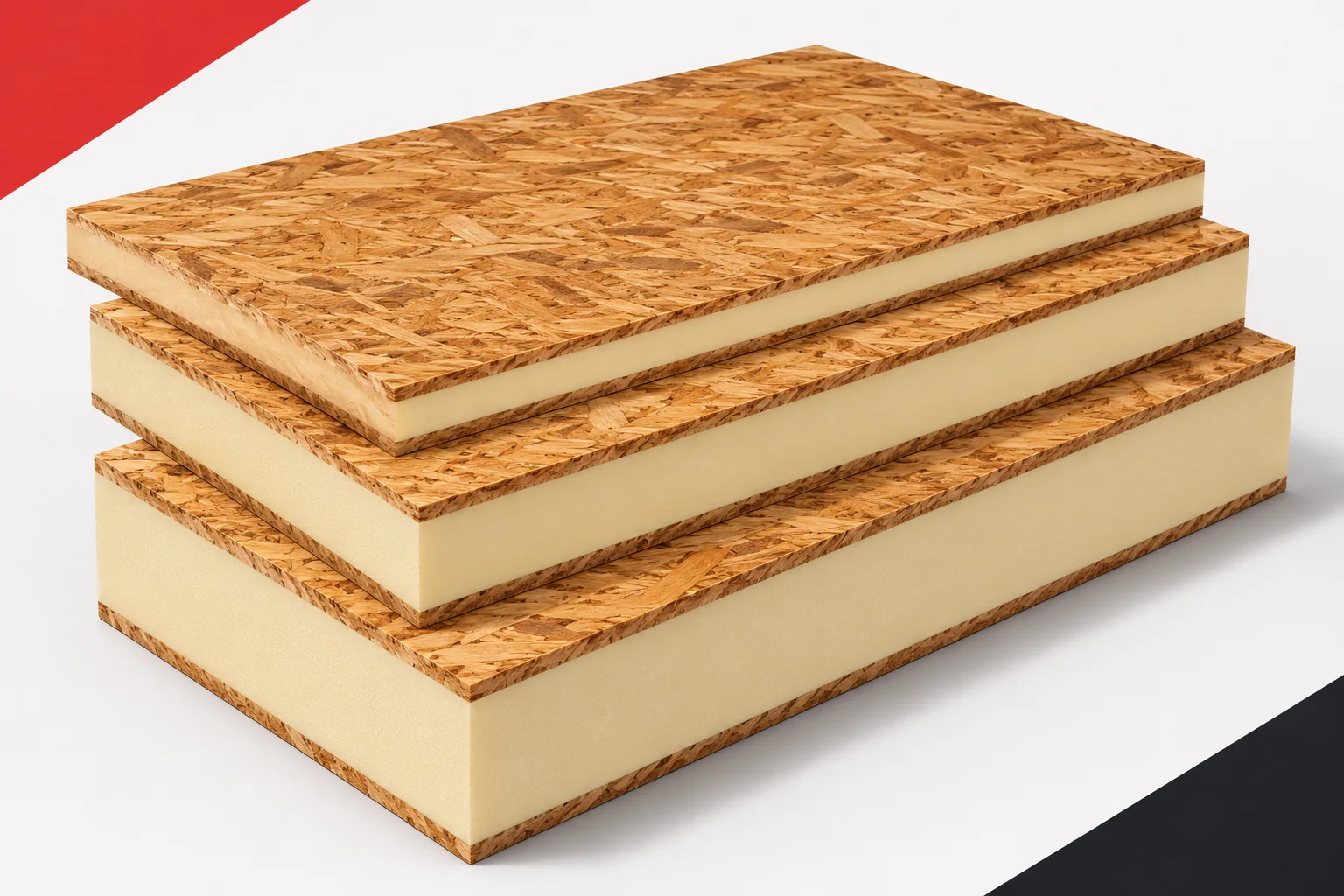
Less waste on site and a well-insulated house are important advantages of prefabrication. They are not, however, enough to assess a material's…
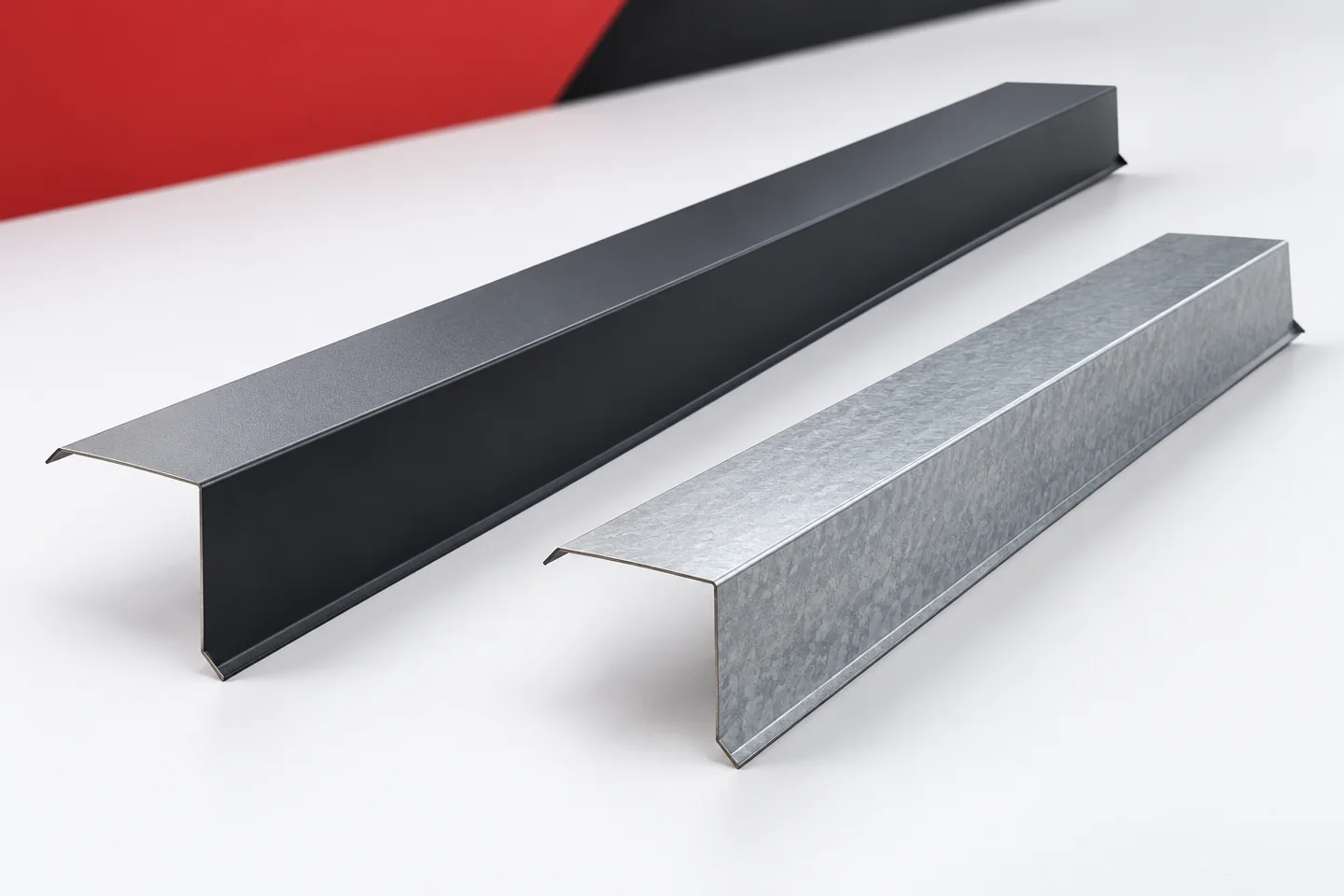
Receiving flashings requires more than counting packages. Shapes, lengths, material and surface condition must be checked. A mistake noticed before installation is…
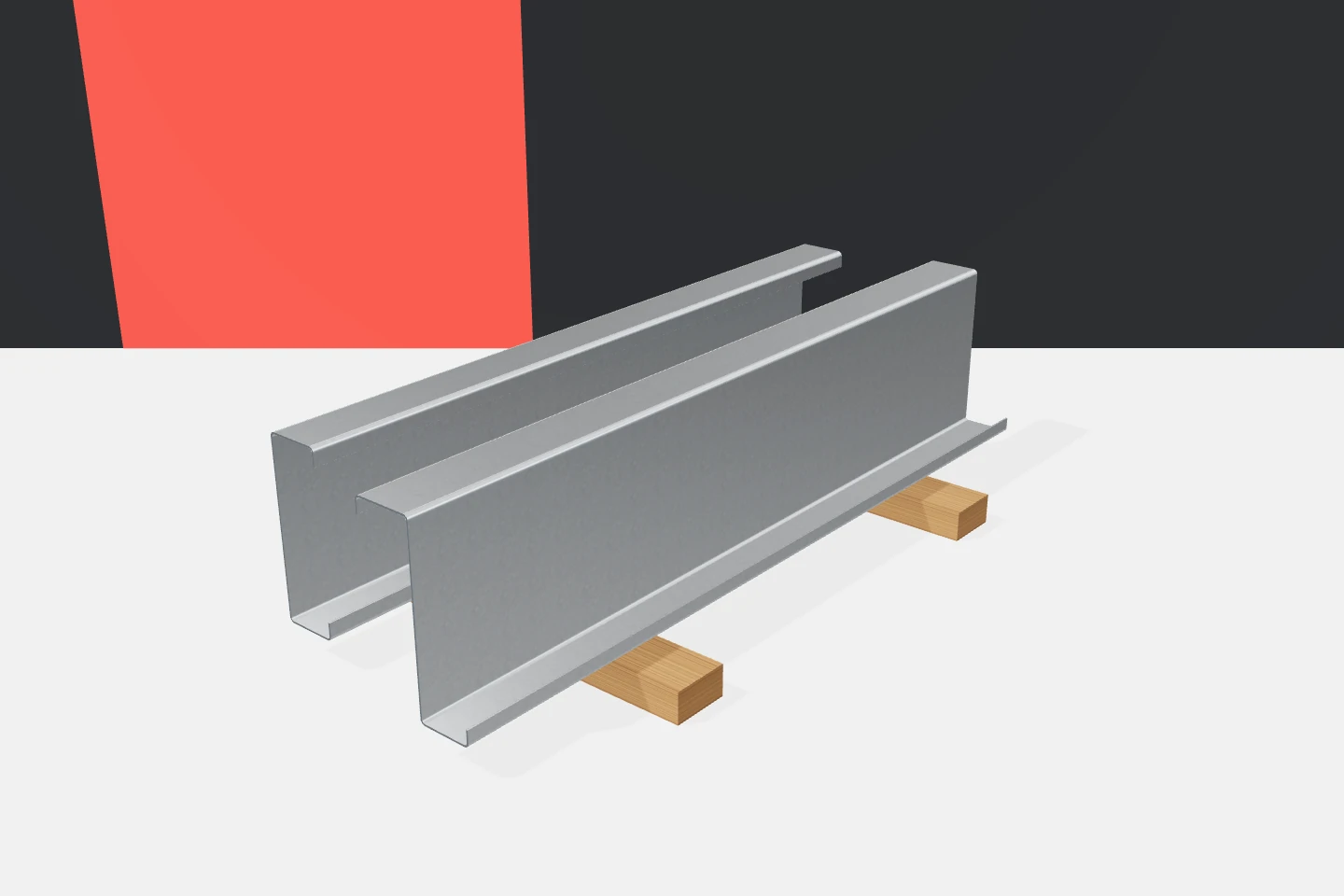
The price per metre is a convenient reference point, but it does not describe the whole order. Cold-formed profiles of the same…
In Poland, the term “building inspector” can refer to two distinct roles. The inspector appointed by the client (inspektor nadzoru inwestorskiego) represents…
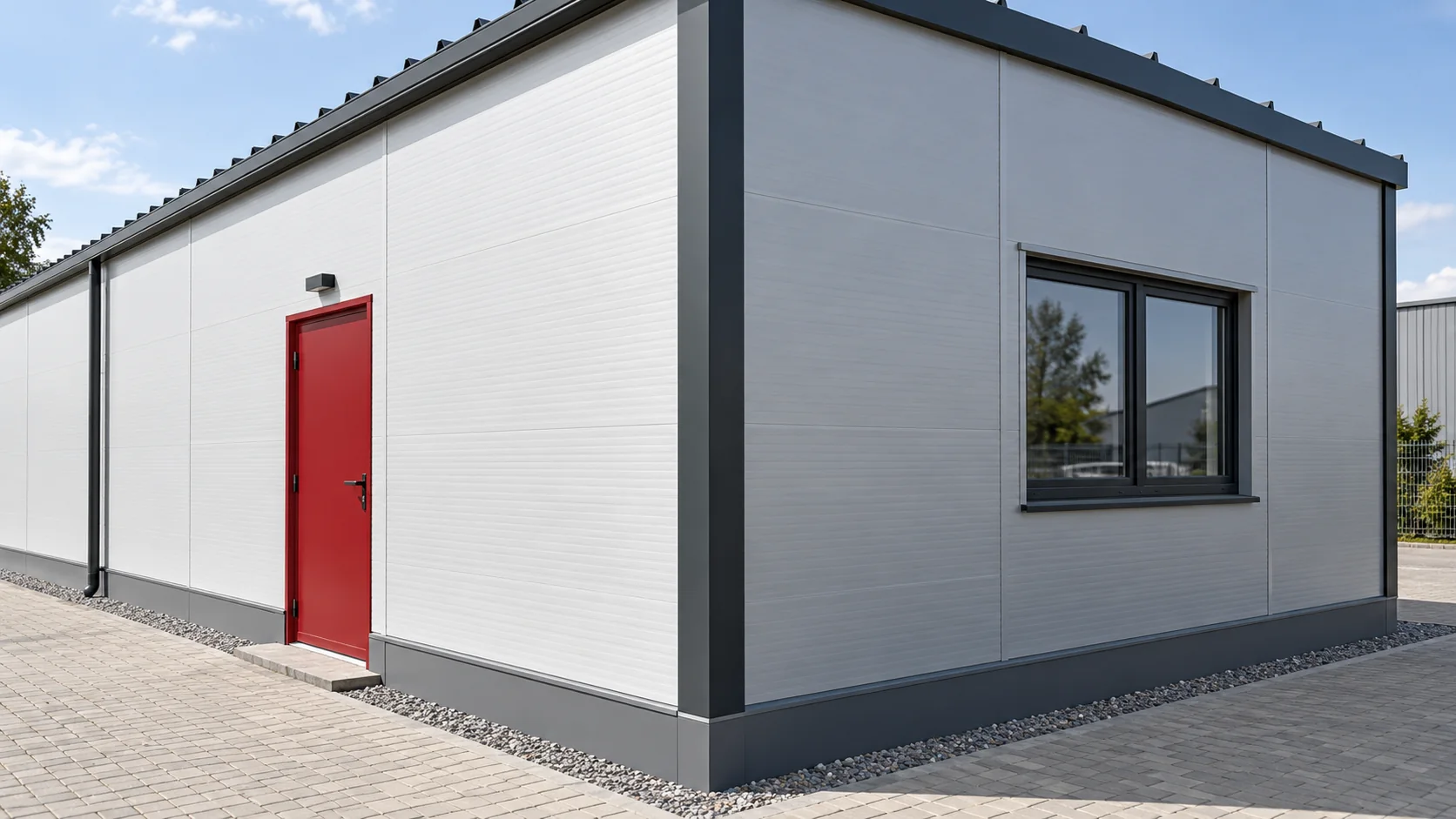
A sandwich panel can have three different costs per square metre. You can price the material at the warehouse, the usable area…
Repeated gutter overflow calls for inspection of the full water route, from the roof edge to the receiving point at ground level.…
A passive house quotation should describe a complete building with performance that will be checked. For someone commissioning a home, the useful…