

XPS insulation
Cold flooring along a wall: when can XPS insulation help?
A cold strip of flooring along a wall can be uncomfortable even in a house with thick external wall insulation. The cause may lie at the junction between the wall, foundation and insulation beneath the floor. XPS can reduce heat flow here when it is placed correctly. Extruded polystyrene is not a remedy for every cold corner, however. Before planning repairs, distinguish thermal bridging from air leakage, dampness and heating problems. In the middle of a room, heat passes through the floor layers. Around its perimeter, there is another route through the wall and foundation. Materials with different thermal conductivities meet at this junction. If the insulation is interrupted, concrete or masonry can conduct heat more readily towards colder surroundings.
In this guide
Why the floor edge needs assessment before choosing XPS
The effect may appear as a strip with a lower surface temperature.
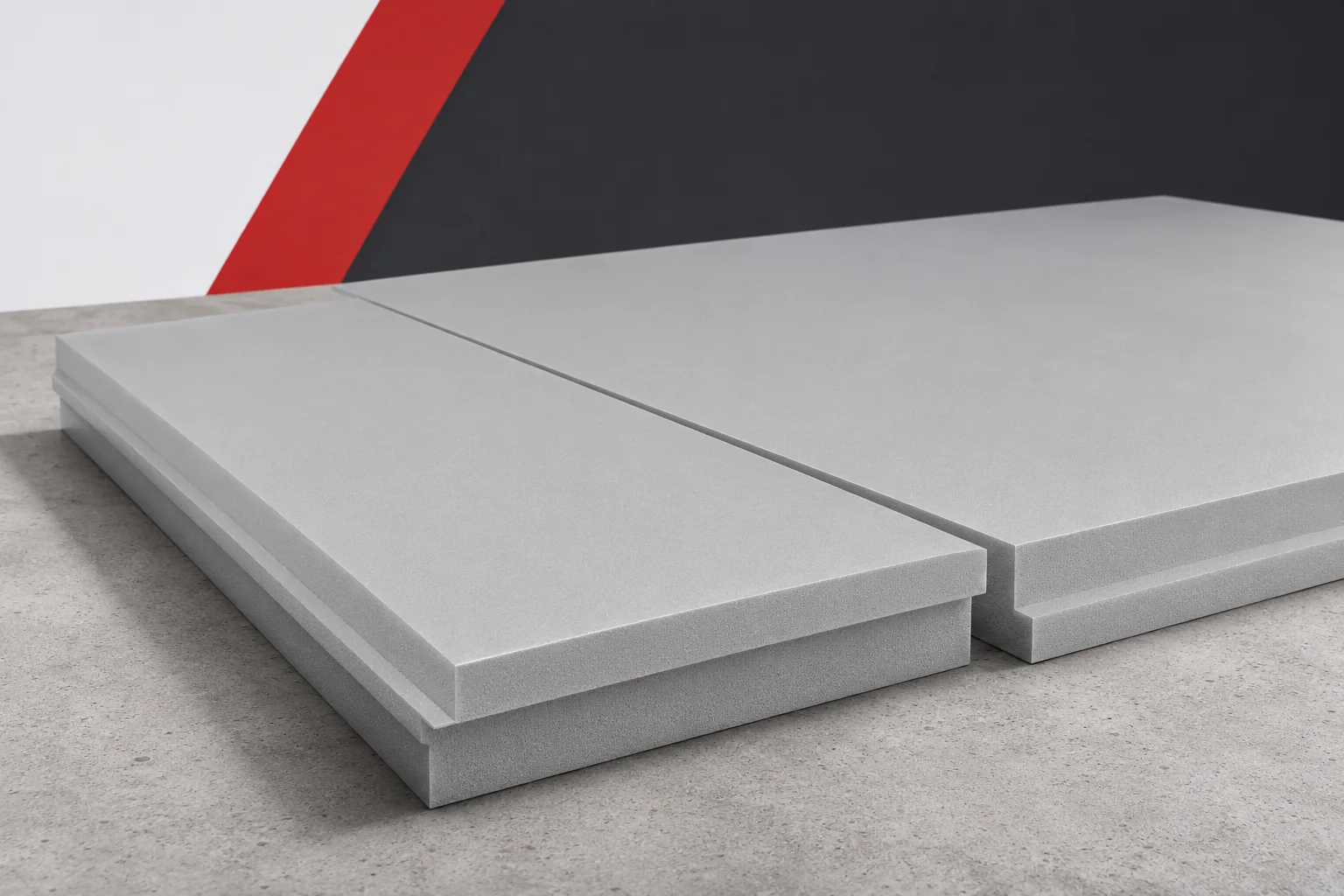
XPS alongside the foundation wall can lengthen this heat-flow path and reduce losses. It does not necessarily eliminate every thermal bridge. The outcome depends on the junction geometry, material thicknesses and floor level. A detailed assessment needs a cross-section of the existing construction. A photograph of the facade cannot show what lies beneath the floor.
Identify the cause before ordering boards
Cold air moving at the skirting board points to a different problem than an evenly cold surface. Leakage at the wall-to-floor junction requires sealing suited to that particular construction. XPS alone is not a layer that provides airtightness. A damp wall, in turn, may be colder because of its moisture content. In that case, the source of the water ingress must be eliminated.
It is worth noting when the symptoms are strongest. Wind, outdoor temperature and heating operation all matter. Extruded polystyrene is selected to suit the identified building element. Without that diagnosis, costly insulation work may be carried out and the cold still felt, caused by an entirely different phenomenon.
Measurements need known conditions
A thermal camera can help locate areas with different temperatures, but the image needs interpretation. Sunlight, wet surfaces, furniture and local heat sources can influence the result. Thermography does not replace opening up the construction or obtaining records of its layers. When planning XPS insulation, compare the observations with a drawing of the affected junction.
Do not calculate annual savings from a single temperature reading. Heat flow depends on more factors than that. A two-dimensional analysis can be useful at a wall-to-floor junction, assessing both heat loss and the internal surface temperature. It allows several XPS positions to be compared instead of choosing its location by eye.
External insulation needs to reach the junction
A common aim of a repair is to connect the plinth insulation with the insulation alongside the foundation. If a section of masonry remains exposed between them, the thermal bridge may persist. Extruded polystyrene should maintain continuity with insulation on the adjoining building elements. Corners and terminations near entrances also need careful detailing.
The depth and thickness of XPS follow from the design and the conditions in the existing house. There is no single value that suits every building. Work around foundations must account for excavation safety, waterproofing and drainage. Check the intended finished ground level as well: it determines how much of the construction will be below ground and where the plinth finish is needed.
Repairs from inside require a separate assessment
Where access from outside is impossible, a narrow strip of XPS along the internal wall may seem attractive. It can change the surface temperature, but its effect on the whole junction may be limited. Moisture conditions behind the new layer also need checking. Covering a damp patch of masonry does not address its cause.
Extruded polystyrene beneath a new floor needs proper support and suitable load-bearing properties. Narrow offcuts at the edge must not leave a loose strip beneath the screed. Screed edge isolation, airtightness and waterproofing are separate functions. One piece of XPS should not be assumed to perform them all.
Choose properties for the installation location
Near ground level, water absorption, thermal properties and compressive resistance matter. Beneath a floor, long-term deformation requirements must also be considered. Under render, the board surface and compatibility with the system are important. Using the name Styrodur in an order does not communicate these requirements. Specify them explicitly.
XPS brands include Austrotherm, URSA and Ravago. Check the particular product within each manufacturer’s range. Extruded polystyrene suitable for one application is not automatically right for another. Declared thermal conductivity can also vary with board thickness. Find the documentation for the exact variant that will be delivered to site.
Inspect the junction before covering the work
Inspect the repair while the construction is still exposed. You can then see whether the XPS reaches adjoining insulation and whether any gaps remain. Check thresholds and service penetrations too. Photographs taken before the finish is installed will help with later work on the house. Once the foundation has been backfilled, establishing the layer arrangement may require another excavation.
After the work, compare indoor conditions during similar weather and with similar heating operation. Correctly selected XPS should reduce heat flow at the location addressed by the design. Comfort also depends on airtightness, ventilation and moisture, however. Acceptance should therefore assess the complete solution, rather than simply count the packs of insulation used.
7 branches. Materials closer to your project.

Free quote
Materials for your project

You may also find useful…
Every centimetre can matter when renovating a house. Door levels, room height or the width of a passage may limit the space…
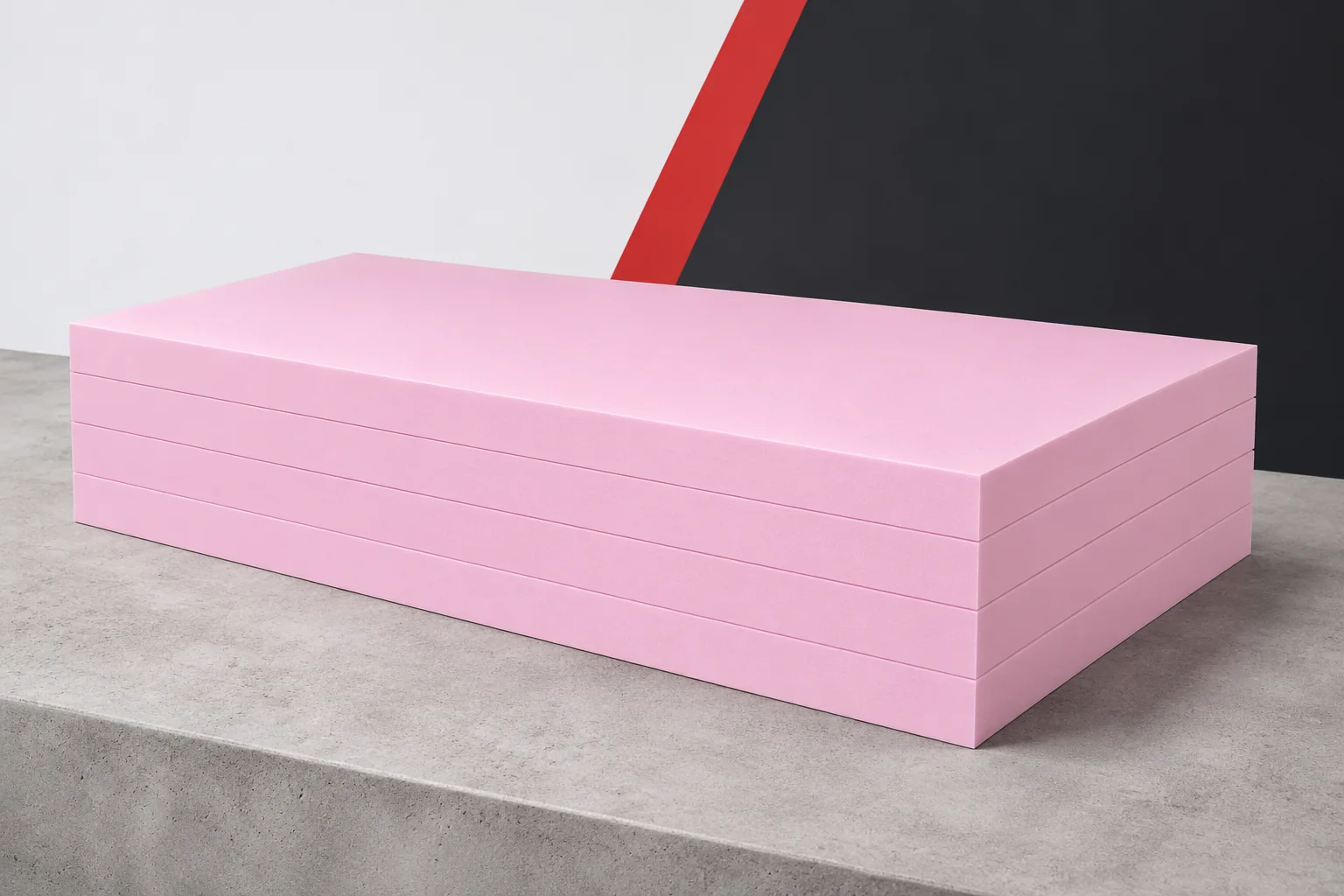
Two XPS offers may look alike while covering different thicknesses and specifications. A cheaper pack does not show which layer will reduce…
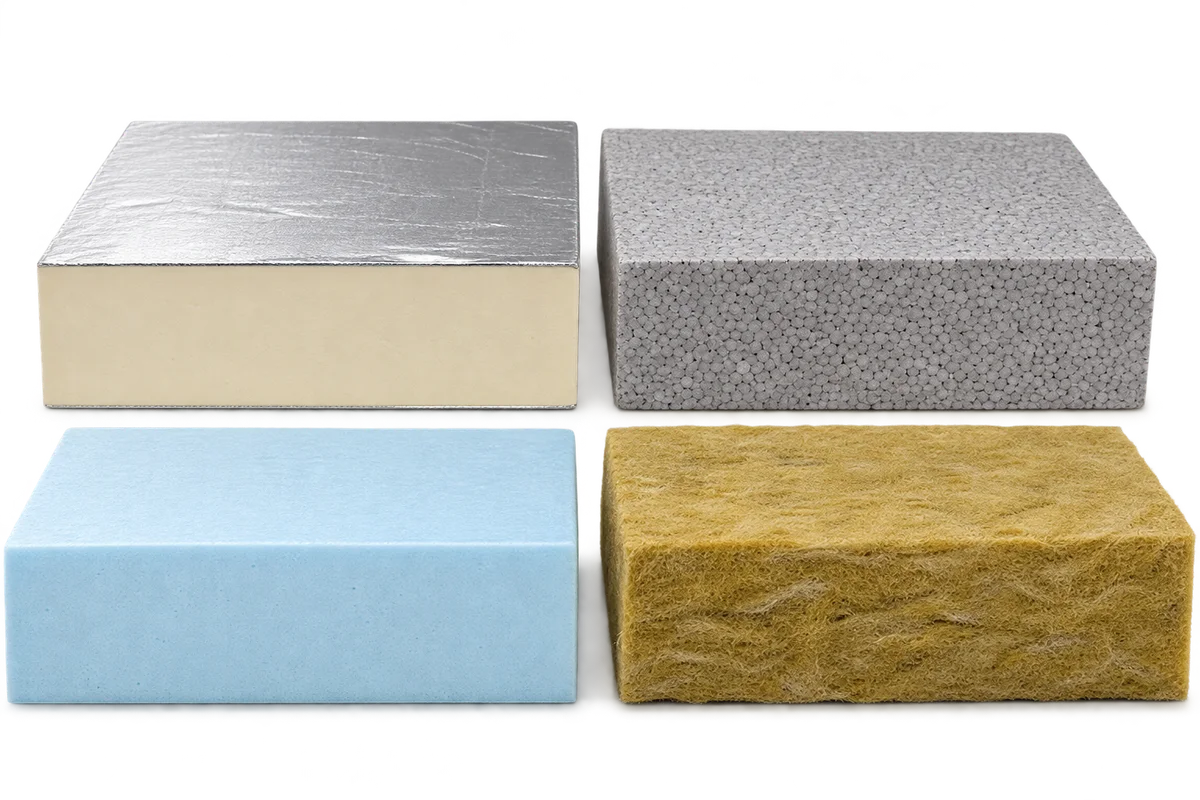
Insulation has a different job in each part of a house. PIR is useful where thickness is limited. EPS comes in grades…
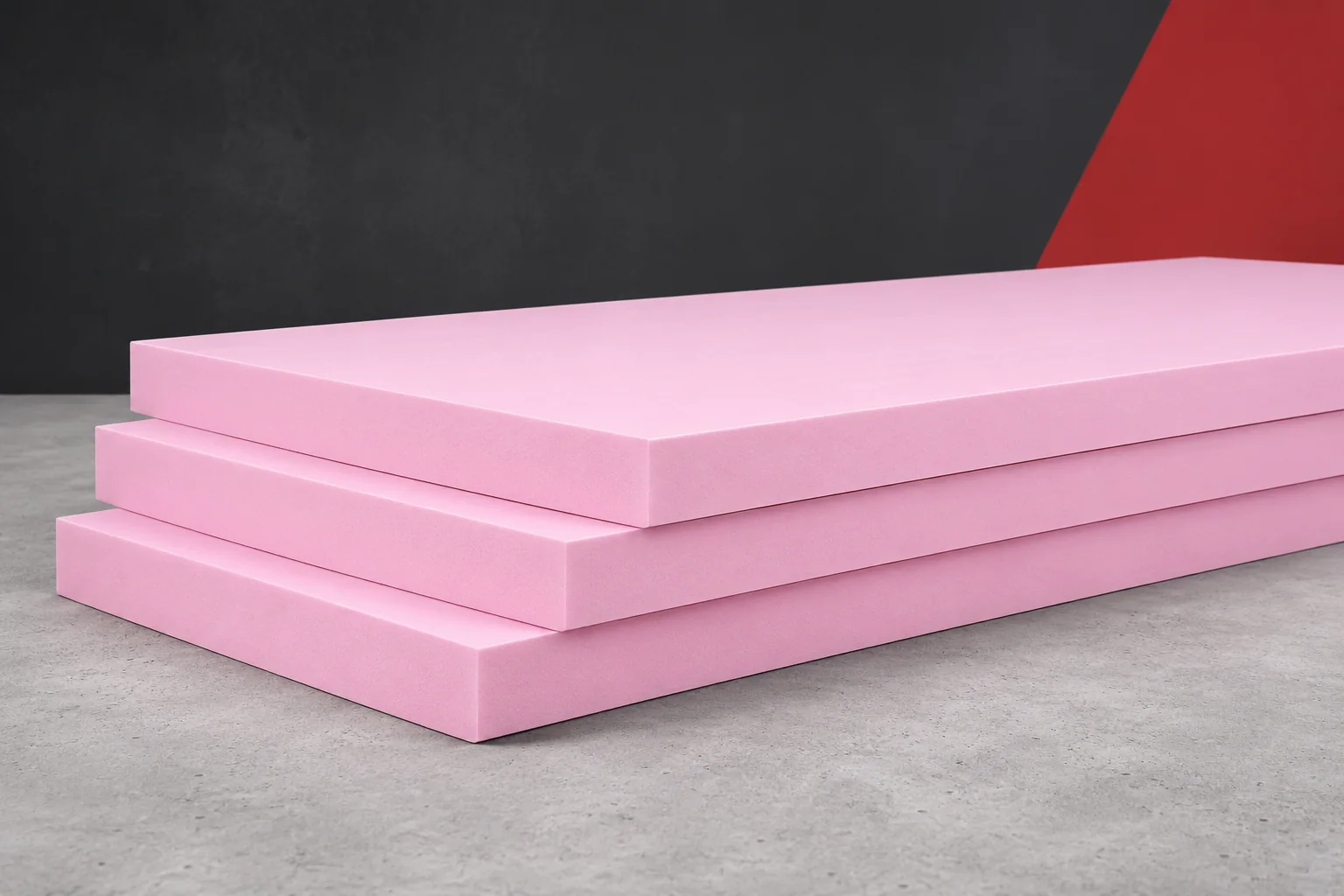
XPS is sometimes presented as simply a better form of polystyrene insulation. That comparison overlooks where it will be used. Extruded and…
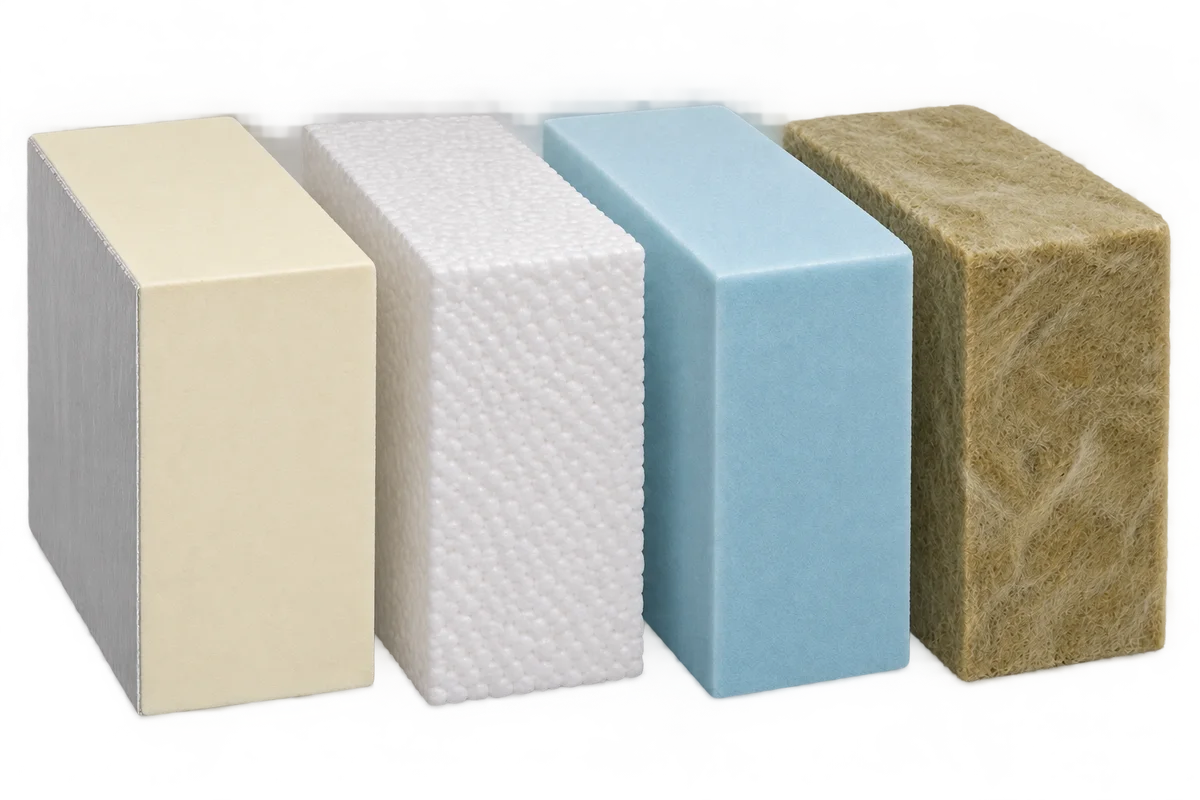
A schedule of the layers of a building envelope with PIR boards and a second insulating material makes sense only if each…
XPS is lightweight, so even a small amount of waste takes up considerable space. Renovation leaves whole boards, clean offcuts and pieces…
Resistance to moisture is a key reason for choosing XPS around foundations and on inverted roofs. Yet descriptions sometimes go too far…
Indoor moisture conditions depend on the sources of water vapour, the way the house is ventilated and the surface temperatures. Water vapour…